A New Class of Hotels Brightens up Ximending
Chen Hsin-yi / photos Chuang Kung-ju / tr. by Geof Aberhart
June 2013


In recent years, Taipei’s Ximending area has seen an upswing in the number of map- and luggage-toting tourists wandering its streets. Many of these are independent travelers from Malaysia, Singapore, Hong Kong, Macao, and mainland China who aren’t just there for the shopping, but also for the affordable hotels.
While the facades of these renovated commercial buildings and old hotels may be unassuming and their entrances hard to find, inside they offer fashionable, comfortable lodgings and a window onto Taipei’s youth mecca.
If you were going to open a hotel in Taipei but were neither flush with cash nor an experienced hotelier, where would you consider setting up shop?
This was the question that faced 30-something Anderson Tung five years ago. Having just left a high-paying job in the electronics industry, Tung was looking for a new challenge and, remembering the enjoyment he found in working the front desk at a hotel when he was in college, he set his mind to opening an affordable, artistic hotel of his own.
After much consideration of his finances, rents around Taipei City, which places in Taipei independent travelers like to visit, and access to public transportation, he finally settled on Ximending’s Wuchang St., snapping up three floors on an 11-floor commercial building. It was there, in the former site of a cinema and a cabaret club, that Tung began making his dream a reality.
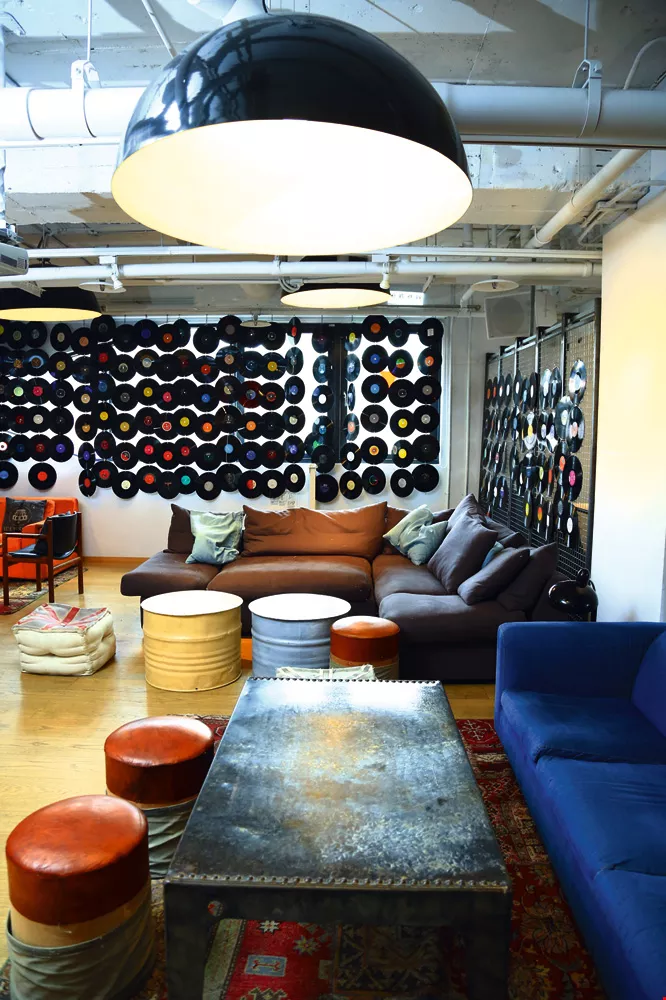
amba’s comfortable, brightly-lit common areas with Wi-Fi Internet access are full of surprising little details. Anyone is welcome to take a look around the hotel, or even make these their own mobile offices.
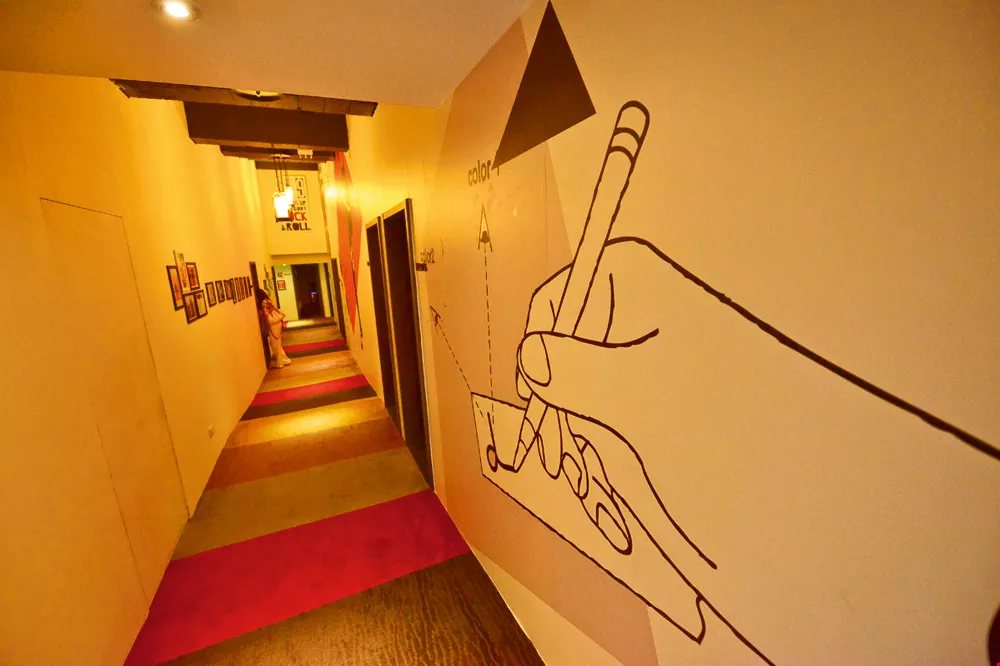
After securing financial assistance from friends and family, Tung set about planning how he was going to use his funds. He decided to eschew anything not directly related to accommodation, to limit the outlay on each room to no more than NT$500,000, and to budget a healthy portion of his funds to getting cutting-edge artists to help design the interiors. The resulting hotel has a lobby and corridors reminiscent of London’s Soho, with one-of-a-kind wooden furniture pieces that were all custom made for the hotel from carefully selected materials.
“The great thing about using an old cinema is that you get a big, high-ceilinged area to work with, and once we got all the old walls knocked out, it felt like having a totally blank canvas to work with,” says Tung. Making use of that space, Tung converted the former box office on the sixth floor into the lobby, with the 50 guest rooms split across the fifth and 10th floors.
Making use of a long-standing building, though, meant not only working with the structure as it stood, but also having to negotiate with the other occupants.
Still dismayed by the memory, Tung recalls how the first-floor common area was grotesque, covered in cigarette butts and chewed-up betel nuts and stinking to high heaven. His exhortations to the owners and customers of the tea house and cabaret club also using the building went unheeded, and so he got to work setting the first-floor entrance and the elevators in order himself. Such a good job was done on getting everything spick and span that everyone seems to have tried to keep it that way since.
With its unique aesthetic and reasonable prices, SWIIO Hotel finally opened its doors in early 2012, relying on online bookings from abroad and good word of mouth to kickstart business.
“I was lucky to get into the business when I did, and to find like-minded and willing business partners,” says Tung, whose next step is to build SWIIO into a brand and franchise. Later he hopes to expand into dining, and even offer services like massages. With the recreational tourism market booming in Taiwan, the prospects are tremendous.

amba’s comfortable, brightly-lit common areas with Wi-Fi Internet access are full of surprising little details. Anyone is welcome to take a look around the hotel, or even make these their own mobile offices.
According to Tourism Bureau statistics, there are over 70 hotels operating in Ximending ranging between 40 and 100 rooms in size and, during high season, enjoying occupancy rates upward of 80% on average.
Forte Hotel Group, a subsidiary of Howard Hotels, runs the Forte Orange chain of budget hotels, including one hotel in Ximending. Michael Liao, head of Howard Hotels, explains that there are several aspects unique to Ximending that have made it such a battleground for affordable hotels. One such aspect is the seemingly recession-proof level of commercial and human activity in the area, which managed to continue as always even in the depths of the Great Recession. Another is that floor space on the second floor or higher is cheaper than in much of the rest of Taipei and can quickly and easily be renovated to accommodate a diverse range of visitors.
And thirdly, Ximending’s proximity to the Taipei Railway Station makes it easily accessible. As the government has promoted both tourism and public infrastructure in recent years, including setting up pedestrian-only areas and renovating Ximen’s Red House, the area has become an even more popular tourist destination.
And now a new class of hotel is joining the fray. In early 2012, the Ambassador Hotel Group opened the first branch of their subsidiary brand “amba,” offering a clean, classy aesthetic that testifies to the brand’s five-star origins, and at a higher price than their more cut-rate competitors in the area.
SWIIO Hotel was built on a small amount of capital, but a large amount of love and attention to detail. The photo on the top shows the two-man management team and soul of the hotel, Anderson Tung (right) and Joseph.
With 160 rooms on floors averaging about 1,500 square meters, amba is larger in scale than most of Ximending’s hotels. The building housing the hotel is a local landmark; the first four floors are home to bookseller Eslite’s Wuchang branch, although the fifth through 10th floors had long laid idle. Now, with amba’s arrival, the building’s exterior and first floor have been given facelifts, injecting a little more style into the street’s atmosphere.
amba’s common areas are brimming with the youthful mischievousness that characterizes Ximending. The restaurant, for example, uses bookshelves as dividers, lining them not only with all kinds of books and magazines, but also toys and dolls, making the area look like a cheeky child’s personal library. The bar at the middle of the restaurant has all kinds of lab equipment set up, including stills, beakers, flasks, and even microscopes, making it look like a mad scientist’s bartending setup.
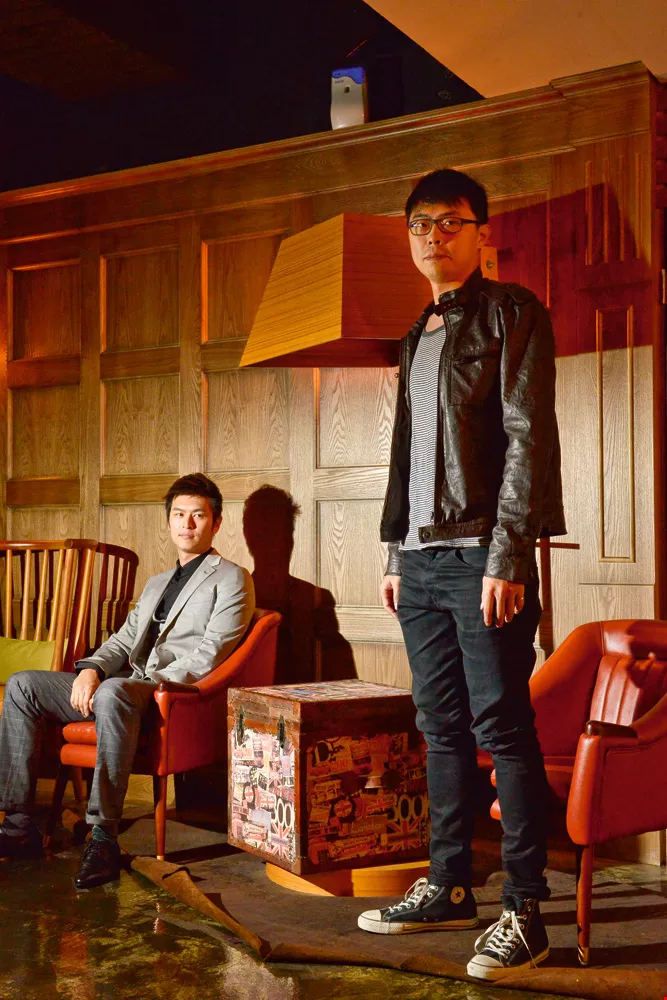
SWIIO Hotel was built on a small amount of capital, but a large amount of love and attention to detail. The photo on the top shows the two-man management team and soul of the hotel, Anderson Tung (right) and Joseph.
A self-described old hippie with an interest in the arts and rock music, 48-year-old Li Changlin, general manager of the Ambassador Hotel Group, had the help of several of his friends from the art world in planning amba.
One such friend was writer Shu Guozhi, whom he asked for a description of “the ideal hotel.” Shu said that such a place would have simple, familiar décor in the rooms, onto which guests could project their own feelings and memories. After much thought, the design team was inspired to create guest rooms reminiscent of student dorms, making bedside tables from old oil drums and converting old wooden chests into side tables to create a homey, relaxing feeling for guests.
amba’s general manager Teresa Huang also took an unusual approach to keeping an eye on things as the hotel was being built and in its trial period, by sleeping in the hotel herself. Even now, a year after the opening, she still treats the hotel like her second home.
“Honestly I’m not big into staying at five-star hotels,” says Huang, who has many years’ experience in the hotel industry. While amba may be a more “economy class” hotel, it offers a place to rediscover one’s center and just relax. On her days off, Huang slips on some comfortable clothes and flip-flops, enjoys a leisurely breakfast, and then steps out into the endlessly fascinating world of Ximending.
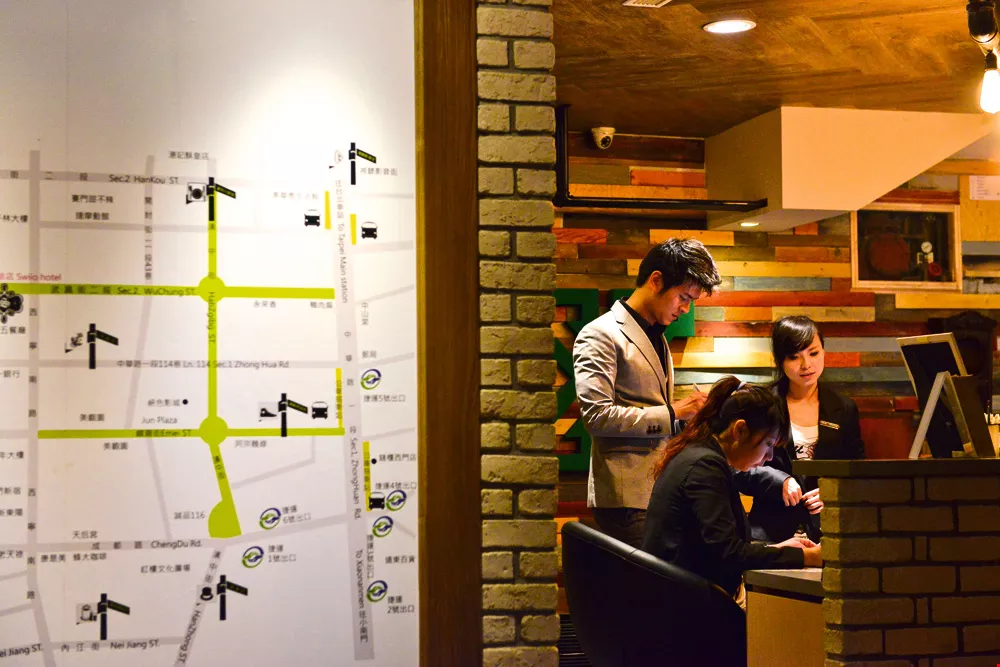
SWIIO Hotel was built on a small amount of capital, but a large amount of love and attention to detail. The photo on the top shows the two-man management team and soul of the hotel, Anderson Tung (right) and Joseph.
In their March 2013 issue, respected British design magazine Wallpaper announced their Best Business Hotels 2012, listing 25 brand-new business hotels from around the world that show “you can mix business with pleasure.” Amongst this list of elegantly designed hotels offering excellent service and quality food was amba, with the magazine saying its environment and design make it an excellent choice for business and creative travellers, and particularly noting that the design work originates from “some of Taiwan’s edgiest architects, artists, music stylists and interior designers.”
Su Chengxiu, an experienced interior designer who has worked on many hotels, says he’s become a fan of the area, having discovered that it is a storied, energetic place, and that no matter how times or styles may change, Ximending remains a window onto Taiwan’s man-in-the-street and youth cultures.
So next time you’ve got some friends visiting from across the seas, why not recommend a stay in Ximending, where they can really experience modern Taiwan!
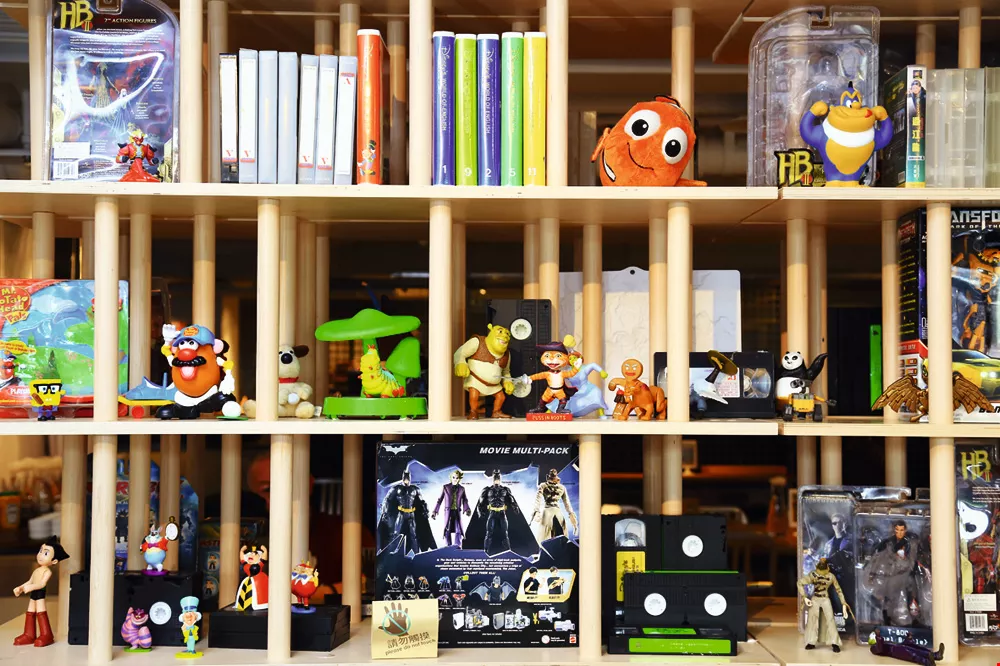
amba’s comfortable, brightly-lit common areas with Wi-Fi Internet access are full of surprising little details. Anyone is welcome to take a look around the hotel, or even make these their own mobile offices.
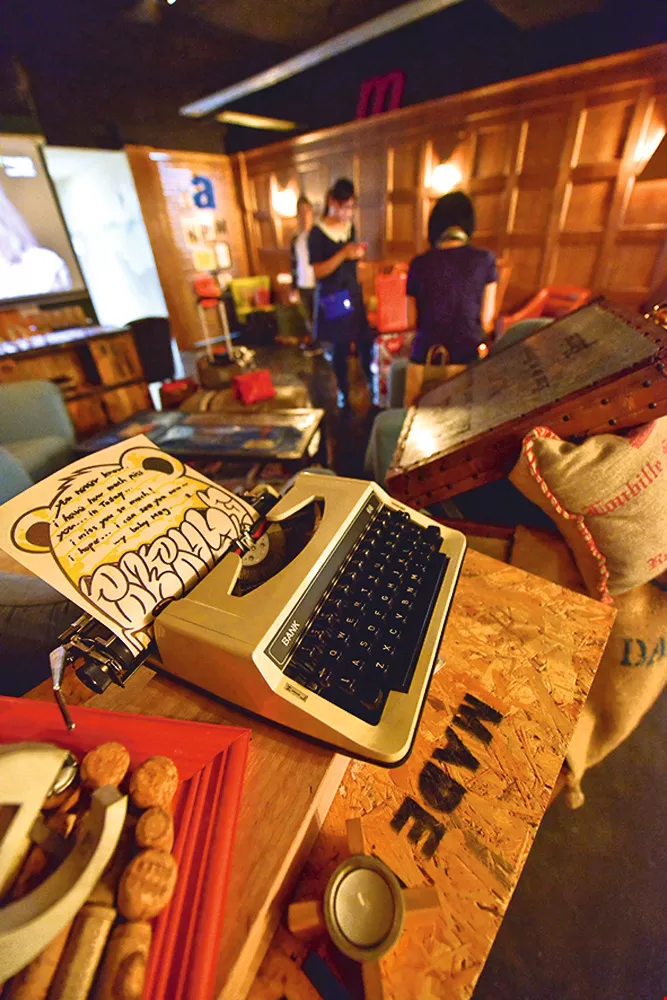
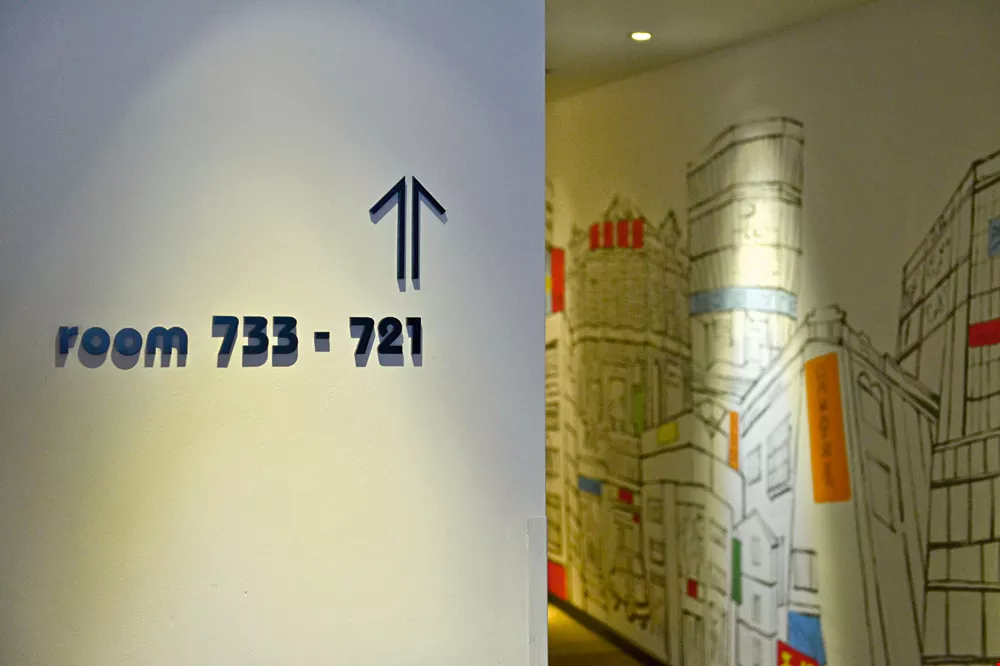
amba’s comfortable, brightly-lit common areas with Wi-Fi Internet access are full of surprising little details. Anyone is welcome to take a look around the hotel, or even make these their own mobile offices.
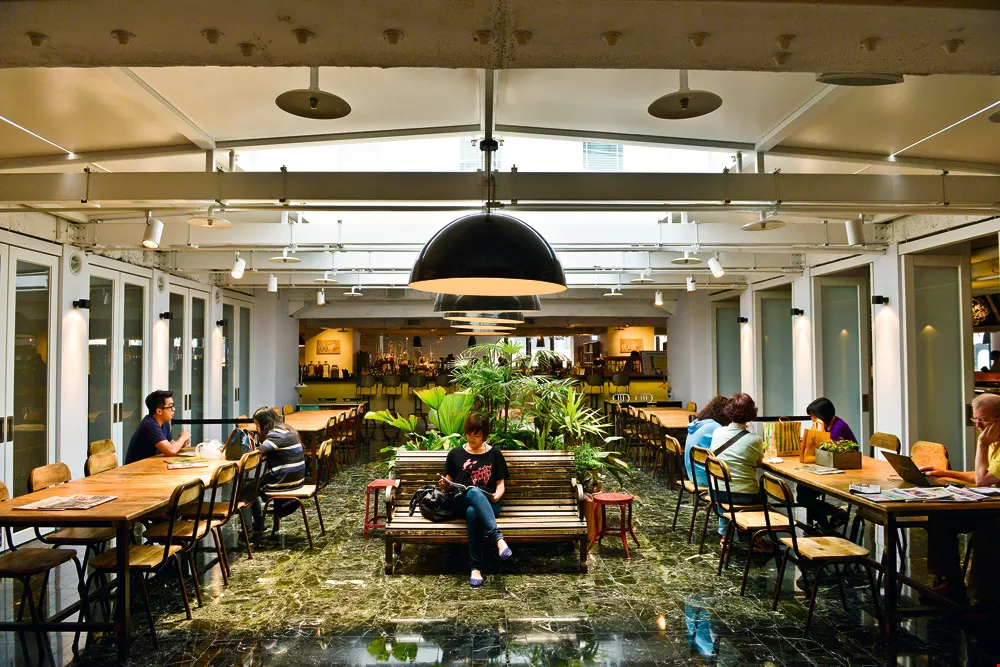
amba offers an environment that can make even international travelers feel at home, while also making long-time Taipei residents nostalgic for the Ximending of their youth.
@List.jpg?w=522&h=410&mode=crop&format=webp&quality=80)

@List.jpg?w=522&h=410&mode=crop&format=webp&quality=80)
@List.jpg?w=522&h=410&mode=crop&format=webp&quality=80)


