Aesthetic reforms
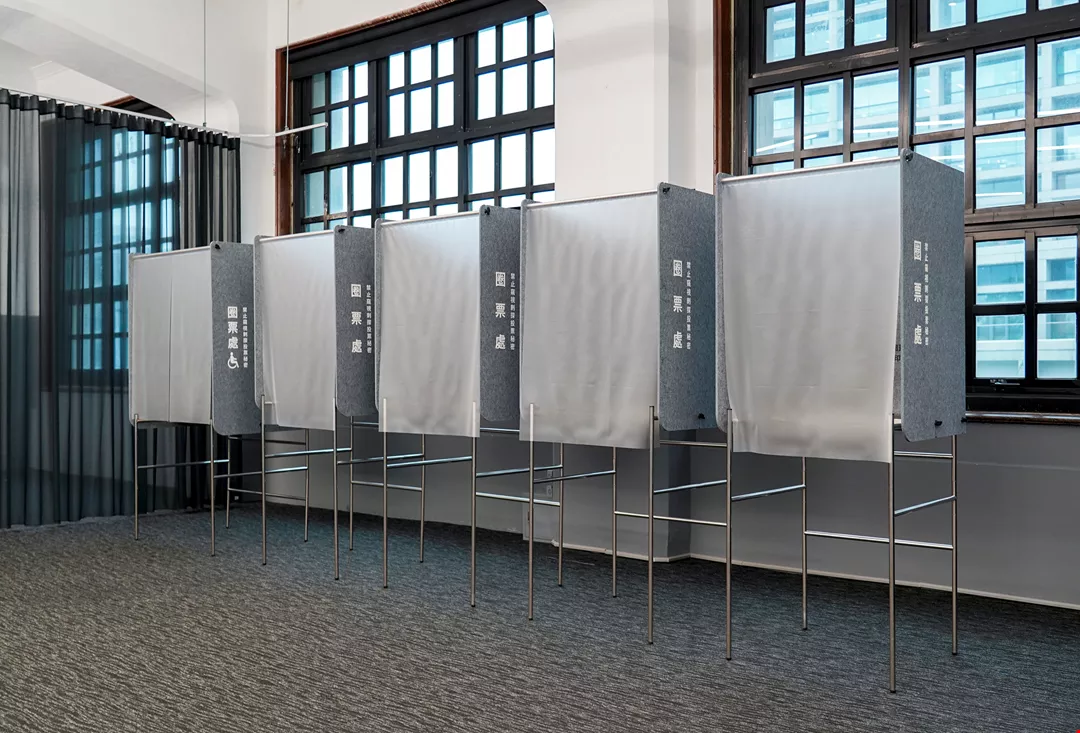
No matter how heated election-eve rallies may be, the public display remarkable self-discipline when they turn up at polling stations to cast their votes. Contributing to this mature democratic scene is a reform of electoral aesthetics led by the Taiwan Design Research Institute (TDRI) in collaboration with the Central Election Commission (CEC).
Chang Chi-yi, president of the TDRI, says that matters related to elections can touch sensitive nerves, and introducing aesthetic concepts into elections is especially challenging. Nonetheless, considering the high level of public participation in electoral affairs, the TDRI took the initiative to approach the CEC for collaborative opportunities.
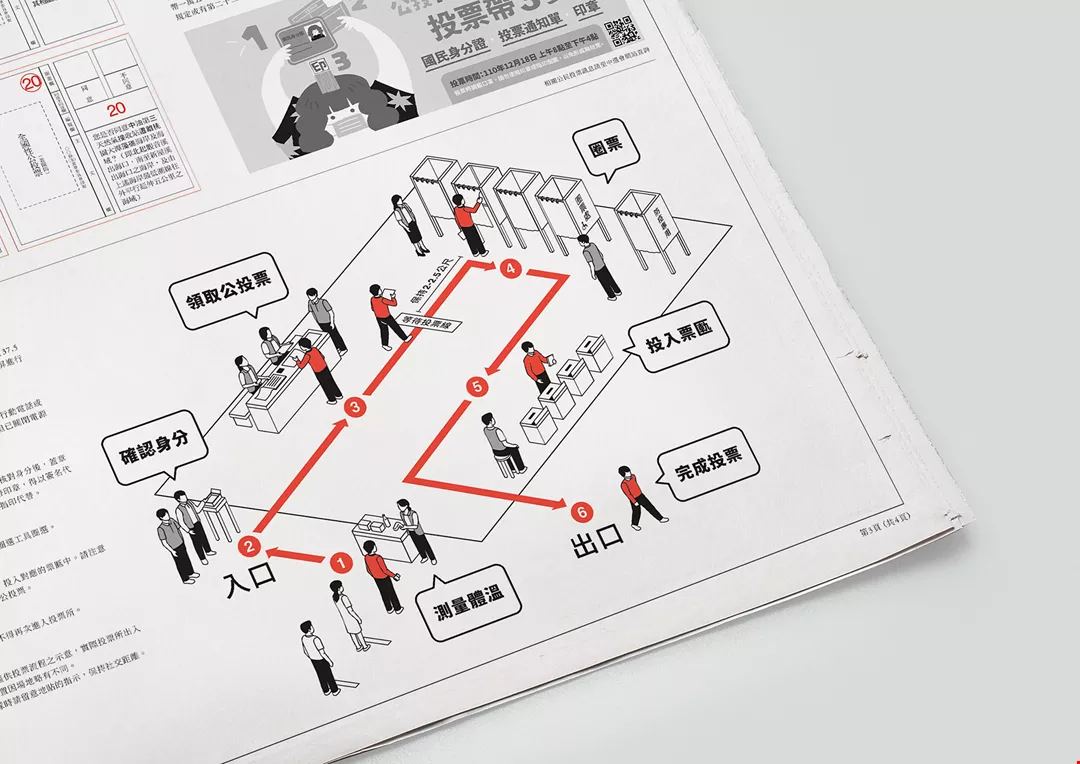
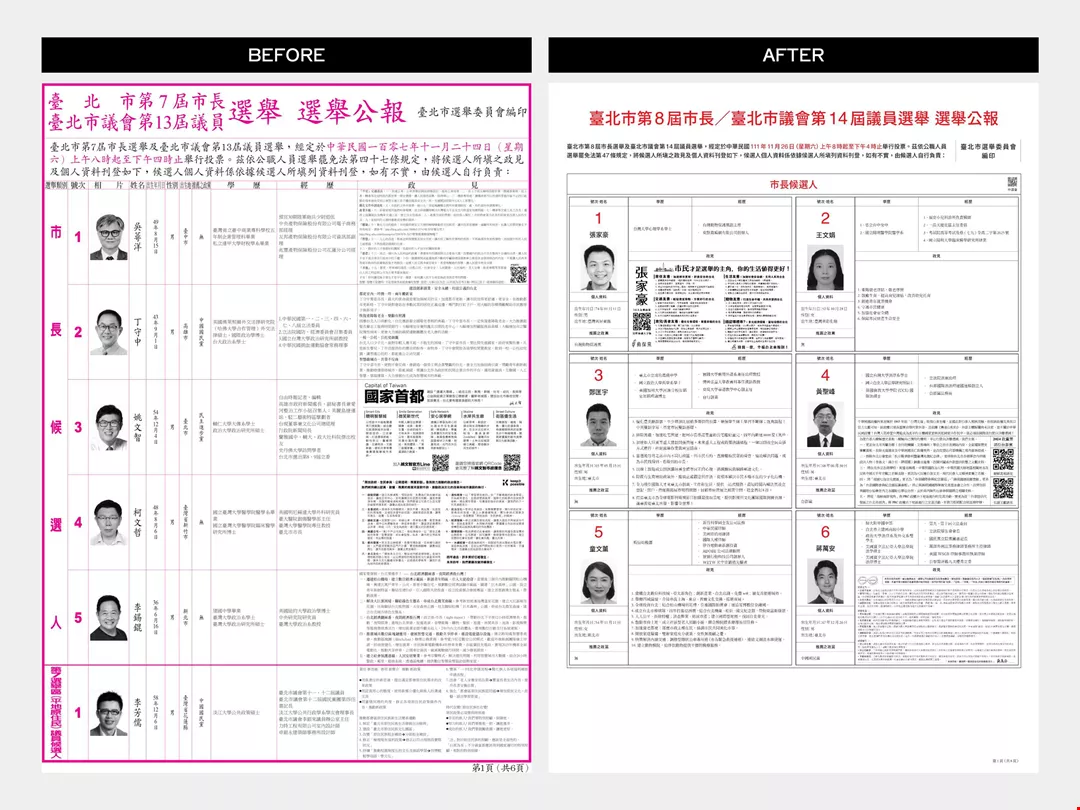
Putting people at the center, and aiming to address the most pressing issues, the TDRI began by reforming the election bulletins. Working within existing budgets and regulations, they changed the two-column layout to a more readable four-column format, replaced the traditional calligraphic typeface with a sans-serif font, and transformed complex voting flowcharts into easy-to-understand 3D-style illustrations.

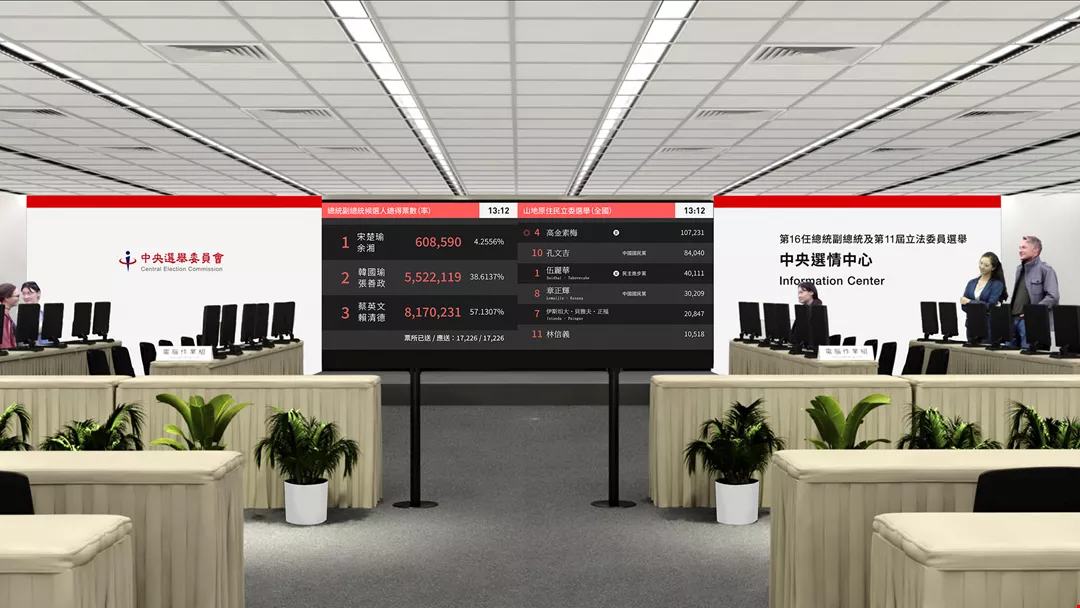
Opting for a minimalist aesthetic, the Taiwan Design Research Institute uses a restrained palette for election information centers, to give focus to the presentation of vote count data. (courtesy of TDRI)

Replacing text-based flowcharts, the 3D-style illustrations help voters grasp the voting process immediately.
(courtesy of TDRI)

The Taiwan Design Research Institute has redesigned the layout of election bulletins to make the content easier to read. The design has won two Golden Pin Design Awards. (courtesy of TDRI)