

Because the Chinese have traditionally shunned litigation, the contribution made by lawyers and the legal system to a stable society in the Republic of China has often been overlooked. In recent years, however, many law graduates have returned from overseas, thereby raising standards, and allowing lawyers to play a more active role in the nation's development.
Two of the largest law firms in Taiwan, whose foreign-trained partners specialize in the complex field of international law, provide examples of this trend.
Lee & Li has a long history of serving foreign corporate clients in the Republic of China. Before World War Ⅱ, one of the original partners, Lee Tze-min had a thriving practice in Shanghai, where many foreign companies were located, while the other, Li Chao-nien was formerly chief of the Ministry of Economic Affairs Commercial Department. Both spoke English fluently and were well-known among Shanghai's foreign business community. With their qualifications and good reputation, Lee and Li were able to build the firm up from an original staff of four to its large size today.
Both the firm's original partners died in the 1970s, and currently the senior partners are Paul Hsu, C. V. Chen, and Li Kwan-tao, who is Li Chao-nien's son. Hsu, Chen and Li are all graduates of the National Taiwan University's Law School who acquired higher degrees and work experience in the U.S. before returning to Taiwan. In addition to their thriving practice, all three teach at Taiwan's top law schools.
Law firms in Taiwan are usually one-man affairs which employ only a handful of assistants, and Lee & Li was the first large-scale company to be founded in the Republic of China. "Large law firms are quite common overseas," said C. V. Chen, "because nowadays, the legal world is so complex that no one person can be conversant in all aspects of law. Only a large firm can combine the experience of many specialists to best serve its clients."
Lee & Li has specialists heading each of its six departments--trademarks, patents, copyrights, investment, banking and litigation. Said Li Kwan-tao; "This means that departments can work independently. In complex cases, several departments cooperate, enabling us to provide a thorough service."
"Basically, lawyers sell their time," said Li, "and for this reason I believe charging by the hour is perfectly fair. Because our clients can discuss a case with several specialists at once, they can in fact save both time and money. While services such as registering trademarks can be covered by a flat fee, to set a standard price for all services would be unrealistic."
The firm has five different rates ranging from NT$2,000 (US$50) to NT$6,000 (US$150) per hour. "Naturally, clients expect to have highly qualified and experienced lawyers attending to their cases," he said.
Lee & Li has entrance examinations for new employees which emphasize legal and foreign language skills. Offering excellent pay and a comprehensive welfare scheme, the firm has a steady supply of the best law graduates applying for positions.
A good lawyer can never afford to stop learning, and this principle is applied throughout the firm. So they can become familiar with all aspects of the firm's operations as quickly as possible, new employees are allowed to listen to discussions between senior partners and clients, and they are periodically rotated from department to department. The firm also pays tuition fees for employees taking further studies.
Another type of employee training is based on the firm's practice of using its files as a reference library. Details of former cases are recorded on microfilm and carefully classified. A computer is used to store amendments to laws and supply information to clients.
Lee & Li regularly participates in government-sponsored investment promotion missions. Overseas investment in Taiwan is one of the firm's specialties, and because of its numerous foreign clients, it often helps the government to draw up foreign investment regulations.
Lee & Li's 30-year history in the ROC has closely reflected the nation's economic development. In the 1950s the firm concentrated on the registration of foreign trademarks, patents and copyrights. With the introduction of incentives for foreign investment in the 1960s, the firm began to assist foreign companies wishing to invest in Taiwan. Although this area is still important, foreign investors are no longer attracted merely by cheap labor, as the economy moves to a capital-intensive base. Despite the worldwide recession, Lee & Li is acquiring more and more clients eager to invest in Taiwan.
While Lee & Li caters mainly to foreigners, Ding & Ding specializes in assisting Chinese companies having legal problems overseas. Ding & Ding is headed by a husband-wife team, Ting Mao-sung and Chen Kuo-tze, who were originally graduate students at the same law school in England. Both Ting and Chen are qualified to practice in Britain and the U.S. as well as in Taiwan.
During the period of the 10 Major Construction Projects in the 1970s, local businessmen came into regular contact with foreign suppliers, and often brought in Ting and Chen, who were at that time based in California. Their familiarity with Anglo-Saxon law and their ability to communicate in both Chinese and English made them invaluable to businessmen unfamiliar with overseas practices. In 1976 they returned to Taiwan to establish Ding & Ding.
Recently, the company has added several government enterprises, such as the China Shipbuilding Corp., Taipower, and RSEA to its list of clients. Although a relatively young company, Ding & Ding enjoys an excellent reputation in Taiwan's public and private sectors.
"Legal matters require a large degree of freedom and flexibility, which means that our employees usually work independently," said Chen. The firm's 42 employees are selected not only for their competence, but also for their enthusiasm and conscientiousness.
One reason for the firm's good reputation is that it has never lost a single case overseas. Ting and Chen said that this is the result of meticulous preparation, which involves considering all possible approaches to a problem before proceeding with litigation. "If enough time is spent researching a case and anticipating the other side's approach, the outcome is virtually decided before it comes to court," explained Chen.
Based on his years of experience, Chen observed that foreigners tend to be aware of laws affecting their particular cases, while Chinese clients approach lawyers with scant understanding of legal matters. For this reason, Chen suggested that Chinese clients should attempt to gain a basic understanding of the law before they seek representation. This expedites the case and saves the client time and money.
While it is common for lawyers to be retained overseas, the practice is only gradually being accepted by Chinese companies. "If problems can be anticipated in advance, for example, by asking a lawyer to go over a contract and clarify ambiguities, a great deal of litigation could be avoided," Chen pointed out.
[Picture Caption]
1-3 The senior partners of Li & Lee. 1. C. V. Chen: "Nowadays, the legal world is so complex that no one person can be conversant in all aspects of law. Only a large firm can combine the experience of many specialists to best serve its clients." 2. Li Kwan-tao: "With the revisions of the copyright laws, violators face heavy penalties, which I believe will significantly reduce commercial counterfeiting by the end of this year." 3. Paul Hsu: "Lawyers are responsible for protecting the interests of their clients to the limits of the law. In law, as in medicine, prevention is better than cure." 4. With 140 staff, Li & Lee is the largest law firm in the Republic of China. Shown here is the company's waiting room.
1. Li & Lee was the first law firm in the Republic of China to be fully computerized. 2.3. The senior partners of Ding & Ding, Ting Mao-sung and Chen Kuo-tze. 2. Ting: "If enough time is spent researching a case and anticipating the other side's approach, the outcome is virtually decided before it comes to court." 3. Chen Kuo-tze became qualified to practice law in Britain in her 20s, and although she is now still in her 30s, she is an experienced lawyer.
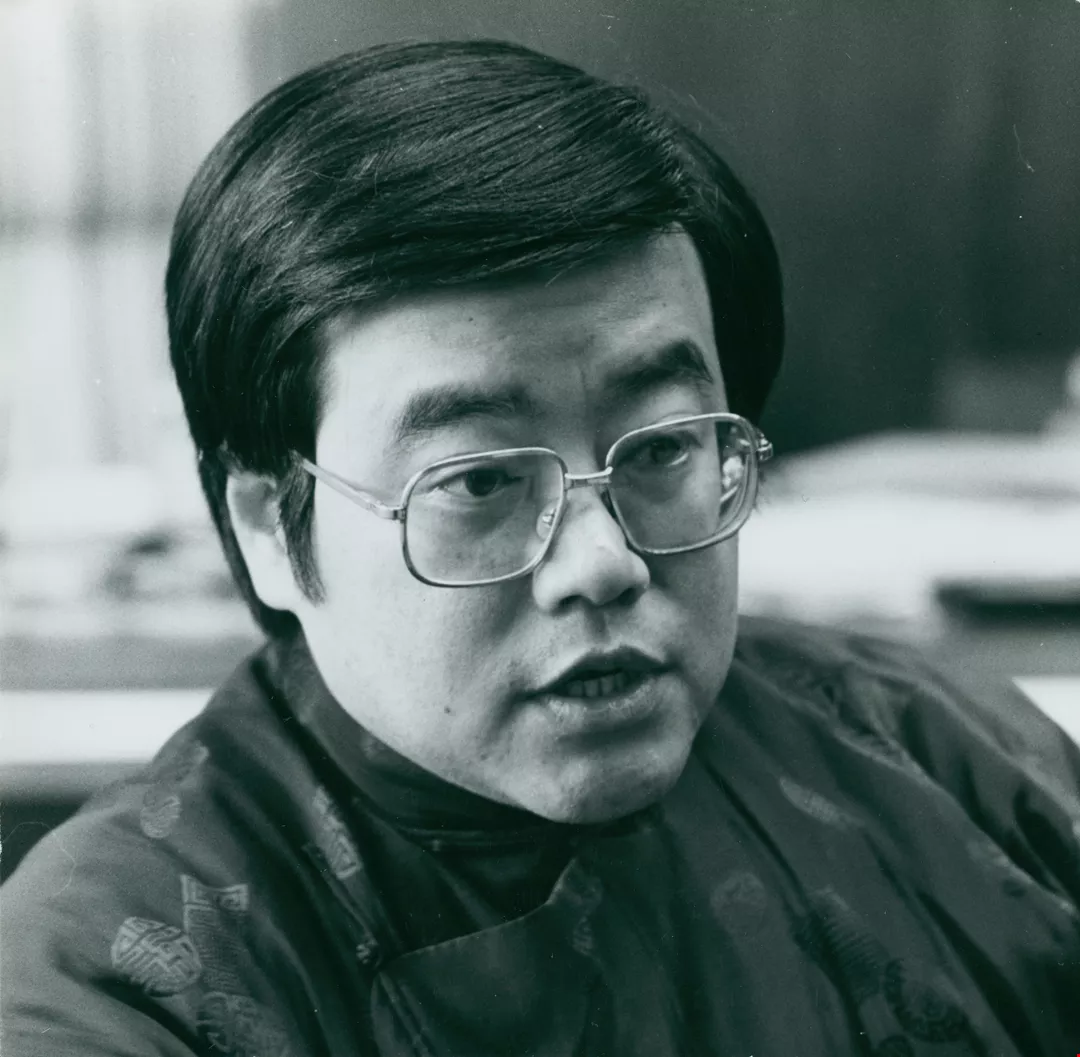
2. Li Kwan-tao: "With the revisions of the copyright laws, violators face heavy penalties, which I believe will significantly reduce commercial counterfeiting by the end of this year.
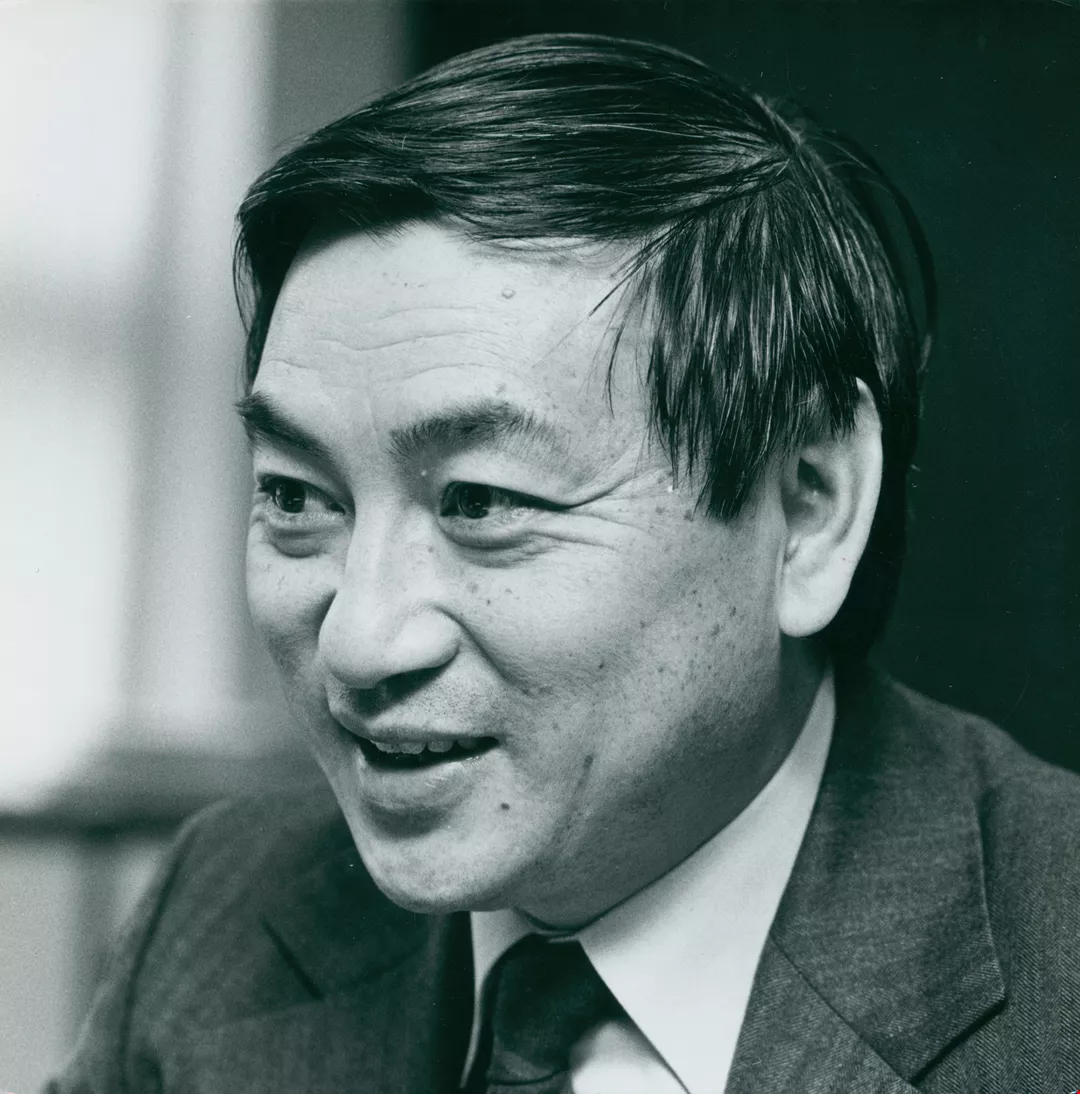
3. Paul Hsu: "Lawyers are responsible for protecting the interests of their clients to the limits of the law. In law, as in medicine, prevention is better than cure.
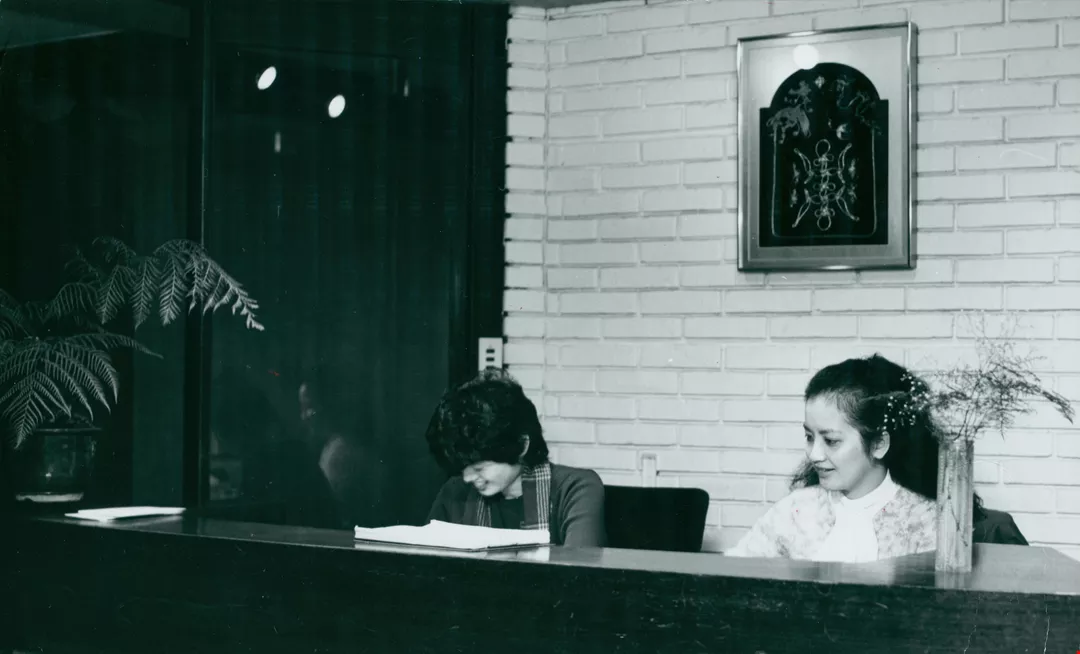
4. With 140 staff, Li & Lee is the largest law firm in the Republic of China. Shown here is the company's waiting room.

1. Li & Lee was the first law firm in the Republic of China to be fully computerized.
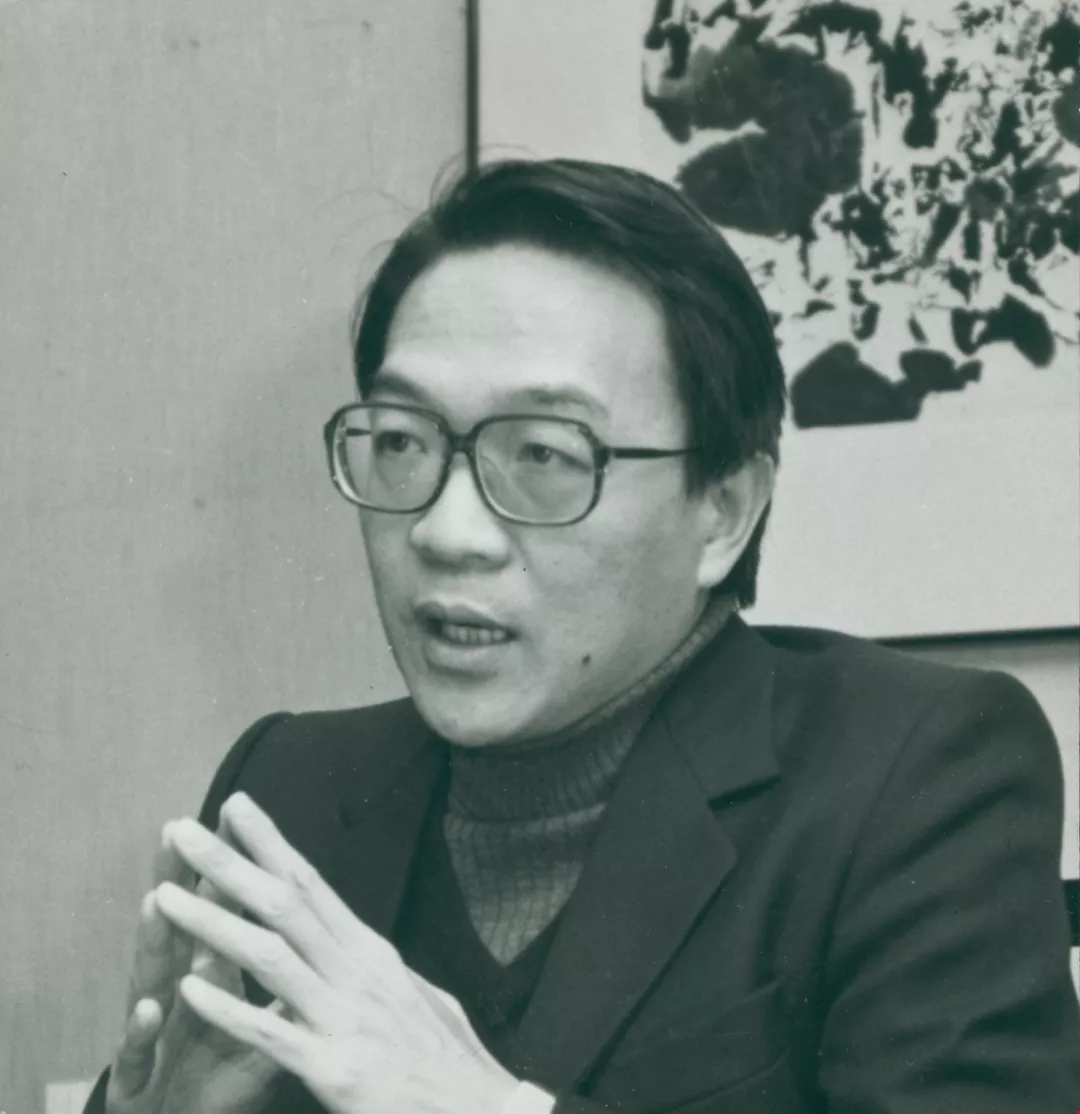
2.3. The senior partners of Ding & Ding, Ting Mao-sung and Chen Kuo-tze. 2. Ting: "If enough time is spent researching a case and anticipating the other side's approach, the outcome is virtually decided before it comes to court.

" 3. Chen Kuo-tze became qualified to practice law in Britain in her 20s, and although she is now still in her 30s, she is an experienced lawyer.
@List.jpg?w=522&h=410&mode=crop&format=webp&quality=80)

@List.jpg?w=522&h=410&mode=crop&format=webp&quality=80)
@List.jpg?w=522&h=410&mode=crop&format=webp&quality=80)


定稿-1@List.jpg?w=522&h=410&mode=crop&format=webp&quality=80)
