Creating an Aboriginal Renaissance—Evergreen Lily Elementary School’s Aboriginal Education Program
Su Shih-ya / photos Su Shih-ya / tr. by Geof Aberhart
July 2014


The Aboriginal village of Rinari sits in the mountains of Pingtung County’s Majia Township. The area was once home to Majia Farm’s veritable forests of acacia and sugarcane, but since the devastation of 2009’s Typhoon Morakot, what has taken root there is a new garden of Aboriginal culture.
After Morakot wreaked havoc on the Rukai village of Kochapongane and the Paiwan villages of Makazayazaya and Tavalan, their residents were forced to move to a new permanent settlement. To help raise morale, the new village was given the name “Rinari,” which is Paiwan for “the place we go to together.”
It was in this new village of some 500 families that Evergreen Lily Elementary School was born.
With every crisis comes opportunity, and it is when things get toughest that we need to work even harder to pass on our cultures and traditions. Since the earliest plans for ELES, the school has been intended to provide “classrooms without borders” and “education without class timetables,” as well as to be Taiwan’s first school to offer an education program focused on Aboriginal culture. As they graduate from the school, every student gets a double qualification: both their formal completion certificate and their Aboriginal education certificate. By providing a focus on tradition, ELES is cultivating a new, culturally aware generation of Aboriginal children.
The elementary school environment is a crucial part of shaping children’s personalities. After the high winds and torrential rains of 2009’s Typhoon Morakot destroyed schools in the mountainous areas of southern Taiwan, children and their parents were forced to pack up, move to new homes, and enroll in new schools. With the disaster leaving as many scars on the children’s souls as it did on the land, this disruption left many of the youngsters under a black cloud they couldn’t shake. And with Aboriginal culture so closely tied to the land and environment, having those ties severed meant that one of the biggest challenges following the move was making sure the culture survived as well as the people.
To address the needs of the children of Rinari, the Chang Yung-Fa Foundation single-handedly funded the building of a new school that not only had to address the issue of keeping the local culture alive, but would also need to deal with the psychological trauma the students had suffered.
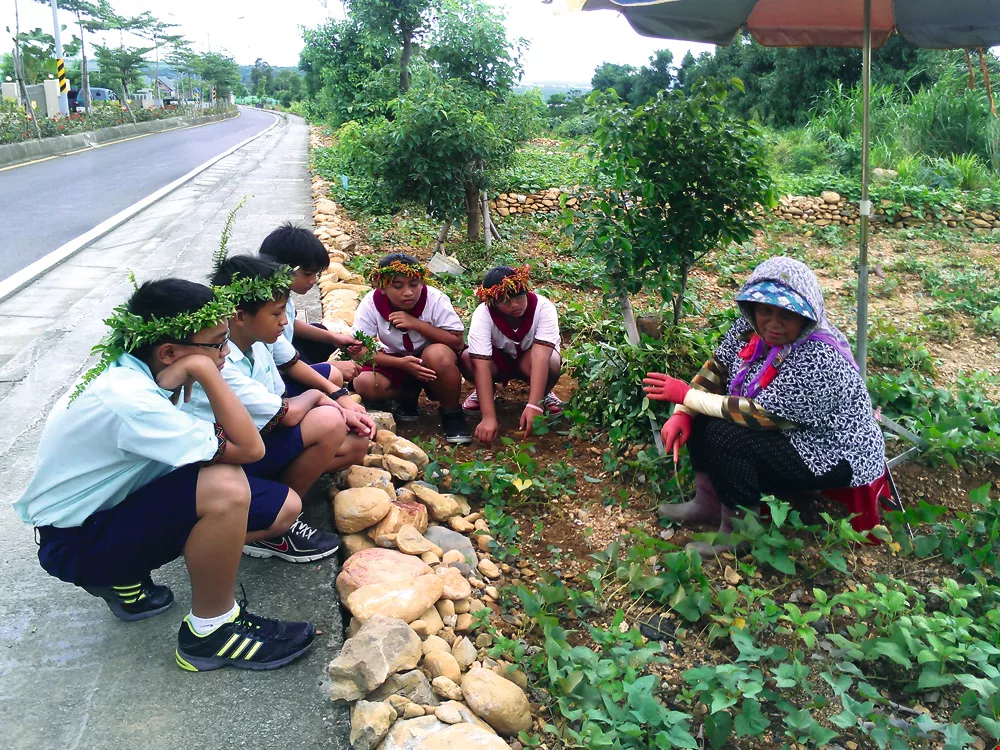
One of the many skills the children are tested on in the program is how to identify local flora.
The “Aboriginal education” program requires students to develop an understanding of tribal ethics, culture, and traditions. The only way to pass the program is with the agreement of the village elders and leaders. Receiving the new certificate has become like a coming-of-age ceremony for the local children, who are more proud of that certification than of their “real” completion certificate.
One of the courses, “Primitive Agriculture and the Land,” is the brainchild of village elders, who also serve as its teachers. The seed idea was to teach the skills traditionally used by Aboriginal families, when moving to a new place, for observing the natural environment in order to choose the best spot to build their new home.
In class, the elders teach students how to determine the hardness of the soil and how to tell whether there is a risk of landslides or rockfalls in the vicinity. They also learn to pay attention to the weather and climate: When it rains, will the land flood? Will any new building block up a natural waterway? And how close are the most convenient water supplies?
Other parts of the course cover geography, natural science, and cultural modes of thinking. Rather than formally churning through agricultural knowledge, the elders explain farming from a practical perspective, stimulating the children’s imaginations and helping find solutions.
“When we’re tired out from working the land, we need somewhere to escape the elements and rest,” says a village elder, leading the children to an acacia tree as he explains how to pick the right trees and the need to try and stay leeward to avoid the cold. Next, he leads the children around the huge tree, asking for the tree’s blessing as he reaches out and touches it: “We ask that you support us and bless us as we build a rest spot here.”
Throughout the course, the children are reminded to ask themselves what is necessary, why, and for whom. With the Rukai and Paiwan, like other Taiwanese Aboriginal tribes, being believers in the spirits of nature, the children are also taught that they are just one part of the larger environment, and that they must always respect not only their ancestors, but all life.
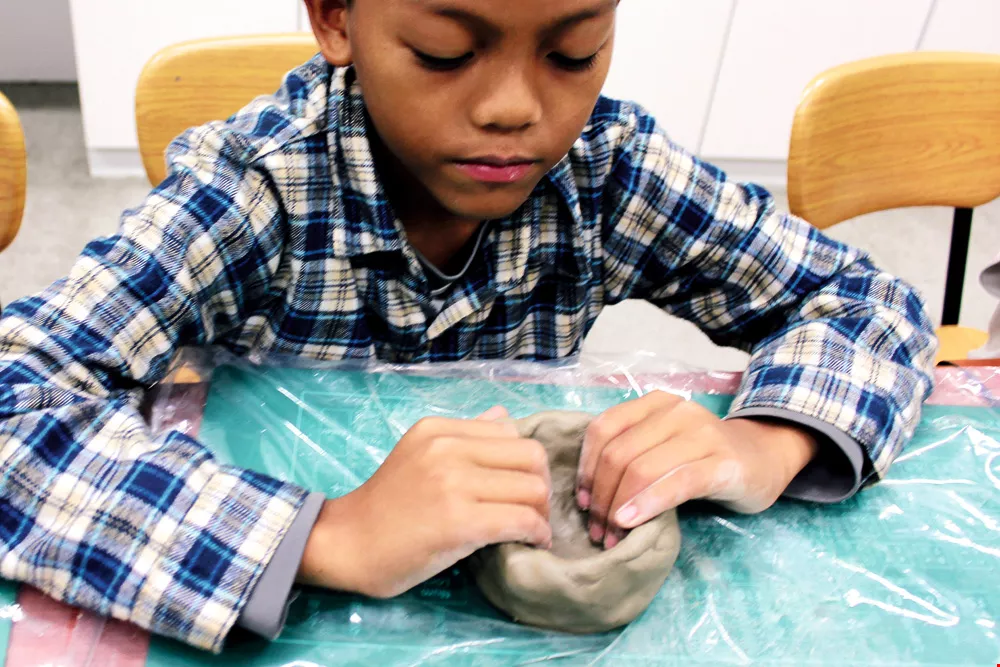
Through both classroom study and hands-on work, the children learn more about their tribes and their identities.
Even when building a simple work hut, the teacher places a particular emphasis on ensuring the materials and measurements are in line with how people live and act. From the first post to finally putting on the roof, the entire process makes use of natural materials like branches, grasses, vines, and bamboo. Each material has its own particular look, and the elder teaches everyone about the properties of the various plants used and how to use them in line with their “personalities.” “Each material has its own personality. Some of them might be, say, too short to use alone, but if we bind them together and link them with other materials, we can get maximum use from them,” he remarks.
Other issues to be considered include building for local conditions and transporting materials. For example, hunters tend to head to their hunting grounds on their own, so using materials they can carry by themselves is a good idea.
Similarly, heavier stone needs to be broken up into smaller pieces for ease of transport. Maidenhair grass, meanwhile, might be light, but it is bulky and needs to be collected over several trips, because if you try to carry too much at once it will be crushed out of shape.
Through the detailed explanations provided, the children also gradually and naturally pick up their tribal languages, as well as understanding better the wisdom of their ancestors and gaining new respect for their elders.
Most of the elders of Rinari can only teach in their respective tribal languages, which the children mostly know very little of. This means that, unusually, lessons need interpreters. The elders involved often note that despite having to rely on interpreters, opportunities to pass on their knowledge to the youth like this are rare, and so efforts like ELES’s are invaluable.
At the same time, though, this has led to Rinari recognizing one of the keys to saving their culture from Sinicization: language. The elders may not be formally trained teachers, or able to readily use Mandarin to teach, but they understand their cultures better than anyone, and this is how the local tribal languages became recognized as an important part of the children’s basic education.
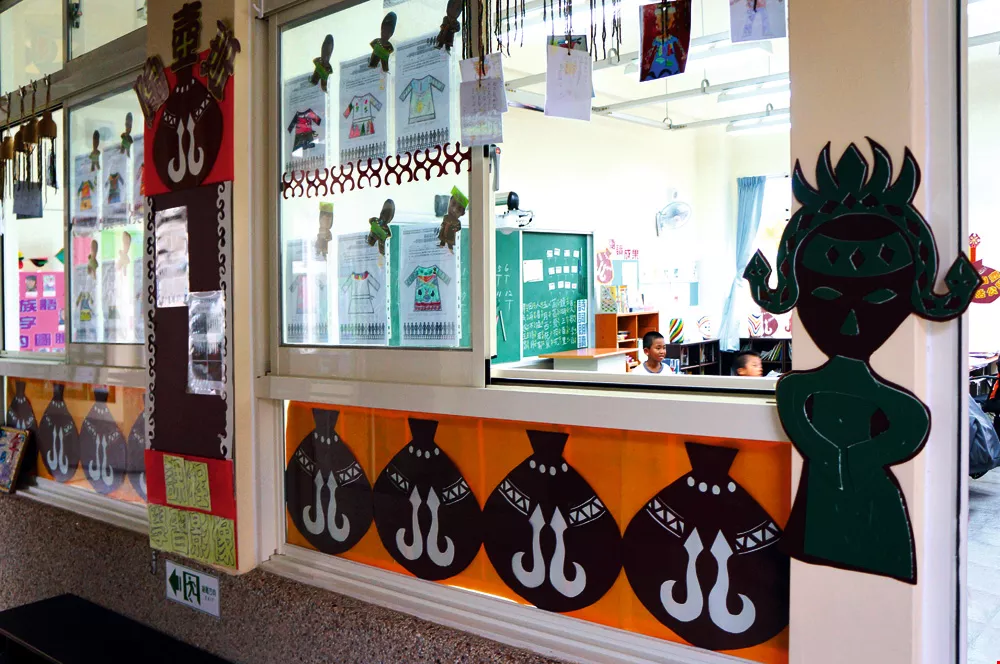
As the students show off what they’ve learned about traditional culture and art, the classroom comes alive with Aboriginal flavor.
Since its May 2012 opening, ELES’s Aboriginal education program has been focused around seven core themes: social structure, rites and rituals, the local environment, song and dance, Aboriginal literature, traditional culture, and Aboriginal handicrafts. These seven are then further broken down into 60 modules and 367 performance indicators, including tribal languages (Rukai and Paiwan), agriculture, weaving, metalworking, traditional clothing, hunting, ceremonial blade making, and work hut building. The syllabus is comprehensive and packed with variety.
Each school year, the students take a “comprehensive examination,” similar to a final exam, to see just how much they’ve learned.
The examination is composed of two parts: a written test and a physical test. The physical test is particularly interesting, being made up of a series of “checkpoints” for events like traditional fashion, archery, and flower weaving, each headed up by a local elder. Students who fail a checkpoint have to retake that checkpoint. The whole thing is a testament to the Aboriginal emphasis on developing skills alongside knowledge. The students have come to really focus on it, considering it a badge of honor for them as Aborigines.
In the future, the school hopes to expand the Aboriginal education program beyond just the children, offering it to the entire community in an effort to revitalize their culture and traditional handicrafts industry.
For example, the class on the traditional Rukai art of weaving with shell ginger is taught by a local expert who demonstrates how to cut off the leaves, strip the stems, and dry the fibers.
The resulting long, thin fibers are woven into a variety of everyday items like cushions, coasters, and baskets. There is commercial potential in these kinds of woven products, but the Rukai are unwilling to let it be mass produced, worrying about the balance between monetary value and cultural value. If the pieces are priced too high, no one will buy them, which would be an emotional blow to those who made them. Most people are content to just make things for their own use, with any extras given away to friends or family.
Nonetheless, the people of Rinari also hope to use this traditional culture to help spur development. To this end, the village has partnered with ELES to form the Industrial Development Alliance, which also has support from the Chang Yung-Fa Foundation, the Morakot Post-Disaster Reconstruction Council, and the Pingtung County Government. The main section of Rinari, Makazayazaya, is focusing on developing ecotourism and unique agricultural products. Kochapongane, meanwhile, is working on developing its vanilla industry and on becoming a family tourism destination, and Tavalan is concentrating on handicrafts and traditional arts. ELES plays an important role in providing support and R&D, with the results provided for community use.
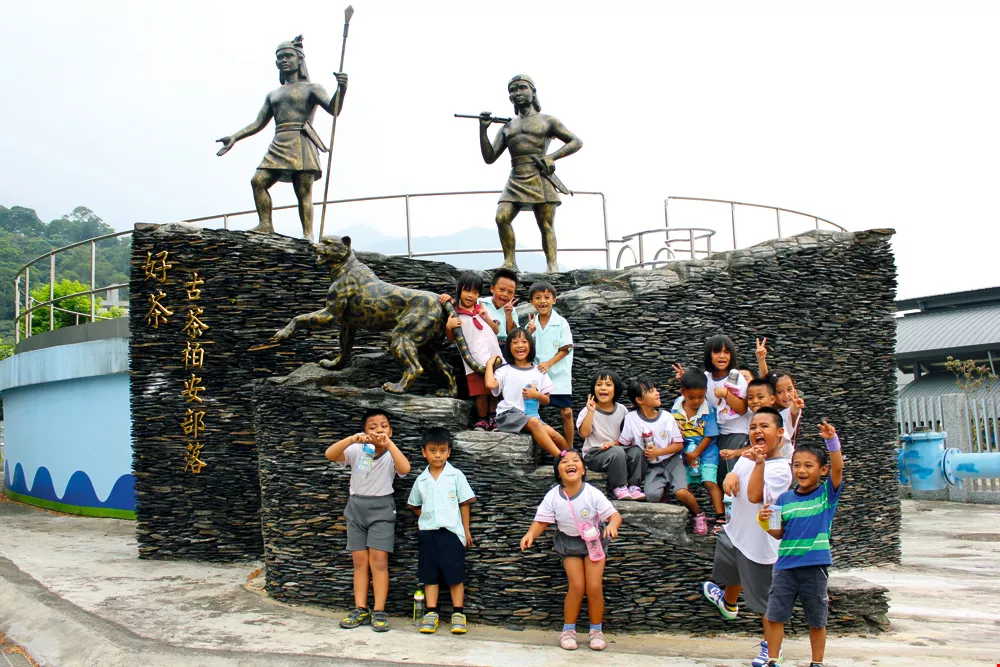
It won’t be long until these young ELES students are the next generation of Rukai and Paiwan warriors!
ELES is now into its third year of operation, and its Aboriginal education model has not only earned it praise in the community, but also attracted experts from other counties, and even other countries.
“We need to help our children find their roots,” says ELES principal Chen Shicong. “We need to work to rediscover our culture and to help the kids understand who they are.” Not only is this the heartfelt wish of the local elders, it’s also the school’s mission statement.
Over the past two years, these vibrant, fascinating classes have brought smiles back to the children’s faces, as well as helping them find joy in learning. The attitudes toward both studies and life that ELES is teaching the children of Rinari are laying the foundations for a sound future for the community. By looking anew at their culture, the people of Rinari are reclaiming some of the joy previously lost to the wrath of nature.
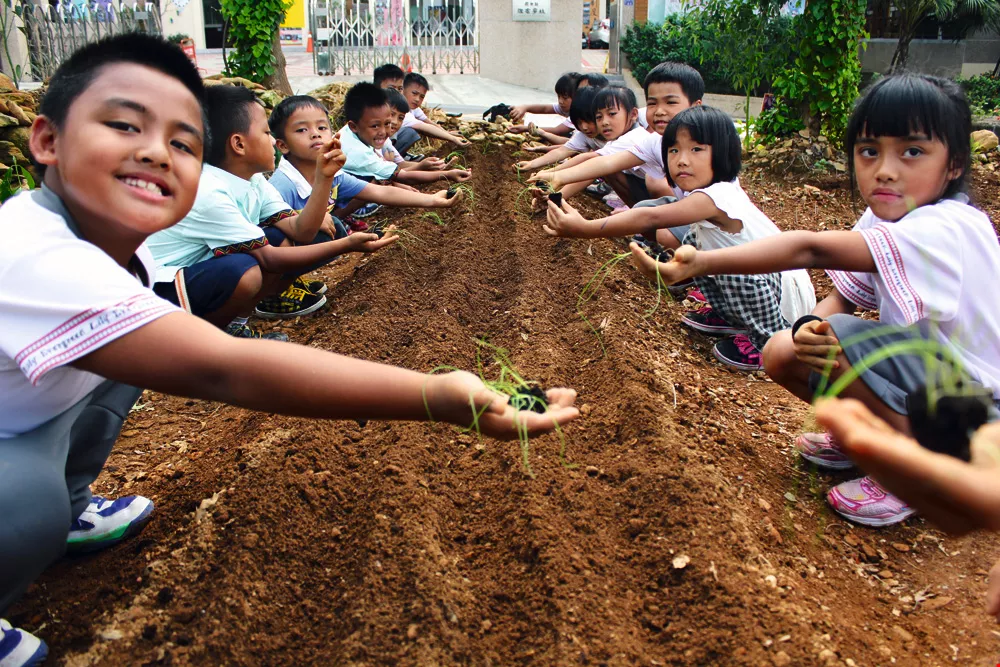
The seeds of hope in this new settlement are not only in the ground, but also in the hearts of the children, and ELES aims to cultivate those latter seeds.
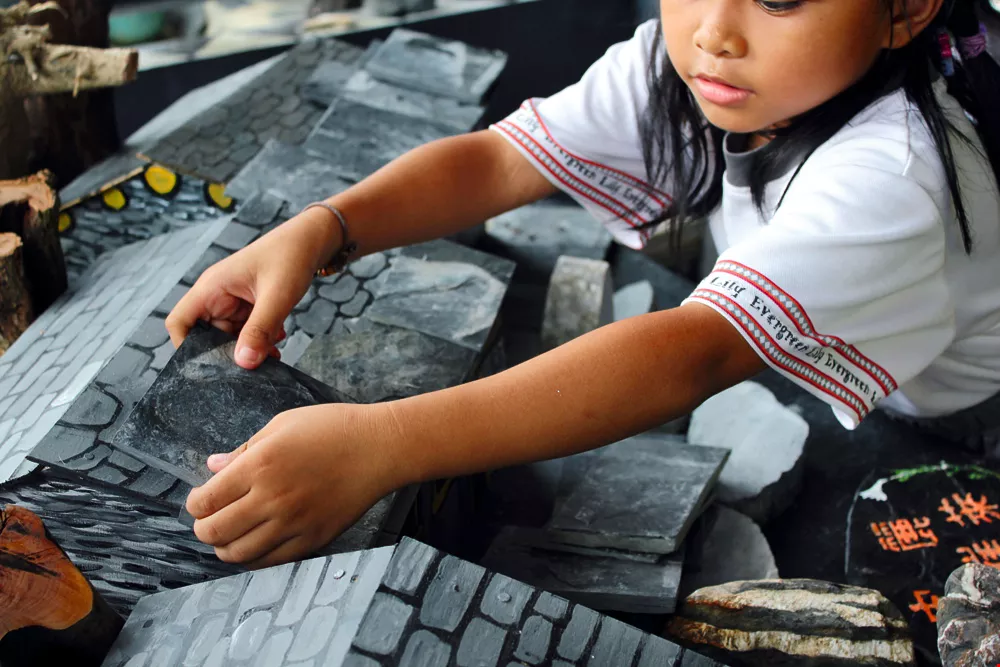
Learning to build traditional stone-slab buildings is a compulsory part of the course.
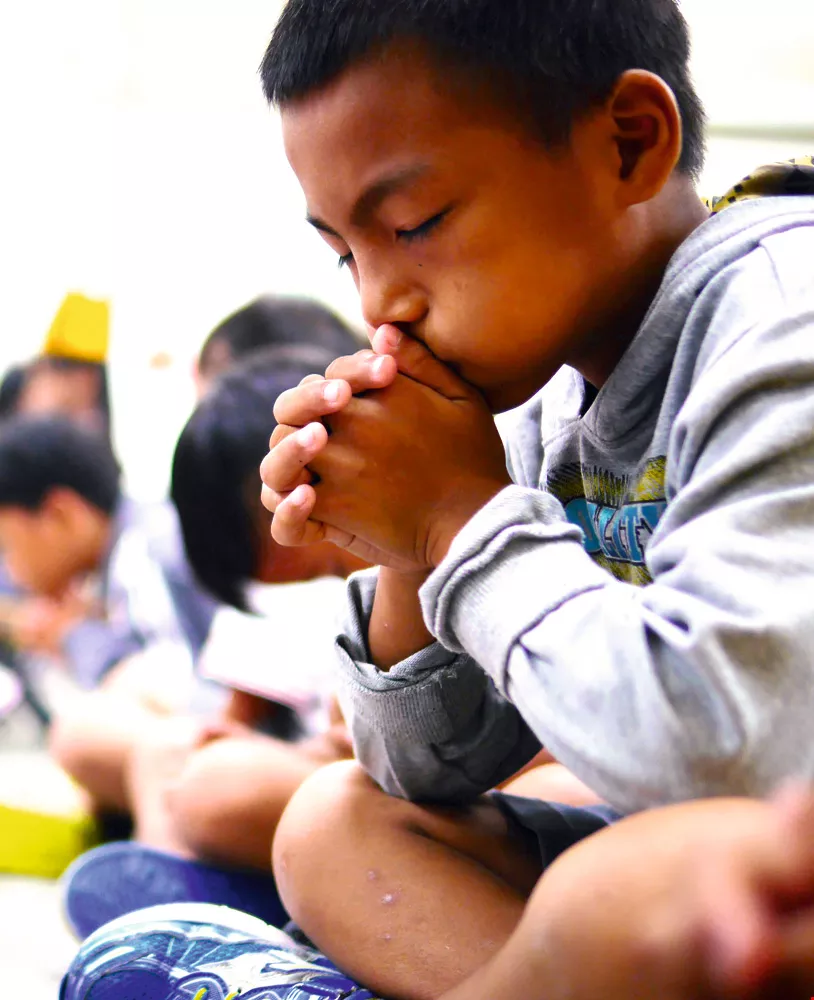
After disaster struck the lives of these children, now they are slowly recovering a sense of home.
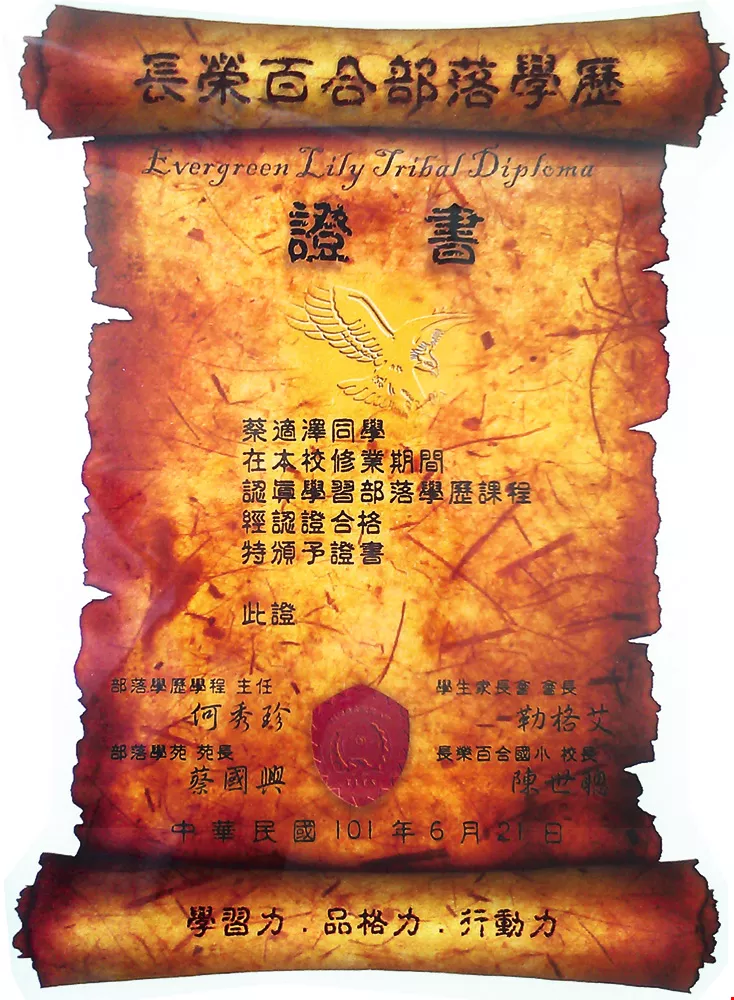
Students who pass the Aboriginal education program receive not only a spectacular certificate, but also a real sense of pride in their achievement.
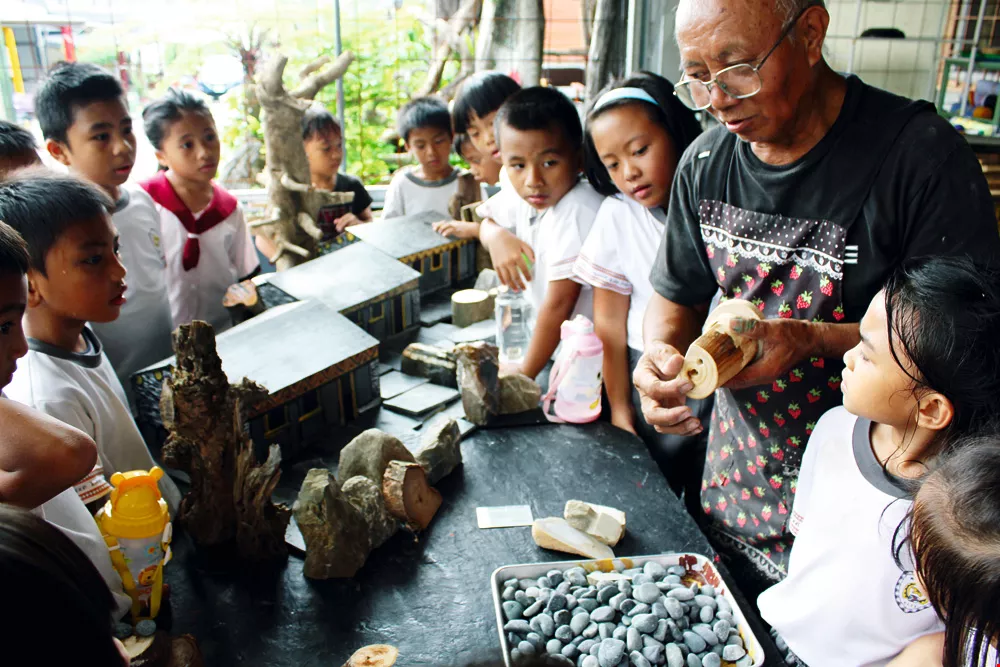
A village elder explains the materials and methods used for building traditional dwellings.

@List.jpg?w=522&h=410&mode=crop&format=webp&quality=80)


