

If one asks athletes what they fear most, the usual answer is not losing, but being injured. Why? Because they can come back from a loss, but may never recover from an injury.
We well remember what great hopes our nation held for "the leaping antelope" Chi Cheng during the sixth Asian Games held in Bankok in 1970, and how she was expected to win five or six gold medals. On December 11th, she won her first gold effortlessly in the 100 meter dash. Two days later, in the 400 meter final, Chi Cheng led the race most of the way; then an old knee injury flared up. Just as she entered the last turn she went down, and years of hard training and dreams of glory, as well as the hopes of her nation, went up in smoke. After a time she stood up and, tears streaming down her face, limped off the track under assistance.
Her nightmare wasn't over--in all she was injured 12 times, and a year and a half later Chi Cheng finally had her knee operated on. The "antelope" could no longer "leap."
This is only one example. In fact, no athlete is exempt from the dread of being injured.
Not only competitive athletes can suffer injuries--weekend athletes can also get hurt. However, because competitive athletes run faster, jump higher, and throw farther than other people, and must constantly practice, their rate of injury is especially high.
Broadly speaking, any injury which occurs during exercise or athletics is termed a sports injury. Of this there are two types, accidental injuries and intrinsic injuries.
A batter who is hit by a pitch, or a football player who suffers a dislocation from contact are victims of accidental sports injuries. Such was the case with Pele', star of the Brazilian national soccer team, who suffered a broken shinbone on purpose during the third World Cup tournament. Such injuries are the result of outside influences.
Intrinsic sports injuries are divided into two types--acute, and chronic injuries.
An "acute injury" refers to an injury that occurs during training or competition when, due to an unusual movement, an organ or a piece of tissue is subjected to excessive strain, and tears.
Chronic injuries are the result of overtraining, of incorrect training methods, or of small, undetected injuries which over time grow and gradually manifest themselves, and which may render further training impossible, or even suddenly become acute.
Playing on a bad court or field, running downhill on asphalt, warming up insufficiently, as well as too little sleep, a lack of concentration, or extreme nervousness can all cause injuries. From this one can see that, as athletes contend, injuries are a real "tagalong." This is especially true for hidden injuries, which are 100 percent "fatal," accumulating unknown so that, once they are detected, it is already too late.
Therefore all coaches, doctors, and athletes consider injuries an unavoidable misfortune; what is therefore important is how to recover from them. Once injured, the first thing an athlete must do is get first-aid.
"Generally speaking, there is a four-step sequence to treating an injury, called RICE; that is rest, icing, compression, and elevation," says Yang T'ien-fang, director of the Veteran's General Hospital sports injury clinic, and the first ROC recipient of certification from the United States as an athletic trainer.
Rest prevents straining the injured area, which can increase the scope of the injury. Applying an ice pack or a bag of ice to the area will cause the blood vessels to contract, reducing the pain. One can also apply a bandage or strips of cloth directly to the wound as a pressure pack. If the wound is bleeding, elevation can reduce the amount of blood flow.
Trainers overseas have all undergone special education and training. In the United States, almost all athletic teams, clubs, and schools must by law employ trainers. Besides supervising first-aid and rehabilitation, the trainers can suggest that the coach proceed with or discontinue certain training programs.
Becoming a trainer is not easy. In the United States, one must be a graduate of a physical education or physical rehabilitation department. After completing a course in sports medicine, one must go through 1800 hours of internship with a senior trainer, then pass a test before receiving certification.
In medically advanced countries, both ball and track teams are also equipped with a team doctor. Under the dual protection of trainer and doctor, injured athletes receive immediate and appropriate care, which not only shortens their rehabilitation period, but also facilitates complete recovery of their former level of performance.
In this respect, athletes in the Republic of China are losing out, for there is still no system of athletic trainers here. However, such a system is presently being created. In it, athletic trainers will be divided into three classes: county, provincial, and national. Each will have to pass a certain number of courses in physical education, injury prevention and diagnosis, general medicine, etc., then complete a clinical internship and pass a test before being approved. All athletic organizations will be required to employ trainers, and when a national team goes abroad to compete, a national class trainer will accompany the team, along with the team doctor.
The lack of a trainer system is not completely to blame for athletes' injuries; often the responsibility lies with the coaches or the athletes themselves. Some athletes consider small injuries not worth worrying about, and will continue to train as long as they can stand it, or put off seeing a doctor out of laziness. As a result, a small injury will worsen and become chronic and untreatable. As for coaches, some of them do not know the meaning of the word injury. Complains Fang Jui-lin of the national women's basketball team: "If you tell a coach you're injured his eyes will get as big as brass bells and he'll tell you you're not concentrating or you're being lazy; so who dares take a day off to see a doctor?"
As for injury prevention, treatment, and rehabilitation, most competitive athletes, since they have sustained injuries continuously since childhood, and since most of them have studied sports biology, human anatomy, and first-aid, can judge relatively well the nature and extent of an injury. But athletes at the junior and senior high school levels have a rather poor understanding of an injury's seriousness. Add to this the system of allowing star athletes to enter college without examination, and the opportunities for travel abroad that athletics offers, and the result is a recklessly competitive spirit. This is one reason why so many of our country's youth teams, be they volleyball, basketball, ping pong or what have you, are so outstanding, but the adult squads are so often lackluster.
Getting injured is an athlete's greatest fear. Doctors will advise an athlete to avoid overstrenuous exercise; otherwise he will have endless worries, like a man sentenced to an endless prison term. The trouble is that no athlete can escape injury, and this has been the source in our country of many lost hopes. Establishing a system of athletic trainers may be the first step towards resolving this problem.
[Picture Caption]
"It hurts!"
"The leaping antelope," world famous sprinter Chi Cheng (photo courtesy of CNA)
After her fall in Bangkok's Asian Games in 1970, Chi Cheng is helped off the track-- forever. (photo courtesy of CNA)
Rugby tackles such as this are permissible, and cause many injuries.
When running a marathon in the summer, be sure to replenish water loss, and "know your limits."
Prolonged exercise is a major cause of chronic injuries.
Poor tennis form can easily cause "tennis elbow."
Tapping before competition or working can prevent injury. (photo by Vincent Chang)
A cold vapor spray applied to an injured part has the same effect as an ice pack. (photo by Vincent Chang)
Doing warm-up exercises, and paying attention to your body's condition, both help prevent injury.
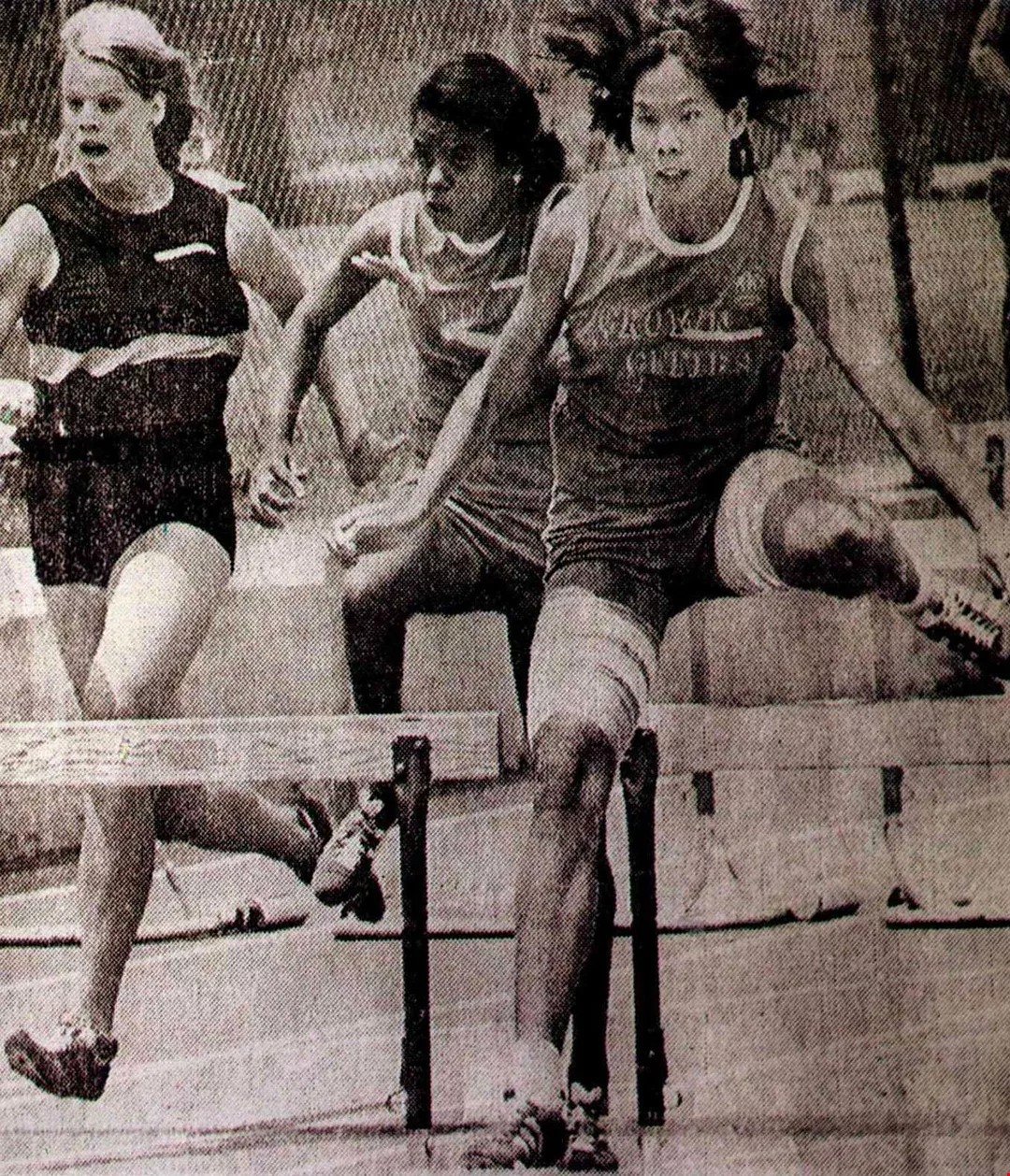
"The leaping antelope," world famous sprinter Chi Cheng (photo courtesy of CNA)

After her fall in Bangkok's Asian Games in 1970, Chi Cheng is helped off the track-- forever. (photo courtesy of CNA)
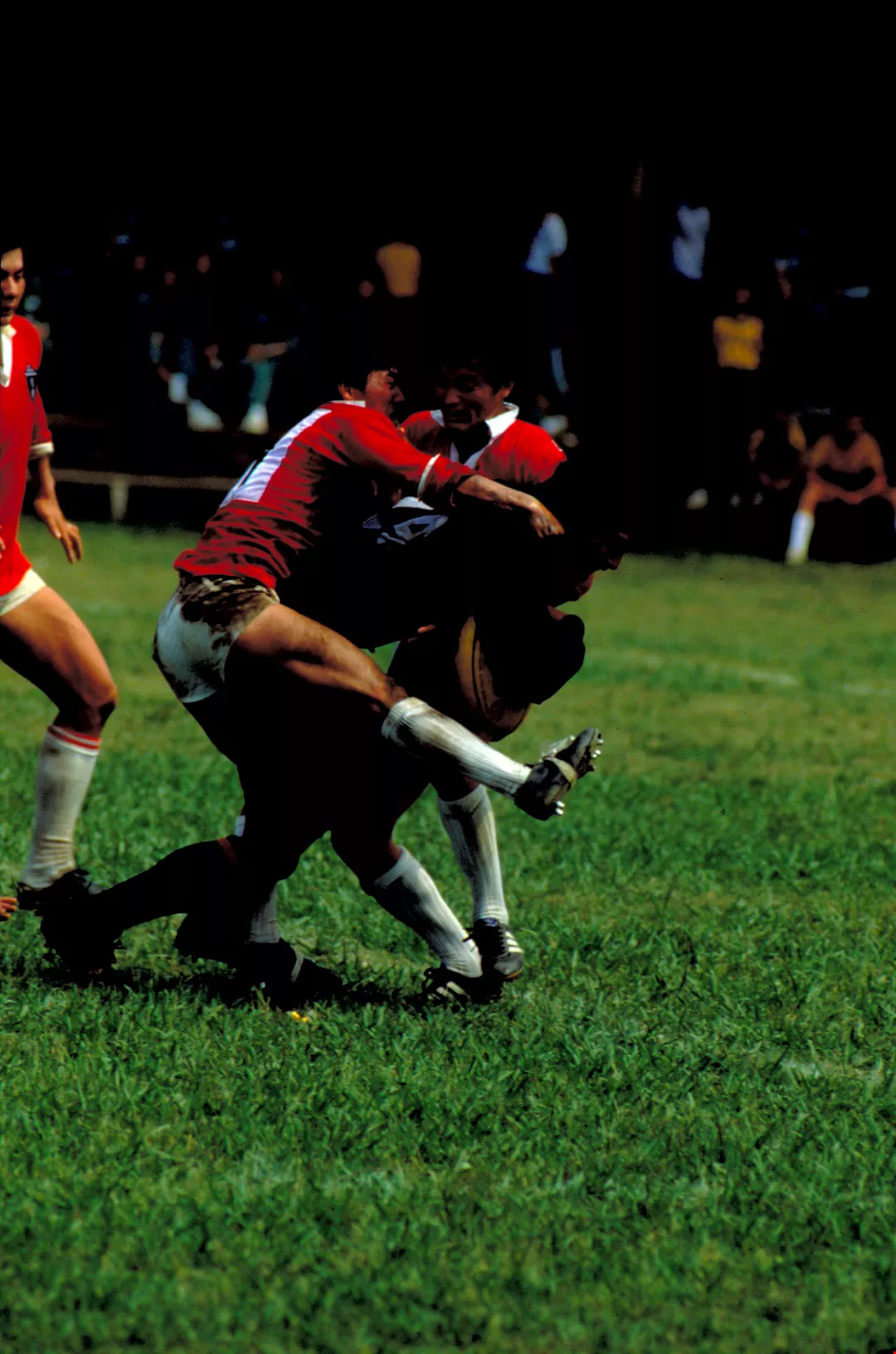
Rugby tackles such as this are permissible, and cause many injuries.
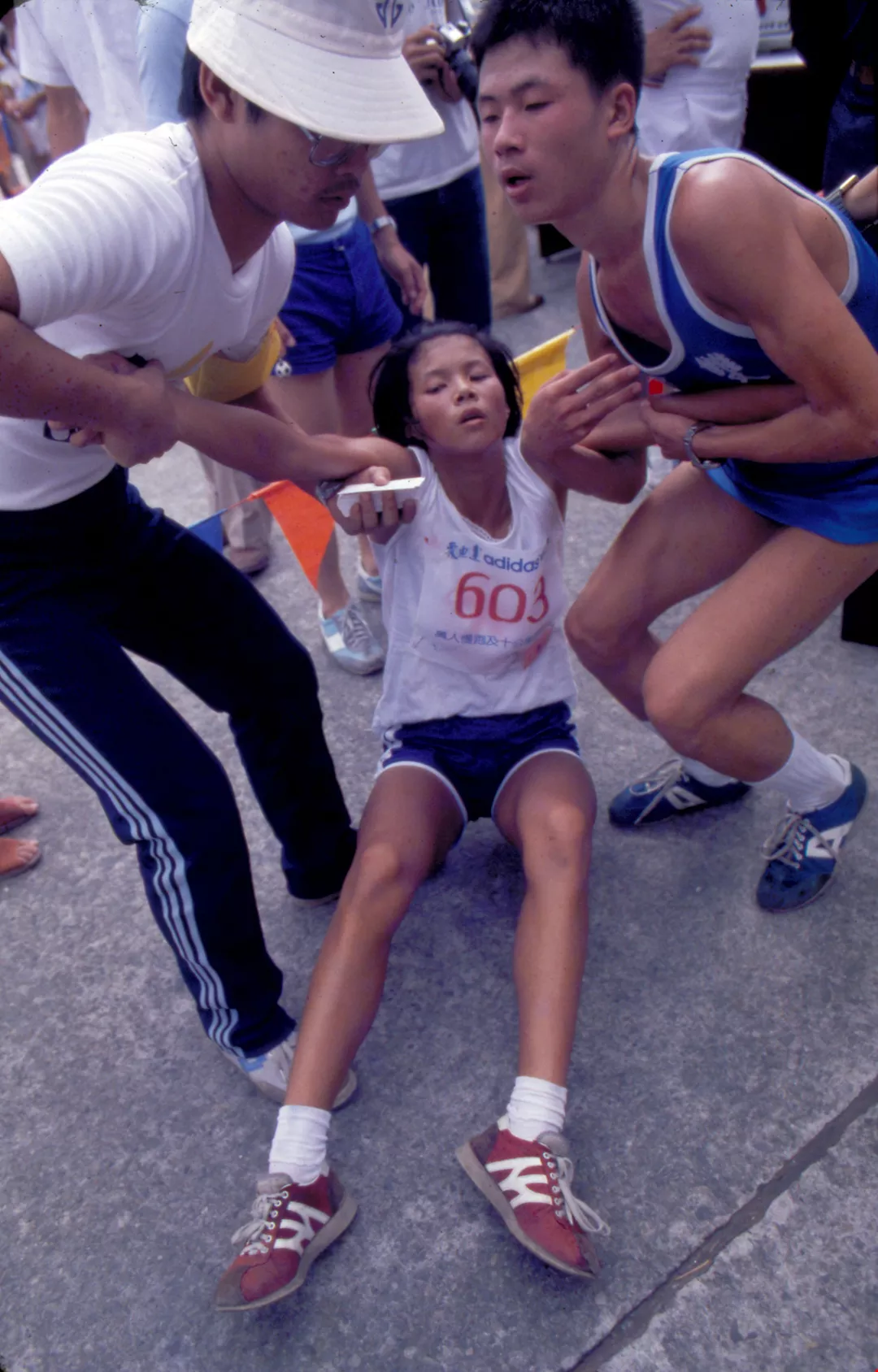
When running a marathon in the summer, be sure to replenish water loss, and "know your limits.".

Prolonged exercise is a major cause of chronic injuries.
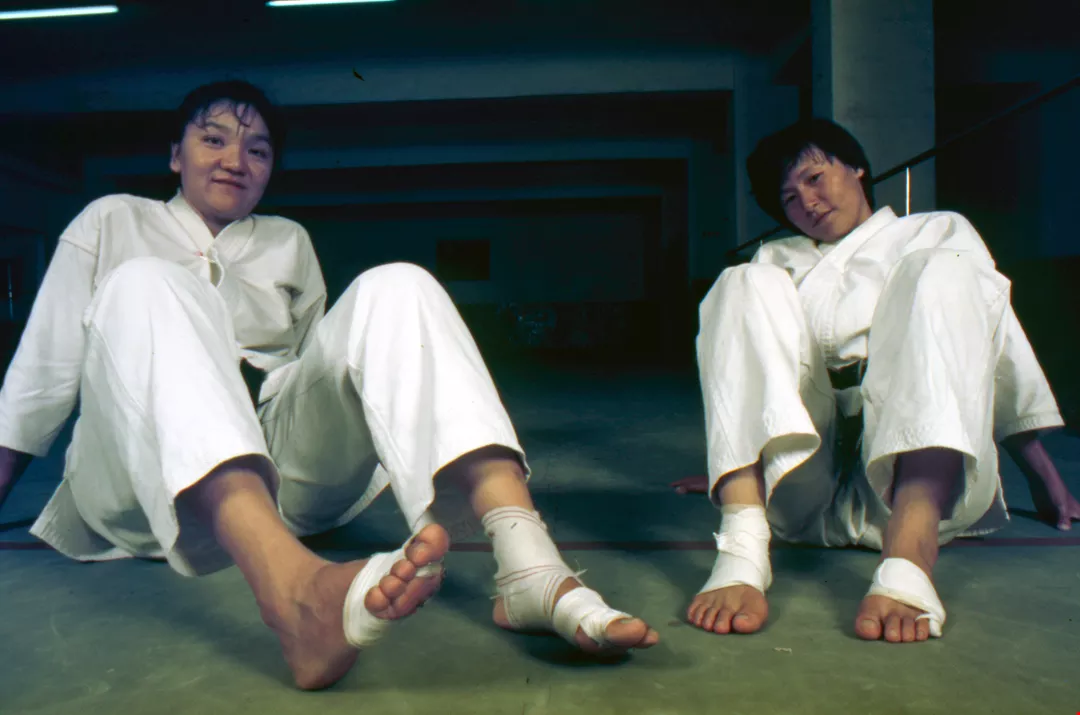
Tapping before competition or working can prevent injury. (photo by Vincent Chang)
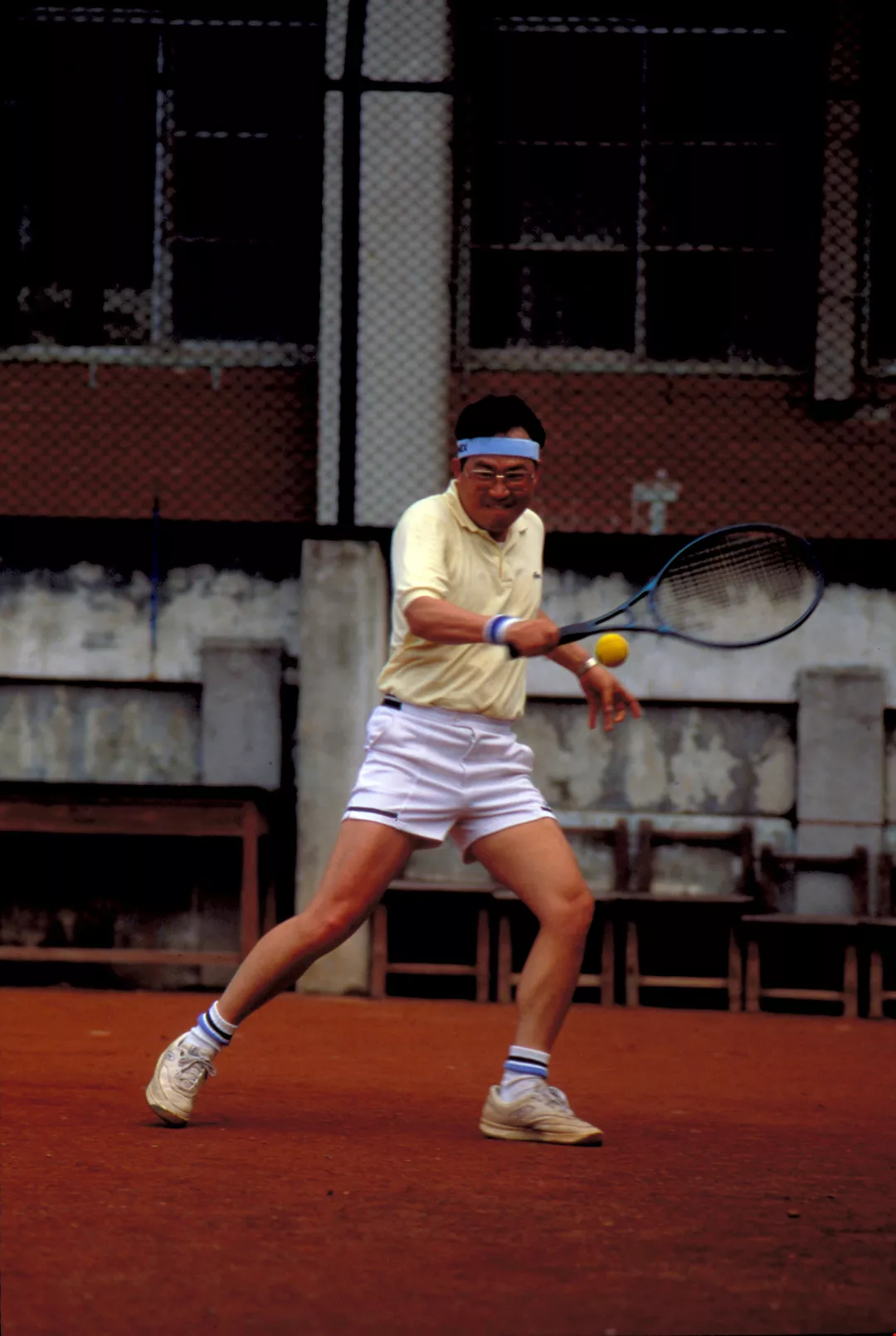
Poor tennis form can easily cause "tennis elbow.".
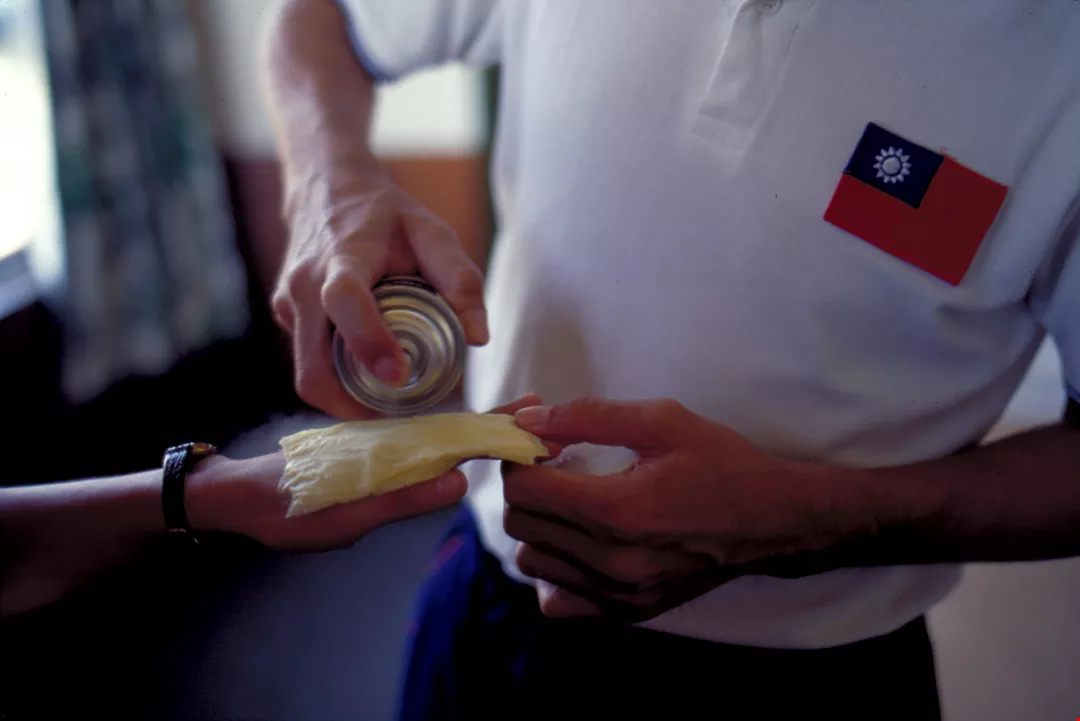
A cold vapor spray applied to an injured part has the same effect as an ice pack. (photo by Vincent Chang)
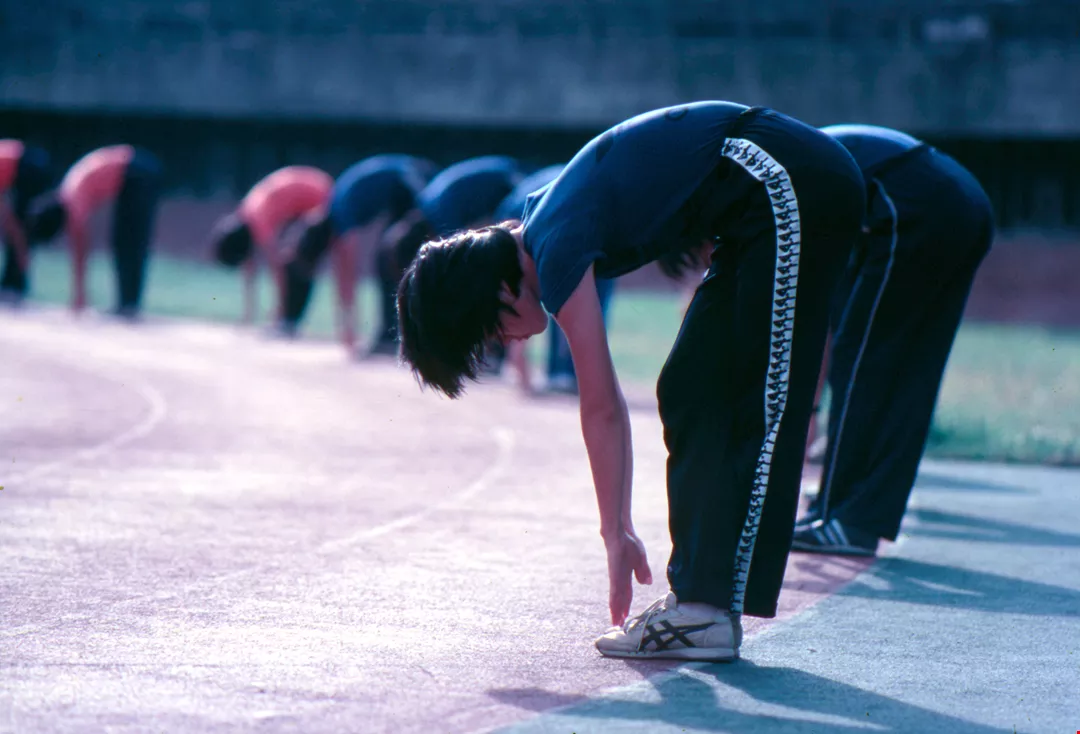
Doing warm-up exercises, and paying attention to your body's condition, both help prevent injury.
@List.jpg?w=522&h=410&mode=crop&format=webp&quality=80)

@List.jpg?w=522&h=410&mode=crop&format=webp&quality=80)


@List.jpg?w=522&h=410&mode=crop&format=webp&quality=80)

@List.jpg?w=522&h=410&mode=crop&format=webp&quality=80)
