Playing frisbee used to be strictly a child's game. About 100 years ago, there was a bakery in the United States whose pies, and pie tins, where both very popular. After finishing the pies, children would clean off the tins and play catch with them. When parents saw what fun the children were having, they joined in, and soon throwing the pie tins around became a family game.
Later on, a Californian named Morrison got the idea to improve the aerodynamics of the tins. Following several trials, he flattened out and rounded the tins, and thus created the first flying disk. After a few more years and several more adjustments, the modern frisbee was born.
In 1960, the International Frisbee Association was founded in the U.S. In addition to carrying out yearly testing sessions, the association has been holding annual competitions since 1974. As a result of these competitions, the number of frisbee enthusiasts has increased rapidly in recent years.
Frisbee playing is a sport that everyone, even persons with little athletic ability, can enjoy. It is simple and inexpensive, requires no special athletic training or special equipment, and can be played almost anywhere. It is both a family and a lifetime sport.
Presently, frisbee playing is part of the physical education curriculum of many American schools. Moreover, is has become widely used as a part of rehabilitation programs for handicapped individuals. And two years ago the Japanese government selected frisbee playing as an ideal activity for senior citizens.
What is frisbee playing like? Some people say that when you throw a frisbee, your spirit seems to take off with it. Says Kao Yu-tsan, a businessman and frisbee enthusiast: "Playing frisbee in the early morning is not only good for your health, but also helps your concentration. After doing it for a while, your moods will become more stable, which will make you better able to handle stress."
Frisbee playing, then, is good for your mental health. Unless, that is, you start to think about how a frisbee flies. At Arizona State University there is even a course on the frisbee, which introduces students to principles of aerodynamics, Newtonian gravity, momentum, velocity, and so on.
To play, however, all you need to know is how to throw and catch. There are several ways of throwing the disk, both forehand and backhand. To toss a frisbee, you must perform two motions simultaneously; one is snapping the wrist, to give it spin, and the another is extending the arm, to give it forward motion. "The frisbee's spin is what makes it stable in flight," says Hu Yi-chi of Frisbee World Magazine. "The greater the distance, or the stronger the wind, the greater the importance of a good snap of the wrist." Similarly, the faster the arm extension, the faster the disk's flight.
Beginners, who haven't yet coordinated their wrist and arm movements, will usually toss frisbees that fly like baby birds. A good snap of the wrist with poor arm extension won't make the disk go very far; likewise, poor wrist motion means the disk will have a very unstable--and therefore very short--flight. An important first step is being relaxed. Relaxing the body, the wrist, and the arm as much as possible will ensure a long, stable flight.
Catching a frisbee is also a matter of practice, in order to correctly measure the speed and direction of the disk, and then move into the right position to catch it. Here, being relaxed is also very important. With practice, players can catch frisbees between their legs, behind their backs, and in other inventive ways.
Frisbee competition presently consists of ten standard kinds, among them distance throwing, throwing for accuracy, throwing into a basket, throwing for duration in the air, freestyle frisbee, and frisbee golf. Of these, frisbee golf is the most popular as a form of general recreation. Frisbee golf, like regular golf, is a battle of wits, strength, and technique. It is also a good source of entertainment for the spectators, especially when a frisbee gets caught in a tree or lands in a water hazard. Since on Taiwan an imported golf frisbee costs about US$15, if one ends up in the water its owner will usually go in after it.
How do you select the right frisbee? Since at present no competition-quality frisbees are produced in the ROC, most people buy the cheap variety, which sell for US one dollar or less. This kind, seldom flies very well. Hu recommends spending around NT$50 (US$1.25), and if you are a beginner, choosing a model on the soft, flexible side.
Frisbee playing is relatively new to the ROC, having started only about five years ago. However, there are already some excellent players on the island. According to the World Flying Disk Federation (WFDF), the ROC is a late starter in frisbee playing; nevertheless, the records of the best Chinese players are already surpassing those of players in such countries as Italy, New Zealand, and Norway.
An interesting spectacle at international friendship competitions is the appearance of many self-funded Chinese players in their fifties and sixties. Lin Hsiuming, advisor to Taipei's frisbee association, recommends however that older players limit themselves to relaxed events, such as distance throwing or frisbee golf, in order to avoid injury.
Common to frisbee playing are eye injuries. A missed catch can mean a hard knock to the temple, eye socket, or eyeball itself, resulting possibly in damage to the optical nerve. The recommended method of preventing such injuries is simply being careful. As one frisbee fan says, the point of playing frisbee is to have fun. That's not very difficult, is it?
[Picture Caption]
Frisbee golf emphasizes accuracy, making it a sport for people of all ages.
The jump catch, most suited to younger players.
One of the basic holds: Fingers on top, thumb underneath.
A young player demonstrates his skill.
Moves like this take a little practice.
Recently dogs have started getting in on frisbee fun.
Hu I-chih of Frisbee World Magazine collects all kinds of frisbees.
Students at Luchu High School in Taipei County fill the sky with a flotilla of frisbees.
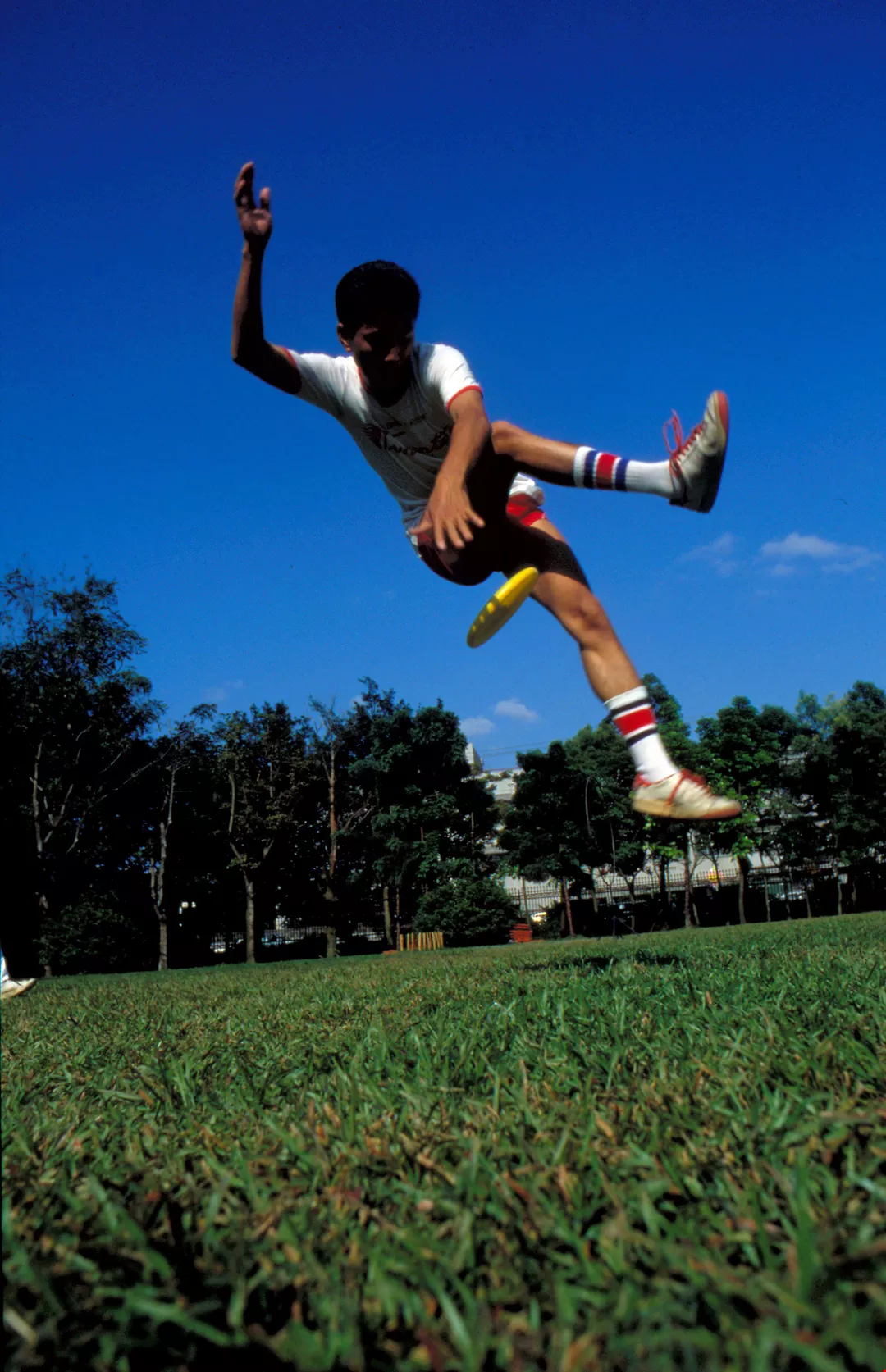
The jump catch, most suited to younger players.
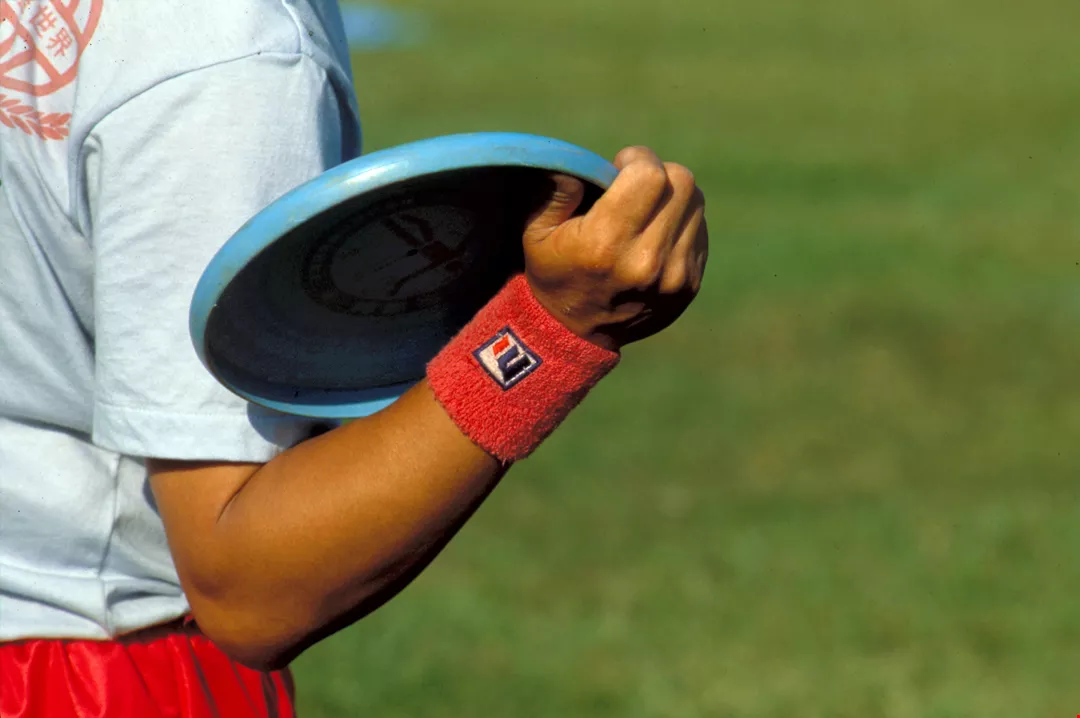
One of the basic holds: Fingers on top, thumb underneath.
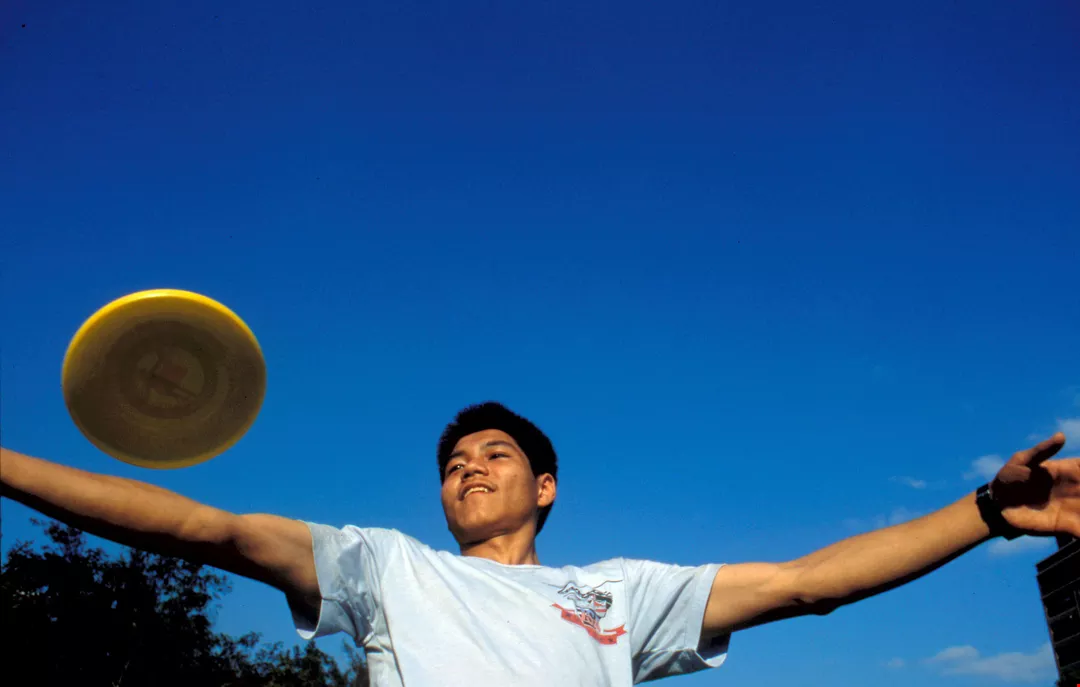
A young player demonstrates his skill.
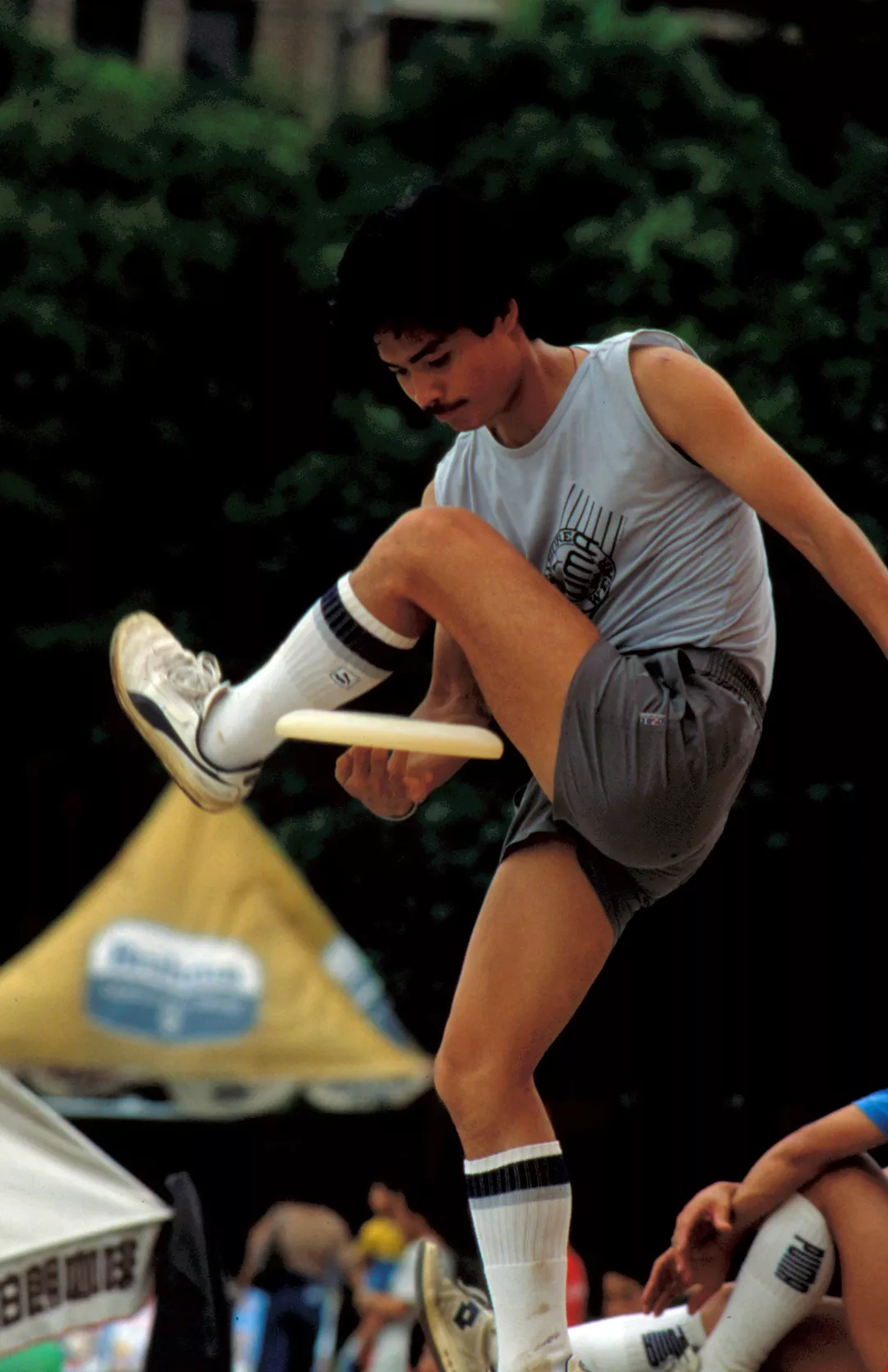
Moves like this take a little practice.
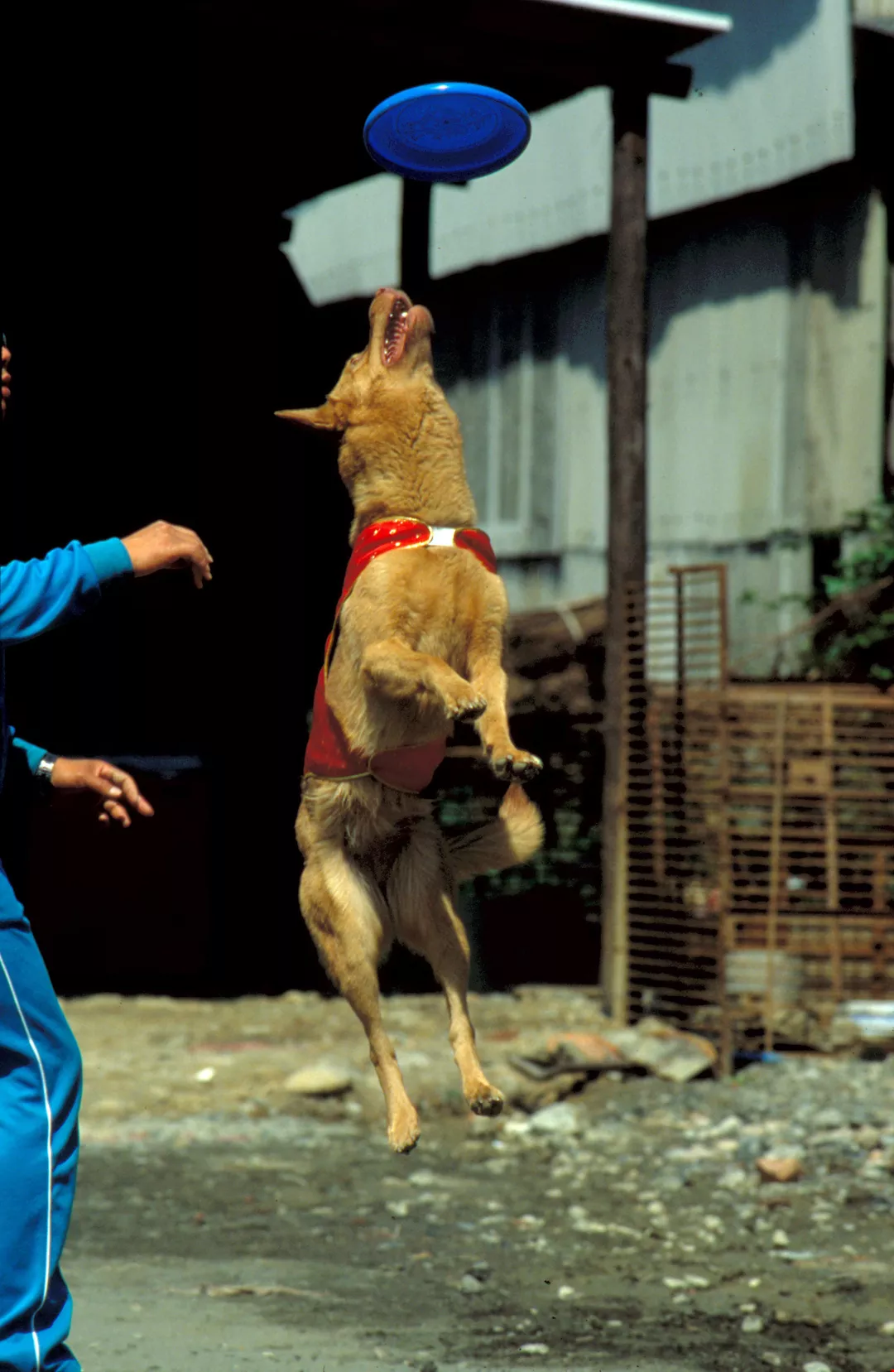
Recently dogs have started getting in on frisbee fun.
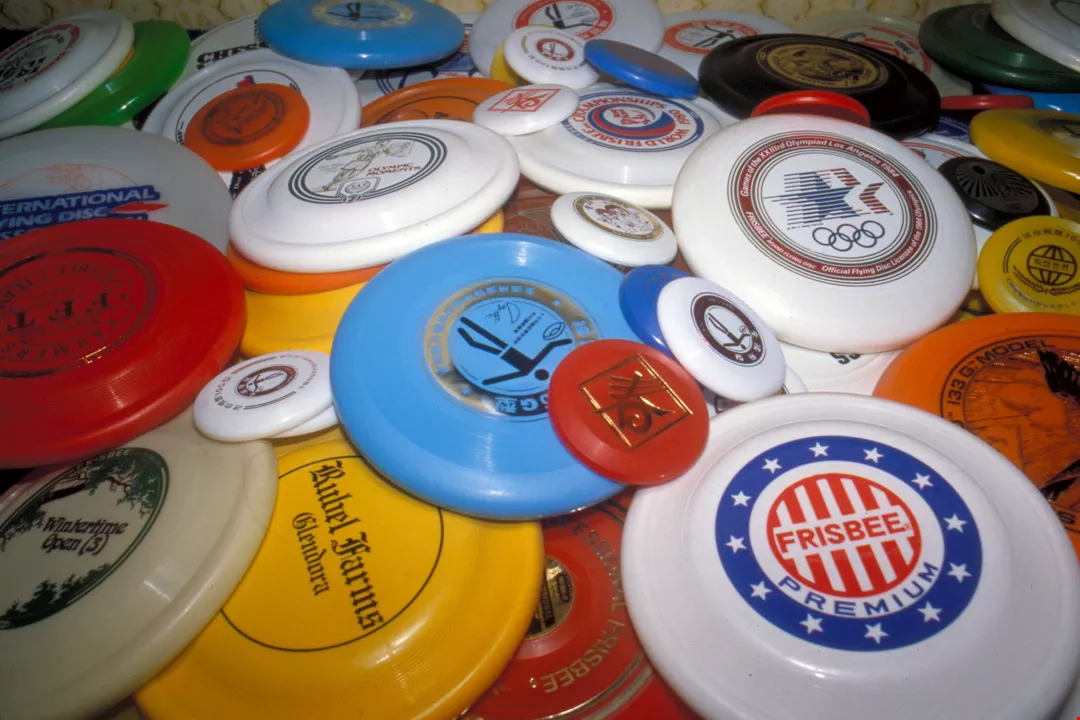
Hu I-chih of Frisbee World Magazine collects all kinds of frisbees.
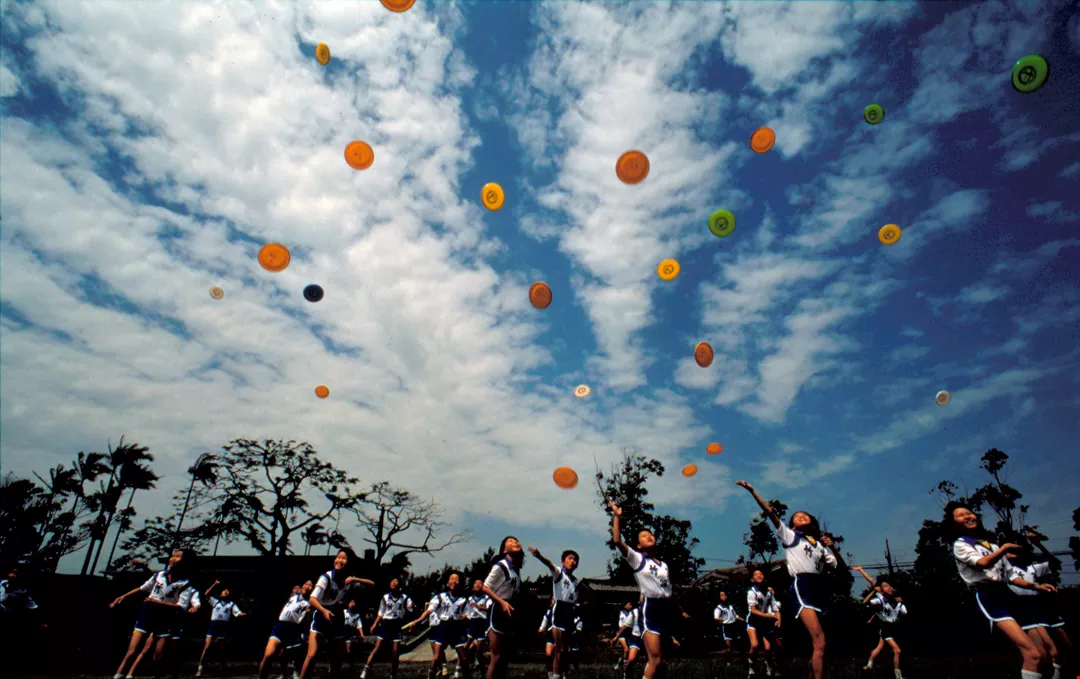
Students at Luchu High School in Taipei County fill the sky with a flotilla of frisbees.




@List.jpg?w=522&h=410&mode=crop&format=webp&quality=80)


