Pushing for Period Positivity
Trailblazers Lin Nien Tzu and Vivi Lin
Cathy Teng / photos courtesy of Lin Nien Tzu / tr. by Jonathan Barnard
May 2022
00:00
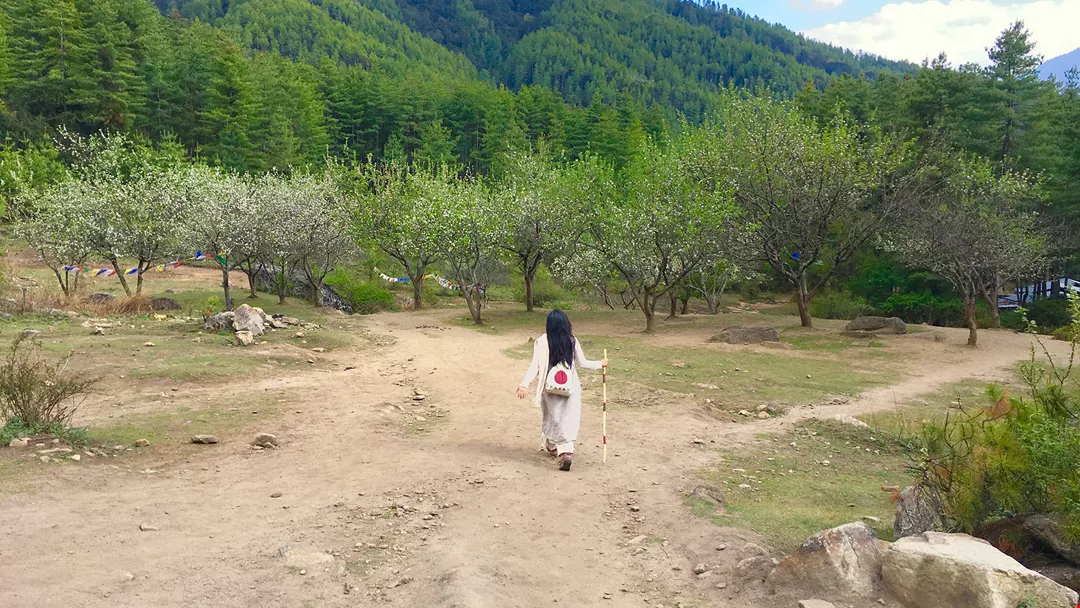
In Nepal work and life are woven together in harmony with the rhythms of nature.
In this report we invite readers to take a look at two impressive Taiwanese women. Aiming to shatter long-held myths about menstruation, Lin Nien Tzu founded the environmentally friendly Dharti Mata Sustainable Workshop in Nepal. In 2017 she was named on the BBC’s “100 Women” list of influential women around the world. Vivi Lin, meanwhile, established the non-profit With Red, which focuses on issues such as period poverty, menstrual stigmatization, and period inequality. She is the first Taiwanese winner of the UK’s Diana Award.

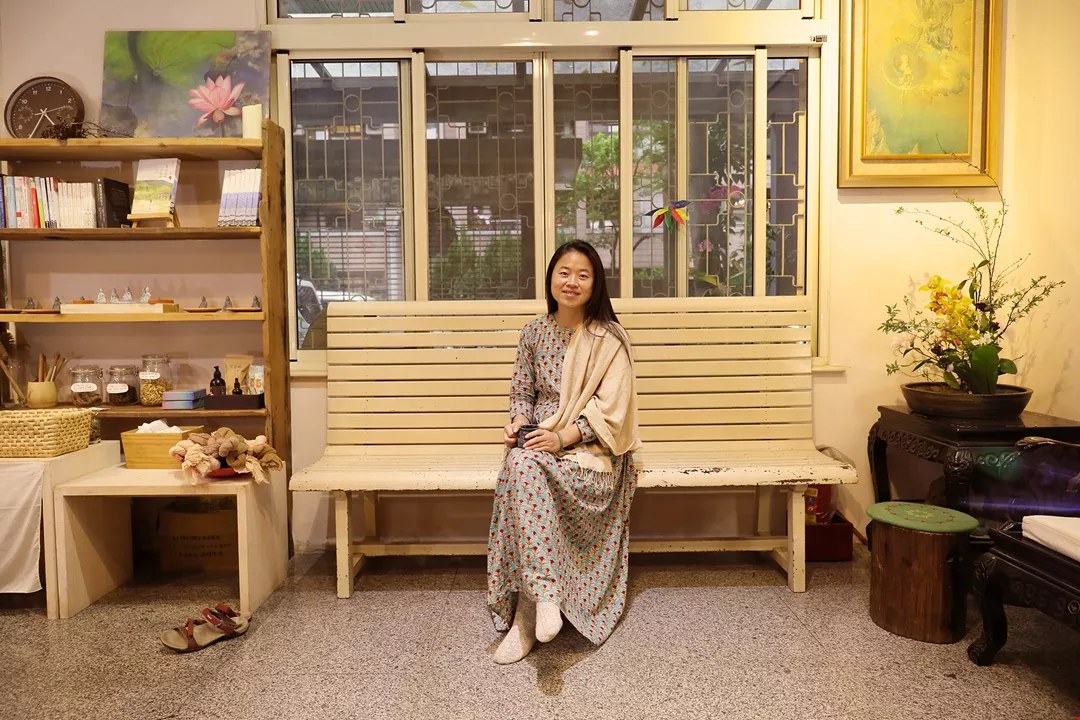
In 2017 Lin Nien Tzu was named to the BBC’s “100 Women” list of influential women around the world.(photo by Jimmy Lin)
Dharti Mata: Lin Nien Tzu
Under the bodhi tree
At the end of 2013, Lin established the Dharti Mata Sustainable Workshop in Nepal. The workshop was the first venture she founded overseas, and it started by manufacturing ecofriendly cloth sanitary pads. Named for the Sanskrit words meaning “Mother Earth,” the workshop’s origins can be traced back to a discussion about menstruation Lin had under a bodhi tree.
When she was 29, Lin left her job of seven years at a non-profit. Ever since graduating from university, she had been working for an organization that facilitated international volunteering. It had taught her a lot about the wider world and kindled much curiosity. “But I had come to a point where I wanted to delve deeper into issues that especially interested me,” she says.
Lin first went to Nepal in 2009 for her job. Visiting various places there, she heard men and social workers talking about local needs. “But I really wanted to hear regular women’s voices.” Consequently, she asked the mayor of one village to find some local college women that she could chat with. That day, under the bodhi tree, Lin asked: “What are some of the hardships you are encountering in your lives?” Each of them spoke about the discomfort, inconveniences and taboos surrounding their periods. “You could say I experienced a kind of culture shock and also anger: Why were women being treated this way?”
Period positivity
Having become aware of their needs, Lin promoted women’s health education as well as sustainable cloth menstruation pads on every trip to Nepal. Her efforts always met with enthusiasm, and the market demand that she recognized motivated Lin to establish her organization.
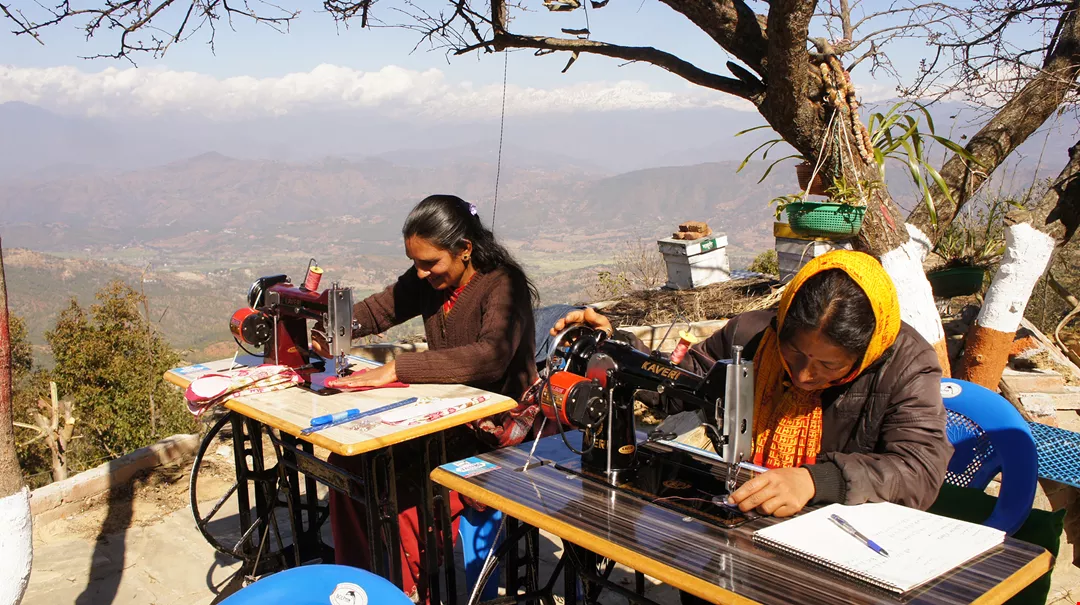
In 2013 Lin bought two traditional treadle-operated sewing machines. Familiar with the Hasera farm, she made her base there, building a workshop and recruiting local woman to begin manufacturing natural, organic, and environmentally friendly cloth menstruation pads. The workshop gives local women employment opportunities, fostering a village microeconomy that promotes both sustainable living and female empowerment.
Lin also worked with local and international NGOs to promote education about menstruation and the use of cloth sanitary pads to the remote Himalayan region.
Nepal still has rather traditional social mores, so promoting these issues there wasn’t easy. But the stars aligned, and she was able to realize her goals step by step. Lin recalls the “Women in Sadhana” project: A large group of them hiked up mountains and forded streams to reach a Buddhist nunnery. But when they arrived it turned out that the nunnery was closed to visitors while the nuns engaged in a period of spiritual cultivation. Lin and her companions had to communicate with the nuns via an intermediary: They would ask a question and the intermediary would pass it along to be answered. “The commotion you could sense behind the door only made you more eager for a greater understanding of their emotions.” That moment was when Lin felt most deeply immersed in fieldwork.

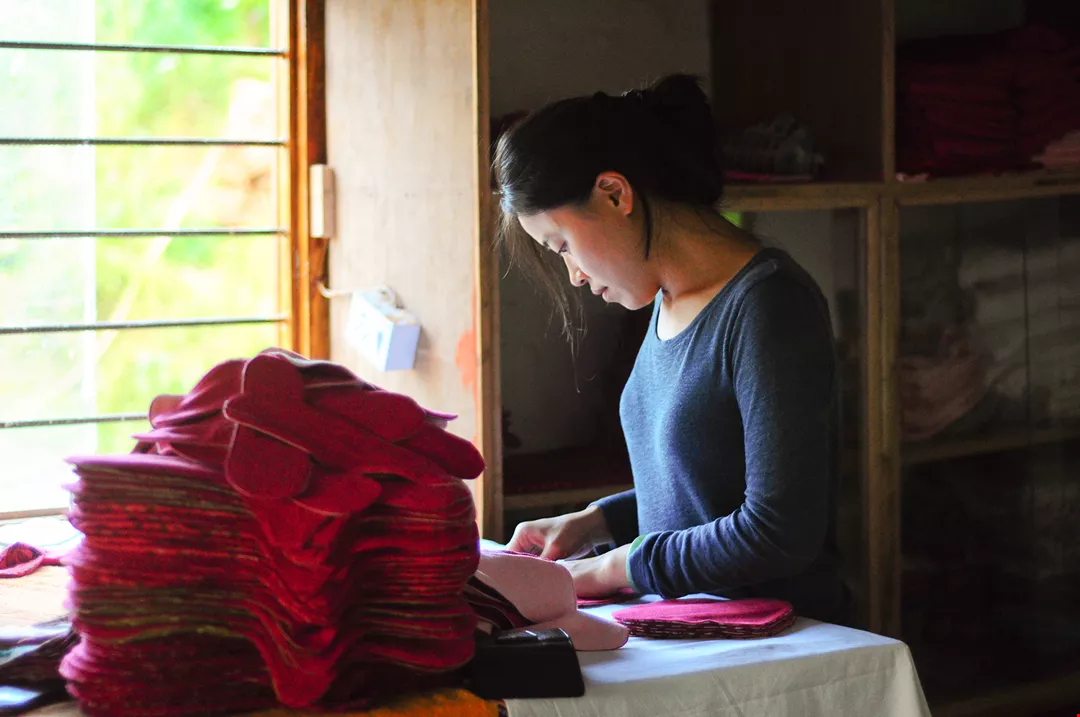
The Dharti Mata Sustainable Workshop, a base for manufacturing cloth sanitary pads, fosters a village microeconomy by giving local women employment opportunities.

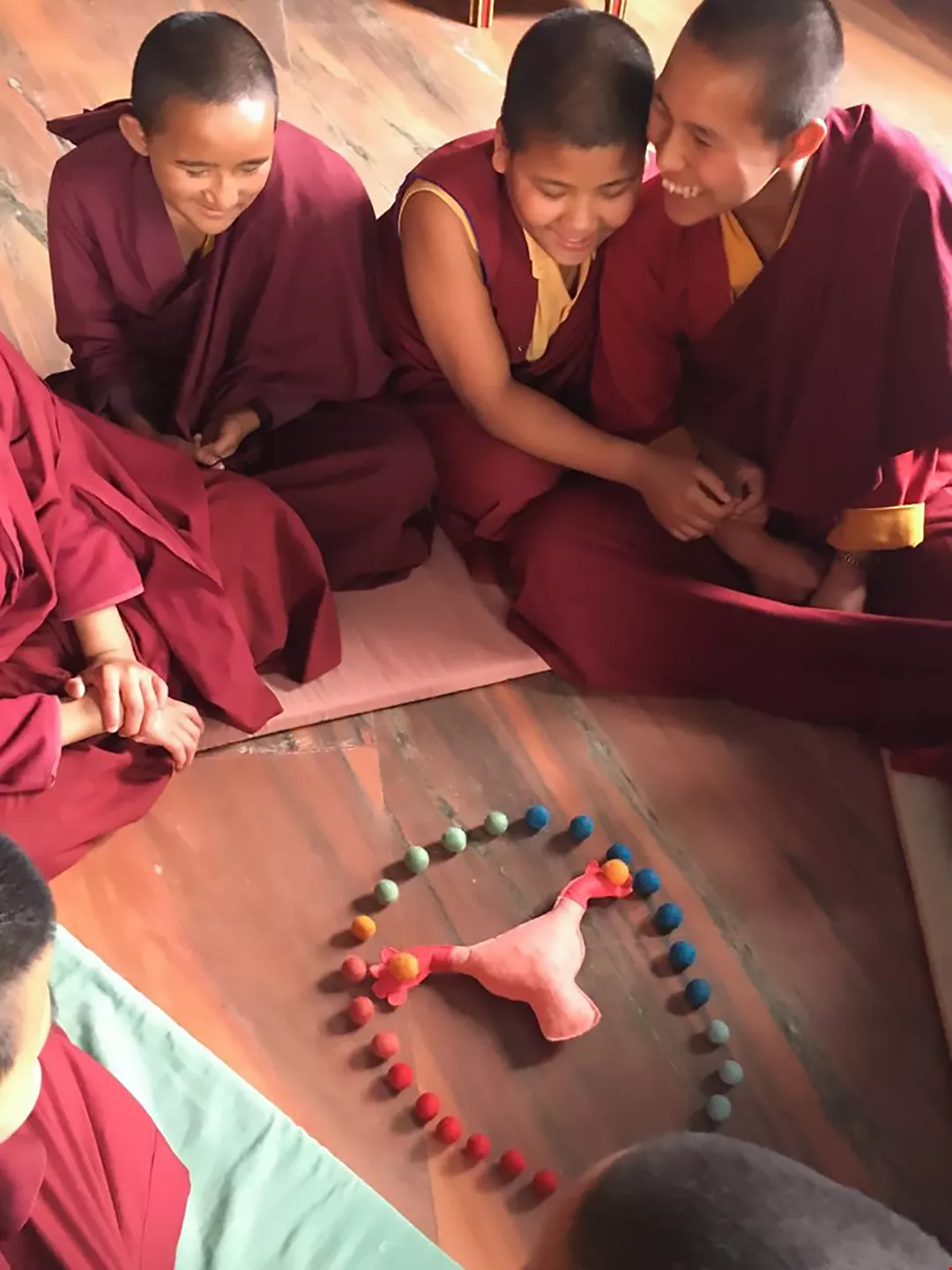
As well as promoting education about sustainability issues in general, Lin worked with NGOs to support education about menstruation and even introduced cloth sanitary pads to a Buddhist nunnery high in the mountains.
A pilgrimage to the body
Amid the tight grip of the Covid-19 pandemic in early 2020, Nepal without warning went into lockdown for six months. In September, Lin returned to Taiwan and wrote the book The Pilgrimage Path Toward Women’s Body about her experiences in Nepal, describing the process of “finding herself.”
“Ever since I was kid, I always had a bad relationship with my period—up until I founded the workshop and spent time coming to better terms with it. That brought me to an entirely new approach to treating my body.” Lin says that the NGO in Taiwan where she worked was largely under male control, and women had to continually strive harder to prove that they could do a good job. It was exhausting. But Nepal taught Lin to let go and take things as they come. As busy as they were with farm work, family, and jobs, the women at the workshop never shunned any chance to celebrate the seasons. “In Nepal work and life are woven together and in harmony with the rhythms of nature.”
After her life explorations in various countries over many years, Lin embarked on interior exploration of her own body, taking a journey toward raised female consciousness. She came to understand that periods are a gift to women: Once a month they renew themselves through a cycle of seclusion and rebirth.
“Women’s bodies are in rhythm with nature. If you bring this awareness toward fulfilling your role and responsibilities, it’s powerful without being draining,” Lin says.
In 2017 Lin was selected for the BBC’s “100 Women” list of the most influential women around the world. The honor was unexpected. “We just kept sewing the sanitary pads day after day and traveling places to give talks,” Lin explains. “That work produced its own results and created its own ripples, and its impact steadily grew.” Rather than wearing yourself out trying to live up to other people’s expectations, it’s better to focus on what you can do yourself and be who you really are, “because being oneself is the most effortless way to be.” Upon receiving the accolade from the BBC, she offered the following words: “By following your heart, you can make the impossible possible.”

Lin has founded a workshop making cloth sanitary pads and has thrown her energy into promoting period-positive education.

Lin Nien Tzu has described her journey as a pilgrimage to the body.
With Red: Vivi Lin

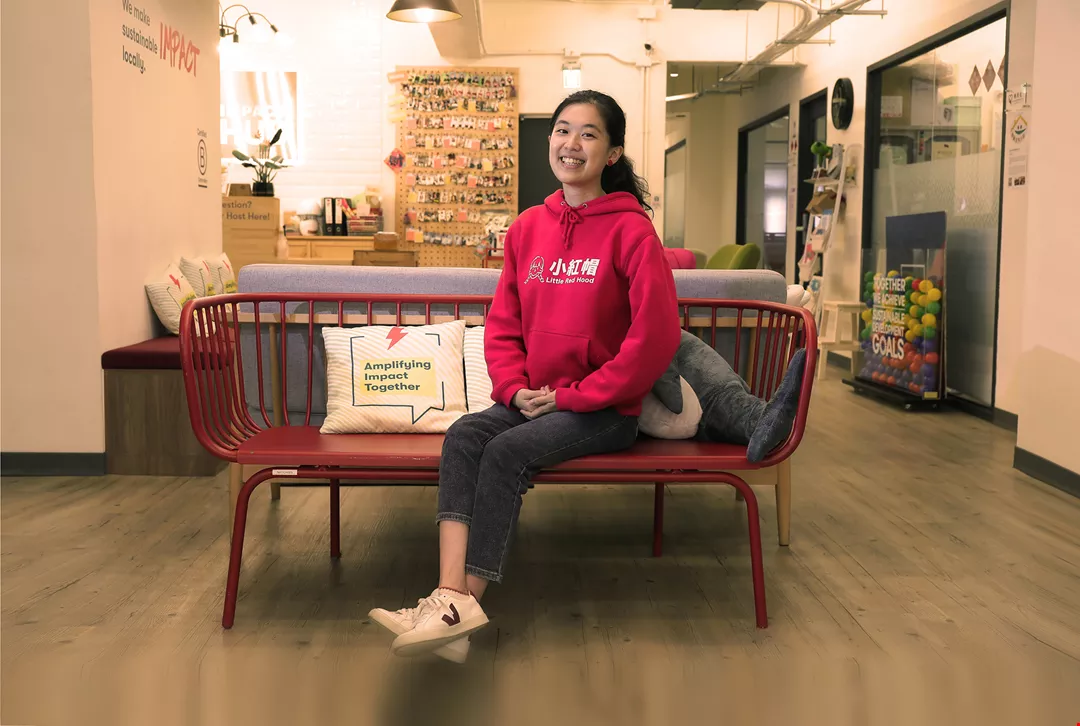
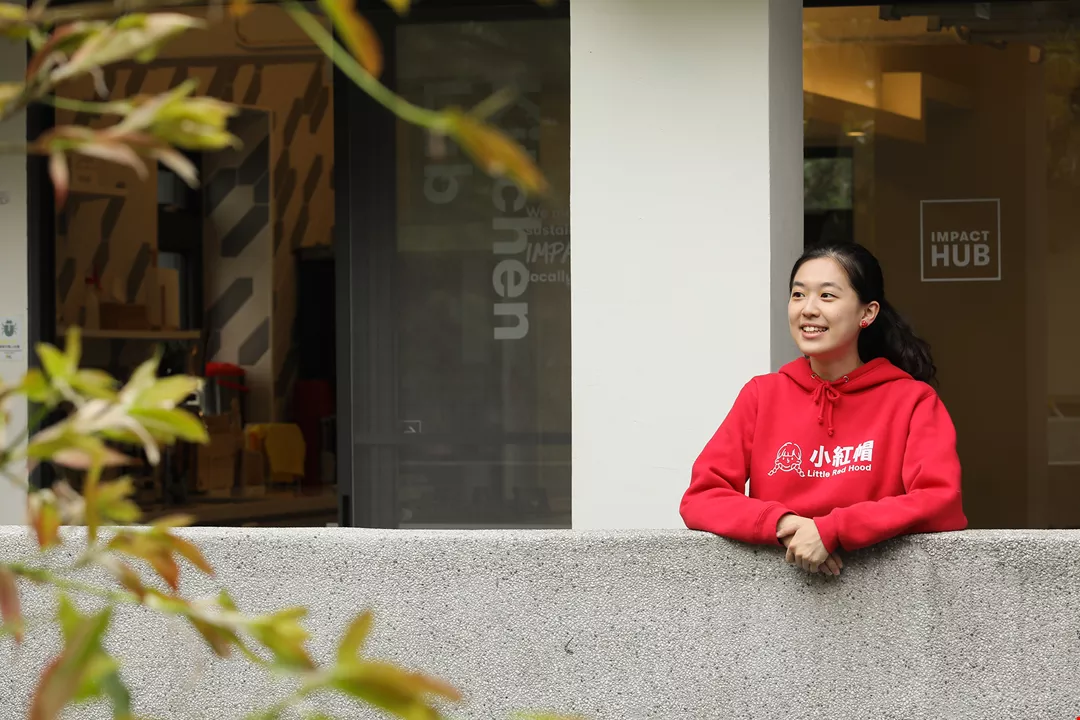
Vivi Lin is the first Taiwanese winner of the UK’s Diana Award.(photo by Jimmy Lin)
Period taboos
We asked Vivi Lin when she first started paying attention to the topic of menstruation: “It was when I was 13 or 14,” she says matter-of-factly. “That was when I had my first period.” Her usually open-minded mother was reluctant to talk about it. Lin asked her teachers, friends, and grandmother, but they all warned her not to discuss it too loudly or in a public place. “I felt as if a thorn were stuck in my heart. I wanted to pull it out. Ever since, I’ve wanted to fight for period positivity.”
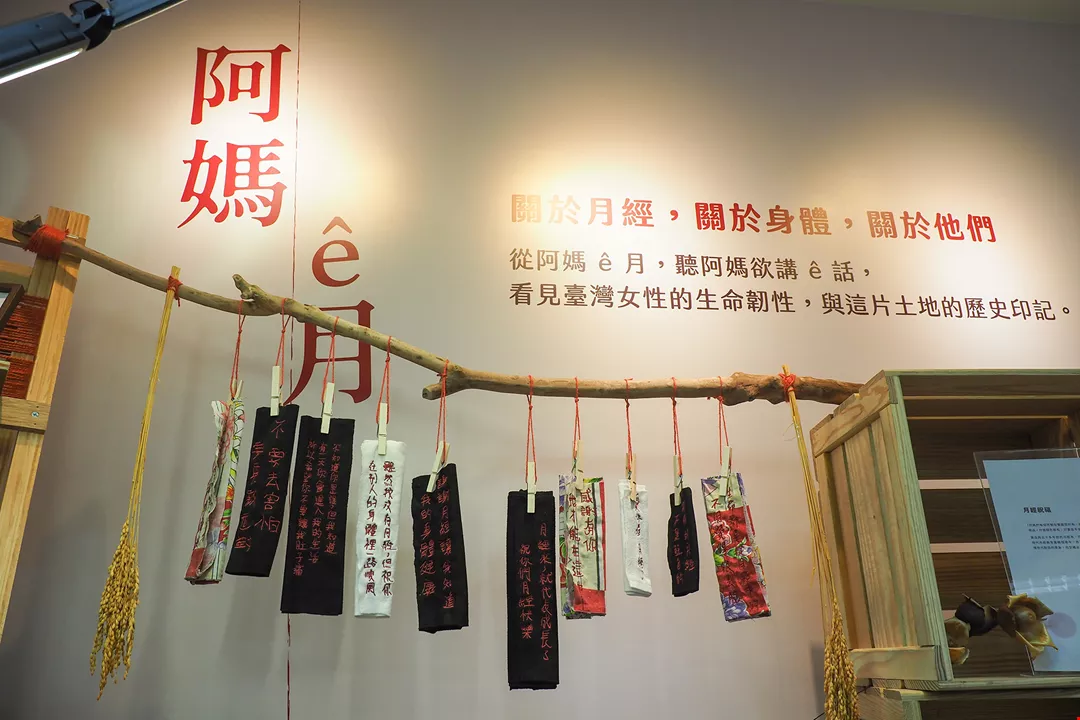
With Red regularly sets up stands in a variety of places to spread its message. Once a grandmother eyed them for a long time from afar before approaching and upbraiding them for discussing periods in public. But she ended up describing her own experiences with menstruation, growing increasingly animated. The chance encounter was the impetus behind With Red’s “The Women” project (named “Granny’s Period” in Chinese), which documents older Taiwanese women’s experiences with periods. “The reality is that Taiwan has few such records. How did our grandmothers go about handling their periods? That’s a historical question, but no one has documented it. It’s like a piece of the puzzle is missing,” Lin says. “Just speaking about it and making a record of this behavior turns it into something worth discussing.”

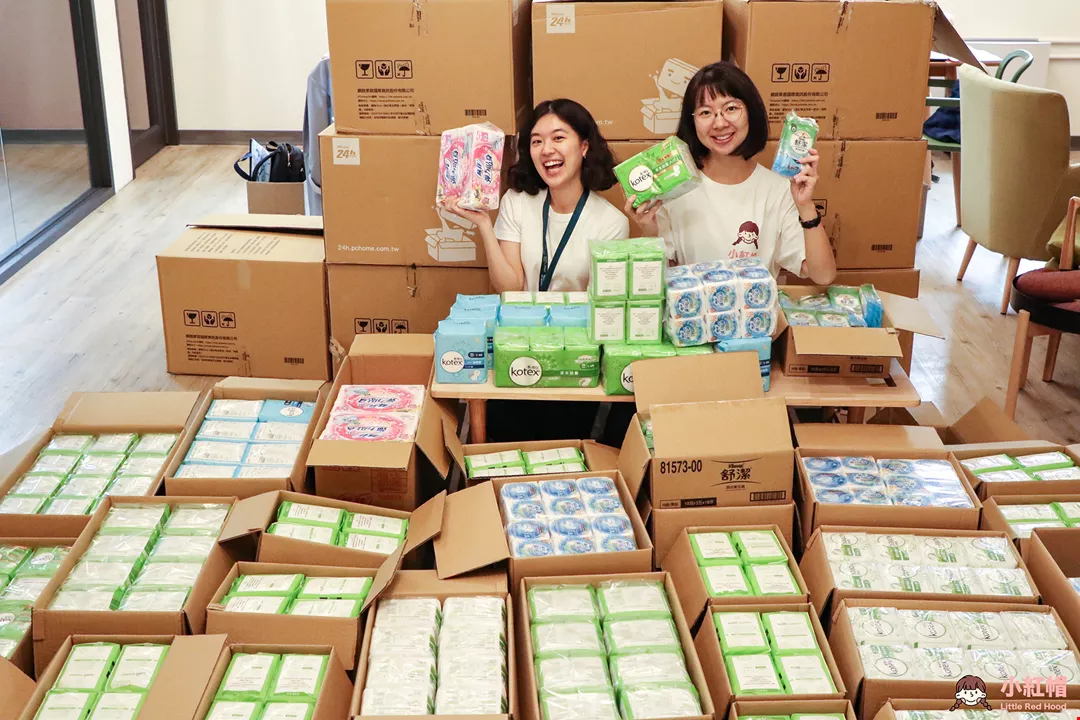
With Red has called for society to confront the issue of period poverty. The organization currently serves 550 teenage girls, providing them with a personalized supply of sanitary products. (courtesy of With Red)

With Red has documented the history of women’s periods in Taiwan by conducting oral history interviews and by curating the exhibition The Women. (photo by Jimmy Lin)
A campaign in the name of menstruation
Realizing that one person couldn’t turn this around by herself, that many people needed to be bringing this into reality in their own lives, Vivi Lin decided to leverage the power of an organization by founding With Red in 2019.
With Red takes a three-pronged approach: education, advocacy and social welfare.
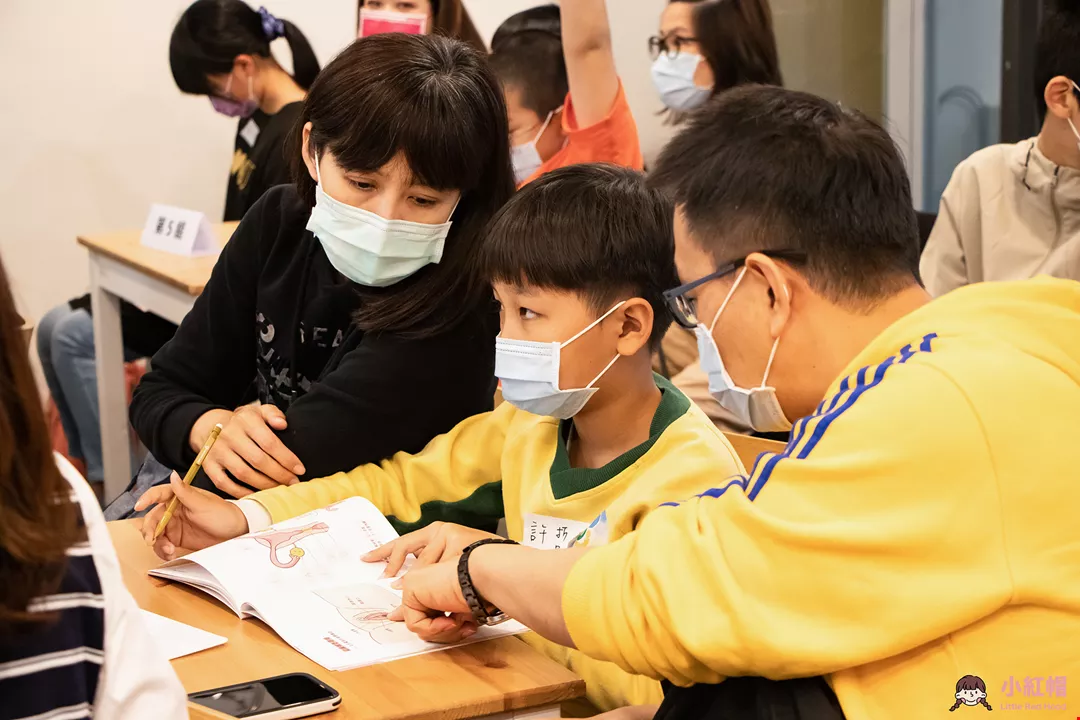
With Red’s projects and materials have been used at more than 90 educational institutions in Taiwan, including elementary schools, junior high schools, senior high schools, colleges and universities. Working on site as educators, its members come to understand the difficulties encountered by front-line teachers. Furthermore, menstruation education isn’t just about imparting biological knowledge. It’s also about sex education, emotional education, international issues and so forth. It needs to be discussed in a multidisciplinary way.
The group’s advocacy work focuses on discussing various issues connected to menstruation. For instance, there is a stigma attached to uttering the word “period,” so it will often be referred to by code words such as “Great Auntie” or “that thing.” Or take the call for “period equality.” Isn’t it just as important to provide sanitary pads as it is to provide toilet paper? Or consider the many taboos and misconceptions around menstruation, such as that women shouldn’t worship at temples or eat ice during their periods. People seem to think it’s perfectly acceptable to make decisions for women about their bodies and about how they should behave. With Red aims to face these social issues head on and stir up discussion.
Another related global problem is “period poverty.” For those who cannot afford period products when they are menstruating, it can have long-term ill effects on their lives. Consequently, With Red has asked social welfare organizations to get their social workers to ask one additional question when providing services to clients:Are they experiencing period poverty? One referral after another has come in. Currently With Red provides more than 550 girls in Taiwan under the age of 18 with period products according to their individual needs.
“The most serious problem with period poverty is the anxiety that girls bear.” Under financial constraints, they may feel guilty about using even a single sanitary napkin. With Red regularly follows up with social workers to understand whether the girls it assists are still experiencing period poverty.
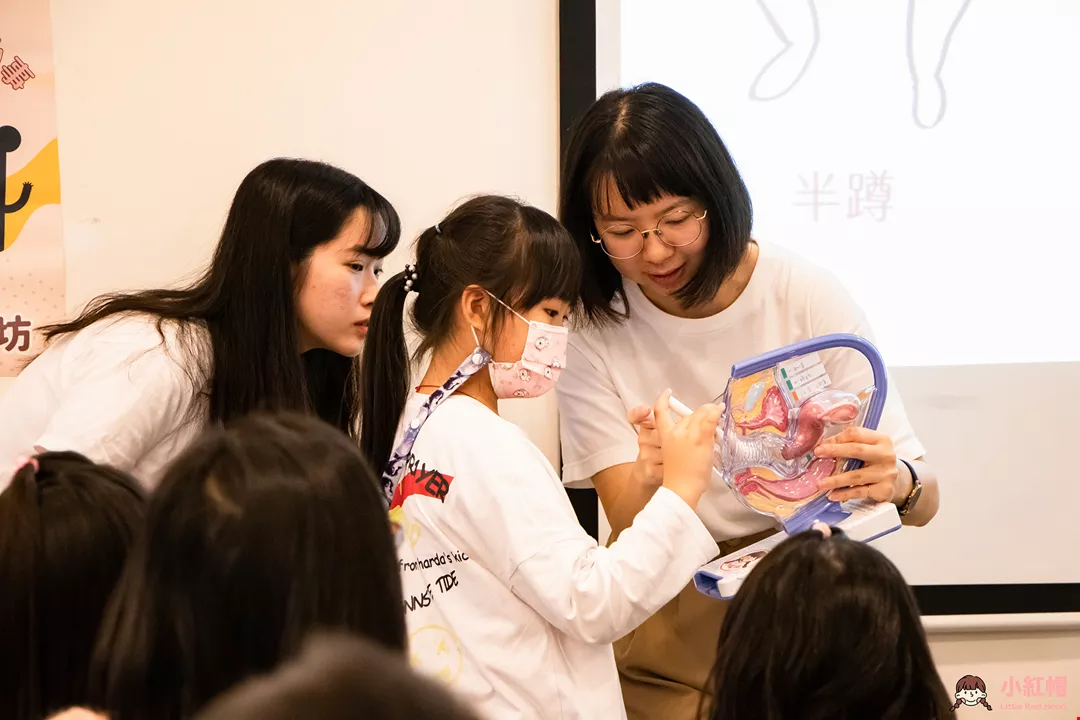
With Red staffers have gone into schools, where they spread the message that period education isn’t only about physiology, but also encompasses sex education, emotional education and international issues. (courtesy of With Red)

Winner of the Diana Award
Lin has said publicly many times: “With Red has been walking down a path of self-destruction from day one.” She longs for the time when society no longer needs what With Red has to offer. “Let these issues become confined to the history books, rather than something we are confronting every day.”
In just three short years, With Red has made major strides, and in 2021 it won the UK’s Diana Award.
When Lin went to Britain to receive the award, people there told her that what the organization in Taiwan had achieved in three years took ten years to accomplish in other nations, making With Red an excellent case study. “We were able to do so because our society is willing to believe in something and work to get it done,” she says. “That’s why it was possible. It’s only because of tens of thousands of supporters that we were able to push to achieve these results.”
In terms of both action and ideas, Taiwan offers a lot to the world. May likeminded people come, make friends, and check out Taiwan for themselves. In these two young women, we see our future path.

Period education is needed for people of all ages and genders.(courtesy of With Red)

In 2021 Vivi Lin won the UK’s Diana Award. She attributed With Red’s accomplishments to Taiwan society’s willingness to believe in something and to work to get it done.(photo by Jimmy Lin)