Silicon Valley, a small, sunny stretch of land between San Francisco and San Jose, has become synonymous with high technology, famous throughout the world. What may be less well known is that the area is home to many talented immigrants from Taiwan.
In fact, half of Silicon Valley's engineers are Chinese. In suburban Mountain View, Chinese restaurants, bookstores, furniture all can be found on Castro Street, the city's Chinatown, in addition to rumors of the latest technical breakthroughs and company startups. But S. Ping Chao puts little stock in such talk. "Silicon Valley has no secrets," he says. Chao would know. He started Ecad Co. three years ago and reported annual sales last year of US$10 million. This year he projects a tenfold growth in earnings.
Secrets have a very short user life here. Engineers on the average change jobs every two years, prompted in part by salary increases of 15 percent. Most people settle down in one company only when they reach 40. This constant flux of engineers, each with their own considerable ambition and technical acumen, creates an environment where information and technology are being exchanged continuously. Analysts often point to this type of turnover as being a key factor in Silicon Valley's remarkable pace of innovation.
While some engineers hail from Hong Kong or Singapore, most Chinese working in Silicon Valley are from Taiwan. They often get together on the weekends with old classmates or colleagues, and conversation frequently turns to shoptalk.
Chinese engineers have developed a reputation for industriousness, and their image would have them busy at all hours researching in the laboratory. Companies here praise them for their hardworking habits, but many chide them for their relative reticence in pushing for raises and promotions.
But some Chinese later start firms of their own. Explains Edward Chang, chairman of Multitech's American subsidiary, "They come here as students with a couple of bags of luggage, without any commitments anywhere. So they take chances. And besides, Chinese like to be their own boss."
Since 1980 many Chinese-run companies have sprung up in Silicon Valley. Chang notes, "Silicon Valley has been a center for technology for over twenty years. Chinese came here and accumulated considerable training and capital and met others doing the same. Plus venture capital companies had easy credit in the early eighties. People saw others starting firms and said 'why not me?'"
Most of these companies are small and medium-scale enterprises of the type which still dominate Taiwan's economy. Those with over 20 employees are considered respectable concerns, with firms having 100-20O workers being thought of as the elite. Yet such numbers pale in comparison with IBM, Hewlett-Packard, and Intel, with their 10,000-20,000-member workforces in Silicon Valley.
Small is not necessarily beautiful in this business. With the product life in the high technology sector still relatively short, there continue to be many market niches for a small firm to fill. But once a product matures and can be mass-produced in an integrated operation, the contest shifts to a race between those who can produce in large volume at the lowest cost, in which only the largest companies survive. "When that day comes," says Edward Chang, "not only the Americans and Japanese, but even the South Koreans will leave us behind."
Engineers so far haven't put that possibility on their list of worries. Having seen so many people with a bright idea become rich overnight, they feel that hard work will some day pay off with the right product that will bring them a fortune.
The past year, however, has seen a severe slump in Silicon Valley. Statistics show that only 20 percent of all firms survive in this hyper-competitive environment. Engineers still shrug off the likelihood of failure. If their business folds, one reasons, tomorrow they will go to work for the company next door. Experienced engineers are still eagerly sought here, but those just graduated find only streets full of "For Lease" signs and closed factories.
At the end of the year, factory parking lots were empty and bare, as several firms cut back their workweeks. At many of the Chinese companies though, cars could be found here and there, their owners inside the plant, hard at work on their latest project.
(Chrissie Lu/tr. by Mark Halperin)
[Picture Caption]
The slump in the hi-tech industry has left landlords in Silicon Valley scrambling for tenants.
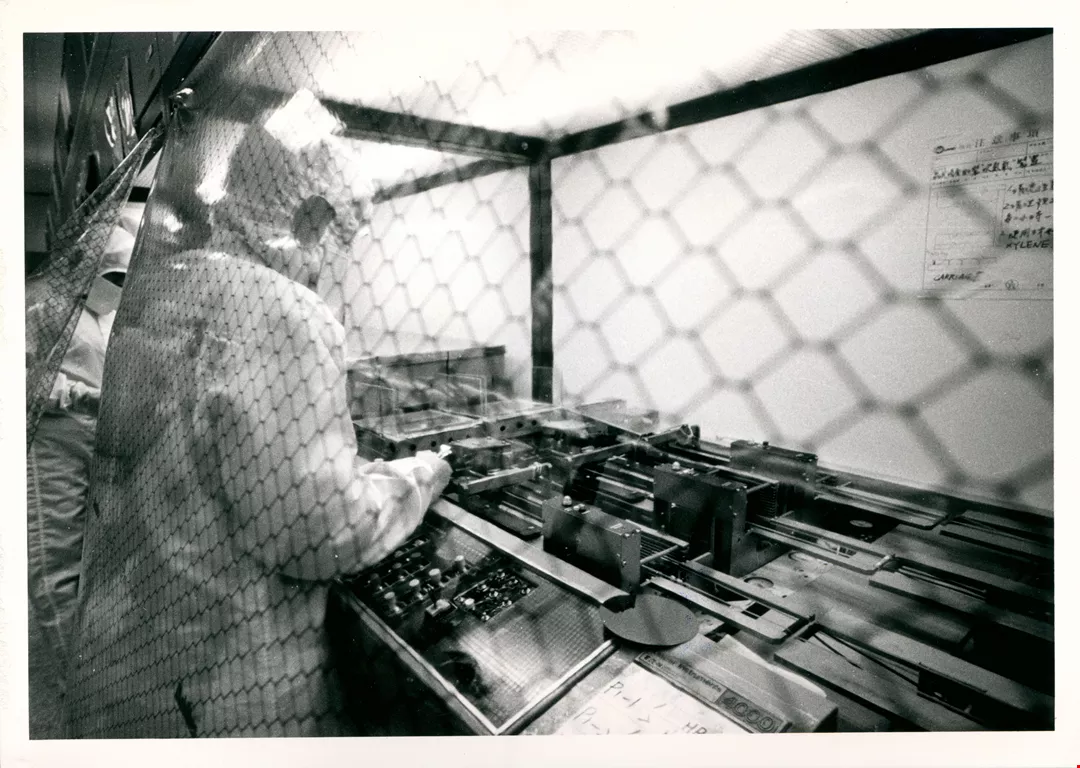
Production of semiconductors must be done in a dust-free environment. Workers must wear special one-piece suits and work at separate stations. (Photo by Arthur Jeng.
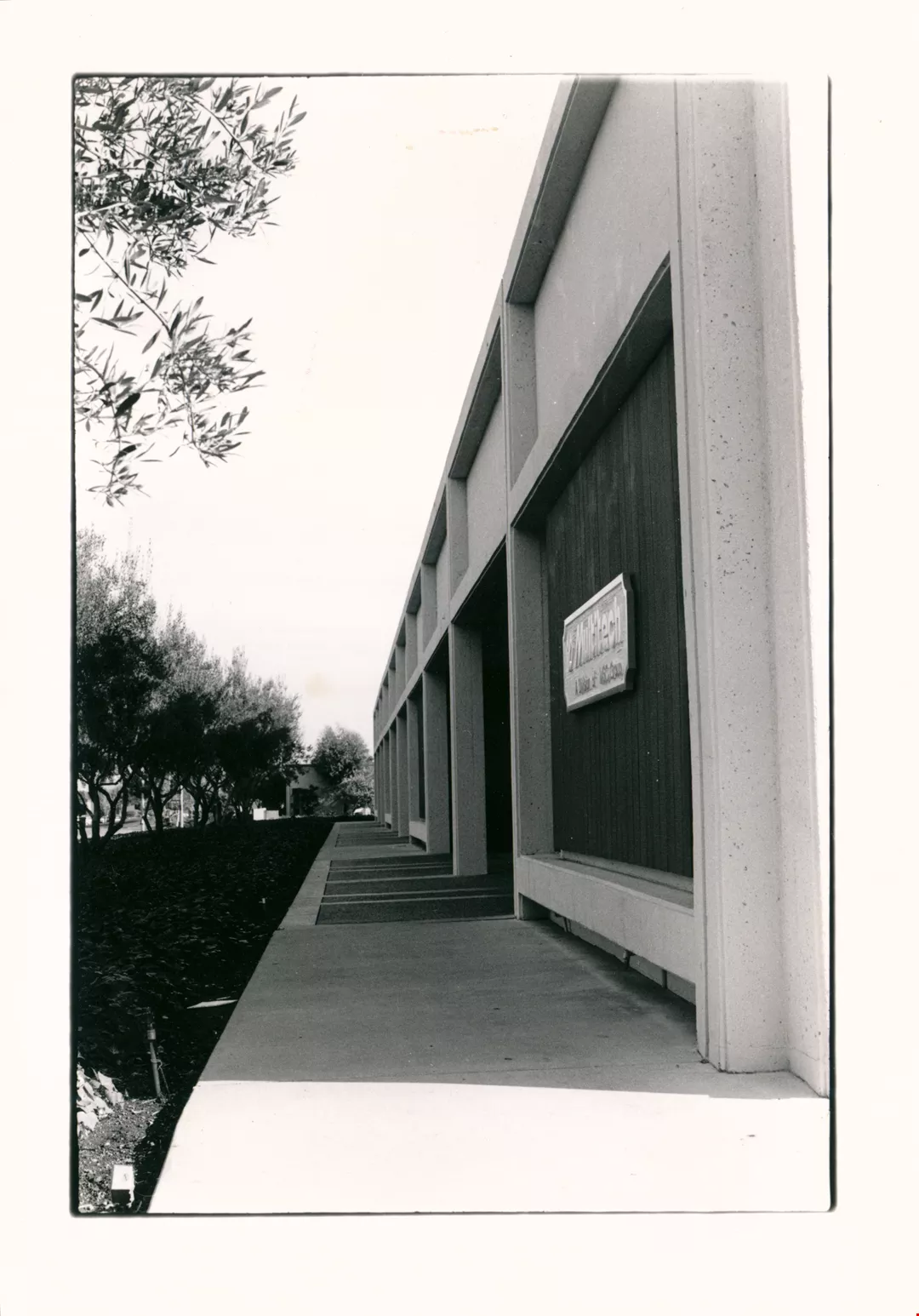
Many hi-tech firms from Taiwan have invested in Silicon Valley. Above is Multitech's Ameri can subsidiary. (Photo supplied by Multitech.)
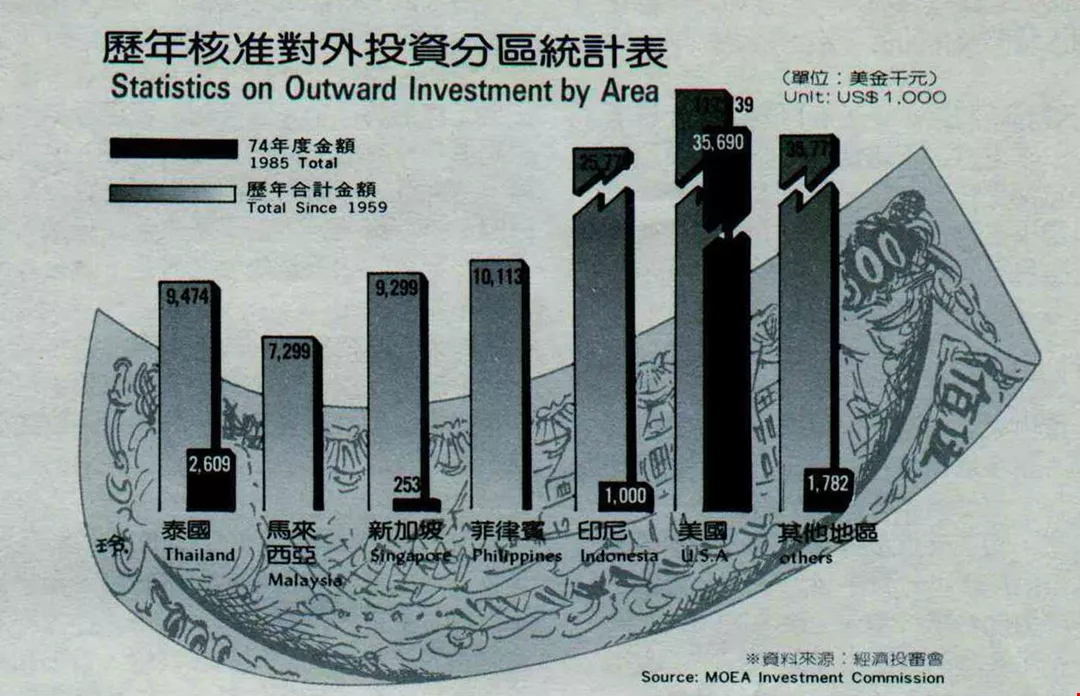
Statistics on Outward Investment by Area.
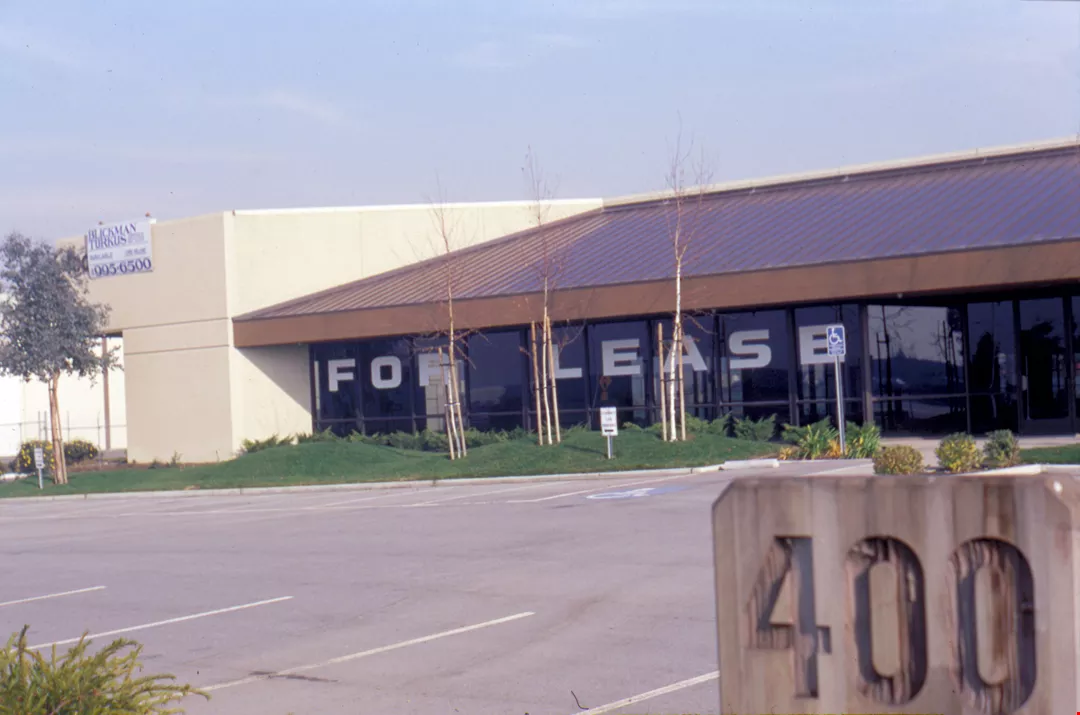
The slump in the hi-tech industry has left landlords in Silicon Valley scrambling for tenants.
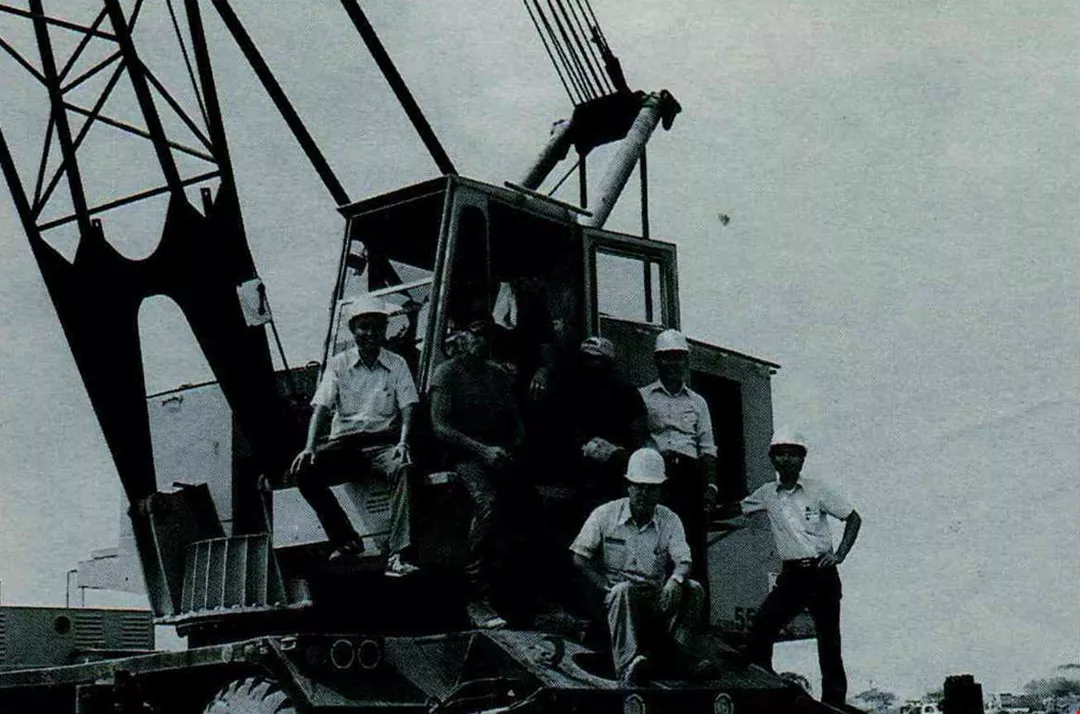
Construction of the Formosa Plastics plant in Texas. (Photo supplied by Formosa Plastics.)
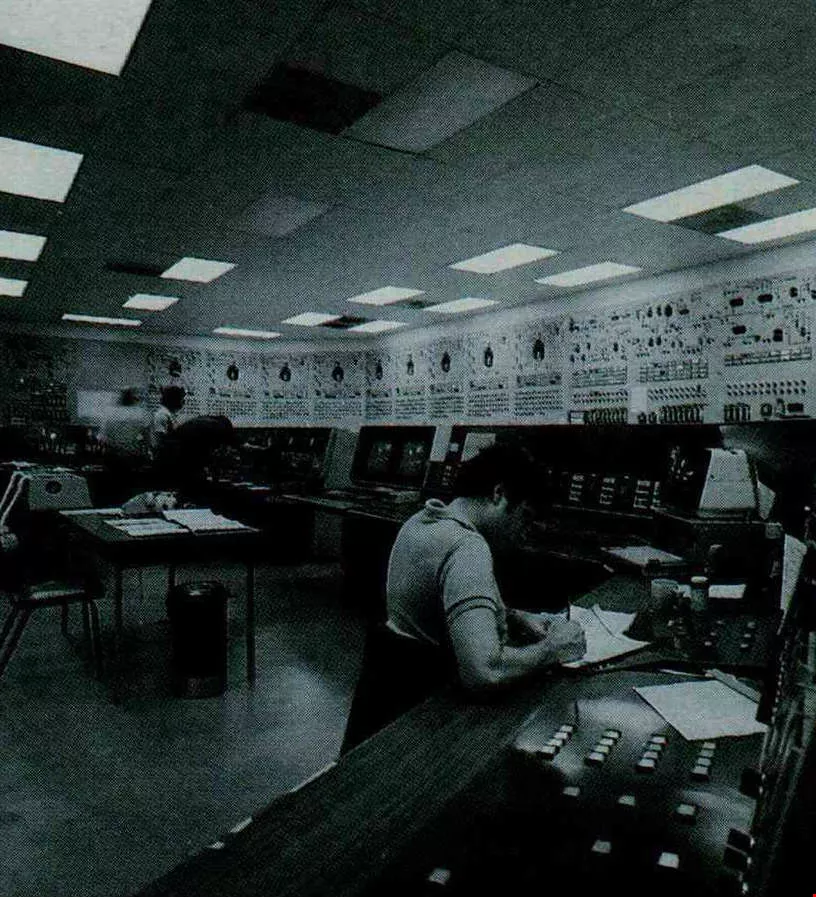
The plant is known for its high efficiency and state-of-the-art equipment. (Photo supplied by Formosa Plastics.)



@List.jpg?w=522&h=410&mode=crop&format=webp&quality=80)

@List.jpg?w=522&h=410&mode=crop&format=webp&quality=80)


@List.jpg?w=522&h=410&mode=crop&format=webp&quality=80)

@List.jpg?w=522&h=410&mode=crop&format=webp&quality=80)