A perfect ten: The Tien Ching Silkie
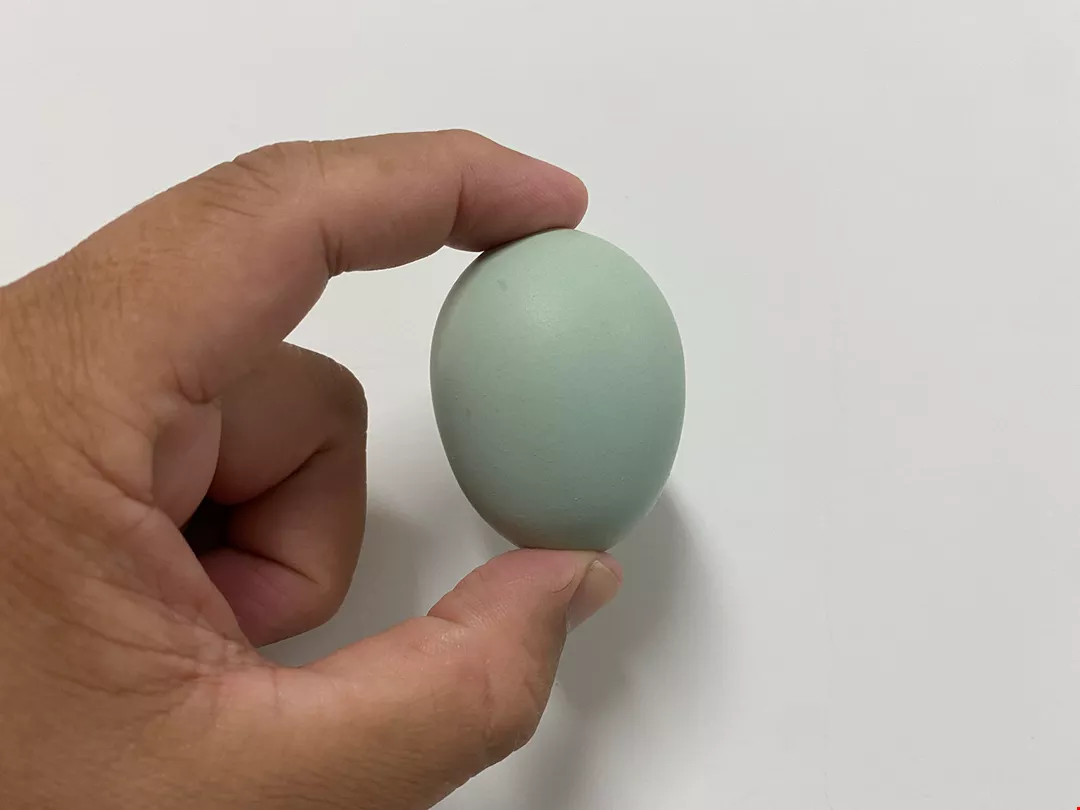
The Taiwan Livestock Research Institute (TLRI), an agency of the Ministry of Agriculture that specializes in breeding native Taiwanese chicken breeds and silkie chickens, announced in early 2024 that after more than ten years of effort they had produced a new breed called the Tien Ching Silkie (meaning “blue sky” silkie). Not only can these be raised for both meat and eggs, but egg production is twice that of other silkie breeds. Moreover, the nutritional content of the blue-shelled eggs they produce is two to three times that of ordinary brown eggs. They are truly amazing.
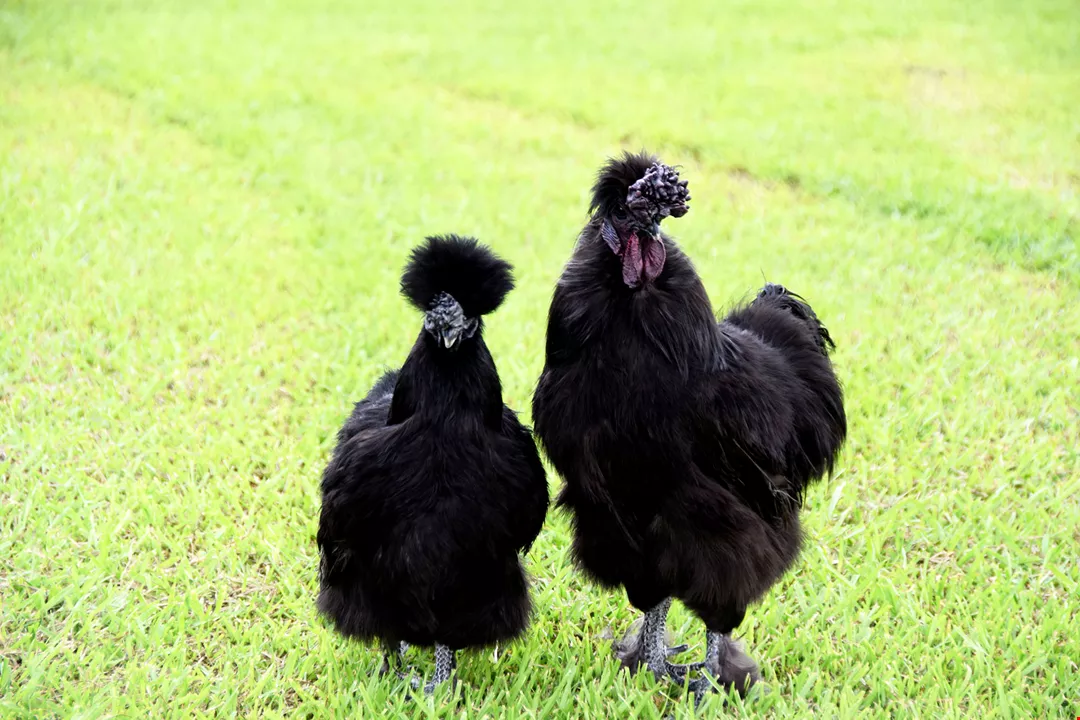
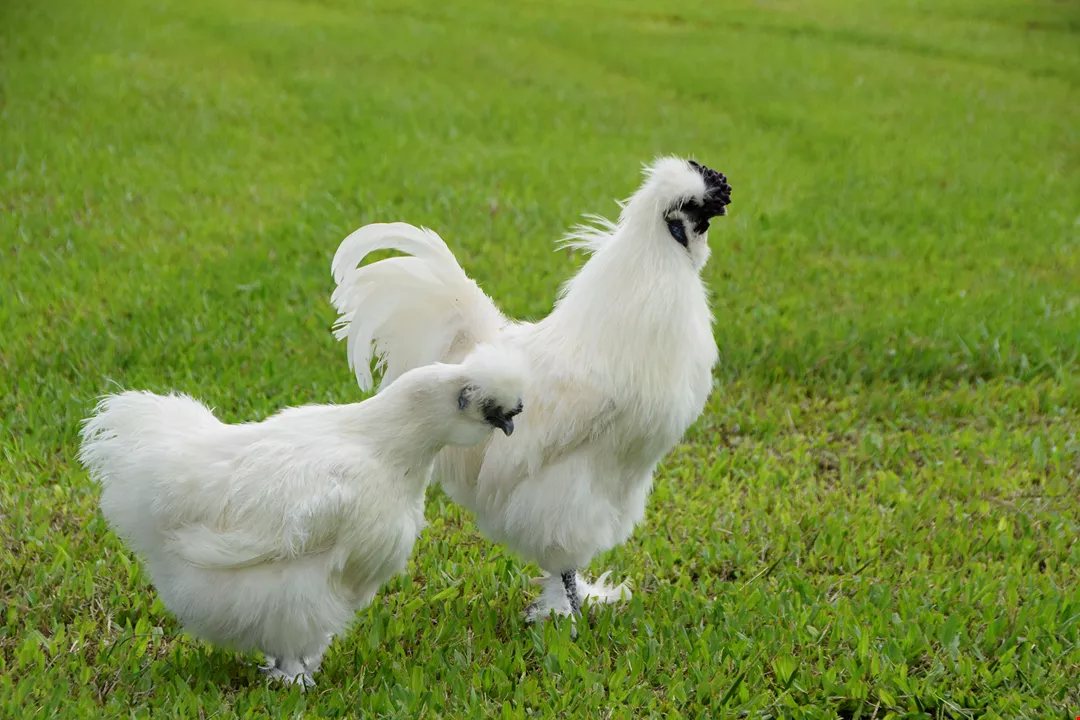
Tsai Ming-yang, a researcher at the TLRI, points out that in 1995 the TLRI began a breeding program using silkie genetic resources brought in from China, to produce black-boned chickens to be raised in Taiwan. Traditional silkie chickens have ten externally observable defining characteristics. But because commercial chicken breeders and farmers crossbred their black-boned chickens with ordinary broilers (chickens raised for meat) to supply the chicken meat market, the silkies lost some of these distinguishing characteristics.
In order to produce “purebred” silkies that lay eggs with blue shells, researcher Liu Hsiao-lung began selective breeding in 2012. It took Liu, who has since retired, eight generations of breeding to produce the Tien Ching Silkie. This is the only purebred silkie chicken in Taiwan that meets all ten defining characteristics, and it consistently lays blue-shelled eggs.
Tsai Ming-yang states that the Tien Ching Silkie can be raised both for meat and for eggs, and is a prolific egg layer. Moreover, its eggs are very nutritious, with significantly more calcium, zinc, iron, lecithin, DHA, and omega-3 fatty acids than brown-shelled eggs. This makes them suited to becoming a specialty agricultural product.
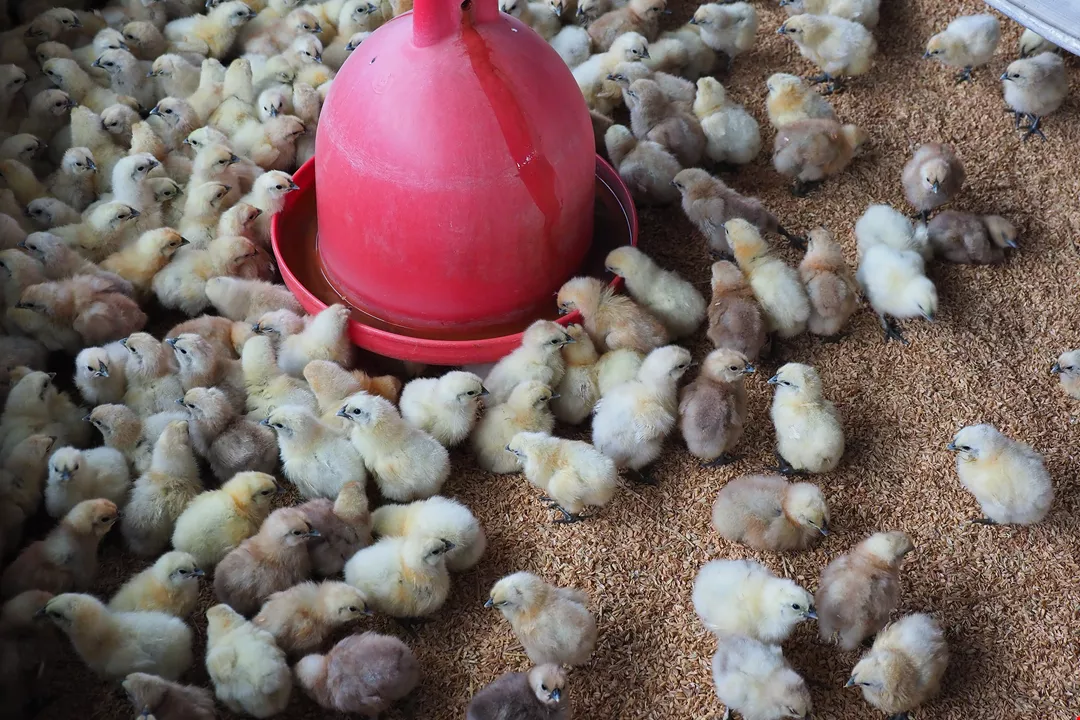
As chicks, silkies have yellow feathers.





@List.jpg?w=522&h=410&mode=crop&format=webp&quality=80)


@List.jpg?w=522&h=410&mode=crop&format=webp&quality=80)