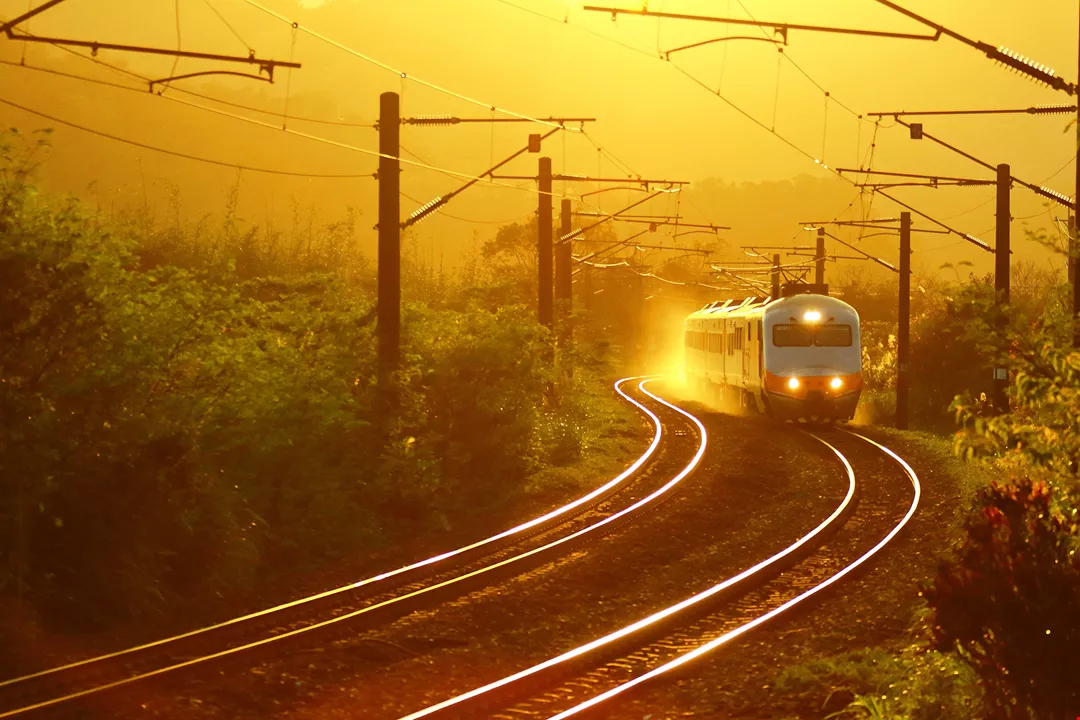
Sightseeing Train at Sunset (Wen Renzhu)
Though the South Link railway line has been electrified since this picture was taken, the scenery is as beautiful as ever. Take a ride on the “Breezy Blue” tourism train with the windows open, and as the sun sets over the Pacific Ocean the dazzling colors will lift your mood and you will quickly forget the troubles of everyday life.
Railway Images: Winding Through City and Country

Old But Vigorous (Xu Chengrui)
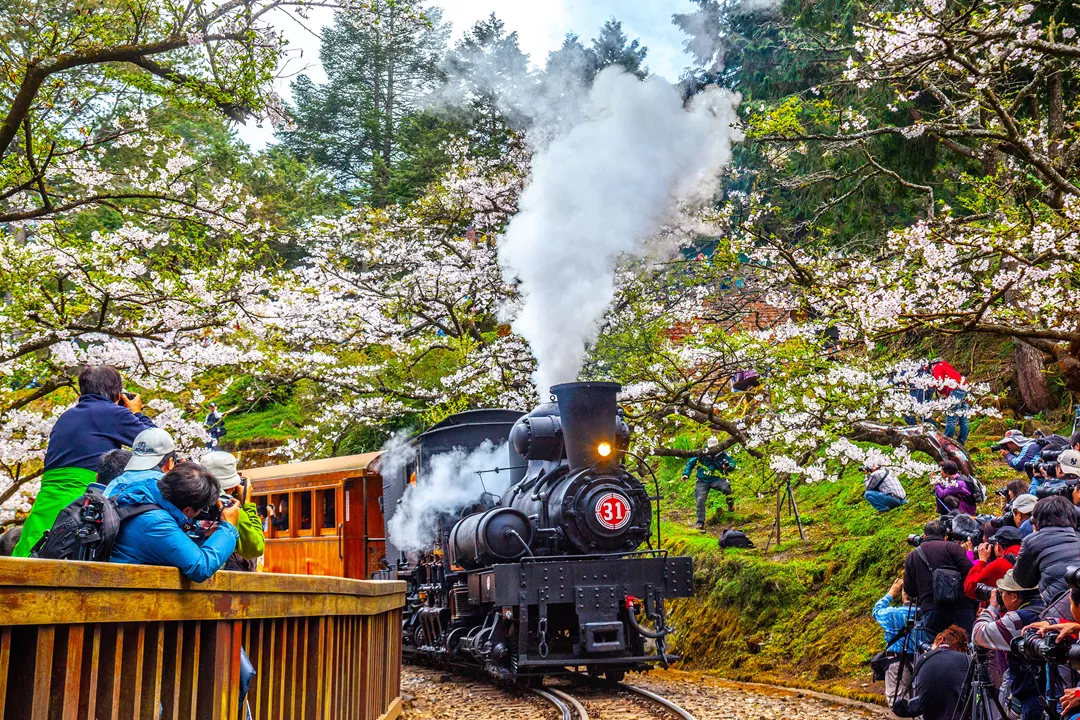
In the Alishan National Forest Recreation Area there are nearly 2,500 flowering cherry trees in 32 varieties, which bloom riotously in March and April. They include Taiwan cherry (Prunus campanulata) along the boardwalk at the Alishan Forest Railway’s Duigaoyue Station, Yoshino cherry (Prunus × yedoensis) at Zhushan Station, and Wushe cherry (Prunus taiwaniana) along the trails near Zhaoping Park. The blossoms attract countless visitors each year. Here we see the forest railway’s Shay steam locomotive No. 31 pulling a train on the Zhaoping Line during cherry blossom season. The combination of historic railway and flowers makes for a beautiful scene.

Taiwan’s Last Working Sugar Railway (Huang Youyi)
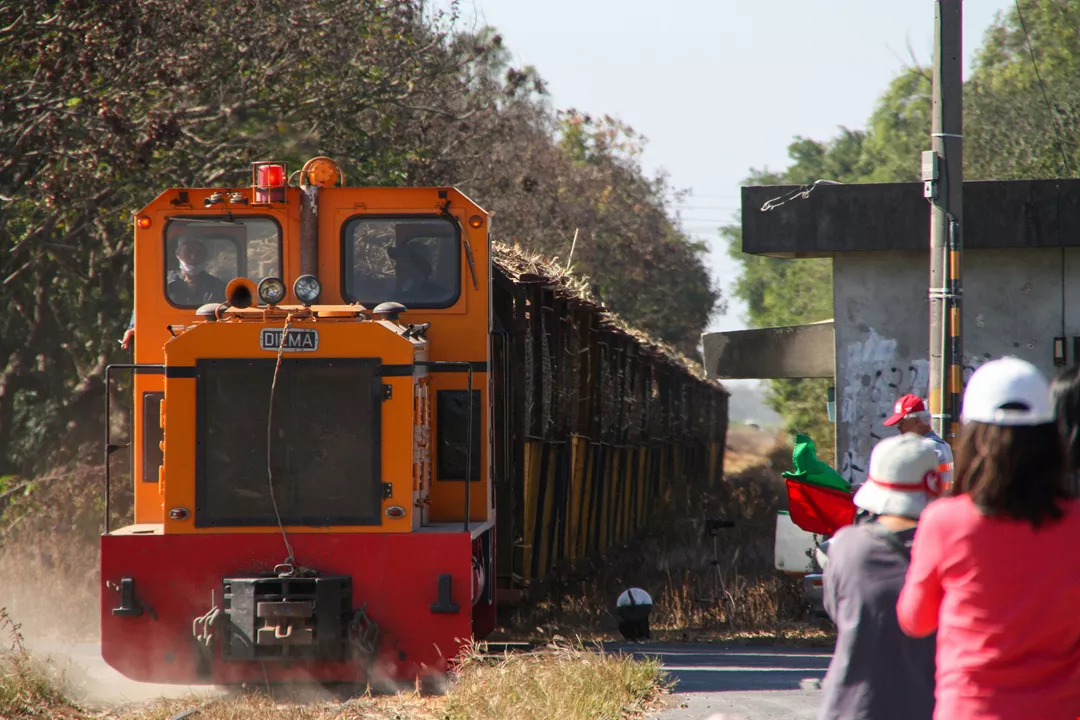
Of Taiwan’s former vast network of two-foot-six-inch-gauge sugar railways, only the lines serving the Huwei Refinery in Yunlin are still hauling sugarcane. When the narrow-gauge trains pass this spot they attract many amateur photographers. The cars are filled with cane freshly harvested from the fields, on its way to the refinery to be made into sweet granulated sugar.

A Steam Train Passes Longteng Bridge (Chen Meixiu)
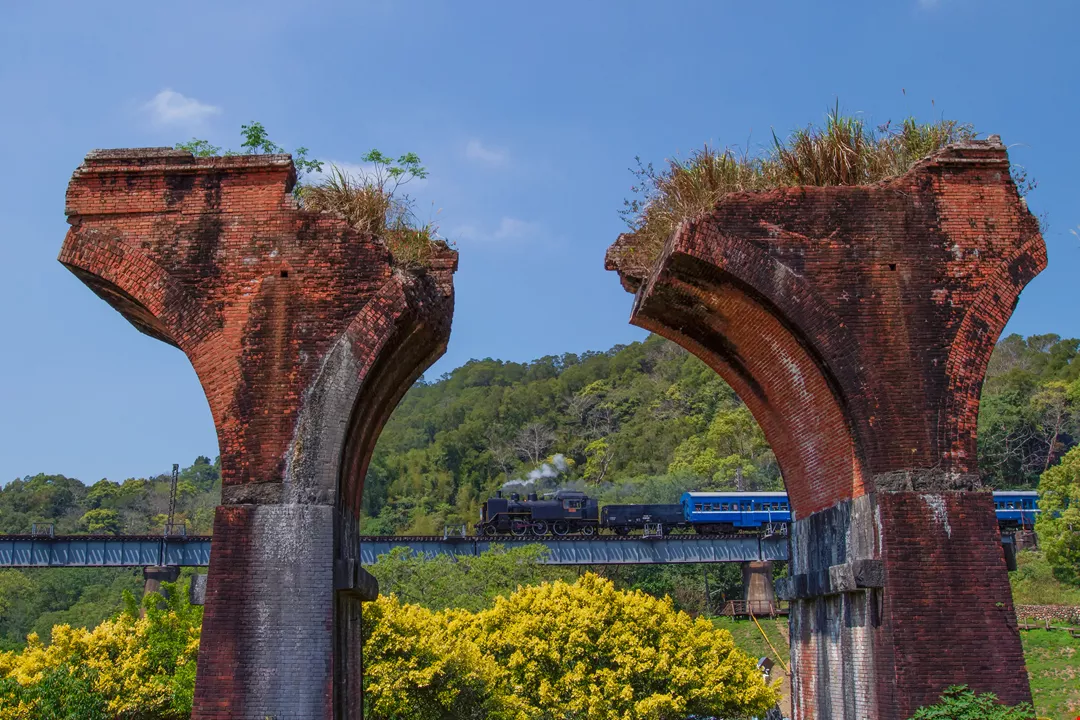
Longteng Bridge (formerly named Yutengping Bridge) in Miaoli’s Sanyi Township, on the Taichung Line (a.k.a. the Mountain Line) of Taiwan’s railway system, was damaged by earthquakes in 1935, and a replacement iron bridge was built alongside it. Scheduled services on this section of the line ended in 1998 after part of the line was rerouted. However, the tracks, tunnels, bridges and facilities of much of the old section remain in place, including Shengxing Station and the iron bridge beside the ruins of Longteng Bridge. Steam trains still occasionally run along the old section, including this train pulled by Locomotive No. CK-124, which is seen passing Longteng Bridge. These excursions attract many people to make a nostalgic trip to see the steam trains and the ruined bridge.

Wanggu Station on the Pingxi Line (Zhang Xiuhuang)
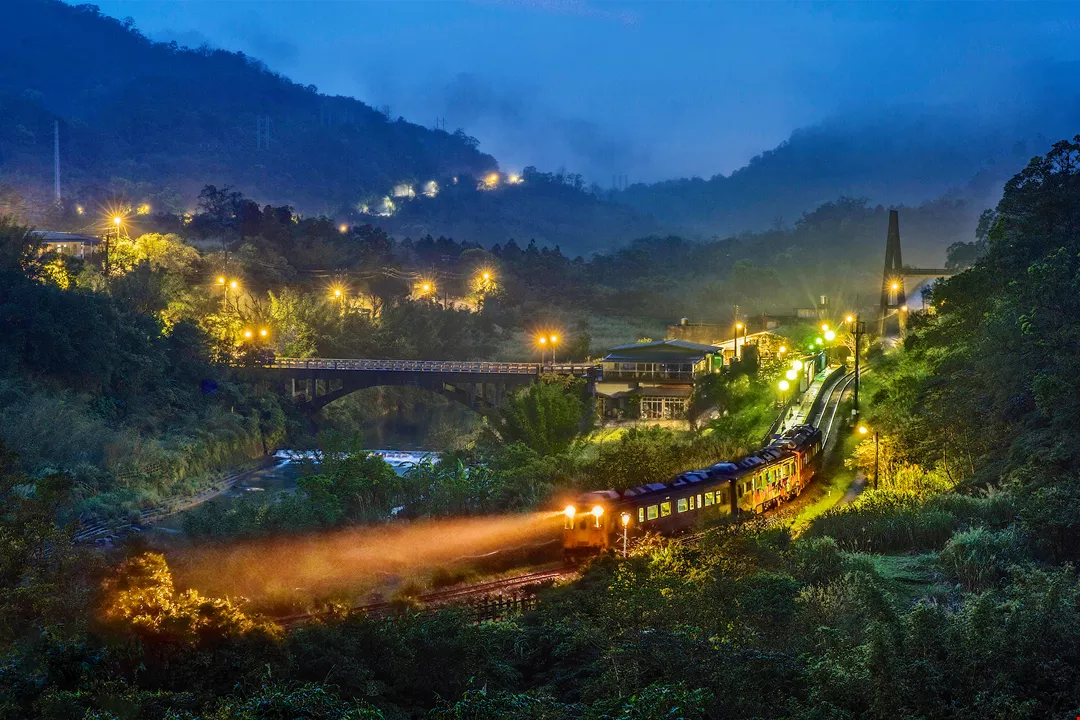
Wanggu is an unmanned station on the Pingxi Line. The nearby piers of the former Qinghe Suspension Bridge are a reminder of the glory days of the area’s coal mining industry. Photographers come to capture the fascinating scenes of light and shadow as trains pass through Wanggu in the early morning or the evening.

Tze-Chiang Express on an S-Curve (Wen Renzhu)
In the late afternoon, golden rays of sunshine slant down over the mountains, lighting up a curving stretch of railroad tracks. At this moment a Tze-Chiang express train appears,adding to the appeal of the scene.

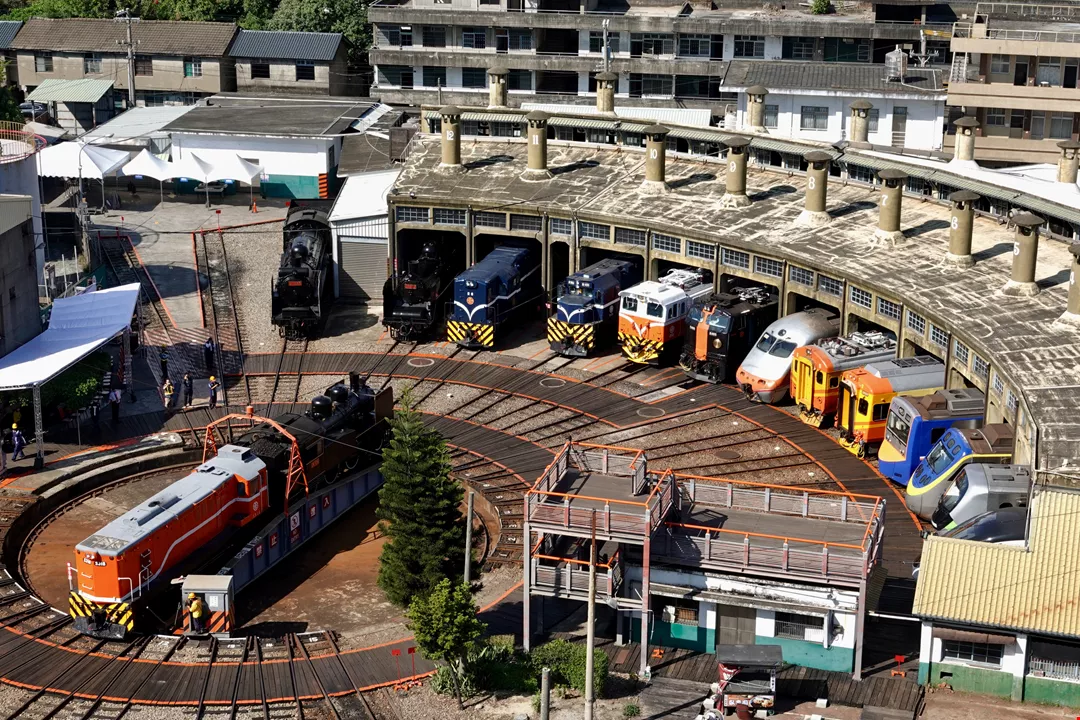
All Together in One Place (Jiang Guanfeng)
For the 100th anniversary of the Changhua Roundhouse, a number of locomotives that normally operate elsewhere were brought together, and this rare sight attracted many visitors. The roundhouse and turntable, the only structure of its kind remaining in Taiwan, is a national historic site and is seen as a gem of railway culture.

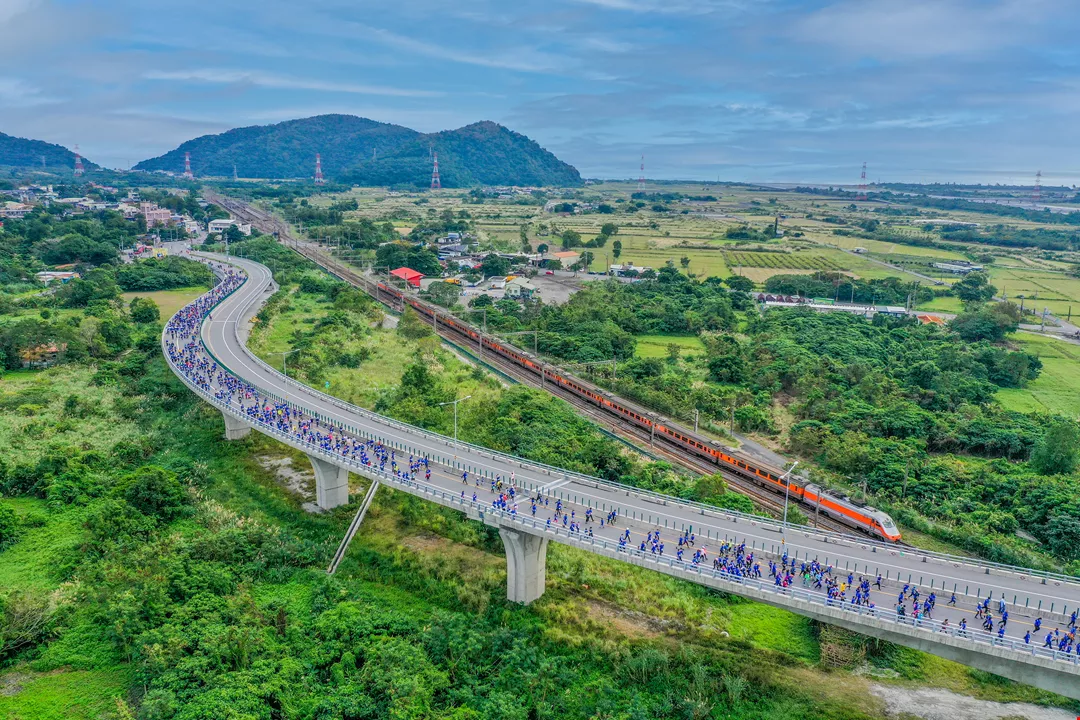
Marathon on the New Su’ao to Hualien Highway (Wu Peixuan)
Before the upgraded Su’ao to Hualien Highway was opened to traffic, a marathon was held at Nan’ao, allowing the public to feast their eyes on the area’s beautiful scenery and get a first look at the improved highway. More than 6,000 people took part.

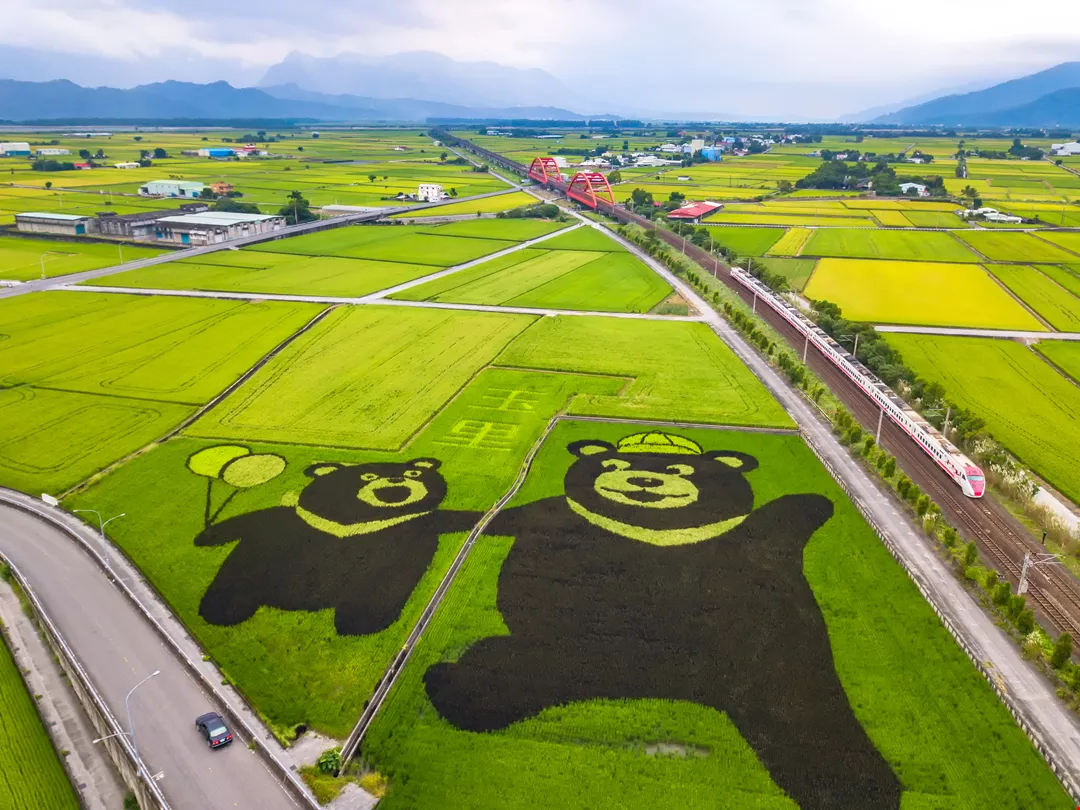
Mama Bear and Cub with Puyuma Express (Chen Ziqing)
Hualien and Taitung in Eastern Taiwan are major rice producing areas. Because the two counties are topographically isolated from the rest of Taiwan, trains are an essential means of transportation for tourism. Colorful illustrations in the rice fields have turned farmland into tourist attractions, and made places like Kecheng Bridge in Hualien’s Yuli Township into popular sightseeing spots for visitors.

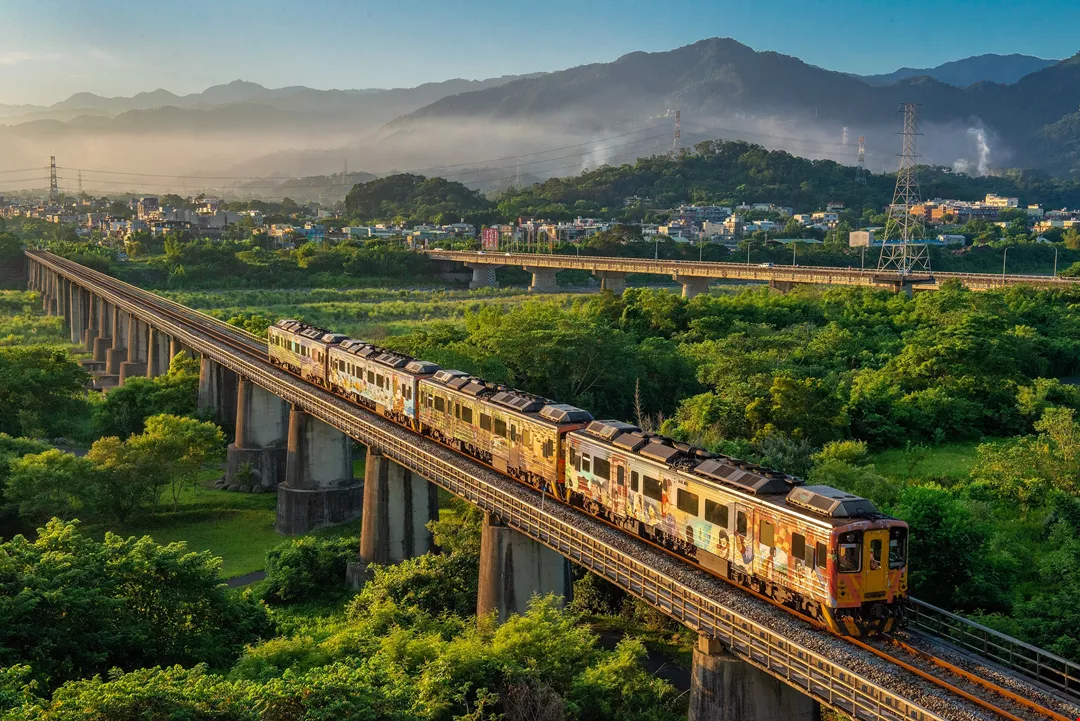
Colorful Train (Huang Huiqin)
In its early days, the Neiwan Line in Hsinchu County was used to transport lumber, cement and other industrial products to the main Western Line. In recent years it has successfully transitioned to being a popular tourism railway. The colorful cartoon paintings on the cars of the train captured in this photo illustrate the local customs and culture of the Neiwan Line. They are nostalgic reminders of railway history, and the train is known as a “mobile art museum.”