.

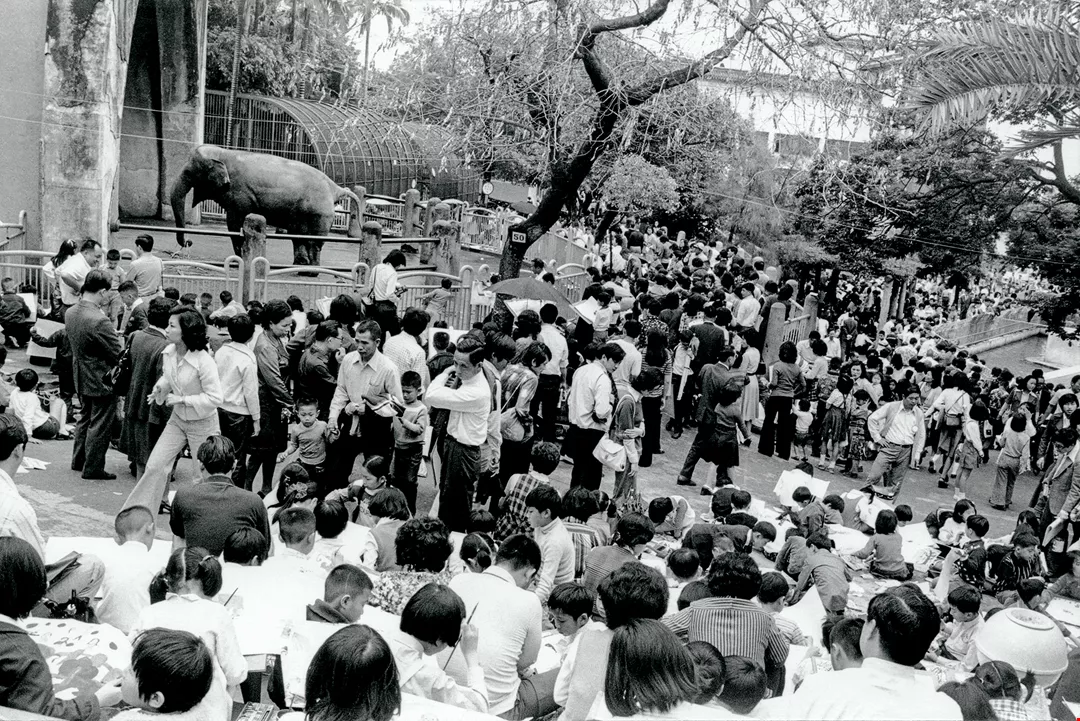
On April 18, 1976, more than 6,000 children from kindergartens and primary schools joined in a sketching competition at the Taipei Zoo (then located in the city’s Yuanshan area). They concentrated intently as they drew their favorite animals, especially the elephants and giraffes. (MOFA file photo) —“Newsmakers” (May 1976)
.jpg?w=1080&mode=crop&format=webp&quality=80)
The zoo in Yuanshan was one of Taipei’s most popular leisure spots in the days long before karaoke and MTV clubs. The Lunar New Year was the busiest time of all. (photo by Chang Wan-cheng) —“From Yuanshan Zoo to ‘Yesterday’s World’” (February 1991)
.jpg?w=1080&mode=crop&format=webp&quality=80)
After the animals moved to Muzha in 1986, the Yuanshan zoo remained as a shared memory for many people. (photo by Arthur Cheng) —“From Yuanshan Zoo to ‘Yesterday’s World’” (February 1991)
.jpg?w=1080&mode=crop&format=webp&quality=80)
In 1986 the Taipei Zoo moved from Yuanshan to Muzha. When the main convoy passed along Zhongshan North Road, spectators young and old lined the streets to see the relocation of the zoo’s rare animals. The tiger transport vehicle took the lead, followed by those for Formosan macaques, peacocks, lions, leopards, raccoons, baboons, jaguars, and more. A total of 65 animals were moved. (photo by Tang Ken-li)

.jpg?w=1080&mode=crop&format=webp&quality=80)
In 1983 the Taipei Zoo held a party to celebrate the 66th birthday of the elephant Lin Wang. (photo by Chen Mingzheng)
.jpg?w=1080&mode=crop&format=webp&quality=80)
A new landmark at the Taipei Zoo—the indoor Tropical Rainforest Area (Pangolin Dome)—is themed around the Amazon Basin rainforest. It combines water, underforest, and canopy habitats, giving people a chance to see animals like the cotton-top tamarin and scarlet ibis at close range in their natural surroundings. The immersive rainforest experience guides visitors to a better appreciation of the importance of rainforest biodiversity and conservation.(photos by Lin Min-hsuan)
.jpg?w=1080&mode=crop&format=webp&quality=80)
Great argus.
.jpg?w=1080&mode=crop&format=webp&quality=80)
Blue-tailed bee-eater.
.jpg?w=1080&mode=crop&format=webp&quality=80)
Scarlet ibis.
.jpg?w=1080&mode=crop&format=webp&quality=80)
Cheetahs. (photo by Ai Yan) —“Leofoo Village Safari Park” (November 1979)
.jpg?w=1080&mode=crop&format=webp&quality=80)
Leofoo Safari Park, Taiwan’s only rhinoceros conservation park, is one of the few parks in the world able to breed rhinos and provide them with veterinary care. It also has a successful record of exporting rhinos. Shown here is a baby rhino, Squid Ball, sticking close to his mother, Flower. (photo by Jimmy Lin) —“Mr. Rhinoceros: Eswatini Royal National Conservation Advisor Ted Reilly” (January 2026)
.jpg?w=1080&mode=crop&format=webp&quality=80)
In the tame animals section of Leofoo Safari Park, there is no distance between the animals and visitors, who can touch and play with the creatures. (photo by Ai Yan) —“Leofoo Village Safari Park” (November 1979)
.jpg?w=1080&mode=crop&format=webp&quality=80)
Cars under siege in the baboon area of Leofoo Safari Park. (photo by Vincent Chang) —“A Kaleidoscope of Wonders in Kuanhsi” (December 1984)
.jpg?w=1080&mode=crop&format=webp&quality=80)
Leofoo Safari Park was Taiwan’s first open-air zoo with free-roaming animals and people in vehicles. This North American black bear seemed to want to say “Hey there!” to visitors. (photo by Vincent Chang) —“A Kaleidoscope of Wonders in Kuanhsi” (December 1984)

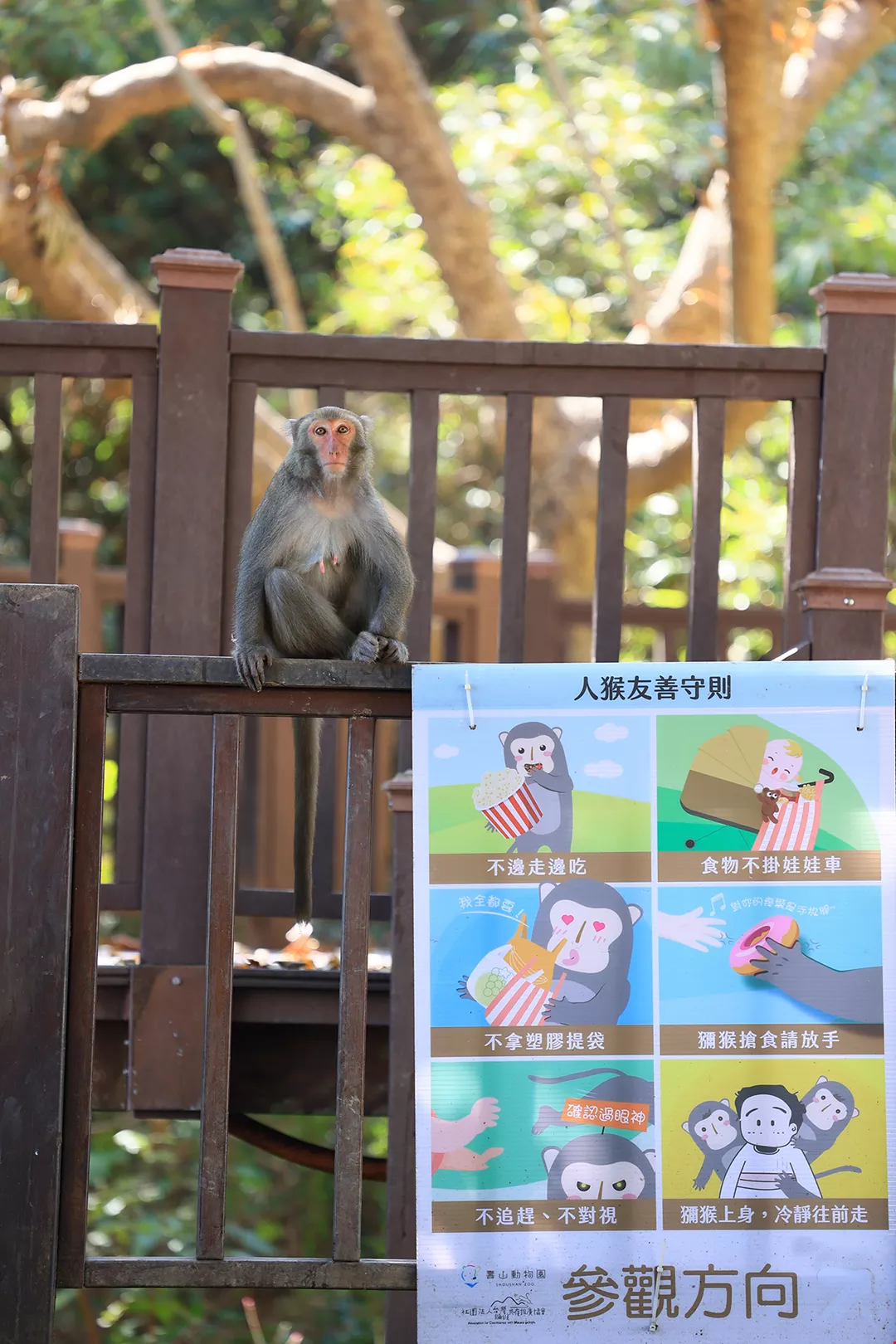
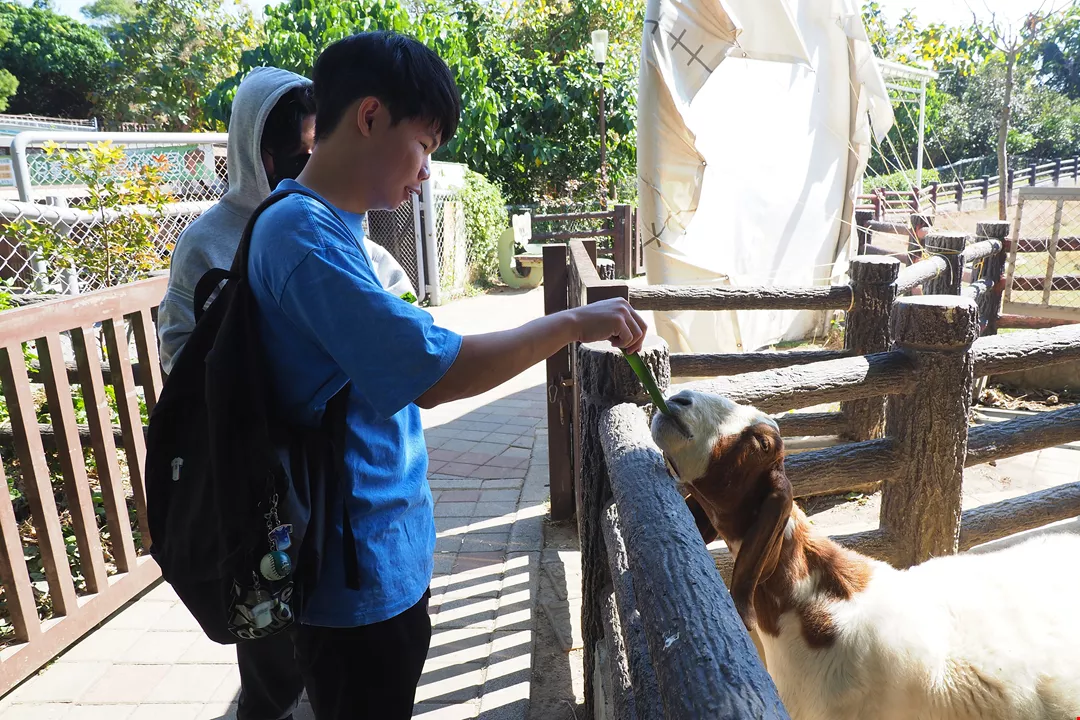
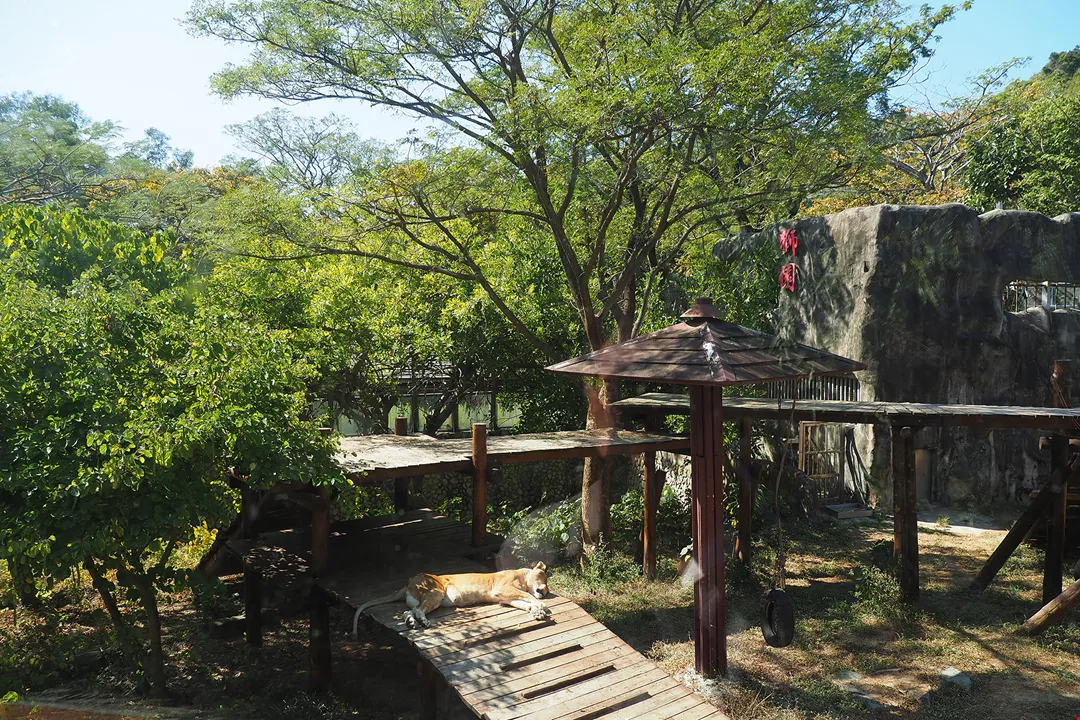
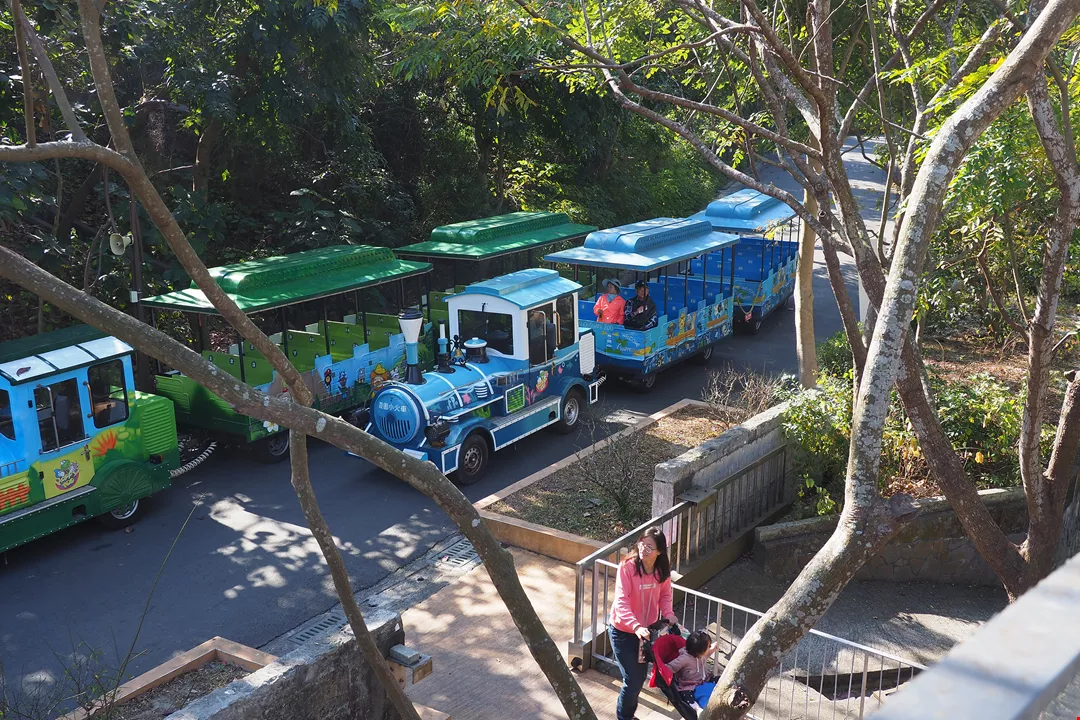
Shoushan Zoo is located on Mt. Shou in Kaohsiung’s Gushan District. Built around the natural contours of the land, it is a rare urban zoo enveloped in primeval woodland. In recent years it has been transformed to focus on animal welfare and ecological coexistence, reducing the visibility of manmade facilities and placing the animals in a mountain forest setting. It is an outstanding example in Southern Taiwan of nature located side by side with urban life. (photo by Jimmy Lin)


.jpg?w=1080&mode=crop&format=webp&quality=80)
Hsinchu Zoo, founded in 1936, is Taiwan’s longest-operating zoo still in its original location. After renovations, the zoo retains the buildings and layout of the era of Japanese rule (1895–1945), but with animal-friendly habitat designs. More than just a place to admire wildlife, it has become a green venue steeped in the city’s memories and public culture. (photo by Kent Chuang)
.jpg?w=1080&mode=crop&format=webp&quality=80)