The Marco Polo Bridge Incident--A Look Back After Sixty Years
the editors / photos courtesy of Biographical Literature / tr. by Phil Newell
July 1997

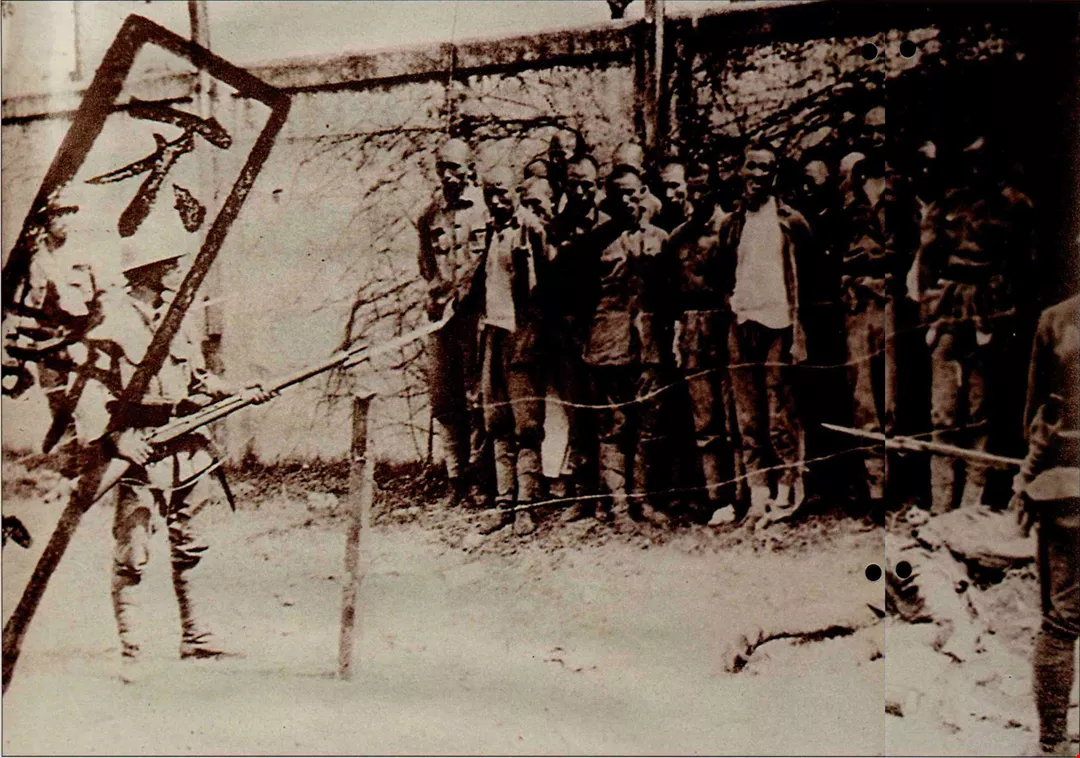
Whenever Japan occupied a city, it would round up so-called "suspicious citizens," imprison them, and then massacre them. After the war, the Japanese government stamped "not permitted" on photos like this one in its possession, strictly forbidding outsiders to see them.
Today's news is tomorrow's history. But remember also that today's history was once big news.
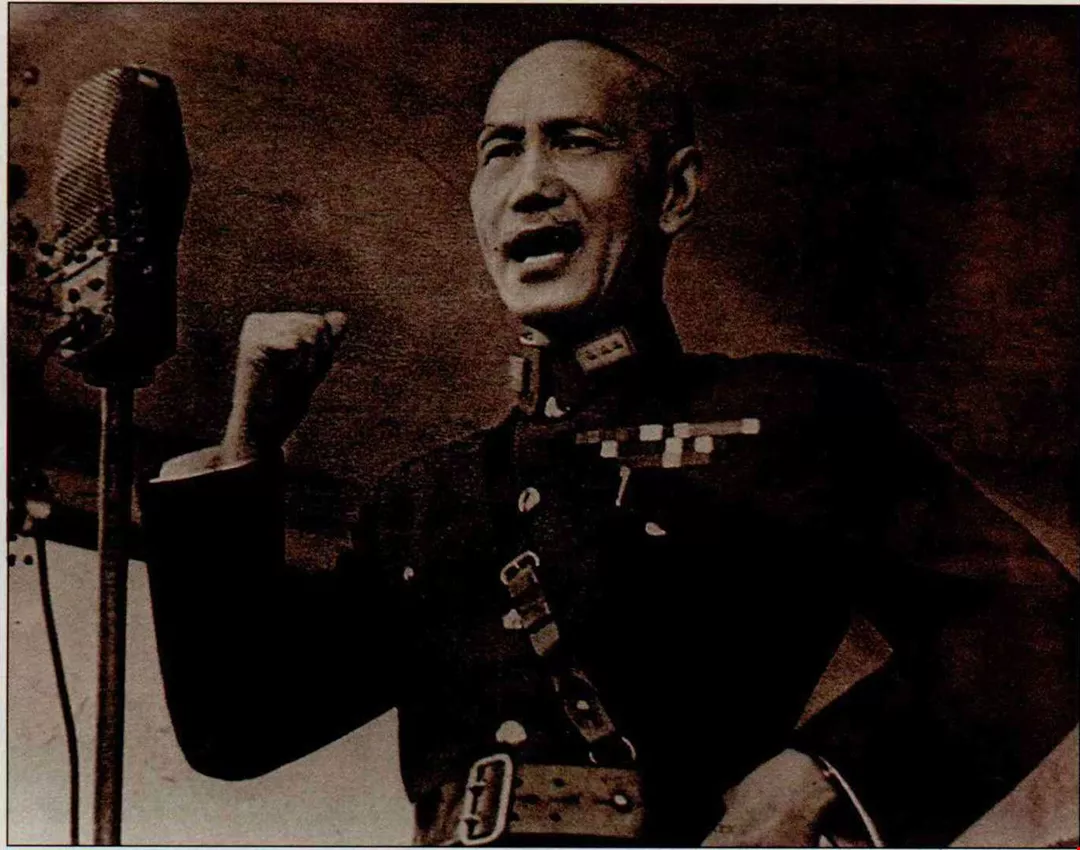
After the incident, the Chinese government, trying to prevent all-out wa r, called for negotiations and a mutual withdrawal of troops, but Japan refused. On July 7, Chiang Kai-shek spoke at the bridge, saying that China sought peace, but not surrender, and was prepared for war, but did not seek war. On July 28, the Japanese launched a major attack, Chinese troops of the 29th Army resisted fiercely, and the war had begun in earnest.
July of 1997 marks an important moment in Chinese history, for July 1 is the beginning of a new existence for Hong Kong.
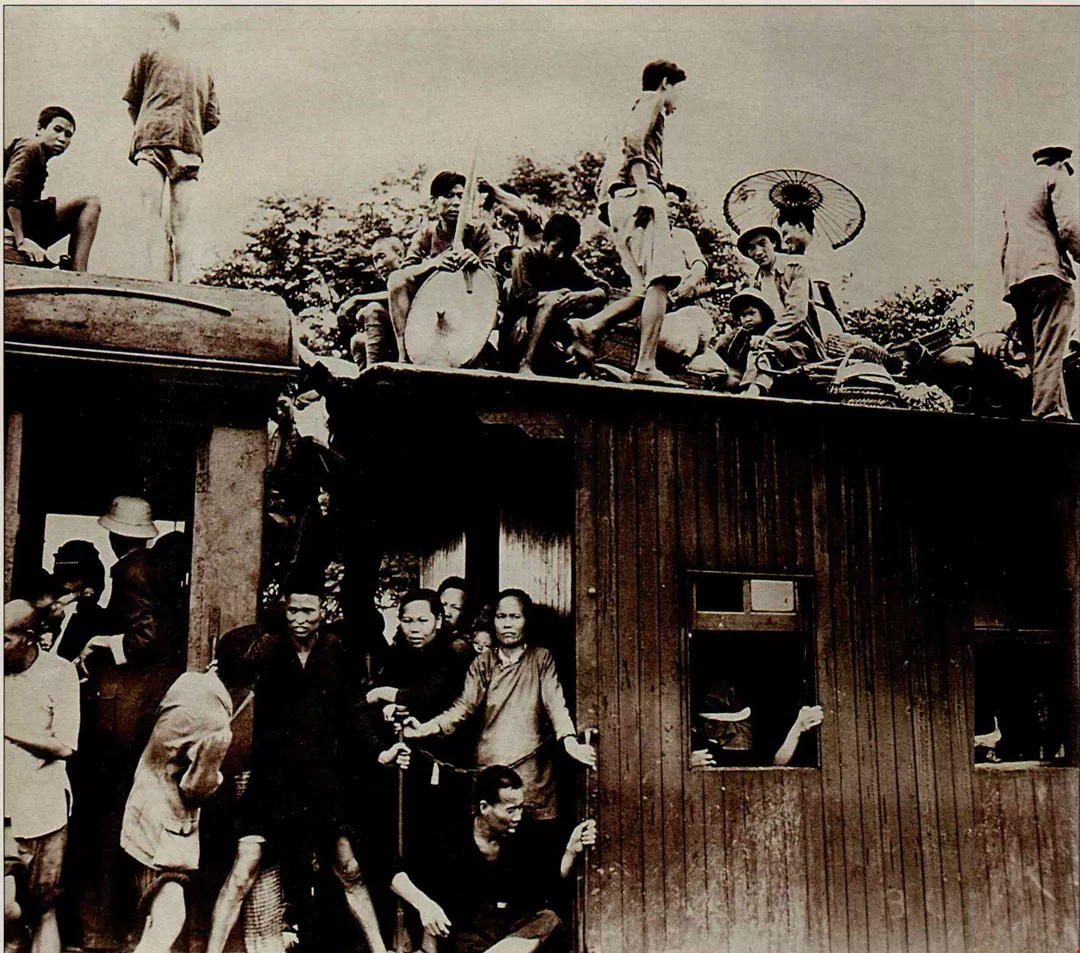
After Shanghai fell, crowds of people boarded trains and fled to Nanjing . Their hopeless eyes fill one with pity. The number of ordinary citizen s killed in the war has been estimated at 4.4 million, with 4.7 million injured.
Now go one week later in date, but 60 years earlier in time. The scene is the Marco Polo Bridge in Wanping County, Hebei Province, mainland China.
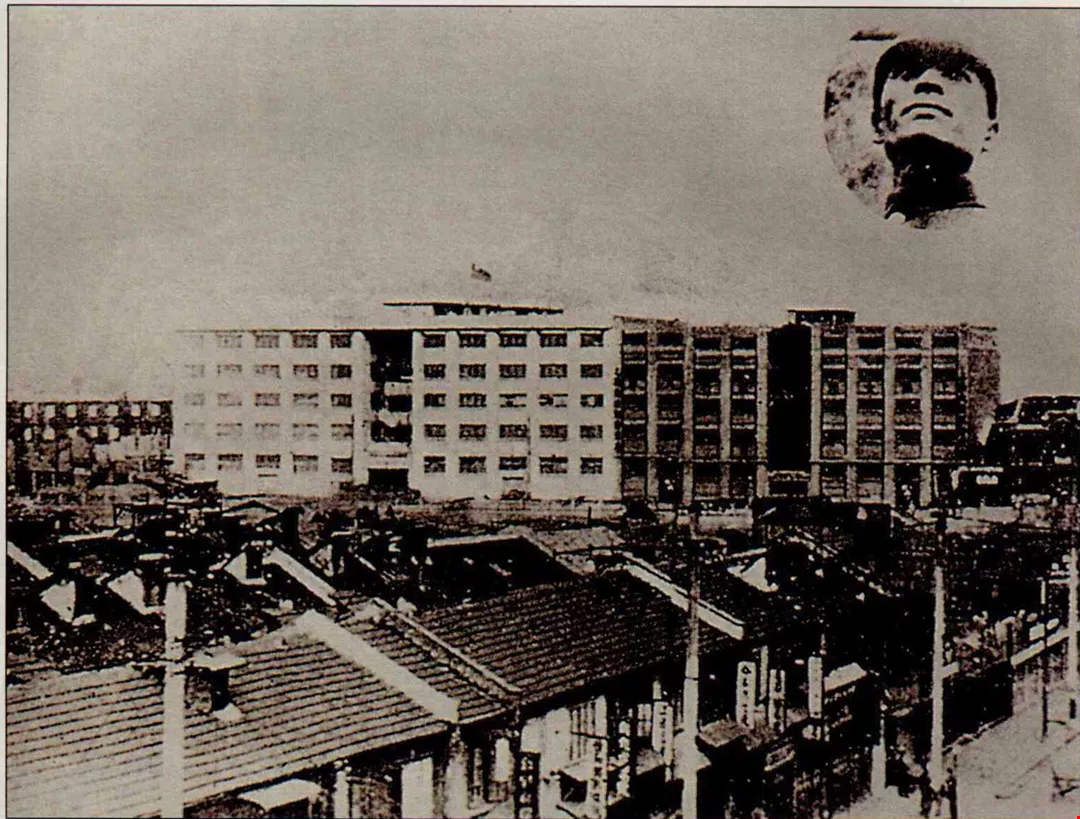
Full-scale fighting began in East China earlier than in North China. Aft er the September 18 Incident (in Manchuria in 1931), and the January 28 Incident (near Shanghai) the following year, Japanese forces launched attacks around Shanghai, paving the way for an all-out battle f or the city later on. Shanghai fell in October of 1937. Eight hundred men led by Hsieh Chin-yuan were ordered to hold the Sihang warehouses at Xiabei to cover the retreat of the Chinese army. On September 28 occurred the nowfamous story of how girl scout Yang Huei-min braved death to swim across the river to deliver a national flag to inspire the isolated soldiers. The photo shows the ware houses; Hsieh is in the inset at the upper right.
At 10:30 in the evening on July 7, 1937, gunfire signaled the beginning of modern China's longest nightmare. The eight-year war against Japan caused more than 12 million Chinese to lose their lives in fighting, bombings, maltreatment, massacres, or fleeing the enemy. Millions of soldiers and civilians of Japan, which started the war, also died.
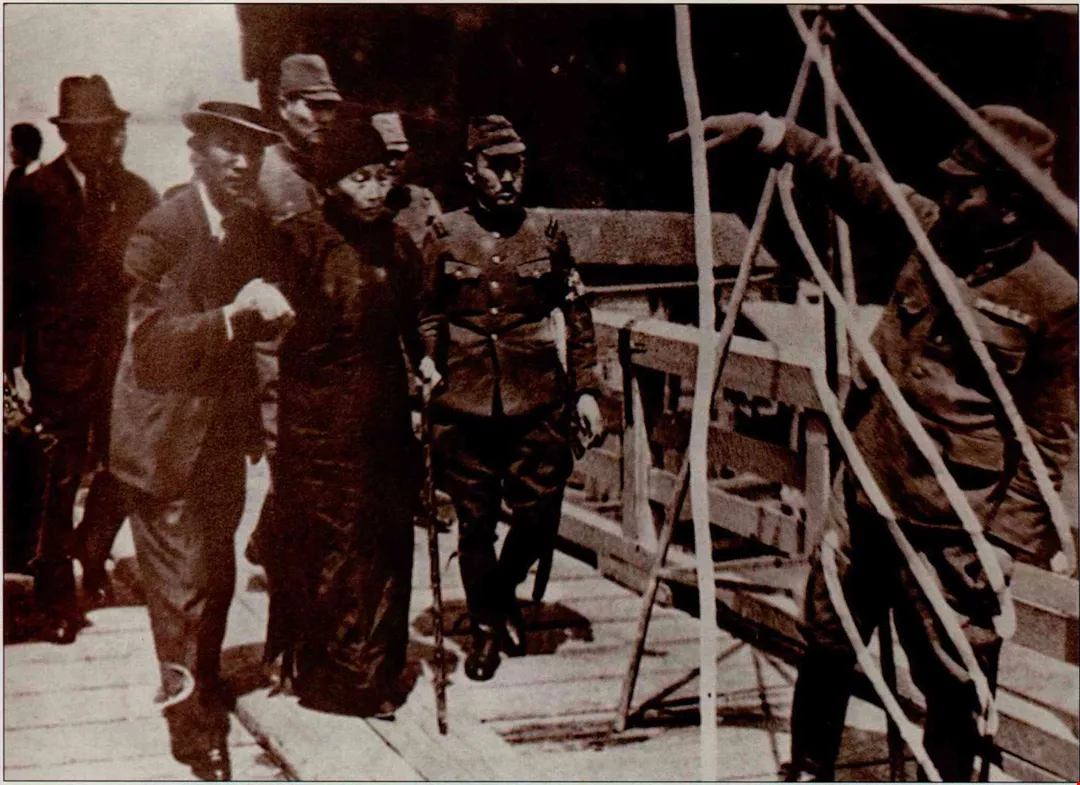
The Japanese expended much effort to convince Wang Ching-wei to organize his puppet government. Even Wang's 80-year-old mother was dragged in to "persuade" him.
At the Tokyo War Crimes Trials, 20 leaders of the Japanese government and military were sentenced to death or life imprisonment as Type A war criminals (i.e. those responsible for planning and launching the war). But that could not bring back the millions of innocents, including women, children, and the elderly, who died fighting or were massacred. The ambitions of less than 100 people sparked a disaster for mankind.
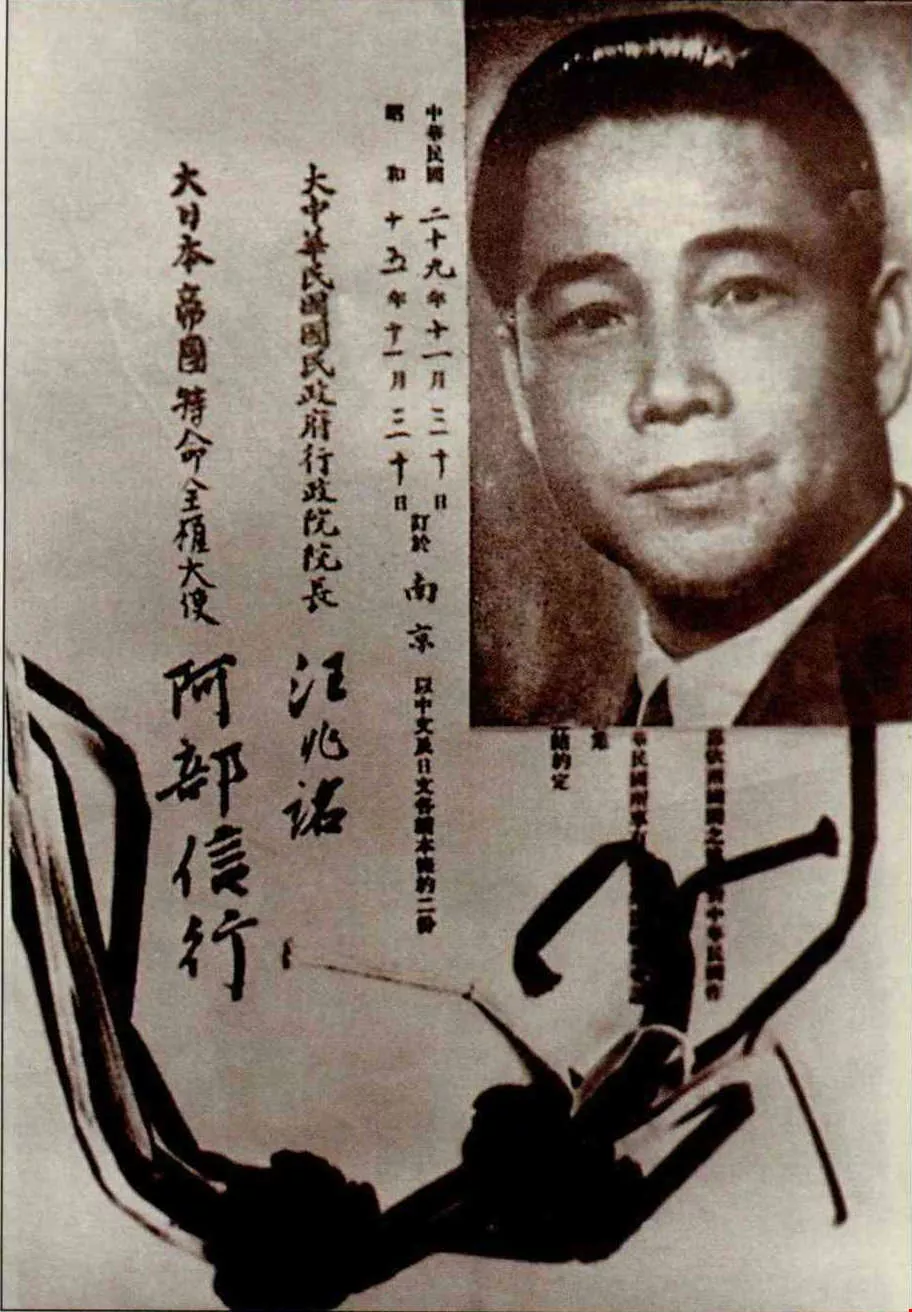
Wang Ching-wei is one of the most controversial figures in modern Chinese history. In the first half of his life he was a hero of the Republican revolution. Later, while still vice-secretary general of the KMT, he agreed to cooperate with the Japanese and organized a puppet Chinese government in Nanjing, becoming a "traitor." But some historians argue that Wang's move provided the ordinary people of the occupied areas, surrounded by the Japanese, with some measure of security.
History must be recorded and remembered, and we must be reminded of it. This is not for revenge, but to transcend animosity, so that no one will again see their loved ones turned into sacrifices to hate, cruelty, ignorance, and greed.
p.98
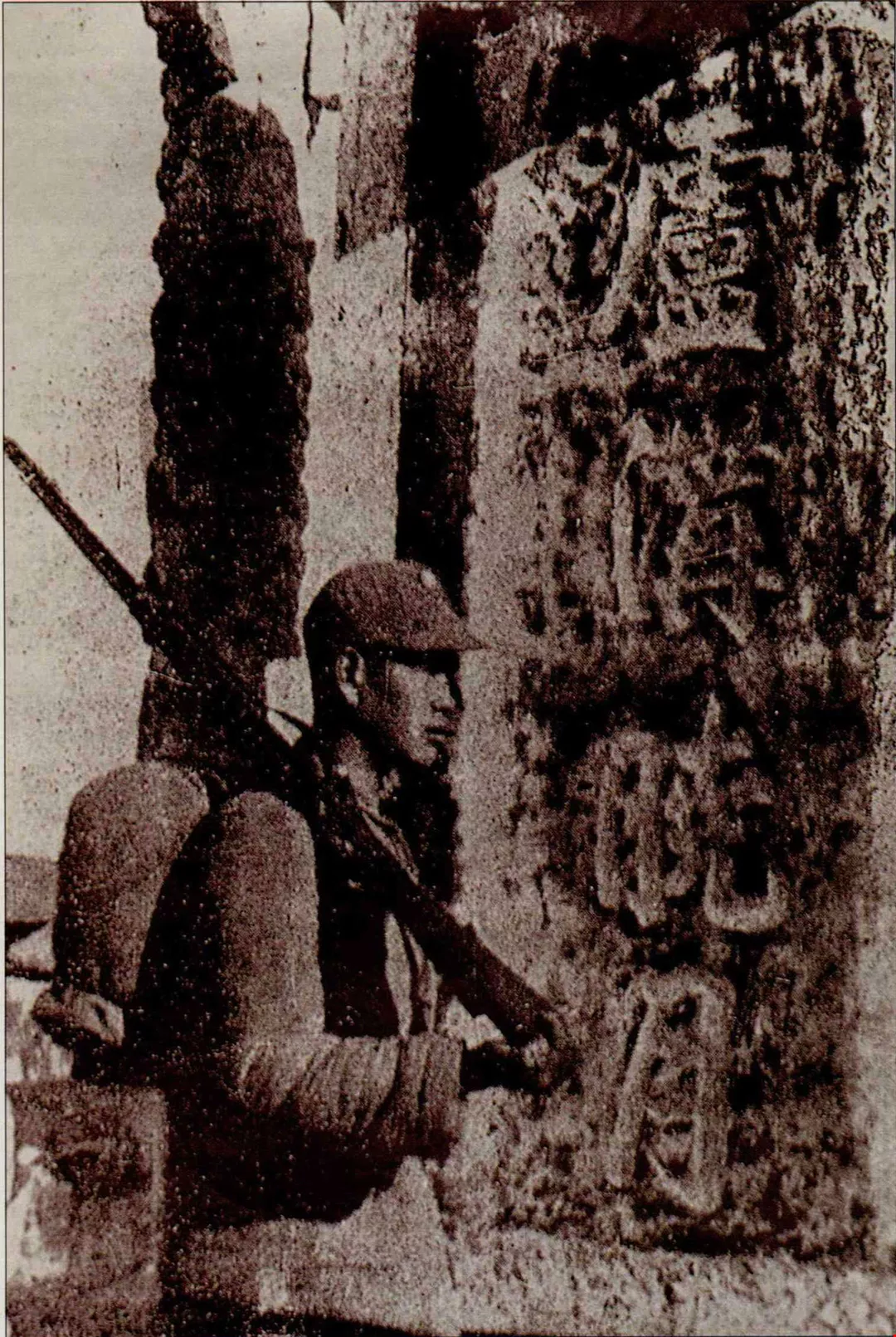
The Marco Polo Bridge (Lugou Bridge) is a pretty structure. Next to it stands an inscription by the Qing dynasty's Qianlong emperor, and it was a renowned place much loved by cultivated people. In the 13th century, Marco Polo visited here, thus the Western name for this bridge. In 1937, Japanese troops said to be "on maneuvers" were allegedly fired on-it has never been clear by whom-and one Japanese soldier went missing. The Japanese attacked and killed the bridge guards, sparking an eight-year war with China.
p.100
Whenever Japan occupied a city, it would round up so-called "suspicious citizens," imprison them, and then massacre them. After the war, the Japanese government stamped "not permitted" on photos like this one in its possession, strictly forbidding outsiders to see them.
p.101
After the incident, the Chinese government, trying to prevent all-out war, called for negotiations and a mutual withdrawal of troops, but Japan refused. On July 7, Chiang Kai-shek spoke at the bridge, saying that China sought peace, but not surrender, and was prepared for war, but did not seek war. On July 28, the Japanese launched a major attack, Chinese troops of the 29th Army resisted fiercely, and the war had begun in earnest.
p.102
After Shanghai fell, crowds of people boarded trains and fled to Nanjing. Their hopeless eyes fill one with pity. The number of ordinary citizens killed in the war has been estimated at 4.4 million, with 4.7 million injured.
p.103
Full-scale fighting began in East China earlier than in North China. After the September 18 Incident (in Manchuria in 1931), and the January 28 Incident (near Shanghai) the following year, Japanese forces launched attacks around Shanghai, paving the way for an all-out battle for the city later on. Shanghai fell in October of 1937. Eight hundred men led by Hsieh Chin-yuan were ordered to hold the Sihang warehouses at Xiabei to cover the retreat of the Chinese army. On September 28 occurred the now-famous story of how girl scout Yang Huei-min braved death to swim across the river to deliver a national flag to inspire the isolated soldiers. The photo shows the warehouses; Hsieh is in the inset at the upper right.
p.104
The Japanese expended much effort to convince Wang Ching-wei to organize his puppet government. Even Wang's 80-year-old mother was dragged in to "persuade" him.
p.105
Wang Ching-wei is one of the most controversial figures in modern Chinese history. In the first half of his life he was a hero of the Republican revolution. Later, while still vice-secretary general of the KMT, he agreed to cooperate with the Japanese and organized a puppet Chinese government in Nanjing, becoming a "traitor." But some historians argue that Wang's move provided the ordinary people of the occupied areas, surrounded by the Japanese, with some measure of security.
The US declared war on Japan after Pearl Harbor, and China, which had fought alone against Japan for four years, finally had an ally. Scholar Hu Shih was then the ambassador to the US, with his main responsibility being to lobby for military and economic assistance. It was in this period that Hu coined the famous phrase "the pawn must move forward; he cannot go back."
p.106
China was materially bereft during the war, and military equipment was not up-to-date. But morale was high, and even students, supported by their families, gave up their pens for swords. The photo shows a letter by Chen Pu-lei, an early member of the Revolutionary Party (precursor to the KMT) and chief aide to Generalissimo Chiang Kai-shek, to his nephew.
p.107
There are no winners in war. When Japan's Emperor Hirohito announced that country's unconditional surrender, millions of Japanese soldiers in China immediately became prisoners. The photo shows Japanese prisoners waiting to be sent home.
The Photo exhibition "The Marco Polo Bridge Incident-A Look Back After Sixty Years" opens at the Chiang Kai-shek Memorial on July 17.
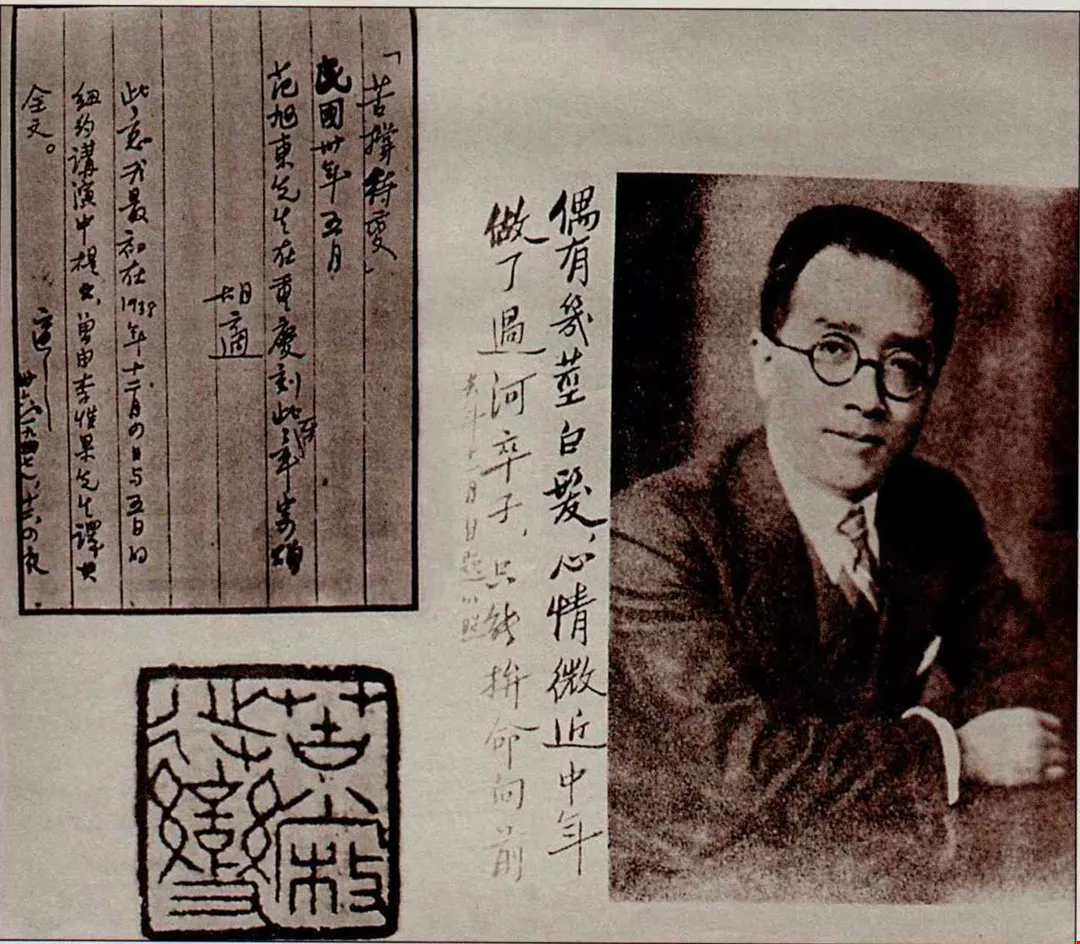
The US declared war on Japan after Pearl Harbor, and China, which had fought alone against Japan for four years, finally had an ally. Scholar Hu Shih was then the ambassador to the US, with his main responsibility being to lobby for military and economic assistance. It was in this period that Hu coined the famous phrase "the pawn must move forward; he cannot go back.".
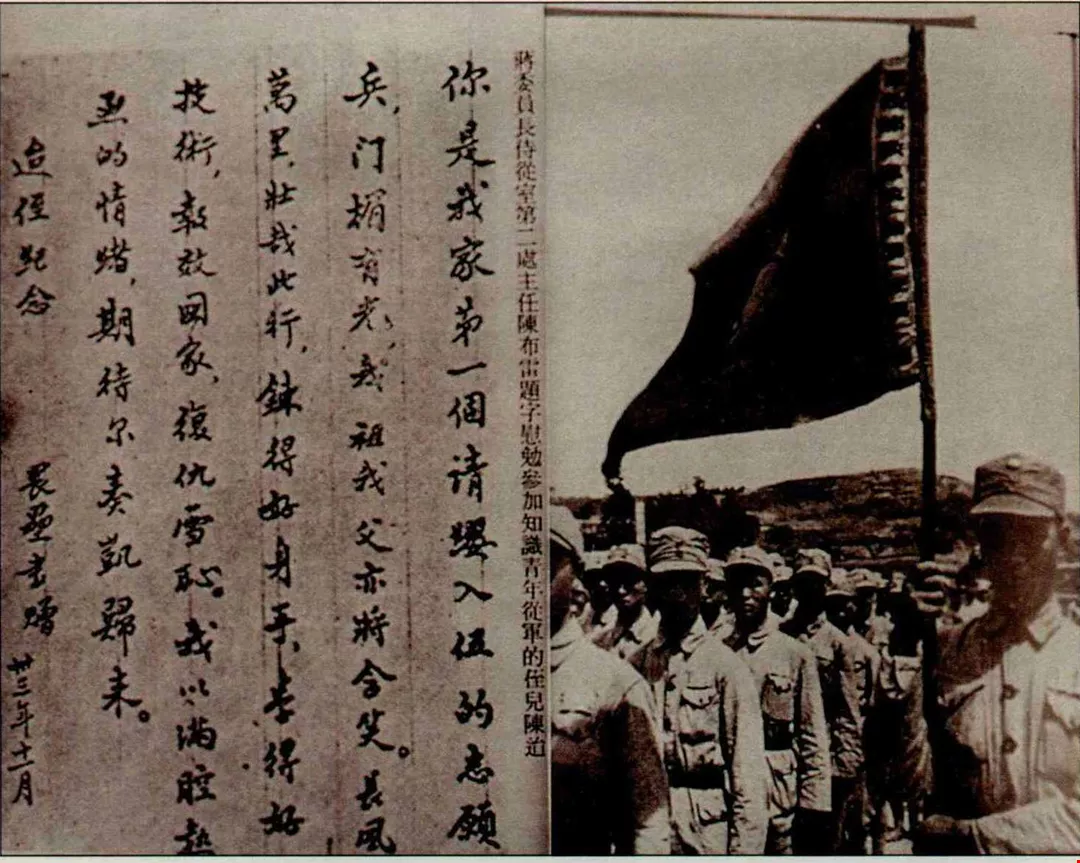
China was materially bereft during the war, and military equipment was n ot up-to-date. But morale was high, and even students, supported by their families, gave up their pens for swords. The photo shows a letter by Chen Pu-lei, an early member of the Revolutionary Part y (precursor to the KMT) and chief aide to Generalissimo Chiang Kai-shek, to his nephew.
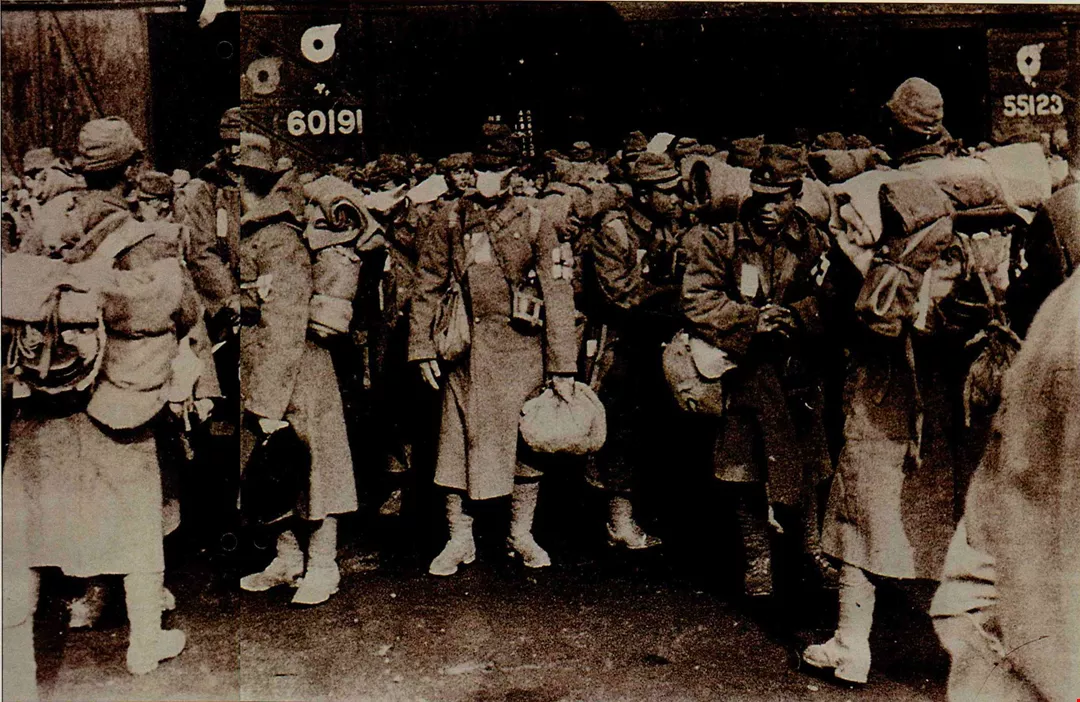
There are no winners in war. When Japan's Emperor Hirohito announced tha t country's unconditional surrender, millions of Japanese soldiers in China immediately became prisoners. The photo shows Japanese prisoners w aiting to be sent home.
@List.jpg?w=522&h=410&mode=crop&format=webp&quality=80)


@List.jpg?w=522&h=410&mode=crop&format=webp&quality=80)


