I still remember the first time I came to Taipei, my third elder brother told me: "When you cross over a long bridge and smell something bad in the air, you know you've reached Taipei, so get ready to get off the train. That will be the Tanshui River." The severe pollution in the Tanshui River became the landmark by which I would recognize Taipei.
When we were children, the rivers were our playgrounds and stages for frolicking about. Then there were certain deep rivers that mother warned us not to go to, and many places about which stories of the strange and supernatural circulated. Yet today this river--around which a whole culture in northern Taiwan grew and which also served as an important conduit for incoming foreign culture--has gradually been relegated to oblivion by human pollution.
Every time I stand on the dikes along the Tanshui and look out over its broad expanse, I get an indescribable sensation. It is with this obscure sensation that I hope to make a record of the river. Through the camera lens I see....
--The sluice gates at the Panhsin Water Supply Station have completely diverted the flow of water from the upstream portion of the Tahan River, so that the downstream portion has dried up, leaving the riverbed visible. The river water has long since lost its ability to clean and renew itself.
--On both banks of the river near Tucheng, factories and homes pour waste water directly into the stream, making the Tahan River one enormous sewer.
--On the stretch near Hsinchuang, a huge, unsightly garbage dump occupies the riverbank. Each time there is a typhoon and the water is churned up, vast amounts of garbage float to the surface.
River cleanup work, which only touches the symptoms, is no longer enough to save the Tanshui. If you want to know when it will again be possible to see the bottom of the Tanshui through clear waters, you might as well ask what the meaning of life is, for it all comes back to this most basic of questions. Do the people here toil endlessly to make economic headway and to achieve material prosperity just to manufacture an environment scarred by heavy pollution? Or, for the sake of quality of life, is it time to slow down a bit and reassess?
Hsu Po-hsin
1959 Born in Peitou Rural Township, Changhua County
1975 Entered National Taichung Teacher's College. where he first came into contact with sketching and photography.
1987 Graduated from the Department of Mass Communications at Fu Jen Catholic University.
1988 Participated in the "Image Visit Collective Exhibition" at the Yuan Yi Chung Darkroom Workshop.
1988 Began working as a photographer at the Independence Evening Post, where he is still employed.
1993 Participated in the "Looking at the Tanshui River" photography exhibition.
[Picture Caption]
P.75
Life really can be this carefree! On a beach at the mouth of the Tanshui River, a person relaxes on a log washed up by a typhoon. (August, 1987)
P.76
The town of Tanshui was one of the major ports along the river in years gone by. With the decline of riverine transport and the intense pollution, people have turned away from the river. In order to resurrect the close feelings local residents once had for the river, the town government has sponsored cultural activities along the riverbank. (October, 1993)
P.77
Where the Tanshui flows past Tataocheng, an enormous dike was built. From this point on daily life became more and more remote from the river. (October, 1993)
P.77
To separate themselves from the Tanshui's turgid waters, people have built dikes; during a typhoon, workmen are brought in to reinforce the walls with sandbags. (August, 1990)
P.78
Clean and clear water is a thing of the past. The riverbank is desolate, and is now a place where homeless people stay. (October, 1993)
P.79
(right,top) It wasn't so long ago that you could see people catching insects on the Tanshui; now not even the insects can survive the pollution of the river. (May, 1987)
P.79
On a summer afternoon, the dikes below the bridges become a place where old veterans while away the time chatting or playing cards. (September, 1993)
P.80
These icons discarded as waste were carried along by the water under the Hsinhai Bridge. (August, 1993)
P81
Ami indigenous people from Hualien who have relocated to Taipei have cookouts and leisure by the river on a weekend. They've even caught some fresh water turtles and mouth breeders in the water. (September, 1993)
P.82
The Tanshui River is not merely the main artery of Taipei City; it has also been a witness to the metropolitan area's growth. It is one of the few places where nature and urbanites can directly interact. (September, 1993)

The town of Tanshui was one of the major ports along the river in years gone by. With the decline of riverine transport and the intense pollution, people have turned away from the river. In order to resurrect the close feelings local residents once had for the river, the town government has sponsored cultural activities along the riverbank. (October, 1993)
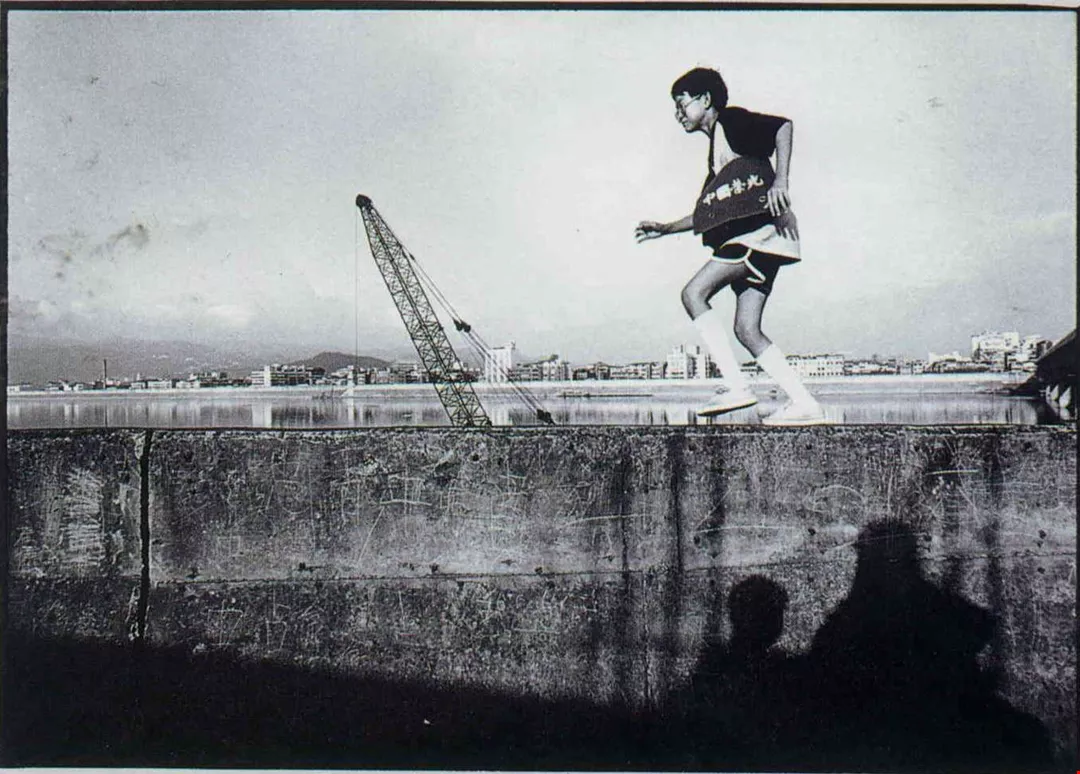
Where the Tanshui flows past Tataocheng, an enormous dike was built. From this point on daily life became more and more remote from the river. (October, 1993)
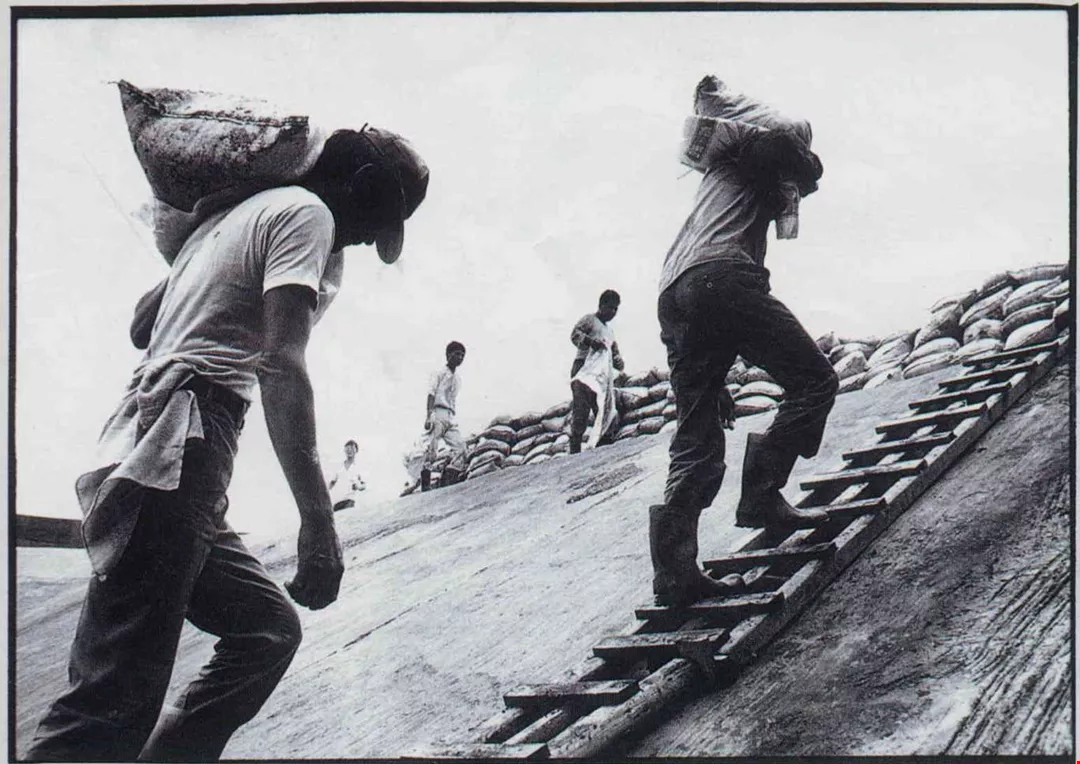
To separate themselves from the Tanshui's turgid waters, people have built dikes; during a typhoon, workmen are brought in to reinforce the walls with sandbags. (August, 1990)

Clean and clear water is a thing of the past. The riverbank is desolate, and is now a place where homeless people. stay. (October, 1993)
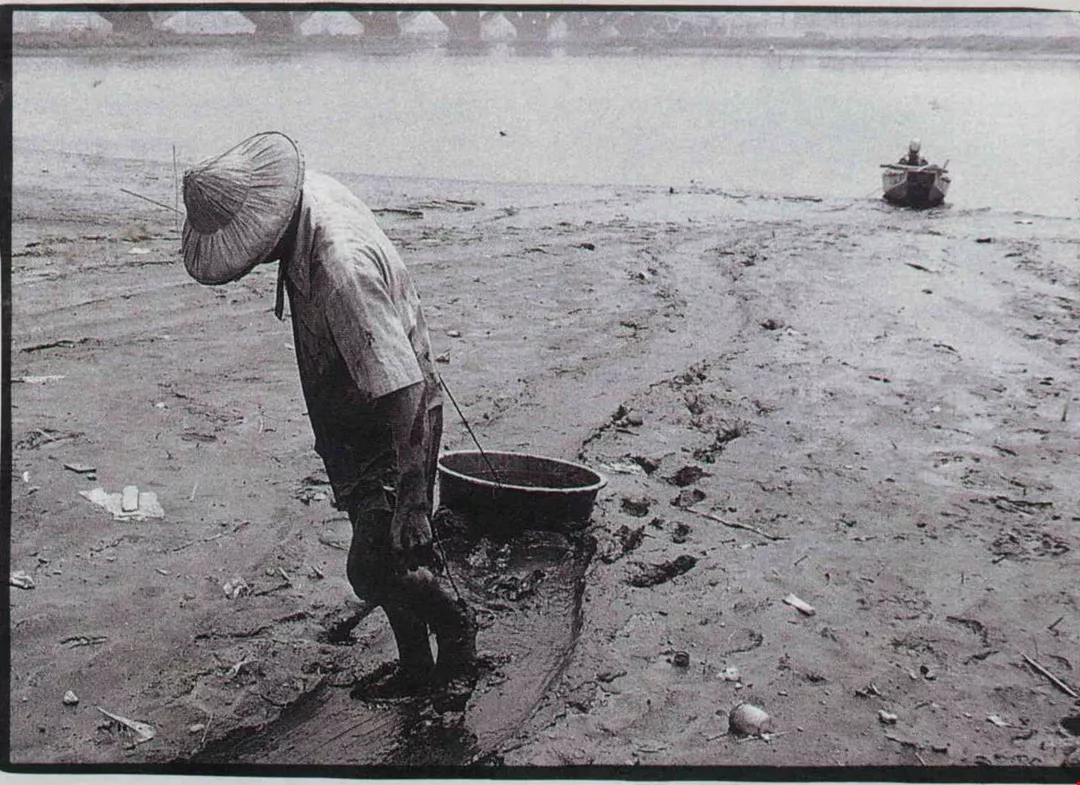
(right,top) It wasn't so long ago that you could see people catching insects on the Tanshui; now not even the insects can survive the pollution of the river. (May, 1987)
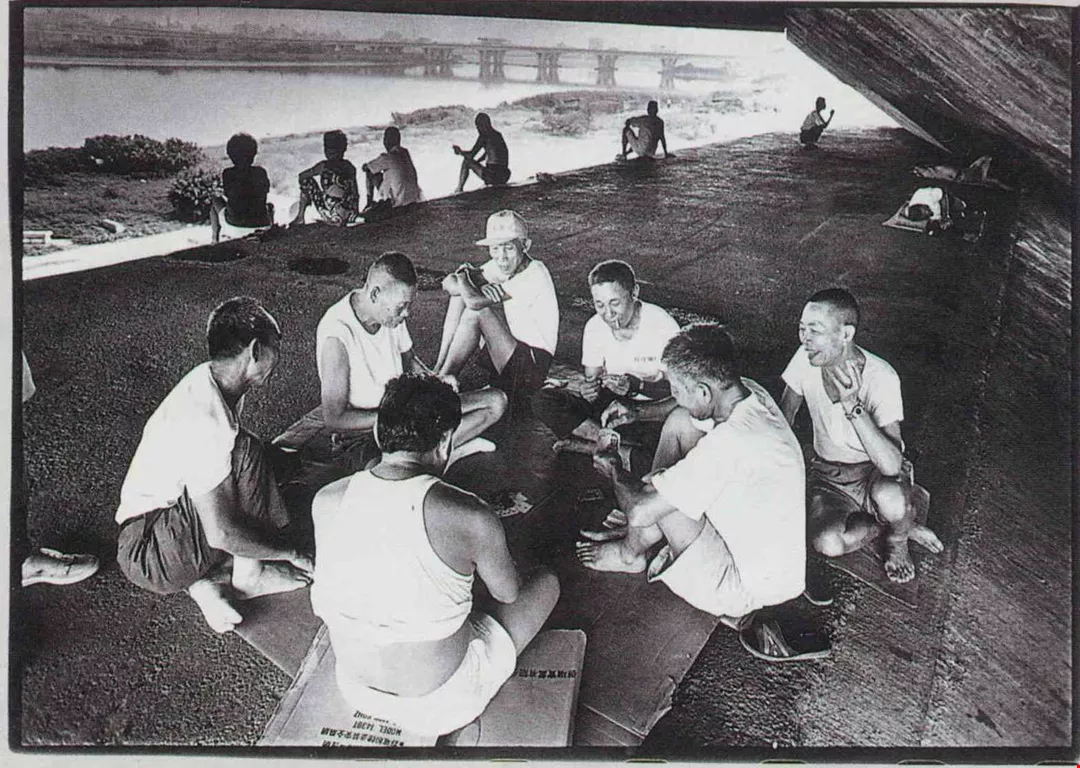
On a summer afternoon, the dikes below the bridges become a place where old veterans while away the time chatting or playing cards. (September, 1993)
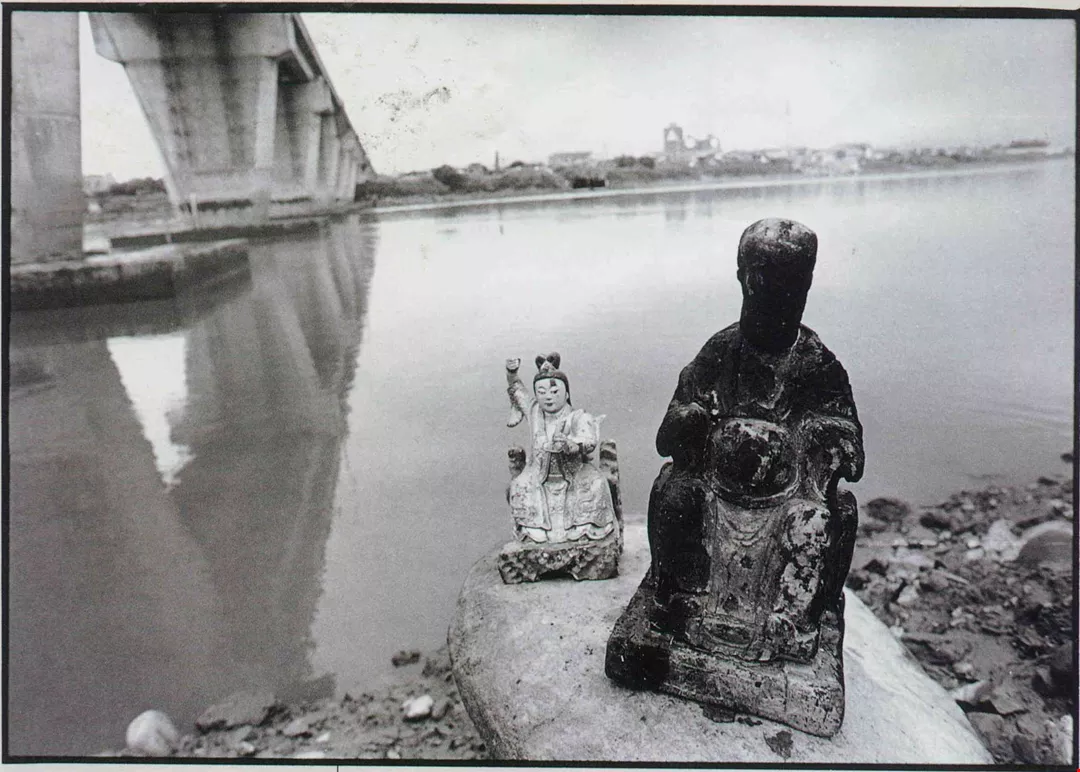
These icons discarded as waste were carried along by the water under the Hsinhai Bridge. (August, 1993)

Ami indigenous people from Hualien who have relocated to Taipei have cookouts and leisure by the river on a weekend. They've even caught some fresh water turtles and mouth breeders in the water. (September, 1993)
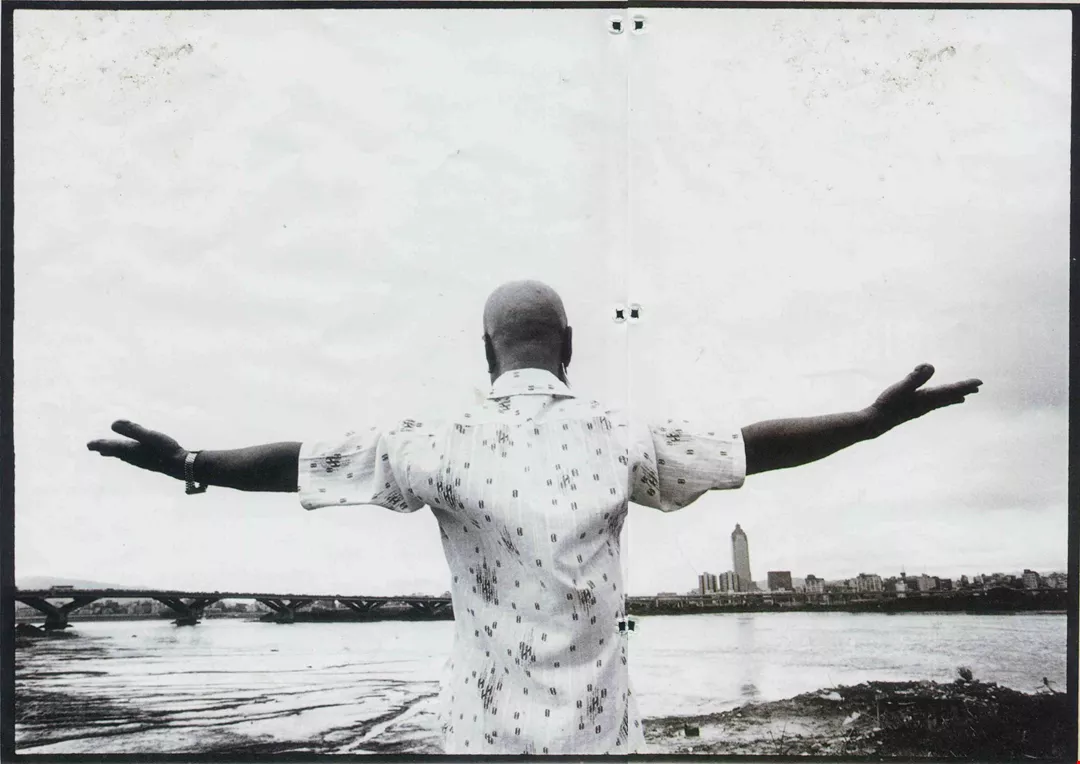
The Tanshui River is not merely the main artery of Taipei City; it has also been a witness to the metropolitan area's growth. It is one of the few places where nature and urbanites can directly interact. (September, 1993) (photos and text by Hsu Po-hsin/tr. by Phil Newell)




@List.jpg?w=522&h=410&mode=crop&format=webp&quality=80)


@List.jpg?w=522&h=410&mode=crop&format=webp&quality=80)
@List.jpg?w=522&h=410&mode=crop&format=webp&quality=80)