

For "native peoples" with no written language, each old person is a treasure. Today when the cultural traditions, language, folk songs, rituals and customs of the indigenous peoples are gradually dwindling, these old folks can still use oral tradition to inform the next generation of all kinds of knowledge. For those who wish to delve deeply into their culture, they are truly living dictionaries.
In a village of less than 100 people, the fact that there are so many very aged people probably has a close relationship to their living environment, their often going to the fields to work, and their habit of continual labor. Their vitality is extremely resilient and their life expectancy long, but there is no telling when these elders will suddenly pass on.
Wang You-pang, who works in a factory in Jenwu in Kaohsiung County, spent three years using his off hours and holidays to record his impressions of the life and culture of the Rukai people. He immersed himself in their daily life, hunting down true images of the way they live. Last year it was his fortune to obtain a fellowship from the Taiwan Aboriginal People's Museum for the publication of a volume of his photographs. All of his photos in this issue are of the old citizens of New Haocha Village in Wutai Rural Township.
[Picture Caption]
p.49
Pianio, age 92
In the village of New Haocha (meaning "good tea"), she is the only one who grows rice in her garden. Her sons and daughters have left to work in the cities and seldom return home. Through her life of solitude, this is the manner of sitting she has adopted while passing an ordinary day. The lines and silhouette of her long hair, face and hands and the darkened background form a shakingly powerful portrait.
p.50
Liyas, age 103
In springtime or winter she often packs a box lunch of taro or sticky rice cake to carry to the fields to work. Although her frame is stooped and her movement is slow, she positively brims with vitality. Aboriginal people's traditional view of hard work is quite different from the majority population.
p.51
Lugulugu, age 106
Her memory is excellent, and she can still narrate oral history, the changes she has seen and her life as a little girl. Across her breast she wears traditional glass beads, hanging from them a modern key. In the background is an image of Christ made in a traditional fashion with inlaid stones. In a single sweep, this photo captures all the changes of the times.
p.52
Lerberlerber, age 85
Every Sunday she goes to worship in church. The church's cross rising in the photo's background is strong evidence of the influence of Western religion, which was replaced the traditional beliefs of the Rukai.
p.53
Elhenge, age 83
Her husband was the headman of Old Haocha. After he died, Elhenge inherited his position. The hunter with hundredpace viper skin clothes and humanlike face appearing in the background can only be found in the headman's home as a symbol of power.
p.54
Masegesege, age 84
Wearing a lily on his head, he was a member of the first graduating class at Old Haocha Elementary School during the Japanese occupation era. Only when they have hunted down six large wild boars and passed examination by the headman and village elders can Rukai boys wear a lily. But bravery is not the only criterion in making the judgement; of even greater importance is whether one is able in the midst of adversity to appreciate the value of life and respect it.
p.55
Garlian, age 73
This unschooled sculptor still maintains a home in quite good condition in Old Haocha. Inside a fissure in a stone plank of an abandoned house he discovered a piece of red camphor wood-excellent material for sculpting. He quickly pulled out his chisel and went to work under the Chinese parasol tree. Not long after, we were able to see two grinning Garlians.
p.56
Left: Chamelhesai, age 98 Right: Dimadima, age 72
Chamelhesai is senior to Dimadima by one generation. The two pose together for a picture at a wedding celebration.
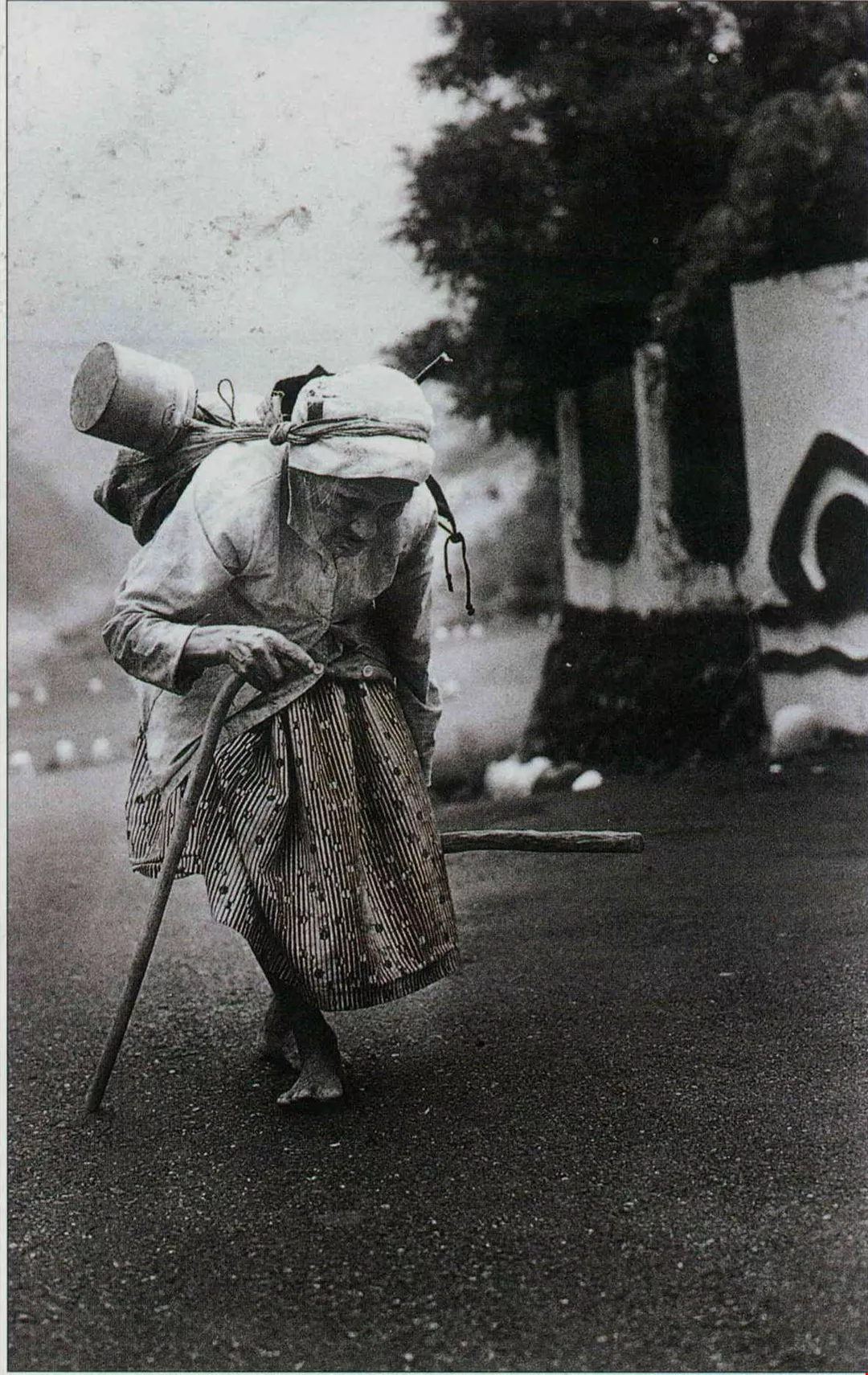
Liyas, age 103 In springtime or winter she often packs a box lunch of taro or sticky rice cake to carry to the fields to work. Although her frame is stooped and her movement is slow, she positively brims with vitality. Aboriginal people's traditional view of hard work is quite different from the majority population.
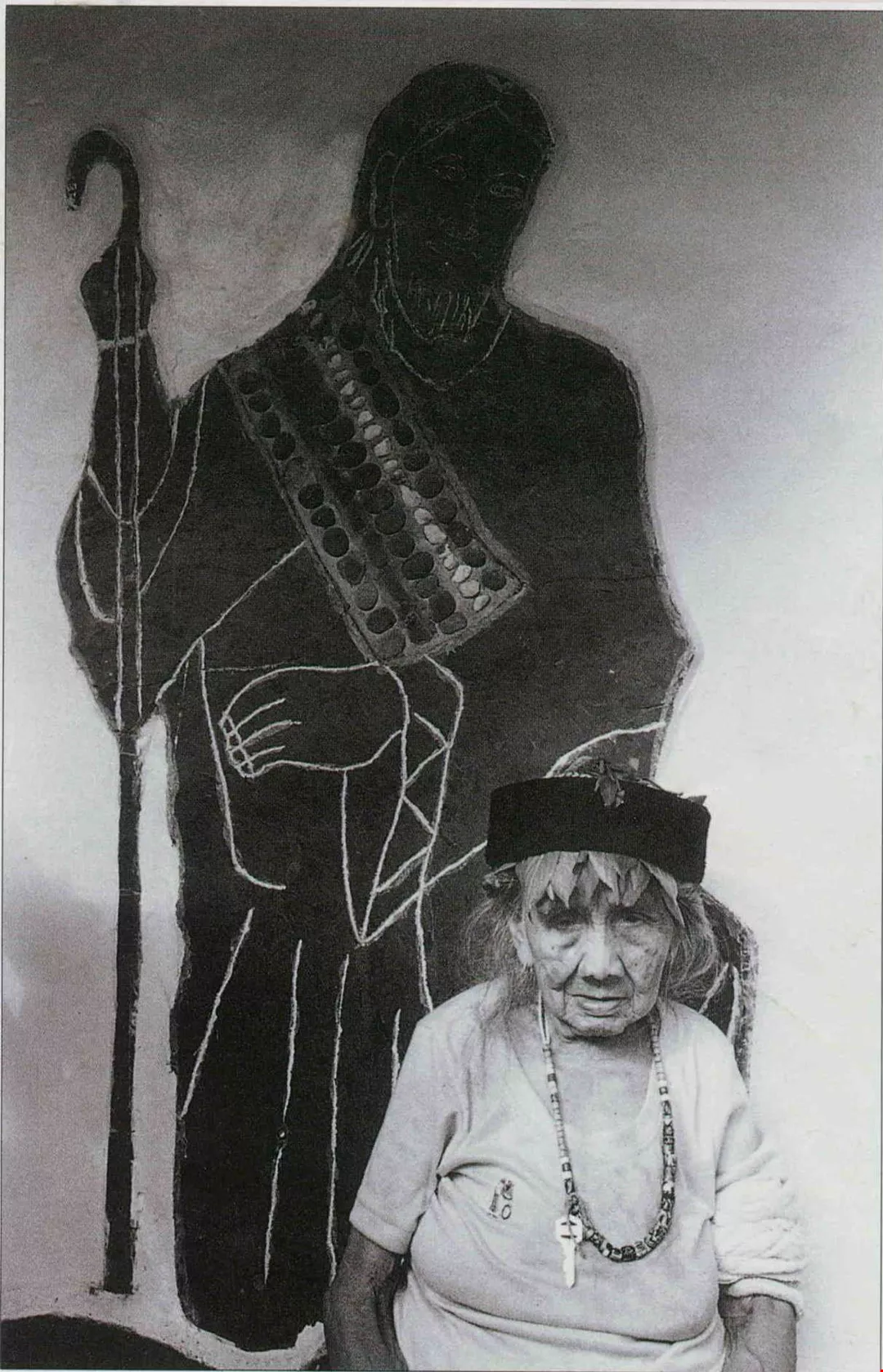
Lugulugu, age 106 Her memory is excellent, and she can still narrate oral history, the changes she has seen and her life as a little girl. Across her breast she wears traditional glass beads, hanging from them a modern key. In the background is an image of Christ made in a traditional fashion with inlaid stones. In a single sweep, this photo captures all the.
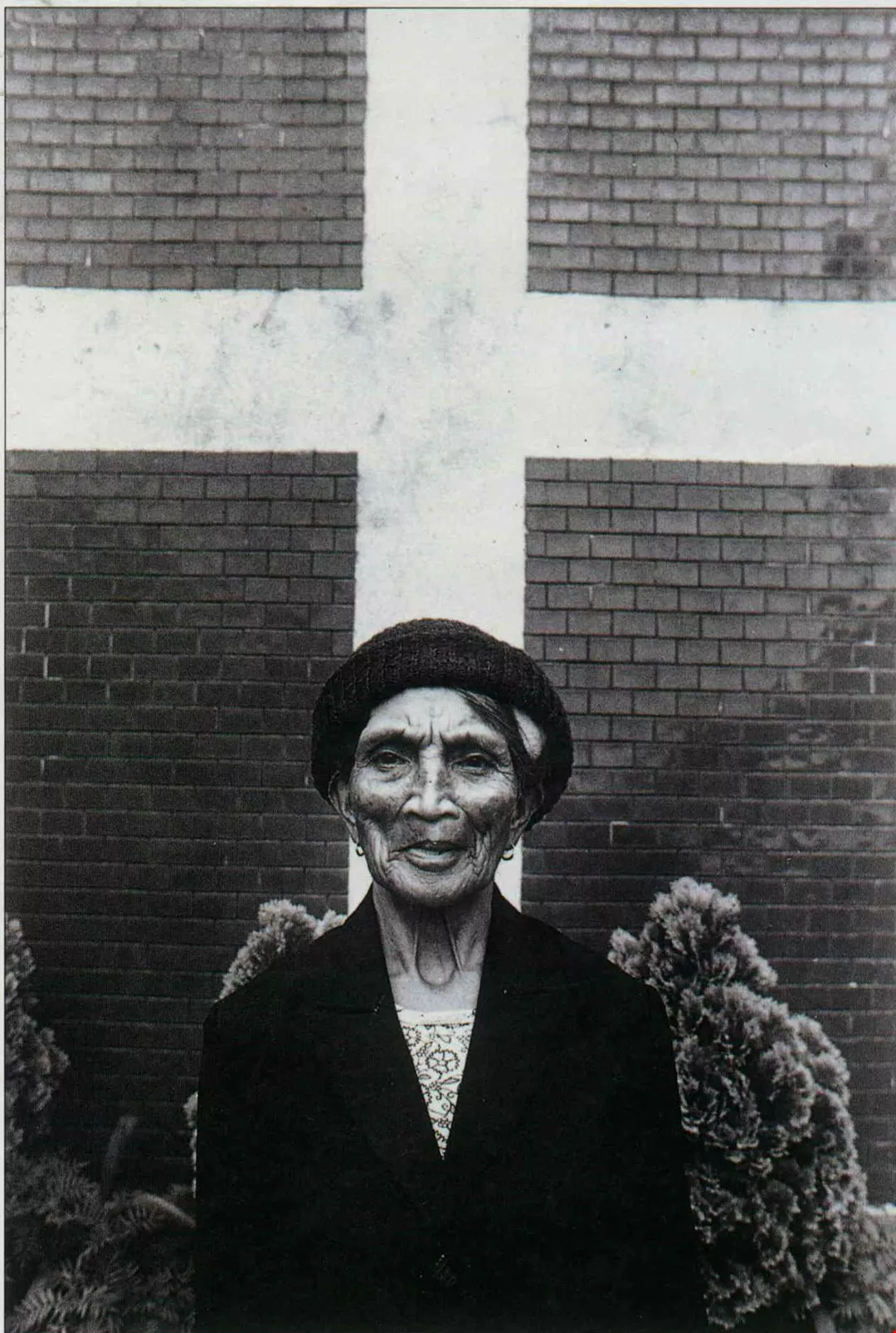
Lerberlerber, age 85 Every Sunday she goes to worship in church. The church's cross rising in the photo's background is strong evidence of the influence of Western religion, which was replaced the traditional beliefs of the Rukai.
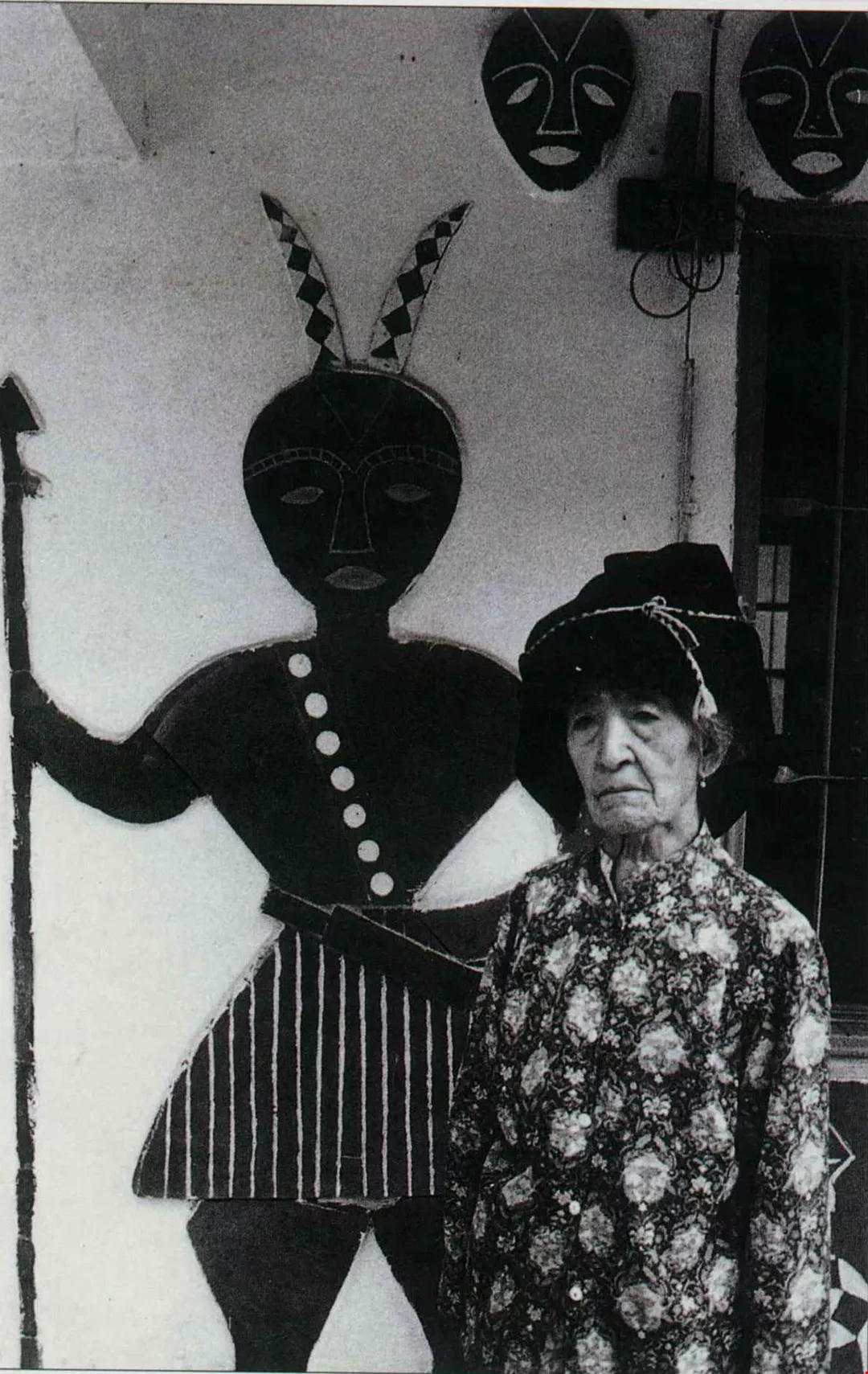
Elhenge, age 83 Her husband was the headman of Old Haocha. After he died, Elhenge inherited his position. The hunter with hundred pace viper skin clothes and humanlike face appearing in the background c an only be found in the headman's home as a symbol of power.
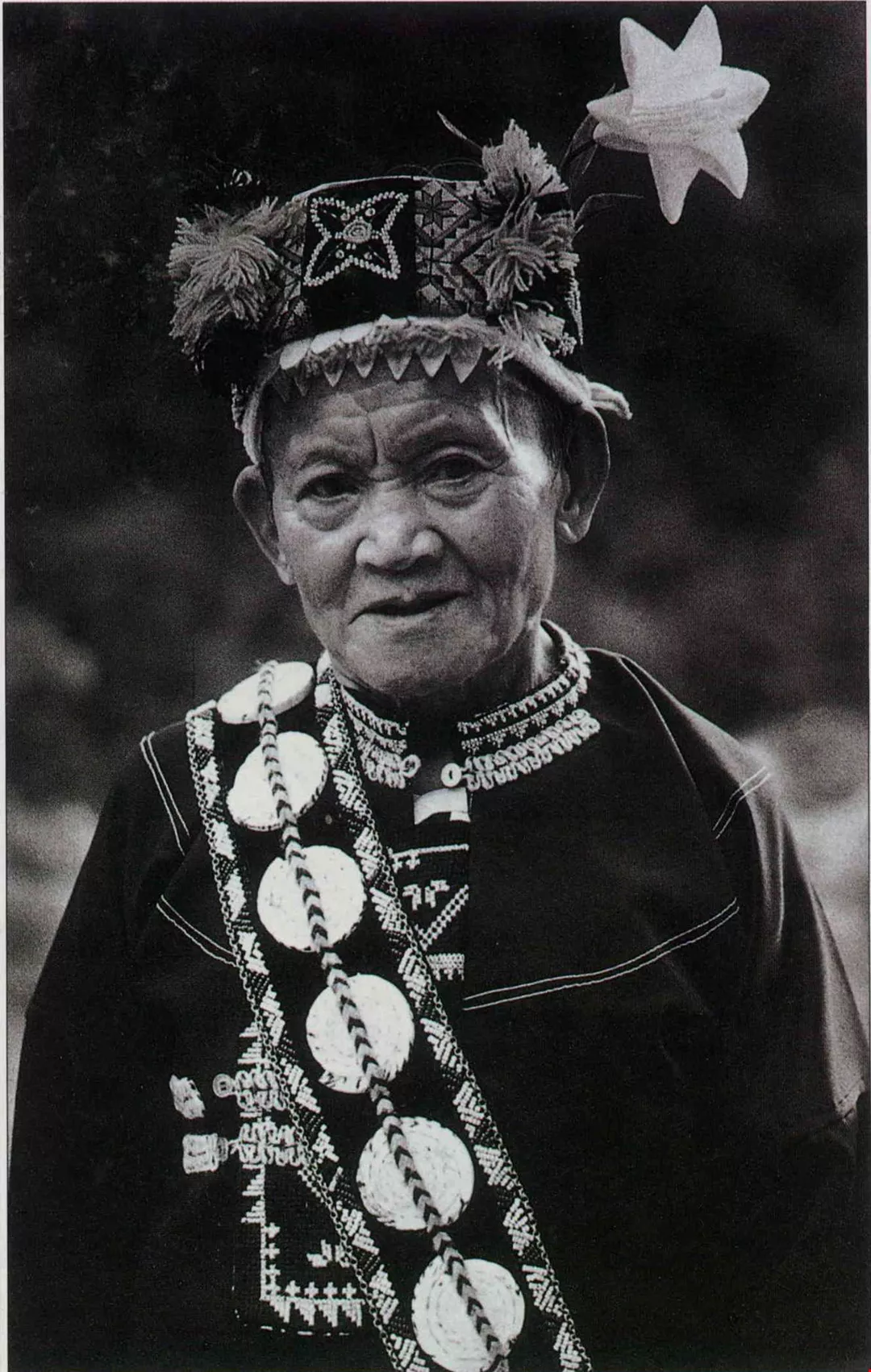
Masegesege, age 84 Wearing a lily on his head, he was a member of the first graduating class at Old Haocha Elementary School during the Japanese occupation era. Only when they have hunted down six large wild boars and passed examination by the headman and village elders can Rukai boys wear a lily. But bravery is no t the only criterion in making the judgement; of even greater importance is whether one is able in the midst of adversity to appreciate the value of life and respect it.
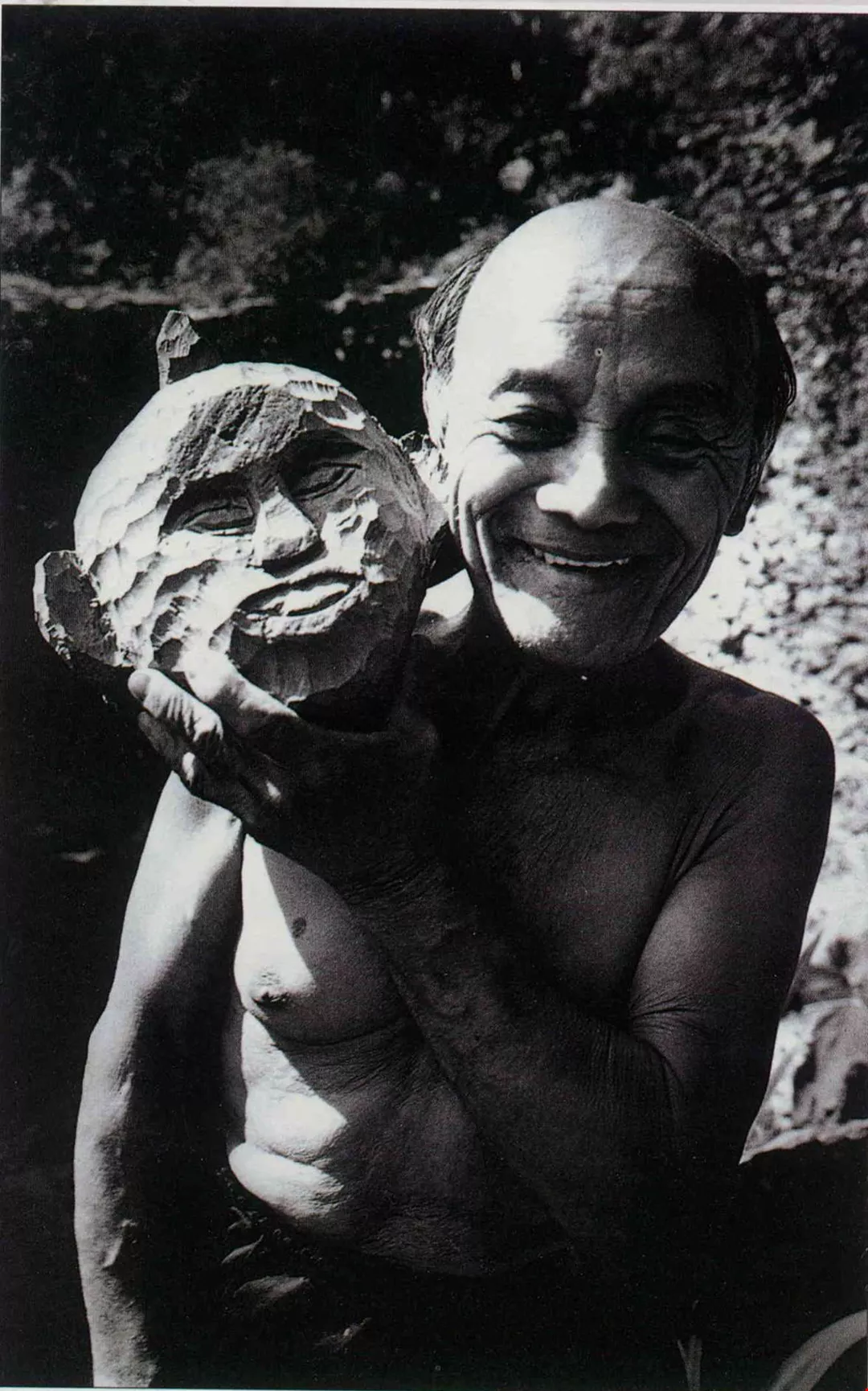
Garlian, age 73 This unschooled sculptor still maintains a home in quite good condition in Old Haocha. Inside a fissure in a stone plank of an abandoned house he discovered a piece of red camphor wood-excellent material for sculpting. He quickly pulled out his chisel and went to work under the Chinese parasol tree. Not long after, we were able to see two grinning Garlians.
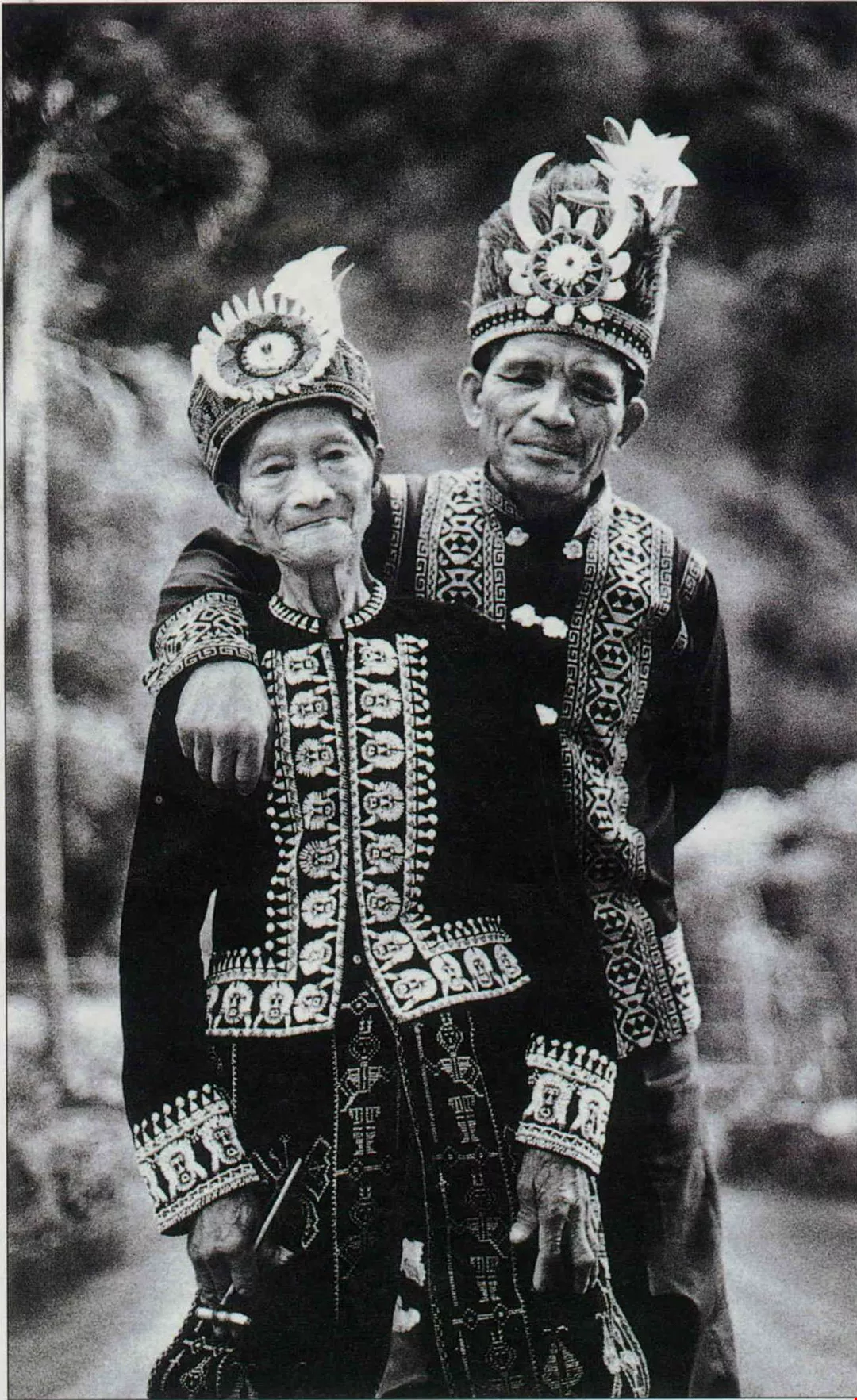
Left: Chamelhesai, age 98 Right: Dimadima, age 72 Chamelhesai is senior to Dimadima by one generation. The two pose together for a picture at a wedding celebration. (photos by Wang You-pang/text by Cheng Yuan-ching/tr. by Brent Heinrich)

@List.jpg?w=522&h=410&mode=crop&format=webp&quality=80)


