During the 17th and 18th centuries, Europe was swept by a passion for chinoiserie.
The fad applied chiefly to architectural design and interior decorating, and traces of it remain in the furnishings and layout of many old palaces, mansions and pleasure gardens in Europe.
When chinoiserie is viewed from a Chinese perspective, its naive and rather cockeyed images can appear somewhat puzzling at times. The eaves of pavilions and pagodas don't turn up the way they should, for instance, and the proportions of the latticework and the hip and gable joints are skewed. The Chinese figures in paintings have absurd Fu Manchu mustaches or are simply Westerners got up in Chinese garb, some of them sporting conical bamboo hats. Porcelain is stacked from floor to celling along all four walls. There are Chinese with the faces of monkeys, dragons with bat wings, pavilions and pagodas embellished with dragons or pineapples....
These products of cultural fushion from 200 or 300 years ago are scattered all across Europe. Just open the map--from Sicily in the south to Fagervik in the north, from St. Petersburg in the east to Lisbon in the west--well-preserved specimens of chinoiserie can be found everywhere.
This month's photo essay presents some of the pictures of chinoiserie Sinorama has garnered from across the continent of Europe. The complete selection is presented in our 1992 Appointment Diary.
[Picture Caption]
Chinoiserie fused elements of East and West. This tea-drinking pavilion combines leafy Baroque pillars with a Chinese-style roof, pineapple and a diagram of the eight trigrams. (Veitshochheim, Wurzburg, Germany)
This "Chinese Tea House" looks rather like a Chinese temple. (Oranienburg, Germany)
More than 50 meters high, this pagoda is supported by a base of columns and constructed with fine attention to detail. The concept of its design originated with Chinese ossuaries. (Kew Gardens, London, England, 1763)
Genuine Chinese wallpaper has been discovered during the redecoration of many castles, villas and palaces in Europe. Unfortunately, its origins are often difficult to ascertain. (Nyckelviken, Sweden, 1740)
A conical bamboo hat and a Chinese mother and child appear in this decoration on an 18th-century porcelain plate, one example of how popular chinoiserie was at that time. (Spode Porcelain Museum, Stoke on-Trent,England)
Via the mass production and circulation of prints, the images and concepts of chinoiserie spread far and wide, leading to close similarities in the decorative arts produced in different areas.
There are two major porcelain rooms in Europe with pieces combining chinoiserie with the Rococo. The king of Naples ordered craftsmen to build him a porcelain room during the 1760s, and he had a similar one built near Madrid after he succeeded to the throne of Spain. Each room contains 2,000 to 3,000 pieces,decorated mainly with portraits and with bird-and-flower patterns.
Incidents from Chinese history are featured on blue-and-white porcelain tiles used as a wall decoration. (Museum Het Princesehof, Leeuwarden, the Netherlands)
Chinese legends were another subject for European decorative tiles.
The kitchen al the royal palace in Amalienburg is decorated with Dutch ceramic tiles, the patterns taken from flowers, vases and the daily life of the Chinese people. Some of the tiles have been mistakenly inlai d. (Amalienburg. Munich, Germany, 1739)
This gold-plated figure dressed in Chinese clothes and holding a Chinese musical instrument is part of the collection at Sans Souci,built by Frederick the Great.
In addition to cranes, such as the one shown here, other auspicious animals that often appear in chinoiserie architecture are dragons, phoenixes and lions.
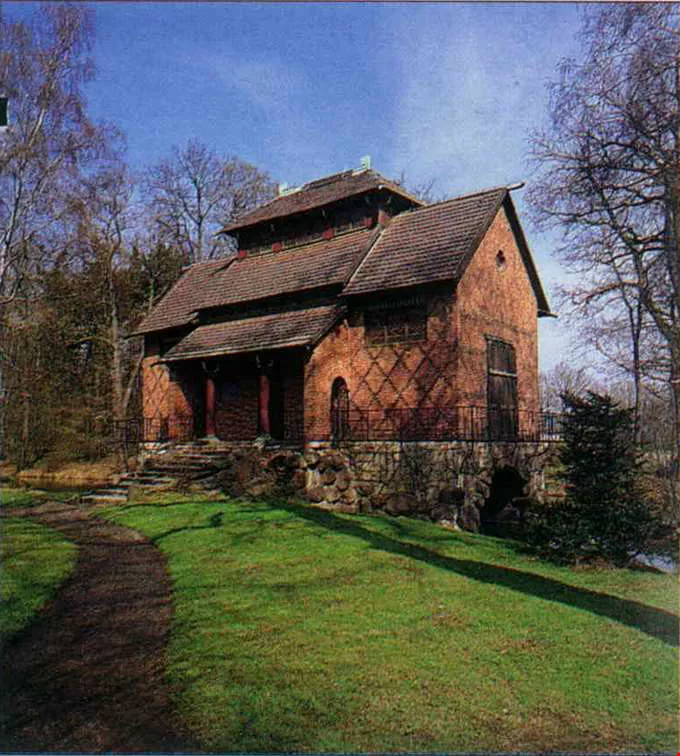
This "Chinese Tea House" looks rather like a Chinese temple. (Oranienburg, Germany)
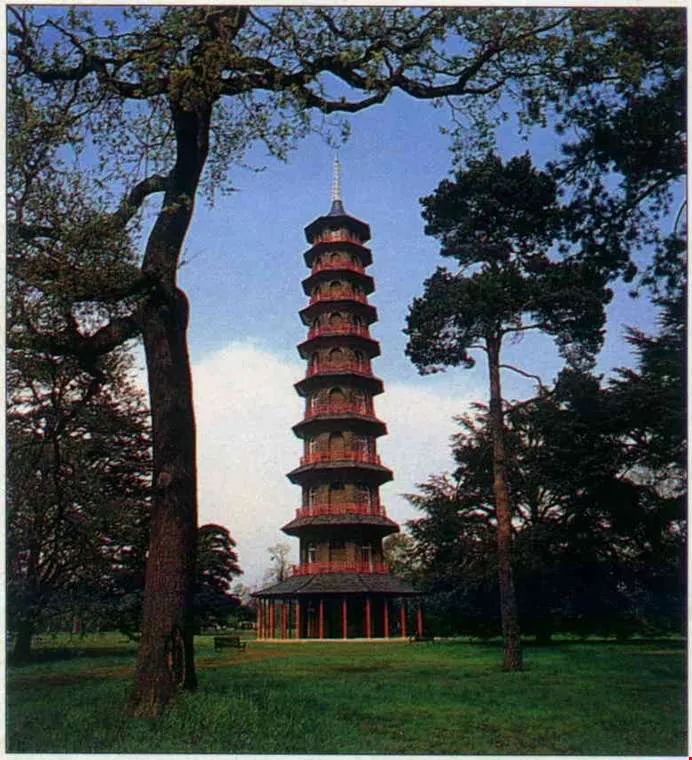
More than 50 meters high, this pagoda is supported by a base of columns and constructed with fine attention to detail. The concept of its design originated with Chinese ossuaries. (Kew Gardens, London, England, 1763)
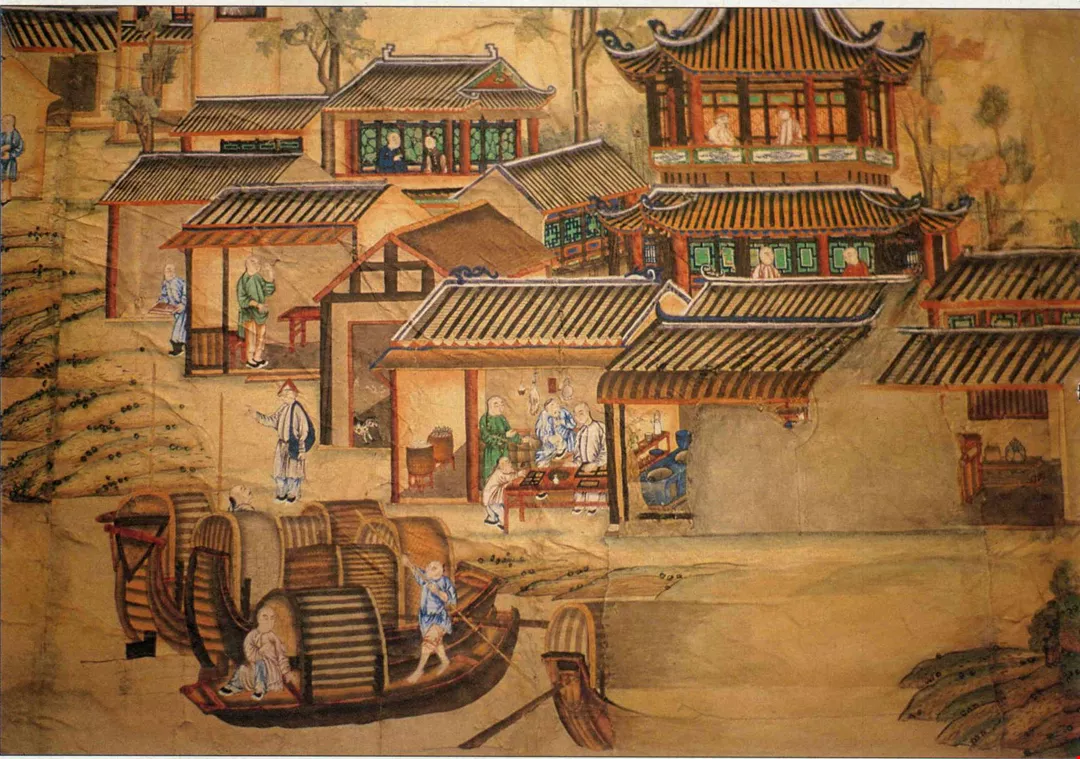
Genuine Chinese wallpaper has been discovered during the redecoration of many castles, villas and palaces in Europe. Unfortunately, its origins are often difficult to ascertain. (Nyckelviken, Sweden, 1740)
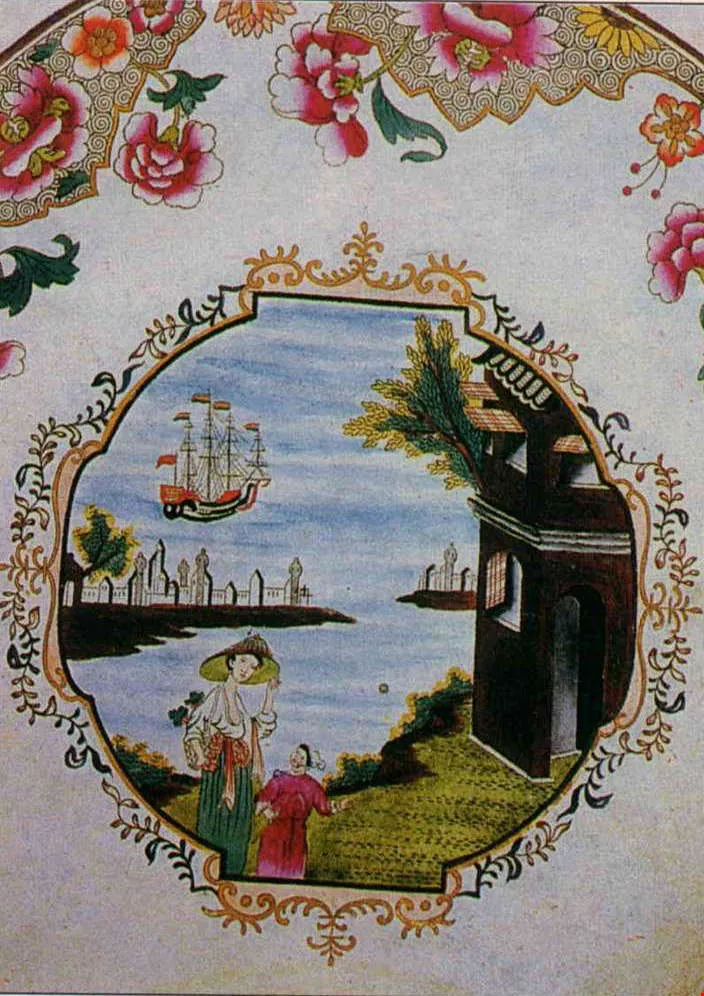
A conical bamboo hat and a Chinese mother and child appear in this decoration on an 18th-century porcelain plate, one example of how popular chinoiserie was at that time. (Spode Porcelain Museum, Stoke on-Trent,England)
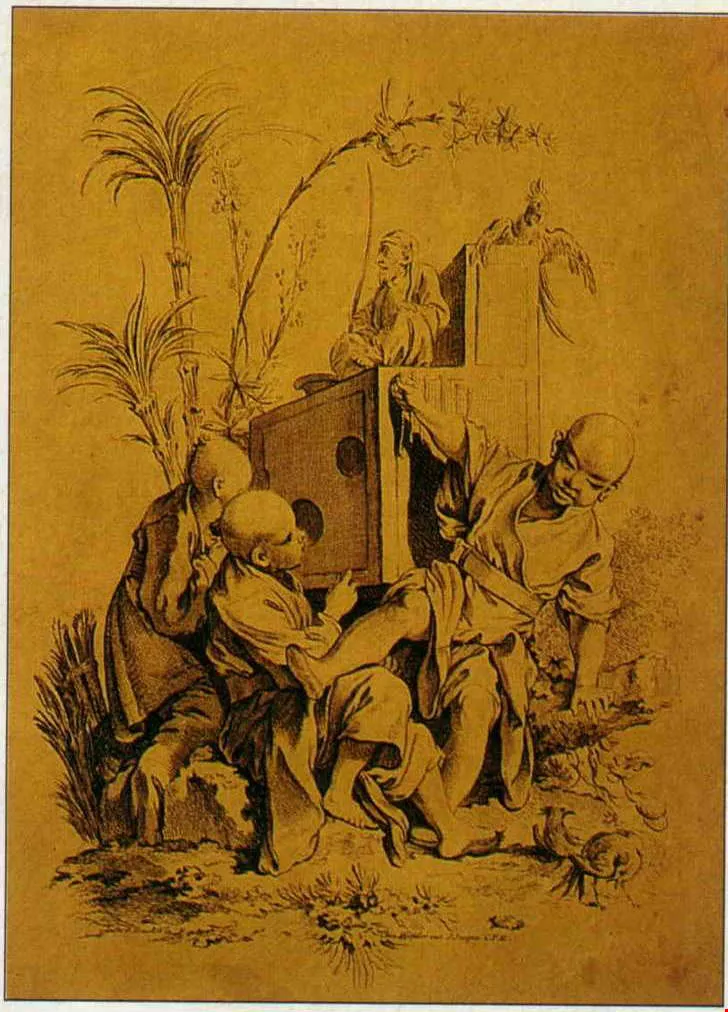
Via the mass production and circulation of prints, the images and concepts of chinoiserie spread far and wide, leading to close similarities in the decorative arts produced in different areas.
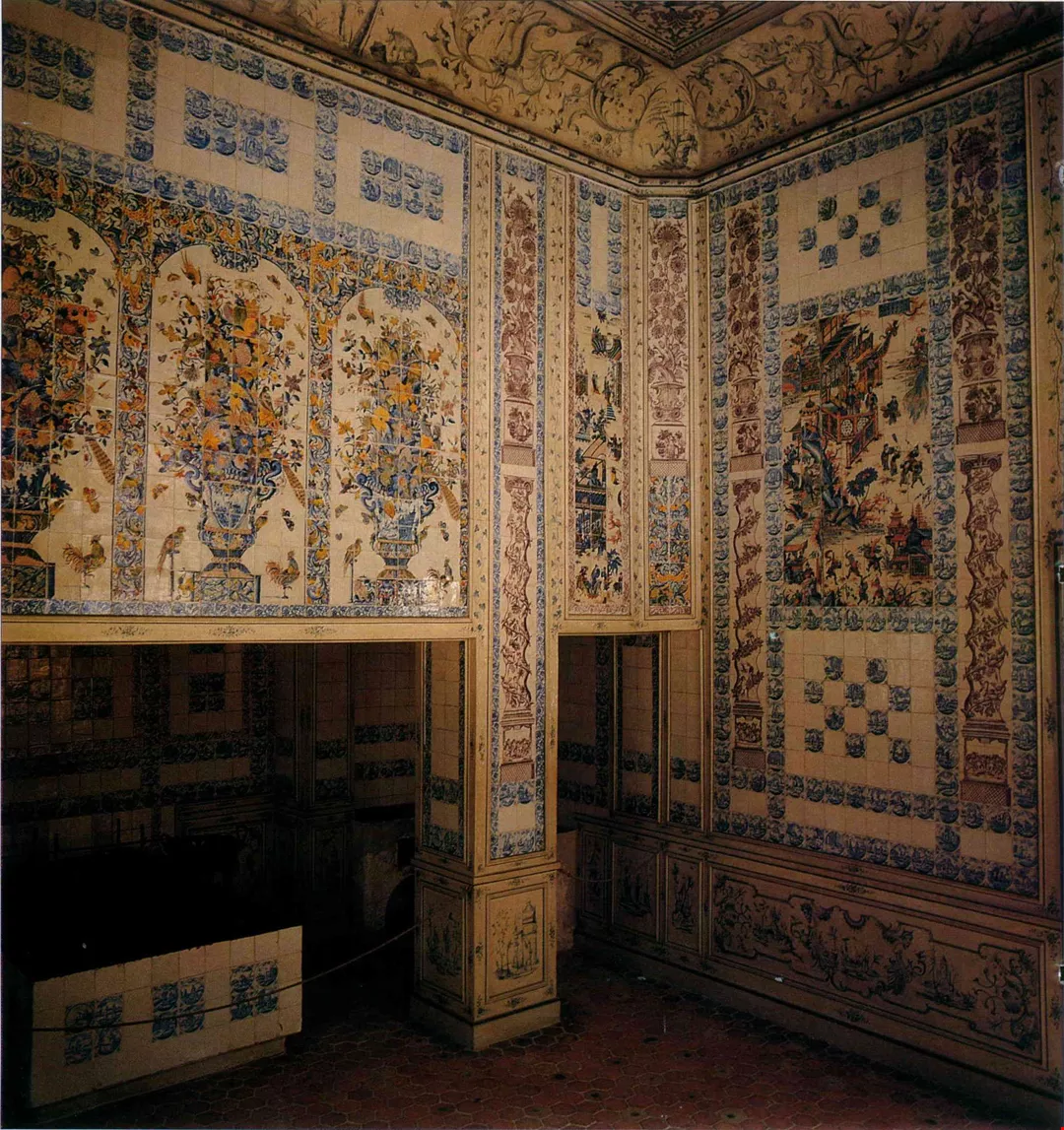
There are two major porcelain rooms in Europe with pieces combining chinoiserie with the Rococo. The king of Naples ordered craftsmen to build him a porcelain room during the 1760s, and he had a similar one built near Madrid after he succeeded to the throne of Spain. Each room contains 2,000 to 3,000 pieces,decorated mainly with portraits and with bird-and-flower patterns.
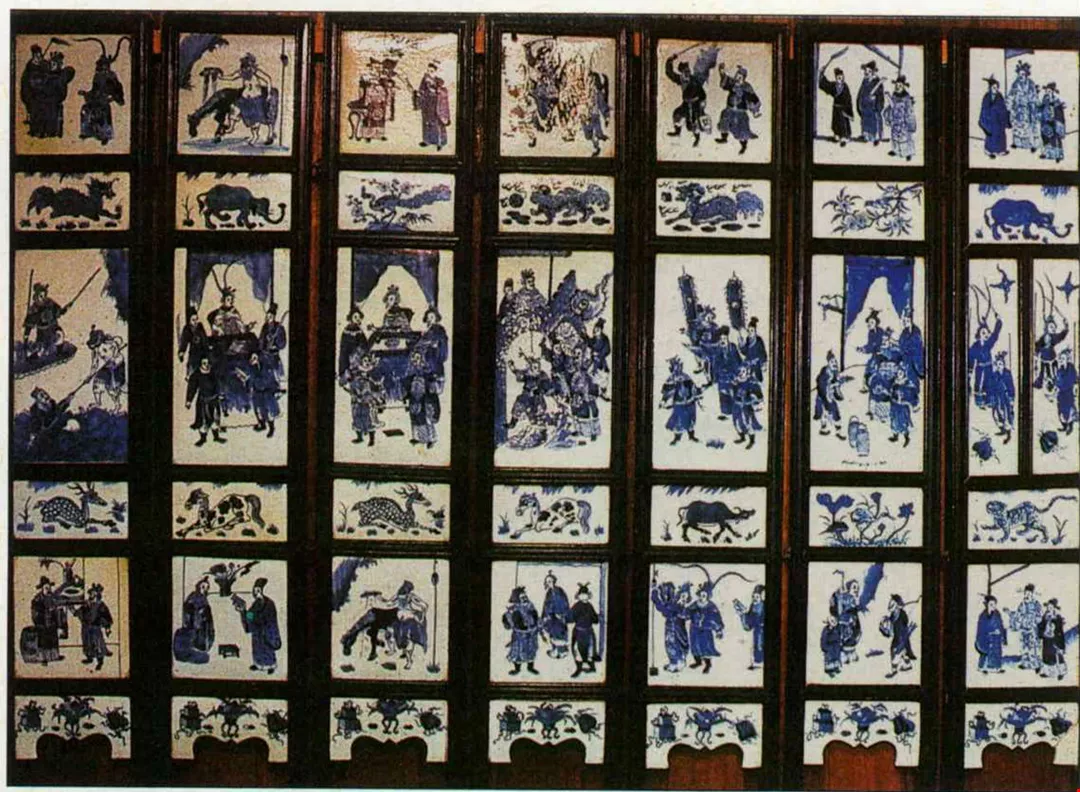
Incidents from Chinese history are featured on blue-and-white porcelain tiles used as a wall decoration. (Museum Het Princesehof, Leeuwarden, the Netherlands)
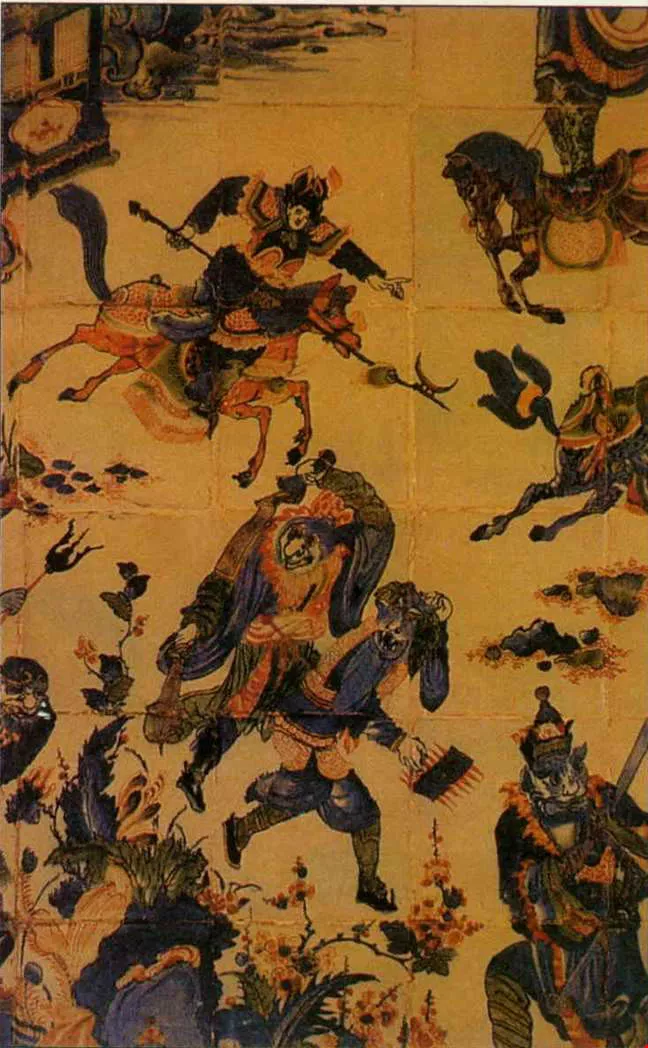
Chinese legends were another subject for European decorative tiles.
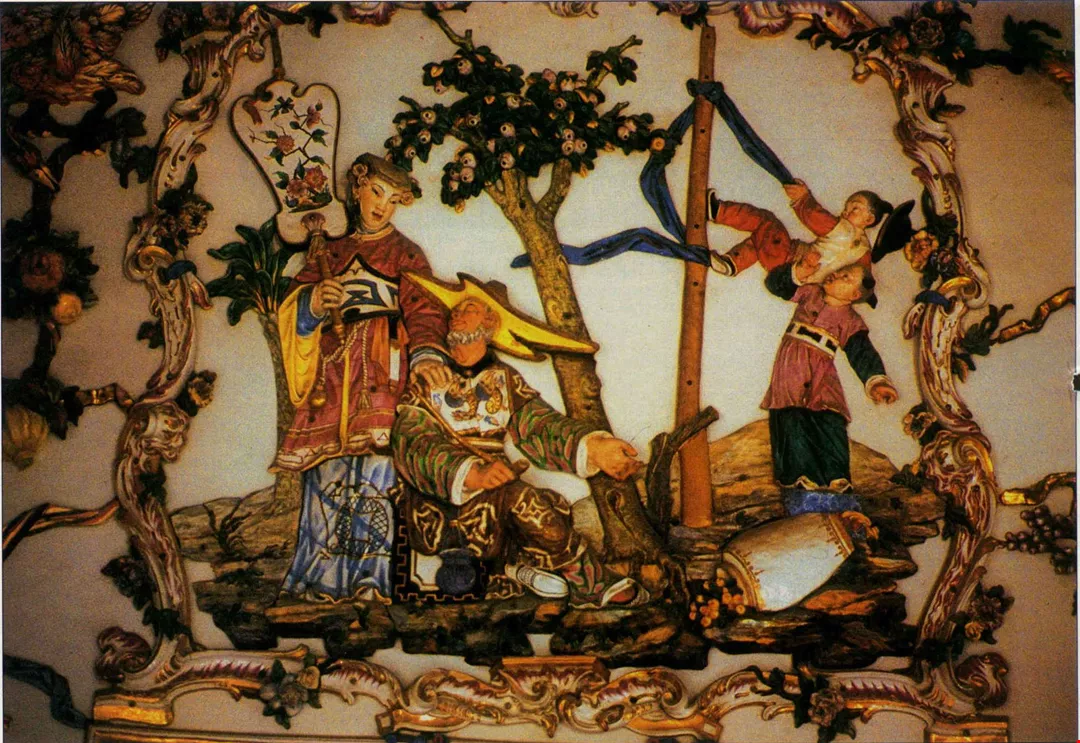
The kitchen al the royal palace in Amalienburg is decorated with Dutch ceramic tiles, the patterns taken from flowers, vases and the daily life of the Chinese people. Some of the tiles have been mistakenly inlai d. (Amalienburg. Munich, Germany, 1739)
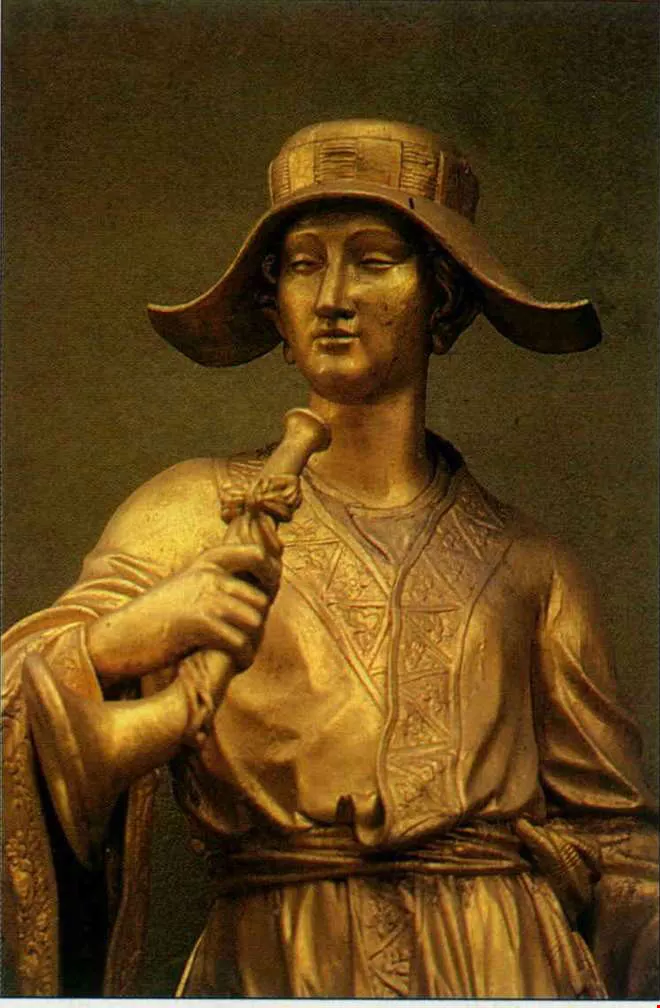
This gold-plated figure dressed in Chinese clothes and holding a Chinese musical instrument is part of the collection at Sans Souci,built by Frederick the Great.
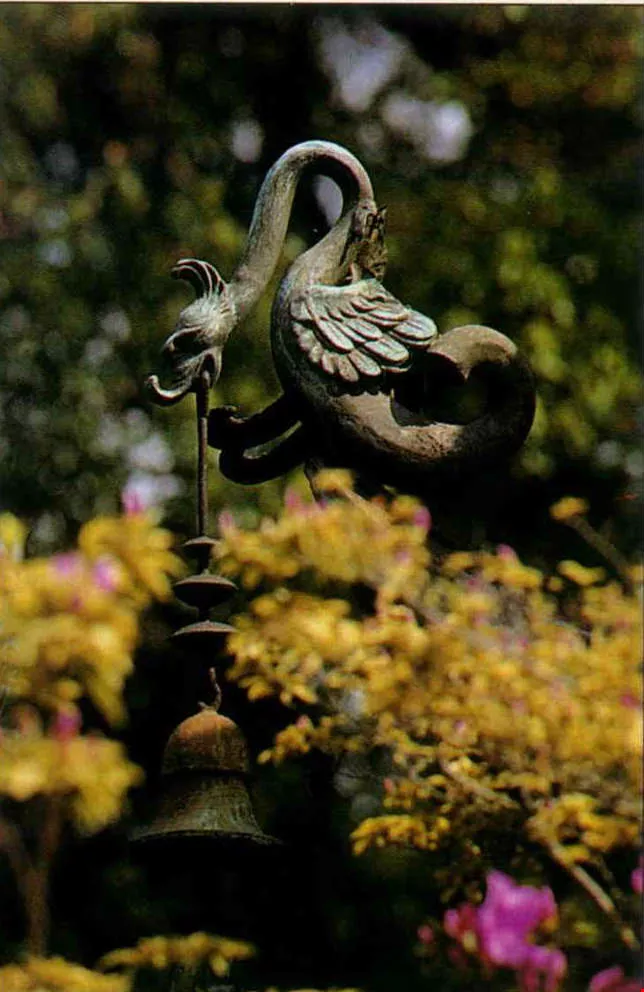
In addition to cranes, such as the one shown here, other auspicious animals that often appear in chinoiserie architecture are dragons, phoenixes and lions. (photos and text by Arthur Cheng/ tr. by Peter Eberly)




@List.jpg?w=522&h=410&mode=crop&format=webp&quality=80)


