Anyone who has been active in the world of photography in Taiwan over the past 20 years knows the name of Chang Ts'ai. His creative artistic work during his younger days and his more recent accomplishments in fostering young talent and in advancing darkroom techniques have earned him the titles of the "Old Master" and the "Patriarch" in Taiwan photography circles. Easygoing and unaffected, Chang is modest about his achievements. But the name Chang Ts'ai in fact stands for an important turning point in the history of Taiwan photography that took place during the 1940s.
Chang was born in 1916 to a cultured family in Taipei. His elder brother, Chang Wei-hsien, was a renowned dramatist who has been called "Taiwan's first man of the new theater." The artistic environment rubbed off on the younger Chang, who went to Japan as a young man to study photography.
Chang returned to Taipei in 1939, where he founded the A.C. Photo Studio. But besides taking studio portraits to earn a living, Chang began searching for subjects outdoors, using a small Leica camera with 35, 50, 90, and 135mm lenses. Chang felt that photography should face life squarely and not retreat into an ivory tower of mere formalistic compositions created in the hothouse of the studio.
Chang followed his family to Shanghai on business in 1942, where he took pictures of the face of the city and the conditions of the people. After his return to Taipei in 1946, he once again supported himself with studio portraits, while continuing to focus his Leica on the real world outside.
Chang's belief at the time was that photography should not try to imitate painting but should go its own road and explore a world beyond the reach of other arts.
His 1947 photograph "Eternal Resting Place" illustrates this conception well. Here gravestones spread out beneath darkening skies are touched by a last cold light before the impending storm. A bubble accidentally left on the film during developing forms a halo in the clouds, adding to the mysterious atmosphere.
A "nonrealistic" realistic picture, "Eternal Resting Place" was quite advanced for its time. Set alongside the 1948 photograph "Shalun Beach at Tamsui," one catches a sense of the vicissitudes of people and things and the oneness of life and death. The stable composition and broad field of vision of these two photos display Chang's ideals--in life as well as in pictures--of moderation, naturalness, balance, and harmony.
The early Chang Ts'ai was influenced by two photographers he greatly admired-- Kimura Ihei, one of the "elder statesmen" of Japanese photography, and Dr. Paul Wolff, the German "forerunner of small- camera photography."
Chang's first and only one-man exhibition, held in Taipei in June 1948, was thus a kind of report on what he had learned from his mentors. In the 51 photographs displayed, he tried to express both the truth of reality and the beauty of art, while reflecting a personal vision of life. A critic of the time remarked, "If we were to find any faults, it might be that the philosophical import of some of his works is too deep. . . . This is a truly original, extraordinary photographer."
After the exhibit, Chang's circle of acquaintances broadened and his work increased. Even though he never received a formal higher education, Chang's rich experience and winning personality earned him the respect and friendship of many scholars and professors, who quipped that he was "a graduate of the university of life."
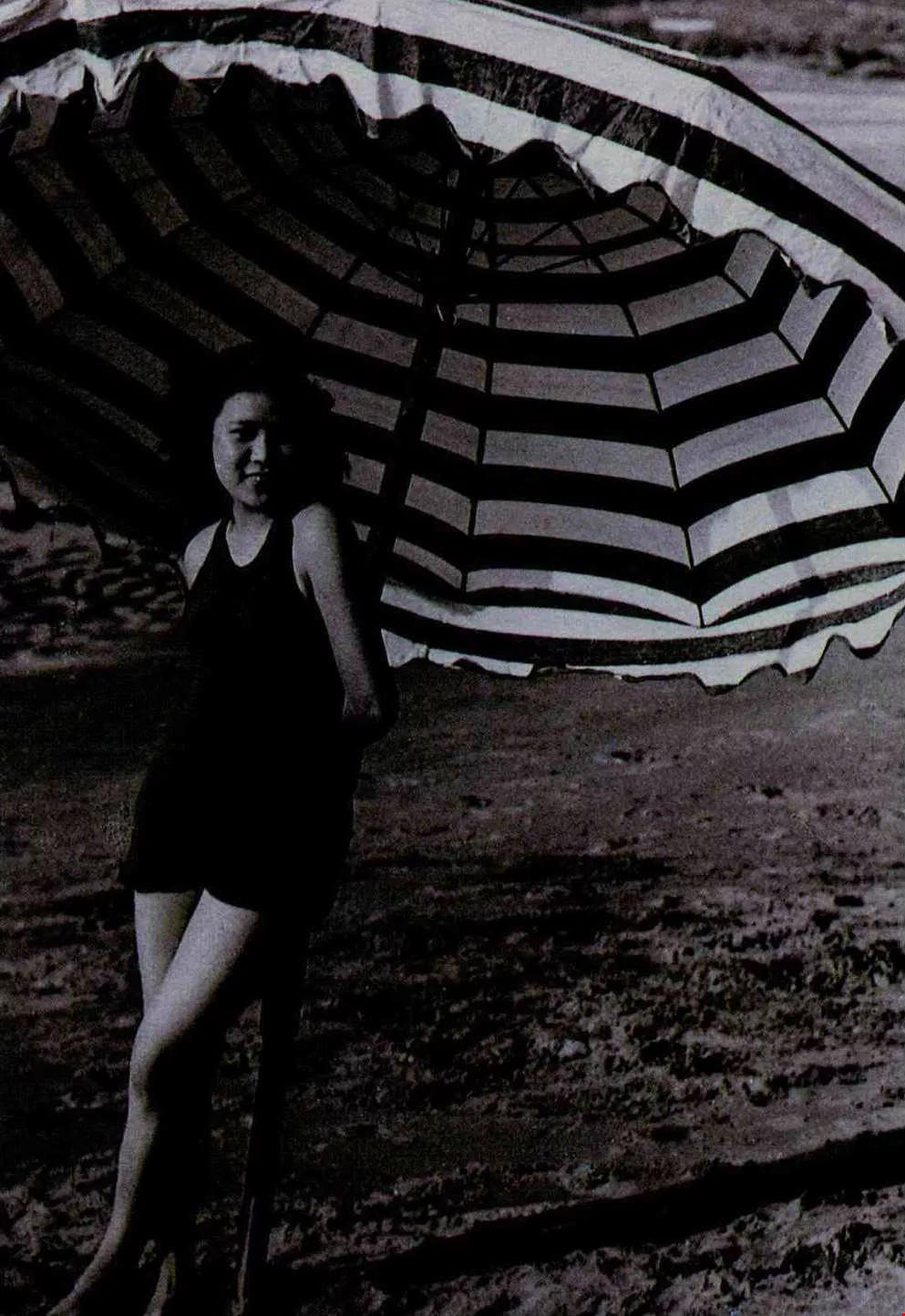
In works like "Girl on the Beach" (1948), "New Park Photographer" (1949), and "Toast of the Tsou Aborigines" (1951), Chang uses a pure and simple style to capture moving moments in the every day, preserving for us today a vanished past in all its vividness.
Photographs from Taiwan in the 1940s, when printing techniques were costly and photography largely a private affair, are not abundant, and many works have been lost. So when the author discovered that Chang Ts'ai had preserved a number of rolls of negative from over 30 years ago inside a few tea leaf jars, he begged to have them developed. Two series from this group are particularly worthy of attention-- "The Face of the Aborigine" and "Folk Customs and Festivals."
"The Face of the Aborigine," taken around 1951, records the features, costumes, and customs of various aborigine tribes around the island. Most of the photos are bust portraits, taken with a 90mm Elmar lens and designed as reference material for archeologists and anthropologists. But beyond mere scientific reportage, the portraits also express their subjects' personality and individuality. What we find here is not a simple specimen for investigation, but a living man, whom we see face to face.
"Folk Customs and Festivals" provides valuable evidence on the social, economic, and cultural changes that have taken place in Taiwan during the past 30 years. Like a time tunnel to the past, "Parade on a Buddhist Festival" (1955) takes us back to the time of "Land to the Tillers" and the return of the Korean War POW's to their homeland. Who knows when the restaurants on this street near Taipei's New Park were torn down for having been built without permits? "Dragon Boat Race" (1951), from the same series, helps us recall another lively scene from the past.
Chang Ts'ai withdrew from active photography in the mid-1950s and has since been engaged in counselling and guiding other photographers. Although he regrets that he did not continue to develop and produce a more substantial body of work, he has never wavered in believing in his field of endeavor and in photography as an art from.
If that show in 1948 was in fact Chang Ts'ai's last one-man exhibition as well as his first, we still have these photos to help us recall the photographer of 30 some years ago and the people and places of that time, abundant food for thought and reflection. And Chang Ts'ai himself, with his short but richly creative artistic career, is someone for whom we can be both proud and thankful.
[Picture Caption]
This is Chang Ts'ai in 1948, photographed at Shalun Beach, Tamsui.
(Above) Eternal Resting Place/1947
(Below) Shalun Beach at Tamsui/1948
Toast of the Tsou Aborigines/1951
New Park Photographer/1949
Girl on the Beach/1948
(Left) Paiwan Aborigine Woman/1950
(Right) Tsou Aborigine/1951
(Left) Luk'ai Aborigine Youth in Ceremonial Dress/ 1950
(Right) T'aiya Aborigine Woman/1950
(Above) Parade on a Buddhist Festival/1955
(Below) Dragon Boat Race/1951
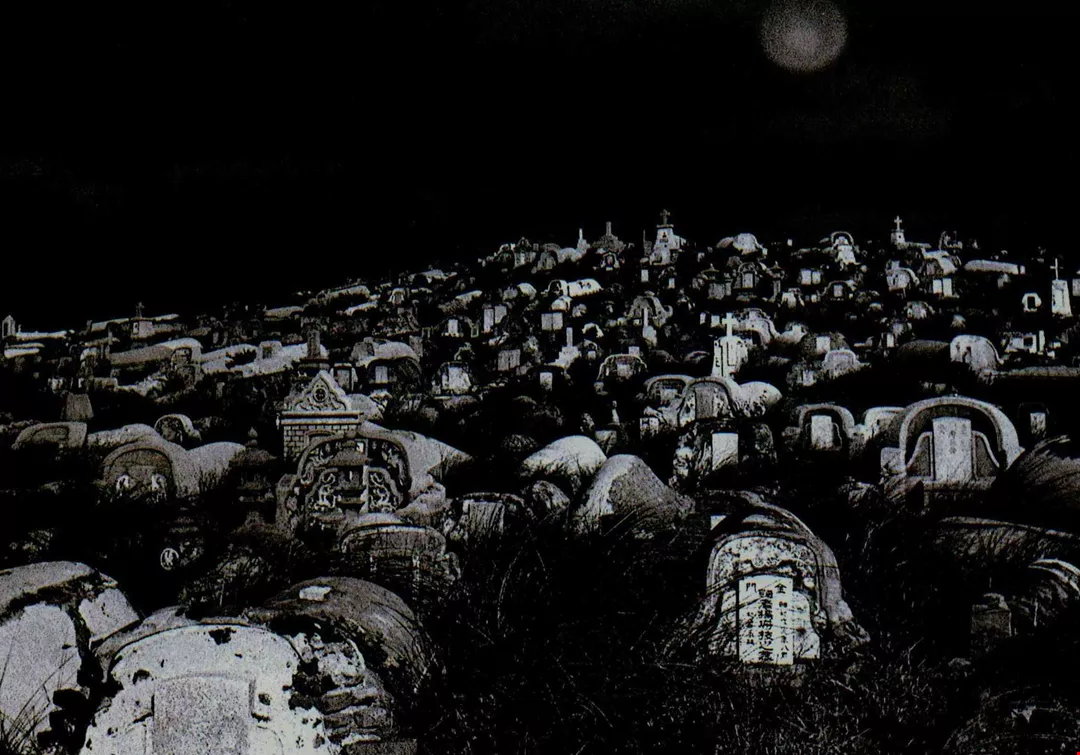
(Above) Eternal Resting Place/1947.
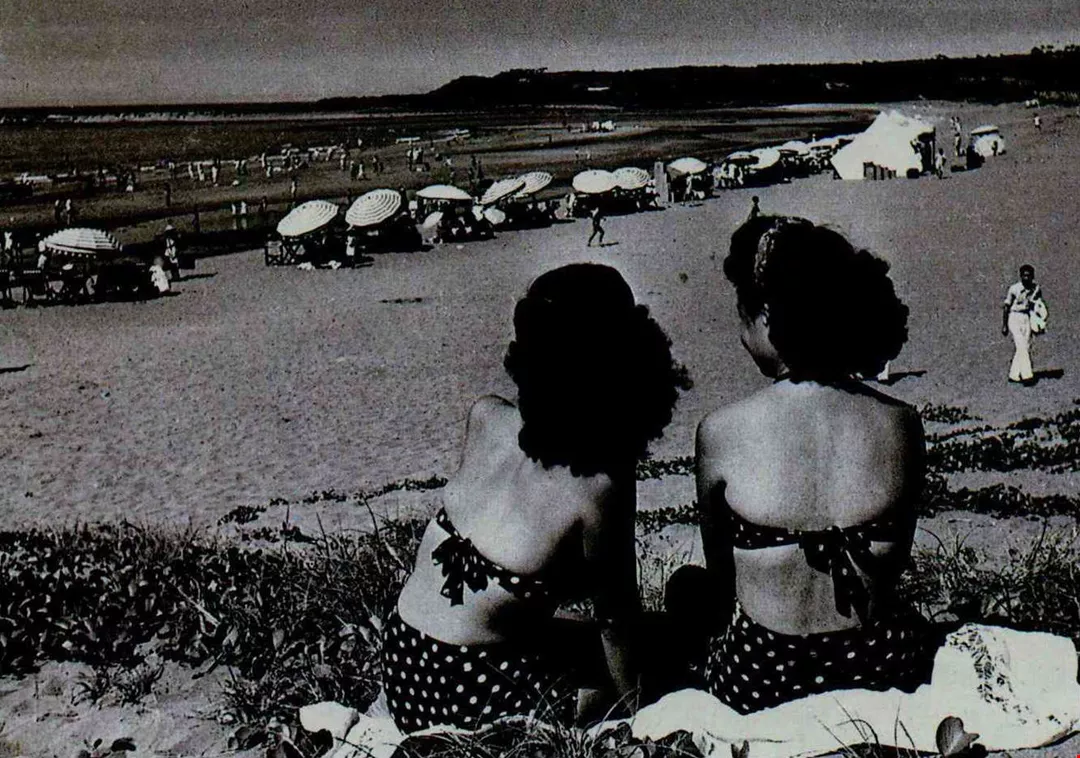
(Below) Shalun Beach at Tamsui/1948.
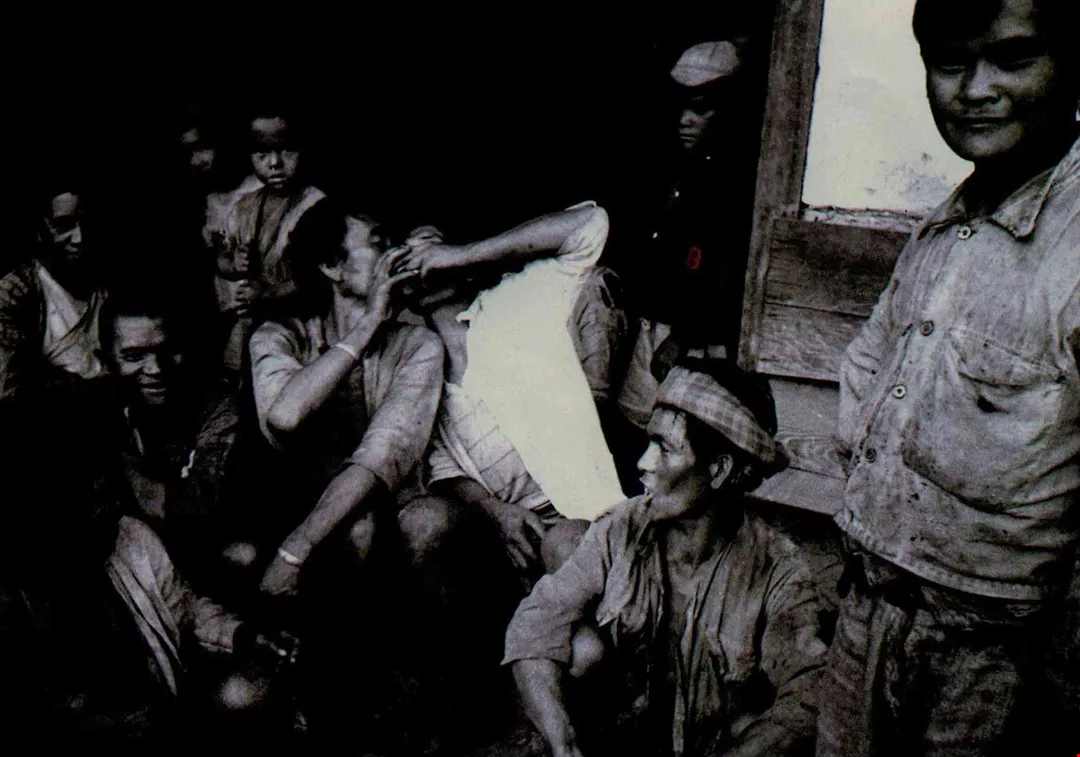
Toast of the Tsou Aborigines/1951.
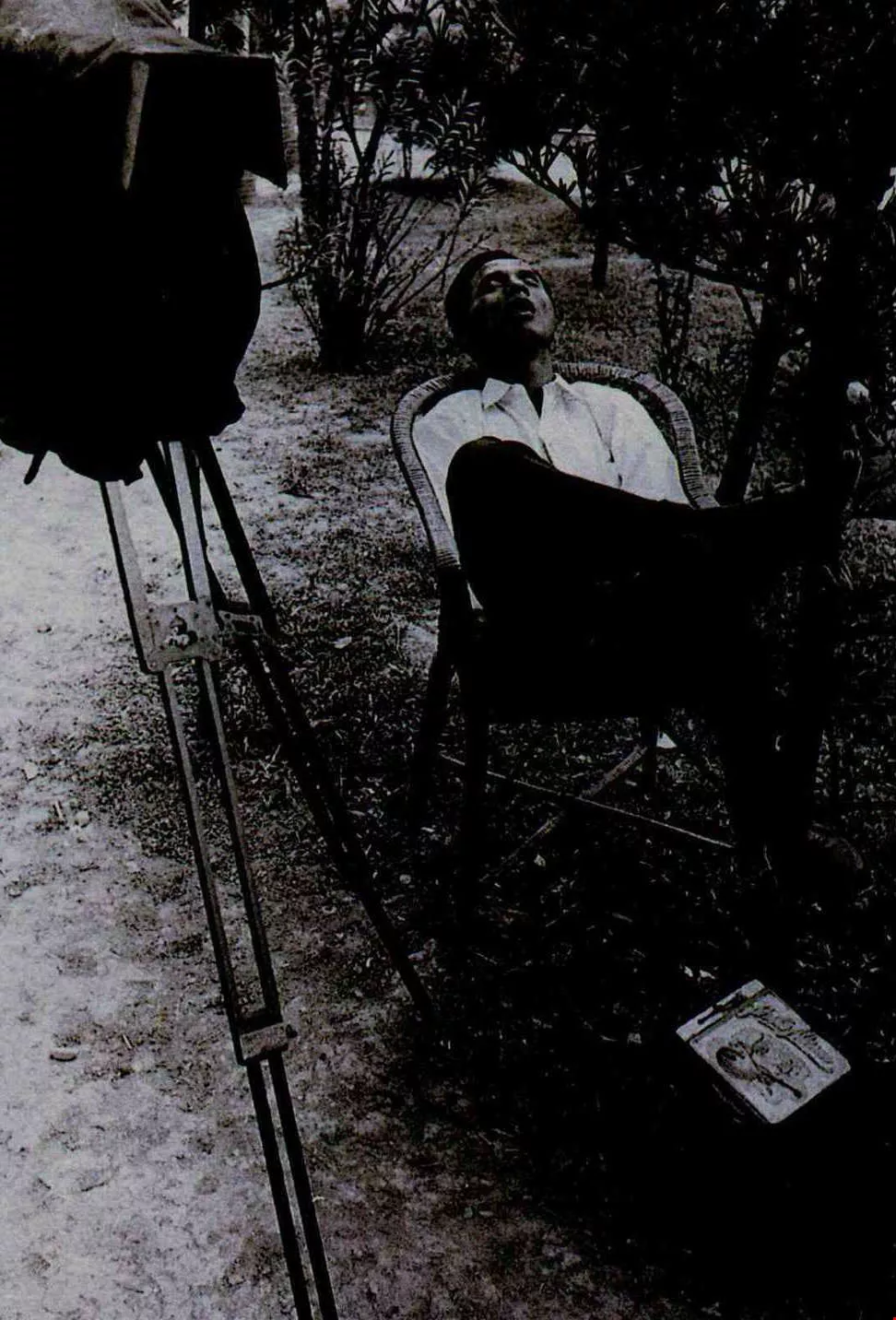
New Park Photographer/1949.
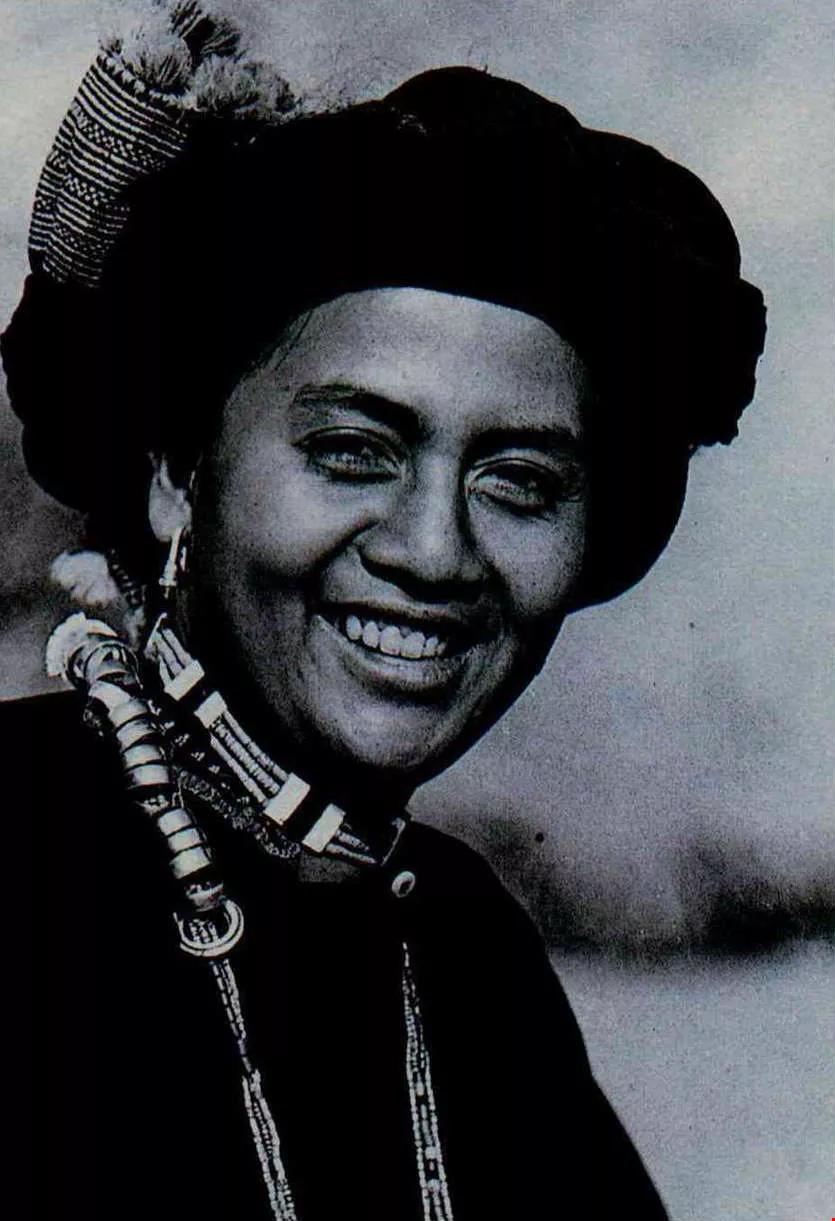
(Left) Paiwan Aborigine Woman/1950.
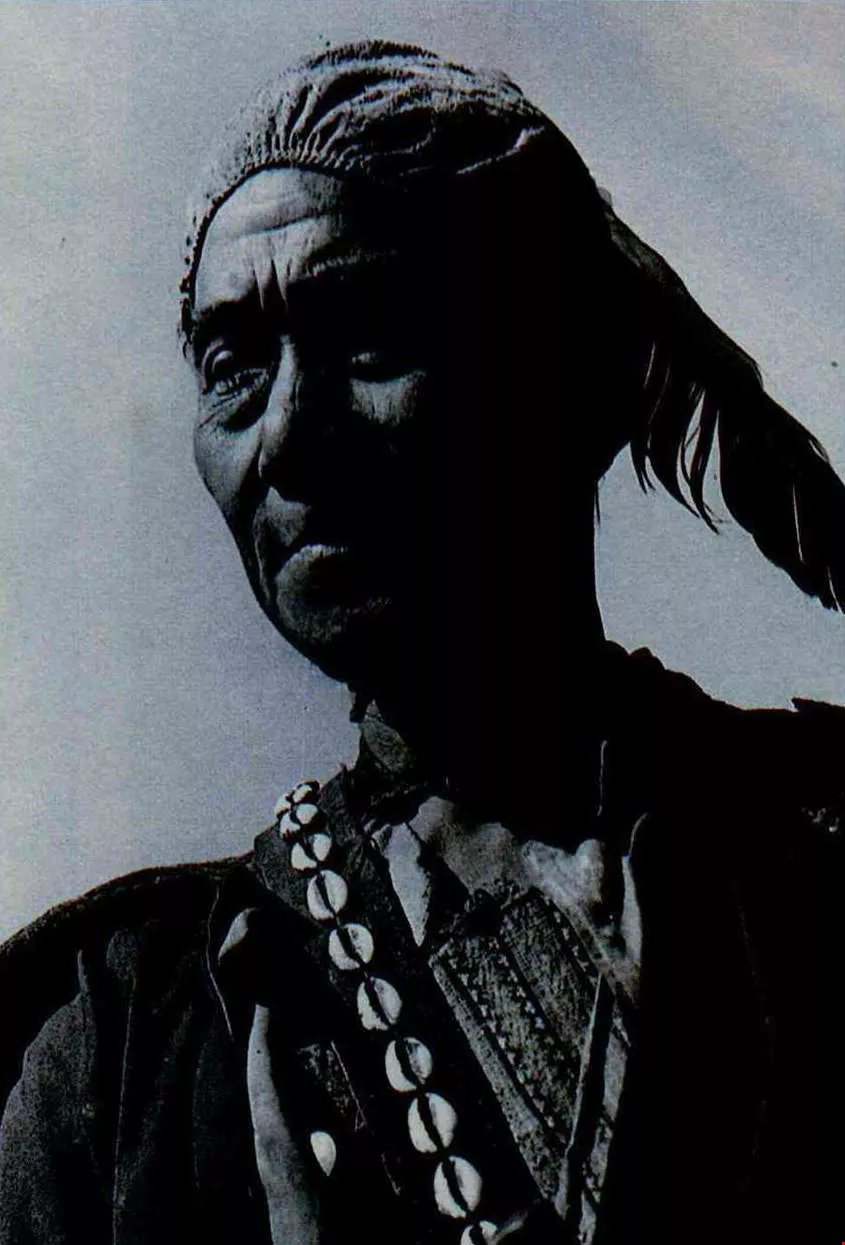
(Right) Tsou Aborigine/1951.
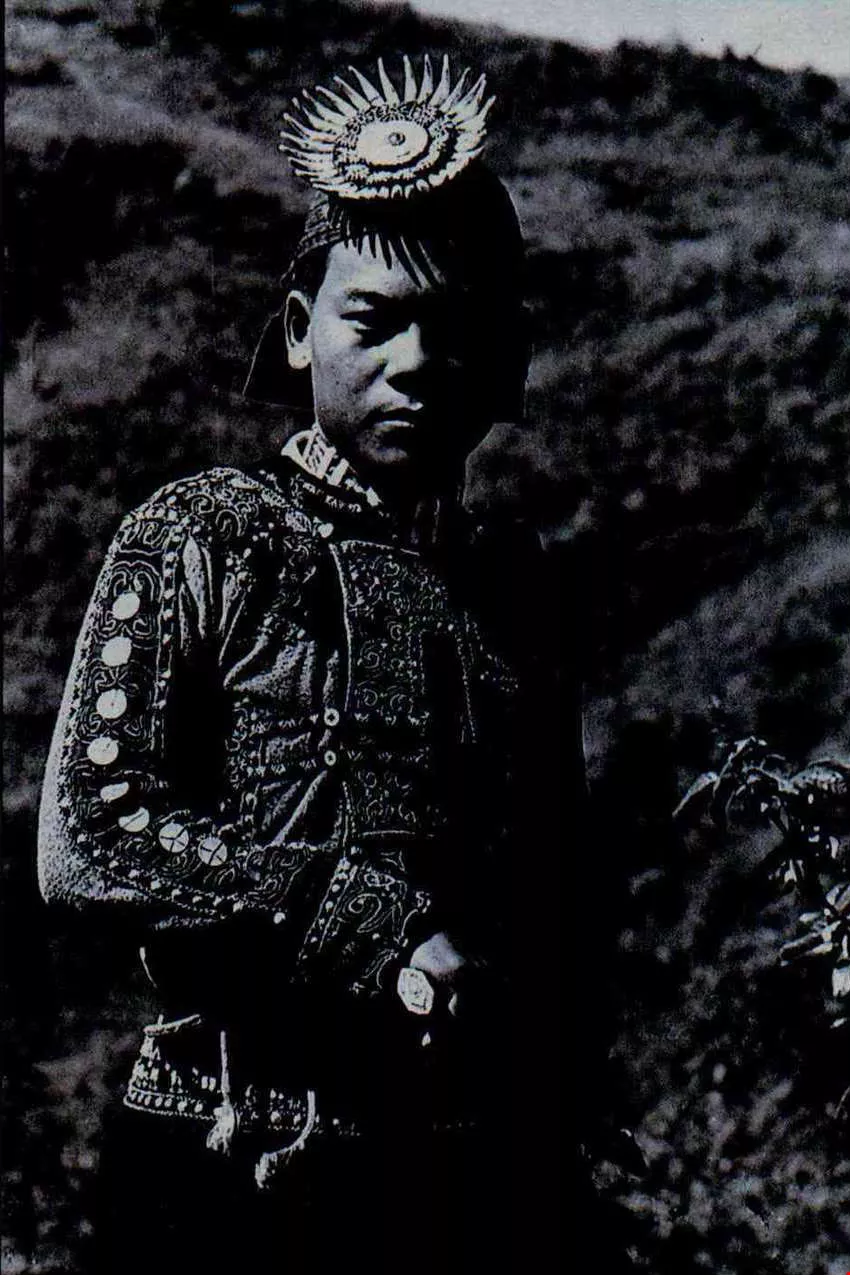
(Left) Luk'ai Aborigine Youth in Ceremonial Dress/ 1950.
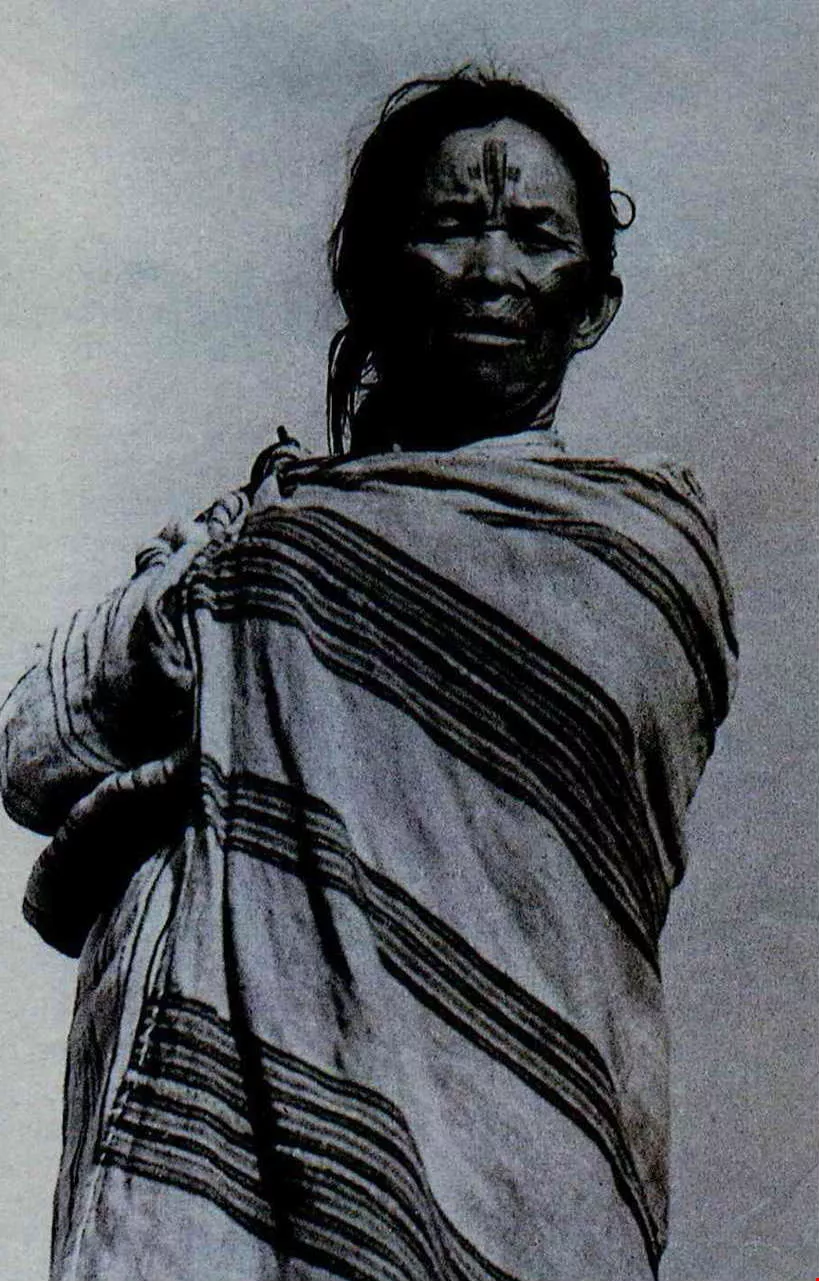
(Right) T'aiya Aborigine Woman/1950.
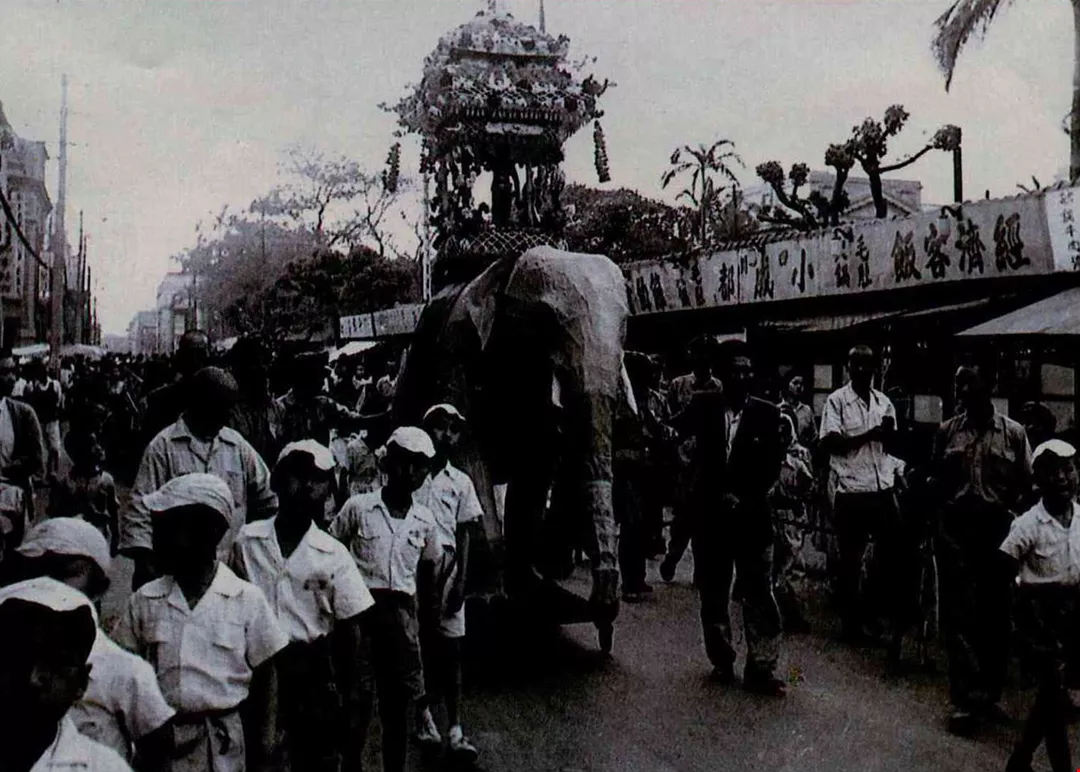
(Above) Parade on a Buddhist Festival/1955.
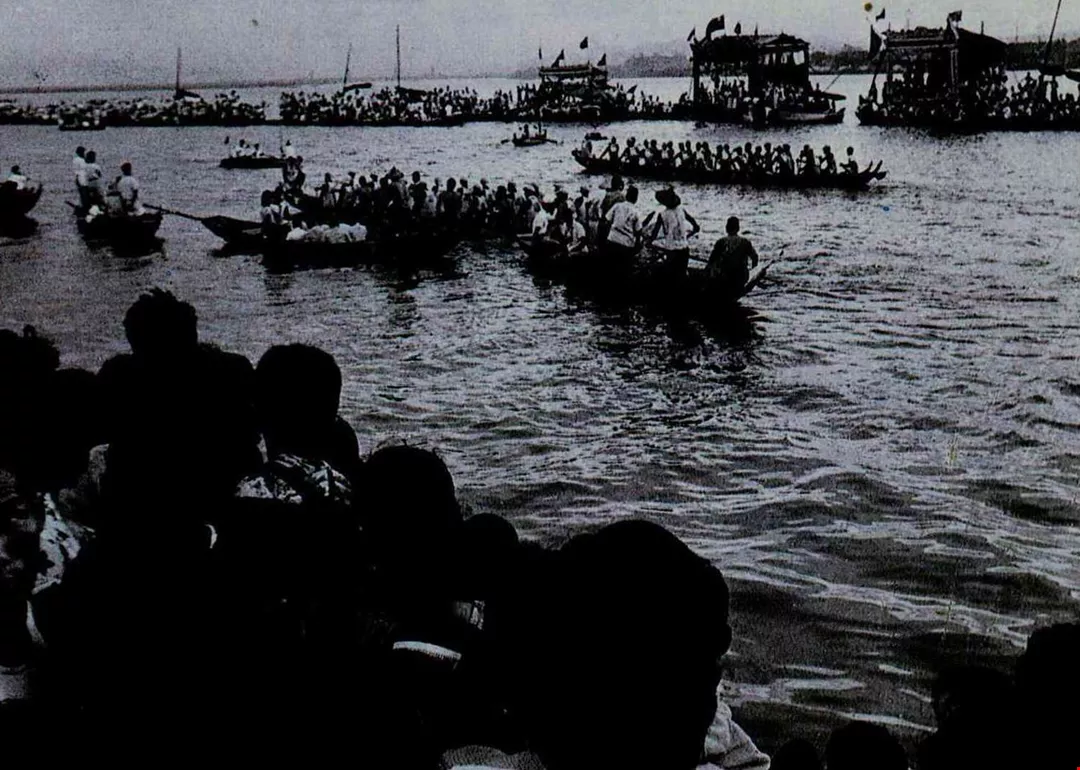
(Below) Dragon Boat Race/1951.





@List.jpg?w=522&h=410&mode=crop&format=webp&quality=80)


