Princeton University: A Heritage of Excellenc
Laura Li / photos Arthur Cheng / tr. by Peter Eberly
May 1990


American universities have always been noted for their spacious and attractive campuses, and those of Cornell, the University of Wisconsin at Madison, and Princeton are renowned as being the most beautiful of all. Princeton, in particular, stands out not only for its superb buildings and grounds but also for its long history and distinguished humanistic tradition. A visit there is indeed one of life's finer pleasures.
People who see Princeton after a trip to Oxford or Cambridge can hardly suppress a smile of recognition. The stately Gothic architecture, the peaceful residential halls, and the faintly monastic, medieval atmosphere about them--except for a difference in scale--everywhere conjure up their English archetypes. And compared with Harvard, which imitates Oxford in many ways, Princeton, with roughly 6,000 students in all, retains a more dignified European air, with less American coarseness and clamor.
Even today, people at the school fondly recite its English ancestry. Founded in 1747 under the royal patronage of George II, Princeton follows only Harvard, William & Mary and Yale as America's fourth oldest college. At the time of the country's founding it produced 39 representatives, 21 senators, 12 governors, a vice president and a president (Madison). And during the next 200 years it ranked at the very top of American colleges along with Harvard and Yale, a situation that has begun to change only in the last twenty years with the rise of Stanford and Berkeley in California.
Its glorious history may be a thing of the past, but Princetonians recall it constantly, and the school's nostalgic, tradition-laden atmosphere is an important part of its humanistic spirit. The Gothic architecture so much in evidence on the campus is only the most obvious manifestation.
The university is uniquely blessed in terms of its location and environs as well. Princeton is a quiet university town, with a population of less than 26,000, yet New York and Philadelphia are no more than fifty miles away, so concerts, museums and all the resources and attractions of two world-class cities are within convenient reach.
Physical surroundings are important, but its people are the asset Princetonians cite with greatest pride. "Outstanding figures from every academic field have taught here, and the atmosphere created by the stories and anecdotes they have left behind make students feel they are living in history and making it at the same time. It's a force that inspires students and drives them on," says Hung Wei-hsiu, a graduate student in chemical engineering and head of the Chinese Students Association.
Albert Einstein, who worked here from 1933 until his death in 1955, is a classic case. Stories about him abound, and it is perhaps thanks to him that the physics and mathematics departments are both world renowned. They are also recognized as the university's toughest. To avoid damaging the students' already frazzled nerves, most of the courses in these two departments are offered on a pass-fail basis, but even so, it is said, some instructors ask their students to sign a document before exams giving up their right to sue the school afterward!
For students hoping to receive doctoral degrees, however, "time pressure" is the real headache. Many U.S. universities are quite lenient in the amount of time they allow students to pursue doctorates, with eight or ten years being not uncommon, but Princeton requires that students reapply to the program each year and may ask them to pack their bags if they fail to pass their doctoral qualifying exam within two years of entry. Even if they pass the exam they have to keep on their toes because they can only maintain their student status for four years.
These restrictions often exasperate graduate students, who number just 1,600 to 1,700, or one fourth of the student body, and a third of whom are foreign. School authorities, on their side, explain right from the start that "undergraduates come first." They are the real core of the university, and the graduate school is mere icing on the cake.
In this regard, Princeton and Harvard have gone about developing their graduate schools and research institutes in rather different directions. Some graduate students quip that the university "only cares about milking its cash cows" (the undergraduates), but several books on its history tell a different story.
Princeton's founding goal, like that of Oxford and Cambridge, is to provide a well-rounded education and develop students as "whole persons" who will serve their country. Training specialists or, like Harvard, turning out money makers in law, business, medicine and other lucrative fields is only secondary. Viewed in this light, Princeton adheres more or less to a certain idealism in a society that increasingly values materialism, specialization and business acumen.
Under this deliberate insistence on remaining small but excellent, Princeton students enjoy the strongest financial backing of any U.S. university. Princeton has an endowment of US$1.9 billion (most of it contributed by alumni), second only to Harvard with US$2.3 billion and the University of Texas with US$2 billion, but Harvard has 15,600 students and Texas has 48,000, so in comparison Princeton's students are much better off.
For that reason, Princeton holds many firsts among U.S. colleges, such as the lowest student/faculty ratio (four to one), the most library books checked out on average per student (113 per year), and the most spacious campus (more than 2,300 hectares covered by 100-some buildings).
In recent years, as the economic center of the U.S. has shifted westward, the famous colleges of the east have fallen on hard times. Princeton's undergraduate program may still be the best in the country, but its graduate school has too few departments and students, which has doubtless affected its ranking. Faced with this situation, many alumni are more determined than ever to pay back their alma mater and enable it to remain a shining light of academia. And one Chinese student there has his own view: "As long as Princeton holds to its ideals, it will always be a place worth studying at no matter what its ranking!"
[Picture Caption]
Henry Moore's classic piece of contemporary sculpture Oval with Points has become an integral part of the Princeton campus.
The heroic spirit of General Washington in defeating the British troops at the Battle of Princeton is vividly preserved in this war memorial.
What's really clever about this sculpture are the newspapers--they're antiques from a couple of hundred years ago.
Two proud eagles atop the main gate draw the attention of many visitors.
The magnificent University Chapel is the school's spiritual hallmark.
The pair of stone tigers in front of Nassau Hall have become the university's mascots, and orange and black can be seen all over campus.
This building was originally the residence of the university president. The snow-covered flowerbeds under the windows are bursting with color by springtime.
Teachers and students live together in quiet residential halls, another of the traditions that Princeton has inherited from Oxford and Cambridge.
According to custom, each graduating class has its year set in the ivy-covered walls to show its affection for the school.
Students can often be seen sketching Picasso's Head of a Woman on the plaza in front of the school's art museum.
Getting together in leisure hours to chat and sip tea is a way of relieving homesickness.
When a dormitory for graduate students throws its annual nickel beer night (five cents a glass), everyone comes for the fun.
Isn't making ice sculptures on a winter's day creative, too?
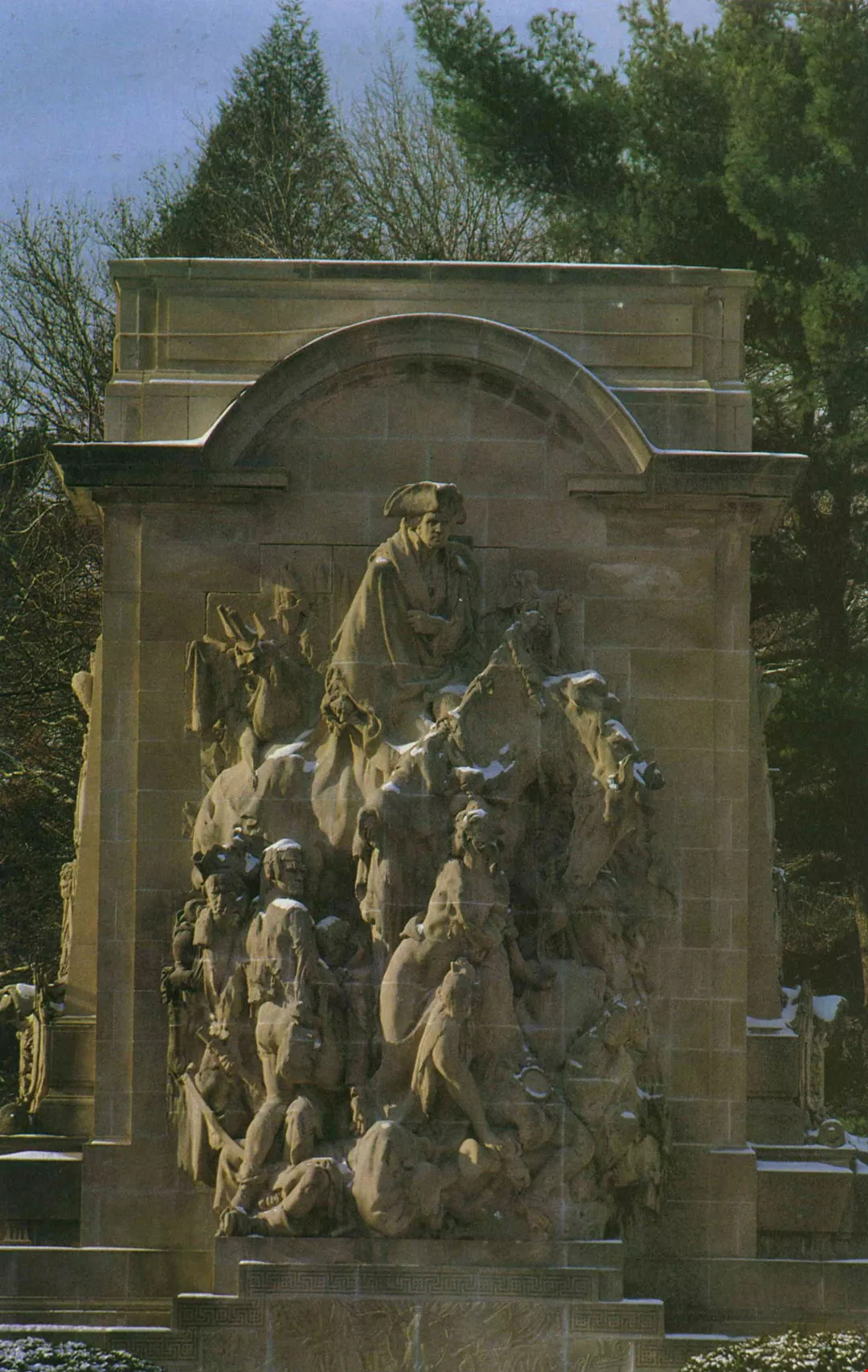
The heroic spirit of General Washington in defeating the British troops at the Battle of Princeton is vividly preserved in this war memorial.
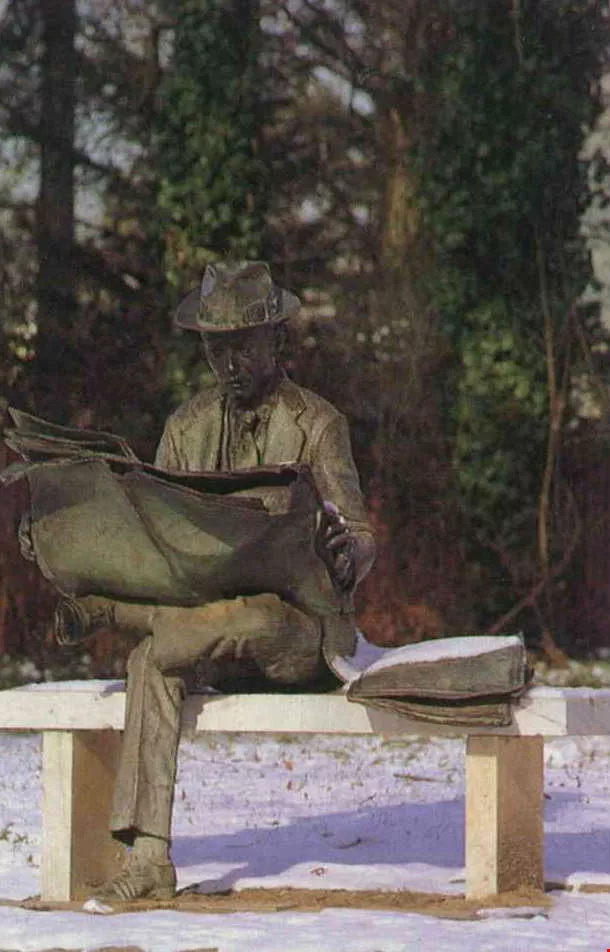
What's really clever about this sculpture are the newspapers--they're antiques from a couple of hundred years ago.
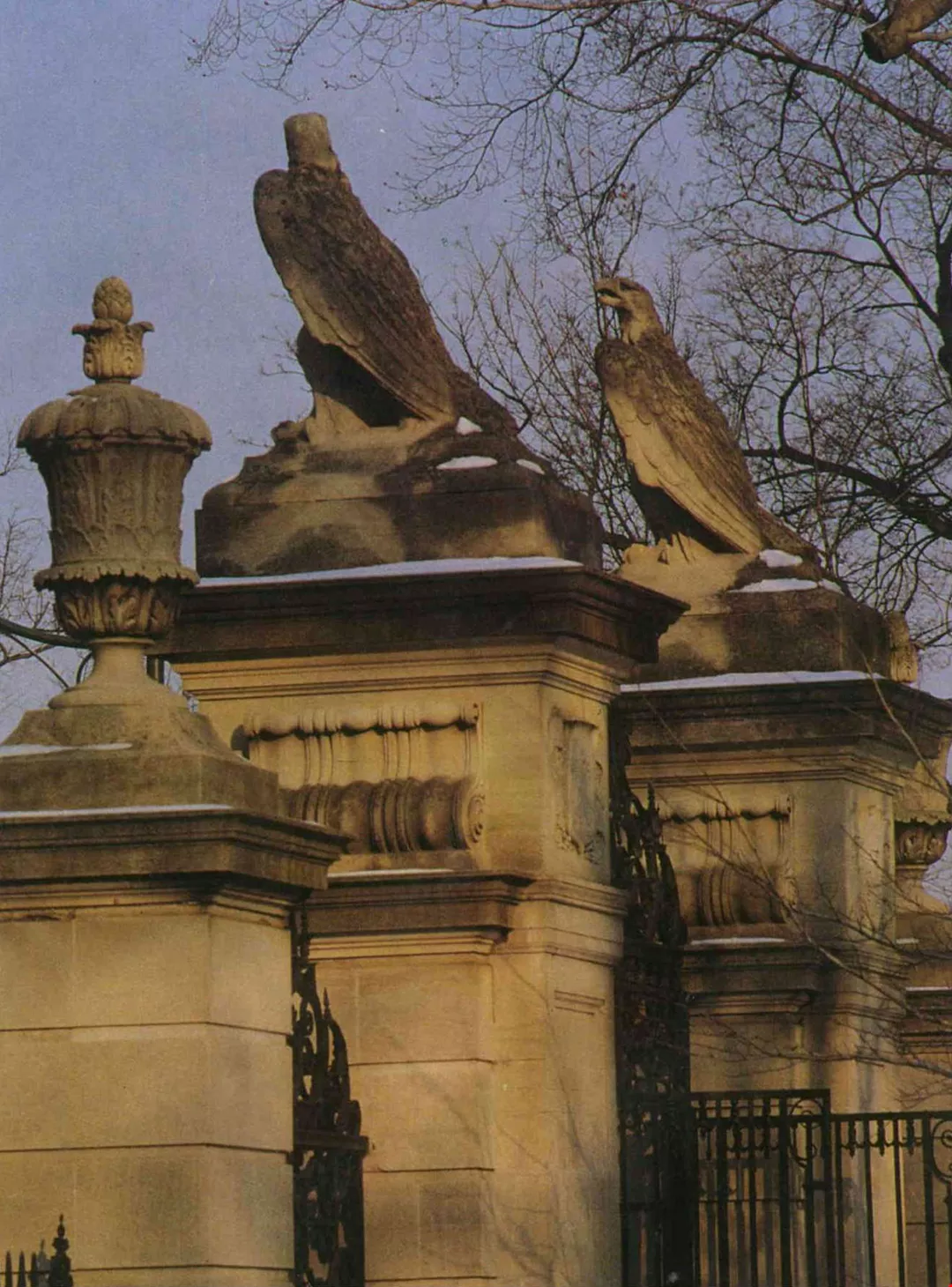
Two proud eagles atop the main gate draw the attention of many visitors.
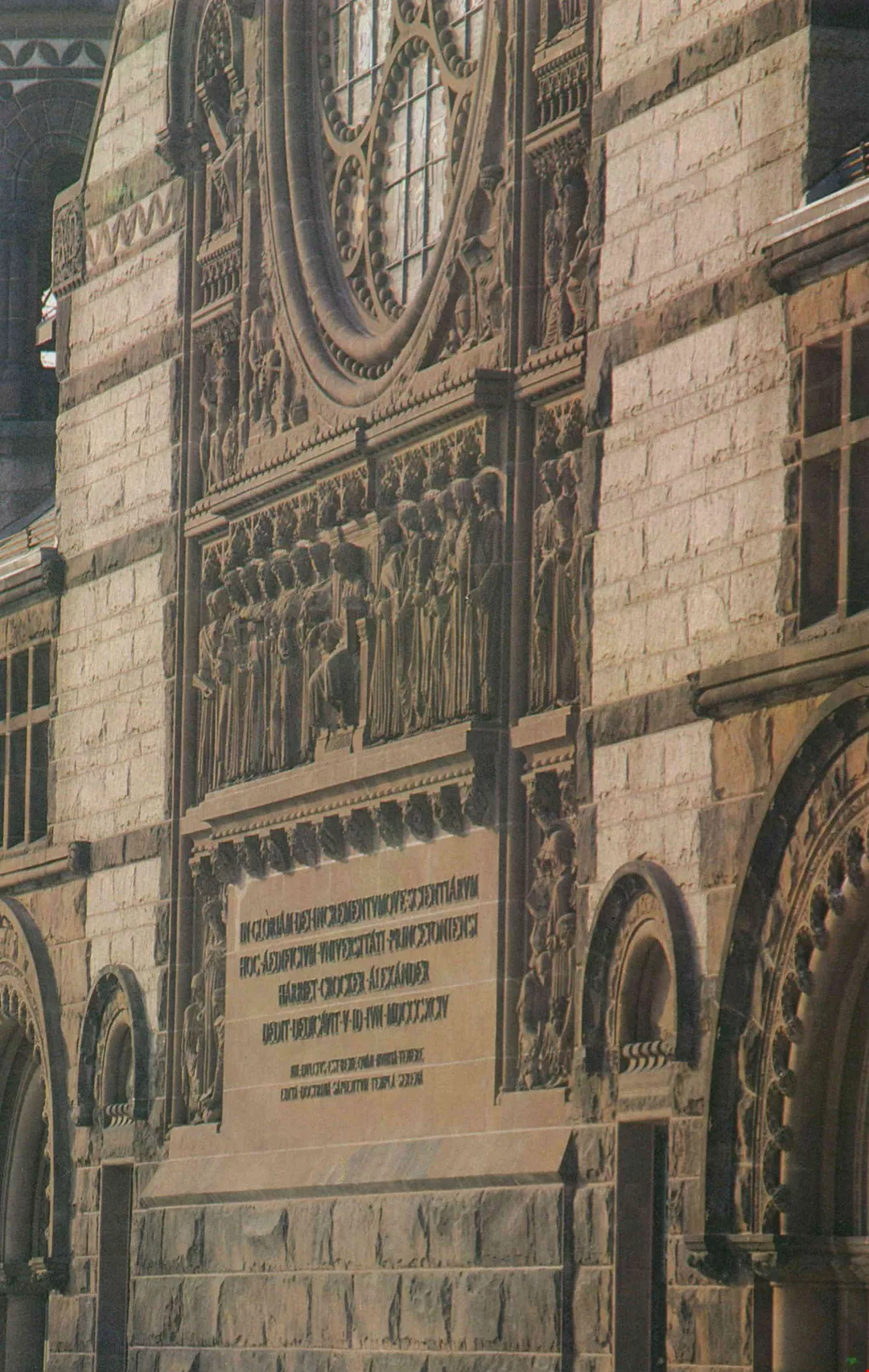
The magnificent University Chapel is the school's spiritual hallmark.
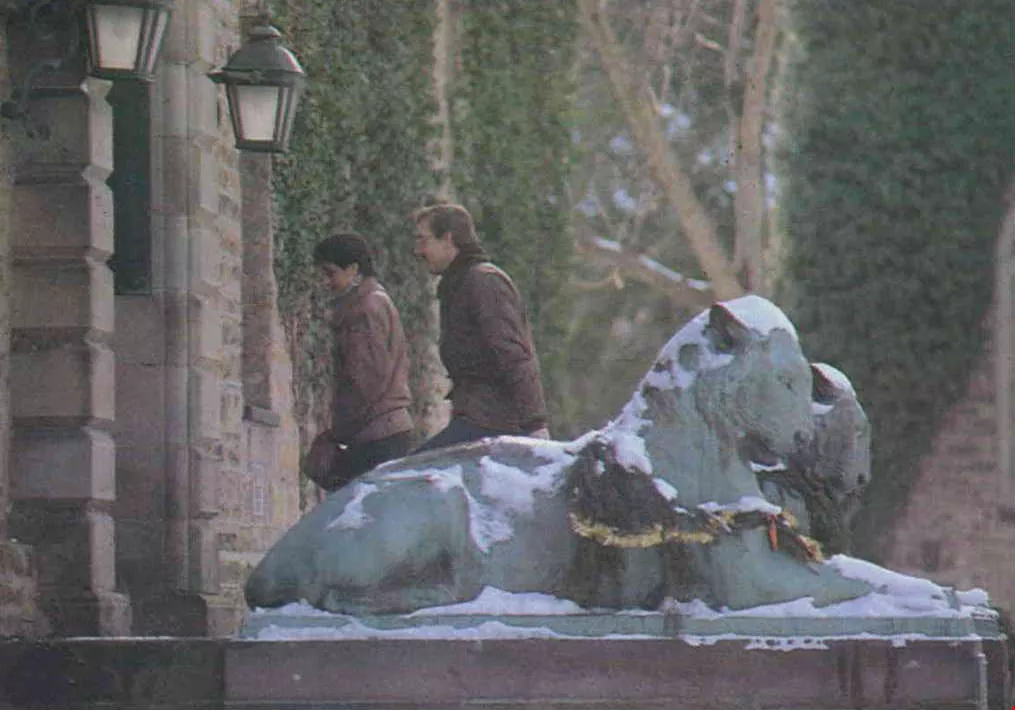
The pair of stone tigers in front of Nassau Hall have become the university's mascots, and orange and black can be seen all over campus.
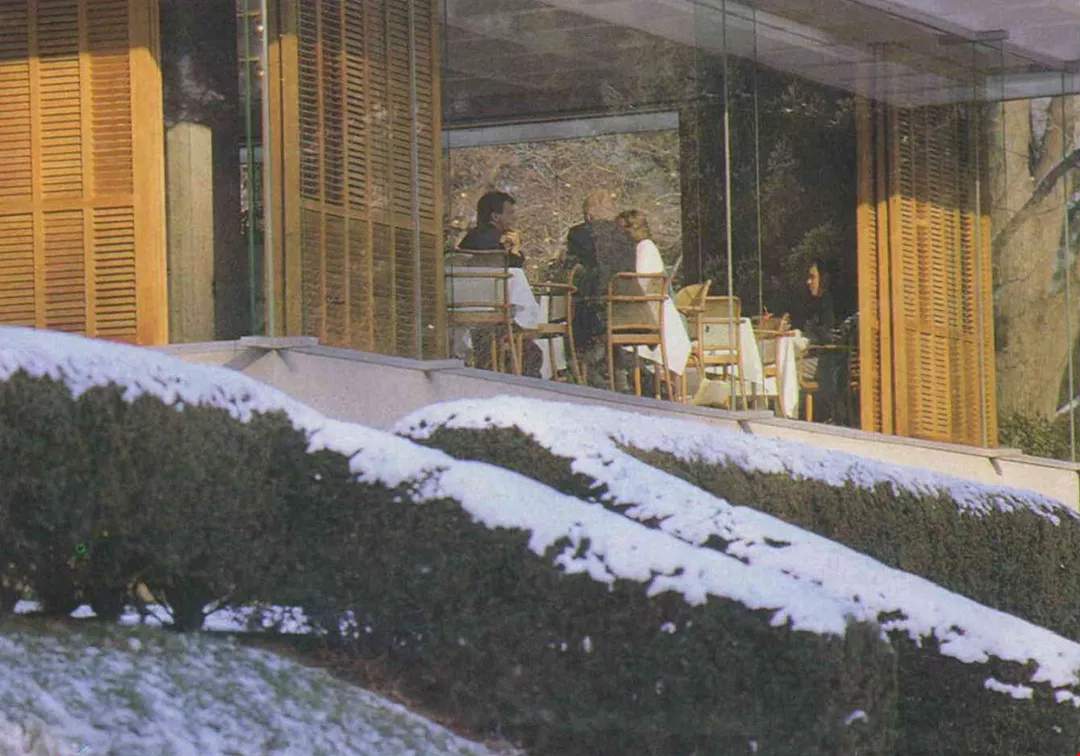
This building was originally the residence of the university president. The snow-covered flowerbeds under the windows are bursting with color by springtime.
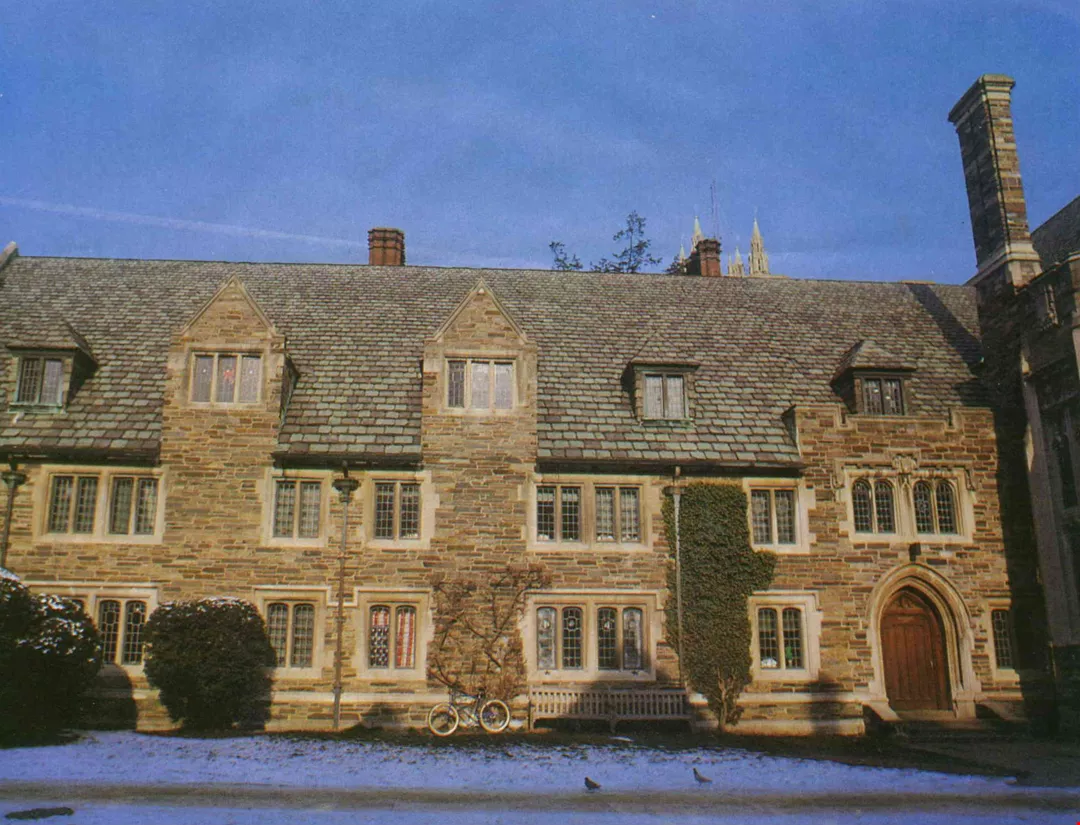
Teachers and students live together in quiet residential halls, another of the traditions that Princeton has inherited from Oxford and Cambridge.
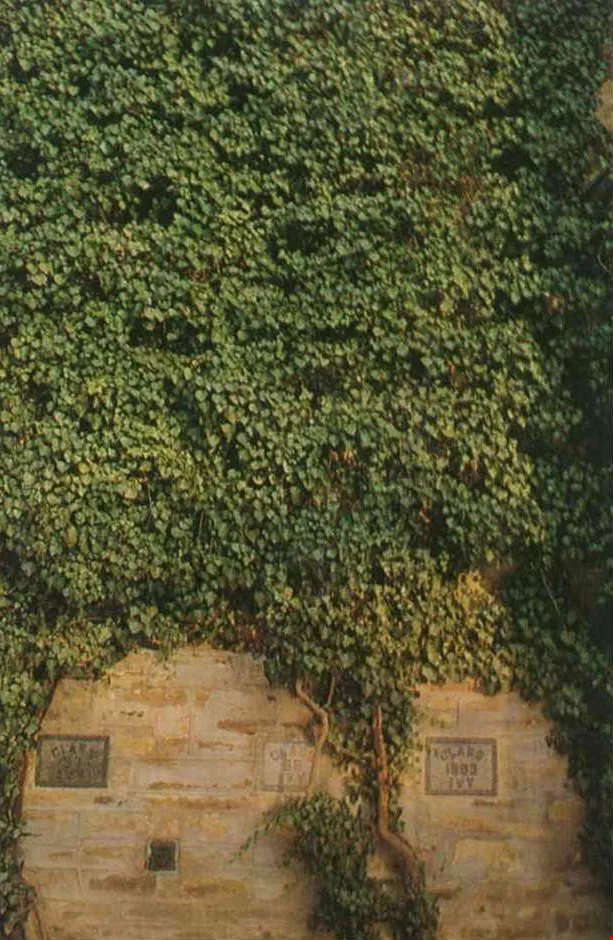
According to custom, each graduating class has its year set in the ivy-covered walls to show its affection for the school.
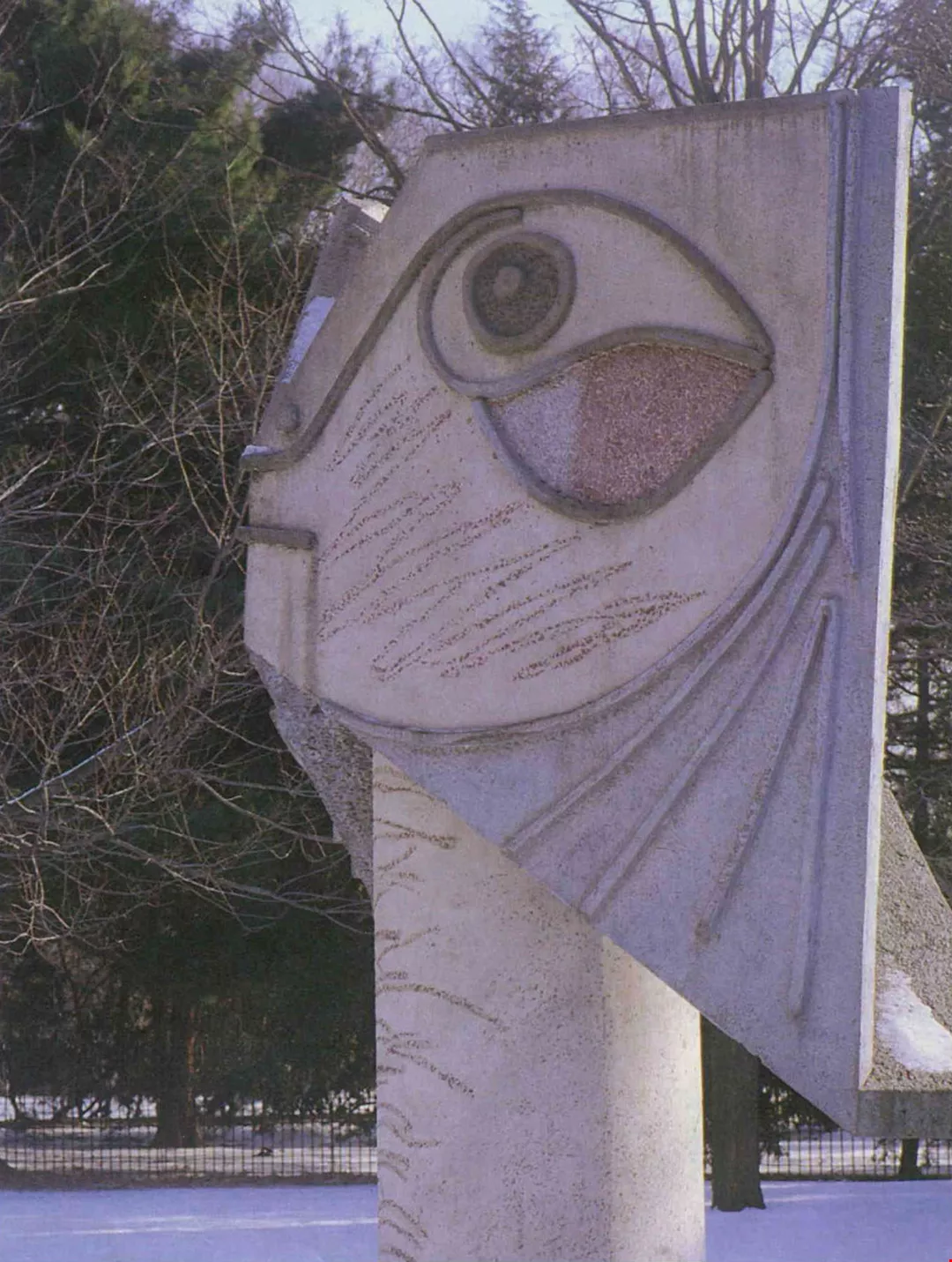
Students can often be seen sketching Picasso's Head of a Woman on the plaza in front of the school's art museum.
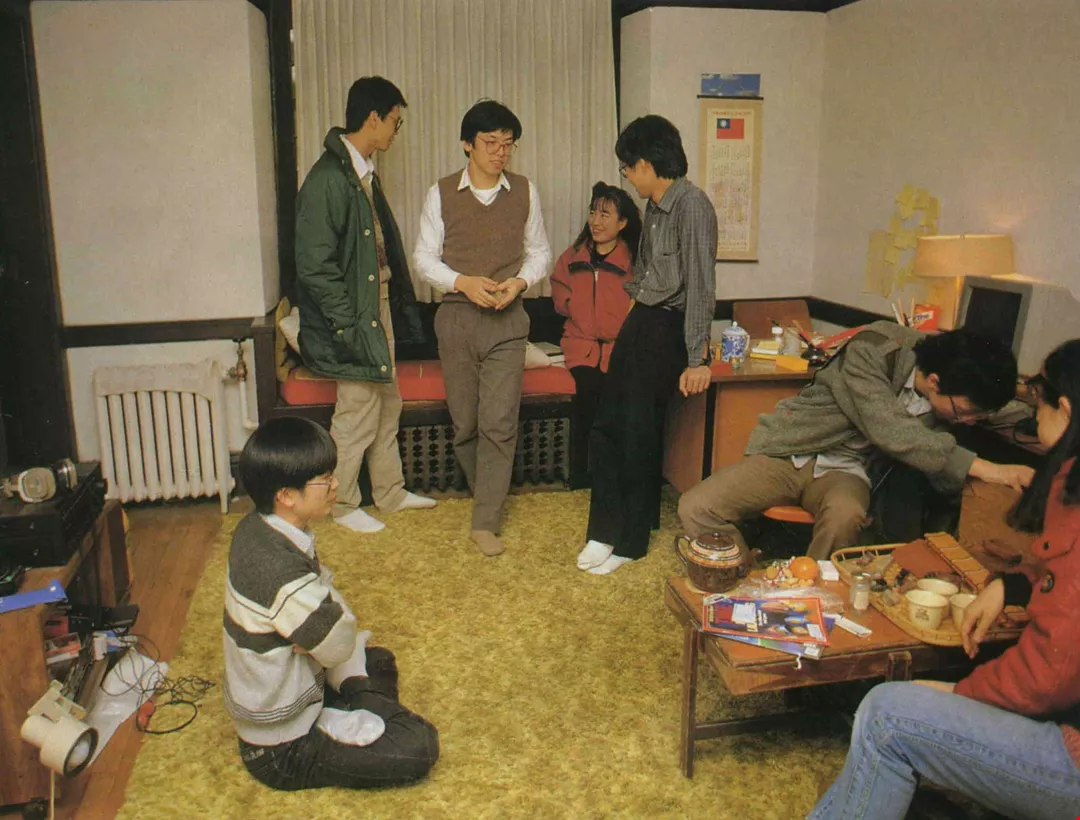
Getting together in leisure hours to chat and sip tea is a way of relieving homesickness.
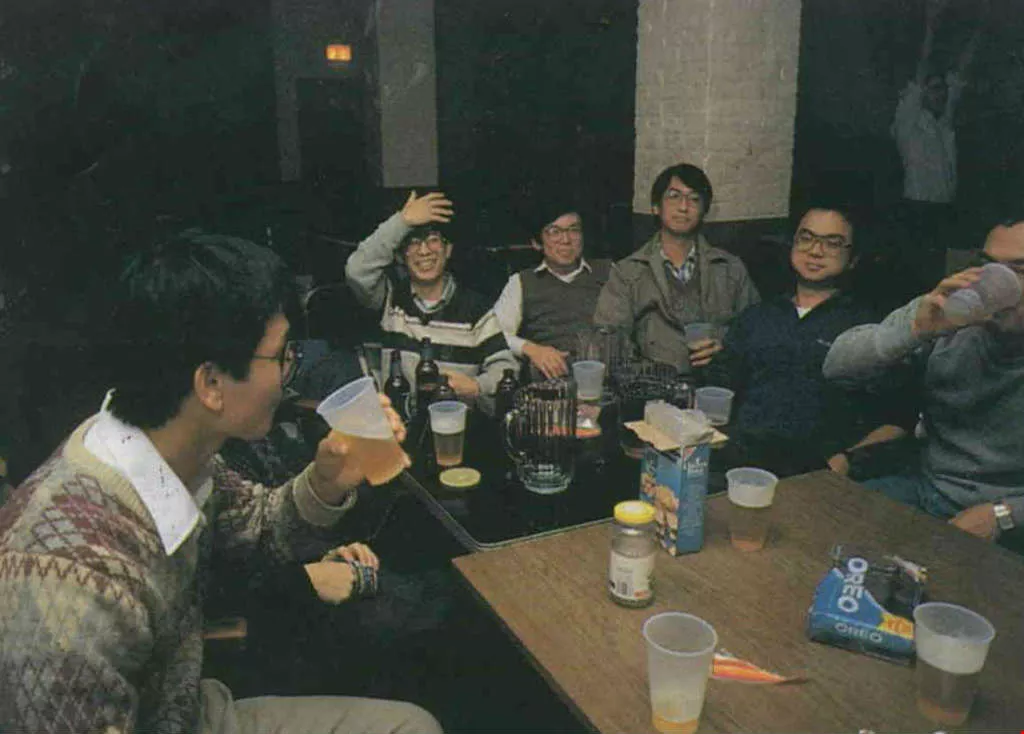
When a dormitory for graduate students throws its annual nickel beer night (five cents a glass), everyone comes for the fun.
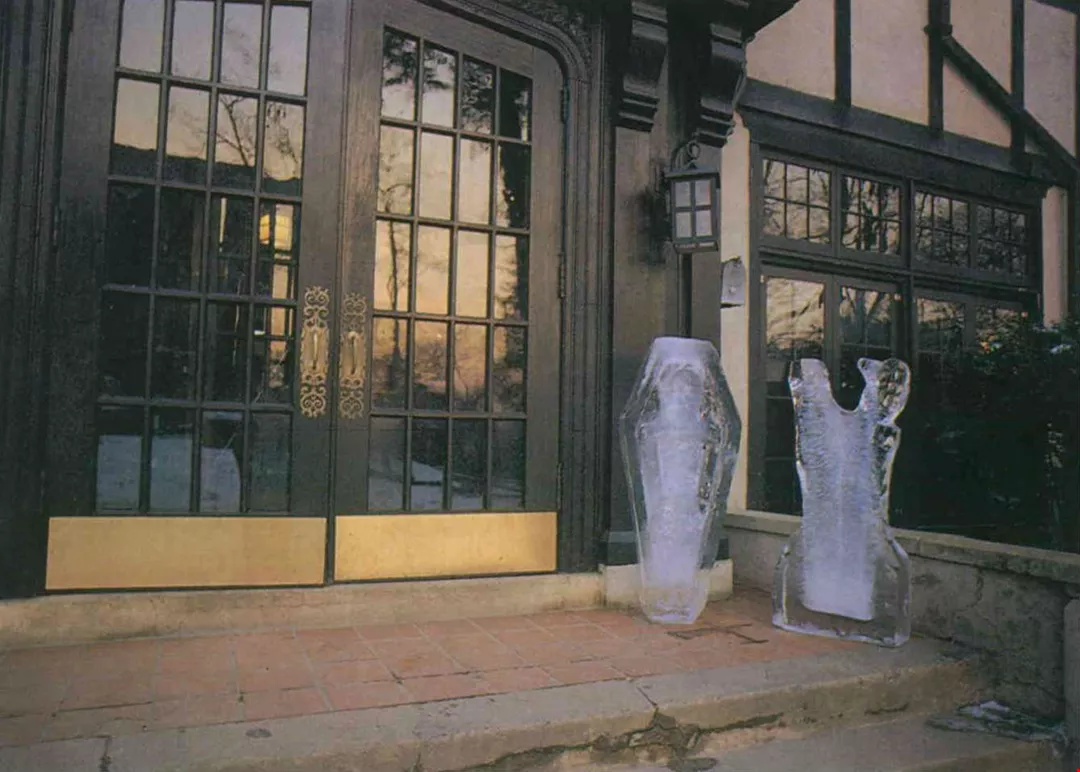
Isn't making ice sculptures on a winter's day creative, too?


@List.jpg?w=522&h=410&mode=crop&format=webp&quality=80)


