

Many overseas Chinese, even after years of living abroad, cannot forget their motherland. They therefore hope their children will be able to return to Free China to study and be exposed to traditional Chinese education and culture. Sinorama has received many letters from readers asking for information on higher education in the Republic of China. The editors have therefore decided to act as a bridge between Chinese in the ROC and those overseas by publishing a series of reports on universities in Taiwan. In November Sinorama introduced the National Taiwan University and in December, the National Chengchi University. This month the report is on the university which educates the nation's teachers, the National Taiwan Normal University (NTNU).
The NTNU is the ROC's highest institute for teacher training, and more than 1,000 graduates every year are sent to high schools all over Taiwan. At the university's 17 graduate institutes and 19 undergraduate departments, all tuition, board and lodging, books, uniforms and other items are provided free of charge. Because of this expenditure by the government, graduates must guarantee to teach for a set number of years, usually four. Although overseas Chinese are exempt, they often opt to stay in Taiwan after graduation, while the rest return to their countries of residence hopefully to teach, thereby helping to disseminate Chinese culture.
When the NTNU was established as the Provincial Taiwan Teachers' College in Taipei in 1946, it was housed in a high school built during the Japanese occupation of Taiwan. In 1955, its name was changed to the Provincial Taiwan Normal University and in 1961 it was finally established under its present name.
The authorities at the NTNU have long felt the need to expand the college's present small campus, but land is scarce in the immediate vicinity. Because of the cramped conditions, older buildings which should have been abandoned years ago are still being used. Conditions were improved to some extent when a branch was set up several kilometers away, and more recently, high- rise buildings were erected on the main campus to accommodate classrooms.
Among these are the Union Building, new dormitories, the Fine Arts Building, and the Industrial Education Building. Currently under construction are a Music Building and a new library. Since these new structures are all over 10 stories high, there is considerable space saving. NTNU President Kuo Wei-fan pointed out that in two years when all construction is completed, the school will have an entirely new look.
Students from central and southern Taiwan make up an unusually high proportion of those studying at the NTNU, and as a result many are not well-versed in the sophisticated ways of the city. Most are content to wear the school uniform, and appear introverted, conservative and shy. Admitting this is true to some extent, the students explain that their upbringing in rural areas and the time they have to put in studying, gave them little chance to engage in outside interests. Other students, however, claim that this general impression is drawn from only a small percentage of the whole student body.
Because of the space limitations, the College of Science is located at the branch campus. The women's dormitory is among the newest and most pleasant buildings. Students live five to a suite each having its own bathroom. Public buses run between the two campuses.
The College of Education can be said to be the most representative of NTNU's colleges, as its students are those most interested in being professional educators. The College of Education is also the school's largest, with eight departments and seven graduate institutes. Currently, all educational administrators and school principals are graduates of the Department of Education. NTNU is also the alma mater of nearly all the ROC's teachers of physical education. Apart from courses in physical education, students must undergo theoretical instruction in sports injuries, first aid, and methodology.
The Department of Industrial Education was formerly divided into two divisions, industrial art education and industrial education. Industrial art graduates teach at normal high schools while graduates of the industrial education division teach at technical high schools. To meet the increasing demand for industrial educators, this department is the largest in NTNU with an enrollment of more than 500 students. Because there are so many students, the industrial arts division was made independent this year and established as part of the College of Fine and Applied Arts. The Department of Industrial Education is still the school's largest, however.
The College of Arts has four departments--Chinese, English, History, and Geography. The Department of English is probably the most well known, with top flight faculty and students. Chairman of the department, Huang Tzyh-lai, commented that of students who enter the department, two-thirds have made NTNU their first choice, and their test scores are even higher than those at the National Taiwan University's Department of Foreign Languages. Emphasis is placed on comprehension, speaking, reading, and writing as the department's main objective is to produce teachers. Since requirements are strict, and the pressure is great, 10 percent of all students have to re-take courses in which they have failed.
Those majoring in Chinese consider that their department has the best faculty of all. Assistant Professor Wu Sheng-hsiung remarked that professors have a great influence over their students. The faculty of the Chinese Department are not only learned, but also considerate of their students' needs.
The College of Fine and Applied Arts has three departments--Fine Arts, Music, and Industrial Art. The departments of Fine Arts and Music are the oldest of their kind in the ROC, and many of the country's musicians and artists are graduates. Because art and music students must pay more for books and materials, they often find part-time jobs. For most it is easy to find work tutoring school children, but others join publishing, magazine, and record companies, thus getting on-the-job experience in addition to a salary. Since many members of the faculty of the Fine Arts Department are graduates of the department, they are aware of the problems faced by students. They have different ideas on how to teach, and this has led to greater creative freedom within the department.
A special problem at NTNU involves students who enter and later decide they are not interested in a teaching career. On the other hand, there are those students who enter other institutions, and then decide they want to teach. Now under consideration are plans to allow free transfers into the NTNU, while those who want to leave for other colleges will have to pay a small tuition fee.
The country needs talented people in many fields and perhaps above all in teaching. Over its 30- year history, NTNU has been the major center for the training of educators, and its contribution has been invaluable.
[Picture Caption]
1. The National Taiwan Normal University trains teachers. In this photo a student tries out teaching. 2. The NTNU campus is located in a high school built during the period of Japanese occupation. Here is the main gate. 3. Students at the public announcements bulletin board. 4. Although the campus is small there are trees everywhere. 5. New construction has begun across the street from the main campus shown here.
1. Preparing for exams, students quietly read while waiting for the library to open. 2. The auditorium is one of the oldest buildings on campus. 3. The area around the library is one of the loveliest on campus. Students are often seen strolling here. 4. Courtship is considered a "required course" by students. 5. Students are encouraged to take part in extracurricular activities like this play. 6. NTNU students treat their professors with respect. 7. Buildings on the campus are all constructed of red brick. Although they are old, buildings still possess the beauty of simplicity. 8. Students chatting after class.
1. The Art Building is one of the new buildings on campus, it houses the Department of Fine Arts. 2. The Union Building is used for both school and private functions. 3,4. In intramural sports the Department of Physical Education usually finishes on top. 5. The NTNU gymnasium is another older building. 6. Students of the Chinese Department playing basketball.
1. Many fine teachers have graduated from the Department of Music. 2. "Life Drawing" is a required course for all art majors. 3. The bicycle is the principal means of transportation around campus. 4. School President Kuo Wei-fan has worked hard to improve the educational facilities on campus. 5. The library has been computerized.
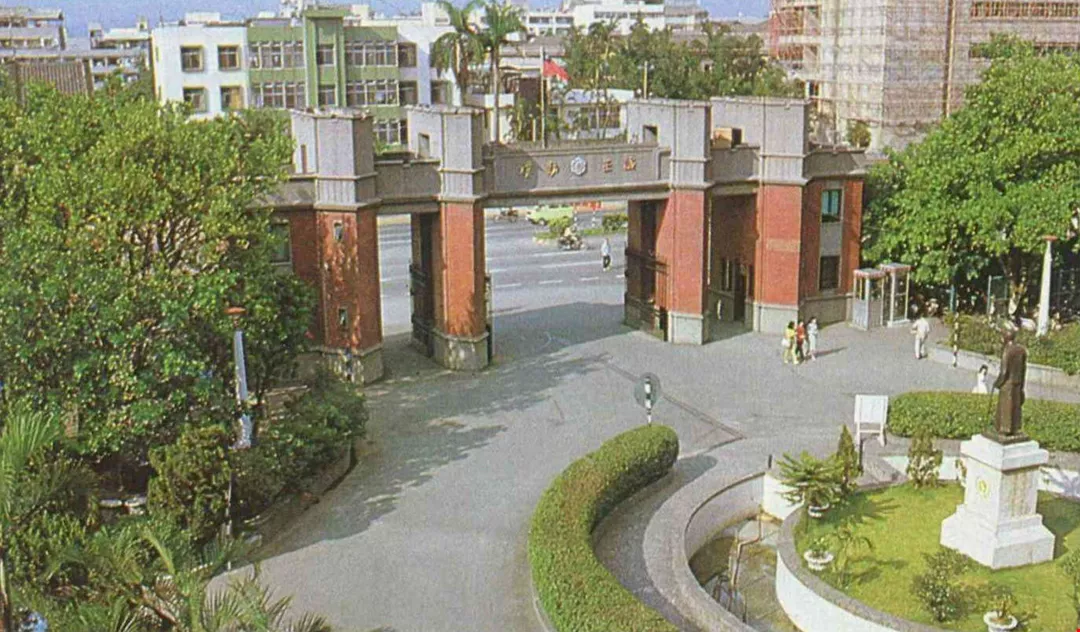
The NTNU campus is located in a high school built during the period of Japanese occupation. Here is the main gate.
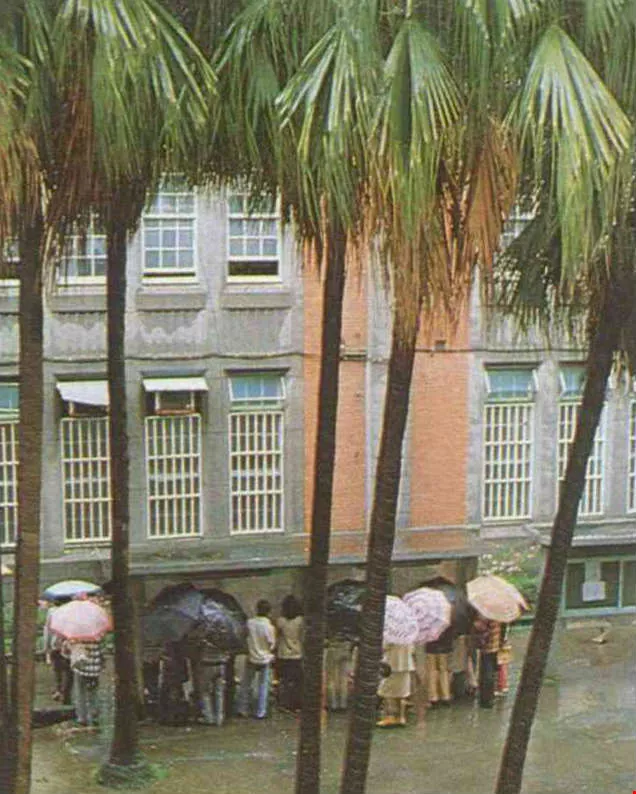
Students at the public announcements bulletin board.
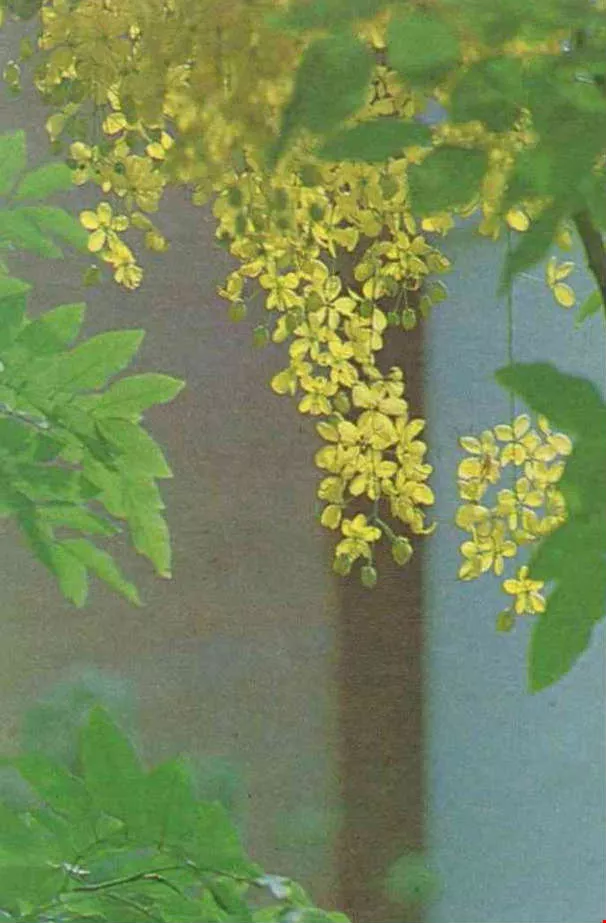
Although the campus is small there are trees everywhere.
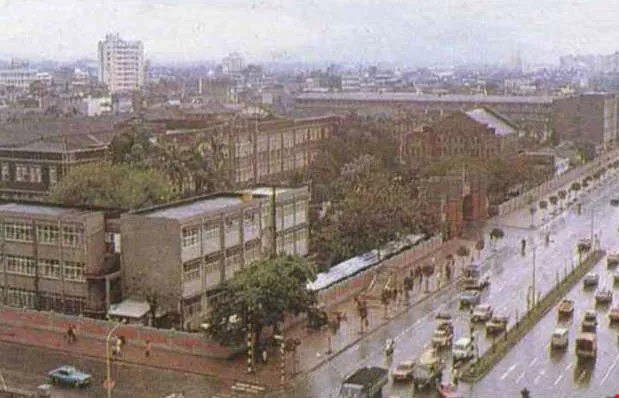
New construction has begun across the street from the main campus shown here.
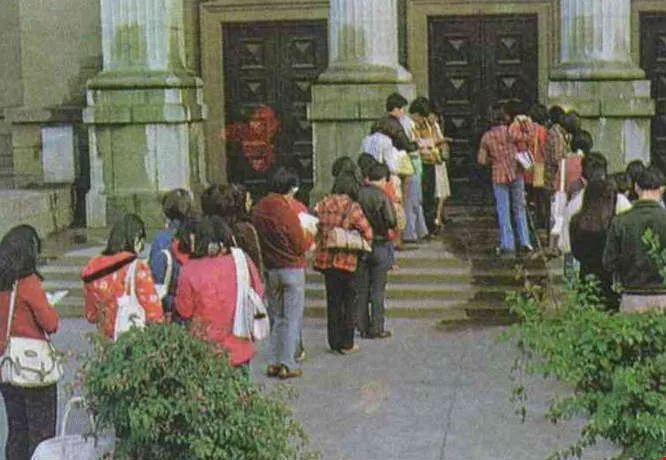
Preparing for exams, students quietly read while waiting for the library to open.
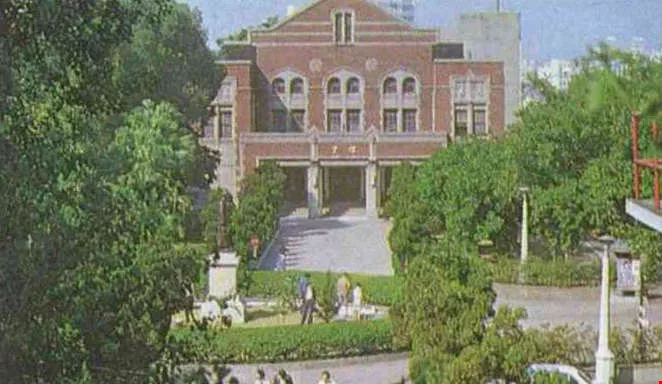
The auditorium is one of the oldest buildings on campus.
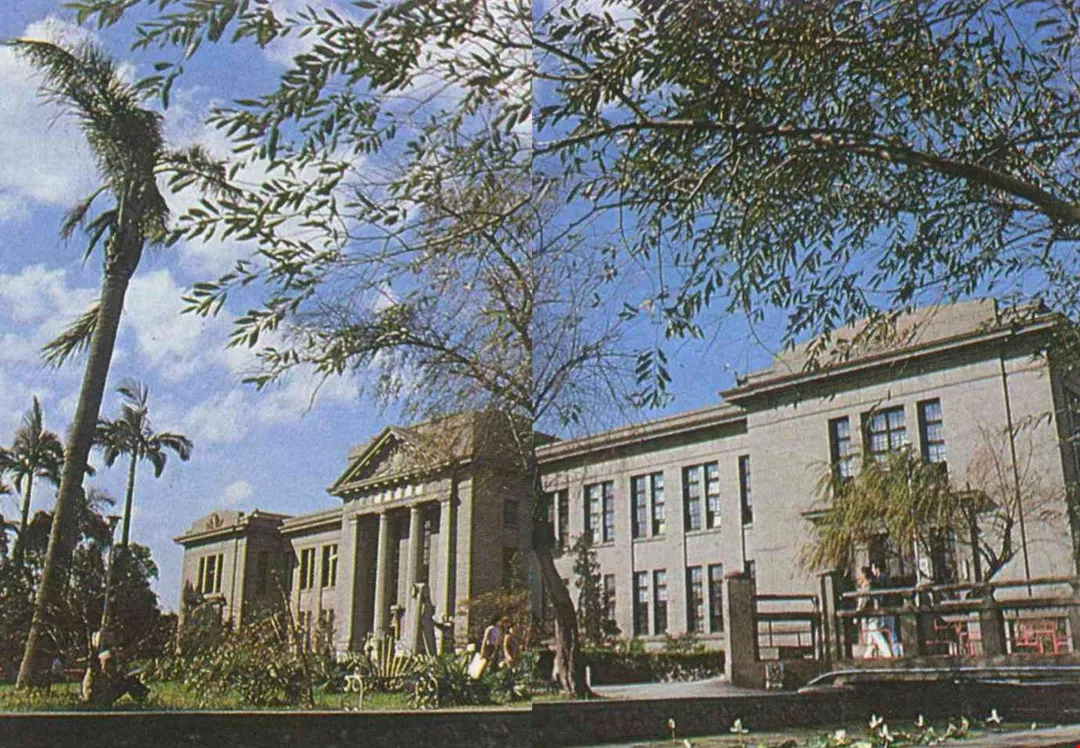
The area around the library is one of the loveliest on campus. Students are often seen strolling here.
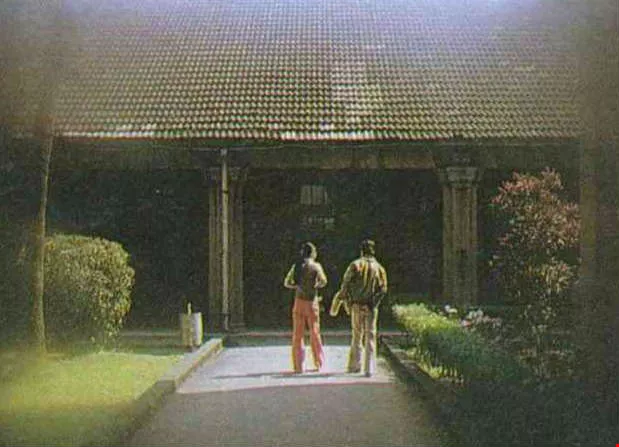
Courtship is considered a "required course" by students.
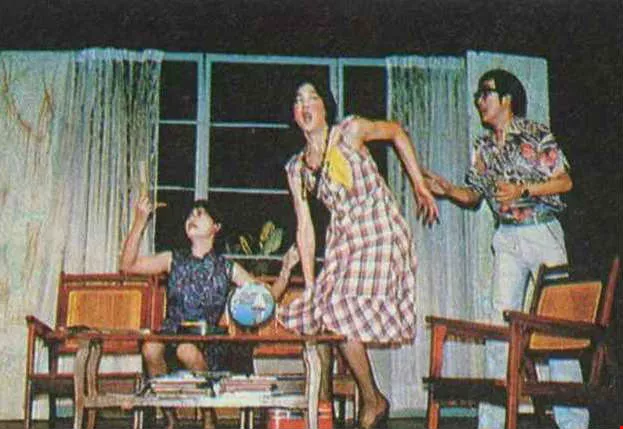
Students are encouraged to take part in extracurricular activities like this play.
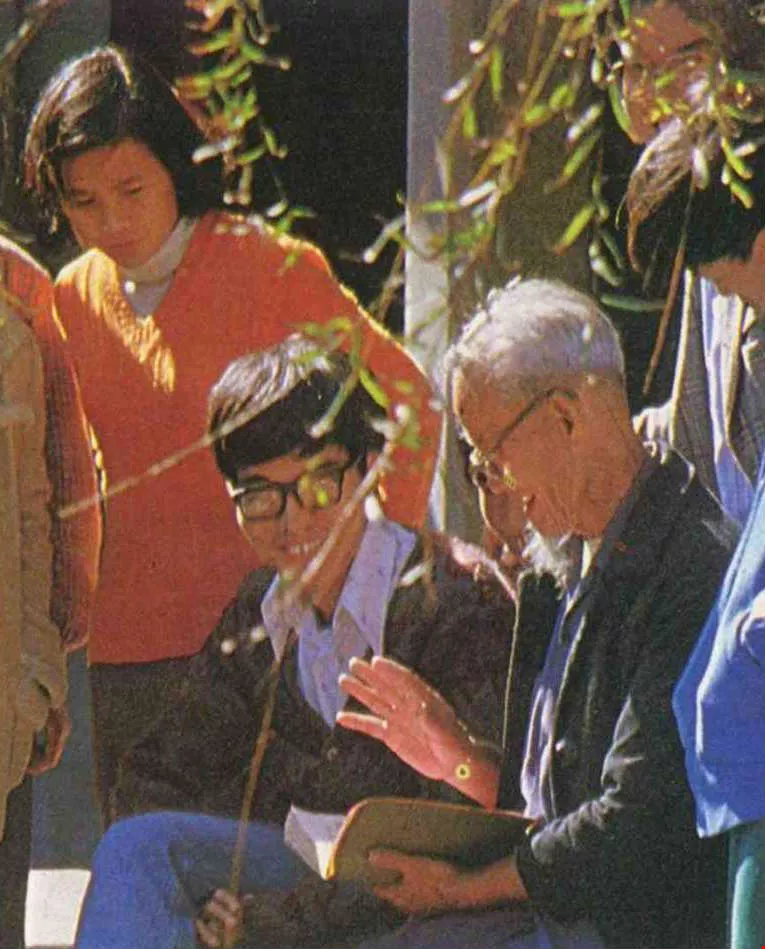
NTNU students treat their professors with respect.
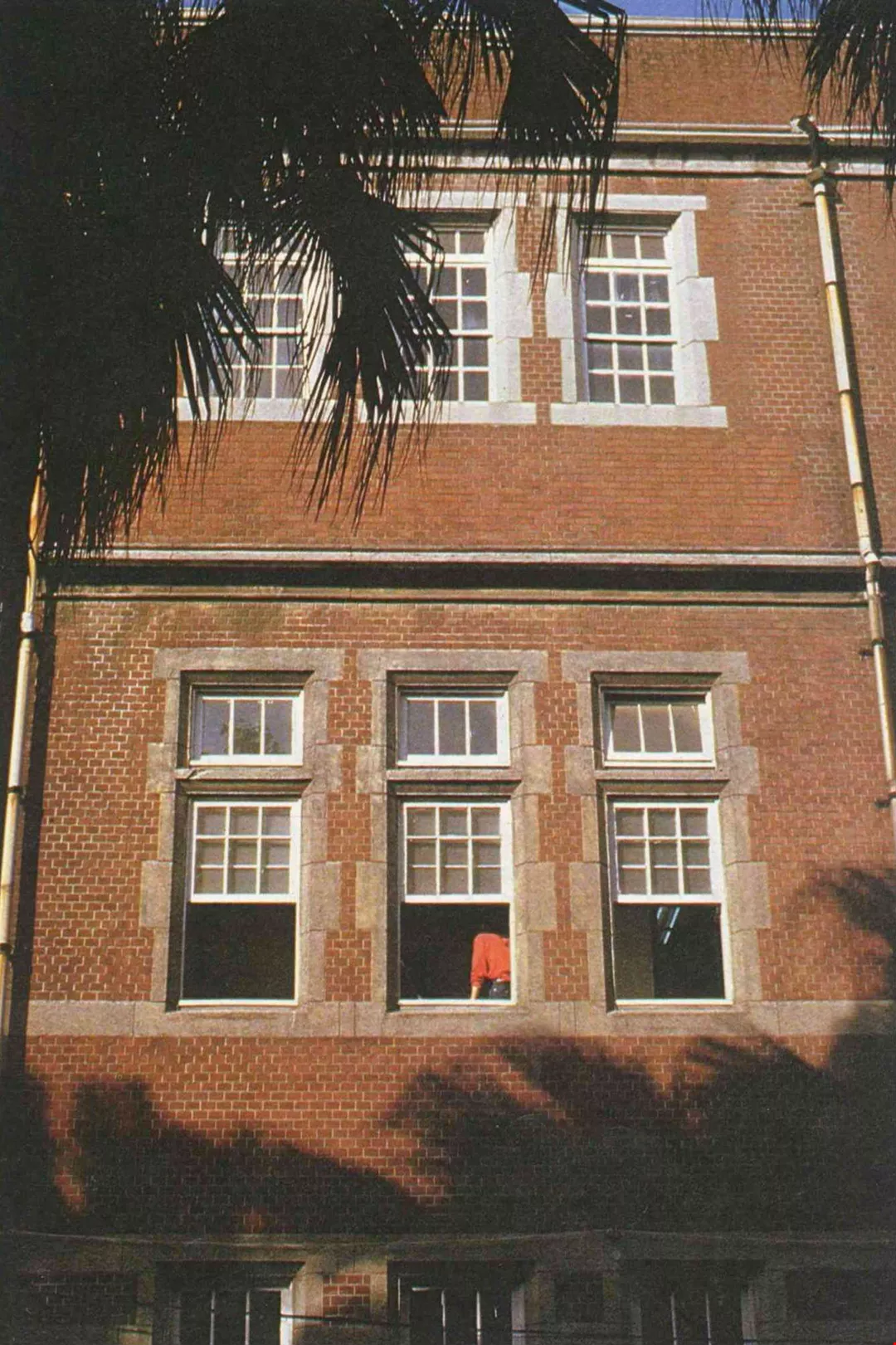
Buildings on the campus are all constructed of red brick. Although they are old, buildings still possess the beauty of simplicity.
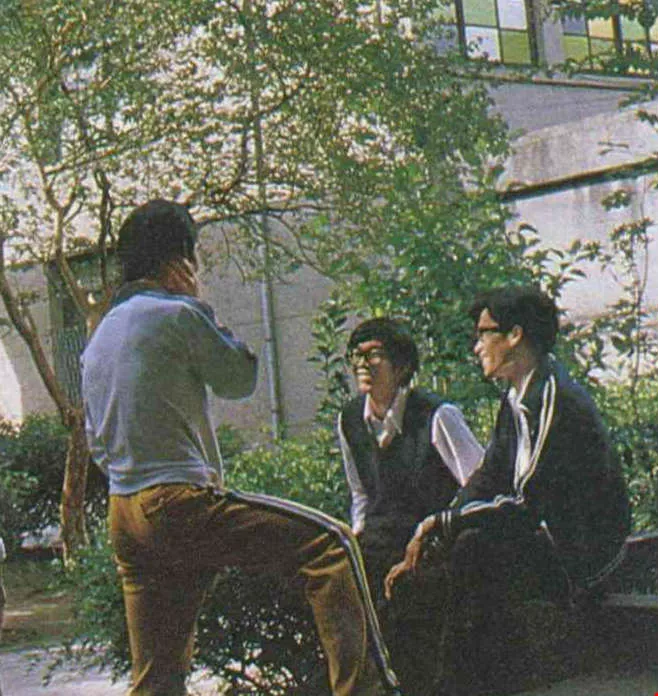
Students chatting after class.
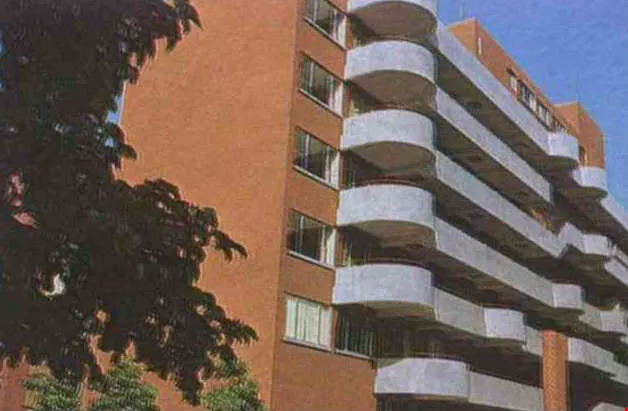
The Art Building is one of the new buildings on campus, it houses the Department of Fine Arts.
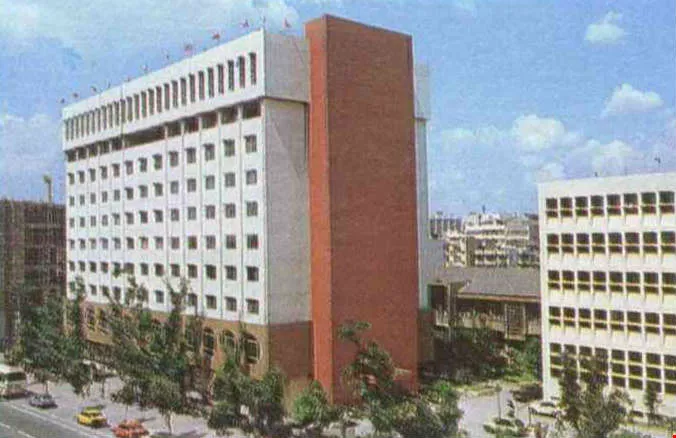
The Union Building is used for both school and private functions.
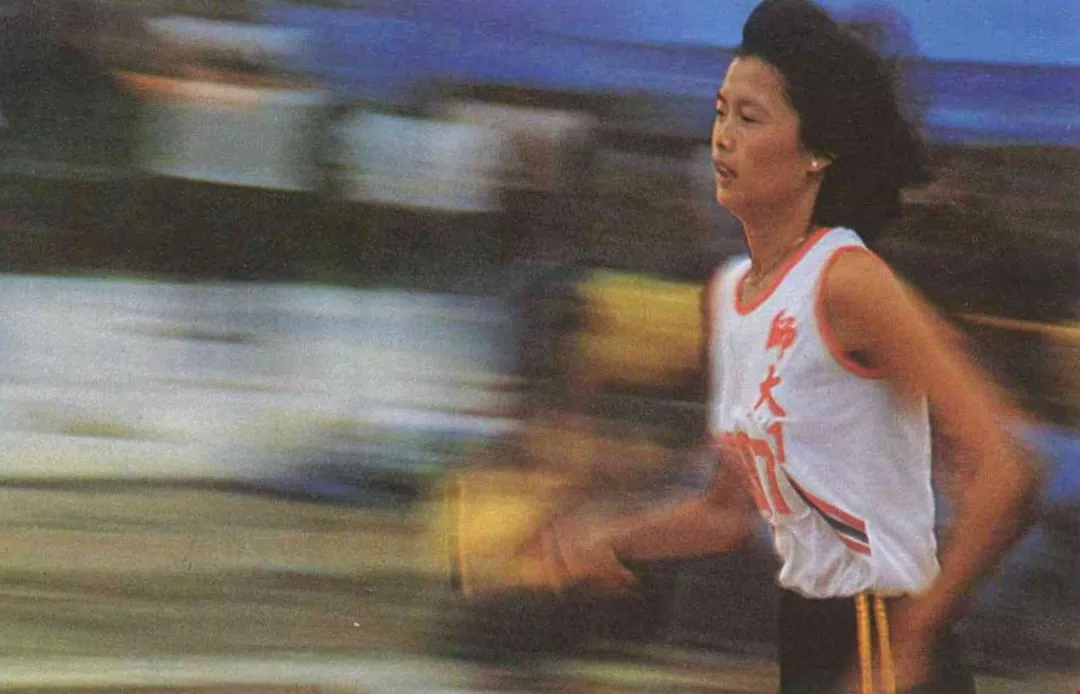
In intramural sports the Department of Physical Education usually finishes on top.
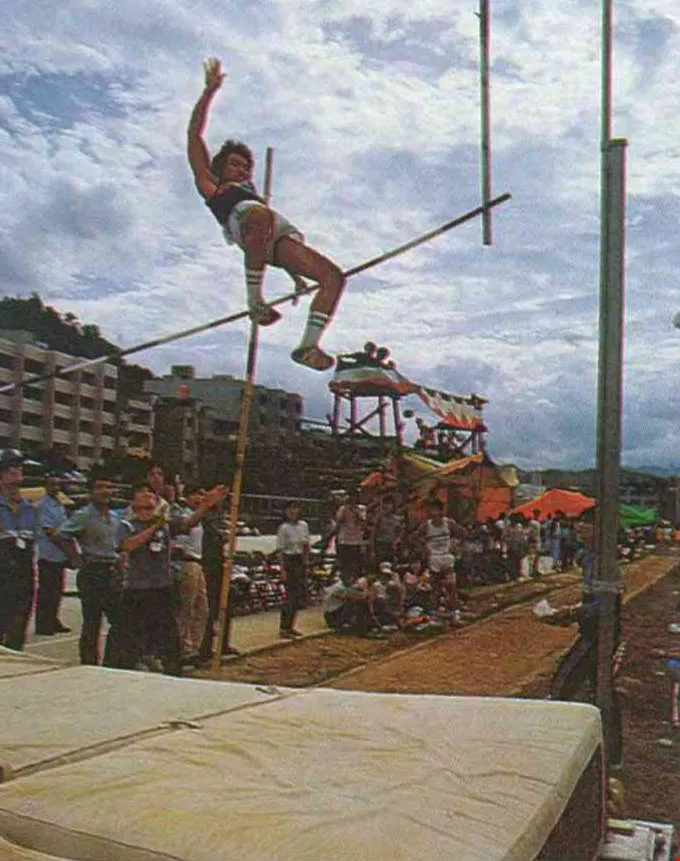
In intramural sports the Department of Physical Education usually finishes on top.
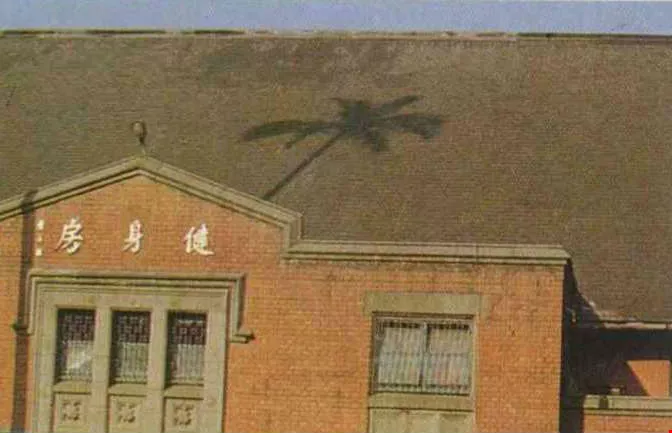
The NTNU gymnasium is another older building.
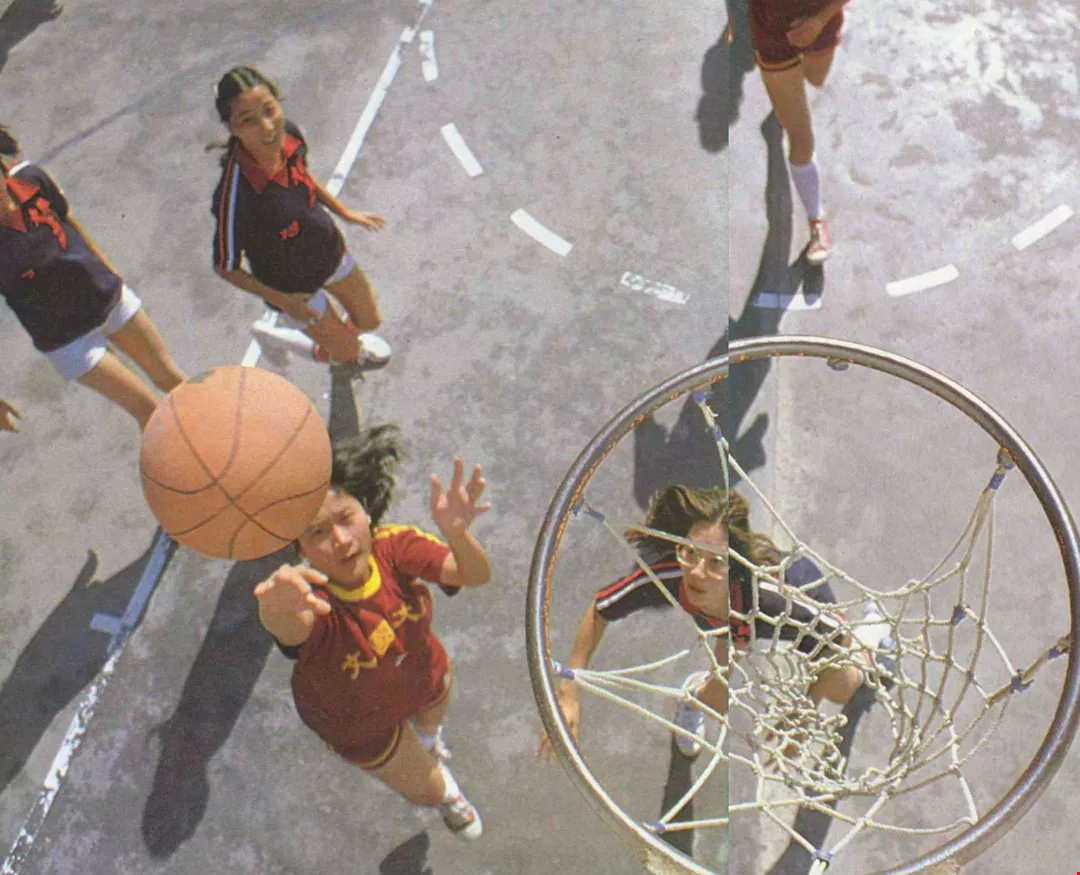
Students of the Chinese Department playing basketball.
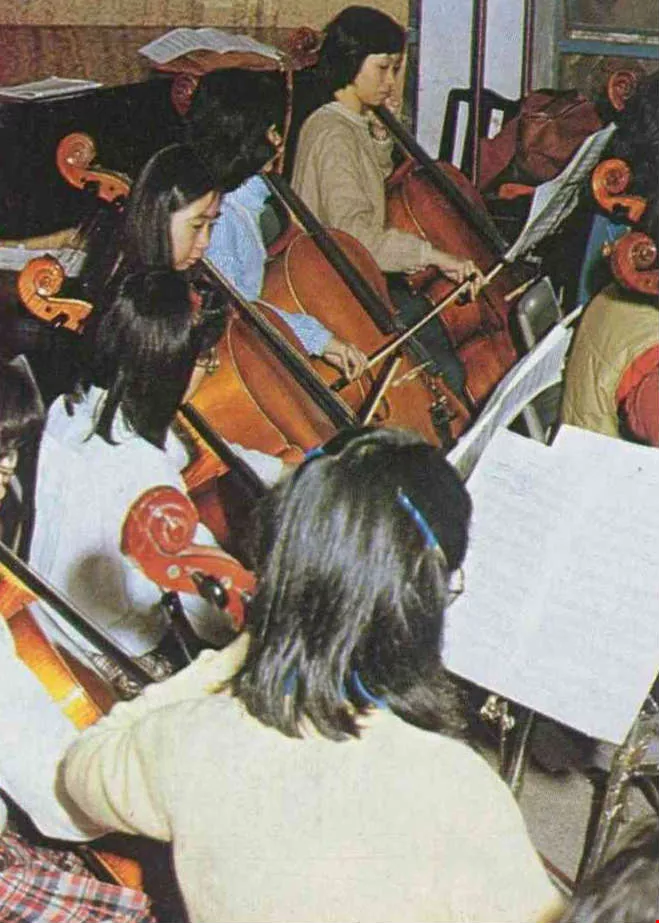
Many fine teachers have graduated from the Department of Music.
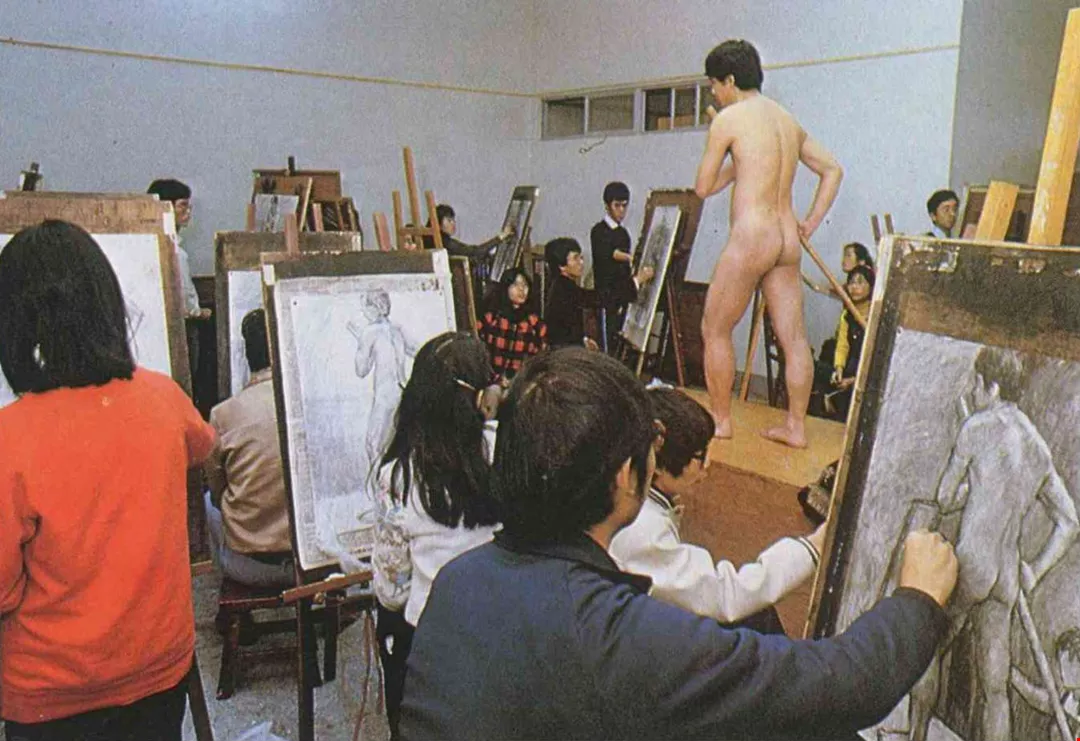
"Life Drawing" is a required course for all art majors.
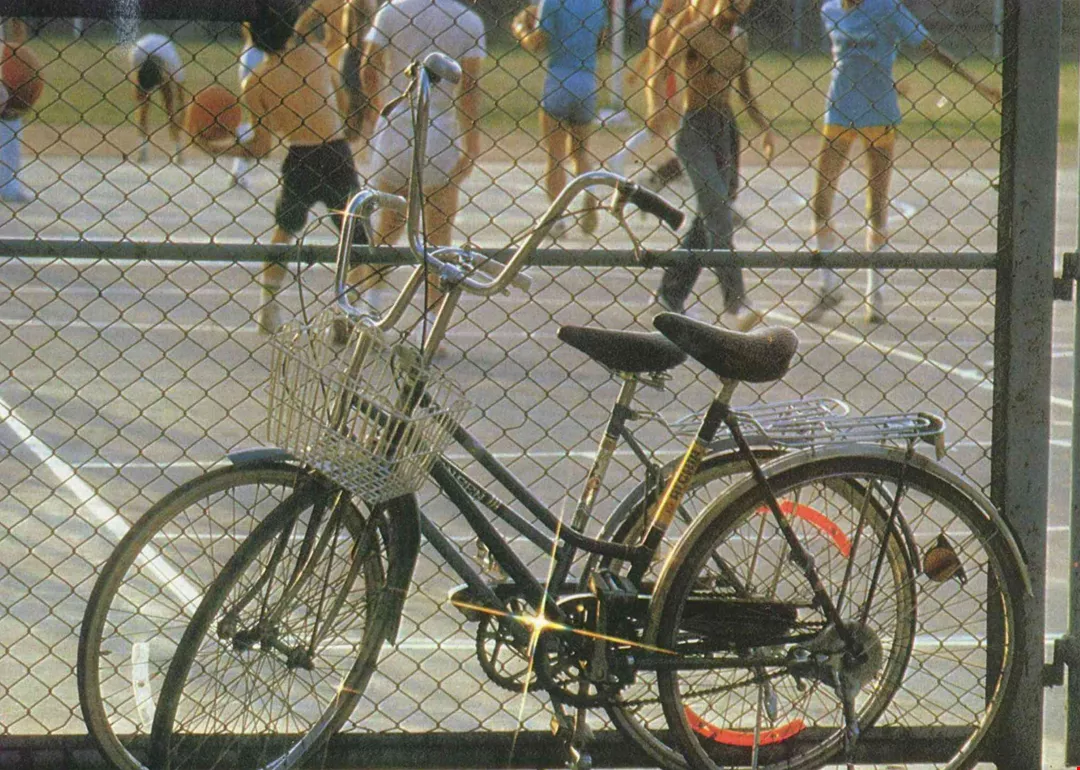
The bicycle is the principal means of transportation around campus.
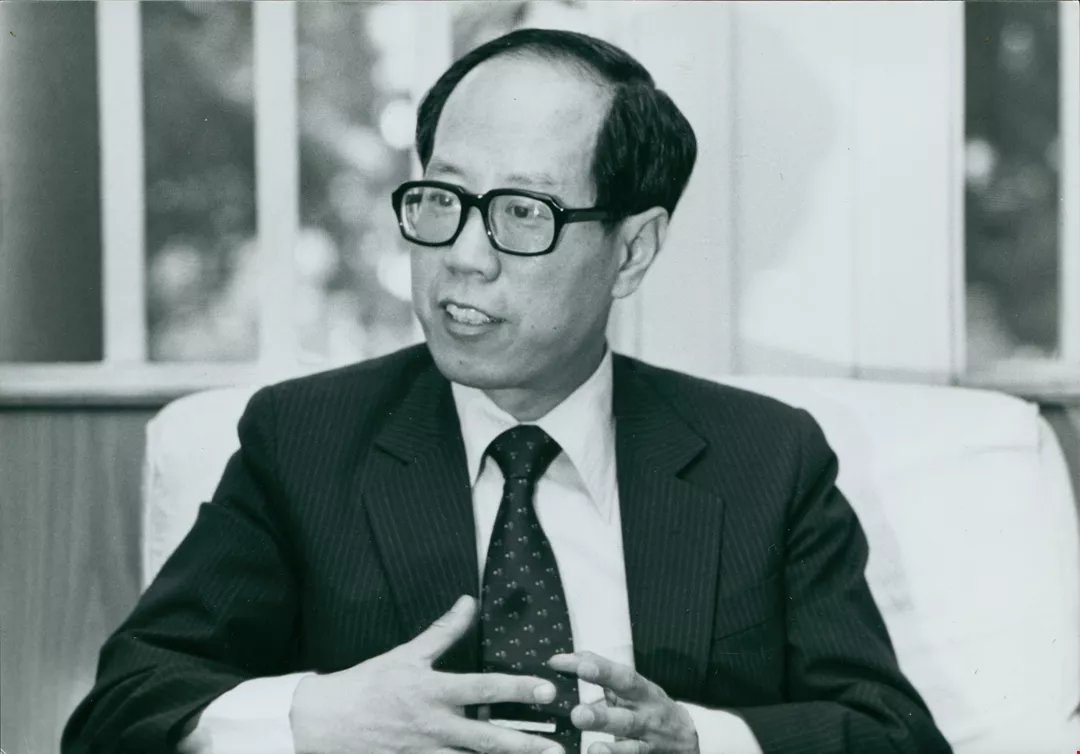
School President Kuo Wei-fan has worked hard to improve the educational facilities on campus.
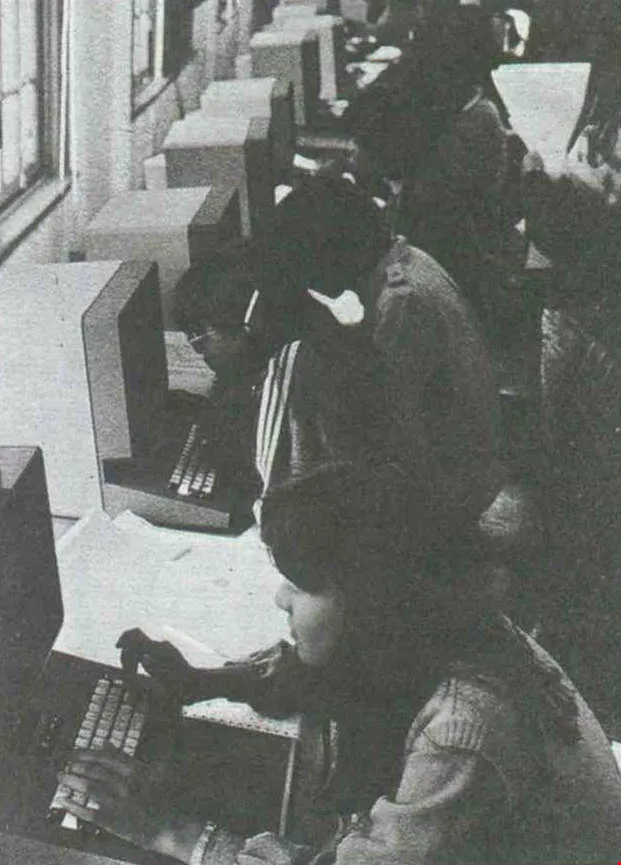
The library has been computerized.


@List.jpg?w=522&h=410&mode=crop&format=webp&quality=80)


