

No limit is set on the number of outpatients treated each day at the Taiwan Provincial Tainan Hospital. As long as a patient registers before 11 a.m., the hospital will provide the necessary treatment. Said Superintendent Chen Chin-shu: "We treat 800 outpatients daily, which actually exceeds our capacity, but as the main public hospital in southern Taiwan, we have the responsibility to help everyone who needs it."
The hospital serves a large and populous area, including all the counties between Pingtung and Chiayi. Some patients come from remote rural areas, and it would be unfair to limit the number of outpatients, Chen said. The hospital's staff and facilities are sometimes pushed to their limits to provide this service to the public.
Located in the center of Tainan city, the ancient capital of Taiwan, the Taiwan Provincial Tainan Hospital is now housed in a nine story building in Chinese style, somewhat reminiscent of Taipei's Grand Hotel. Originally founded in 1896 the hospital was destroyed by allied bombers during World War Ⅱ. Although the buildings were repaired, by the late 1950s the facilities were felt to be inadequate. The current building was financed by selling 184 hectares of the hospital's land.
Although the hospital provides treatment to a large number of outpatients, the turnover of doctors is surprisingly low. One reason for this is the fact that more than 90 percent of the doctors are natives of southern Taiwan.
Doctors never forget that progress is made in medical science every day. There is a saying among the medical students in Taiwan that one must keep up with the latest developments, since what one learned five years ago is already outdated. Thus, when medical graduates in Taiwan seek employment they invariably take into consideration the research environment of their potential employer. The Taiwan Provincial Tainan Hospital attracts many of Taiwan's best doctors because it provides excellent opportunities for on-the-job research, and regularly sends doctors to large hospitals overseas, as well as providing the best facilities in southern Taiwan.
Superintendent Chen explained that the hospital has a responsibility to provide medical services that are beyond the resources of private hospitals. And in order to maintain its position as the leading hospital in Tainan, Chen does everything in his power to ensure that it has the best staff and equipment.
A special task for new doctors is to support the health departments in the countryside. This provides an excellent opportunity for interns to gain broad experience as general practitioners. More complex cases are referred to the hospital for treatment.
Every Friday, special seminars are conducted at the hospital by leading professors from such renowned teaching hospitals as the National Taiwan University Medical School Hospital and the Veterans' General Hospital. Both doctors and nurses are required to attend short-term training courses each year.
By acquiring the most up-to-date equipment, the hospital has kept up with the best in northern Taiwan.
One reason for the large number of patients at the hospital is that it caters to all public servants and workers who have medical insurance, and to a large number of low-income patients. According to Chen, patients with medical insurance account for two-thirds of all outpatients, and one-third of all inpatients.
In general, doctors at public hospitals receive lower pay than those in private practice, and research funding is limited. Explained Chief Surgeon Liou Jung-chan, "It is a common complaint that public hospitals don't do enough research work. But their main priority is to provide treatment, so requests for purely research oriented equipment come second." In spite of this, the Taiwan Provincial Tainan Hospital is able to satisfy most of its doctors' research requirements.
The Taiwan Provincial Government permits doctors at public hospitals to engage in their own practice after working hours to supplement their incomes. The theory is that all work done by doctors is beneficial.
Superintendent Chen is optimistic that the problem of a shortage of doctors will be solved soon. "Beginning next year, government sponsored students from the Yang Ming Medical College will be obliged to serve in public hospitals after they complete their military service," he said.
Internal medicine is the hospital's largest department. In all there are six divisions, including the heart disease center and the gastrointestinal center, which are the department's busiest.
From 1971 to the present, the number of babies delivered by the obstetrics department has risen from 40 a month to 170 on average. This increase is a reflection of the fact that more and more mothers are using the facilities, rather than of a failure of birth control programs.
The increase in the number of head injuries resulting from motorcycle accidents has placed great demands on the neurosurgery department. Chief neurosurgeon Tsai Ming-sheng pointed out that many injuries could be prevented if more motorcyclists wore crash helmets. Standards of patient education at the hospital have received high praise. Two of the most common adult diseases in Taiwan are diabetes and high blood pressure. Chief Internal Medicine surgeon Wu Chung-lang, pointing out that most patients are over 40, said that effective patient education can prevent deterioration of conditions.
The patient education program, instituted last year, has not only helped patients become more familiar with the symptoms and causes of disease, but has also raised staff morale. The program has brought staff and patients closer together, and for this reason staff members have a greater sense of achievement.
Because what is known as black foot disease is more prevalent in southern Taiwan, the Provincial Government has designated the Taiwan Provincial Tainan Hospital as the major center for treating it. In recent years, however, improvements in the quality of drinking water have reduced the incidence of the disease.
An emergency center will soon be built to reduce the pressure on existing facilities, and a newly established medical school at the National Cheng Kung University in Tainan will provide more doctors, enabling the hospital to increase its standards of medical service.
[Picture Caption]
1. This picture shows the beauty of the hospital which is in the same architectural style as Taipei's Grand Hotel. 2. The clearly written directions in the outpatients' reception area make it easier to get fast treatment. 3. Special training seminar which was attended by doctors and nurses from all over Taiwan. 4. The old Banyan tree in the foreground attests to the hospital's long history. 5. A doctor using a gamma ray scope to see if the patient has ingested any foreign organisms. 6. A gamma ray scope used for the external examination of patients. 7. Free blood pressure clinic.
1. Posters on how to prevent disease. 2. A patient reading a newspaper in the yard. 3. The beautiful grounds encourage the patients to relax outside. 4. Cartoons cover the walls of the Children's Ward.
1. Hospital superintendent Chen Chin-shu. 2. Hospital vice-superintendent Lin Mao. 3. Chief Internal Medicine surgeon Wu Chung-lang. 4. Chief surgeon Liou Jung-chan. 5. Volunteers, students of Cheng Kung University distributing reading material to patients.
1. After amputation due to Black Foot Disease, the limb is treated with heat therapy to speed up the patient's recovery.
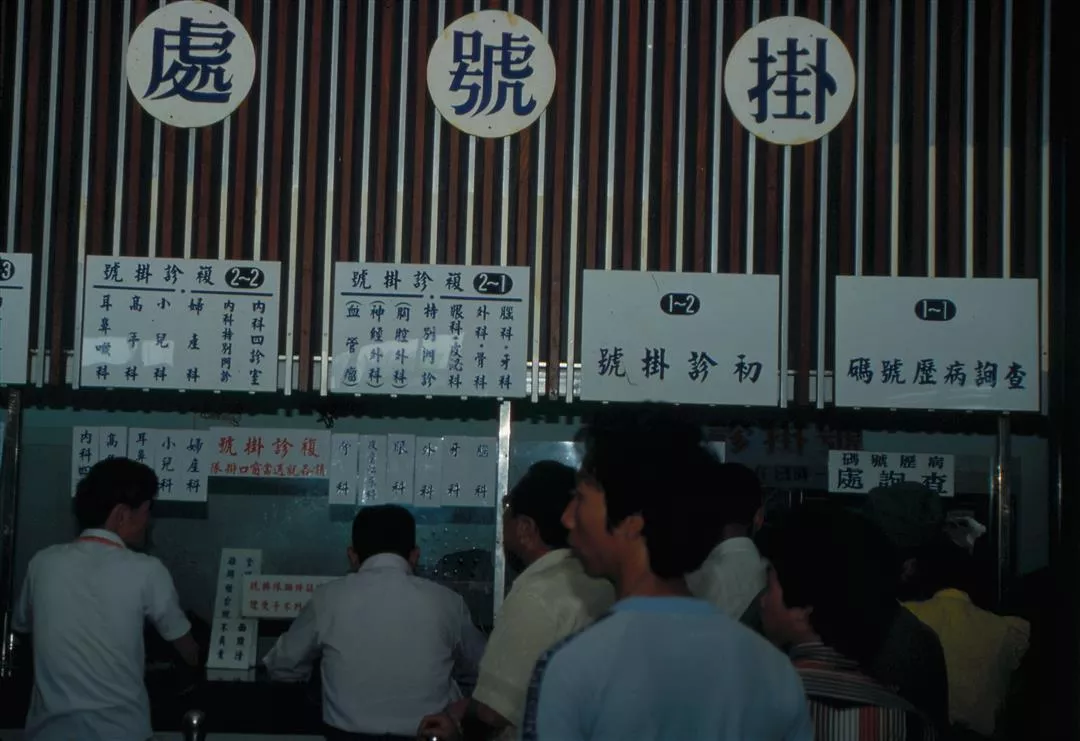
2. The clearly written directions in the outpatients' reception area make it easier to get fast treatment.
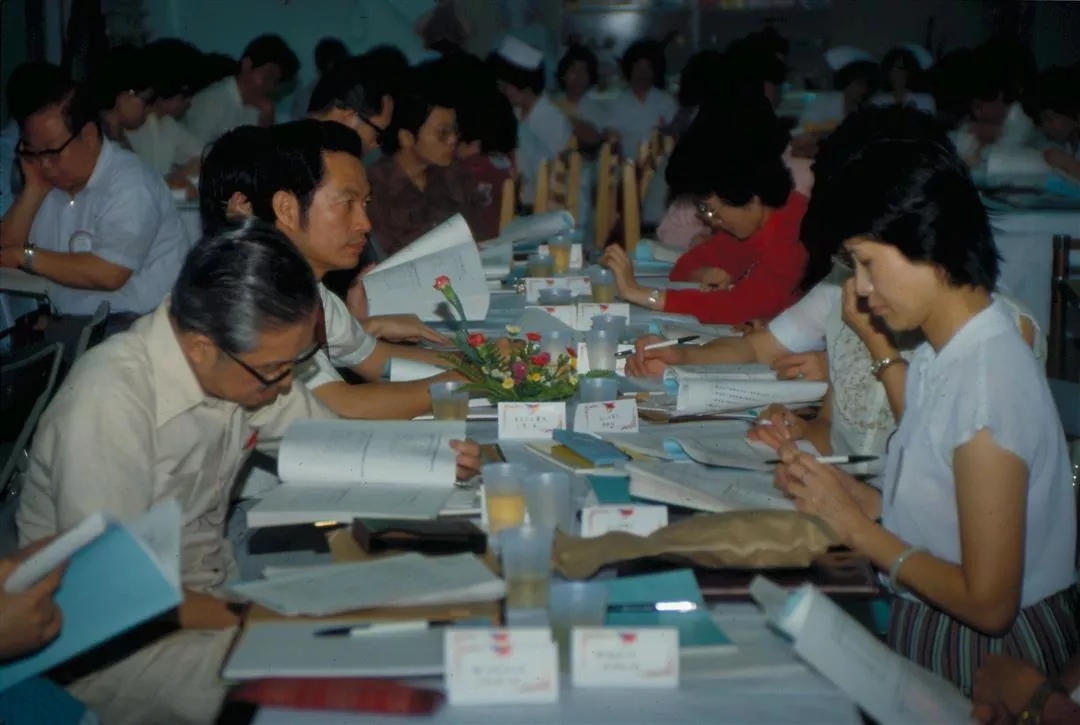
3. Special training seminar which was attended by doctors and nurses from all over Taiwan.

4. The old Banyan tree in the foreground attests to the hospital's long history.
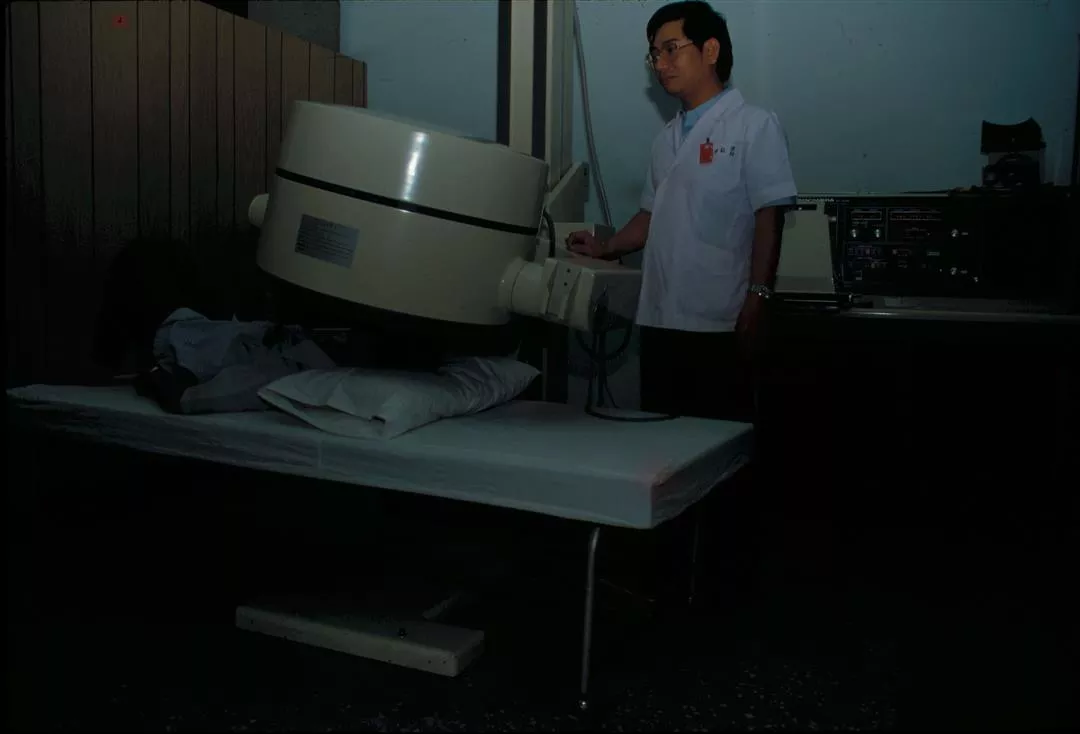
5. A doctor using a gamma ray scope to see if the patient has ingested any foreign organisms.
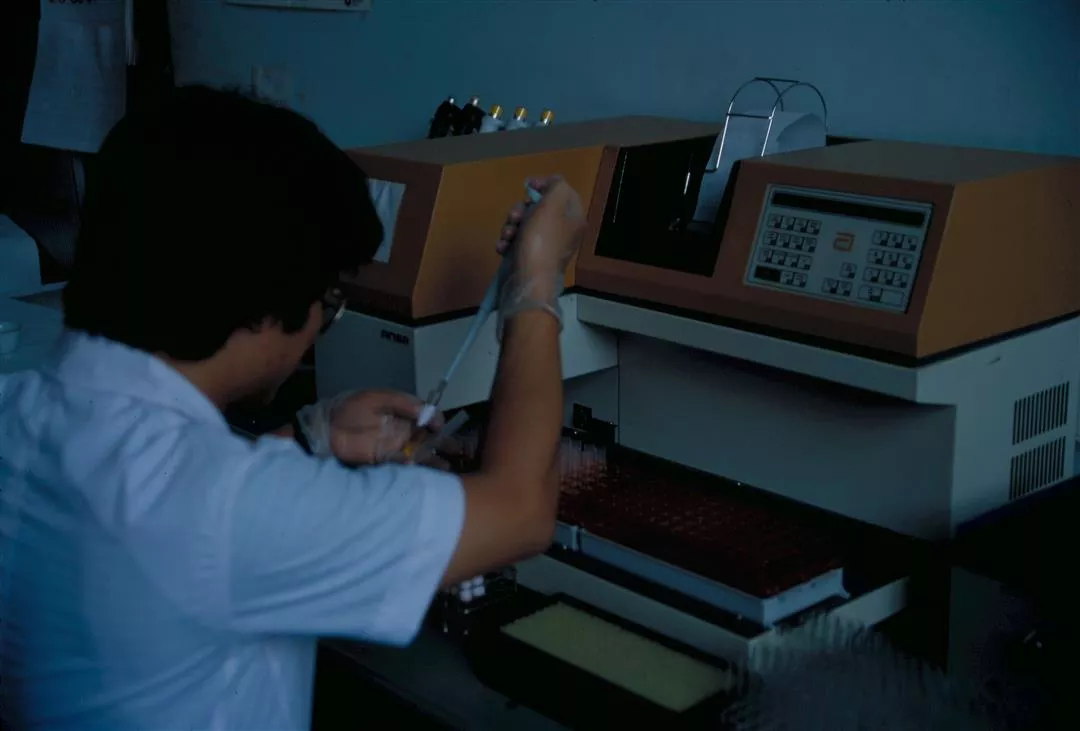
6. A gamma ray scope used for the external examination of patients.
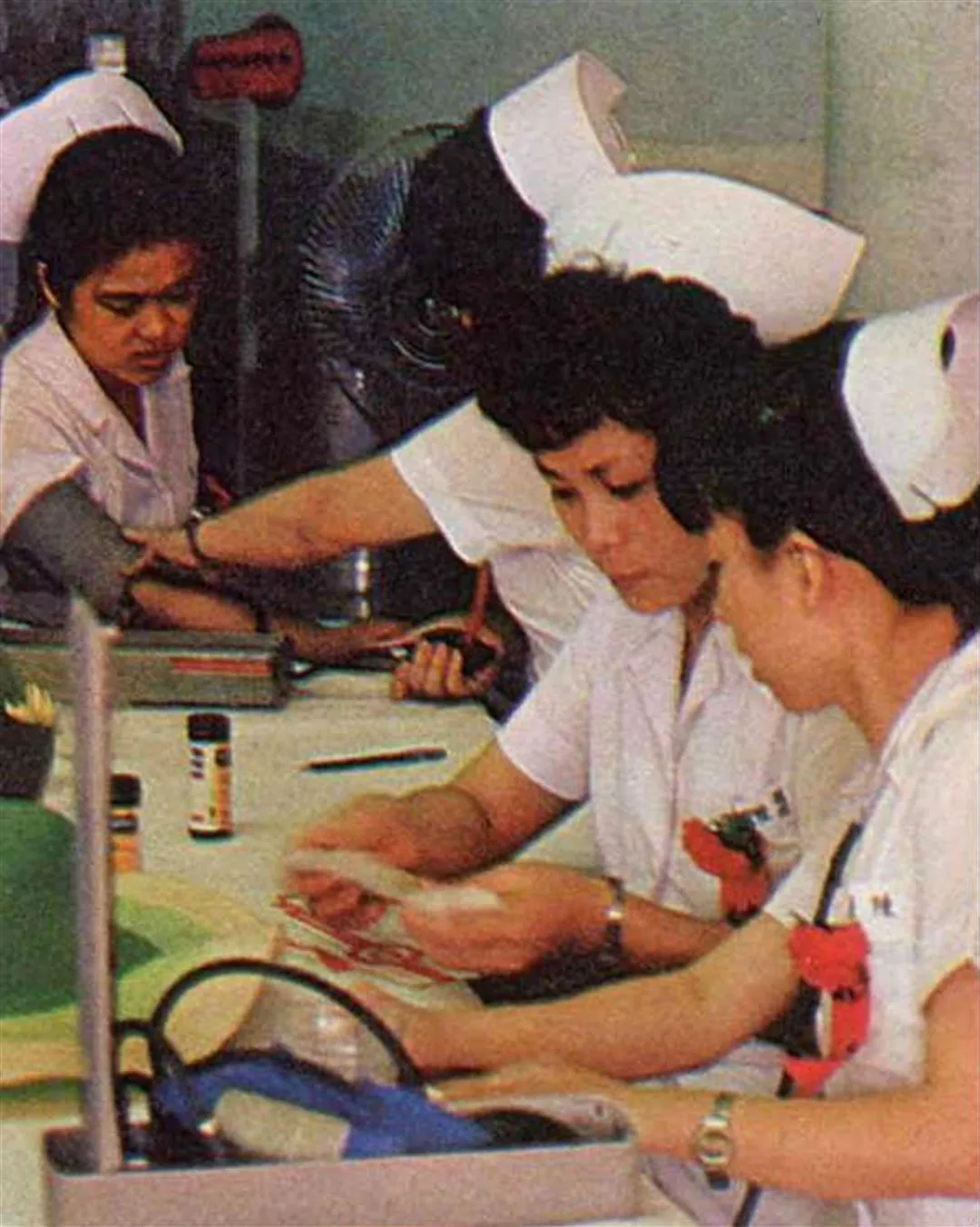
7. Free blood pressure clinic.

1. Posters on how to prevent disease.
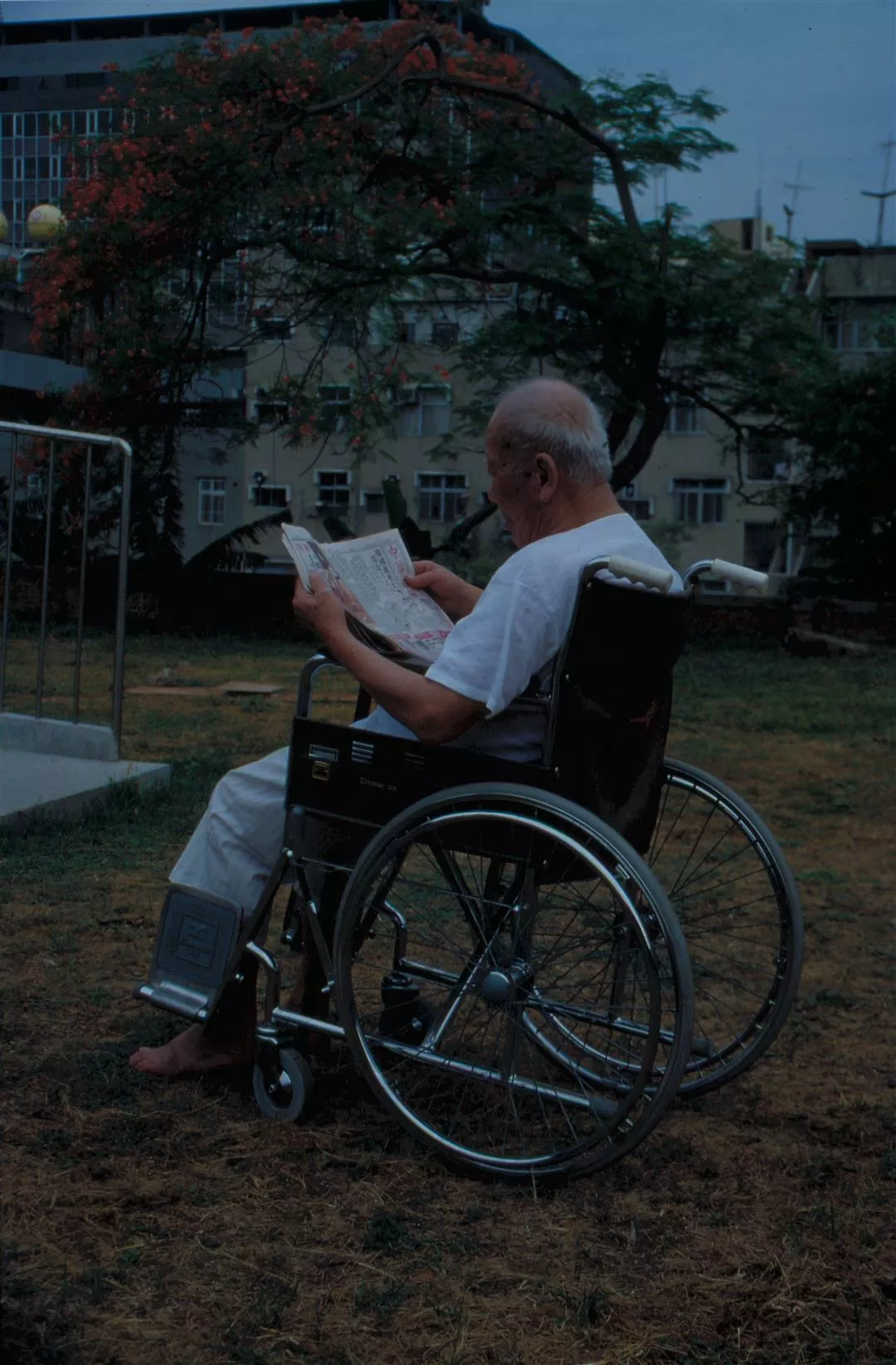
2. A patient reading a newspaper in the yard.

3. The beautiful grounds encourage the patients to relax outside.
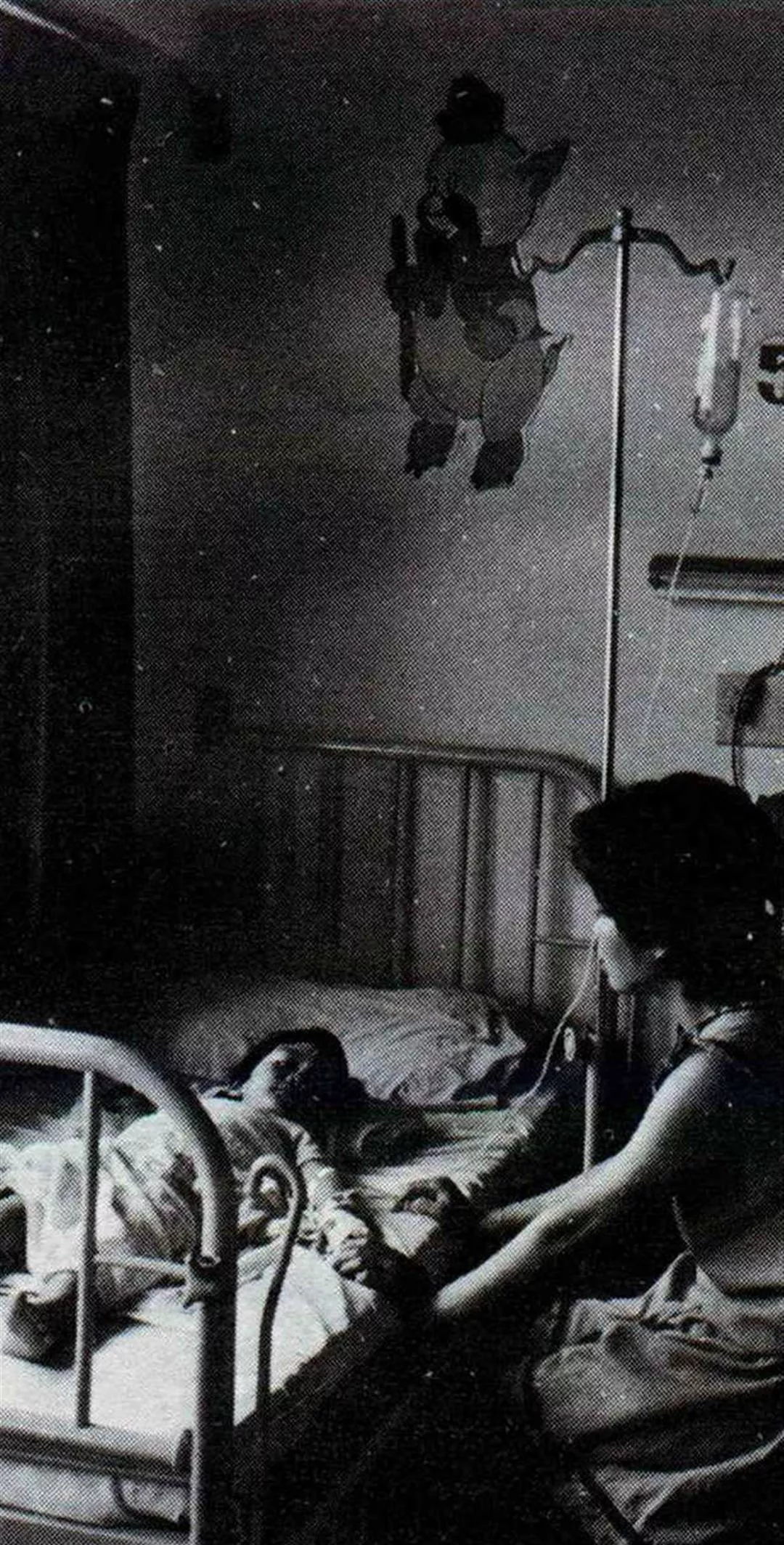
4. Cartoons cover the walls of the Children's Ward.
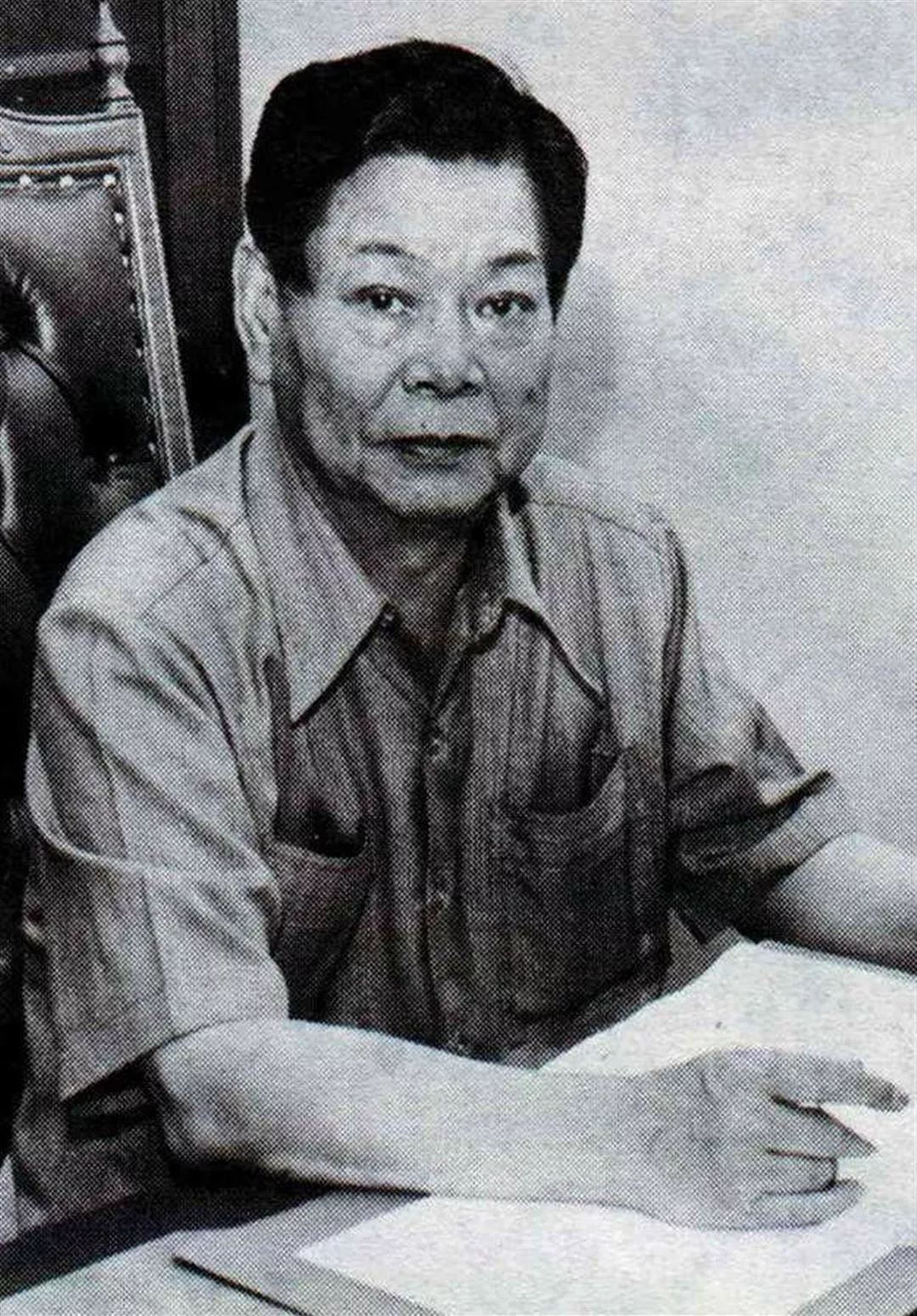
1. Hospital superintendent Chen Chin-shu.
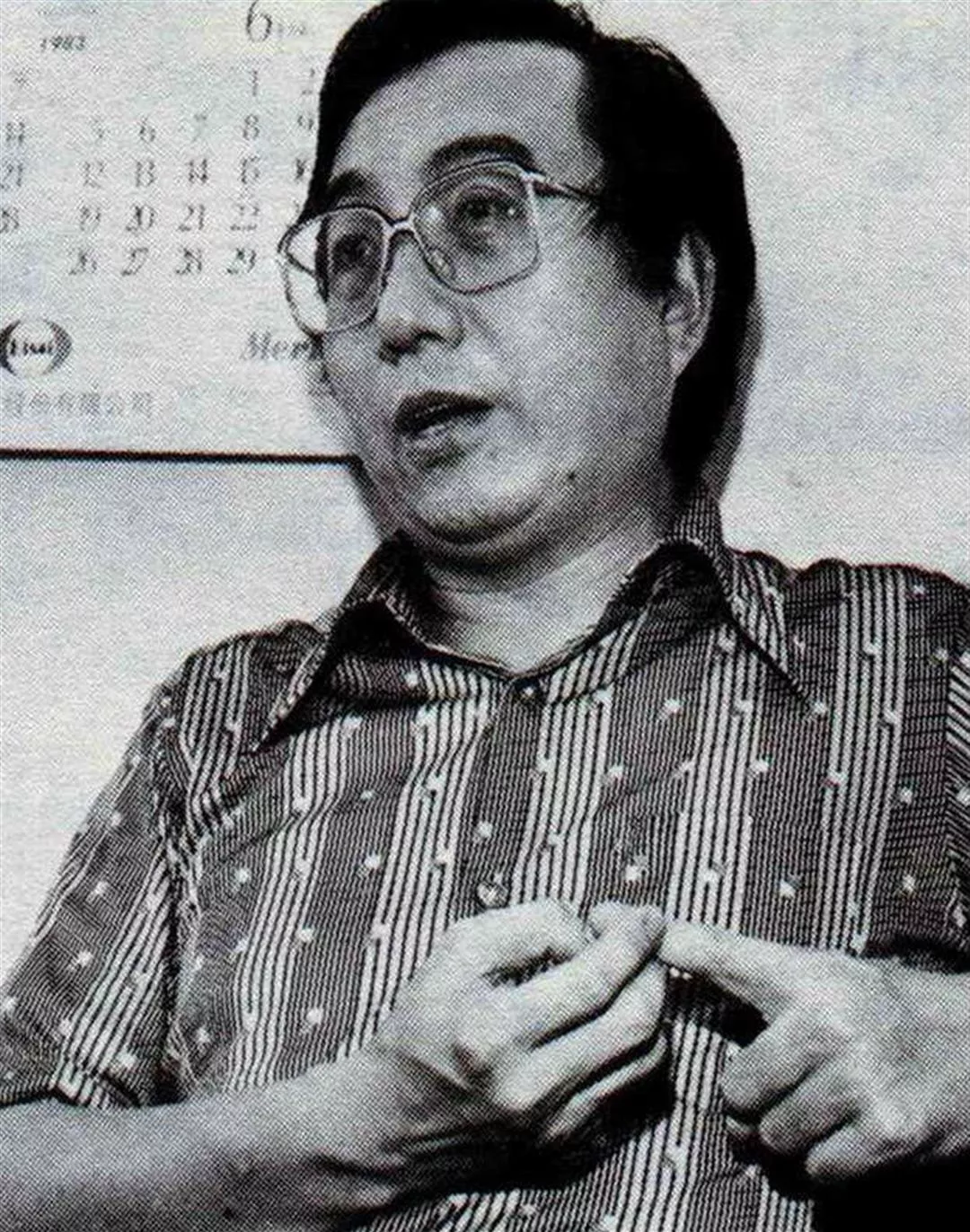
2. Hospital vice-superintendent Lin Mao.
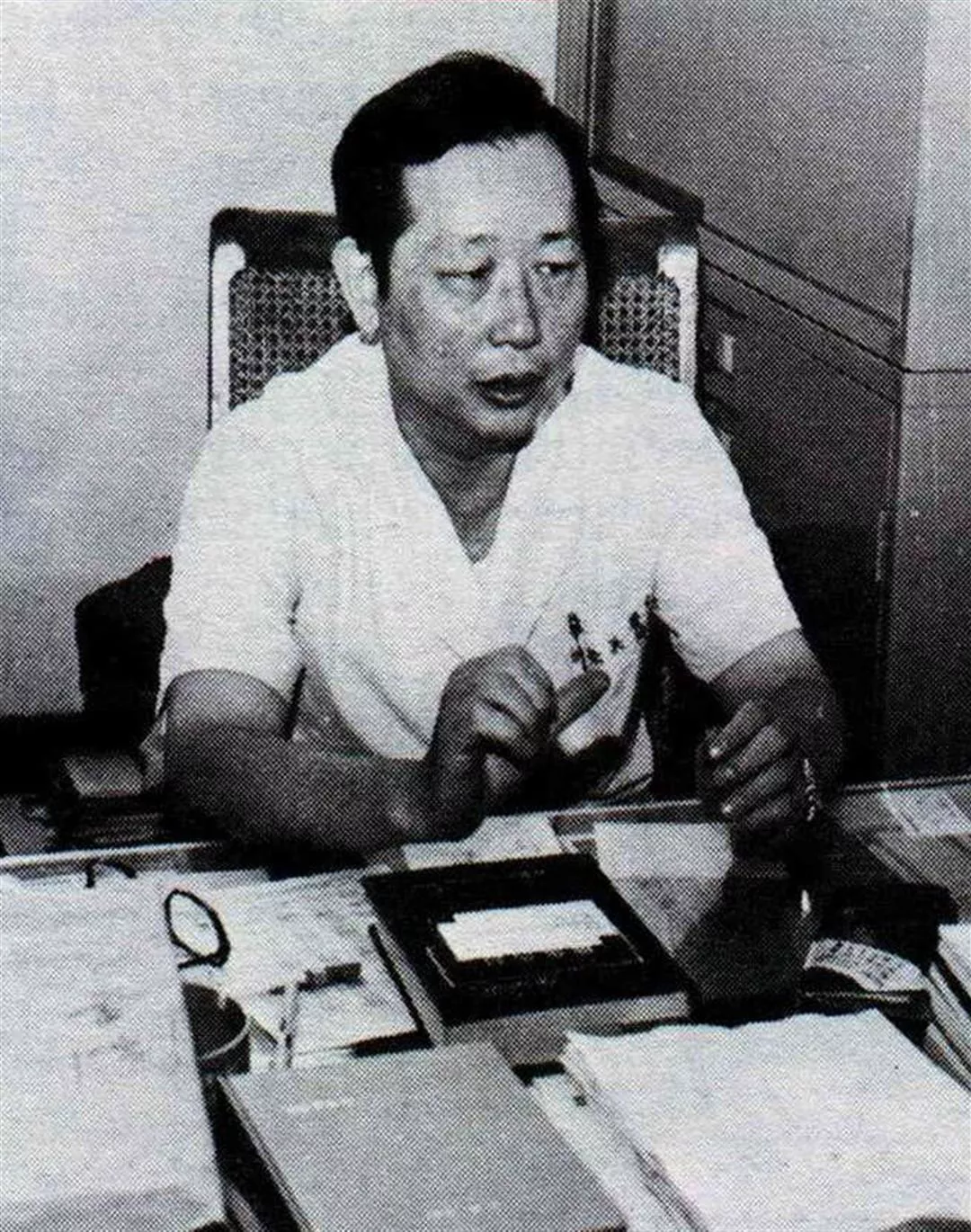
3. Chief Internal Medicine surgeon Wu Chung-lang.
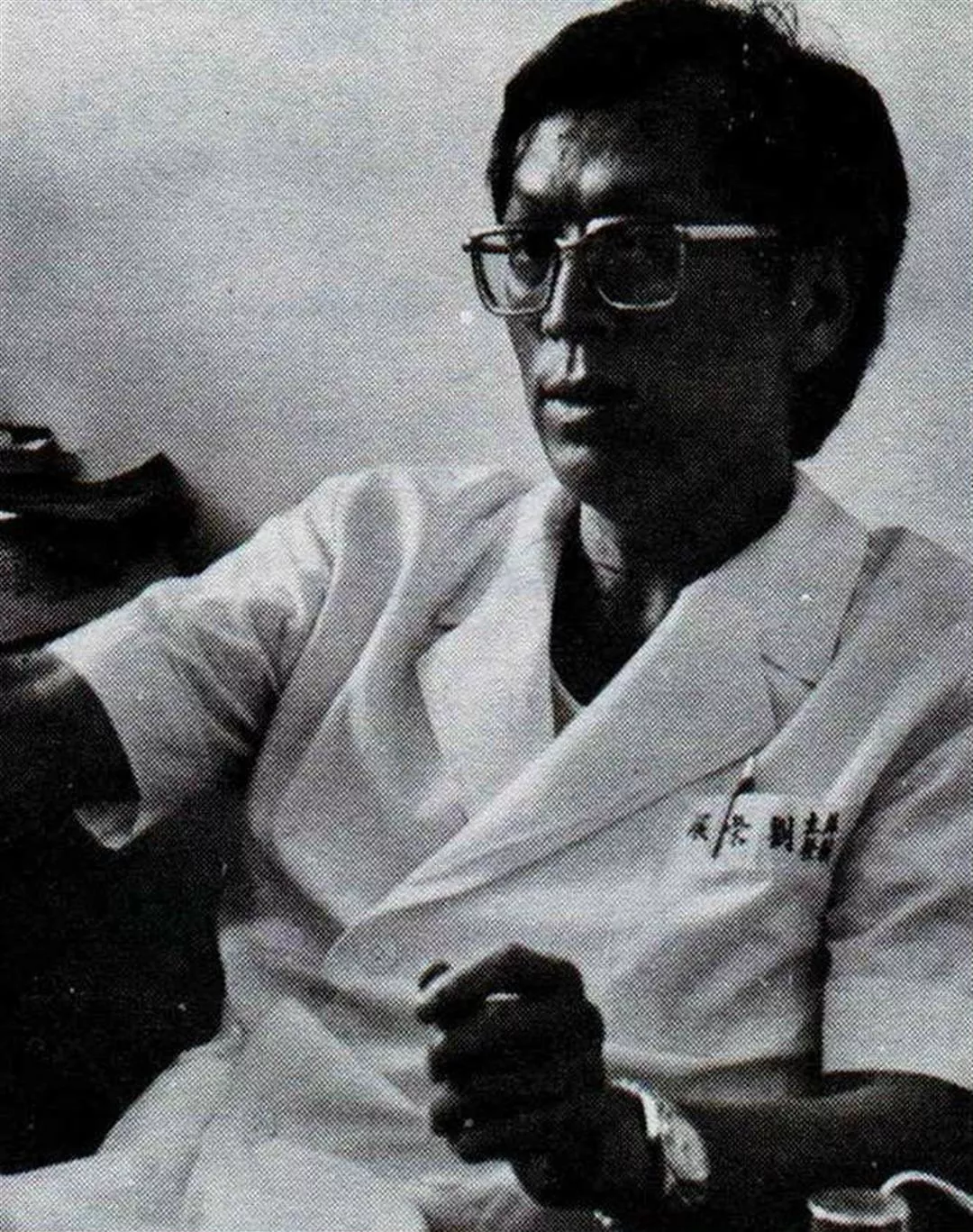
4. Chief surgeon Liou Jung-chan.
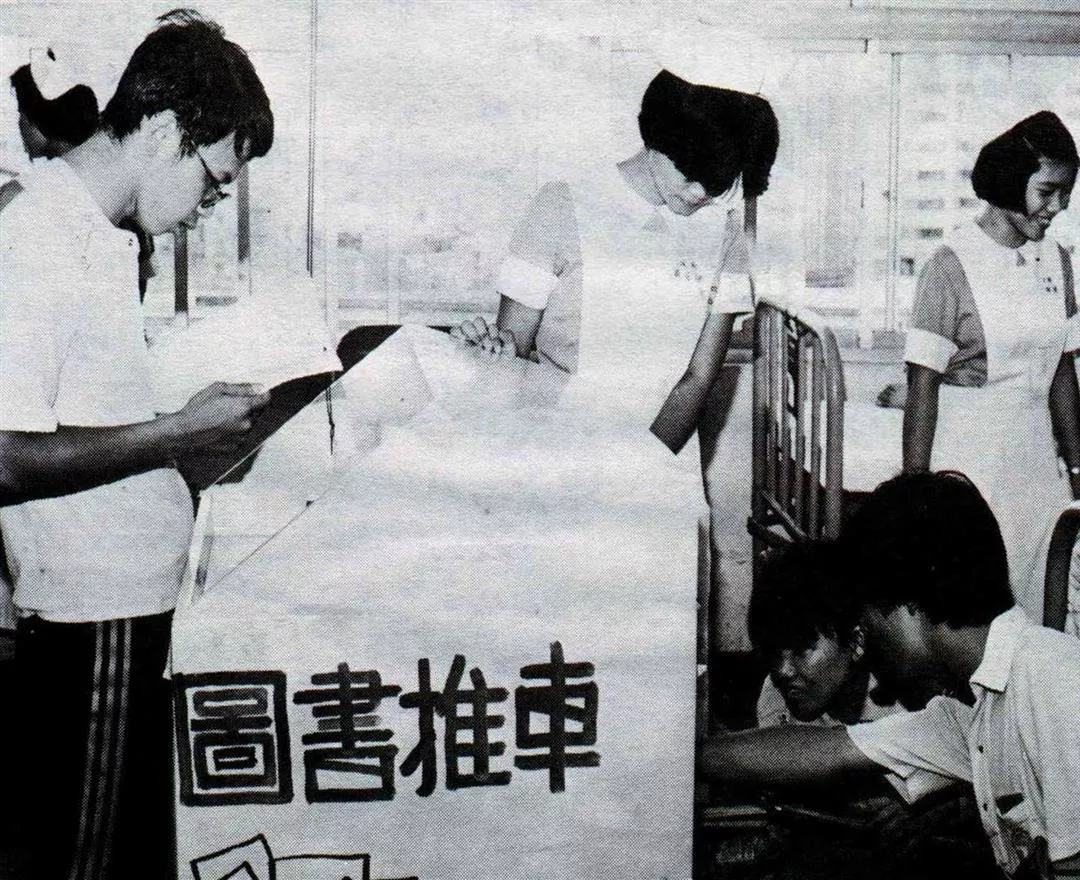
5. Volunteers, students of Cheng Kung University distributing reading material to patients.
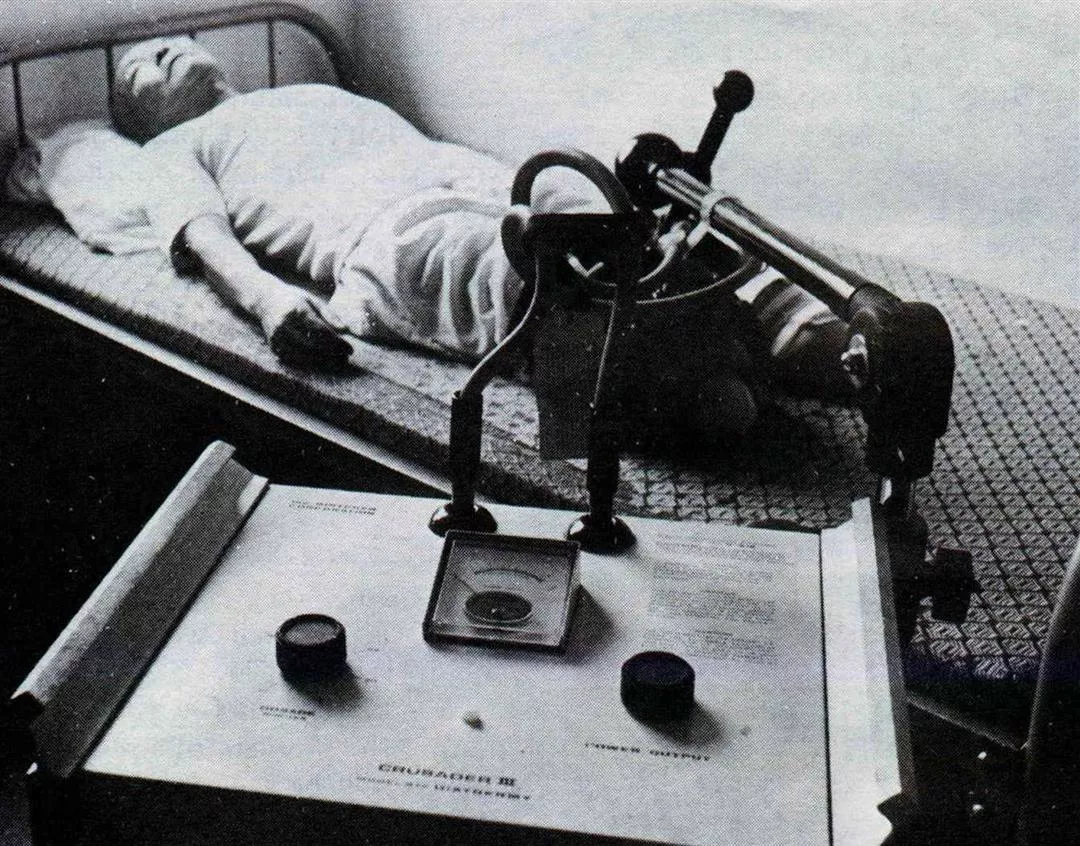
1. After amputation due to Black Foot Disease, the limb is treated with heat therapy to speed up the patient's recovery.


@List.jpg?w=522&h=410&mode=crop&format=webp&quality=80)
