A man who has been called the "locomotive" of CETDC, its director for thirteen years, Wu Kuan-hsiung, talks to Sinorama about his agency.
Q: How has the emphasis changed from CETDC's beginning years, compared to the present?
A: When CETDC was established, most exporters here were passive, waiting for clients to come to their doors. There was little evidence of initiative in promoting exports. So the chief missions for CETDC in those days were to help domestic businesses find buyers, to organize groups to participate in international trade exhibitions, and to organize our own exhibitions here and abroad. Before, we focused on increasing the opportunities for trade contacts. Now, our companies can organize their own groups or individually seek out buyers: we don't need to take any initiative.
Our first-stage mission is almost accomplished. Now, CETDC is starting a second stage--that is to help companies expand their markets and better understand the overseas market. In this way we provide an increased basis for production. We are beginning to make planned market surveys abroad and to directly help the companies in product planning, in order to increase the competitiveness of our products on the international market.
Q: CETDC has many offices in foreign countries, but a common complaint is that market-condition information gathered by these offices sometimes fails to meet local needs due to defects in timeliness or content. What about this?
A: What people don't understand is our size limitations. Japan, for example, sends a great number of people overseas to each of its branch offices; each person handles a single type of product and is able to make detailed, in depth analyses of specific market conditions. But CETDC has only one or two employees in each overseas office, and most aren't specialists in one type of product. For the most part, they can only collect limited materials to send back home.
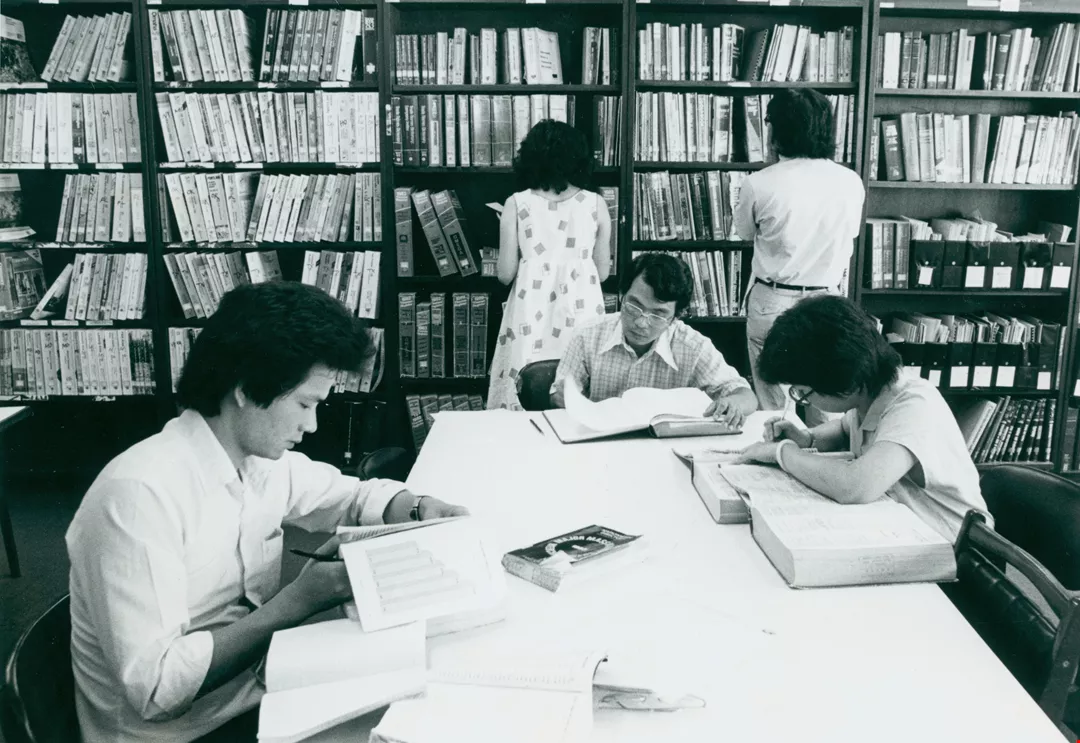
The Taipei trade data library on an average work day has 500 people come to read materials.




@List.jpg?w=522&h=410&mode=crop&format=webp&quality=80)


