

The Taipei Confucius Temple, noted for its dignified aspect, conspicuous yellow roof tiles and high walls, was completed in 1939 with private funds. The front gate of the temple is ordinarily closed, and entrance can only be gained by one of two side gates. This is because there is no one in Taipei at the moment who qualifies as a Chuangyuan (a candidate passing the imperial examination with top honors.) According to ancient custom, only a Chuangyuan is allowed to enter a Confucius Temple through the front gate to perform consecrations. The high walls surrounding the building symbolize Confucius' profound knowledge and supreme virtues, which a scholar can only learn through long study. There are two popular legends concerning the two cylindrical ornaments over the roof of the Tacheng (main) Hall. One has it that they are there to support the sky, and only Confucian morals are powerful enough to do this. The other dates back to the time of Emperor Chin Shih, who conducted a campaign to burn all books and suppress learning. The pillars are said to symbolize the chimneys in which the scholars hid their books.
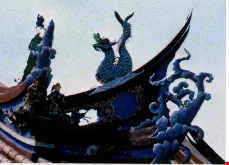
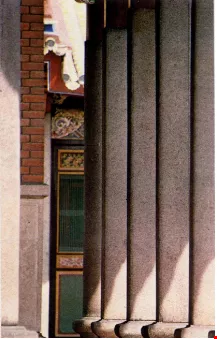
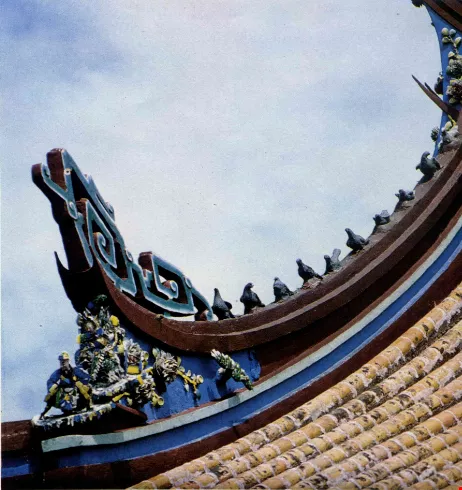
The carvings of creatures with a dragon's head and fish's body found under the sky pillars are said to protect the temple from fire, while the legendary birds carved on the eaves were once said to have been cruel enough to eat their mother. They were reformed, however, on listening to Confucius' teaching. The pillars, gates and windows in the temple bear no inscriptions as other temples in Taiwan do, signifying that scholars dare not show off their writings in the Confucius Temple, and that Confucius did not like empty talk, but stressed teaching by example. In another departure from the practice in other temples, the main hall of the Confucius Temple has no images, and only the sage's tablet. This tablet, however, is framed with nine dragons on guard, in the same manner as the dragons guarding the emperor's tablet in the past.
On September 28, the annual memorial ceremony in the style of the Ming Dynasty was held at the Confucius Temple in Taipei to commemorate the 2,528th birthday anniversary of the sage, presided over by Taipei Mayor Lee Teng-hui, and attended by some 3,000 people. The ceremony started with the first sounding of the drum at 6 a.m. At the third reverberation, consecration officers, musicians and dancers proceeded into position and, dressed in traditional attire and carrying ancient musical instruments, advanced slowly to the main hall, pausing every five steps. As the ceremony started, the main gate of the temple was opened, and the blood and hair of sacrificed animals, a bull and hog, were buried outside, symbolizing the guardianship of Confucian virtues.
With the ceremony now at its height, music filled the air and attendants, wielding ax-shaped symbolic weapons, fans and umbrellas, left through the main gate to welcome the spirit of Confucius. They returned later when it was time for everyone to stand and bow to the tablet of the Sage. Food delicacies and incense were then offered before the celebrated Payi dance was performed. The Payi dance, done by 36 schoolboys from the Talung Primary School, located next to the temple, is the most eye-catching part of the ceremony. The instructor for the past 20 years, Lu Chuan, explained that the dance was performed only at memorial services for the emperor in the past, and Confucius became qualified to be so honored when he was appointed emperor posthumously. The dance consists of 36 movements whose sequence and timing are difficult for young schoolboys to learn. As early as July, therefore, children were selected and training began. Although the work is hard, the boys and their parents are proud of the honor, as it is an indication of both physical and mental ability. Mr. Lu's task is equally demanding, but he explained that the reward of seeing the boys, wearing traditional yellow robes and black hats, go through their paces perfectly, combining innocence with dignity, was sufficient.
After the final consecration for Confucius, the principal consecration officer was blessed with sacred wine and the ceremony was concluded.
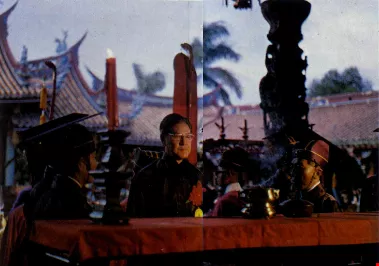
Taipei Mayor Lee Teng-hui (center), the principal consecration officer
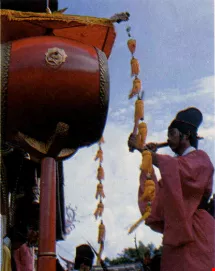
a drummer in action during the ceremony.
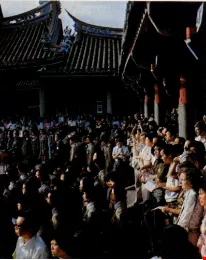
spectators including students, journalists and foreigners.
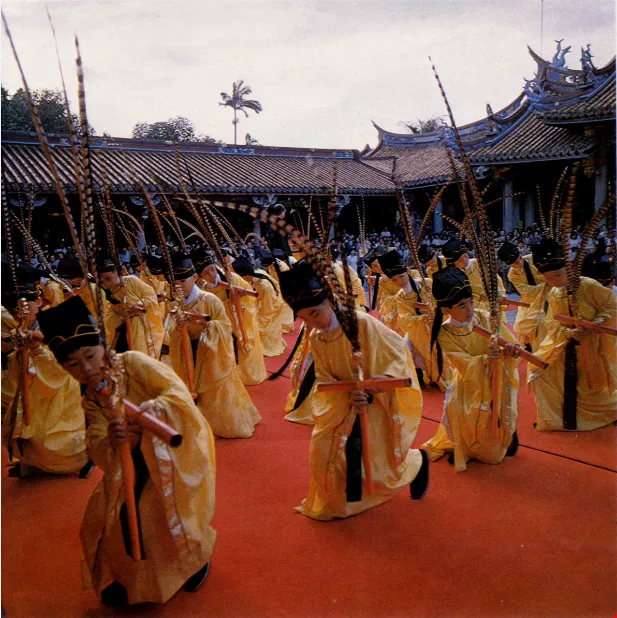
schoolboys from Talung School performing the Payi dance.
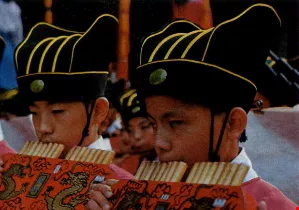
musicians playing ancient instruments.
carving of the mythical creature with a dragon's head and fish's body
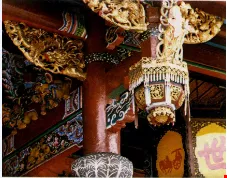
intricate carvings and the lantern in the main hall
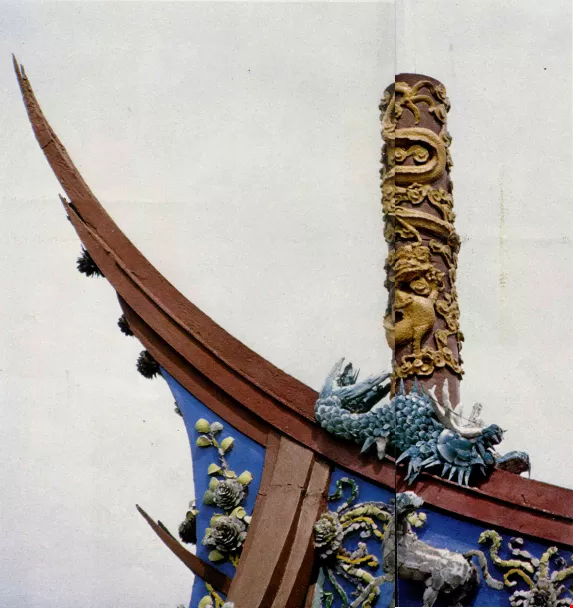
one of the sky pillars over the roof of the main hall
the legendary "reformed" birds
the pillars devoid of inscriptions.
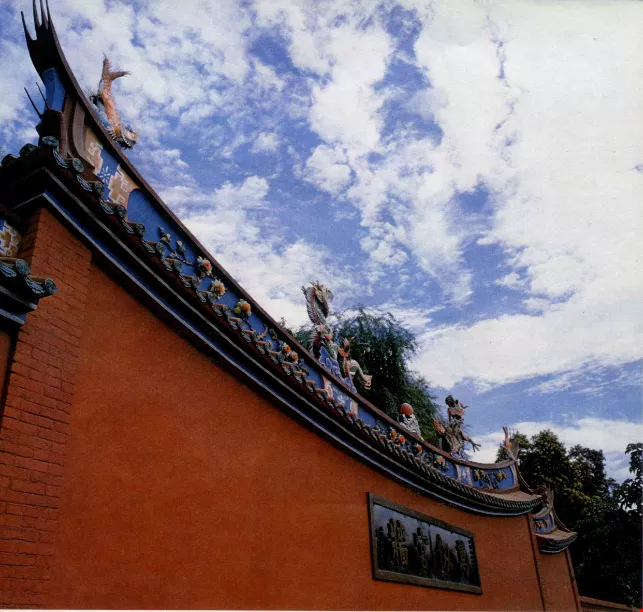
the high wall of the temple
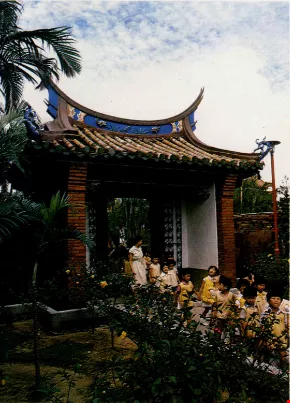
schoolchildren and their teacher passing the side gate
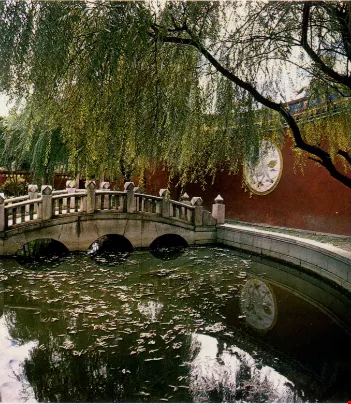
the bridge over the Pan Pond inside the courtyard of the temple.


@List.jpg?w=522&h=410&mode=crop&format=webp&quality=80)


