

Right after the prime-time soaps, television viewers on Taiwan were recently introduced to a titan of the Renaissance- Michelangelo. Gazing up at the artist's immortal statue of David, Kenneth Clark exclaimed in admiration, "What a man!" A different exclamation was uttered by a Chinese viewer in her 60s, holding her grandchild in her lap: "How come foreigners are always coming up with these things with no clothes on?"
The nude has been an important genre in Western art for thousands of years, but in China, even with today's widespread acceptance of things Western, most people still find it hard to face an image of a nude body without feeling embarrassed and inhibited.
When his village was chosen five years ago to host the Taiwan Area Athletic Games, the mayor of a small town in northern Taiwan had several nude statues of athletes put up along the main street. Met with a storm of public protest, the statues were soon moved to some out-of- the-way spots in the park. But even that wasn't enough: good-natured housewives kept putting clothes on them.
That was the countryside, but Taipei, the big city, is scarcely different. When the Council for Cultural Planning and Development held an art exhibit in Sun Yat-sen Memorial Hall four years ago, several nude paintings and sculptures were shut outside. Arguments about the dignity of art to no avail, the pieces had to be shown separately in a private gallery.
Among the various reasons adduced for rejecting nude art, the most frequently cited is that familiar watchword: "not in keeping with the national character."
Just how important are clothes in Chinese culture and in making up the "national character"?
"'Clothes' and 'culture' are paired together in a set phrase in the Chinese language," Tseng Chao-hsu, a professor of Chinese at National Kaohsiung Teachers' College, reminds us. To Confucians, clothes are an essential part of the humanistic spirit.
A story about Tzu Lu, one of Confucius' disciples, illustrates the point. In the midst of a battle in Wei, Tzu Lu stopped to pick up his hat, saying, "A gentleman may die, but he keeps on his hat." To a good Confucian, clothes, a symbol of human dignity, were even more important than life.
This emphasis on proper attire runs through Chinese culture from the time of Confucius, who said, "Were it not for Kuan Chung, we'd be wearing unkempt hair and parting our lapels on the left" (like the barbarians), right up to the Ching dynasty (1644--1911), whose dictum was, "Let your hair grow and lose your head" (referring to the Manchus' regulation that all Chinese wear pigtails). Dignity of dress represented the dignity of the nation; changes in clothing styles affected the continuity of the culture.
From this viewpoint, nude figures in Western art have appeared deserving more of pity than of peering to most Chinese. The late philosopher T'ang Chun-i once described Western statues this way: "Stripped of their clothes, they stand by the roadside exposed to the fury of the elements. . . ." contrasting them with Chinese statues, which are more thoughtfully provided for.
As opposed to the Confucians, the Taoists generally affirm Nature. But in fact, neither school of thought places much stock in direct sense perceptions. Mencius, a Confucian, held that "the organs of eye and ear can't think and are deceived by objects." And in his parable of Cook Ting, the Taoist Chuang Tzu said, "I meet it with my spirit instead of seeing it with my eyes. My senses and knowledge have stopped, and my spirit goes where it wishes."
This philosophical framework led Chinese writers and artists to seek to capture a reality beyond the senses. In music the theory was T'ao Yuan-ming's (372-427) "Just understand the meaning in the lute/Why bother about the sound of the strings?" And on the stage the result was Chinese opera, in which "every sound is a song; every movement a dance." As to the esthetics of the human body, the superficial attractions of the senses naturally yielded place to the appeal of inward charm.
Beginning with the Book of Songs (early first millennium B.C.), literary descriptions of beautiful women emphasized their attitude or expression rather than their figure: Hsi Shih clutching at her heart, the Imperial Consort Yang glancing back, Black Jade's "willow eyebrows" in Dream of the Red Chamber--no one was interested in their measurements.
Even the most concrete descriptions of physical beauty usually stopped at skin complexion, such as "Hands like soft reeds/Skin like congealed lard" or "With a clear, sleek complexion/Bone and flesh well matched." And attitude and expression were described much more frequently: "Fluttering like a startled swan Graceful as a soaring dragon" and "Oh the sweet smile dimpling The lovely eyes so black and white."
Compare this with the Bible's Song of Solomon: "Thy thighs are like jewels. . . thy navel like a round goblet. . . thy breasts like clusters of grapes. . . and thy mouth like the best wine. . . ." More concrete, isn't it?
And then look at Western painting. Rubens' Diana and Her Nymphs Surprised by Satyrs shows us a party of fat, naked men chasing a crowd of plump, nude women. . . .
In China, portraiture was one of the earliest forms of painting to develop, but what it portrayed was actually mostly clothes. A glimpse of neck and fingers can be considered a rare treat--forget about anything underneath!
Later, it's true, pictures of beauties from the T'ang and Five Dynasties periods (618-960) sometimes show us the soft shoulders and smooth curves of dancing girls and musicians, but after the Sung dynasty (960-1279) Chinese sensibilities became more restrained. The dominant genre of painting was landscape, and Man became a tiny figure playing the lute off in the mountains or listening to the wind in the pines.
Sculpture would seem more suited to representing the human body than painting or literature. Indian sculpture, for example, from which Chinese sculpture evolved, features thinly clad, shapely figures, some of which are frankly erotic. But in China, Buddhist statues are uniformly dignified, passionless, and otherworldly.
Nude sculpture did exist in China, however, as proven by some of the ceramic burial figures of the Han dynasty (206 B.C. to 220 A.D.) recently unearthed on the mainland. Scholars debate why the figures are nude--whether they were originally dressed in clothes which later rotted off, or whether nude burial represented a kind of punishment--but the reason clearly had little to do with the esthetics of the human figure.
Much later, at the end of the 16th century, ivory carvings of nude women began to appear along the coast of Fukien. One interesting theory holds that the figures developed from ivory carvings of the infant Jesus that local craftsmen produced for Spanish merchants of the time.
If the theory is true, then this one small case of cultural interaction, at any rate, seems to have taken place with a certain degree of mutual understanding. But minor currents aside, the broad stream of Chinese tradition has always linked clothes with culture and paid minute attention to behavior and dress. Considered dispassionately, the question remains open: Can Chinese people ever really accept nude art?
(Theresa Wang/photos by Vincent Chang/ tr. by Peter Eberly)
[Picture Caption]
Chinese of an earlier generation are rather uncomfortable looking at nude sculpture, which is common in the West. This is Michelangelo's David. (photo courtesy of Artists Magazine)
Here is Rubens' Diana and Her Nymphs Surprised by Satyrs. Notice the goats feet! (photo courtesy of Artists Magazine)
This lady from the T'ang dynasty has a welldeveloped figure and is rather daringly dressed. (photo courtesy of Artists Magazine)
These beauties from a Soochow print are a typical example of the delicate fragility that came to be admired from the Sung dynasty on. (photo courtesy of Council for Cultural Planning and Development)
A painting by Chao Meng-fu of the Yuan dynasty (1279-1368) shows us an unconventional scholar sunning his stomach. (photo courtesy of National Palace Museum)
Can you find the little people amid all the cliffs and torrents? This is Landscape in Imitation of the Ancients by Lan Ying of the Ming dynasty (1368-1644). (photo courtesy of National Palace Museum)
A rare glimpse of a woman's breast is revealed in this detail from a Sung dynasty picture of folk customs. (photo courtesy of National Palace Museum)
Do the reclining postures of this Western infant and Oriental lady seem rather similar? (photo courtesy of Tseng Yu)
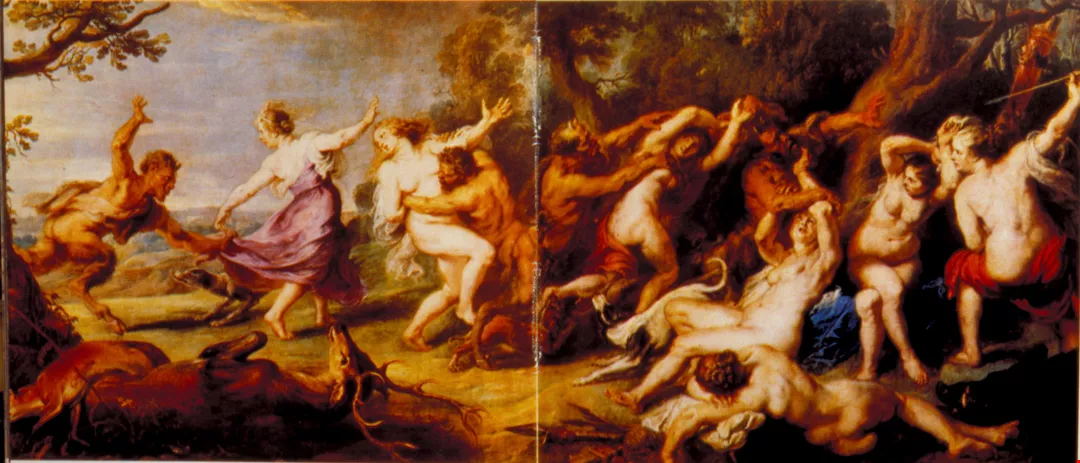
Here is Rubens' Diana and Her Nymphs Surprised by Satyrs. Notice the goats feet! (photo courtesy of Artists Magazine)
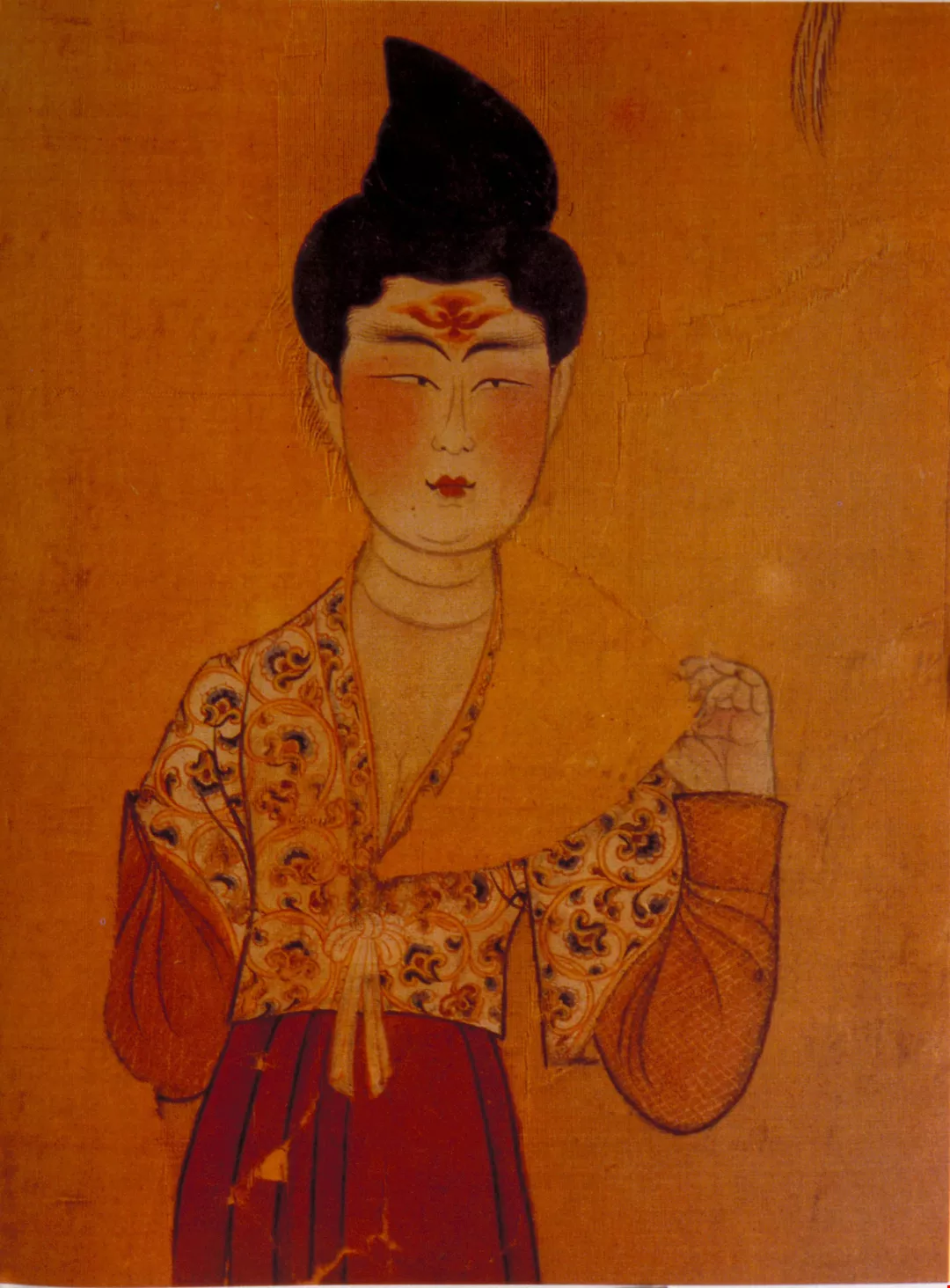
This lady from the T'ang dynasty has a welldeveloped figure and is rather daringly dressed. (photo courtesy of Artists Magazine)
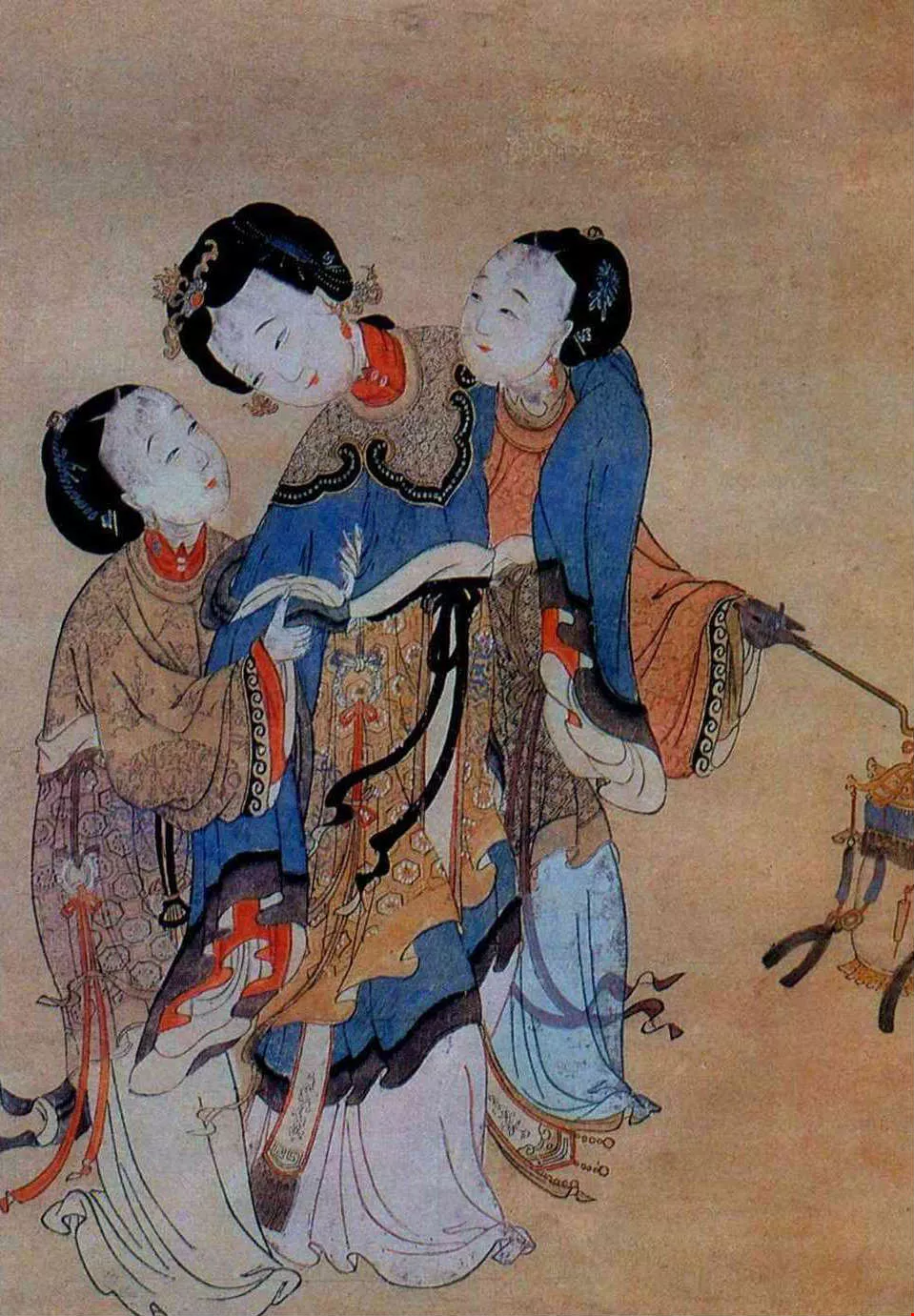
These beauties from a Soochow print are a typical example of the delicate fragility that came to be admired from the Sung dynasty on. (photo courtesy of Council for Cultural Planning and Development)
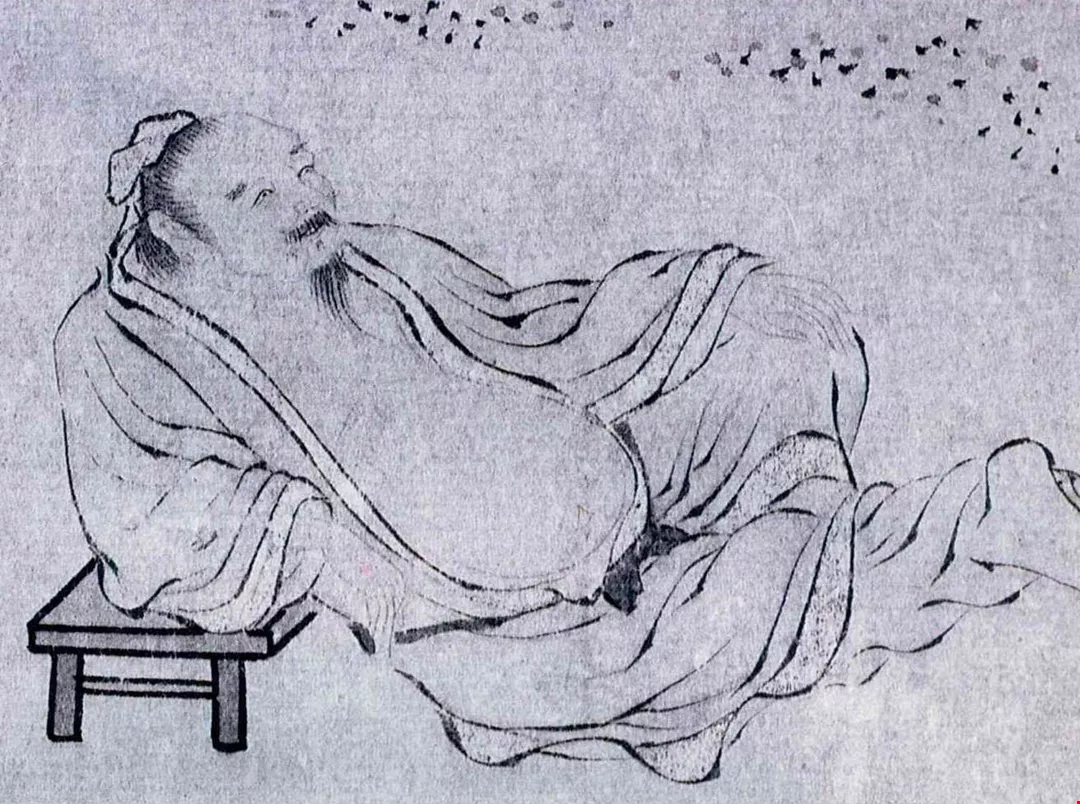
A painting by Chao Meng-fu of the Yuan dynasty (1279-1368) shows us an unconventional scholar sunning his stomach. (photo courtesy of National Palace Museum)
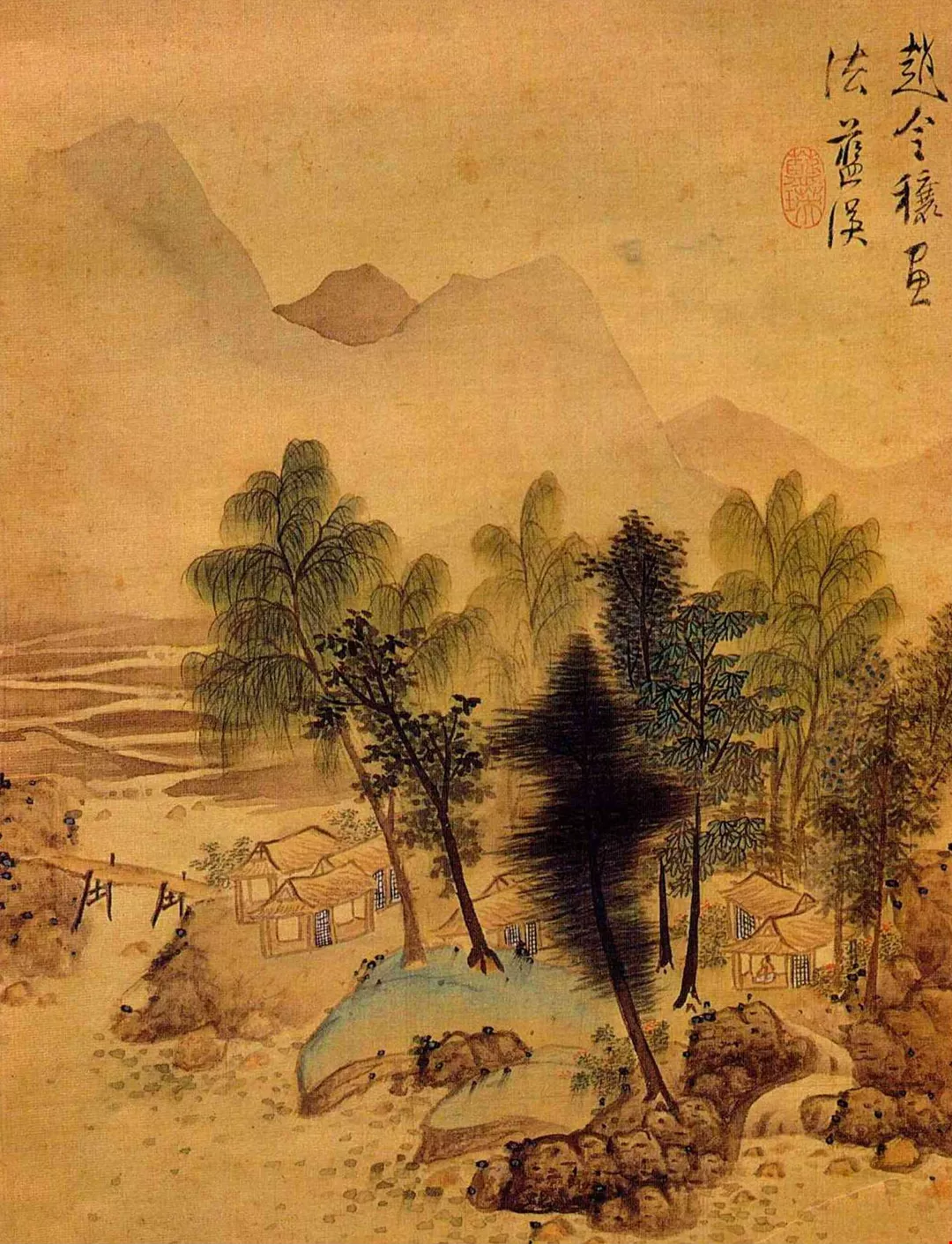
Can you find the little people amid all the cliffs and torrents? This is Landscape in Imitation of the Ancients by Lan Ying of the Ming dynasty (1368-1644). (photo courtesy of National Palace Museum)
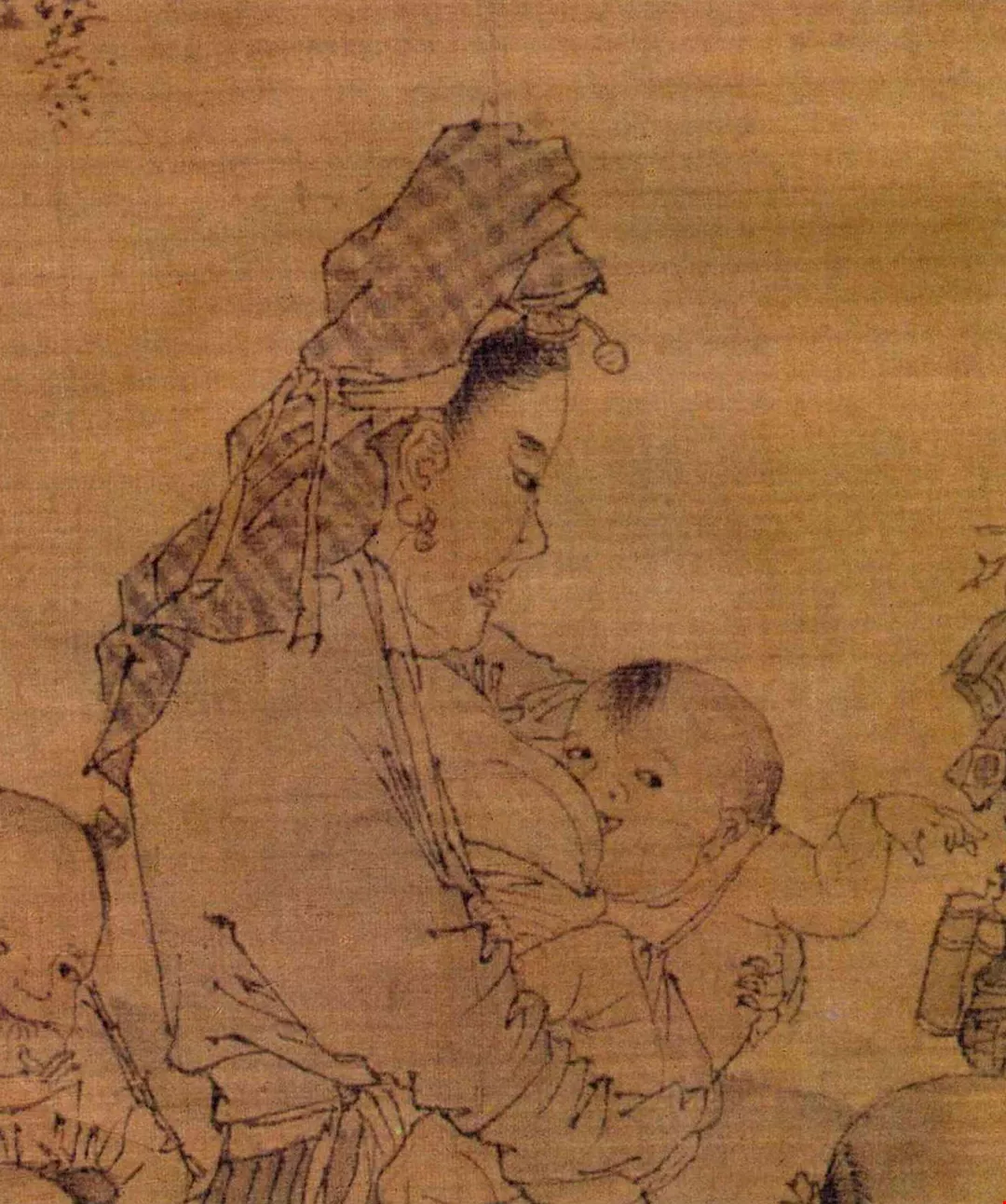
A rare glimpse of a woman's breast is revealed in this detail from a Sung dynasty picture of folk customs. (photo courtesy of National Palace Museum)
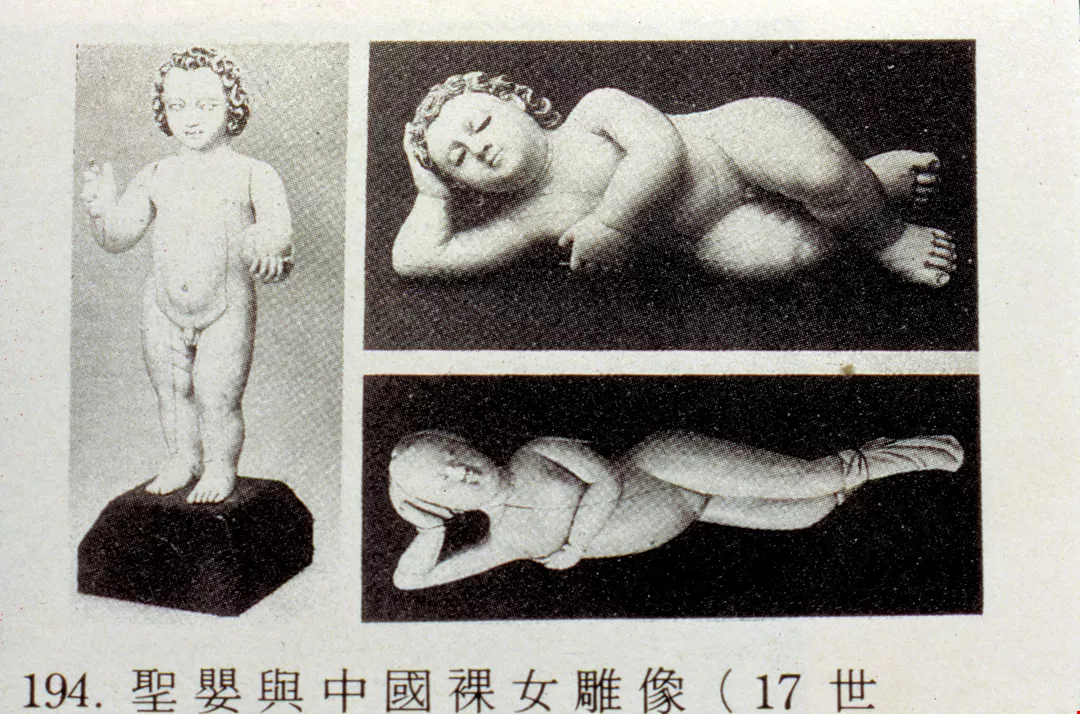
Do the reclining postures of this Western infant and Oriental lady seem rather similar? (photo courtesy of Tseng Yu)
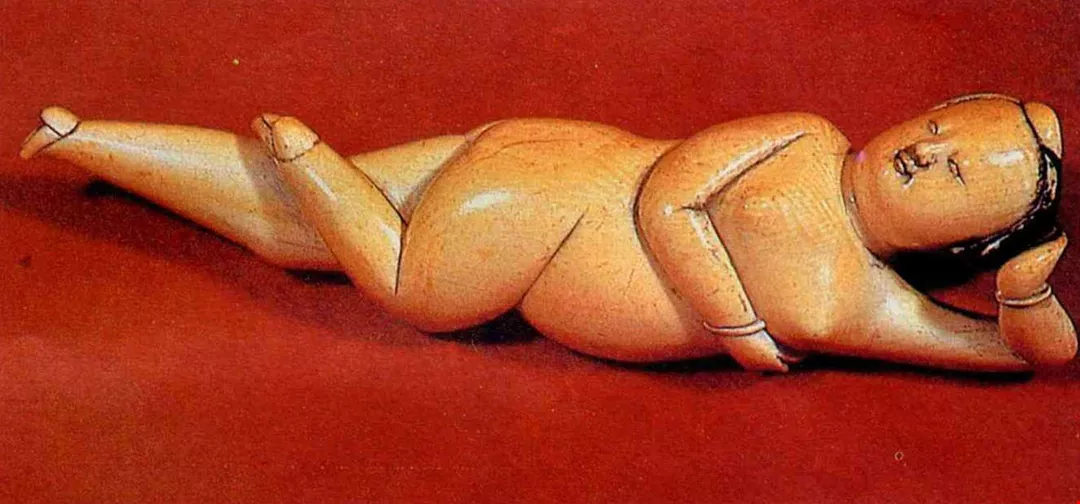
Do the reclining postures of this Western infant and Oriental lady seem rather similar? (photo courtesy of Tseng Yu)


@List.jpg?w=522&h=410&mode=crop&format=webp&quality=80)


