
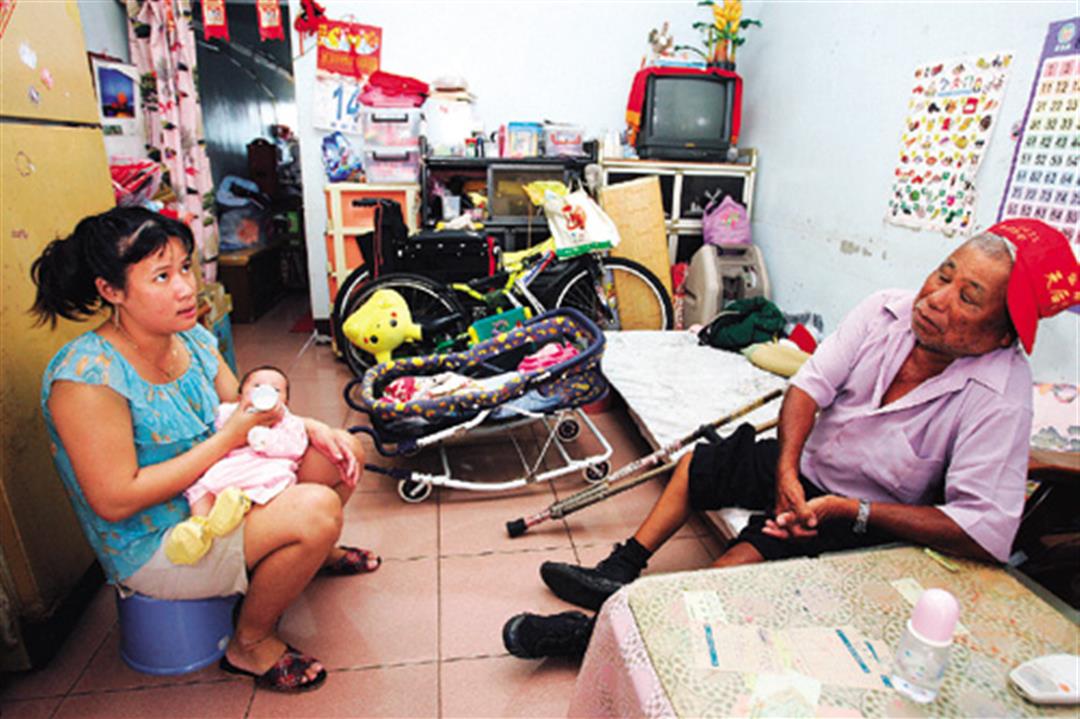
Taiwan is Vietnam's largest inves-tor. It also happens to "import" more brides from Vietnam than from anywhere else.
Over the years, Taiwan and Vietnam have gone from being trading partners to in-laws. While those relationships might appear to be unconnected, there's actually a causal link. And while the ups and downs of the 76,000 Vietnamese brides in Taiwan are much in the public eye, there's a flip side to the in-laws story-many of the Taiwanese businessmen and factory supervisors working in Vietnam are marrying, having children and putting down roots there. In short, they are becoming Vietnam's "Taiwanese grooms."
The number of Taiwanese-Vietnamese marriages is clearly growing, both of "Taiwanese grooms" in Vietnam and "Vietnamese brides" in Taiwan. But there's more to it than the simple fact of foreign in-laws. These marriages have implications for the futures of both nations.
Goldking International Machinery manufactures air compressors and pneumatic equipment in Hanoi. Edward Yeh, the son of the Goldking's owner, runs the Hanoi plant. He has also been dating a Vietnamese woman, Nguyen Minh Tue, for nearly two years. The two became acquainted on Yeh's flight to Vietnam and soon fell in love. In fact, Nguyen was the first Vietnamese person Yeh had ever met. Now, the two are talking about marriage.
Yeh's family is typical of Taiwanese businesspeople-the family's five members live in four countries and rarely get together as a group. His mother "holds the fort" in Taiwan, while the rest of the family has established itself around Asia. Yeh's older sister is married to a man in Hangzhou, China. His older brother runs a family factory in Thailand and is married to a Thai woman. Yeh himself has been running the Hanoi factory since 2005, and his father flies between the company's various facilities keeping an eye on things.
"Our family's like a little UN. The next generation won't even speak the same language. We'll probably have to hire translators for future get-togethers!" jokes Yeh.

Allen Chien, Tran Thi Hoang Phuong, and their two children have weathered the challenges of living in both Vietnam and Taiwan, proving that Taiwanese-Vietnamese marriages can indeed be blessed.
Investing oneself
This march of Taiwanese businesspeople to distant shores has increased the number of "Taiwanese grooms" marrying into foreign families. Given that Vietnam is a leading destination for Taiwanese investment, a lot of marriages were bound to follow.
According to the Taipei Economic and Cultural Office (TECO) in Ho Chi Minh City, 95,406 Vietnamese brides have successfully completed the official "marriage interview" since 1995. However, only some 75,946 have actually entered Taiwan. Most of the other 20,000 remain in Vietnam, married to Taiwanese who work or have businesses there.
Chang Po-wei, Taiwan Pulp and Paper's Vietnam representative, was 36 years old when he married a Vietnamese woman in 2000.
"I expected to be in Vietnam long term, but marrying a Vietnamese woman was really out of the blue," says Chang. He admits that many Taiwanese marry local women simply for reasons of economic security. Many industries, including real estate, aren't open to foreign investment and risks are high when using a nominal partner to register an investment. A local spouse is a lower-risk alternative. Currently, most of the chairmen, directors, and executive directors at Taiwan's chambers of commerce in Vietnam are married to Vietnamese women. Local marriage is especially prevalent among those who run their own businesses. They make their money from Vietnam, and at the same time are pledged to their Vietnamese in-laws.
Chang himself had had no plans to marry a Vietnamese woman. When he came to Vietnam in 1999, he was already past the typical marrying age. But, not long after his arrival, he chanced to meet a woman working in promotions for Johnny Walker. Seven months later, they decided to marry.
Part French and part Chinese by birth, Chang's beautiful wife is all Vietnamese in character. Chang says that though the language barrier makes their communication less than perfect, the biggest problem they have in their relationship is her Vietnamese unwillingness to ever admit to being wrong. Seven years into the marriage, this remains a source of friction.
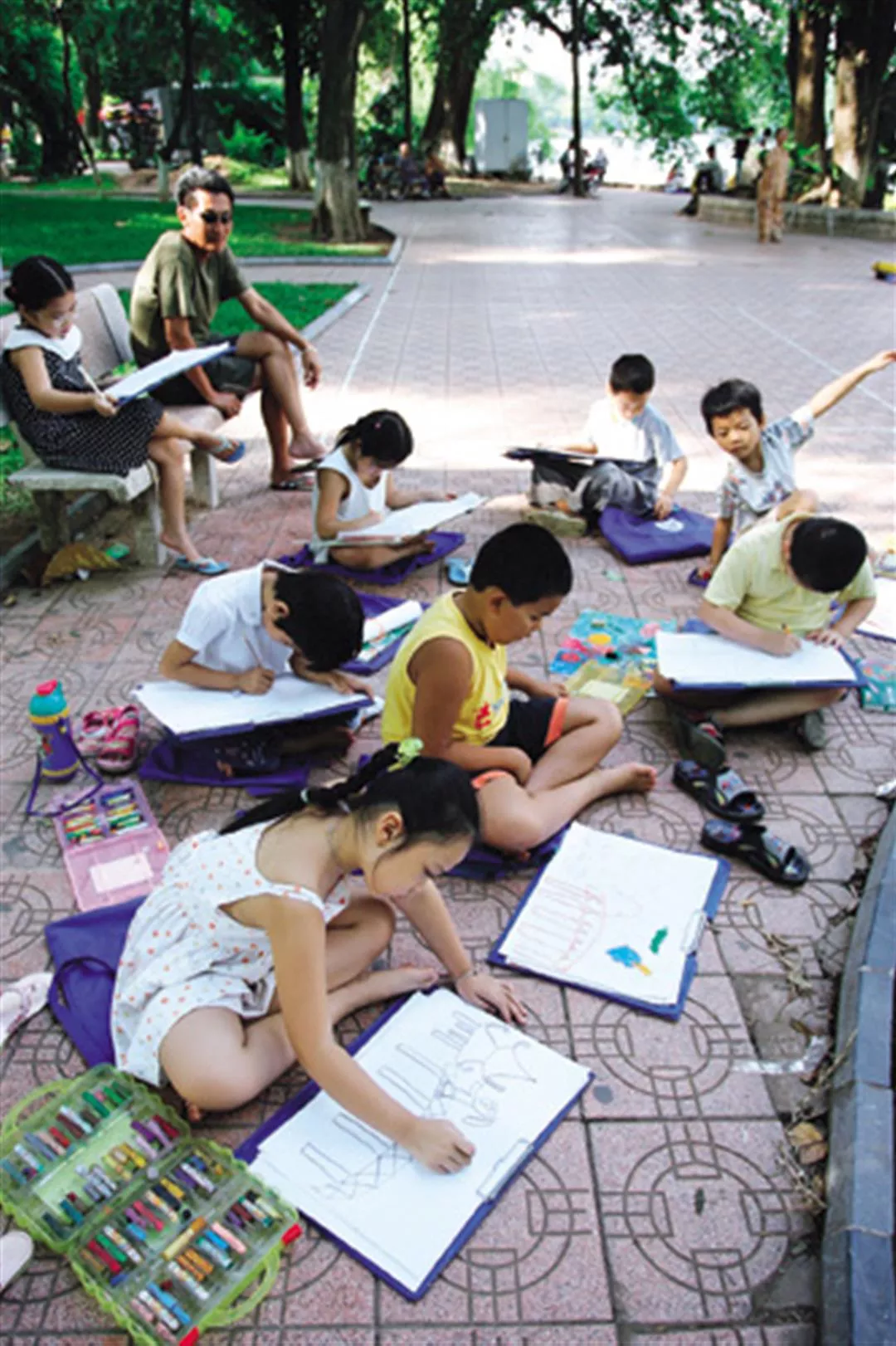
The next generation is the future of our families and our society. We must pay heed to how the children of Taiwanese-Vietnamese marriages are raised, whether they reside here or in Vietnam. The photo shows children drawing on the shores of Hoan Kiem Lake in Hanoi.
Lonely nights
Another catalyst driving Taiwanese-Vietnamese marriages is that living overseas can be very lonely.
"It's boring as hell," says Lin Chun-yu. When employed by an accounting firm in Taiwan, he was working day and night, and never had time to be lonely. But just three months after taking a position in Hanoi as a financial officer for Dragonjet Corporation, he decided he needed a relationship to end his isolation.
"A bunch of people were poking fun at me, expecting me to conquer some girl and then dump her. How could I give them that satisfaction?" asks the handsome, gentle Lin. He admits that the fact that he and his girlfriend cohabited before marriage caused a lot of talk at the factory and in Taiwanese business circles. As soon as he learned his girlfriend had become pregnant, he decided to marry her. He'll be a father in just two months.
As with other Taiwanese-Vietnamese married couples, Lin and his wife's biggest issues are the lack of a shared social life and the lack of trust in their partner's personal social life.
"If I bring my wife to a get-together with friends in the Taiwanese business community or to a work-related social function, she gets bored because she feels like she doesn't fit in," explains Lin. "But if I don't bring her, she gets worried. She calls constantly to keep tabs on me and hurry me home." But Lin doesn't like to get together with his wife's friends or sisters, either. "They chatter on and I have no idea what they're talking and laughing about. I'm completely in the dark," says the frustrated Lin.
Soon after completing his military service, the 30-year-old Hung Tzu-jian came to Vietnam with his elder brother, Hung Tzu-chien, to work for friends in a factory located in Binh Duong's Song Than Industrial District. The factory did electroplating work and manufactured hubs, cables, and aluminum wheel rims for bicycles. Hung now runs Wang Sheng Industrial's Vietnam plant, and his brother is a manager there.
"At the time, our family was telling us to get out and see the world. It's hard to believe it's been seven years already," says Hung, a little amazed at his own youthful pluck.
When they left Taiwan, they were truly footloose and fancy free, and it was only natural that they begin dating Vietnamese women. But their relationships have taken a very different course over the years.
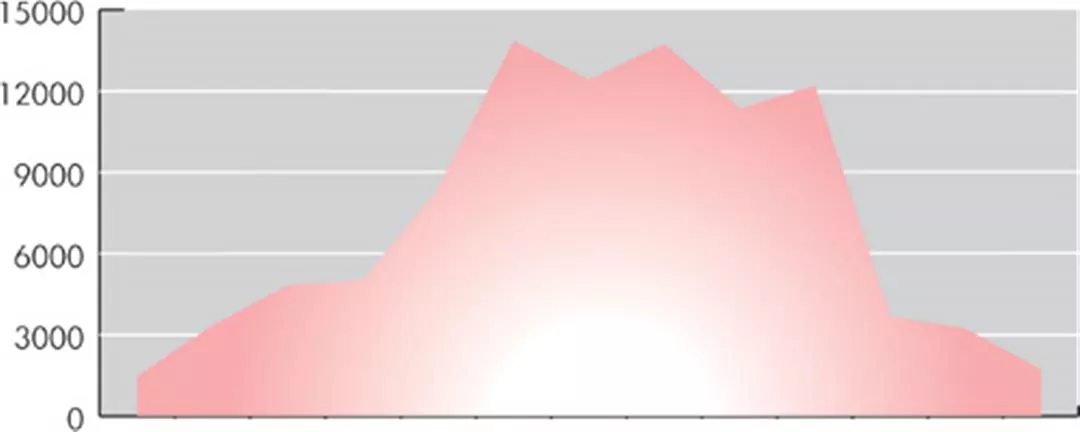
Taiwanese-Vietnamese couples who pass the marriage interview
Love the one you're with
In November 2006, Hung Tzu-jian and his long-term girlfriend, a company employee, married.
"It made no difference to me whether I married a Taiwanese or Vietnamese woman," says Hung. He was working abroad and needed a partner to take care of his home, one that offered quiet support and didn't need watching over. A Vietnamese woman wouldn't have to adapt to the environment, and wouldn't demand that a potential spouse be tall, well-educated, and highly paid the way a Taiwanese woman would. Moreover, Vietnamese women are known the world over for their warmth, amiability, industriousness and thrift. It might not have been a love match, but it was a very practical choice.
After their wedding Hung and his wife continued to live in an efficiency apartment provided by the factory, his wife gladly enduring this hardship as she cared for Hung and their five-month-old daughter. Hung too is satisfied. His only complaint is that she is "too clingy." "She's on her way downstairs looking for me the minute I finish work," he laughs.
The 32-year-old Hung Tzu-chien was not so fortunate. While his younger brother's relationship grew into a marriage, his own ended after five years.
Throughout their time together, the elder Hung and his Vietnamese girlfriend had been both romantic and business partners. He used her name to invest in property, make high-interest loans, and to trade on his own behalf, earning a great deal of money on top of his salary. With his personal and business life seemingly well established, he was ready to talk about marriage. Then he discovered his girlfriend was seeing someone else and began quietly hedging his bets. Once he finished liquidating the property he held in her name, the two agreed to go their separate ways. Romantically burned, Hung at least managed to keep his business affairs from going up in flames.
Even the married Taiwanese here can feel isolated. Affairs are especially common among the middle-aged Taiwanese investors who were among the first here and were married when they came.
The Taiwanese in Vietnam all know the score with regard to these affairs but choose not to talk about them. One Taiwanese man I spoke to in a restaurant pointed to a nearby table and told me that four of the five Taiwanese sitting there had mistresses. He also relayed a story about a Taiwanese businessman who had recently taken his son by his Vietnamese mistress with him to Taiwan for his father's funeral. His wife thus learned that her husband had not only a "little wife" in Vietnam, but also a seven- or eight-year-old son.
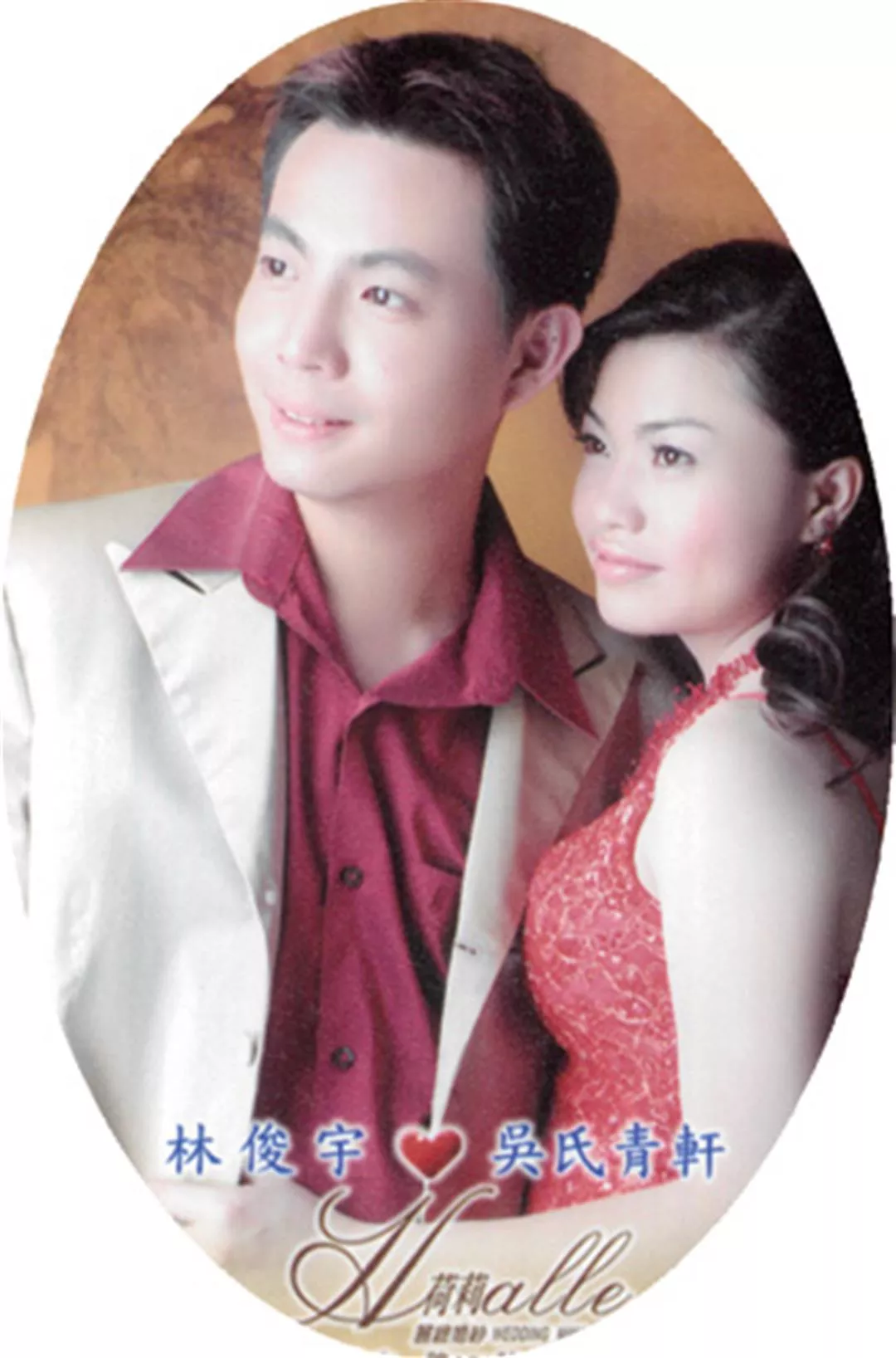
the aisle just six months after he arrived in Vietnam. He's soon going to be a father as well.
Two kinds
Proximity may be leading Taiwanese men to fall for Vietnamese women, but its no guarantee of the long-term success a relationship. As with all cross-cultural relationships, some Taiwanese-Vietnamese relationships have succeeded and others have failed. What makes the Taiwan-Vietnam situation somewhat unique is that it isn't just about the "Taiwanese grooms" residing in Vietnam. The 76,000 "Vietnamese brides" who now live in Taiwan are also having an impact on the lives and fortunes of their Taiwanese husbands.
Married couples complain that the official "marriage interview" shows how much more stringent the government has become. The interviews have also caused chaos at TECO in Ho Chi Minh City. "In the old days, there was no interview mechanism," says Allen Chien, president of Ethical Technology Corporation and the second Taiwanese to submit a Vietnamese investment application. In 1993, Chien married his girlfriend of two years, a bookkeeper named Tran Thi Hoang Phuong who worked for a company with which he did business in Vietnam. "I went to TECO in Ho Chi Minh City and told the director I wanted to get married," continues Chien. "They investigated and issued me a certificate confirming that I was single and had no criminal record. I took that to the Vietnamese government and applied to register our marriage."
Since 1996, the growing number of Taiwanese-Vietnamese marriages hastily arranged by commercial brokers has dramatically increased the number of applicants TECO must deal with. The office has had little choice but to queue people up and conduct one-on-one interviews to weed out those using bogus marriages to seek work in Taiwan.
Even stringent interviews are no obstacle to couples that have relationships based on genuine affection. They need only answer truthfully to easily pass the interview, and probably all of them do. But Taiwanese businessmen don't enjoy seeing middle- and lower-class Taiwanese men and poor Vietnamese farm girls fidgeting in the TECO offices.
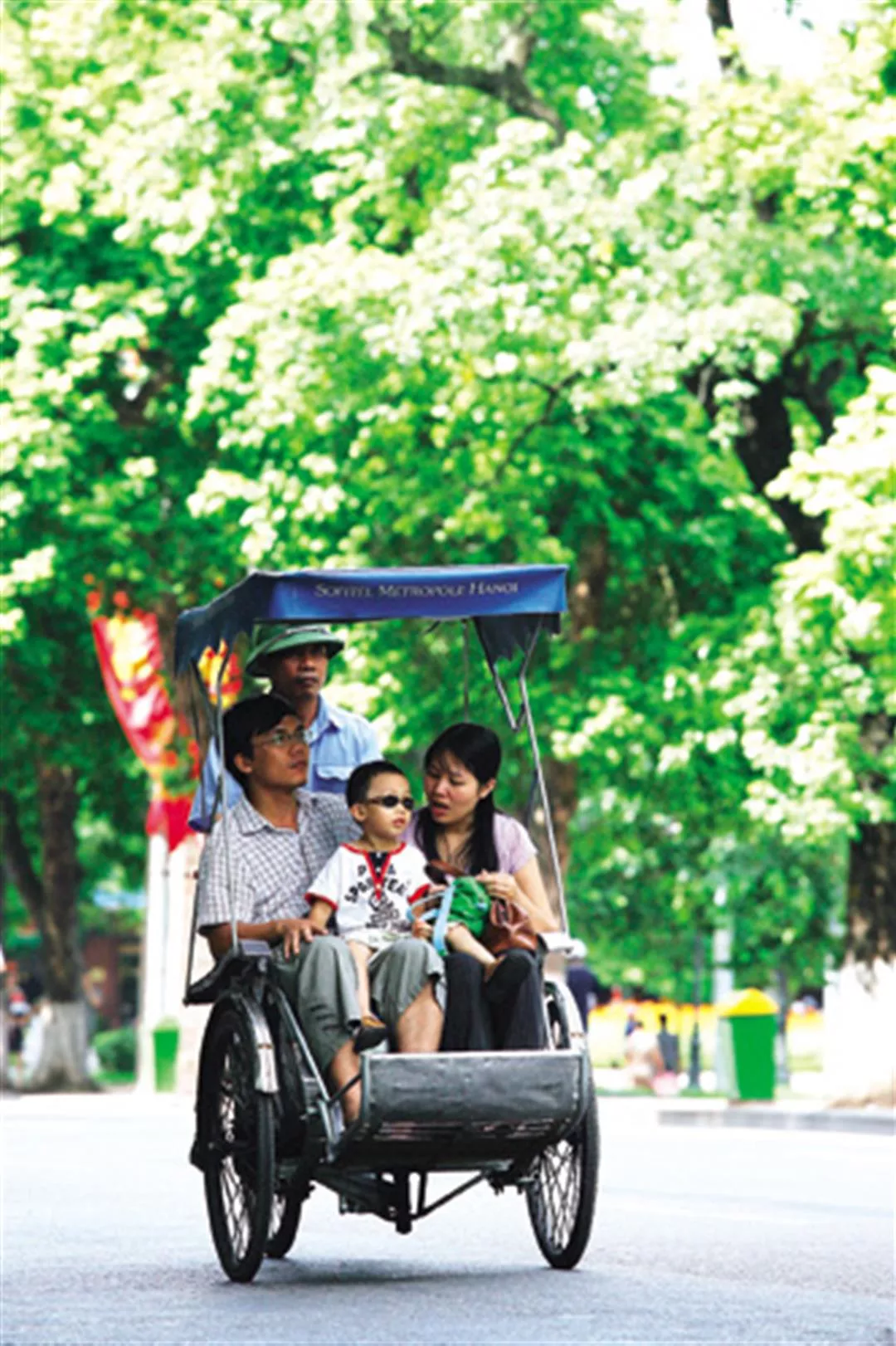
Ethnic Chinese make up only 3% of Vietnam's population, but the influence of Confucianism is pervasive. Everyday customs are very similar to those in Taiwan. Though the two nations are at different points in their economic development, they share the same love of and concern for the next generation.
No love lost
Tran Thi Hoang Phuong, who now resides in Taiwan with her husband, is intimately familiar with both types of pairings. Cultural differences represent a serious challenge to transnational marriages, she says, and when you add to that the lack of a foundation of real feeling that you see in hurriedly brokered marriages.... She says that examples of people making it work certainly exist, but that far more of these relationships end in frustration and shattered dreams. The media in Taiwan and Vietnam are filled with stories of abused Vietnamese wives who flee back to Vietnam with their children. Vietnamese TV has even aired a DVD on the topic, sparking a backlash against the way brokered marriages "commodify" Vietnamese women.
Not only has Vietnamese public opinion turned against Taiwanese-Vietnamese marriages, in Taiwan the media has deliberately labeled Taiwanese-Vietnamese families. What Tran has found most galling is the Taiwanese media's stories of "'Taiwanese orphans' abandoned on the banks of the Mekong River." The media portrays the kids as being in dire straits, pulling on its audience's heartstrings to rake in big bucks in donations.
"The media's claim of 3,000 Taiwanese orphans in Vietnam is hugely exaggerated," says Chen Shan-lin, director-general of TECO in Ho Chi Minh City. He cites Ministry of the Interior figures showing that only something over 700 Taiwanese children have remained in Vietnam for more than two years, and says that many of these are the children of Taiwanese businesspeople living in Vietnam.
Moreover, the culture of Vietnam is such that even "Taiwanese orphans" from broken Taiwanese-Vietnamese homes are neither abandoned nor deprived of their basic rights.
Jane Y. C. Ko, an assistant with Ho Chi Minh City TECO, grew up in Vietnam but is ethnically Chinese. She argues that Vietnam is a matriarchy with any number of heroines in its history. Though most families favor sons, girls inherit a share of the family property. Also Vietnamese families, unlike Chinese, continue to view their daughters as family even after they are married. The feeling that a daughter's children are truly one's grandchildren while a son's may or may not be is deeply entrenched in Vietnam. Consequently, the Taiwanese media's abominable depiction of the maternal grandparents of "Taiwanese orphans" has really gotten under the skin of Vietnamese.
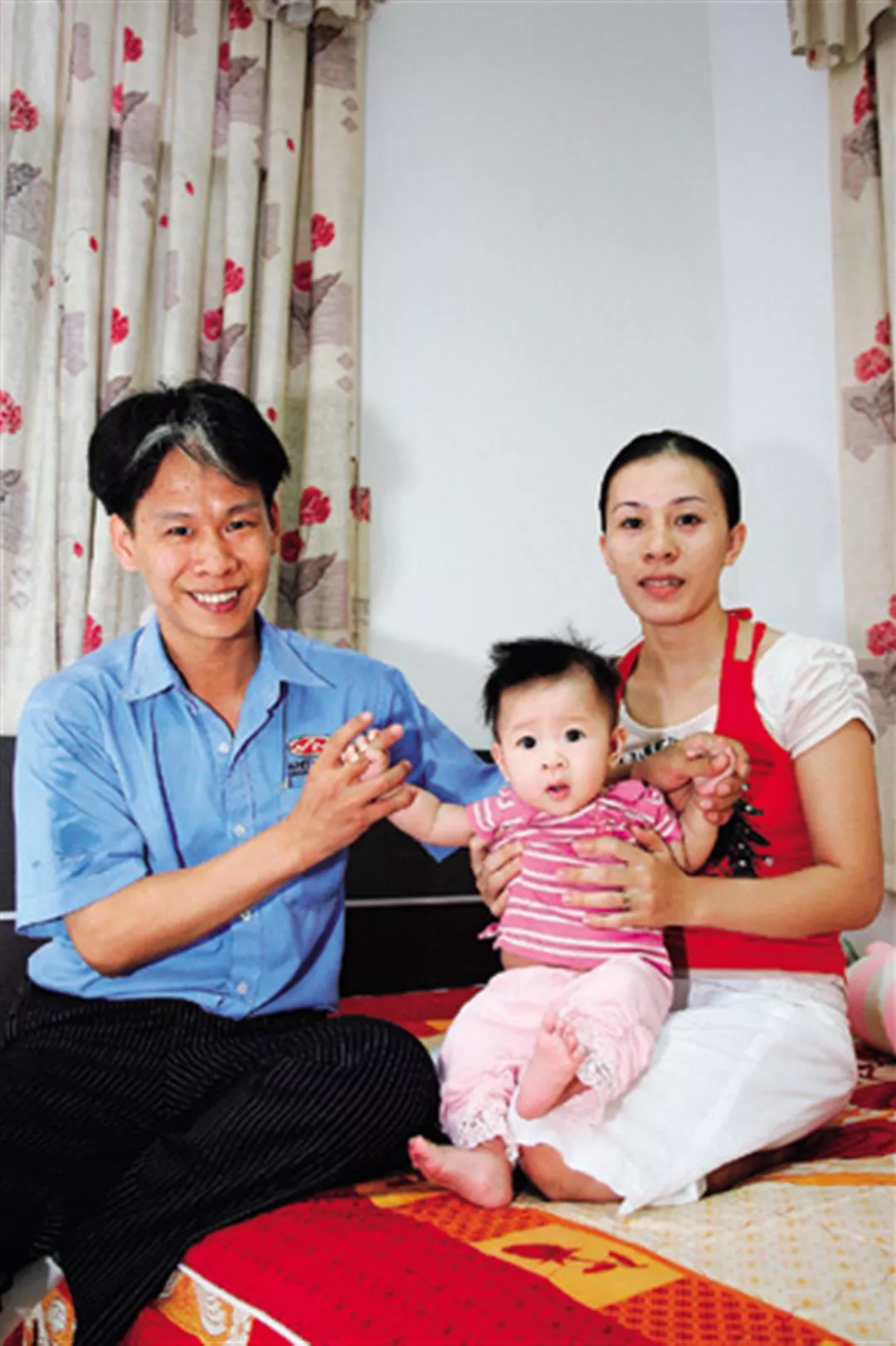
Hung Tzu-jian has been living in company housing for seven years. He now shares an efficiency above his factory with his wife and their daughter. The family is tight-knit and mutually supportive. He works for them, and they provide him with a sense of security in this foreign land.
A tarnished image
The plethora of negative stories in the media has been disastrous for the image of Taiwanese men in Vietnam, who were once viewed as high-status "foreign businessmen." They are also reputed to be addicted to taking on mistresses, which has made it much tougher for them in the marriage market.
A "Taiwanese groom" in Vietnam for ten years, Chien Chih-jung brought his wife and two children to Taiwan seven years ago. Chien married for love and after the wedding became close to his wife's family. But when he later offered to introduce his wife's younger sister to a Taiwanese man, he was flatly turned down. His sister-in-law is a university graduate who works for an international corporation, giving her a great deal of socioeconomic status. Since both Taiwanese and Vietnamese look down on Vietnamese women who marry Taiwanese men, she refused her brother-in-law's help.
In June of this year, Liao Jen-cheng, a manager with Vietnam Precision Industrial, finally married his girlfriend of five years, Nguyen Thi Thuy Nga. The two held banquets in both Taiwan and Vietnam to celebrate, but their relationship also demonstrates that the road to happiness is never smooth.
Liao says that though his wife worked for his company, it was only in the last two years that they became an actual couple. They moved so slowly in part because he was concerned about cultural differences and in part because her family had doubts about their daughter dating a Taiwanese man. The barrage of negative reports in the Vietnamese media about Taiwanese men also delayed things. It wasn't until he was 33 and she was 31 that the ticking of the biological clock got them seriously considering marriage.
The delicate-looking Nguyen speaks Mandarin slowly, but is happy to share her thoughts on transnational marriage.
"He is even-tempered and rarely raises his voice," she says of her husband, sounding very satisfied. She even sings the praises of her in-laws, of whom she was terrified until she actually met them. She says that on the several vacations she's spent in Taiwan with her husband, she's never had to take on her in-laws' household chores. Instead, they've bought her nice breakfasts and treated her as if she were their own daughter.
Nguyen says that if she were to really nitpick, she'd say her husband's only flaw is that he's "not romantic enough"-a criticism most Vietnamese brides make of their Taiwanese husbands. Perhaps it's the lingering influence of the French colonialists, but Vietnamese are generally more romantic than Taiwanese. They frequently give flowers or communicate their feelings over coffee, in song, and through dance. Taiwanese men are much more staid and pragmatic than their Vietnamese counterparts, pouring far more of their energy into work than into expressions of romantic feeling.
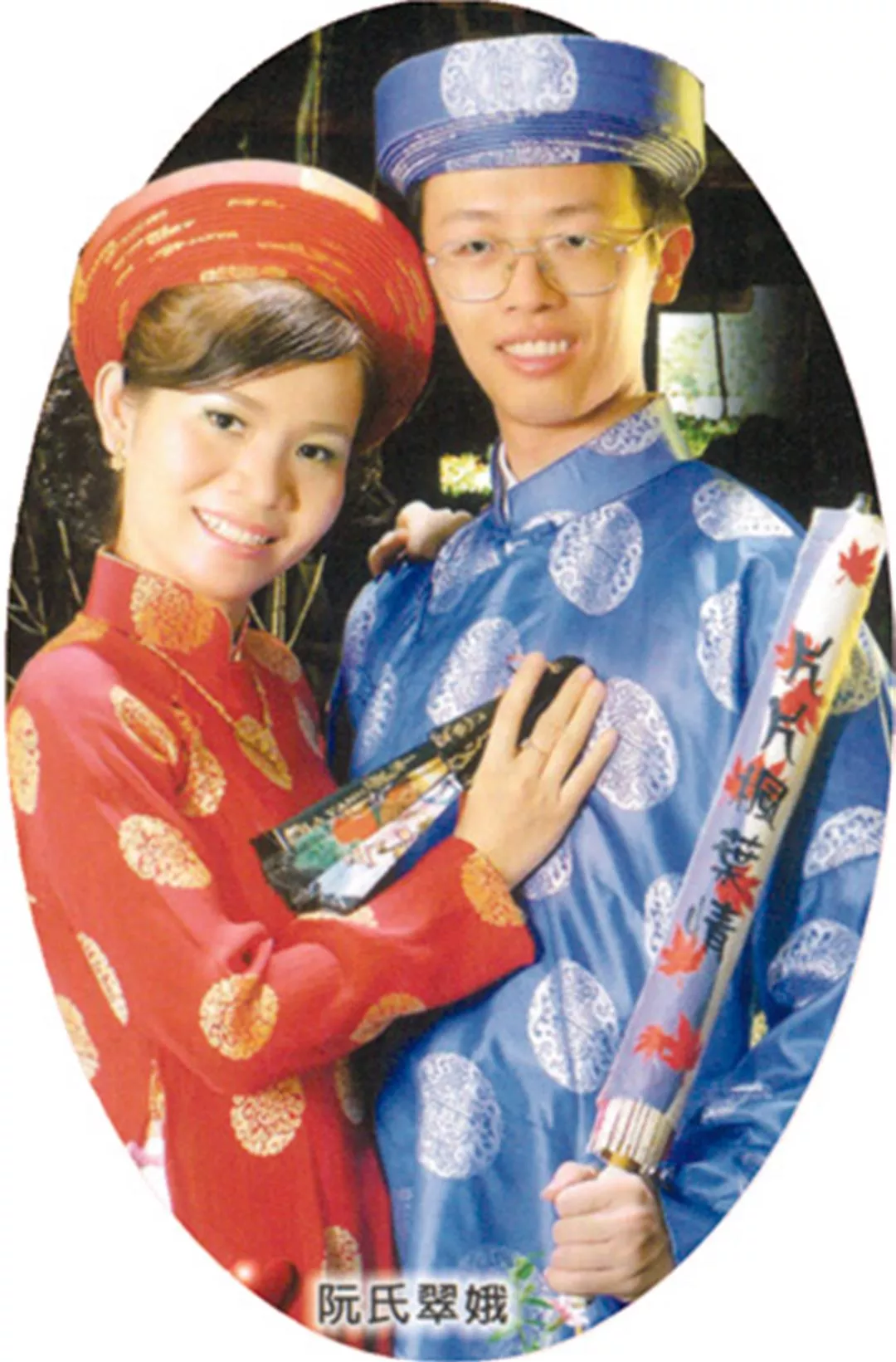
Just like home?
Putting aside the differences in socioeconomic class, Vietnam's colonial past and close ties to Europe have made it much more cosmopolitan than Taiwan and given it a correspondingly greater degree of tolerance for foreign marriage. But Taiwanese-Vietnamese families in Vietnam still face pressure to conform, and their children's education is a particularly challenging issue.
Given the environment, the children pick up their mother's native tongue naturally, but Taiwanese fathers typically want them to learn Mandarin as well. Many therefore send their children to the Taipei School in Ho Chi Minh City, despite the high cost (tuition is around NT$70,000 per term). Nearly 100 students from 13 nations are enrolled in the school's kindergarten, 65% of whom are from Taiwanese-Vietnamese families.
Some Taiwanese dads instead choose to take the whole family back to Taiwan before their kids reach school age.
Jason Hung, who heads up Cathay Life's Hanoi office, has been married for 13 years. His marriage was seemingly fated: he met his future wife at a wedding party he attended just two weeks after his arrival in Vietnam. After three years as a Taiwanese groom in Vietnam, Hung took his wife and children back to Taiwan a decade ago. Over the intervening years, Hung picked up fluent Vietnamese from his wife, while she learned both Mandarin and Taiwanese.
When Cathay Life decided to open a Vietnamese office two years ago, the Vietnamese-speaking Hung was their natural choice to head it up. But while he went back to Vietnam, his wife remained in Taiwan to keep their kids in school here. "Now I'm taking care of her parents in Vietnam, and she's taking care of mine in Taiwan," laughs Hung.
Shen Ming-jen, general secretary of the Council of Taiwanese Chambers of Commerce in Vietnam, was among the "pioneers" of Taiwanese-Vietnamese marriage. Shen, who went to Vietnam in 1989 as an investor, was a "Taiwanese husband" for nearly a decade. He emigrated to Canada with his wife and two children four years ago and now spends a lot of his time flying back and forth between Canada and Vietnam.
"The traffic is terrible and the streets can be dangerous in Vietnam, so the kids can't really go out," says Hung. "Taiwan, meanwhile, isn't very nice to foreign spouses. And then there's the education issue." Hung says that after much thought and weighing of options, he finally decided to move the kids to Canada, far from both his and his wife's respective homelands.
Naturally, some Taiwanese-Vietnamese families are happy and some are not. If we pull back and view the situation from a less personal perspective, we also see that the growing numbers of these families have implications for our national security, social structure, educational system, culture and demographics. On a more personal level, acceptance of and experiences with Taiwanese-Vietnamese families vary widely, just as does enthusiasm for Vietnamese fish sauce and durian.
The transition from trading partners to marital partners, from business partners to family, may have been only a small step for these individuals, but it is a huge one for a nation to make. And as a nation we should be a little kinder towards and more solicitous of these families.
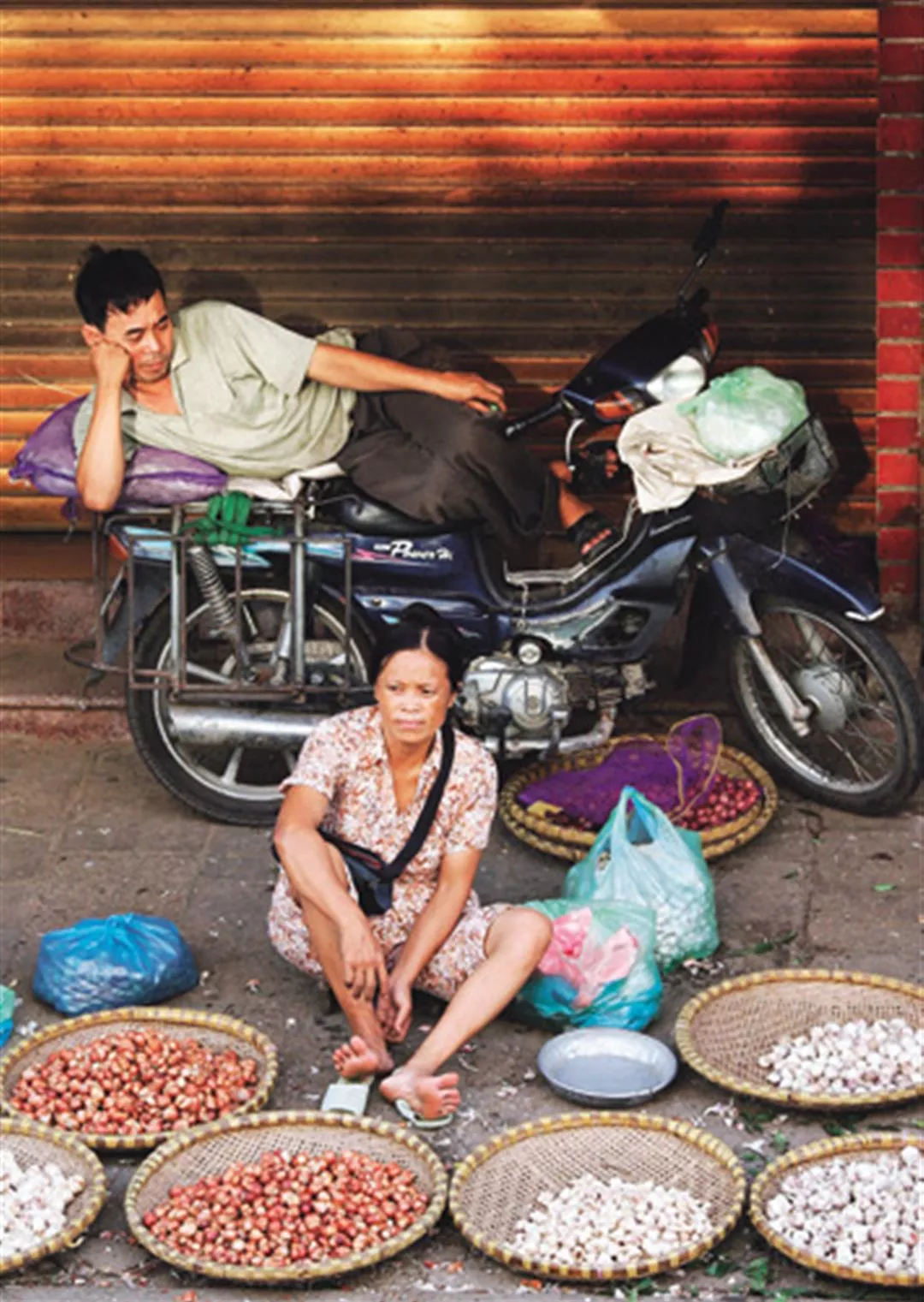
Hardworking, thrifty Vietnamese women provide crucial support to their families. Girls from poor rural communities will even sacrifice themselves by marrying into distant families to keep their natal families afloat.
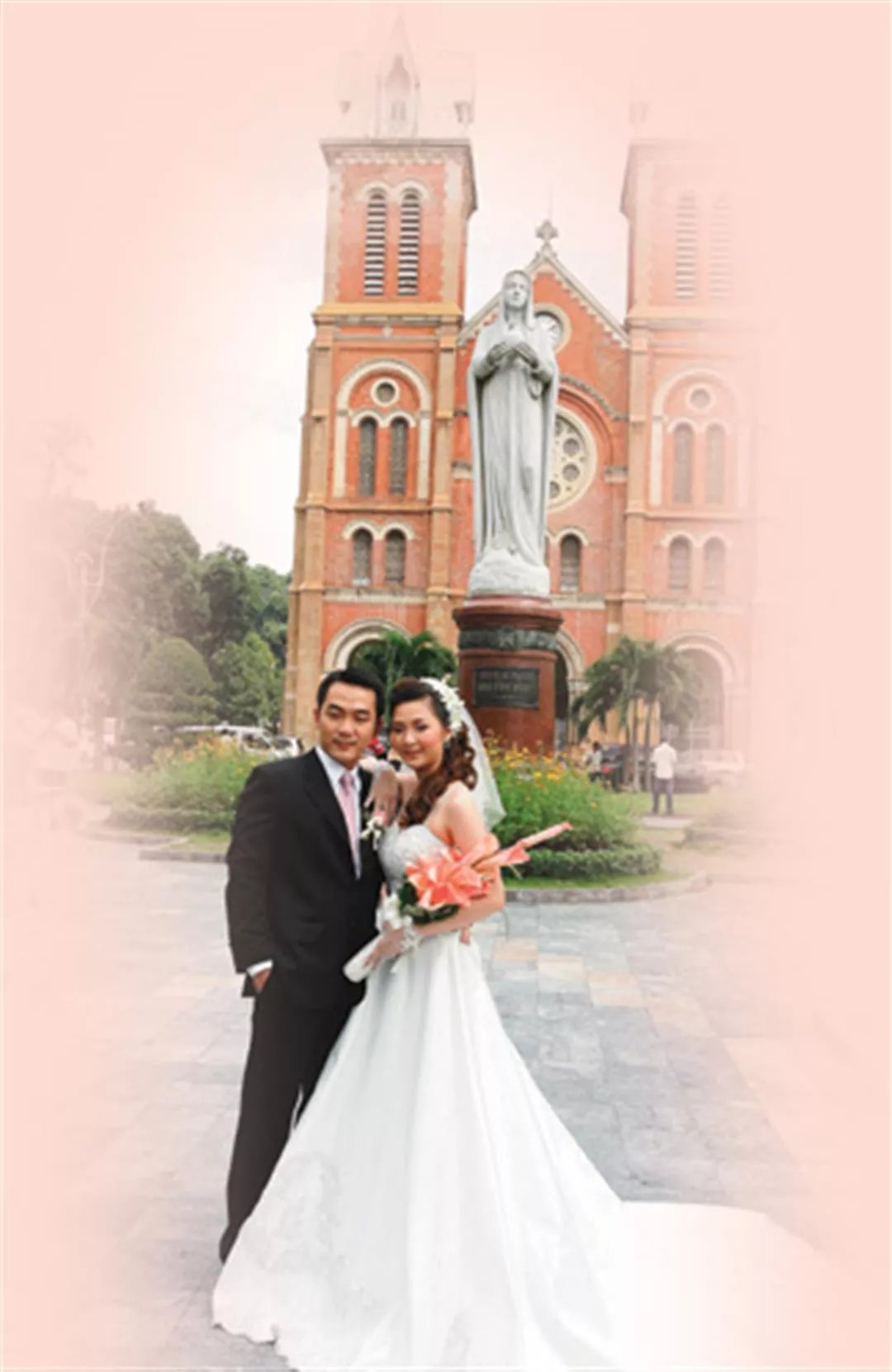
Following in Taiwan's footsteps, South Korea has in recent years also become a major investor in Vietnam and a major "export market" for Vietnamese brides. These days, couples of mixed nationality having their pictures taken in front of Ho Chi Minh City's Notre Dame Cathedral (Nha Tho Duc Ba) are themselves part of the scenery.
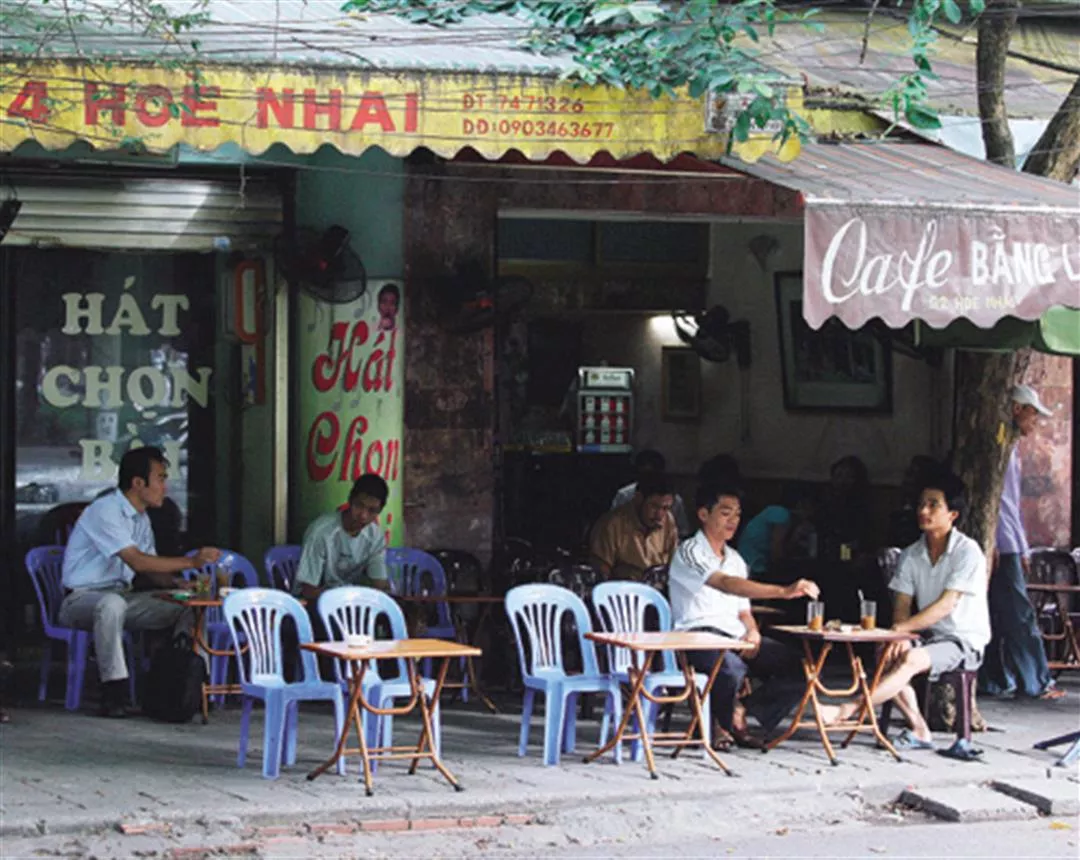
Men drinking coffee and chatting in streetside cafes are just part of the scenery in Vietnam. Are they incurable romantics? Congenitally lazy? It probably depends on your perspective.
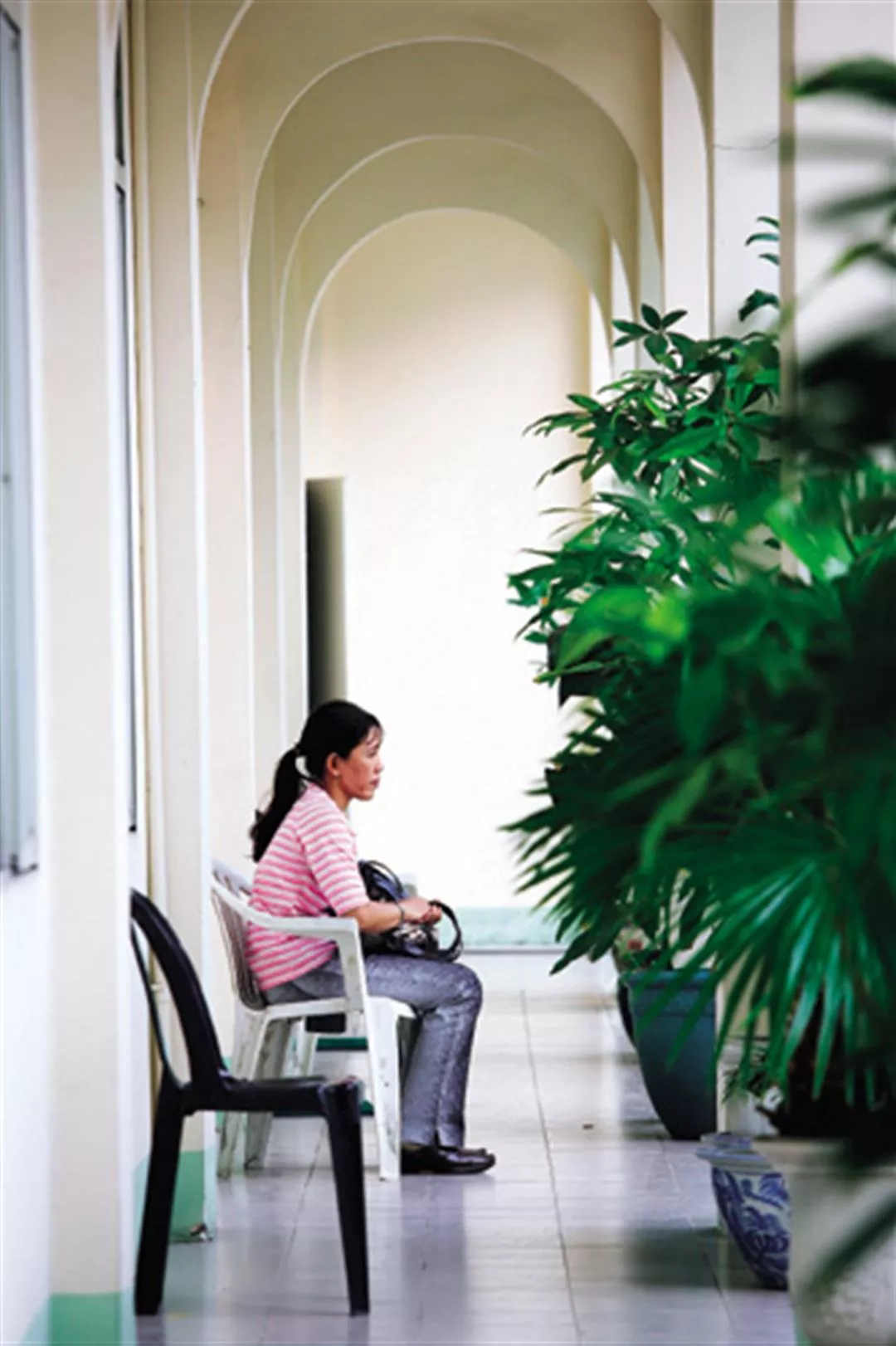
Men and women enter the interview rooms separately. Anxiety and confusion writ plain upon her face, a Vietnamese woman planning to marry a Taiwanese man faces a question she cannot yet answer and a future she cannot predict.


@List.jpg?w=522&h=410&mode=crop&format=webp&quality=80)
