

Chung Shan is one of the three pillars of the medical community in Central and South Taiwan, along with China Medical College and Kaohsiung Medical College. While not the most famous medical school in Taiwan, Chung Shan has long been on the front lines of providing medical practitioners to the community. As one student said, "Although Chung Shan has relatively little scholarly authority, in taking care of the common people it takes a back seat to no one."
This fact naturally is connected to how the school developed.
Chung Shan originally started out as a dental school. It was in the 1950's, when oral hygiene was not yet a major concern and dental schools were few in Taiwan, that the dentist Chou Ju-chuan decided to set up the Chung Shan Dental College, which was to begin admitting students through the examination system in 1960.
Unfortunately, many of the original backers who had hoped to get their relatives and friends into the school pulled out when it was decided to use the exam system to admit students. Even the land for the school was taken back.
Undeterred, Dr. Chou, his brother Chou Ju-nan, and his wife Chou Chang Pu put together a small bit of land at personal sacrifice and went ahead anyway. Aside from the then newly-built Chang Pu building, the school had only a few aged structures crowded onto seven small hectares.
The school lacked plumbing, dorms, bookstores, and specialized equipment. Unable to survive as only a dental school, Chung Shan added a medical curriculum in 1962. A midwifery nursing curriculum was added in 1965 and courses in medical technology in 1966. Still, as a private school where students have to pay greater tuition, it remained difficult to attract the best talent.
This gloomy situation continued until 1972, when the well-known medical educator and authority on anatomy and histology Ts'ai Tzu-li agreed to head the school.
Under Ts'ai's guidance, and building on the departments of anatomy and histology, the school's situation rapidly improved. Ts'ai brought in several of his former students to head up key departments, including Cheng Ming-hsiung (Anatomy), Chou Teh-cheng, and Liao Ke-kang (Electron Microscopy). Ts'ai also coaxed a large number of local doctors to enter Chung Shan's affiliated hospital.
In 1977 the school's name was changed to the Chung Shan Medical and Dental College. After the name change, the school expanded rapidly, from having only Departments of Medicine and Dentistry (others having been temporarily suspended), to include the Departments of Medical Technology (1979), Nursing (1980), Nutrition (1981), and Rehabilitative Medicine (1985).
Though still small at 2,500 students, and under certain objective limitations, Chung Shan has followed a strategy of developing key areas. Thus Chung Shan excels in Dentistry, Anatomy, and Biology.
As for dentistry, the Chung Shan hospital has its own, independent building devoted to dental care, including two large outpatient departments further subdivided into eight separate specialties. Of special interest is Chung Shan's "Oral Hygiene Team," which visits Taichung middle and primary schools every Monday morning to educate children about oral hygiene.
As for anatomy, NT$15 million has been spent to build an electron microscopy room; and Taiwan's first Tissue Culture Research Center has been set up.
The biology course includes a cell genetics laboratory. This lab receives a lot of work from hospitals doing examinations of chromosomes for pregnant women, as well as research about abnormal chromosomes.
Like all private schools in Taiwan, Chung Shan has a chronic shortage of funds and people. But students and faculty find ways around these problems, such as frequently inviting guest lecturers to come on weekends. Another problems is that because Chung Shan's place on the examination list is not high, about 10 percent of the students leave for other professions. But those who stay are dedicated.
Though small, Chung Shan has 33 student organizations and six departmental associations. Besides the campus-wide publications, each organization or association puts out things on a regular or irregular basis, creating a lively publishing atmosphere. There are also at least seven dances each semester, one sponsored by the school and one each by the six departments.
The key to Chung Shan's ability to break through limitations imposed by objective conditions has been the spirit of hard work, of self-reliance, and of critical self-examination.
And hard work pays off. Last year over 90 percent of Chung Shan's graduates passed the medical boards. And a new, second affiliated hospital with 200 beds will open in August. It is because, as the President of the Association of the Department of Medicine says, "Chung Shan people really love Chung Shan, and have confidence," that a vigorous future for this school is more than just a dream.
[Picture Caption]
Even after class the sounds of discussion do not stop.
Because Chung Shan is located in the suburbs, most students take motorcycles to school.
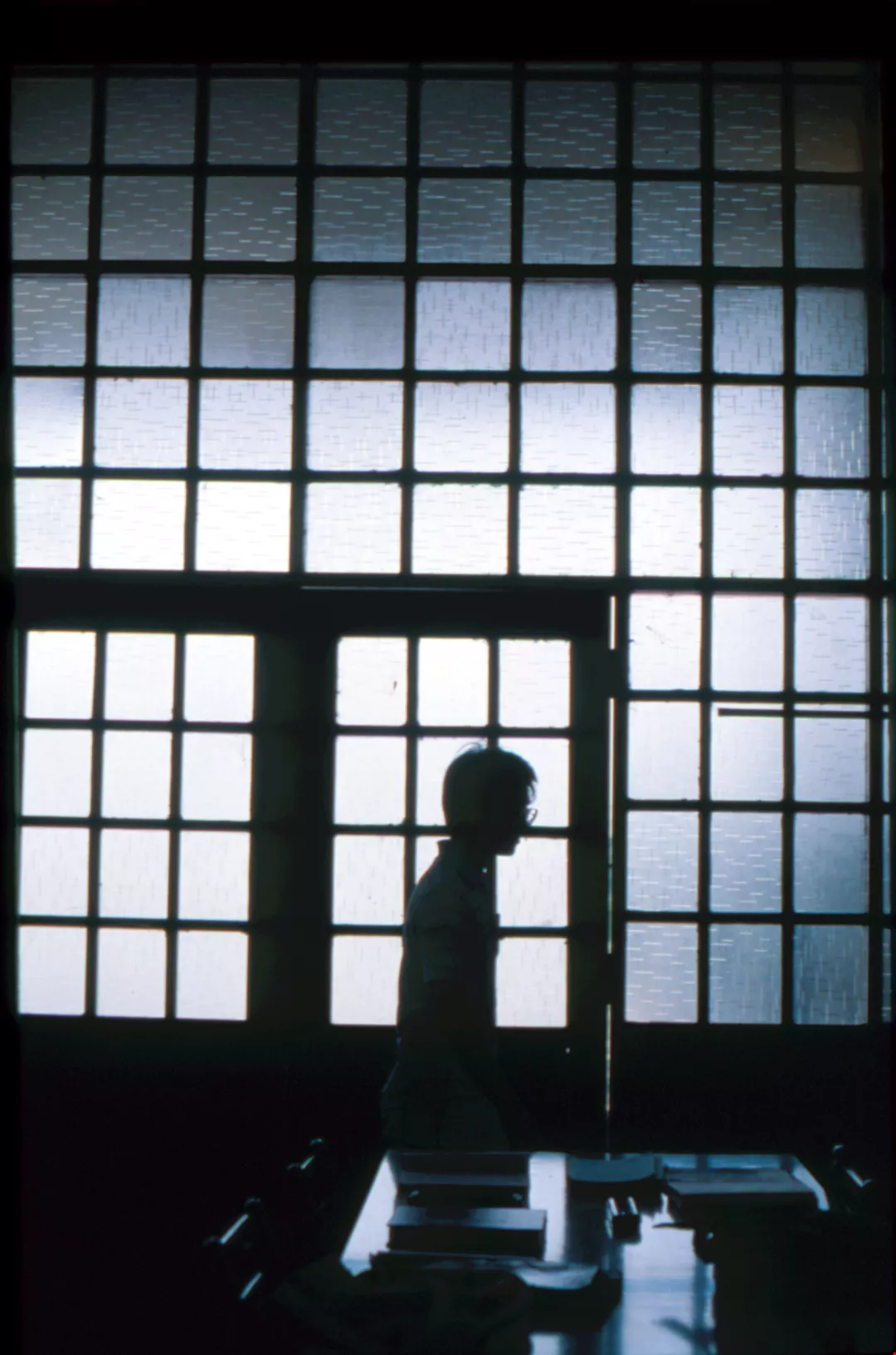
The shadow of a person against the backdrop of the library's large glass window makes an interesting contrast.
(Right) Chung Shan was originally a dental school, and today dentistry r emains a key aspect. The students have their own affiliated hospital to acquire practical experience.
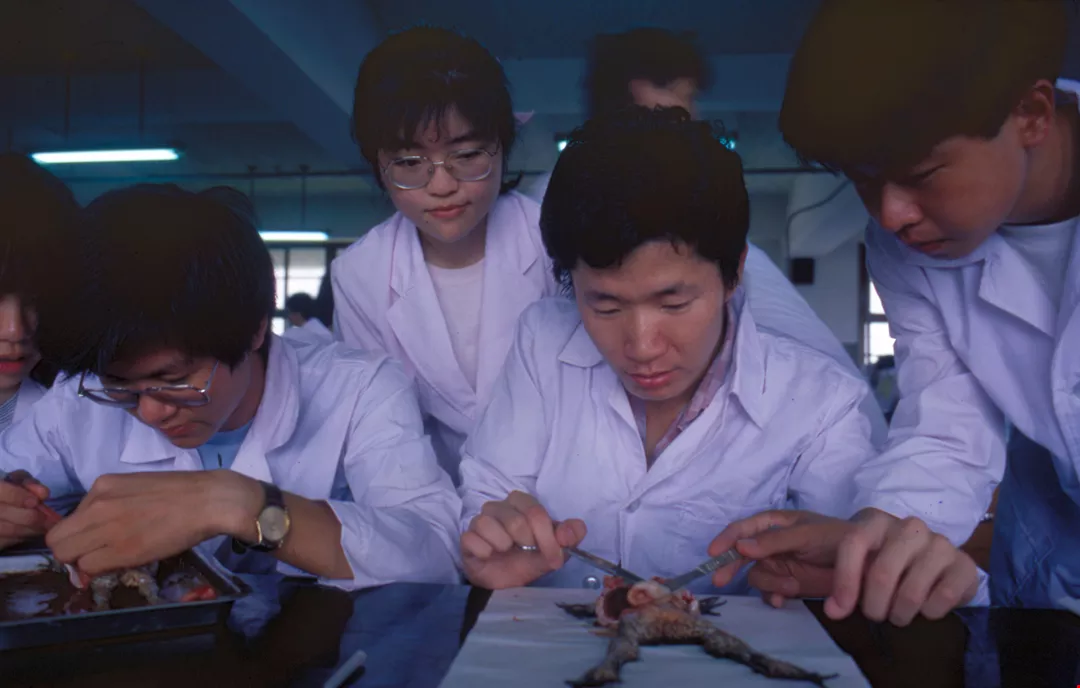
(Left) To produce a doctor, some sacrifices have to be made.
The view from the spiral staircase is wide, and students often come here to talk on summers' eves.
Lush greenery on the campus provides a nice place to spend some leisure time.
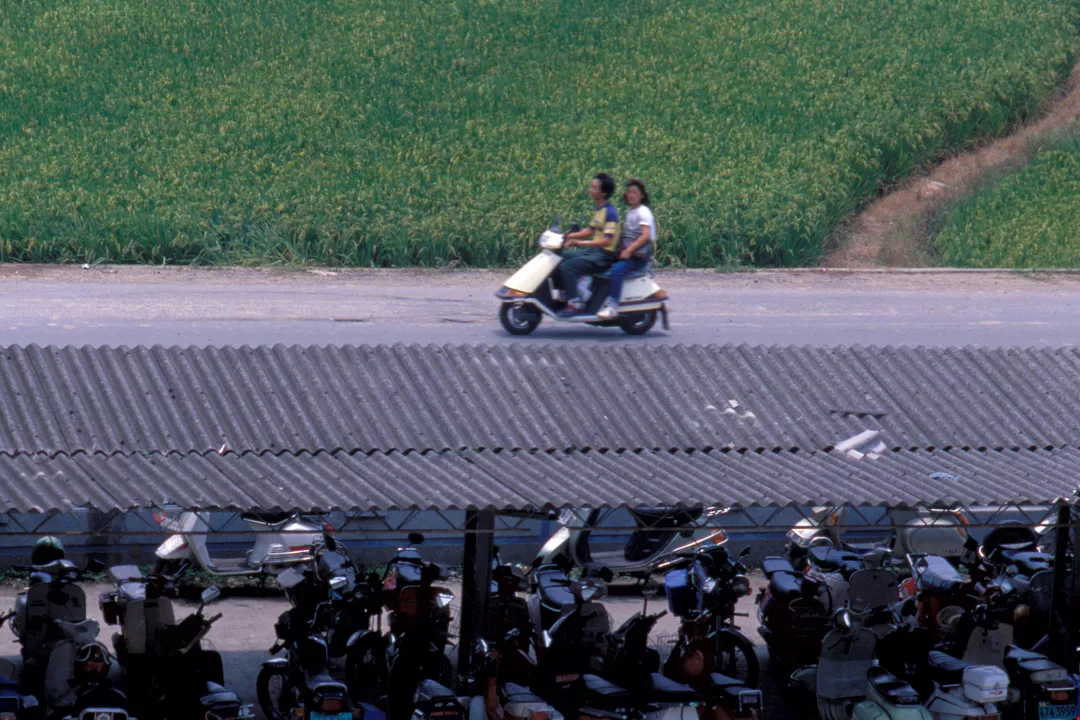
Because Chung Shan is located in the suburbs, most students take motorcycles to school.
(Left) To produce a doctor, some sacrifices have to be made.
The shadow of a person against the backdrop of the library's large glass window makes an interesting contrast.
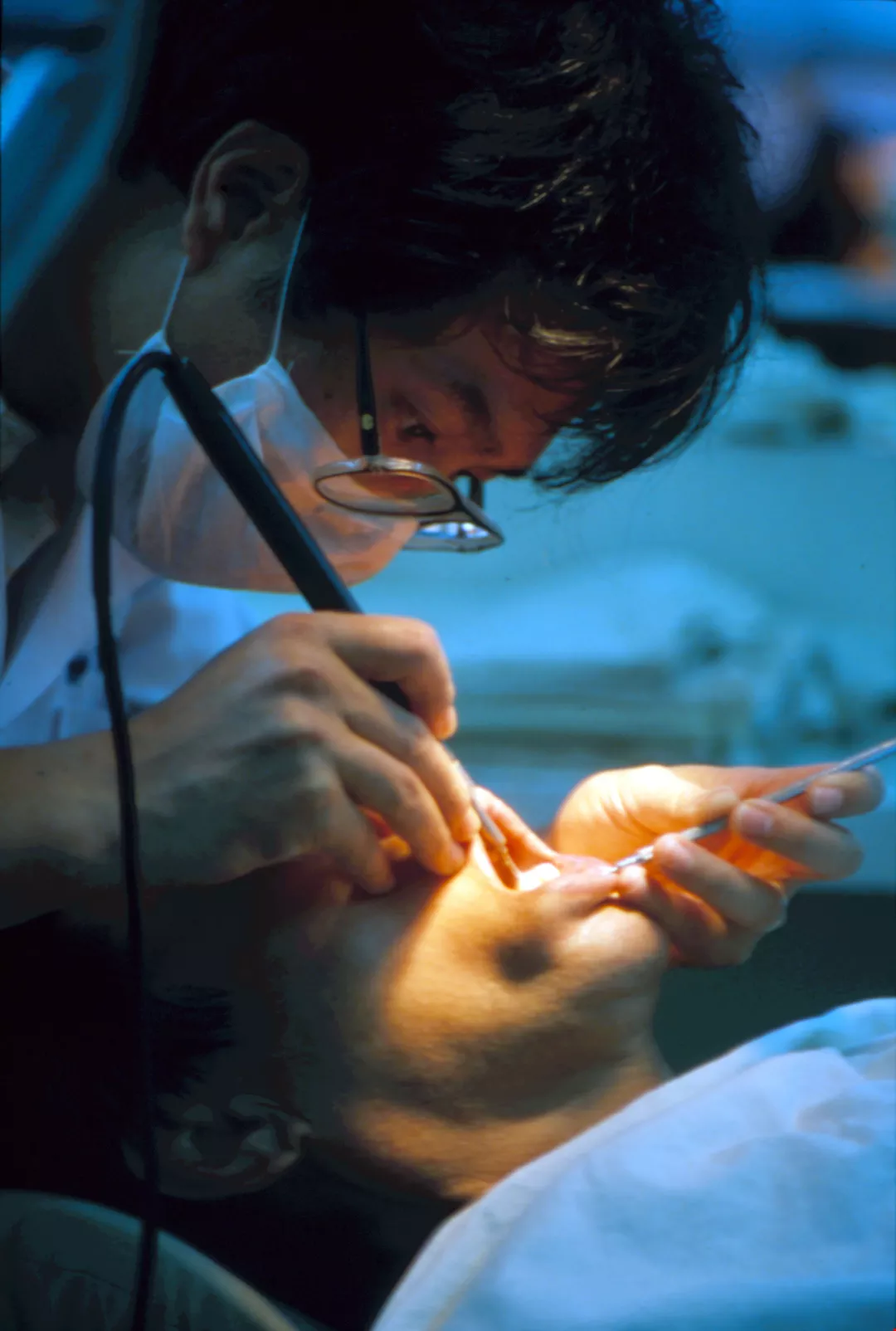
(Right) Chung Shan was originally a dental school, and today dentistry r emains a key aspect. The students have their own affiliated hospital to acquire practical experience.
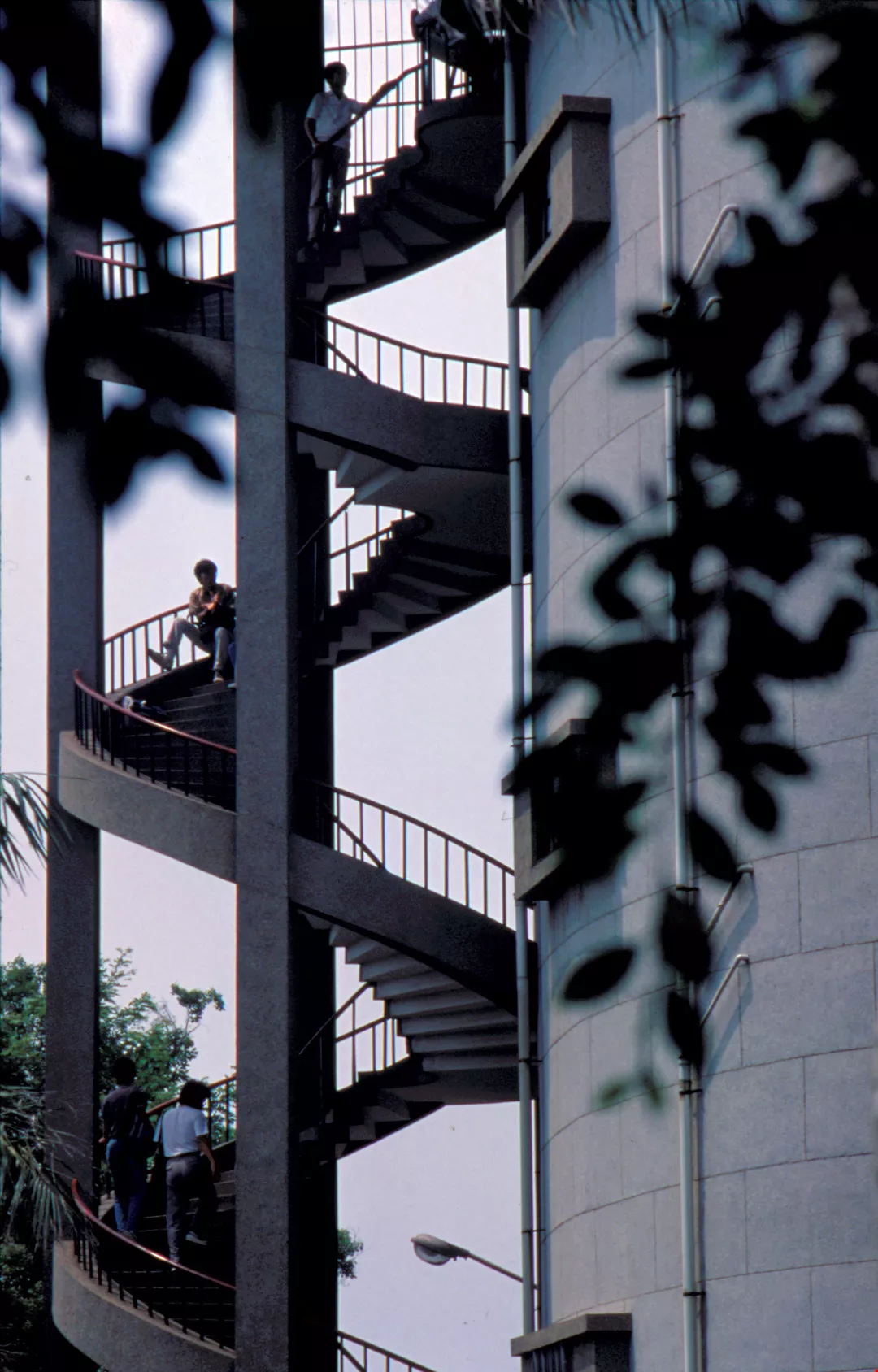
The view from the spiral staircase is wide, and students often come here to talk on summers' eves.
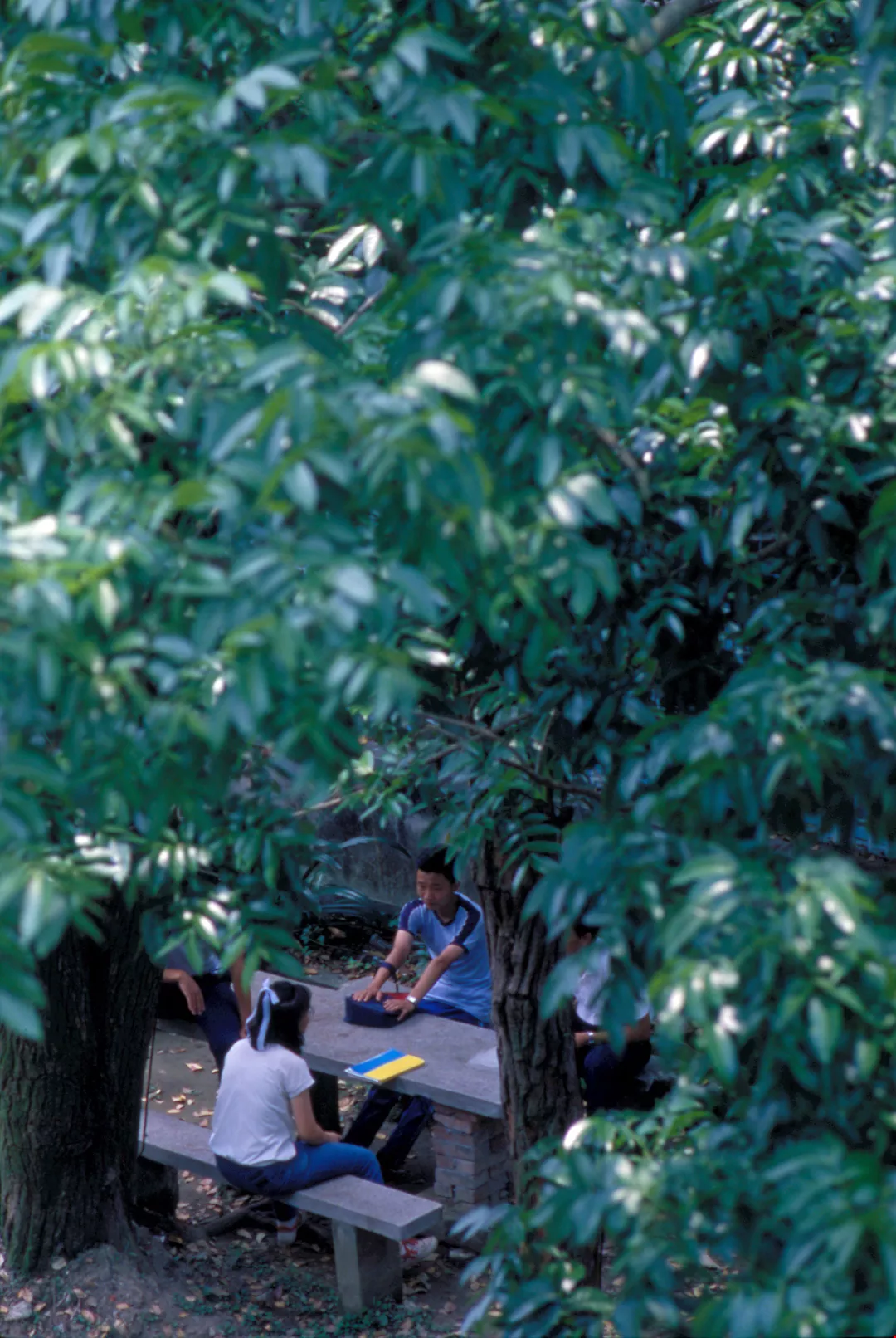
Lush greenery on the campus provides a nice place to spend some leisure time.


@List.jpg?w=522&h=410&mode=crop&format=webp&quality=80)


