

Last year at copyright negotiations between the Republic of China and the United States, the ROC Ministry of Interior agreed to waive previous application procedures and to protect the copyrights of American works, following an earlier decision to include computer software in the new revised copyright law. Some objected to these moves, claiming that they stemmed from unreasonable foreign pressure in what was basically an internal law.
Yet such attitudes may well be shortsighted, particularly if Taiwan is to rid itself of the reputation as one of the world's top producers of pirated goods. And what lies at stake is more than mere image. Says one foreign economic observer, "If foreign companies can't be assured their intellectual property will be protected, they'll be very leery about transferring their technology here."
Yue Loong Motor Co. has already run into this problem. Four years ago, the firm wanted to purchase a computer-aided design software program to help it develop the X-101 auto model. Owing to Taiwan's reputation for computer piracy, the software company at first refused to sell the program, agreeing later only after the U.S. Congress took action on the matter. Examples such as this one and Taiwan's increasing reliance on high technology have created a sense of urgency in the R.O.C. about protecting foreign intellectual property.
The U.S. government has also been a source of pressure. Pirated imports figure among the mounting U.S. trade deficit, and statistics report the U.S. loses over US$1.3 billion in the form of counterfeit goods from ten countries without comprehensive and effective copyright laws. In response to this situation, the U.S. threatened to abolish favored tax treatment for nations which did not protect the patents, copyrights, or trademarks of American goods.
One of the ten countries was the ROC, which saw the measure as endangering US$3.2 billion of its export trade with the U.S. As a result, all works copyrighted in the U.S. are now given identical treatment in Taiwan. Computer programs are also now protected in the copyright law, but some complain that the haste of its inclusion prevented the drawing up of compulsory licensing and reasonable regulations.
In the book publishing area, the American Publishers Association recently revoked its policy of authorizing local publishers to publish American works. The move will put prices out of reach of a considerable amount of technical textbooks for university students and force many booksellers of Western books to close up shop or go underground. Many booksellers complain that they are sacrificial lambs in the government's policy of accommodating foreign demands.
Behind this problem lies different cultural traditions. Chinese writers in the past found their greatest reward in being read widely and seeing their works spread around the country. There was little concept of intellectual property. China only enacted a copyright law in 1928, and then in response to world trends, not to any internal pressure.
The West, by contrast, has had a much stronger emphasis on individual property, be it material or intellectual. As early as 1710, England enacted a copyright law, the Statute of Queen Anne, in response to prominent writers protesting against publishers who pirated and distorted their works.
Besides cultural tradition, the degree of a nation's development is another factor in determining its attitude toward pirating foreign copyrights. The ten largest pirating nations listed by the U.S.--Singapore, the ROC, India, South Korea, the Philip-pines, Malaysia, Thailand, Brazil, Egypt, and Nigeria--are all developing countries.
Developing countries, often experience a phase of pirating foreign goods, in the hope of closing the gap between them and developed nations. Japan and Hong Kong, and Britain and the U.S. before them, passed through this phase before enacting strict copyright laws.
Nevertheless in 1970, the Universal Copyright Convention (UCC), recognizing the special situation of developing countries, invoked the principle of compulsory licensing, which gave them favored treatment. The ROC, however, ranks 17th among the world's trading nations and has little grounds to claim underdevelopment as a reason to continue to be allowed to pirate. However, since Taiwan does not belong to any copyright convention, all that American publishers need do is to revoke authorization rights and local consumers will be forced to pay prices five and six times the piraters' prices, which might appear unreasonable given that Taiwan's per capita income is one-fifth that of the U.S.
Taiwan's publishers have responded with an energetic self-policing campaign designed to win the confidence of American publishers. The U.S. government has noted these efforts and has indicated a willingness to negotiate an agreement with the ROC in the spirit of the UCC, complete with compulsory licensing, but the details have yet to be worked out.
Such an agreement would bring problems as well as solutions. On the positive side, it would allow bulk import of books in Western languages. On the negative side, copyright convention regulations require that those seeking to translate foreign works must first obtain the consent of the book's copyright owners. This point, it is feared, would nullify the Treaty of Friendship, Commerce and Navigation, with Accompanying Protocol, where Taiwan already enjoyed translation rights of American works.
The ROC is also pushing ahead with reciprocal agreements with other nations. Last December the British Parliament voted to protect the copyrights of works produced in the ROC Similarly, British works, after being registered with the authorities will receive copyright protection in Taiwan. Should such a solution become a pattern in working with other nations, it would help considerably in erasing Taiwan's image as a pirate.
Earlier this year, a U.S. House subcommittee commended Taiwan for noticeable improvement in this area, and foreign businessmen familiar with the situation note that although enforcement needs further strengthening, the ROC is gradually making protection of intellectual property part of its legal system. Foreign periodicals, such as the Far Eastern Economic Review and Publishers Weekly, have also commented on the significant policy changes in this area.
Such reports help to improve Taiwan's image, but much work remains to be done, such as possibly joining international copyright conventions. In an ironic twist, both Kennex and Multitech have seen their products pirated overseas, and given its growing economic prominence, Taiwan itself has much to gain from strict copyright law enforcement.
[Picture Caption]
The last days of pirated books in Taiwan. (Photo by Chien Yung-pin)
Wang Chuan-lu has spent much effort trying to settle international copyright law disputes. (Photo by Hu Yu-hao)
Yue Loong Mator Co. had to go to great pains to obtain this CAD program. (Photo by Yang Yung-shan)
Computer programs are already protected under Taiwan's copyright law. (Photo by Vincent Chang)
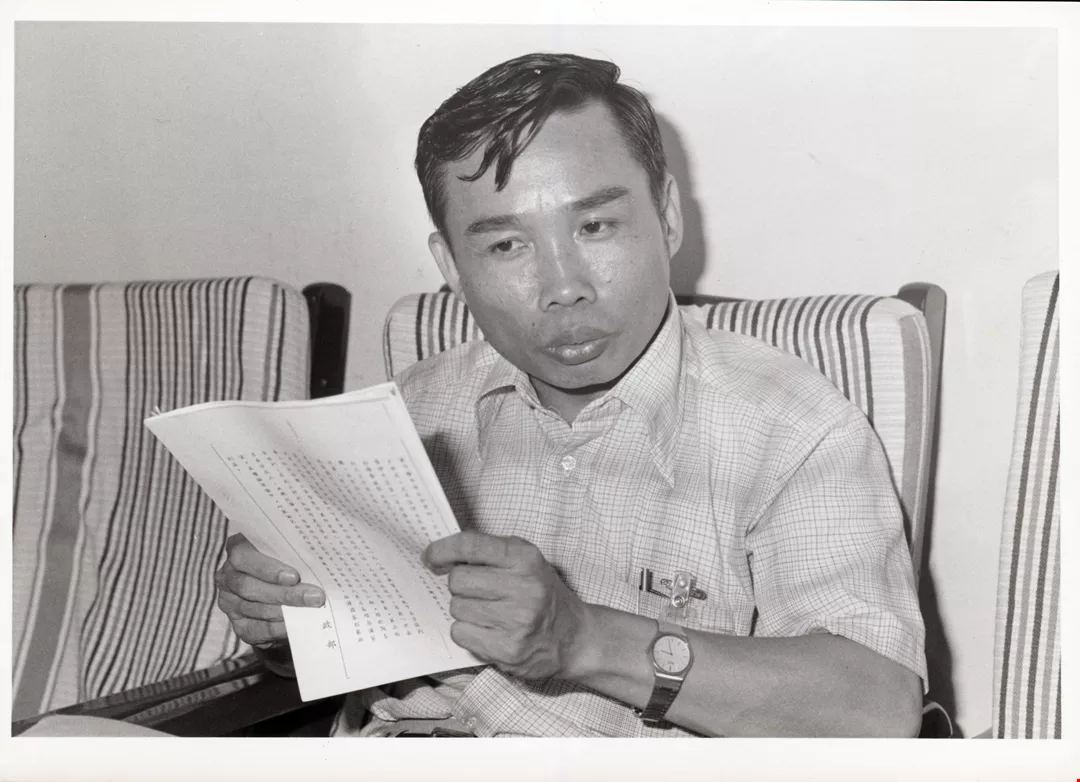
Wang Chuan-lu has spent much effort trying to settle international copyright law disputes. (Photo by Hu Yu-hao)
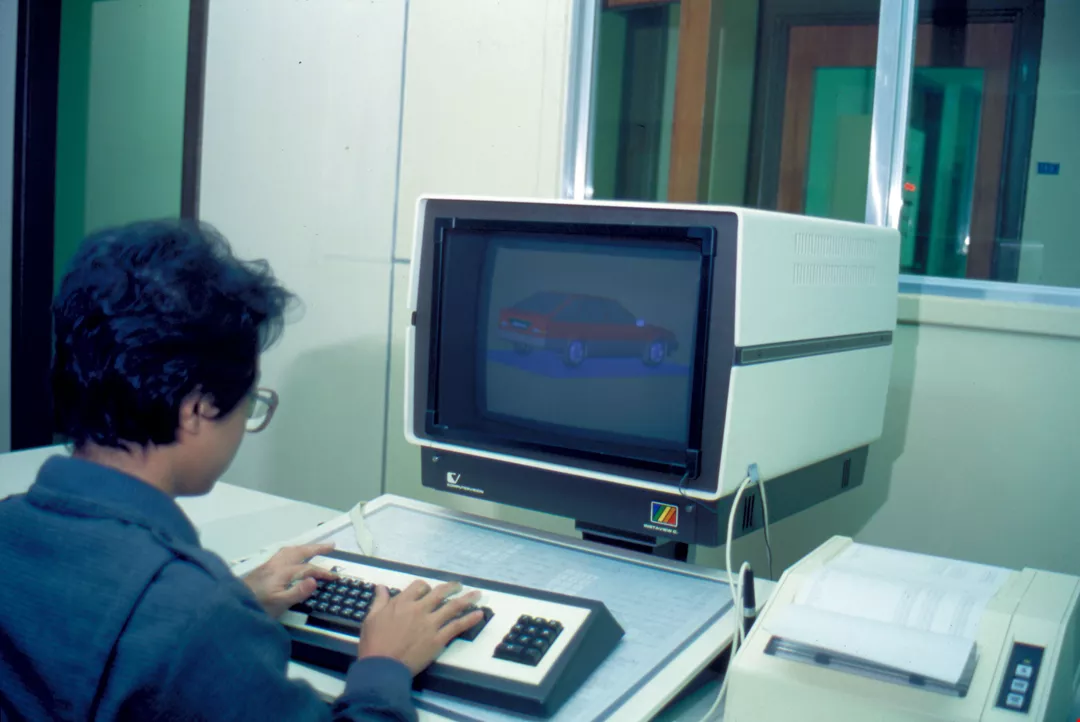
Yue Loong Mator Co. had to go to great pains to obtain this CAD program. (Photo by Yang Yung-shan) Computer programs are already protected under Taiwan's copyright law. (Photo by Vincent Chang)
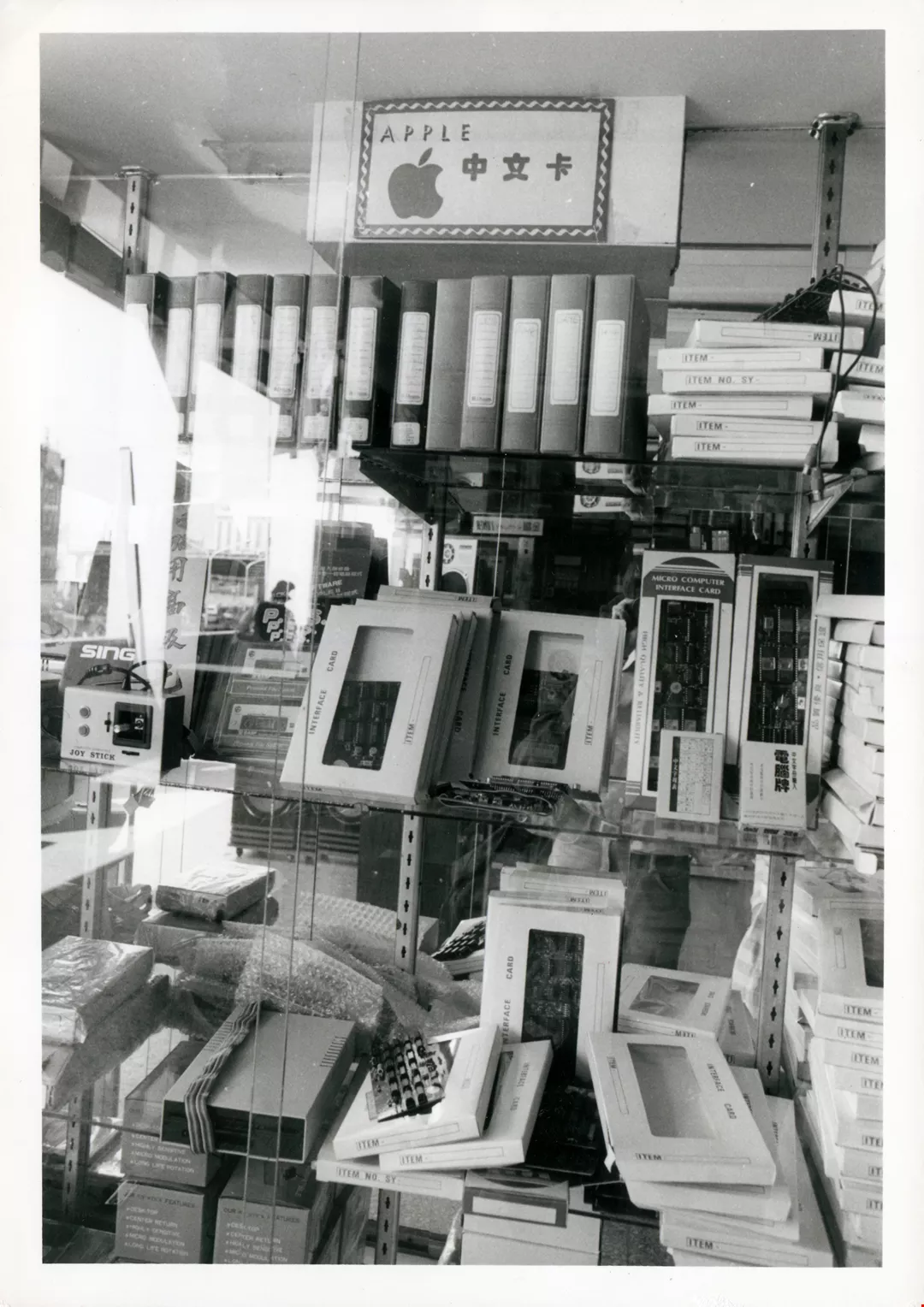
Computer programs are already protected under Taiwan's copyright law. (Photo by Vincent Chang)


@List.jpg?w=522&h=410&mode=crop&format=webp&quality=80)


