Mixed Emotions: Passports and National Identity
Elaine Chen / photos Diago Chiu / tr. by Jonathan Barnard
November 1993


In regards to passports, Taiwan is an unusual place. Out of a population of 20 million, around 400,000 people (that's one out of 50) hold two or more of them.
It used to be that a foreign passport was a fashionable item one showed off; now it's all the fashion to question the national allegiances of those who possess one.
What indeed do people in the ROC think of passports?
Singer Ouyang Fei-fei came back from Japan to join the Double Tenth National Day celebrations this year. At the festivities that evening she explained that even though she had married a Japanese and moved to Japan some ten years before, she was still carrying her ROC passport after all that time. "I am honored to carry an ROC passport," she said.
In his seat in the audience, John Chang, chairman of the Overseas Chinese Affairs Commission, grinned.
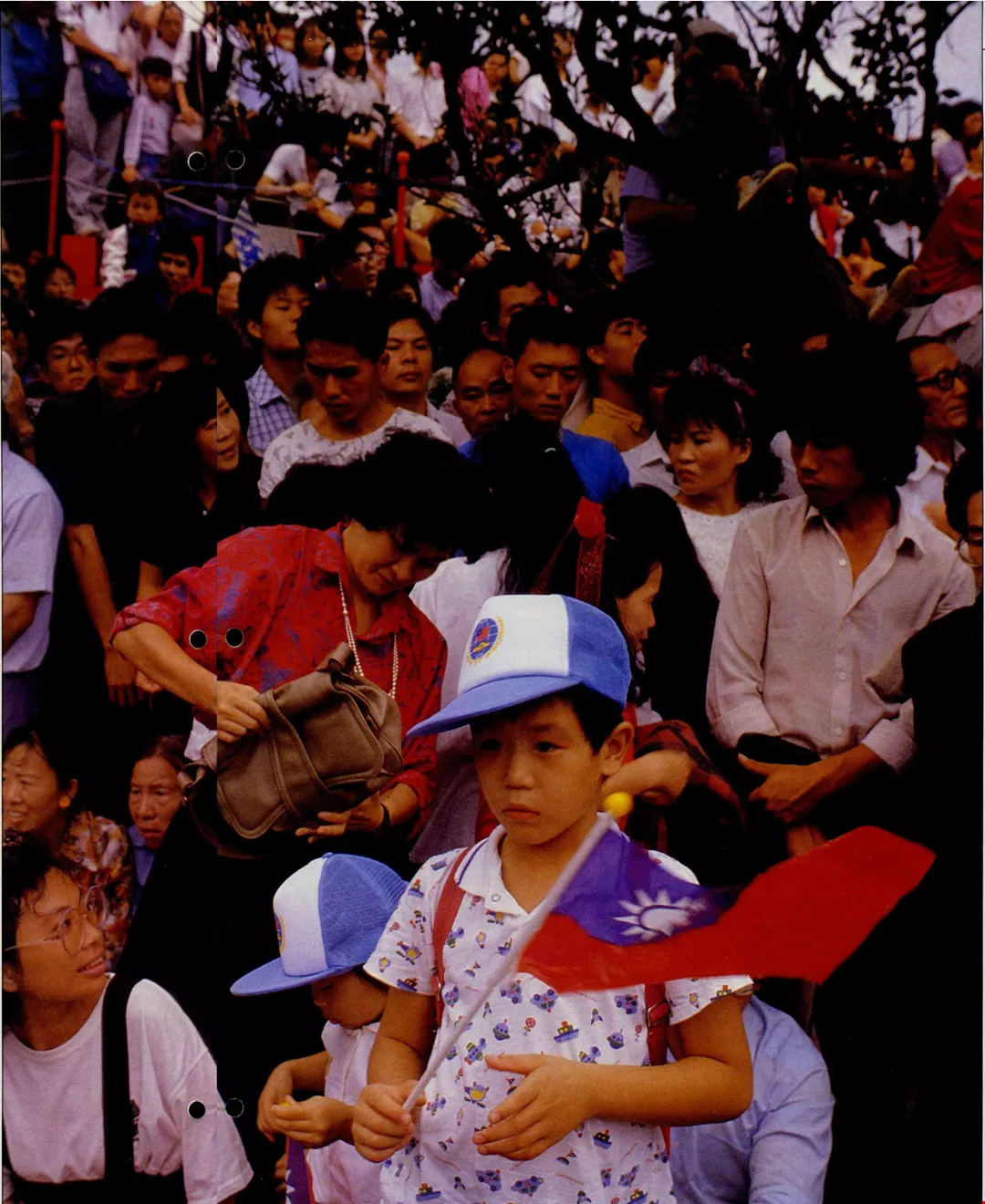
What a bunch of mixed emotions the people of the ROC have for passports. (photo by Vincent Chang)
Looking out for themselves:
But few are like Ouyang Fei-fei or the Japanese baseball home run king Wang Chen-chih, who stubbornly holds onto his ROC passport despite being born and raised in Japan. Many, in fact, leave Taiwan precisely because they want to obtain a foreign passport.
According to government statistics, more than 400,000 with residences in Taiwan but foreign passports have applied for return stay extensions. This figure includes those reapplying but not those with two passports who used the ROC passport to enter Taiwan.
Many of these people were forced by adverse circumstances to take a second passport. After the ROC government came to Taiwan from the mainland, one country after another severed relations with the nation. When it was booted from the United Nations, more broke ties, and now only 29 foreign governments recognize the country. Particularly in the early years, many nations--based on traditional principles of foreign relations -- did not recognize ROC passports.
"Out of affection for one's motherland, everyone wants to carry its passport, but when so doing affects your ability to survive and take hold of opportunities, you have a right to choose," says Lo Chiung-hsuan, the director of the Liberty Times' Art Center, who once thought long and hard over this issue. He cites the example of Taiwanese playing professional baseball in Japan, where teams can only put two foreign players on a roster. Many Taiwanese players take Japanese citizenship to avoid forcing teams to use one of these slots on them.
"Wang Chen-chih has always been an excellent person; he's steady as a rock," Lo says. "Kuo Yuan-chih finally let go of his ROC passport after more than 10 years there. It's not that they don't identify with their country, Lo asserts, but that they have done what's expedient.
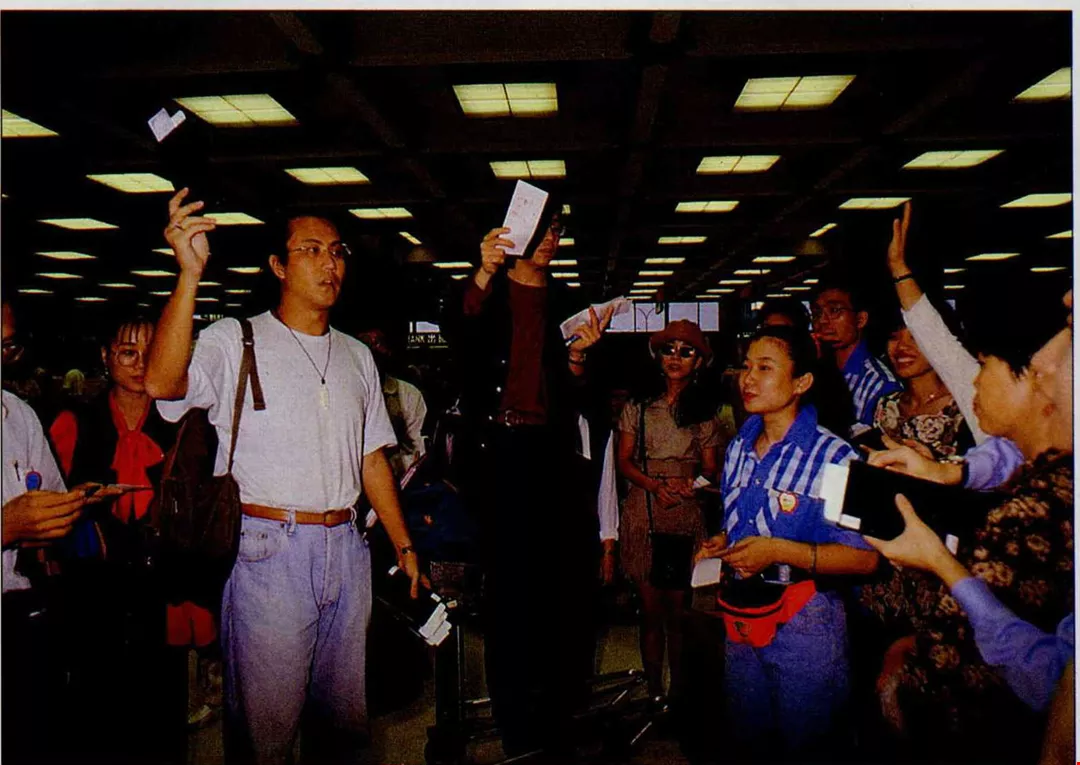
As the nation grows more powerful, travelling with an ROC passport becomes more convenient.
No way out:
These kinds of situations are often seen in the business world.
Andrew Tsuei, Chairman of the Central European Business Association of the ROC, is up front about holding two passports. He started holding an American one way back in the seventies. "Thirty years ago I went to America to study and after I earned my degree, I stayed to work in the States. My company helped arrange rights of permanent residence for me." When Tsuei decided to pursue his career back in Taiwan, he did not take steps to obtain an American passport.
Although the ROC had yet to be booted out of the United Nations, many European countries had already broken ties, and he needed to go around the world on business. To get visas to European countries, he would specially board a Cathay Pacific flight to Hong Kong (back in the days before China Airlines), where he would spend a few days to get his Swiss visa. Then he would fly to Geneva and apply for the other visas there.
"Whether I would get them or not was a matter of luck," Tsuei recalls. Italy once refused him, costing him dearly. "At the time I would often not be able to do business simply because I was unable to get a visa." Tsuei remembers that it was only because the situation was so impossible that he finally decided, seven or eight years after obtaining a green card, to go to America, establish citizenship and get an American passport.
ROC nationals with foreign passports give all sorts of reasons for why they got them. During the martial law period, the government confiscated the passports of some opposition figures living abroad, some of whom would then take the passports of other nations.
"During the time when black lists had not entirely ceased being used, how else could many dissidents come back to Taiwan?" says Gordon C.P. Fu, the head of the Taipei Immigration Consultants Association. "People in the immigration business are too good at what they do--and they allowed dissidents to come and go at will."
Most people who get foreign passports do it for their children. During one period the Taipei American School did not accept ROC nationals. To give their children an American education, some parents specially went to America just before they gave birth so that their children would have dual nationality and two passports.
Passports for sale: For those without these methods at their disposal, there's always cold cash. People in the immigration business admit that the industry includes those--it's always others--who specialize in the business of selling passports. Such third world countries as Belize, Peru, Lesotho and the Dominican Republic offer "economic citizenship" and openly sell their passports. Their customers in the ROC approach passports like insurance, thinking the more they have, the greater the benefits. Fu says some successful gangsters can pull out six or seven passports.
With the recent rapid economic growth in Taiwan, political liberalization, and a successful switch to a more practical approach to foreign policy, the ROC's international status has risen, and some of the reasons used in the past for obtaining foreign passports no longer exist. Andrew C. Tsuei points out that as our national power grows stronger by the day, not only will many countries that do not have relations with the ROC issue visas directly in Taiwan, but many countries will not even require a visa of ROC nationals or will give visas on arrival. What's more, Taiwan's travel agencies are by now extremely professional. You just give them your passport and they take care of everything.
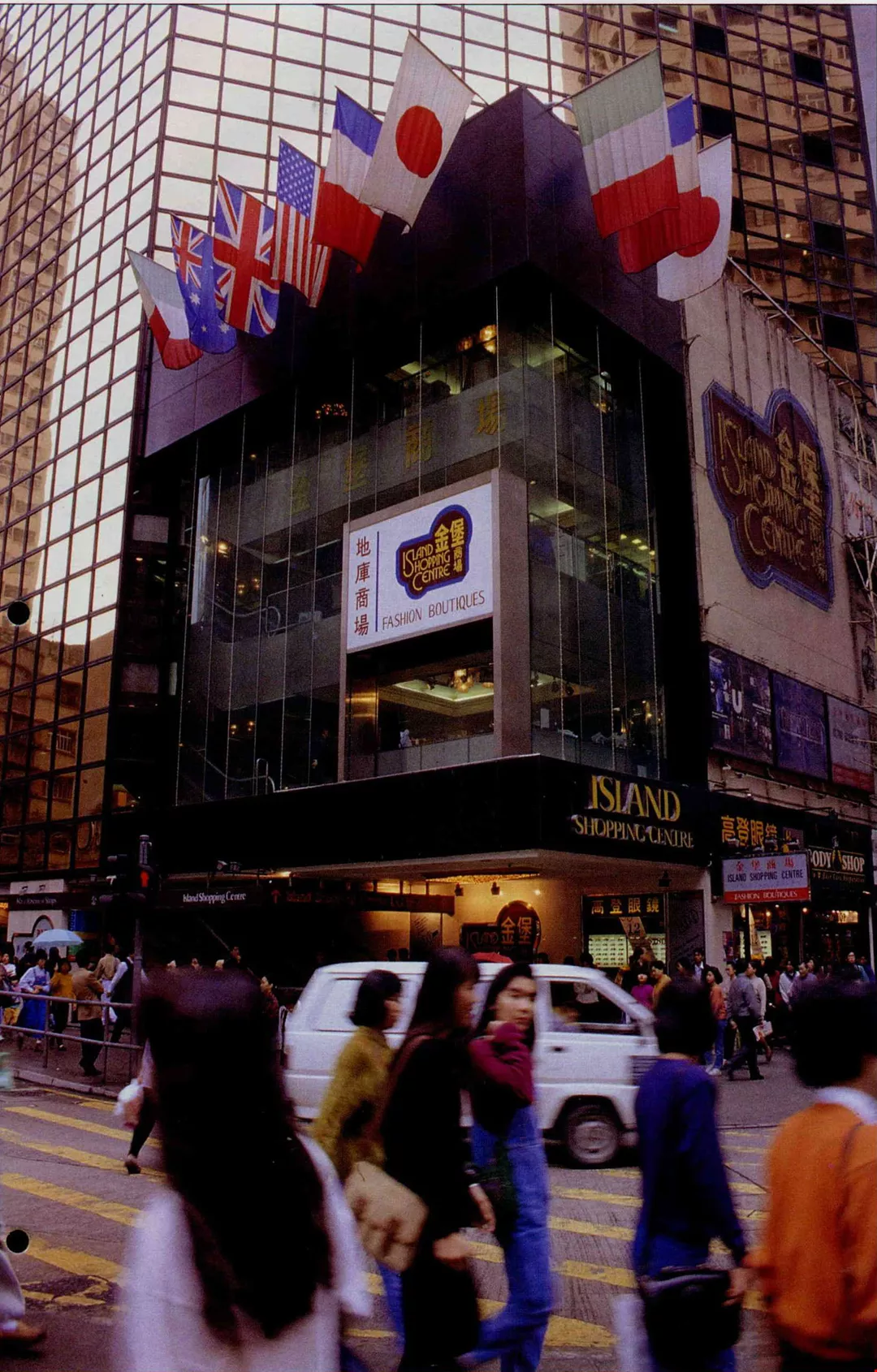
Hong Kong is one of the few places with visa application procedures that still result in difficulties for ROC citizens.
The tragedy of the Taiwanese:
And yet, though things are much more convenient, many people are not satisfied. As far as they are concerned, a passport ought to symbolize security and honor.
Many people feel humiliated that Japan and European countries such as England and France do not stamp their visas in ROC passports, issuing them on separate sheets of paper.
"The ROC units posted abroad are for the most part economic units," Fu points out, "and their status is low. How can people believe that they will be of much assistance?"
"It's a sad fate to be from Taiwan," says Lo Chiung-hsuan. "Our foreign reserves are so high and our movies win major international prizes, but one has to put up with so much that is unfair. To get to the root of the problem, we've got to join the United Nations. Only that will give us the qualifications we ought to have as a nation."
To this end, The Liberty Times began in April of this year to broadcast public service commercials on television and radio. "Push for a return to the United Nations," they urged, "and let our children and grandchildren be proud of their ROC passports."
Of course there are still people who don't agree with this way of putting things.
"My friends and I don't think that we've been ill treated on account of our ROC passport," says Jackson G.S. Chi, a dentist at the Yelling Dental Clinic who frequently goes abroad to attend international conferences as a representative of our national camping association. He thinks this must be an opinion held by some ROC citizens as a result of their own shortcomings--their lack of poise or inability to communicate with foreign customs officers.
He remembers that in 1984 he went to Poland to attend a conference and on a whim decided to go to visit the then socialist East Berlin. He went to arrange the visa on the spot, and everything went very smoothly. The visa cost him 25 marks, but the tour guide said Koreans had to pay 40 marks. Out of curiosity he asked why, and was told, "You Taiwanese are just coming to enjoy yourselves but the Koreans might be doing some spying."
In the political spotlight: Possession of a foreign passport, which used to represent high status, has of late become something people keep to themselves and reveal only to the closest of friends.
"In the past, everybody would put a special cover around their ROC passports as if they were ashamed of them," says Jack Tsou, who specializes in immigration to South Africa as the general manager of Springbok Management Consultants and carries several passports himself Now everyone has taken these covers off their ROC passports and put them on their other passports.
This has largely been the result of the current Taiwan political climate. When Legislator Chen Wan-chen was being prosecuted for illegally reentering Taiwan, she argued, "Why couldn't I return to Taiwan? Though abroad for so many years, I never held another passport."
To display their own patriotism and show that their allegiances weren't divided, politicians have made it a fashion to turn in their foreign passports. When candidates were being nominated to run for the legislature last year, one candidate publicly renounced his American passport. In 1989 when Li Tsung-fan was running in elections for Tainan County Magistrate, he did the same with his Japanese passport.
"When elections roll around, the DPP always comes here to look into who has two passports," says Liu Peng-chun, deputy commissioner of the Bureau of Entry and Exit.
And it was in such a political environment the 1991 election law revisions were passed. They include a new stipulation under article 67, which requires elected officials to renounce their foreign passports before taking office.
Passports and patriotism: Such a political climate has gradually affected the way most people look at their passports.
Amy Chen emigrated from Taiwan when she was young and returned to Taiwan to work after graduating from college. People have wondered about which passport or passports she holds and have doubted whether or not she identifies with Taiwan. Using the holding of which passport as a litmus test for national allegiance is not limited to Taiwan. It's just the same in Japan.
While Wang Chen-chih's insistence on keeping his ROC passport and refusal to take a Japanese one is often cited by Taiwanese, it works to his detriment as a baseball player in Japan. Whenever the home run king doesn't perform well, sports writers attack him for having his loyalties elsewhere.
"But does having a foreign passport equate with not being patriotic?" asks Jackson G.S. Chi. He believes that it most definitely does not. He has a good friend who after graduating from college stayed in England for more than a decade, all the while holding an ROC passport. One year they separately left Taiwan and England for a meeting in Bulgaria. Extremely proud of their breaking new ground for the ROC, his friend even brought along a flag. When they raised it at the conference, they were both overcome with patriotic fervor.
"Later, in order to pursue a career in England," Chi notes, "he obtained a British passport." Chi holds that having a foreign passport has nothing to do with loving one's country or not.
He also reveals that ever since the goal of Taiwan independence was formally included in the DPP's Charter, people have felt uncertain about the island's future. With an international economic slump, many Chinese have returned to Taiwan to work, but "fearing that Taiwan will one day really be independent," they dare not give up their other passports.
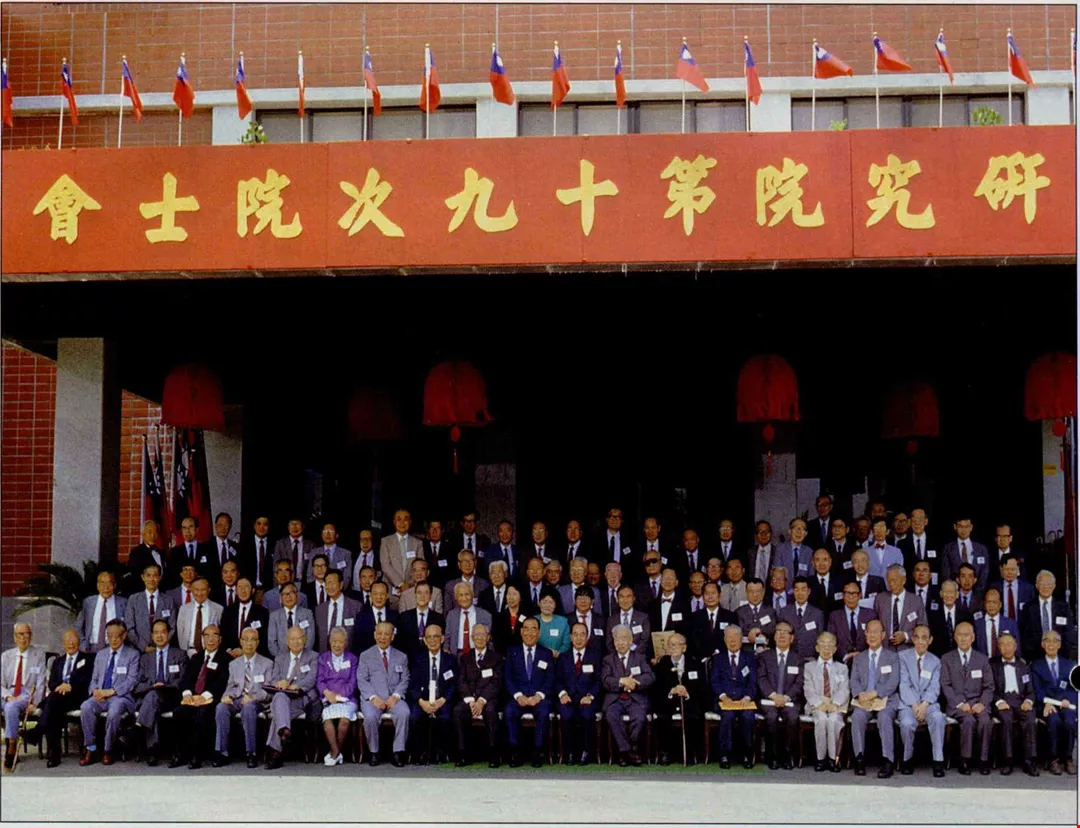
Even if two thirds of the members of the Academia Sinica carry foreign passports, they identify with the ROC just as before, and they have made contributions to scholarship here in Taiwan.
Song of the chameleons:
As for those who want to get a foreign passport as "protection," Hung Chien-hsiung, the director of the Department of Consular Affairs of the Ministry of Foreign Affairs, points out that because ROC nationality law doesn't explicitly forbid dual nationality, the people have the right of dual nationality and the government has no grounds to do anything about it. The problem is that many people have become chameleons of nationality, changing flags whenever it suits them.
Anyone who lives in Taiwan for more than 183 days of the year must pay taxes in accordance with the standard income tax rates. People who live outside the country must pay a flat rate of 20 percent on income earned here. Those who make less than NT$2.3 million a year will pay less than 20 percent of their income in taxes, and hence dual nationals more often than not use their ROC passports when entering the country. But those with truly high incomes use their foreign passports as much as possible so that--based on the few days their ROC passports show that they were in the country--they can enjoy the flat rate of 20 percent. What's more, when these people go to mainland China, they will use their ROC passports to apply for their "Taiwan Compatriot Identity Certificates" because the communist authorities treat the Taiwanese best of all outsiders. From special investment conditions to lower museum admission prices, "Taiwanese compatriots" enjoy all kinds of advantages.
The Bureau of Entry and Exit stipulates that the passport used for entry must be the one used for departure. But many people use the ROC passport when they enter--so they needn't apply for a visa--and then ask the customs officials to stamp their other passport when they leave.
"It's because they are worried that the foreign government will discover that they have dual nationality and will void their foreign passport!"explains Liu Peng-chun, the deputy commissioner of the Bureau of Entry and Exit. And the government, not wanting to cause them trouble, is always willing to oblige.
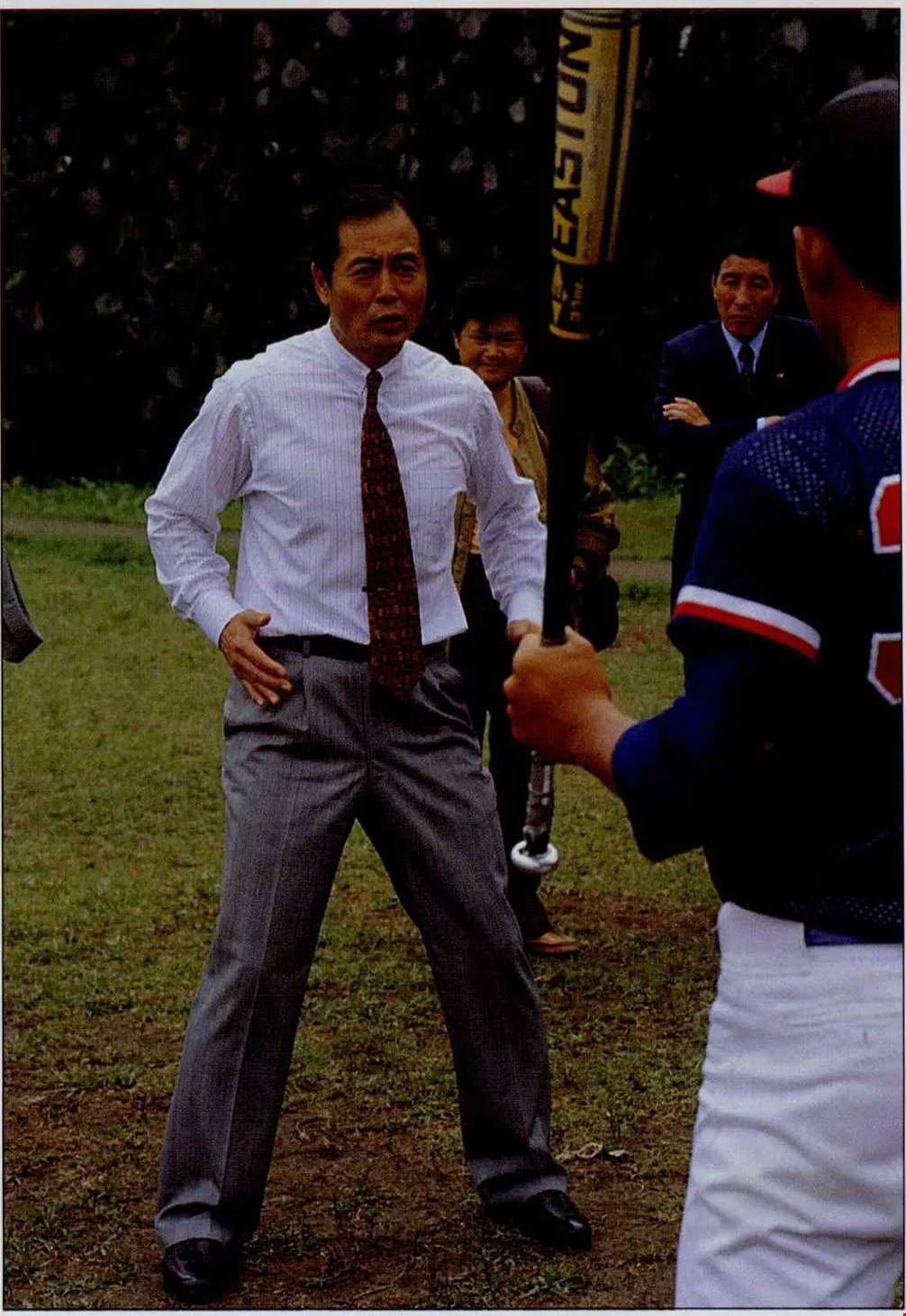
Slugger Wang Chen-chih has been hitting home runs in Japan for some ten years now, but he still insists on holding an ROC passport. (photo by Pu Hua-chih)
One foot on each shore:
"It's not that we're against dual nationality, but it's just that lots of people use two passports to enjoy the privileges of citizenship of two countries while avoiding the duties of it in either," says Chien Tai-lang, the director of the Department of Population of the Ministry of Interior. He cites the case of child students abroad. Once they're abroad for more than two years, they can change their status to overseas Chinese. As long as their visits don't exceed a certain length of time, they can avoid military service.
Having pinpointed loopholes in ROC nationality law, the government once had plans to make revisions that would allow only limited forms of dual nationality, but because the government was worried about a tidal wave of opposition from overseas Chinese, it put the plans on a back burner. "But the revisions won't be put off forever," Chien Tailang assures.
Carrying a PRC passport from the mainland has even become a trend among businessmen. Recently the Bureau of Investigation prohibited a Taiwanese investor in Southeast Asia who held a PRC passport from leaving the country for half a year--a move that raised the hackles of the business community.
"The ROC and Thailand have not signed an investment guarantee agreement. Without using a PRC passport, there is no way to put property under one's own name," angrily points out a Taiwanese investor in Thailand named Lin. "The government has got to be more flexible."
"The 'Cross Straits' Relations Regulations' are very clear: various kinds of restrictions apply to any citizen of mainland China entering Taiwan. If you carry a mainland passport, the government can of course regard you as a PRC citizen,"says Liu Peng-chun, shaking his head in exasperation. That Taiwanese businessman, he holds, was just looking for trouble and was putting the government in a tough spot.
On this issue, Pao Yung-chien, chairman of the trading company Cosmo International, says that if Taiwan businessmen can come together and put some pressure on the countries in which they are investing, those countries will sign agreements safeguarding investments with the ROC, and there will be no need to rely on a PRC passport.
"I have my doubts about how much mainland Chinese embassies will be of assistance," Pao says. When Hungary was expelling 30-40,000 illegal mainland Chinese immigrants, the reaction of the Chinese embassy there was "No comment."
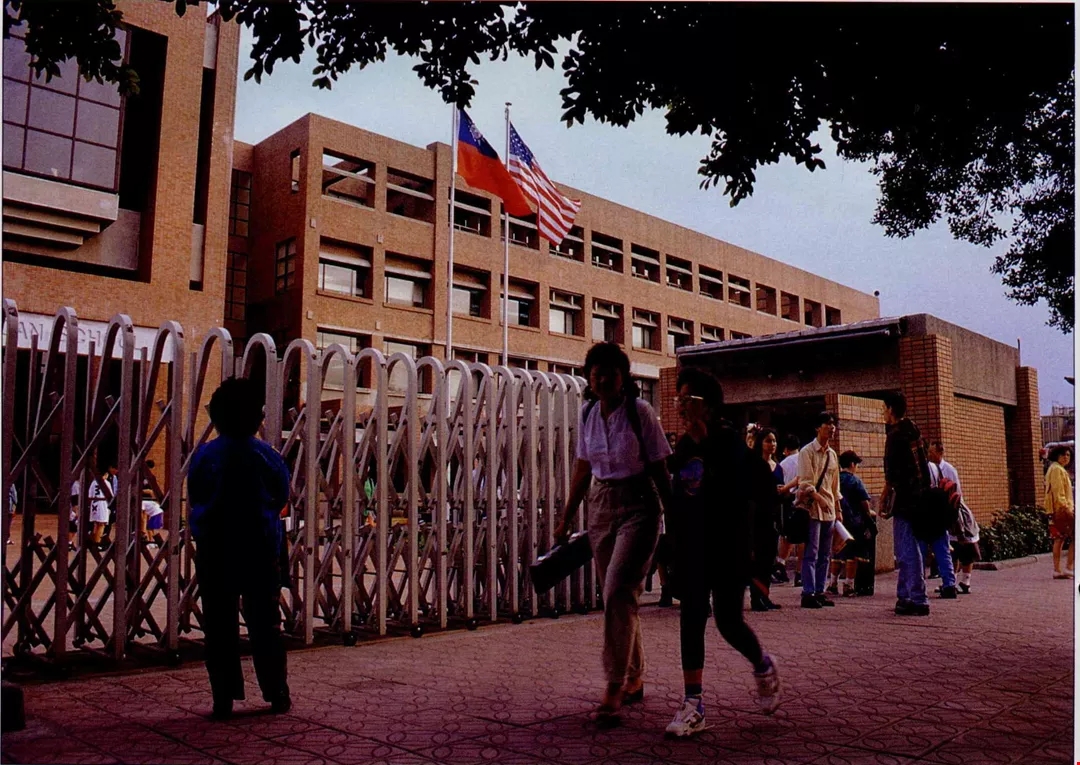
To give their children an American education in Taipei, some parents find a way to get them a foreign passport.
The downside:
Those who smoothly obtain foreign passports do indeed enjoy some benefits and privileges, especially with those "big shot" passports respected all over the world. But there are also things that they lose.
In order to get an American passport, one Taiwanese many years ago signed a contract (much like one for indentured servitude) to work for his boss for three years. After three years of hard work, he wasn't sure if what he had done was a tragedy or an achievement. Money may not be an issue now, but in order to get a foreign passport, you're condemned to living abroad for a long time. Some people lose their jobs and their self respect. Sometimes, because fathers and children live apart for so long, cultural barriers arise, and they lose a sense of intimacy. And when the strains of separation are too great, marriages are broken and families torn apart.
In the hearts of Taiwanese, is a passport just something of convenience or something symbolic of national identity? The more you ask, the more confused you'll become.
[Picture Caption]
p.31
What a bunch of mixed emotions the people of the ROC have for passports. (photo by Vincent Chang)
p.32
As the nation grows more powerful, travelling with an ROC passport becomes more convenient.
p.33
Hong Kong is one of the few places with visa application procedures that still result in difficulties for ROC citizens.
p.34
Even if two thirds of the members of the Academia Sinica carry foreign passports, they identify with the ROC just as before, and they have made contributions to scholarship here in Taiwan.
p.35
Slugger Wang Chen-chih has been hitting home runs in Japan for some ten years now, but he still insists on holding an ROC passport. (photo by Pu Hua-chih)
P.36
To give their children an American education in Taipei, some parents find a way to get them a foreign passport.
p.37
Many Taiwanese businessmen carry another country's passport to make in vestment abroad more convenient. (photo by Wang Wei-Chang)
p.38
The ROC used to issue passports to residents of the mainland for political reasons, but this policy has been changed. The photo shows mainland Chinese who were trying to sneak into to Taiwan on a fishing boat. (photo by Vincent Chang)
p.39
In order to get foreign passports, some parents send their children to attend school abroad so as to establish a foothold there. The result is that parents lose a sense of intimacy with their children as cultural barrier s arise between them. (photo by Huang Li-li)
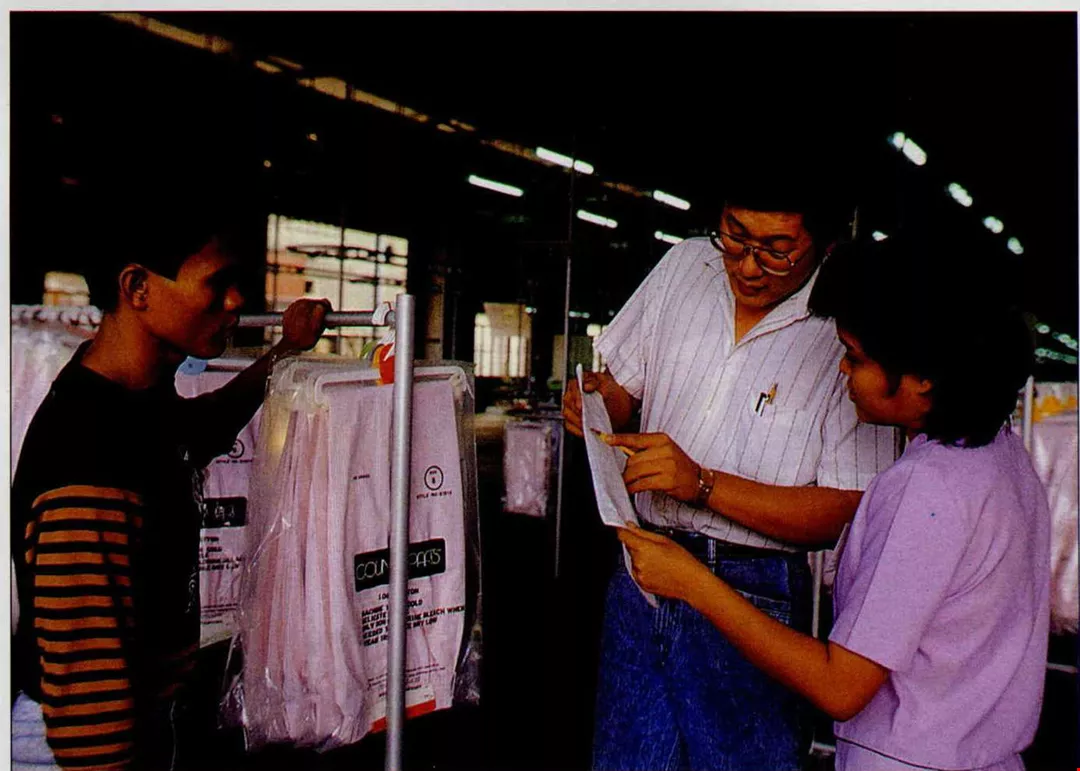
Many Taiwanese businessmen carry another country's passport to make in vestment abroad more convenient. (photo by Wang Wei-Chang)
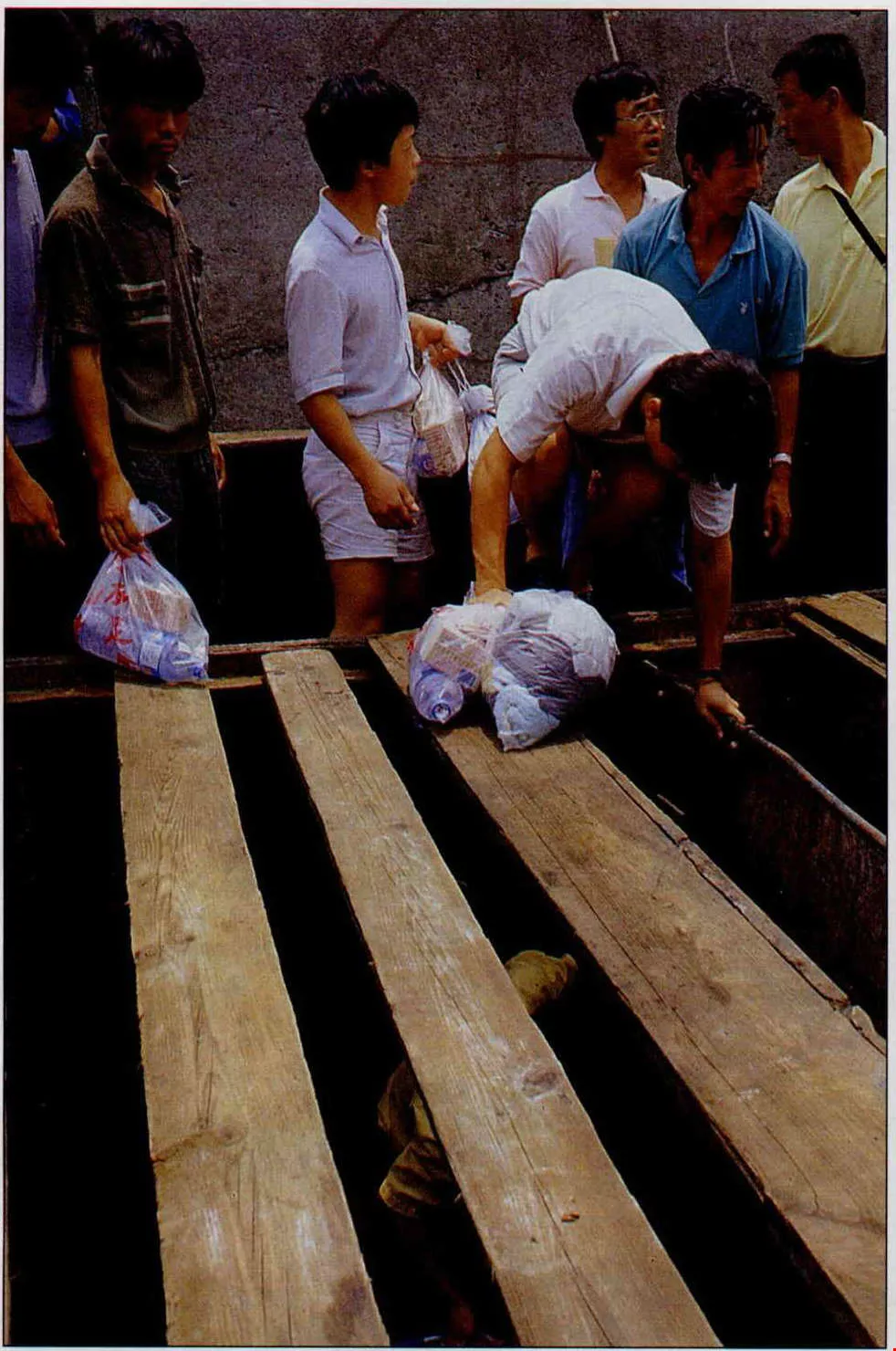
The ROC used to issue passports to residents of the mainland for political reasons, but this policy has been changed. The photo shows mainland Chinese who were trying to sneak into to Taiwan on a fishing boat. (photo by Vincent Chang)
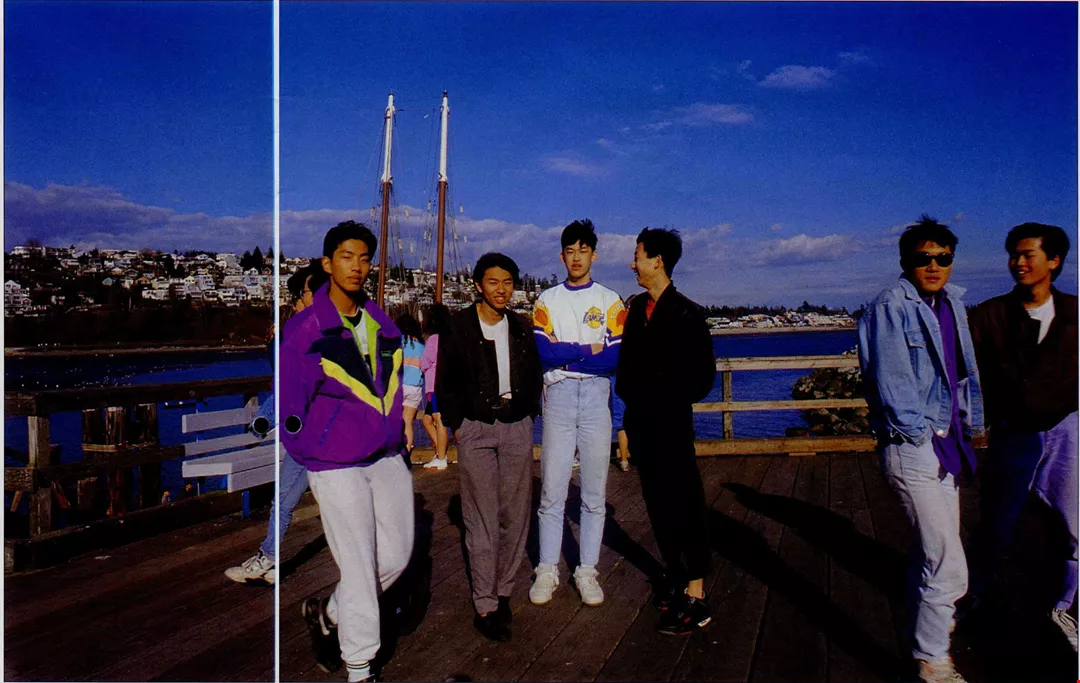
In order to get foreign passports, some parents send their children to attend school abroad so as to establish a foothold there. The result is that parents lose a sense of intimacy with their children as cultural barrier s arise between them. (photo by Huang Li-li)


@List.jpg?w=522&h=410&mode=crop&format=webp&quality=80)


