Teaching Johnny Yourself
Teng Sue-feng / photos Vincent Chang / tr. by Jonathan Barnard
February 1994


Lee Yuan-tseh, the new president of Academia Sinica, has recently said that the biggest obstacle to attracting talented overseas Chinese to return to the Republic of China is their fears about sending children to school here.
If you're a local parent who disagrees with the monolithic cookie-cutter style educational system here, opposes the authoritarian attitudes of teachers, loathes corporal punishment, and has grave doubts about whether you want your child to "adapt" to such an environment, what are you to do? Move? Change schools? Go abroad?
In the hope of opening up new educational paths, the Caterpillar Children's Philosophy Foundation, has come out in support a group of mothers organizing a school themselves.
What should a school be like? Some heads of households don't have very high expectations, thinking that as long as their children grow up happy, that's good enough. For their own part, most kids will say that there shouldn't be piles of pages to copy as homework, and teachers say there should be fewer students per class.
There is always a gap between the ideal and the actual; and indeed it is this difference that spurs movement for change.
Four years ago, when the alternative Forest Elementary School was founded, an emphasis was placed on "not hitting or scolding children and not saying negative things." It immediately garnered the support of many of the parents.
Now four years later, a group of people hoping to find new educational channels have started trying something new themselves. If you want to look at what sets them apart, it is probably that they are all a bunch of mothers who utterly adore their kids.
Chang Shu-chen, whose daughter is a good little girl, tells of how excited her daughter was when she was about to go to school. She didn't expect that on her first day the teacher would pullout a bamboo rod and ask the students if they knew the meaning of "stir-fried bamboo shoots and porkslices" (a euphemism for being beaten). Ignorant of what had transpired, Chang terrified her daughter by serving up that very dish for dinner.
If kids in class weren't well behaved, the teacher would invoke collective punishment, not allowing anyone in the class to go to the bathroom. And this made Chang feel ill at ease about letting her child study there. "For the six years children spend in such a place, they'll have to pay for the rest of their lives," Chang says. She has grave reservations about authoritarian education, believing that it doesn't allow children to distinguish between right and wrong. If I did no wrong, a child will wonder,why was I punished?
These were not problem students, but rather they had the habit of speaking openly, logically and democratically with their parents, and they didn't like the sound of that word "adapt."
Chang Hsien-jen, one of the school's founding mothers, says that her fourth grade son had many doubts about school. Why was there only one answer in discussion class? If you forgot to bring something with you, why couldn't you just borrow one from a classmate instead of have to stand for two hours? Why were class monitors asked to spy on their fellow students?
Her son felt that he already knew what the teacher was teaching, and so he read his own books.But the teacher couldn't stand students who didn' t listen in class and told Chang that his son "had a short attention span" "I didn't agree that it was just a matter of his having a short attention span, and it made me curious," she recalls. "After all, when the teacher was conducting class, my son was attentively reading his own book." The child was clearly not happy in school, and "perhaps he was resolved to grow up his own way."
"We were forced into thinking about education," says Li Ya-ching, whose feelings run even deeper on the subject. Her son switched schools six times during the six years of elementary school.
In a second-grade class for gifted children, the competition caused him to become estranged from other children. Because her child's achievement was particularly good, his classmates bullied him or gave him the cold shoulder and he began to hate school. He started having repeated nightmares and once even contemplated suicide. Even after changing schools several times, he still couldn't get out from under that dark cloud.
"Pity us poor parents," one mother says. "If your opinions about educational method differ from the teacher's and you want to talk to the teacher about it, you've got to be really careful. You can't risk getting on the teacher's bad side."
The teachers often say that classes are too large. "For teachers, this is a valid complaint," says Li. "We also believe that education here will change for the better, but our children are growing up day by day, and they can't wait."
She believes that it is unfair to put all the blame on the teachers and the schools. What she and others are fighting for are "parents' educational rights."
The traditional Chinese view of education is that "you teach other people's kids." Can this group of mothers and fathers successfully play the double role of parent and teacher? Will switching between home and school cause difficulties? "These doubts we always keep in mind. We hope that we won't be deceived by our feelings," Li says. "The important thing is that you've got to be open-minded."
Forest Elementary School principal Chu Taihsiang says the school once tried letting parents read stories, but it's difficult to know whether parents will treat their own children specially. "Other kids will sense the difference if parents just look at their own kids with a different expression in their eyes. In any case, if people just learn to 'treasure differences,' this will have a stimulating effect on the whole direction of education."
There are in fact examples of teaching children at home. Quite a few Westerners arrange for their children to study at home. It's a concept that sounds very avant garde, but according to Newsweek, the US Department of Education estimates that among 49 million Americans in grades K through 12, some 350,000 children are being educated by parents themselves, and the results are pretty good.
These parents believe that the curriculum of most public schools is too dry, the materials have cultural biases and there are too many tests. A class of 30 students is too crowded, they think, blocking students' personal growth.
Studying at home does not suit everyone. At the very least, the members of the family have got to get along and the parents need a lot of willpower. American education experts wonder if average parents have what it takes to educate their children.And how are children studying at home to make friends? For this purpose, each state has designed advisory groups staffed by professionals, which provide support by allowing these children to participate in the extracurricular activities of the local grade school.
And in Western nations, schools like Taiwan's Forest School, outside the system, have a long history.
The first such school appeared in Germany in1919 and was founded by the educator Rudolf Steiner. It didn't make distinctions as to sex, social class, or nationality, and students anywhere from grade one to twelve could enroll. After World WarII, the number of these schools grew rapidly, and now there are 144 of them in Germany.
Steiner schools put an emphasis on the arts and crafts, offering classes in music, fine arts, and theater. From an early age children in these schools have a chance to make their own furniture, build houses, study cooking or get outside and do a little farming.
Most of the resources of these schools come from what the parents donate. From finances, to the arranging of the curriculum, to special education for individual students, the parents participate in virtually aspect of the school.
Steiner's ideas also took root outside of Germany, in such nations as Holland, America, Britain, and Japan. Now there are more than 300 Steiner schools all over the world, and because the people organizing the schools are different, each school has its own special character.
If you want to know how these mothers in Taiwan also wanted to go about creating their own unique school, you've got to start by talking about the Caterpillar Foundation. In 1990 the foundation started holding talks for children. One time they discussed, "Why must people go to school?" The children had a lot to say about uniform teaching materials, the pace of instruction and teachers who hit students.
They took their dissatisfactions home with them, to the point where some of them started refusing to go to school. Besides feeling frustrated, their parents started thinking about what could be done for their children. Someone suggested that if their children must go to school, why couldn't they organize a school themselves? After asking many families, ten nuclear families finally came to the same way of thinking.
The mothers got busy laying the groundwork for this school, leaving the fathers, with the big responsibility of finances, to make money. "The fathers spent the rest of their time dreaming, and the mothers just went ahead and made their dreams a reality."
The idea that schools can combine studying at home with experimental education, as exemplified by Rudolf Steiner schools, is just taking root herein Taiwan. A planned small school that would provide parents with another choice found much support, and in the middle of January an introductory meeting attracted more than 100 parents to come and see. They harbored all sorts of doubts about the arrangement of its curriculum, tuition, teacher resources and the idea of putting students of different ages in the same class.
The first problem was that of school accreditation. Would this privately organized school be recognized?
According to the constitution, "The people have the right and obligation to receive a public education." The national education laws decree that"education is compulsory," and so the parents of students who don't attend elementary school and junior high school must be punished.
The establishment of the Forest School four years ago had an impact on "the state's traditional authority over education" by totally violating regulations about government accreditation, curriculum, teaching materials and faculty resources. To circumvent these legal problems, they had their students register and take tests at their local public schools. Then the school moved to Hsichih where it cooperated with local schools to provide experimental education.
The mothers involved in the Caterpillar Foundation determined to follow up on the example the Forest school had set. Looking everywhere, the Caterpillar Foundation cooperated with a elementary school in Taipei County to provide experimental education.
But the parents still had their doubts. What if this plan at experimental education was later aborted and the children were not recognized as having attended school? How would they be able to advance to junior high school? Children must be 14 before they can take elementary school equivalency exams, which means that students would have to wait two years before going on to junior high school.
For this purpose, the band of optimistic mothers who were unwilling to compromise actively lobbied to eliminate the age requirement for taking the test. At a recent privately sponsored educational forum, Minister of Education Kuo Wei-fan promised to quickly finish "the experimental education law," so as to let educational reformers have a legal basis for trying out small-scale educational experiments and thus give children more educational options.
The NT$125,000 a semester tuition at the Hsichih Forest School startled some people. How could the children of ordinary families attend? What was the situation for the Caterpillar School?
The main reason the Forest School is so expensive is because of the salaries paid to faculty and staff. The parents organizing the Caterpillar Foundation's school hope that in a parent-organized school parents can do much of the work themselves and thus lower personnel costs as much as possible. They think that the tuition for one month will come to about NT$5,000.
"We hope that no child will be deprived an education here for financial reasons," Li Ya-ching says. They hope that by asking people for donations they will be able to provide financial assistance to low-income students as well as buy library books and audio-visual and lab equipment. The school plans to open beside Swallow Lake in Hsintien, where a private kindergarten will make space for it.
"We don't expect all of the world's children to come, but we want parents looking for alternatives in education to know where to turn," Li asserts. As befits its present resources, the school hopes to enroll 30 students in its first semester.
The school isn't fully evolved; it's just in its embryonic form. "This isn't a school where everything has got to be completed before students can start entering it," Chiu Hui-ying, responsible for arranging the school's curriculum, does not avoid mentioning. "We think we can go at a slow pace, and make up for deficiencies as we go."
In the initial plans, besides using a set of new texts, the school will also have a lot of physical education and art classes, allowing students to find the best way to express themselves. In addition, there will be courses in philosophy of life, languages(including Mandarin, English, Japanese, German, Taiwanese and Hakka) and computing.
Teng Yun-lin, the head of Taipei County's Bureau of Education, personally very much supports this concept of an "open education" that lets students take responsibility for their own educational decisions.
He also opposes the copy-one-character-25-times style of giving homework, and he supports the idea of establishing smaller classes. Believing there is no need for set monthly tests, he advocates letting students decide to take a test when they feel they're prepared for it. "Many ways of thinking can all be tried in the current educational system," he says.
Whenever something begins, there are those who will ask what will happen if it fails. "We've never thought of trying to cover up the problems,"says one father involved in the project. With the students, parents and teachers all very clear about how things are proceeding, even if they fail, "We may end up with mixed emotions, but it's certain to have been a healthy experience." And perhaps this is a kind of education in itself!
[Picture Caption]
p.32
Looking at their little darlings loaded down with heavy book bags and swamped with homework, mothers can't help but feel at a loss for what to do.
p.34
In the Forest Elementary School in Hsichih, far from the city's noise and dust, the children find their happiness amid the trees.
p.35
The Forest school has numerous extracurricular activities, including barbecues, ball games, swimming... The fun never stops.
p.36
Is the Forest School legal? Ministry of Education officials admit that the current laws are not ideal, and before they are revised, the Ministry is willing to cooperate as much as possible.
p.37
For the sake of their children, a group of mothers from the Caterpillar Foundation have found their idea of an ideal school.
p.38
Children find all these books interesting? Then they're definitely not textbooks. (photo by ChengYuan-ching)
p.39
The questions on a teacher's mind: Should I punish them? How should I punish them? Will it leave psychological scars? (photo by ChengYuan-ching)
p.40
What should schools be like, after all? Perhaps children are clearer about it than we are.
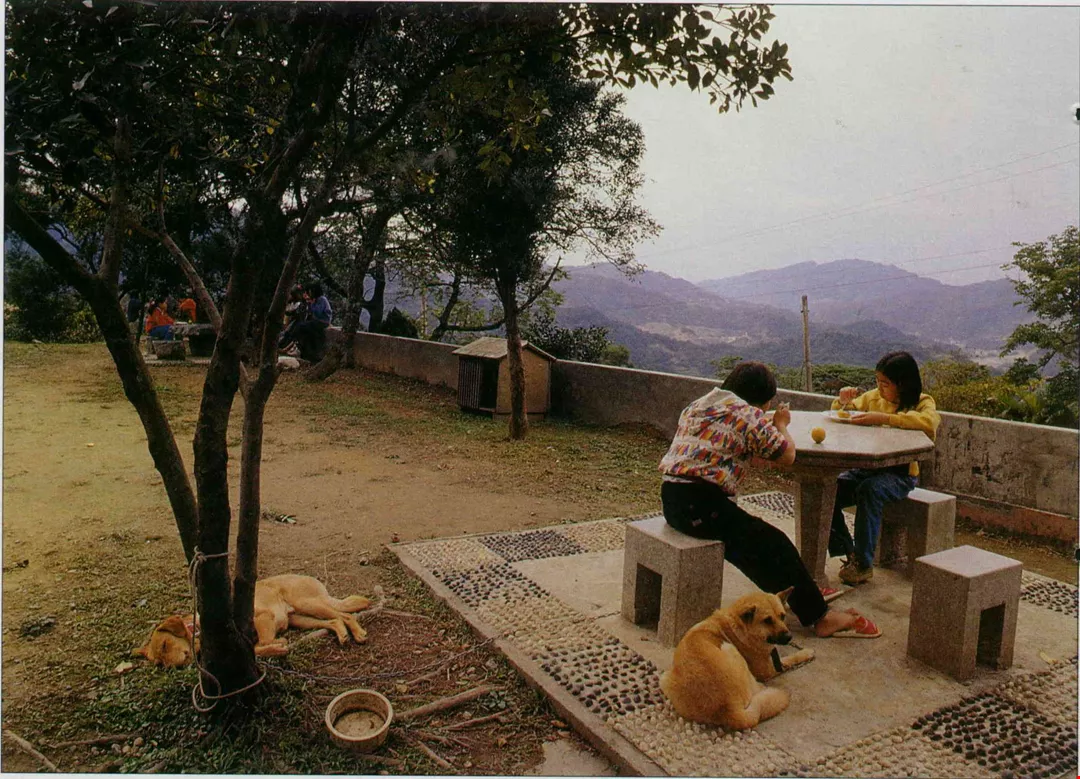
In the Forest Elementary School in Hsichih, far from the city's noise and dust, the children find their happiness amid the trees.
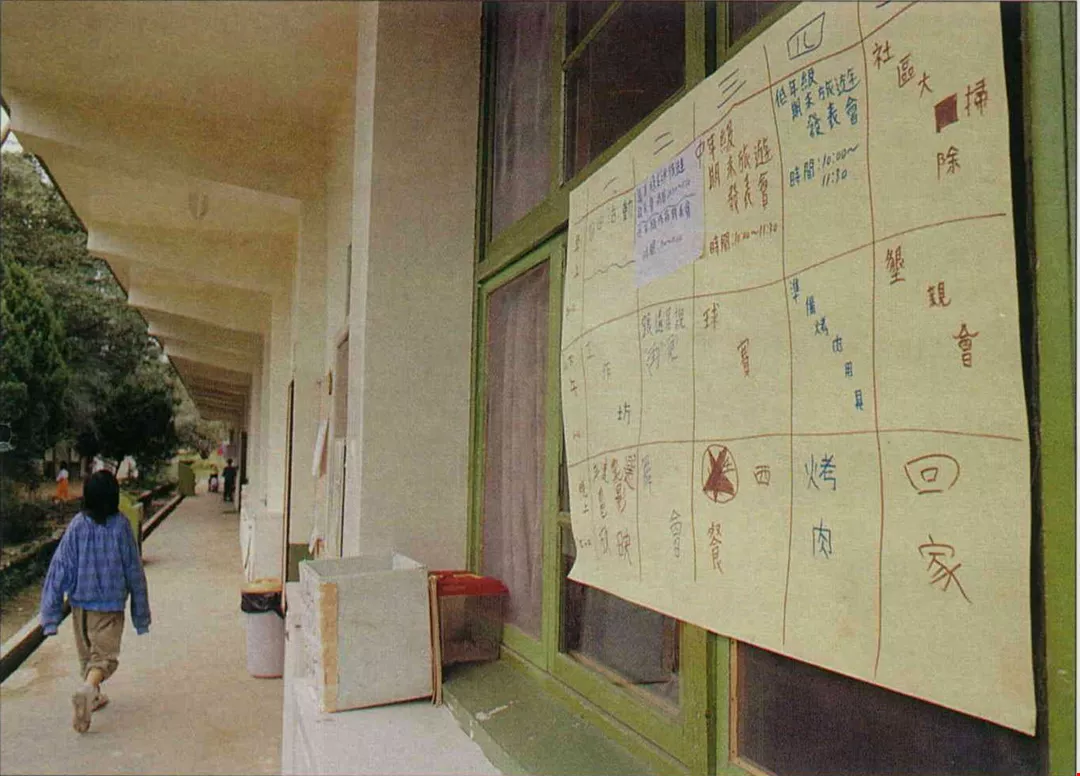
The Forest school has numerous extracurricular activities, including barbecues, ball games, swimming... The fun never stops.
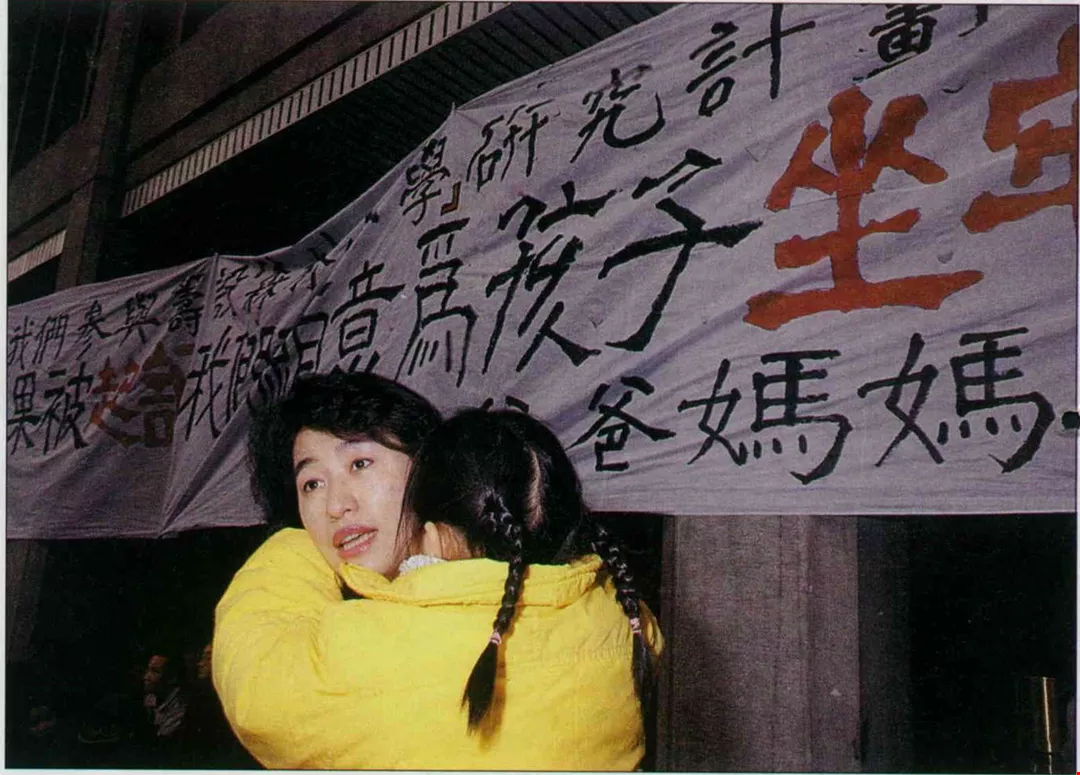
Is the Forest School legal? Ministry of Education officials admit that the current laws are not ideal, and before they are revised, the Ministry is willing to cooperate as much as possible.
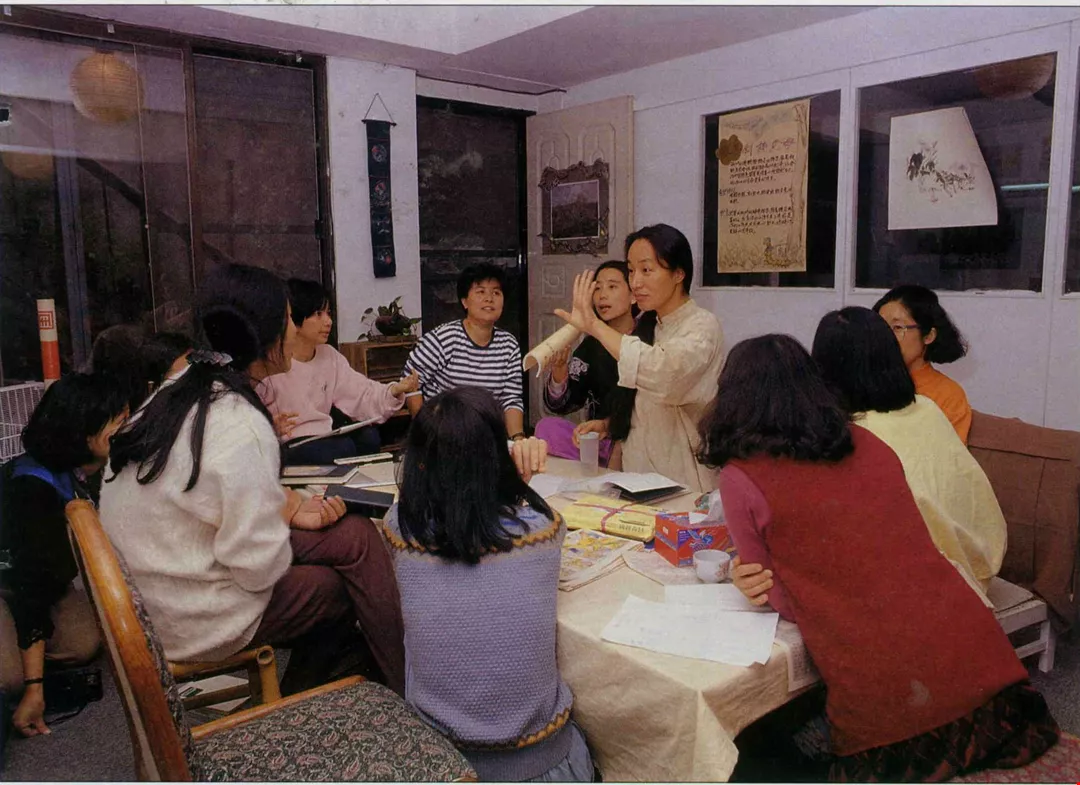
For the sake of their children, a group of mothers from the Caterpillar Foundation have found their idea of an ideal school.
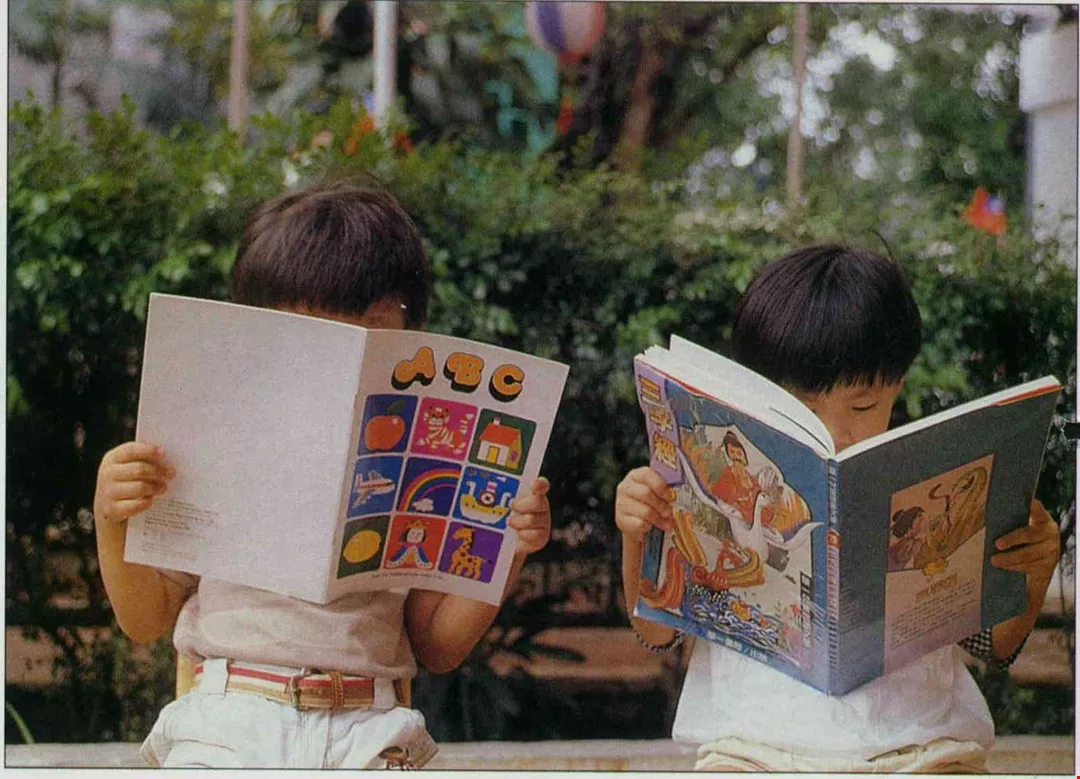
Children find all these books interesting? Then they're definitely not textbooks. (photo by ChengYuan-ching)
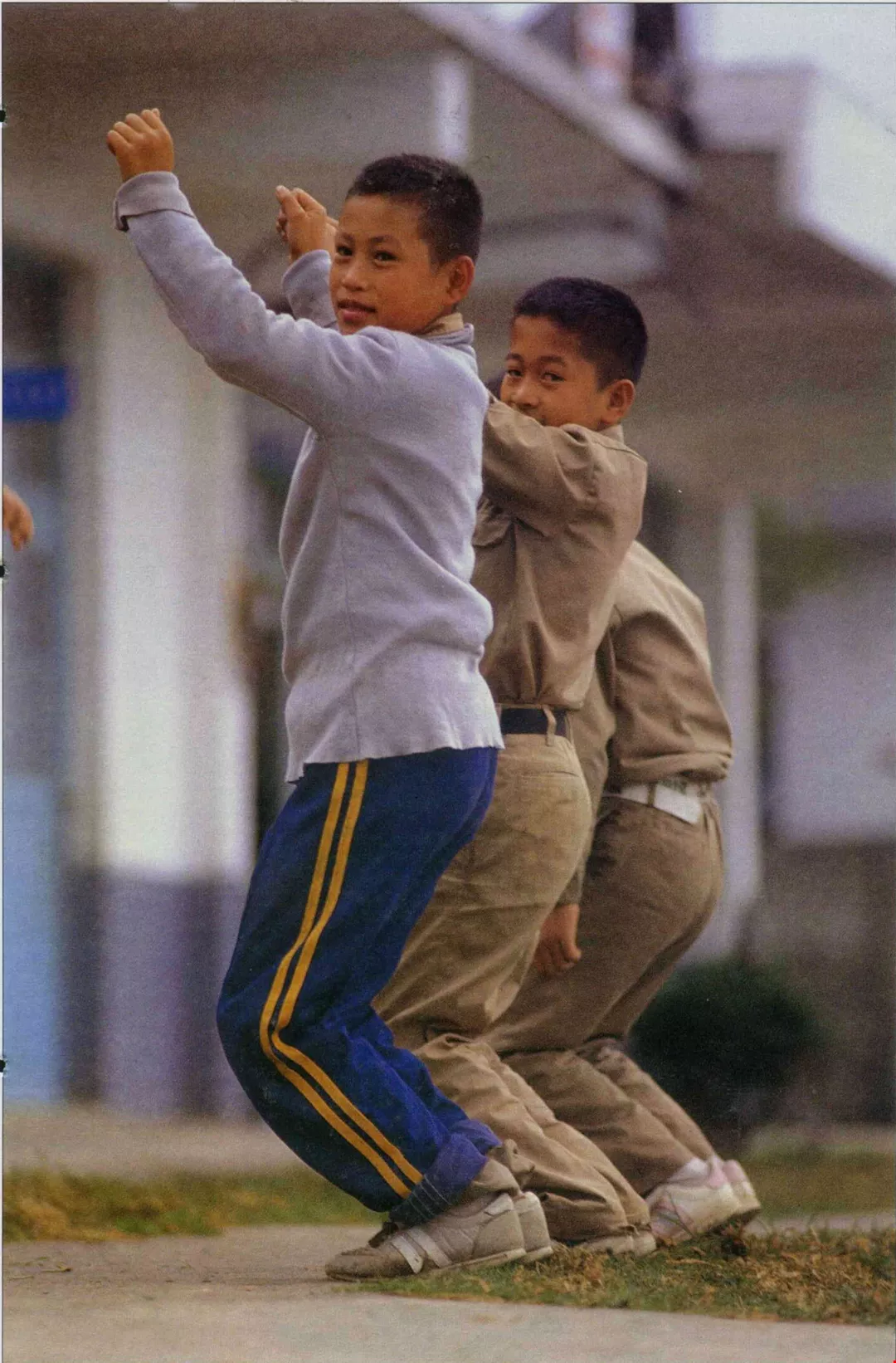
The questions on a teacher's mind: Should I punish them? How should I punish them? Will it leave psychological scars? (photo by ChengYuan-ching)
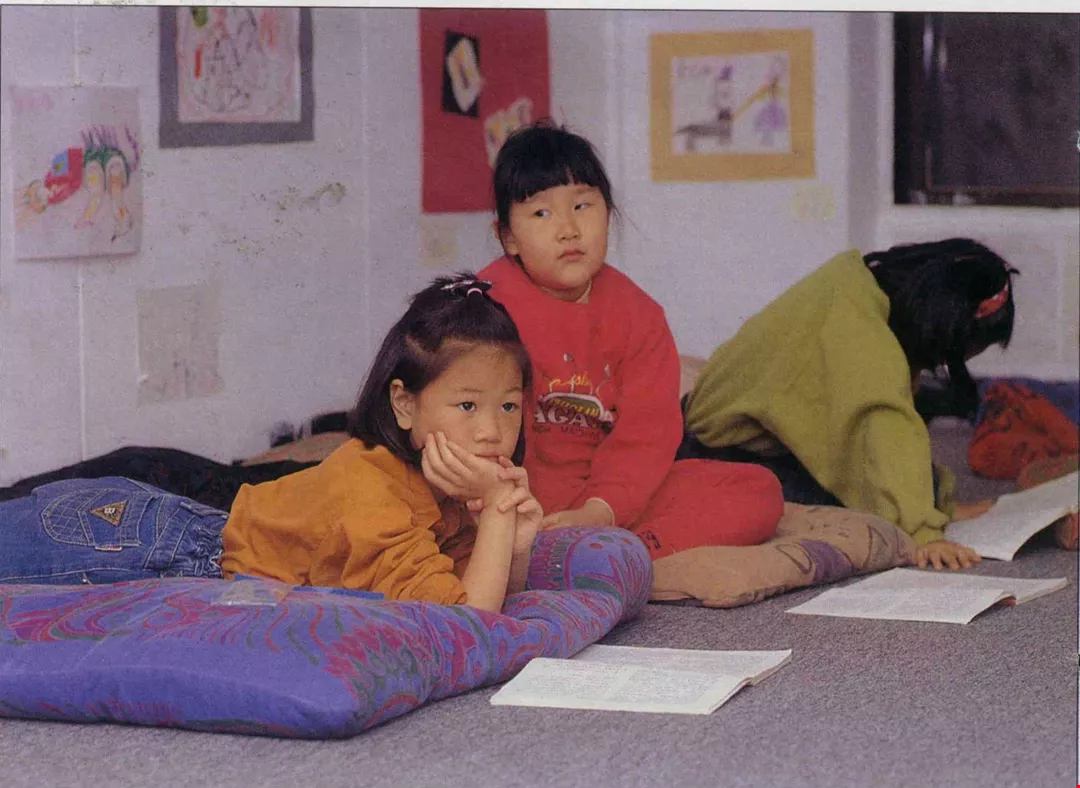
What should schools be like, after all? Perhaps children are clearer about it than we are.


@List.jpg?w=522&h=410&mode=crop&format=webp&quality=80)


