

Taiwan's National Central University is a prestigious institution that has, literally, come a long way. Originally located in the major mainland city of Nanking, it was reborn and grew in the Taiwan city of Chungli, in the 1960s.
NCU was founded in 1905 as Nanking Upper Normal School, and it was not until 1928 that it received its current name. At that point, the university counted eight colleges: humanities, science, law, education, agriculture, engineering, commerce, and medicine.
Following the outbreak of the Sino-Japanese War, the Republic of China dug in for a stubborn longterm resistance against Japanese occupation, and NCU got started on the first leg of its journey, relocating in the wartime capital of Chungking. But when the ROC government relocated to Taiwan in 1949, National Central University temporarily ceased to exist, except in the minds of men who had been devoted to it. Then in 1962, with the reestablishment of its Graduate Institute of Geophysics, NCU was reborn.
Today, NCU is composed of three major colleges (humanities, science, and engineering) with eleven departments.
Most of NCU's 2,000 students live in ten vari-sized school dormitories, seven for men, three for women--reflecting in capacity rather than number a three-to-one male preponderance.
The campus is covered with trees and lawns; its landscaping is especially noted for its thick clusters of pine, including NCU's lovers' lane, passing through the thickets and just wide enough for two people to pass. The quiet, natural setting of the school provides a perfect atmosphere for study--reflected in student attitudes and habits. Students rarely dress up, for example, usually attending classes in their warmup suits, thus fitting in quite well with the school's motto: "Sincerity and Simplicity."
The early morning campus is alive with students engaged in athletic activities ranging from martial arts-- t'ai-chi-ch'uan-- to tennis and basketball. Besides the exercise, these morning athletics are also one of the main extracurricular activities.
The largest extracurricular activity at NCU is the Children's Benevolence Club. Every Monday club members go to the Jen Ai Home in Chungli to serve as guiding big brothers and sisters to the children there. Then, during their winter and summer vacations, the college students run a camp for the Jen Ai children. Students say they like the club because they learn much themselves about perseverance, self-confidence, and ourselves as communicators; they also meet other people who share their interests. Most of all, they can watch as the orphans grow and develop, and see the positive results of their own efforts and concern.
NCU's most popular activity outside the service club network is, uniquely, its Astronomy Club. Club president Ch'en An-li points out the basis for this popularity: "NCU has departments of atmospherics and geophysics, a small and a large observatory, and a good telescope. These are basic to the inspiration. Why not convert the available specialized academic knowledge into everyday understanding.... Plus, it is very enjoyable."
Every night, though, the lights burn late in library, labs, and classrooms. A civil engineering student commented, "NCU students and professors all live on campus (which is some distance from town) so it is easy to make up missed classes or to change class times around. And we often go to classes or take tests at night. We even like to call ourseleves a 'night school.' Students here often go out for a late afterclass snack with their professors. We talk about non-academic subjects and enjoy ourselves."
Besides formal classwork, NCU students are required to go to frequent lectures on a variety of topics. As NCU President, Dr. Yu Ch'uan-t'ao sees it, "Just reading books does not represent real learning. They must read and understand, cultivating a real ability that can be used. Since our country's college students spend their pre-college years mainly preparing for the national college entrance exams, it is not rare to discover that they have not cultivated their own personalities, artistic abilities, or even common sense.
"Addressing these deficiencies, I require NCU students, in addition to their schoolwork, to absorb as much knowledge from as many areas as they can. Besides their own reading and intellectual exercise, the quickest, most direct, and most efficient way for them to develop is to attend many public lectures."
As one of the youngest universities in Taiwan, National Central University can not match the public reputation of others, such as National Taiwan University. But its students have their own views of NCU's place in the ranking--here, a chemical engineering student: "Although NCU doesn't have a long history and tradition here on Taiwan, and its 'name recognition' isn't very high, our faculty, facilities, and academic environment are second to none. For example, this year the number one students in the chemical engineering graduate schools at both National Taiwan University and Tsing Hua University are graduates of NCU. This is proof that NCU students' abilities and accomplishments are second to none and also, a big boost for our morale."
NCU's College of Science offers four departments--geophysics, atmospherics, physics, and mathematics --plus graduate institutes in geophysics, mathematics, physics and astronomy, atmospherics, statistics, and optics. The geophysics and astronomy departments are the only ones in the nation. Thus NCU has the heavy responsibility of developing all of the nation's geophysicists and astronomers.
And the school has been well equipped for its undertakings; for instance, NCU boasts the largest observatory in the Republic of China, as well as certain technical equipment not found elsewhere in South-East Asia.
Since geophysics deals with physical activities on and below the surface of the earth, it is basic to such pursuits as oil, coal, and water exploration, as well as to major construction projects, such as railroad extensions and other public facilities. "Because of this," points out Yu Kuei-k'un, geophysics department chairman, "it can be said that geophysics combines the basic and practical sciences. Moreover, it has the attraction of a 'new' science."
The College of Engineering counts four departments, covering chemical, civil, mechanical, and electrical engineering. It also offers the same disciplines in four graduate departments, with the difference that information engineering is grouped with electrical. The college operates four special laboratories: a Resource Recovery and Utilization Program, a Structural Dynamics Lab, a Production Engineering Lab, and a Measurement and Control Lab.
The chairman of the department of chemical engineering, Li Liang-san, stresses, "The most important thing we ask of our students is that they unite knowledge and action. Besides training students to think independently, to plan and organize, and to solve problems, we demand that they do things. They must use their hands and their brains."
The College of Humanities, standing by itself in this primarily scientific university, has departments in Chinese, English, and French. Its students may concentrate on well-rounded educations within the college, and each of its departments also offers courses designed specifically for the students of the other departments.
NCU is young, just beginning to develop its latent abilities, and President Yu Ch'uan-t'ao has great confidence in the future development of his school--"Our goal is to increase the number of undergraduate and graduate departments and to raise the level of research. We plan to add history and philosophy to the College of Humanities. Also, we want to unite what is learned here with the needs of the country and society. We plan to add departments of chemistry, biology, and other basic sciences to the College of Science. Our plans emphasize improving the research level in atmospherics and optics. We also hope to establish a College of Management."
Wandering NCU, interrupted in its development by earth shaking events of history, is now coming into its own, moving forward with the fast-developing society on the island.
[Picture Caption]
1. NCU's Hsuan Wu Lake, one of the school's more scenic spots. 2. Because the campus is so large, the bicycle is the principle means of transportation. 3. As fall approaches, the large lawn at the entrance to NCU turns brown. 4. After classes the students stroll along the campus's lanes.
1. Department of Chinese students often hold classes outdoors when the weather is good. 2. Geophysics graduate students doing surveying. 3. NCU has the nation's most up-to-date geophysical equipment. Here, a color-film recorder. 4. The Chiang Kai-shek library is spacious. 5. The auditorium. 6. Lovers' Lane, surrounded by pines, romantic and poetic.
1. The pines which cover the campus are one of the school's special characteristics. 2.3. Geophysics students conducting experiments. 4. Physics students often get together to discuss class work. 5. The NCU observatory's 24" Cassegrainian telescope, the largest in the ROC. 6.7. Flowers add color to the NCU campus. 8. A dazzling sunset through the pines.
1. Rooting on the school team. 2.4. Morning athletics. 3. Warm-up suits, gym shorts, and gym shoes are almost a school uniform at NCU. 5. The scene in front of the cafeteria at meal time. 6. The cafeteria serves good, inexpensive food.
1. All students are required to live in school dormitories. 2. Two students playing go in a dorm. 3. A men's dorm at night. 4. School president Yu Ch'uan-t'ao feels the purpose of education is to teach students how to deal with matters. 5. Dean of the College of Humanities, T'ien Wei-hsin, said, "Besides imparting knowledge, we also emphasize molding the students' personalities." 6. Dean of the College of Sciences, Ch'en Che-chun, is responsible for developing all of the nation's future geophysicists and astronomers. 7. This year National Central University conferred an honorary doctorate upon Minister Without Portfolio, Li Kwoh-ting. 8. Physicist Wu Chien-hsiung, second from right, is also a friend of NCU.
Top Left, NCU's service clubs work with Taiwan's aborigines. Here a student is giving aboriginal women a cooking lesson. Top Right, Service clubs also take children on outings. Bottom, Members of the Children's Benevolence Club often bring children from the Jen Ai Home onto campus.

2. Because the campus is so large, the bicycle is the principle means of transportation.
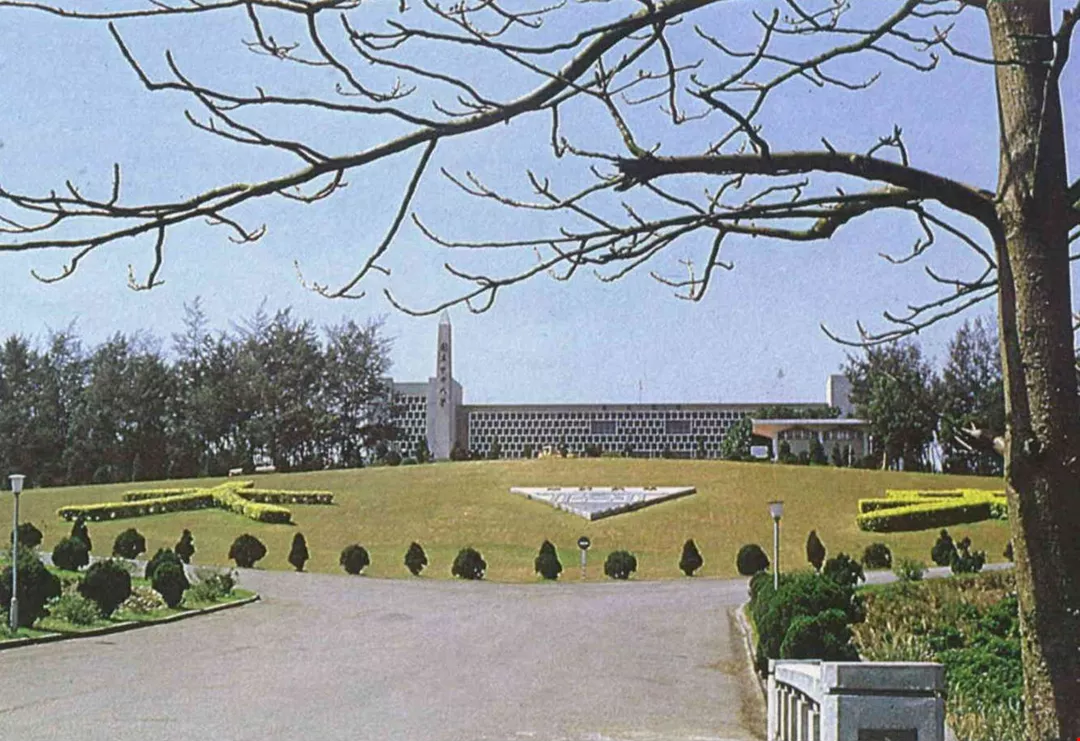
3. As fall approaches, the large lawn at the entrance to NCU turns brown.
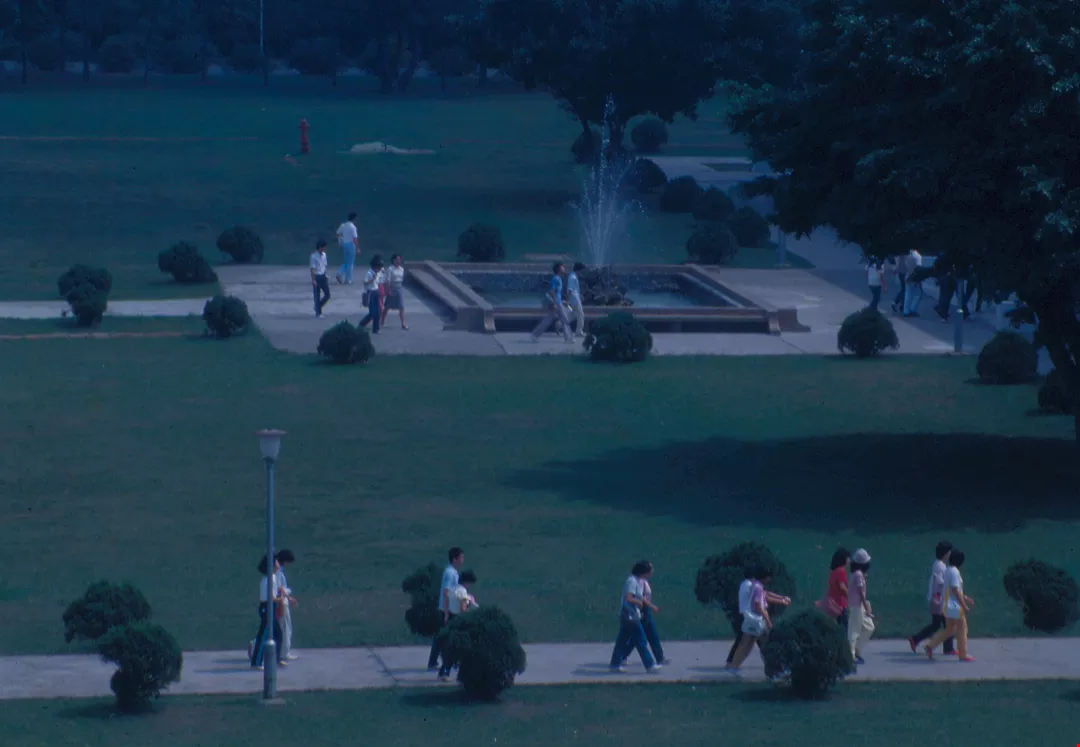
4. After classes the students stroll along the campus's lanes.
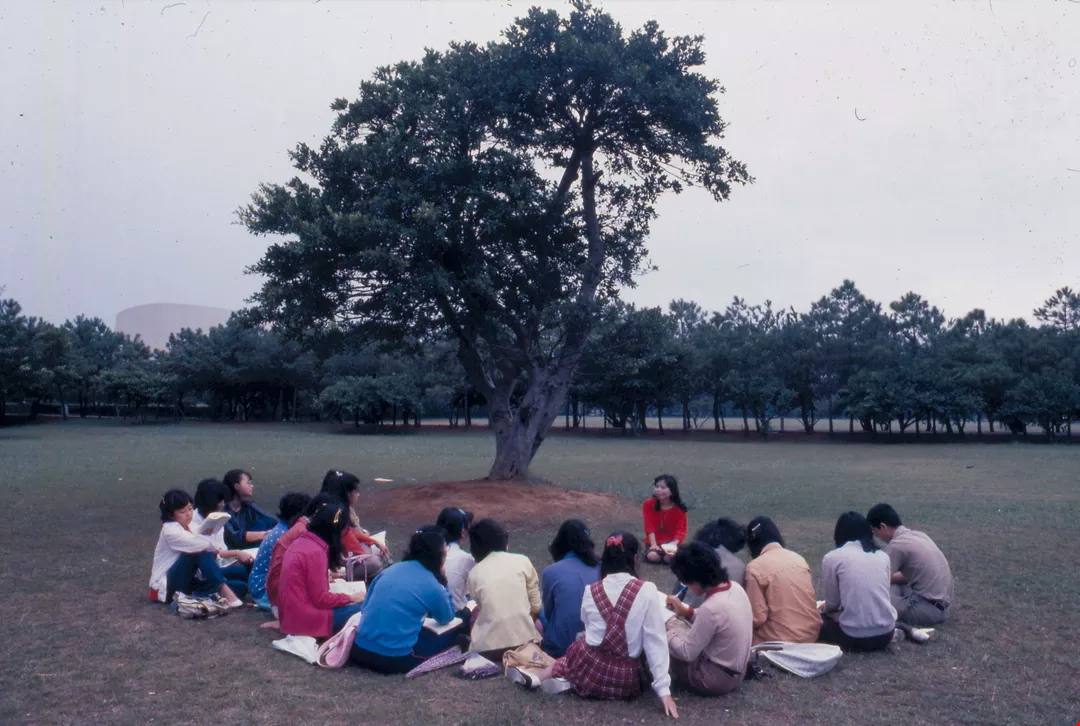
1. Department of Chinese students often hold classes outdoors when the weather is good.
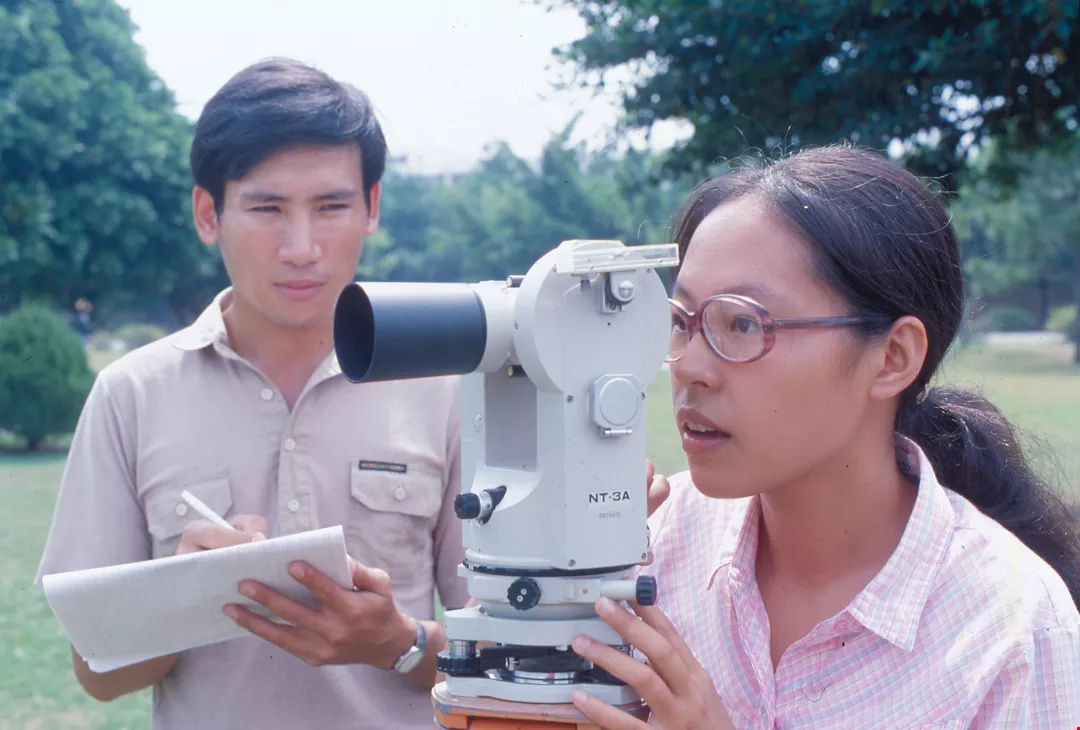
2. Geophysics graduate students doing surveying.
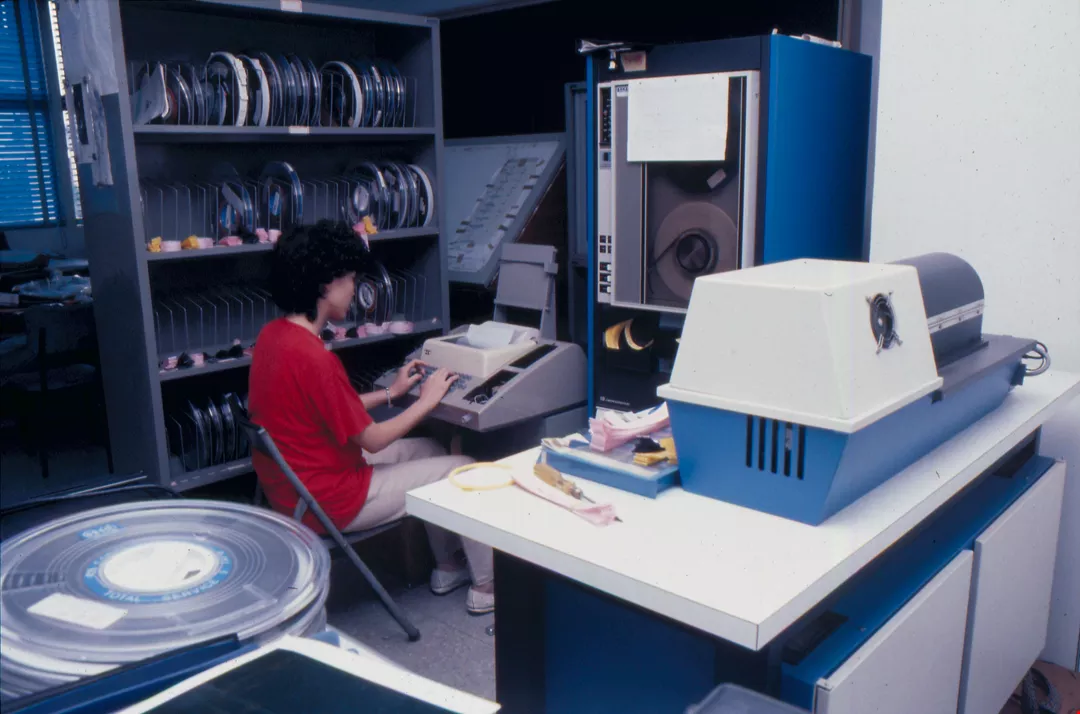
3. NCU has the nation's most up-to-date geophysical equipment. Here, a color-film recorder.
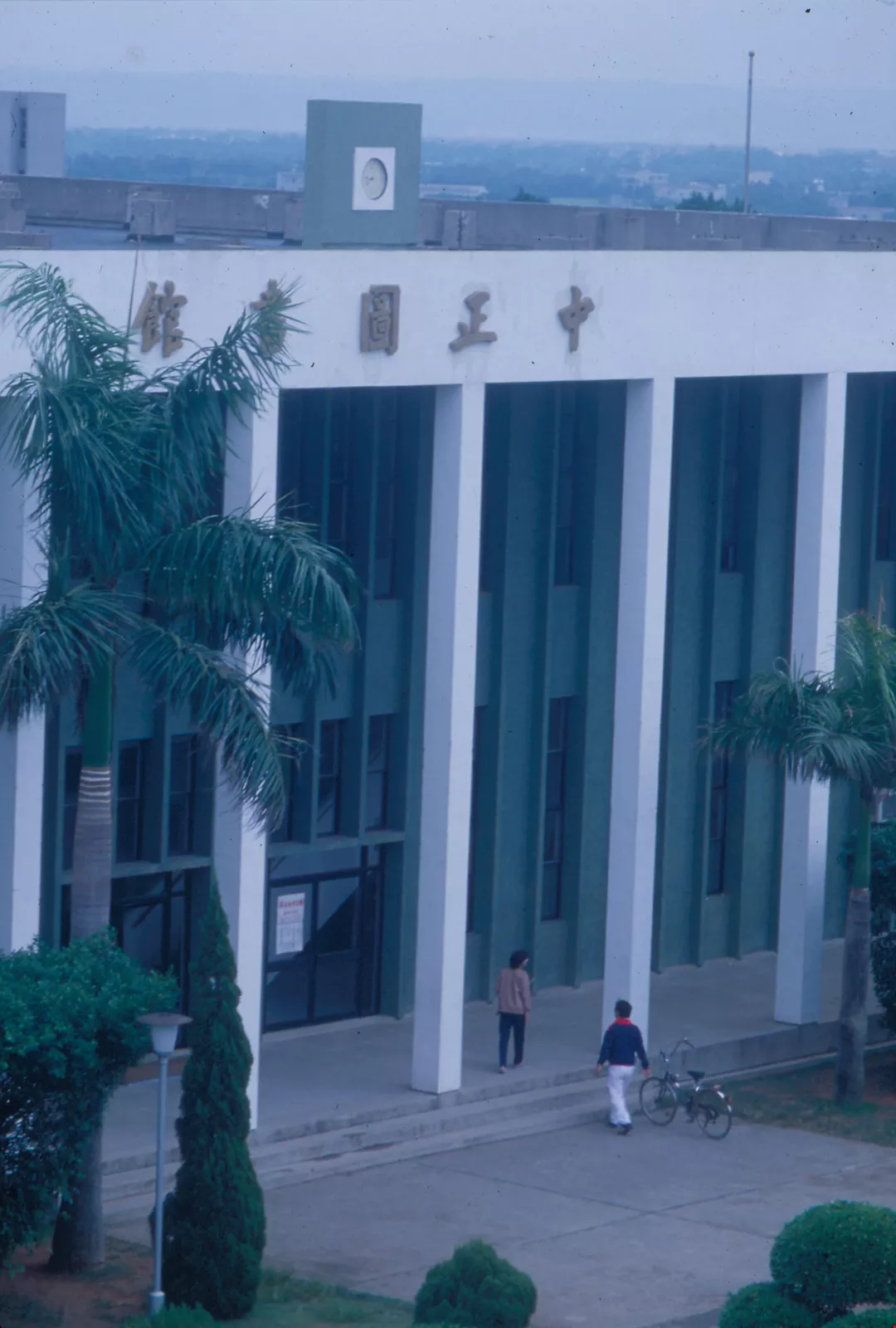
4. The Chiang Kai-shek library is spacious.
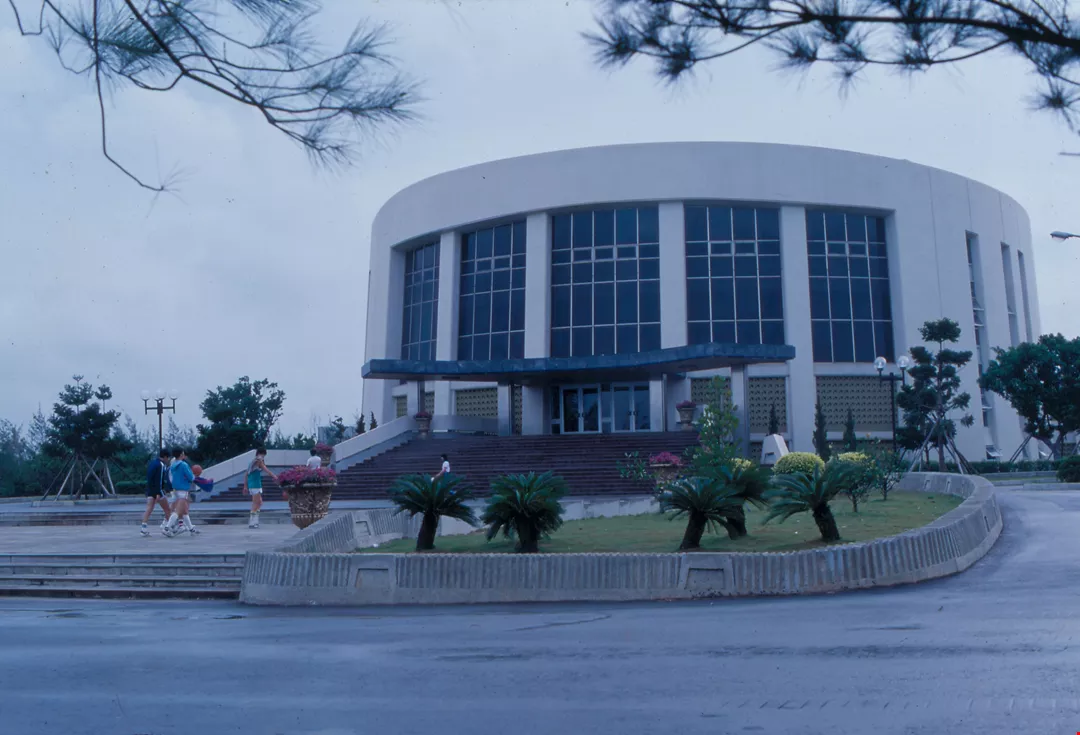
5. The auditorium.
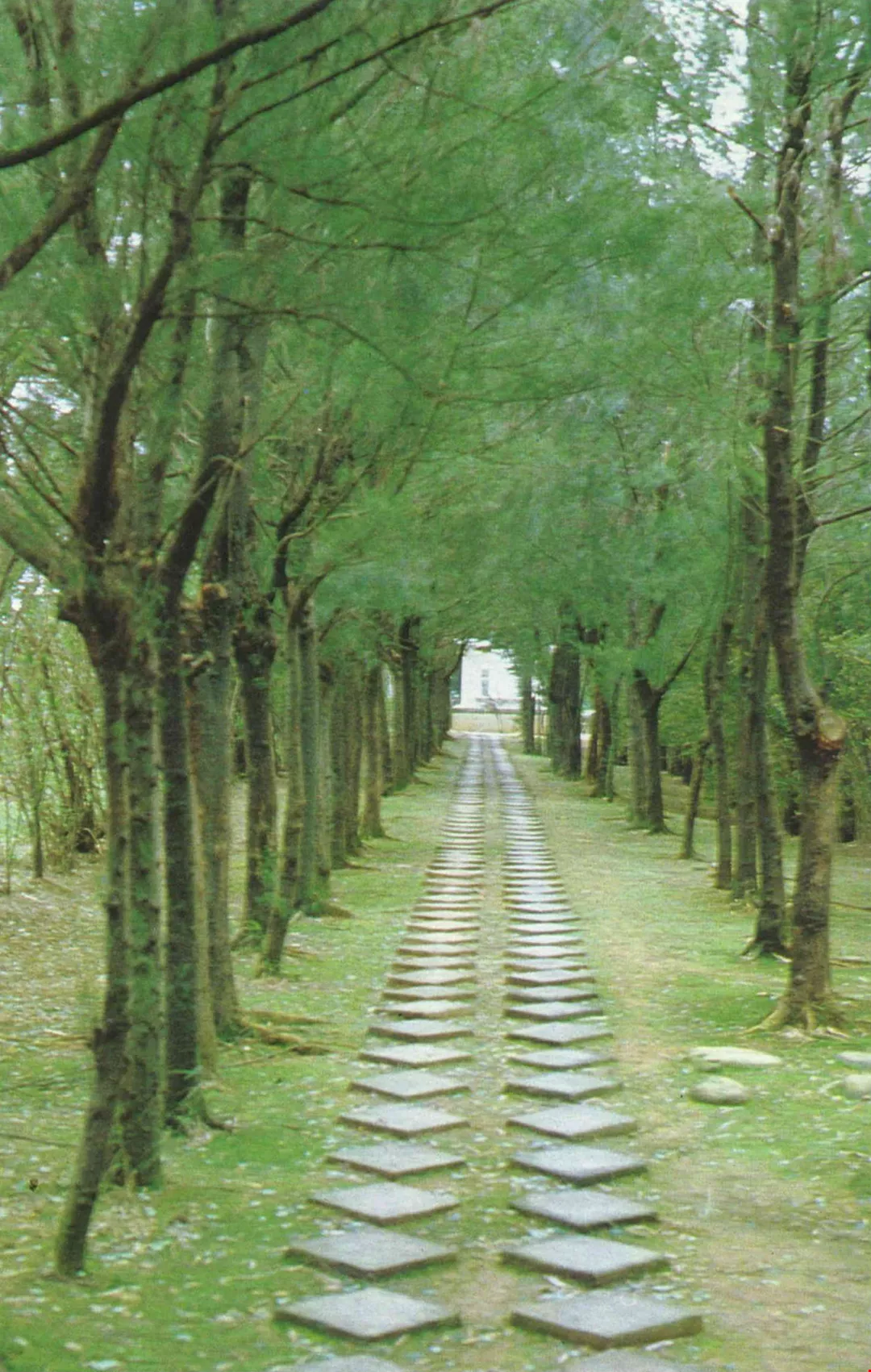
6. Lovers' Lane, surrounded by pines, romantic and poetic.
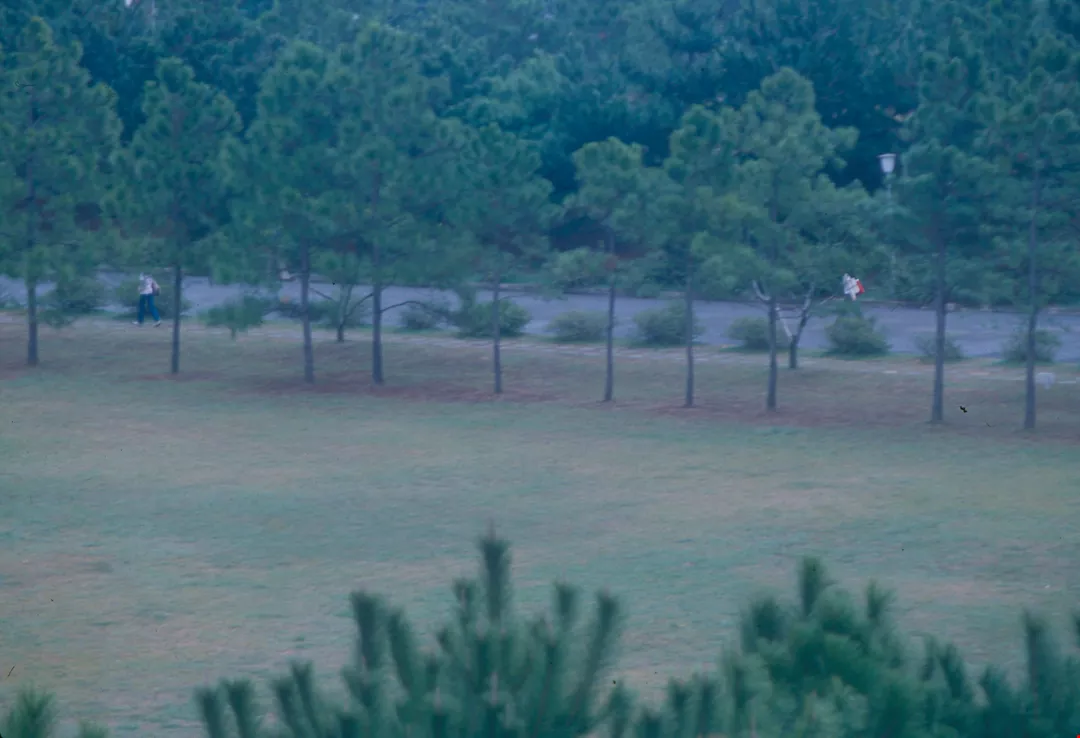
1. The pines which cover the campus are one of the school's special characteristics.
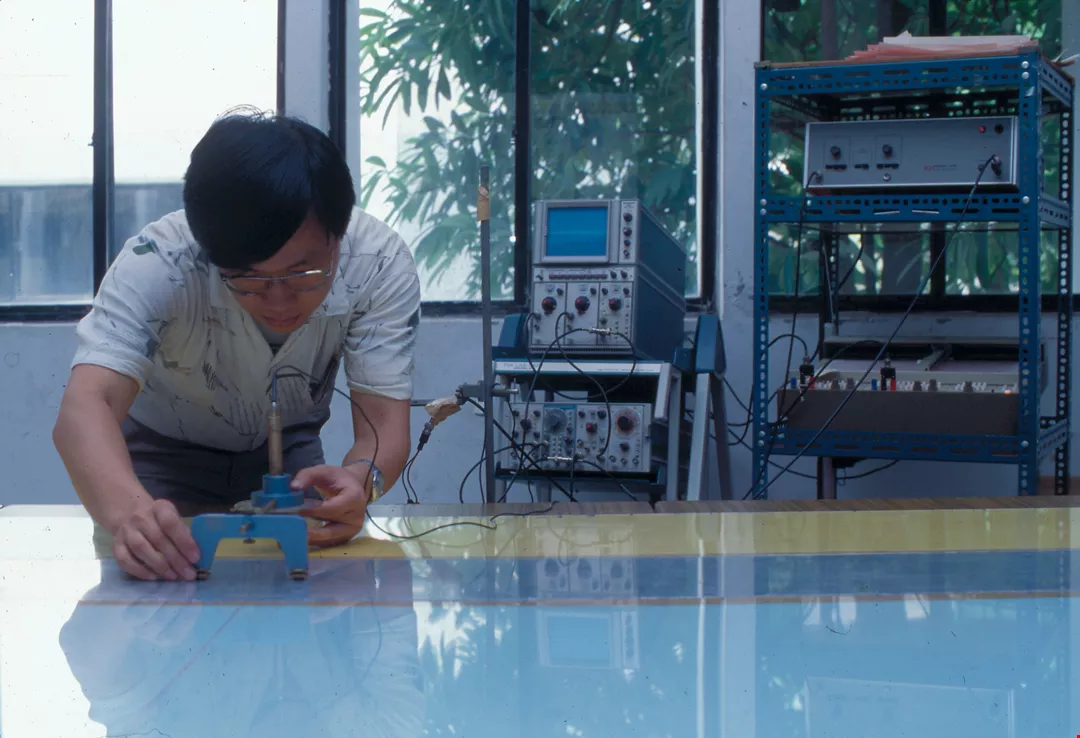
2.3. Geophysics students conducting experiments.
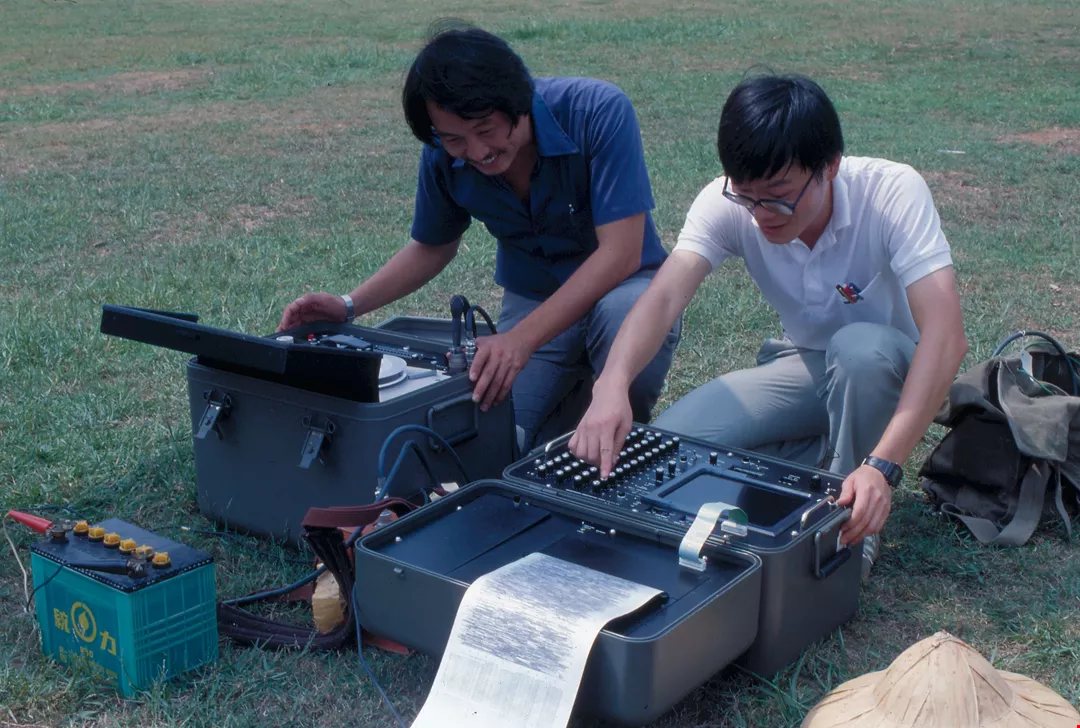
2.3. Geophysics students conducting experiments.
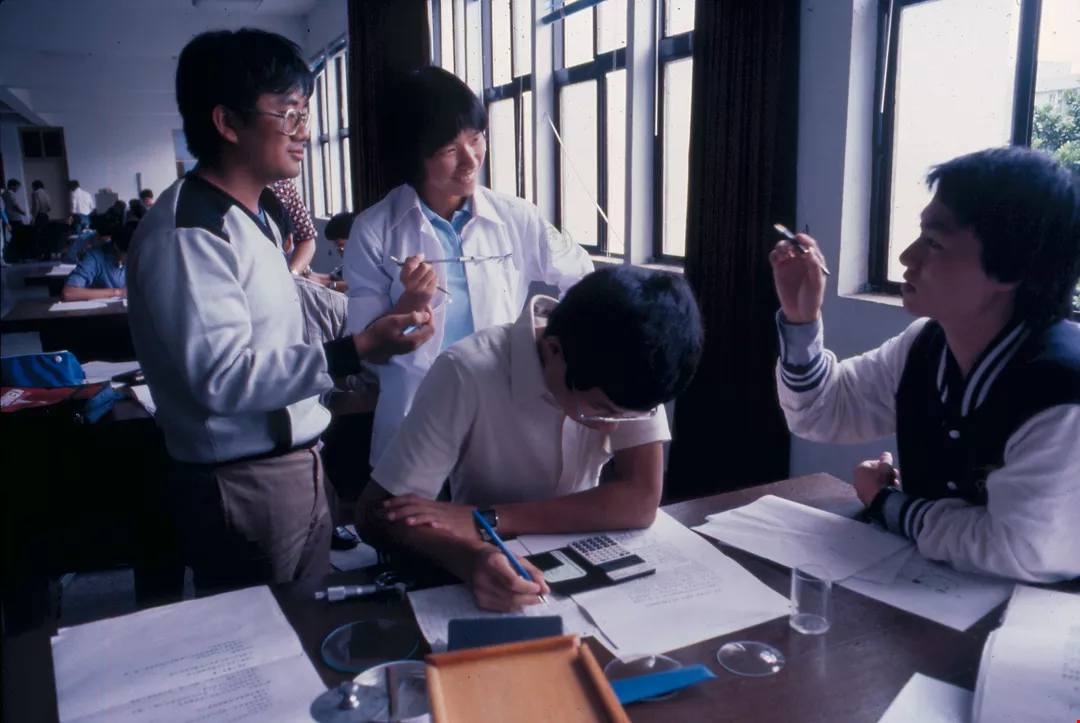
4. Physics students often get together to discuss class work.
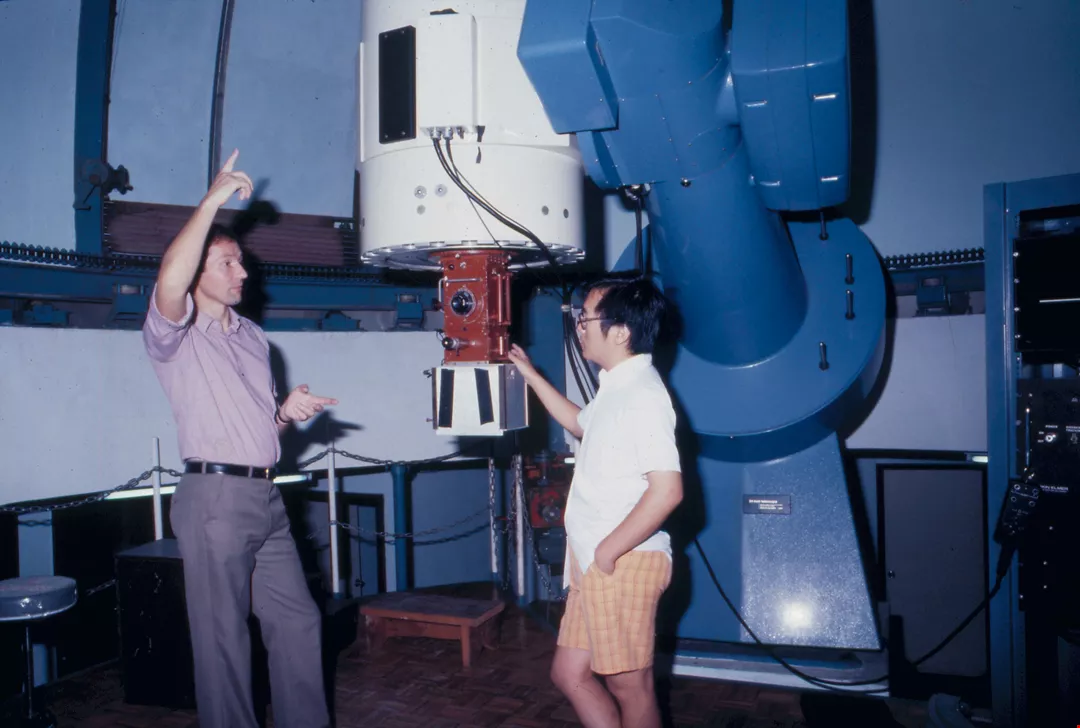
5. The NCU observatory's 24" Cassegrainian telescope, the largest in the ROC.
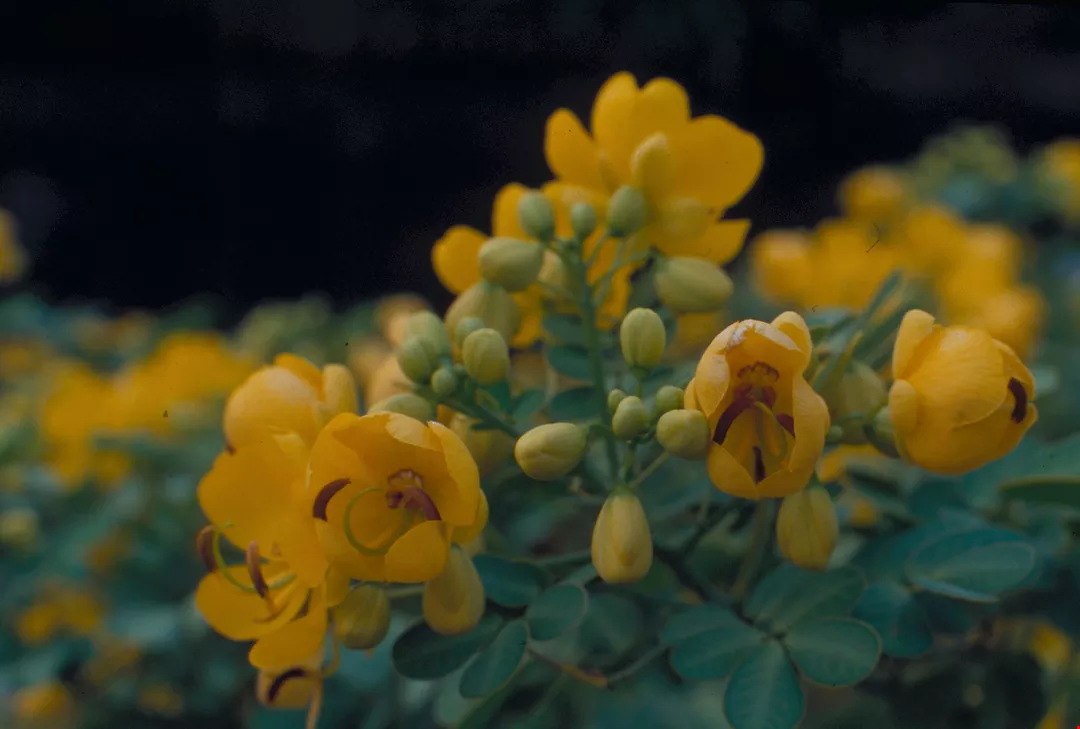
6.7. Flowers add color to the NCU campus.
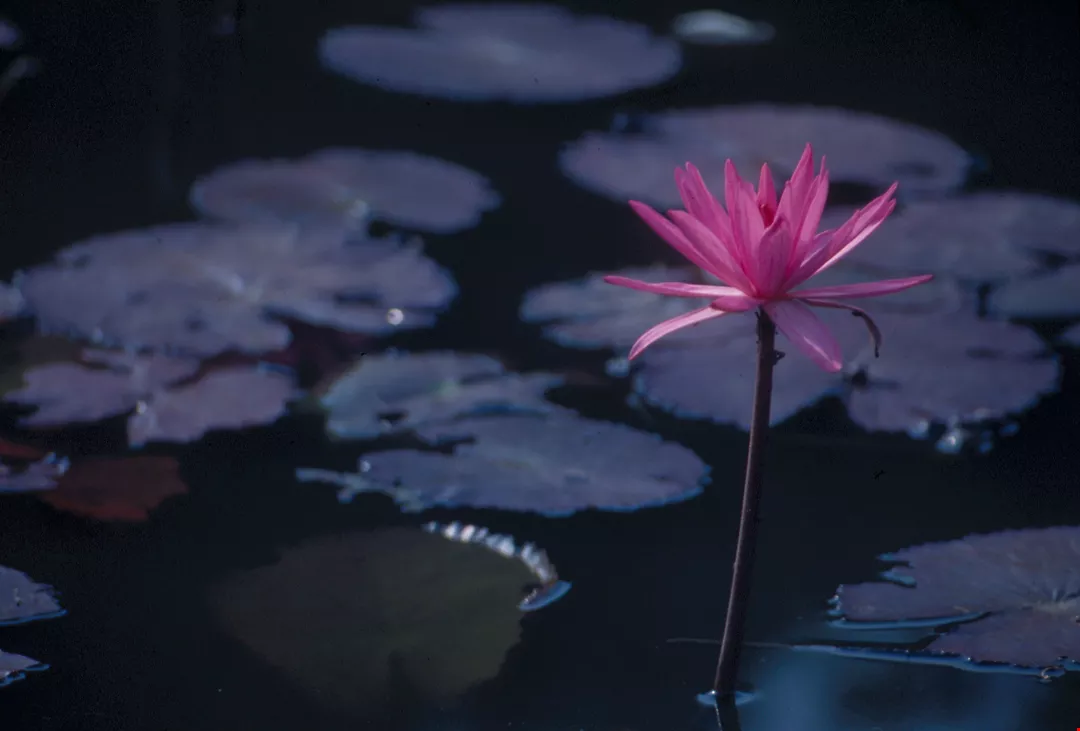
6.7. Flowers add color to the NCU campus.
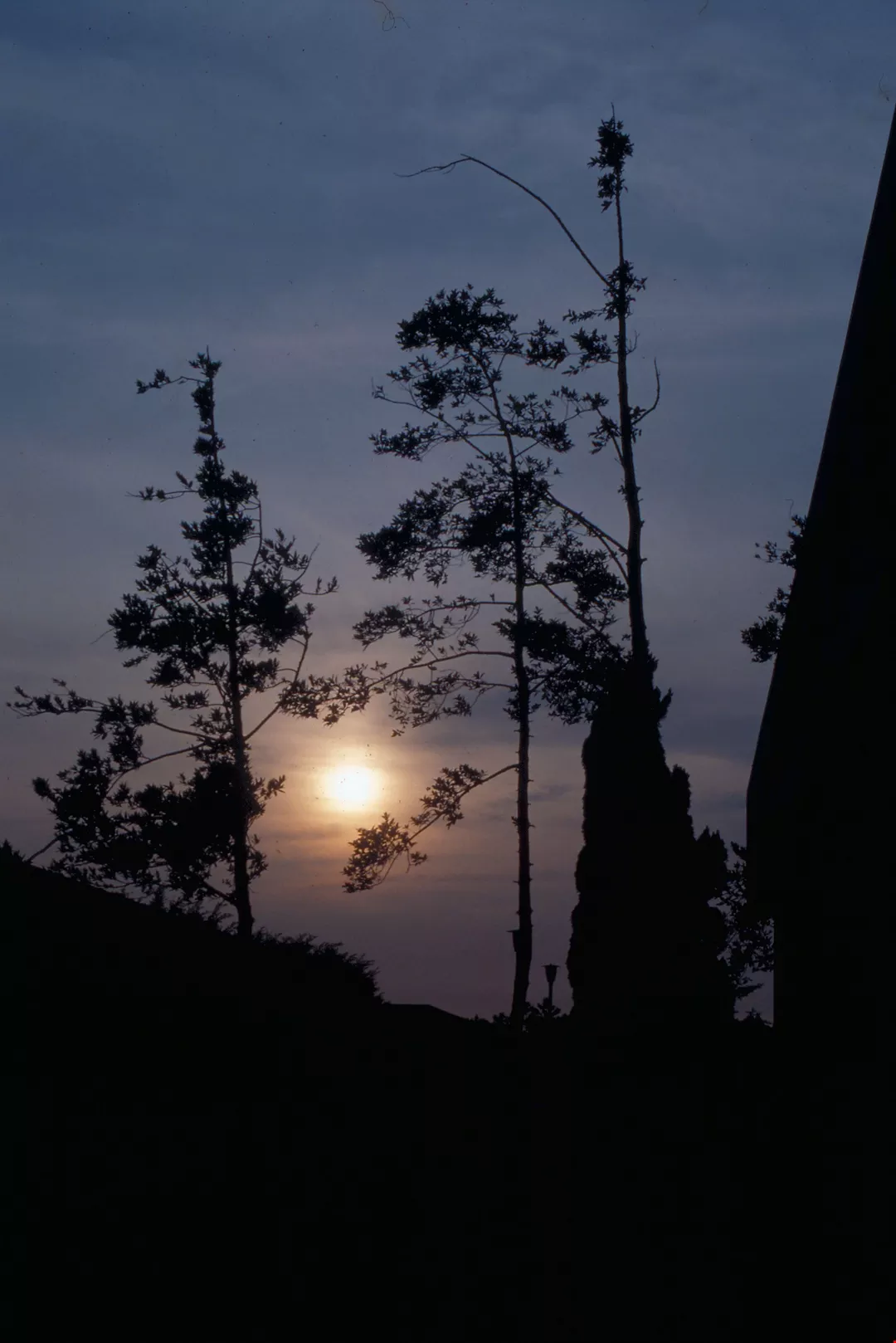
8. A dazzling sunset through the pines.
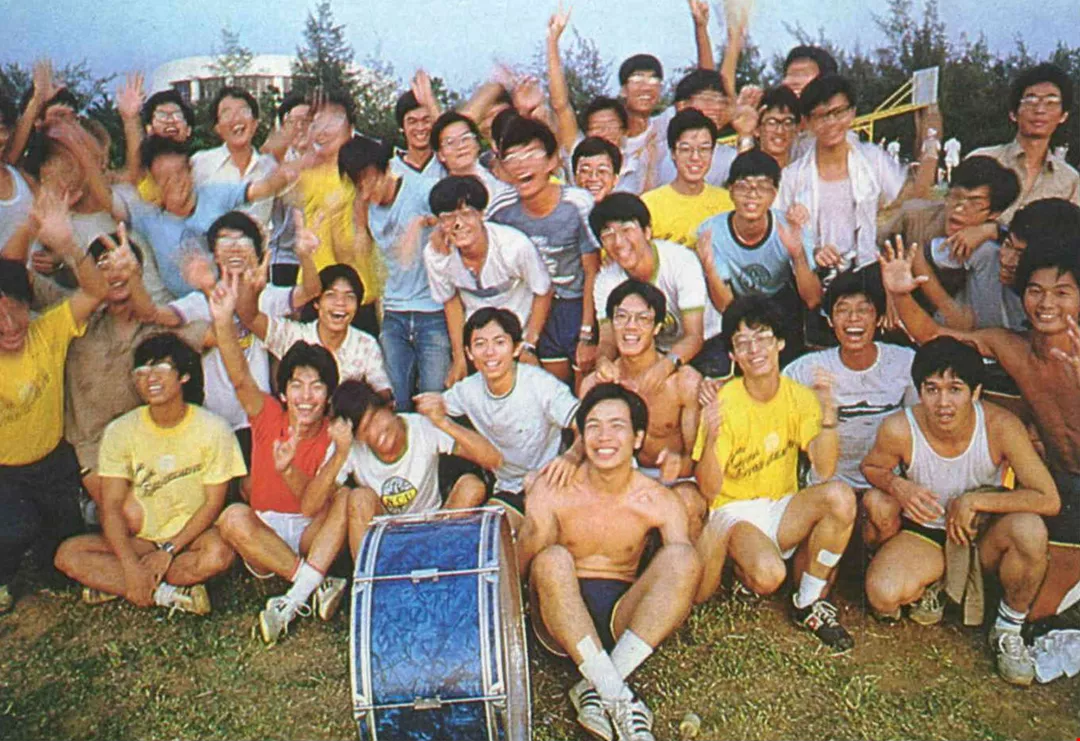
1. Rooting on the school team.
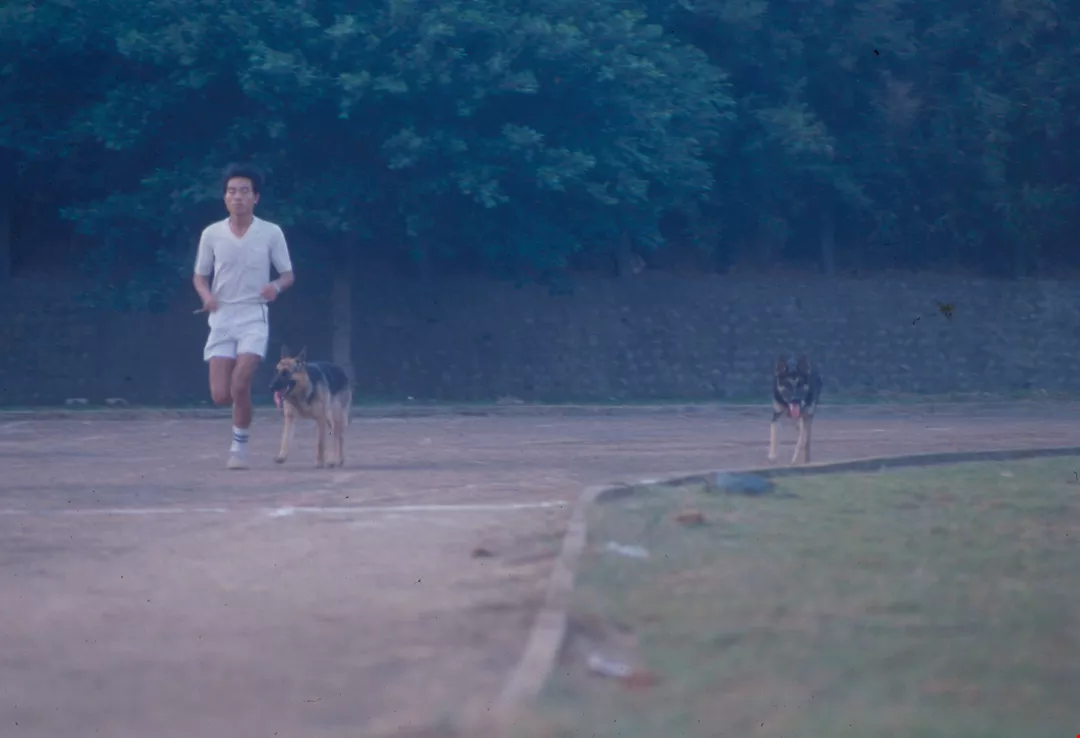
2.4. Morning athletics.
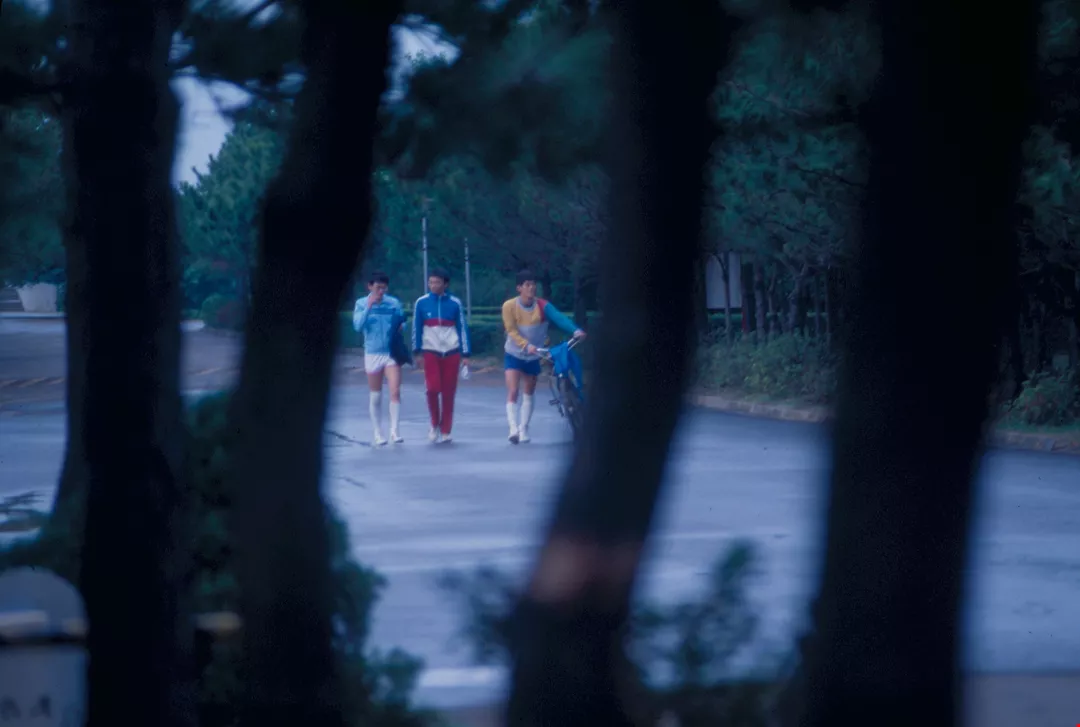
3. Warm-up suits, gym shorts, and gym shoes are almost a school uniform at NCU.
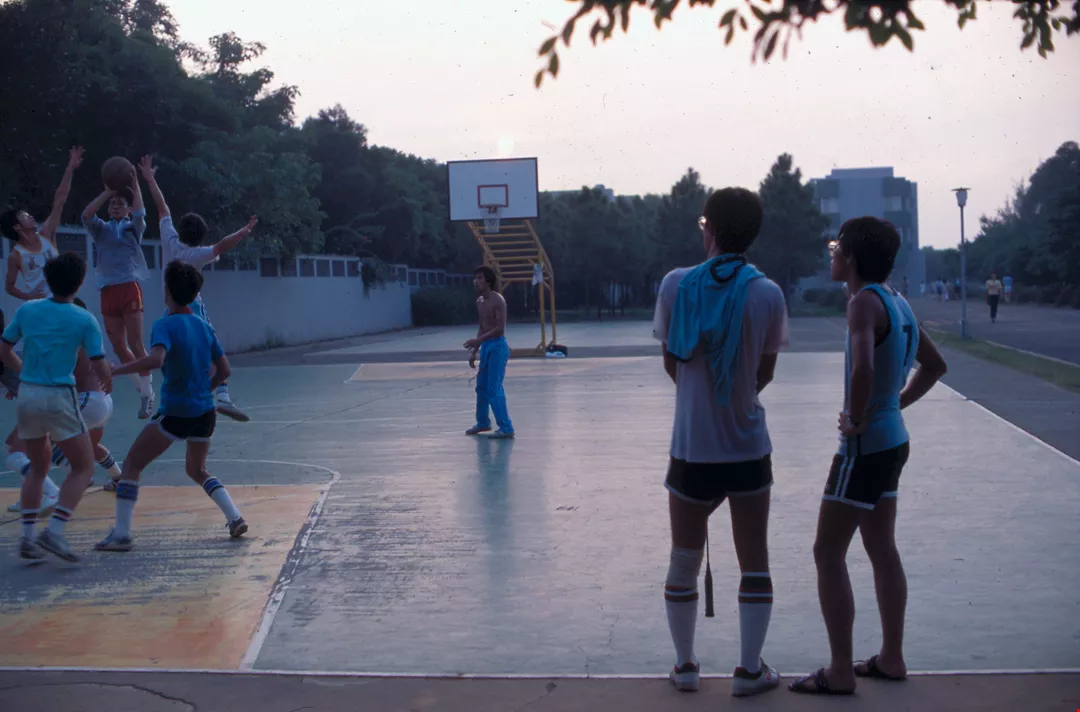
2.4. Morning athletics.
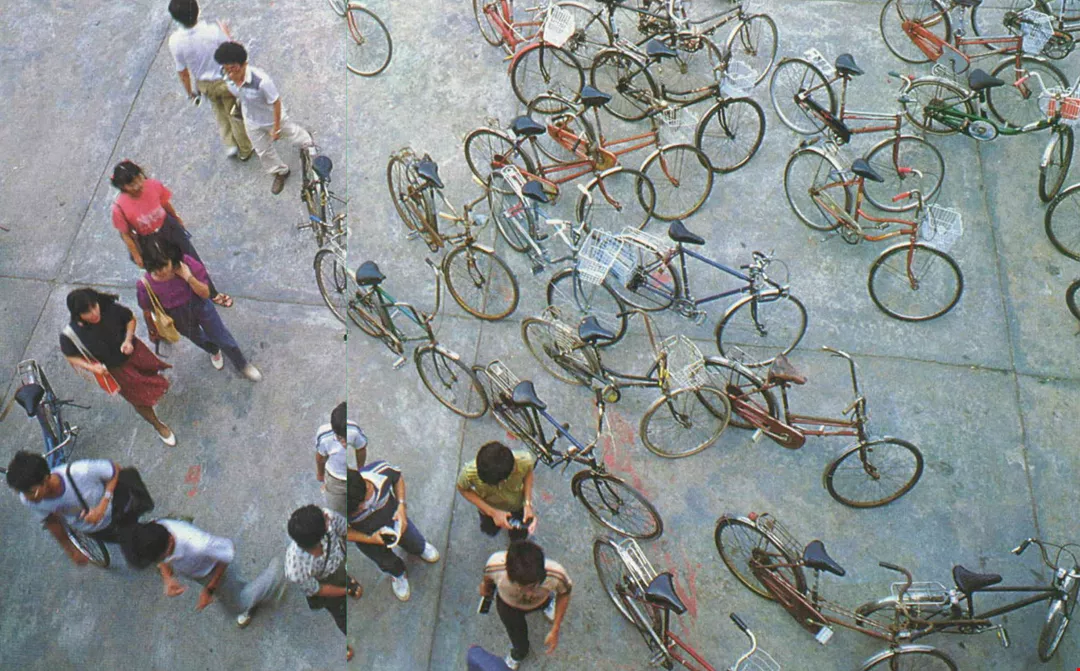
5. The scene in front of the cafeteria at meal time.
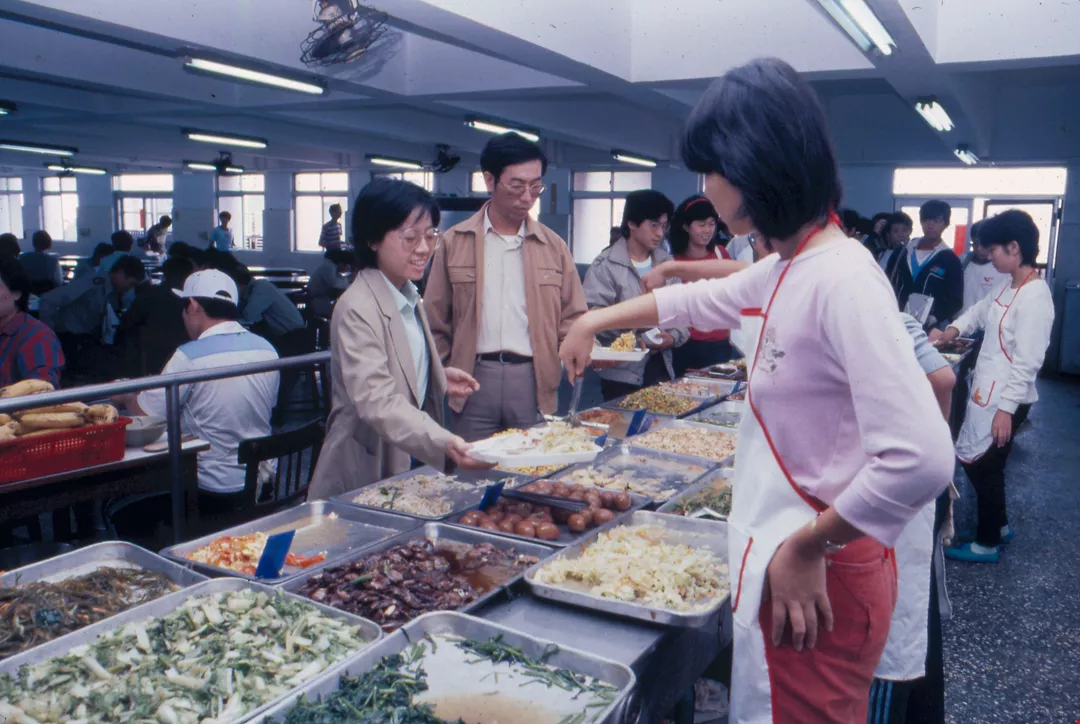
6. The cafeteria serves good, inexpensive food.
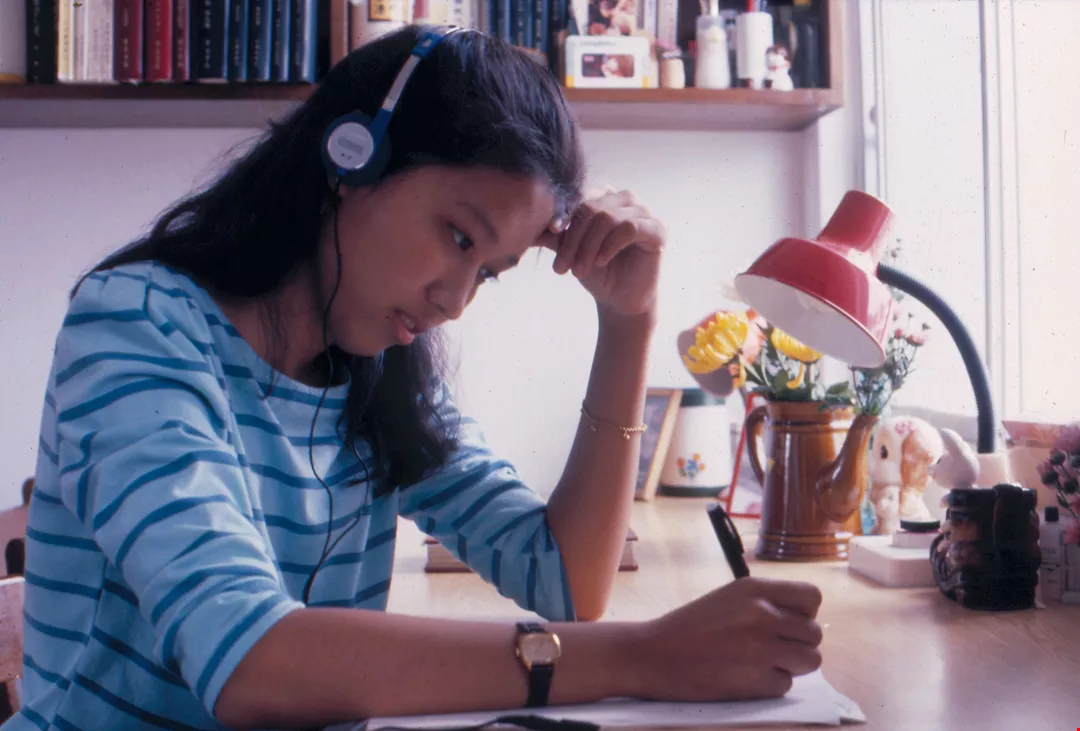
1. All students are required to live in school dormitories.
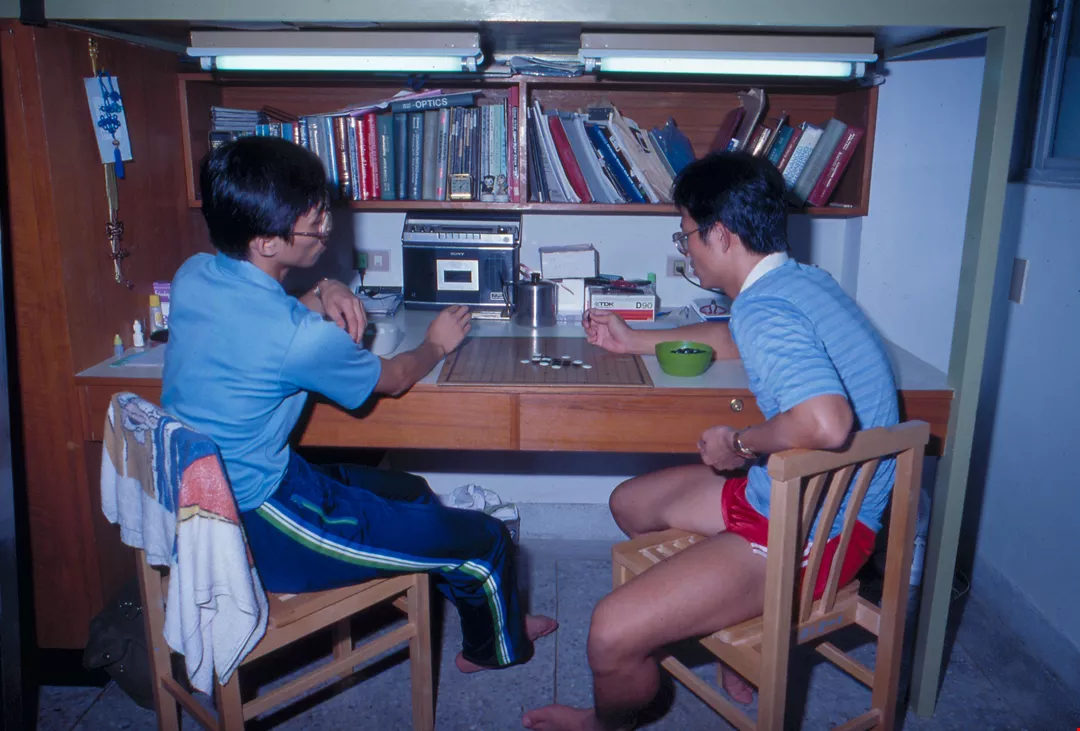
2. Two students playing go in a dorm.
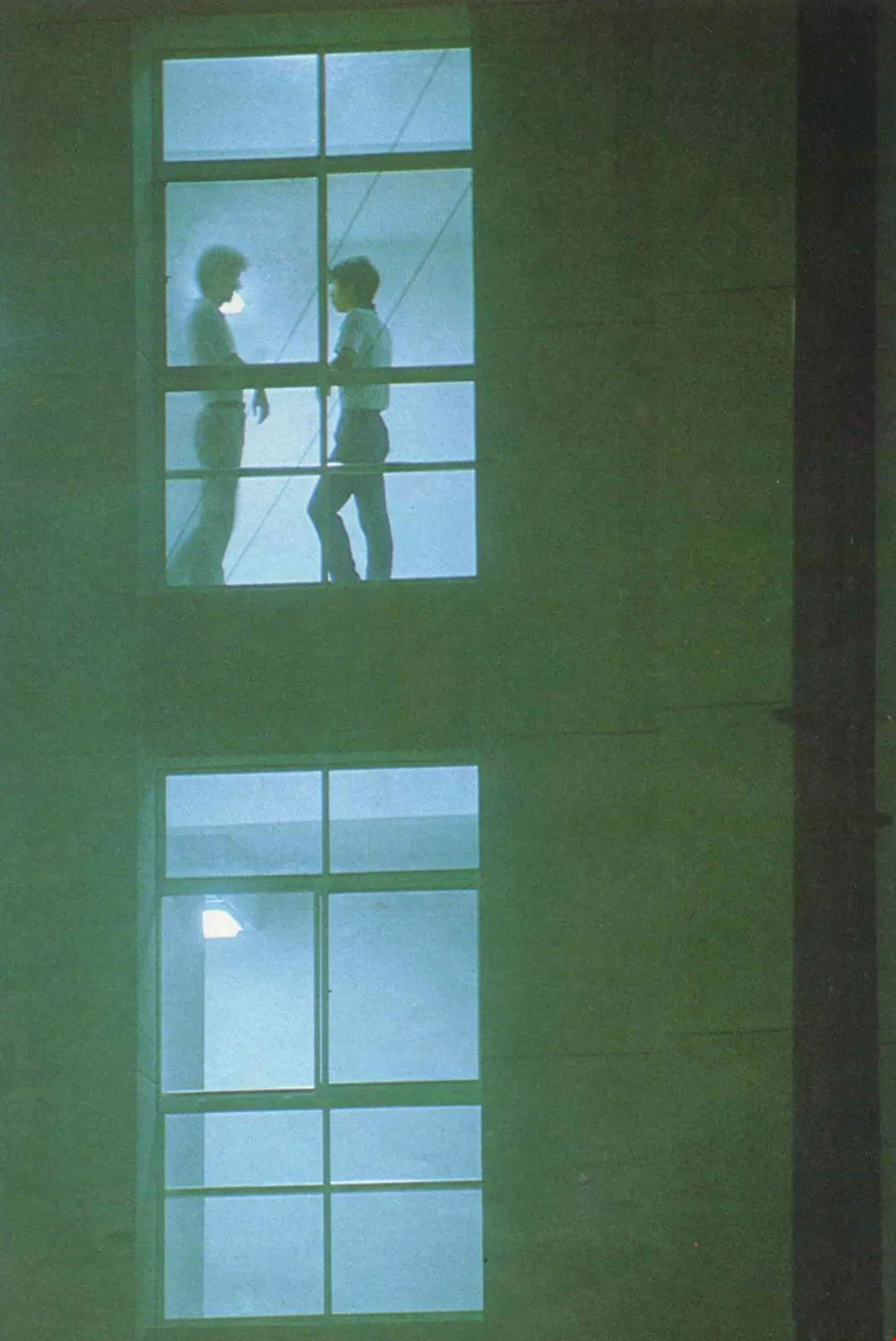
3. A men's dorm at night.
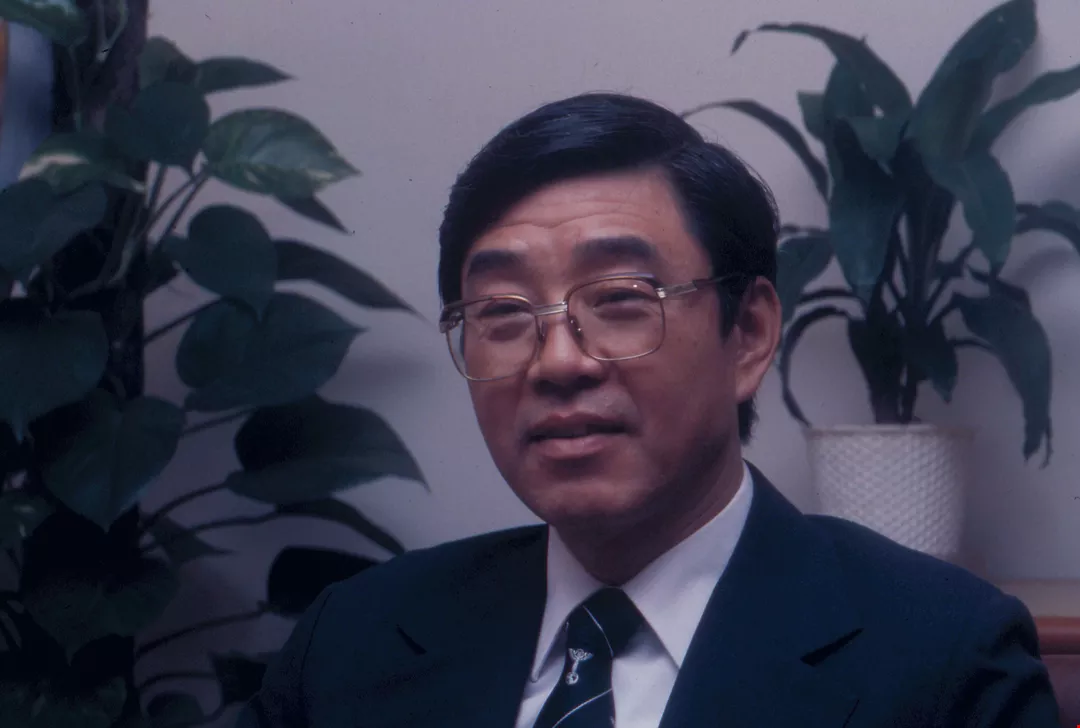
4. School president Yu Ch'uan-t'ao feels the purpose of education is to teach students how to deal with matters.
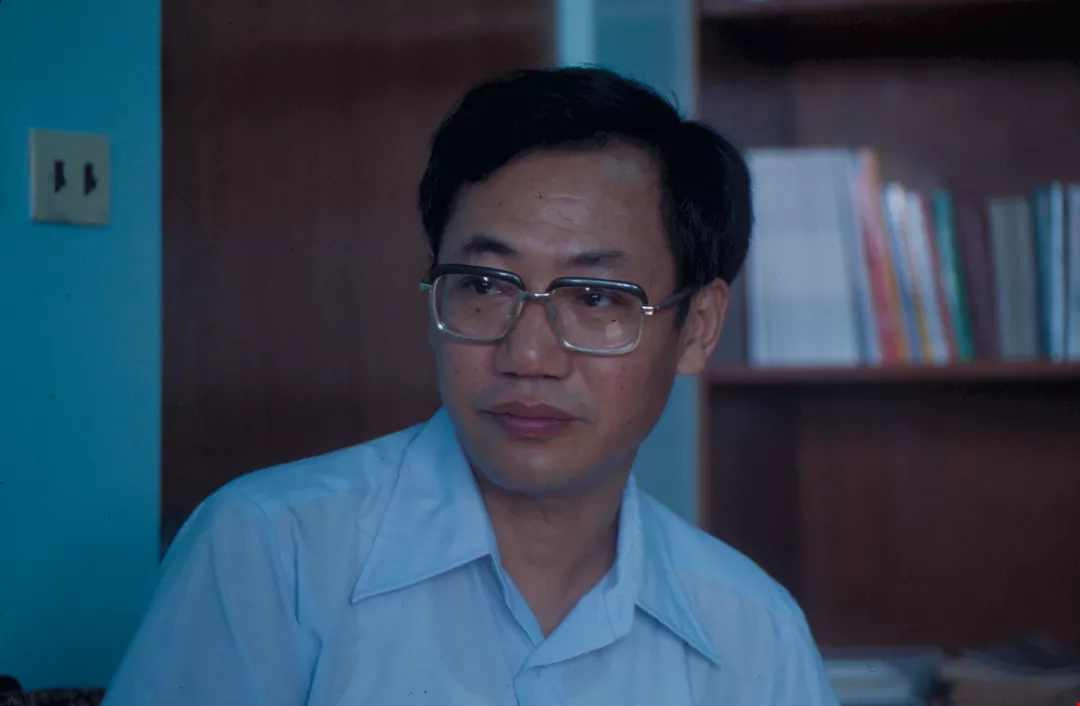
5. Dean of the College of Humanities, T'ien Wei-hsin, said, "Besides imparting knowledge, we also emphasize molding the students' personalities.".
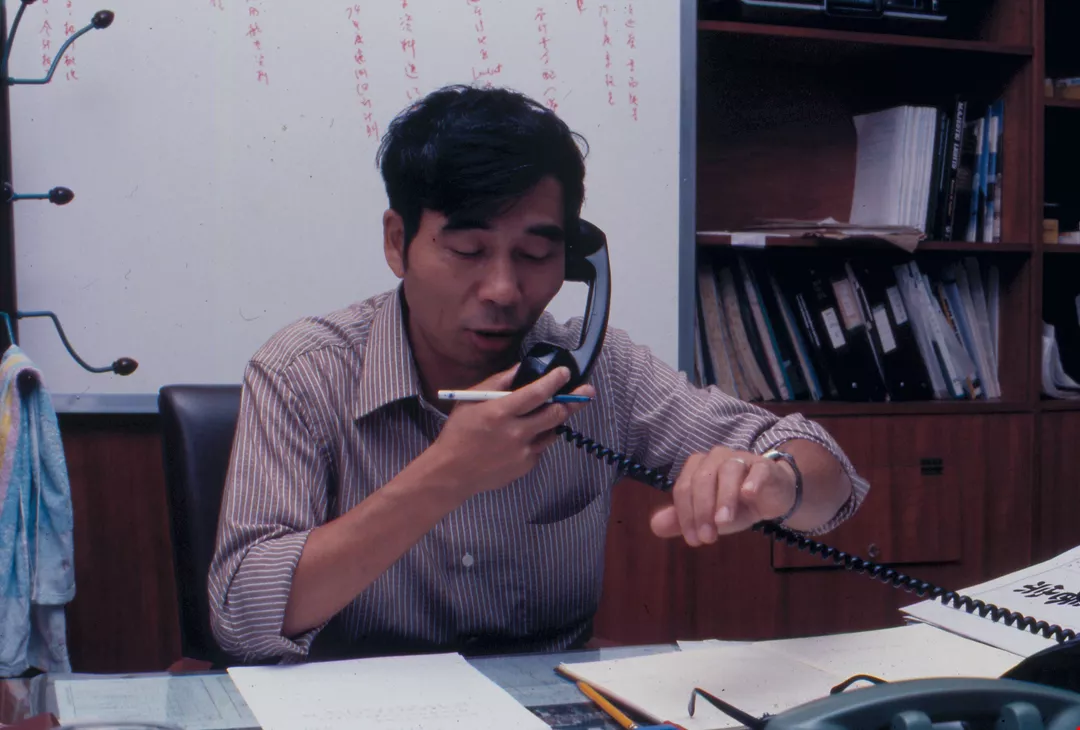
6. Dean of the College of Sciences, Ch'en Che-chun, is responsible for developing all of the nation's future geophysicists and astronomers.
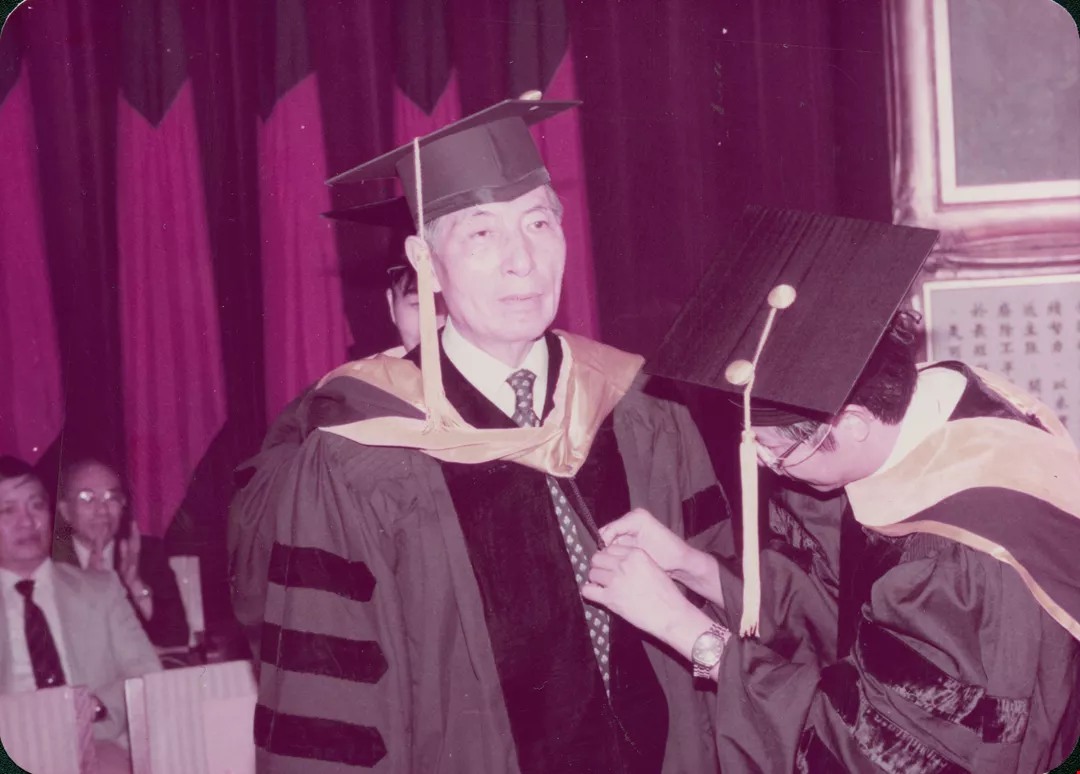
7. This year National Central University conferred an honorary doctorate upon Minister Without Portfolio, Li Kwoh-ting.
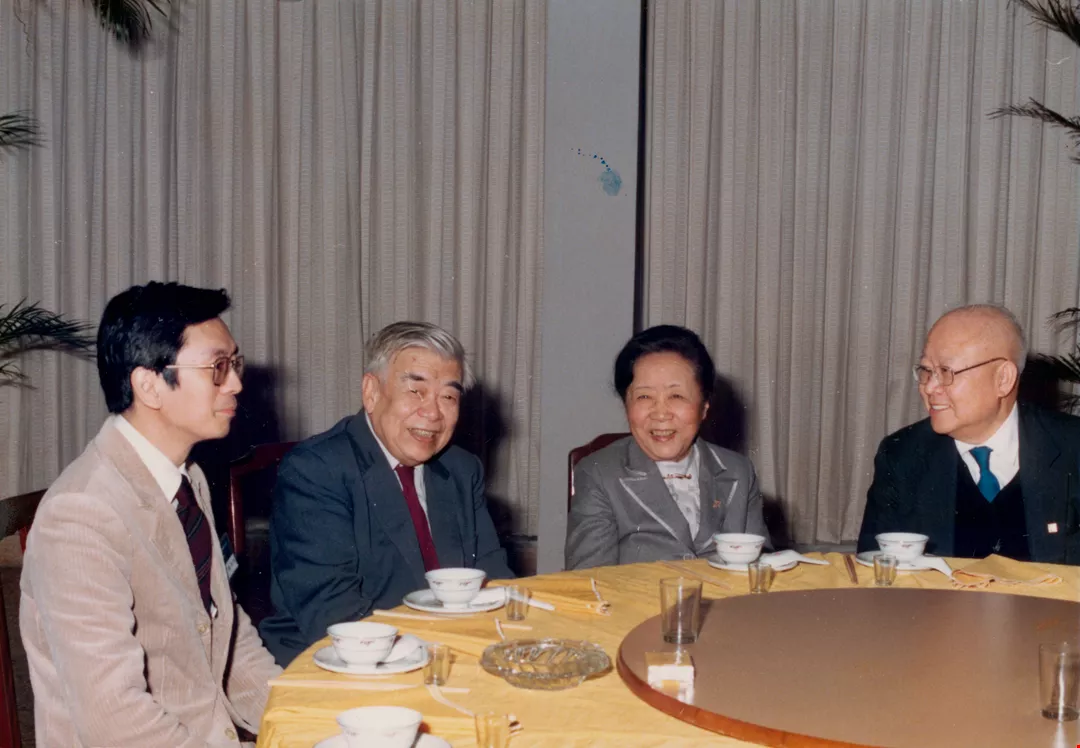
8. Physicist Wu Chien-hsiung, second from right, is also a friend of NCU.
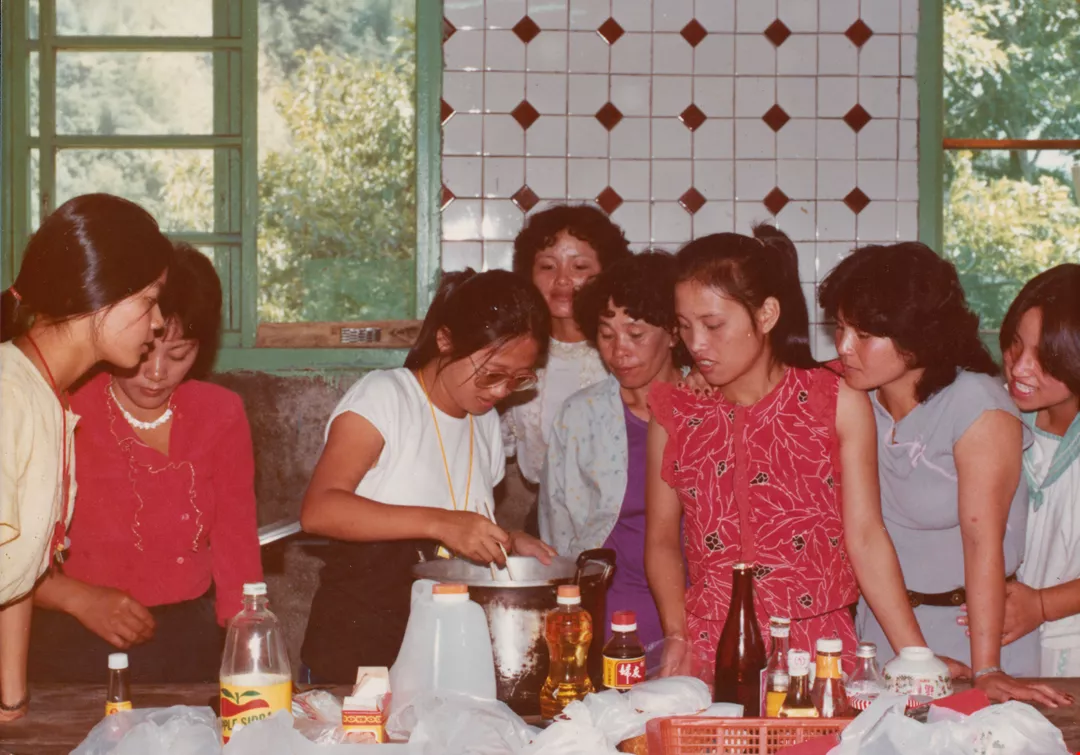
Top Left, NCU's service clubs work with Taiwan's aborigines. Here a student is giving aboriginal women a cooking lesson.
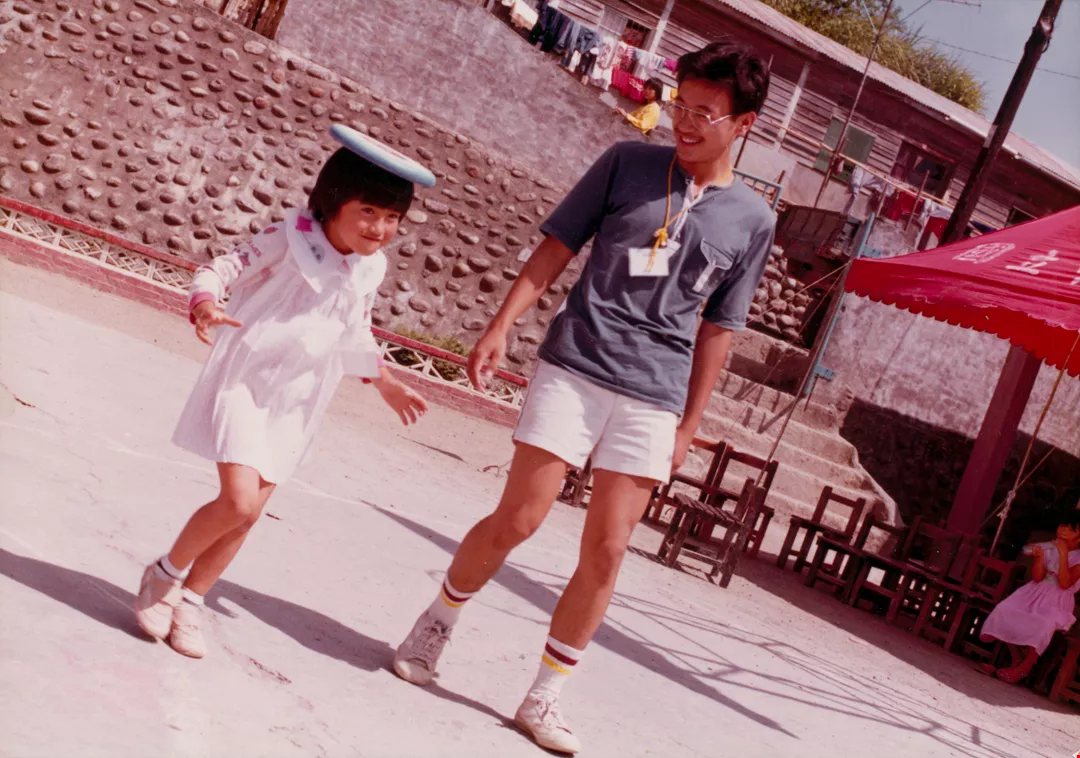
Top Right, Service clubs also take children on outings.
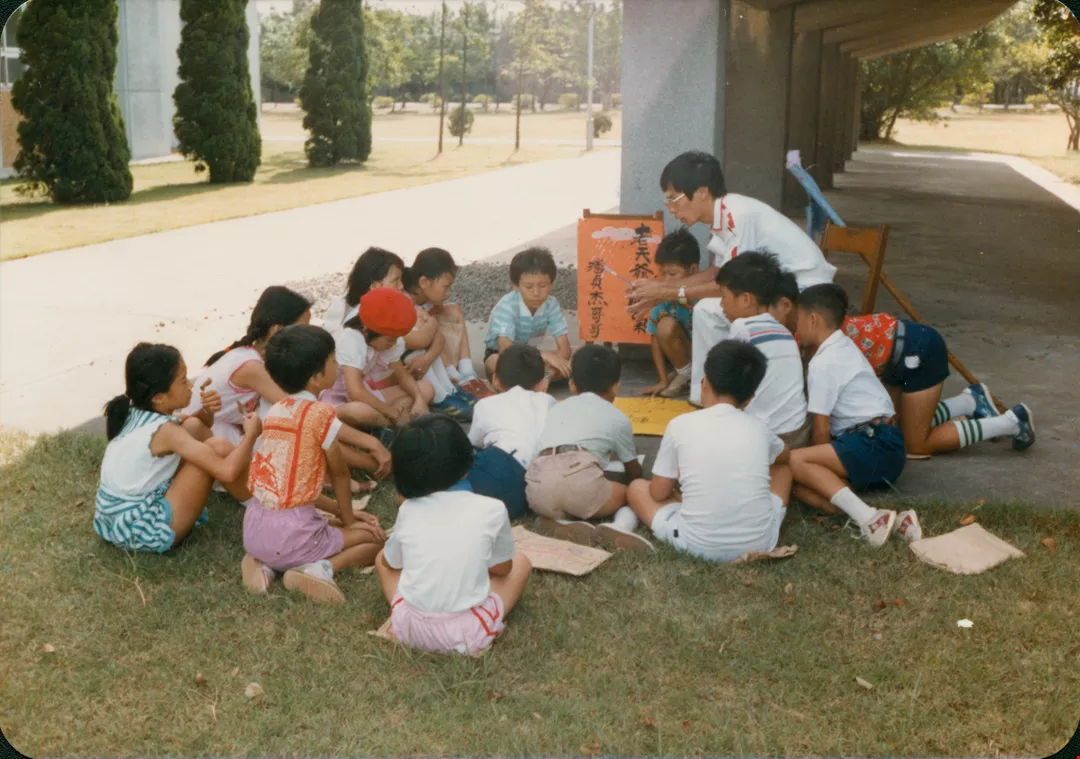
Bottom, Members of the Children's Benevolence Club often bring children from the Jen Ai Home onto campus.


@List.jpg?w=522&h=410&mode=crop&format=webp&quality=80)


