The Tale of Tan Kah Kee--Philanthropist Extraordinaire
Laura Li / photos Diago Chiu / tr. by Brent Heinrich
August 1994


A community leader among overseas Chinese in Southeast Asia who never assumed any governmental position, he has been hailed as one of the great personalities of modern China. Recently, a memorial institute has been established to commemorate this old gentleman. Surprisingly, its founding members include many eminent scholars, including Chancellor of the University of California at Berkeley C.L. Tien, Vice-Chancellor of the University of Hong Kong Wang Gungwu and Nobel prize winners Yang Zhenning, Ding Zhaozhong and Li Yuanzhe. Contributors also include more than 30 Chinese businessmen who all hold positions of importance and wealth in their own respective regions.
Being an entrepreneur, an educator and a social activist, Tan Kah Kee's life is a history in miniature of the Southeast Asian Chinese. Thirty-three years have elapsed since he passed away, but his legend is still stirring people's hearts. This is the final installment in our series "Homeward Bound: The Return of the Overseas Chinese."
In the city of Xiamen, the taxi driver enthusiastically questions his passengers, "Have you been to the gravesite of our famous Mr. Tan Kah Kee?" In many a restaurant, the waiter never fails to recommend, "Want to try Xiamen's oyster pancakes? We call them the 'Kah Kee Special.'" The TV series "Spirits of the Overseas Chinese" which is based on Tan Kah Kee's personal history, has just finished broadcasting and has brought forth quite a lot of talk among the general public.
Both in Xiamen and among the Chinese community of Southeast Asia, the name Tan Kah Kee seems to be omnipresent. The name was, however, once a taboo in Taiwan.
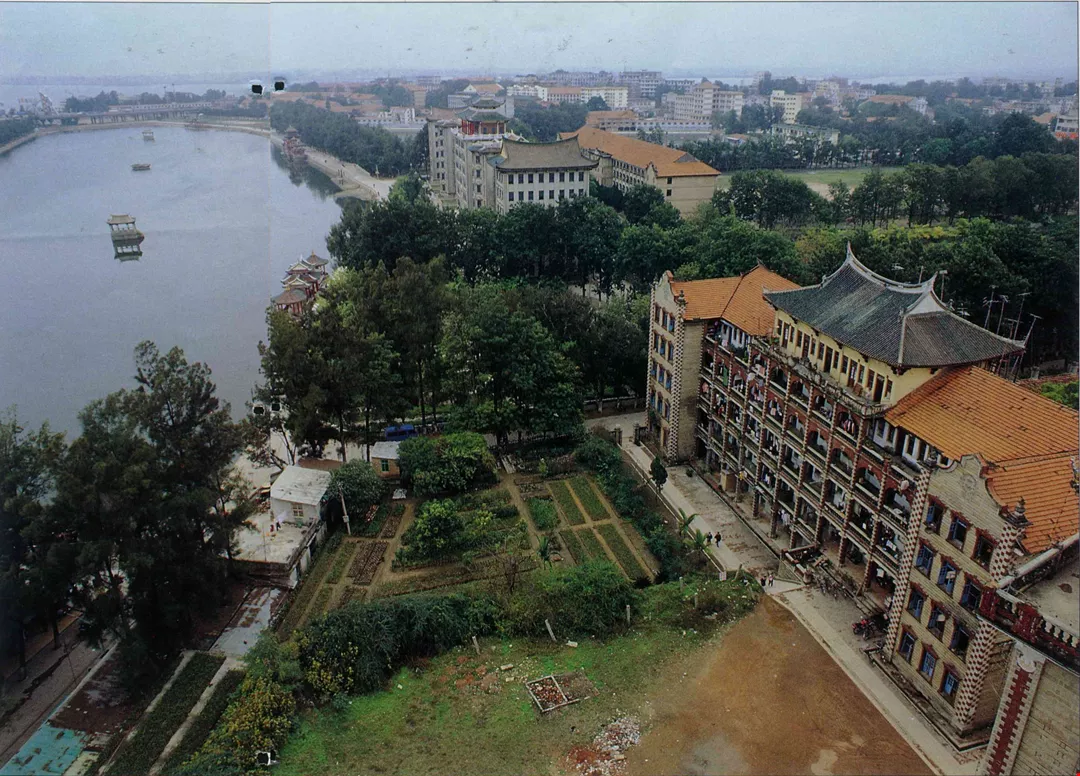
(right) Although having been left unrenovated for years, from a bird's eye view Jimei still appears majestic, its stately and symmetrical design still apparent. Glazed tile roofs and flying eaves were the typical architectural choices of Tan Kah Kee.
A life of countless achievements
To understand Tan Kah Kee's contribution, it is important to visit Jimei, a district of Xiamen City which lies on Xiamen Bay directly across from Xiamen Island. You can start from the "Sea Tortoise Garden," situated on a promontory, the cemetery where lie Tan Kah Kee's remains. In this peaceful garden every stone step and sculpture echoes with profound meaning. Continue your tour southward to discover a number of memorials to this man: the stately and imposing Mingshi Pavilion; Jimei High School, which boasts a multitude of bright yellow glazed tiles and carved, decorated flying eaves; Jimei Elementary School; the Overseas Chinese School; and the Jimei Navigation College. Standing on a high vantage point, you can also see the Teacher Training College and the College of Finance. The whole Jimei area is one large scholastic village, a sight rarely seen anywhere in the world, containing a grandiose yet subtly tranquil sense of beauty. More than this, its perfectly realized composition particularly leaves a lasting impression upon people.
"The most special characteristic of the 'Kah Kee spirit' lay in his willingness to pour out money to promote education!" says Xiamen University President's Office Deputy Director Lin Hongxi when he introduces visitors to the "Old School Master," the tone of his voice reverential. He points out that actually in terms of financial power, there were several community leaders among the Southeast Asian Chinese with more money than he, and no small number of them donated funds for the building of schools. But Tan Kah Kee was singularly unique in "giving all," not concerning himself with the development of his own enterprises, viewing the role of "school builder" as his life's true profession.
The precise count of all the schools he single-handedly established or joined with others to construct, both in China and abroad, comes to no less than 29. In his home county Jimei they include the kindergarten, elementary school, high school, teacher's college, agricultural college, fisheries college, and the navigation college. In Xiamen his energies produced Xiamen University,from whose doors have marched many generations of talented individuals. In Singapore, a stronghold of overseas Chinese, the famous Tao Nan School, Nan Chiao School, the Chinese High School, and the Singapore Nan Yang Teachers' Training School are all the results of Tan Kah Kee's passionate endeavors.
"In 1981 we conducted an estimate. If we adjust all the figures according to the relative value of gold through the years, the amount of money Tan Kah Kee invested in culture and education would exceed US$100 million!" museum curator Chen Yiming explains, standing in front of the display case which Tan personally designed. The Overseas Chinese Museum, situated in the heart of Xiamen City, was the master work that Tan Kah Kee completed in his later years after he returned to his hometown. Such a lavish rate of sacrificial giving is even more astounding when held up against the backdrop of Tan' s unremarkable beginnings.
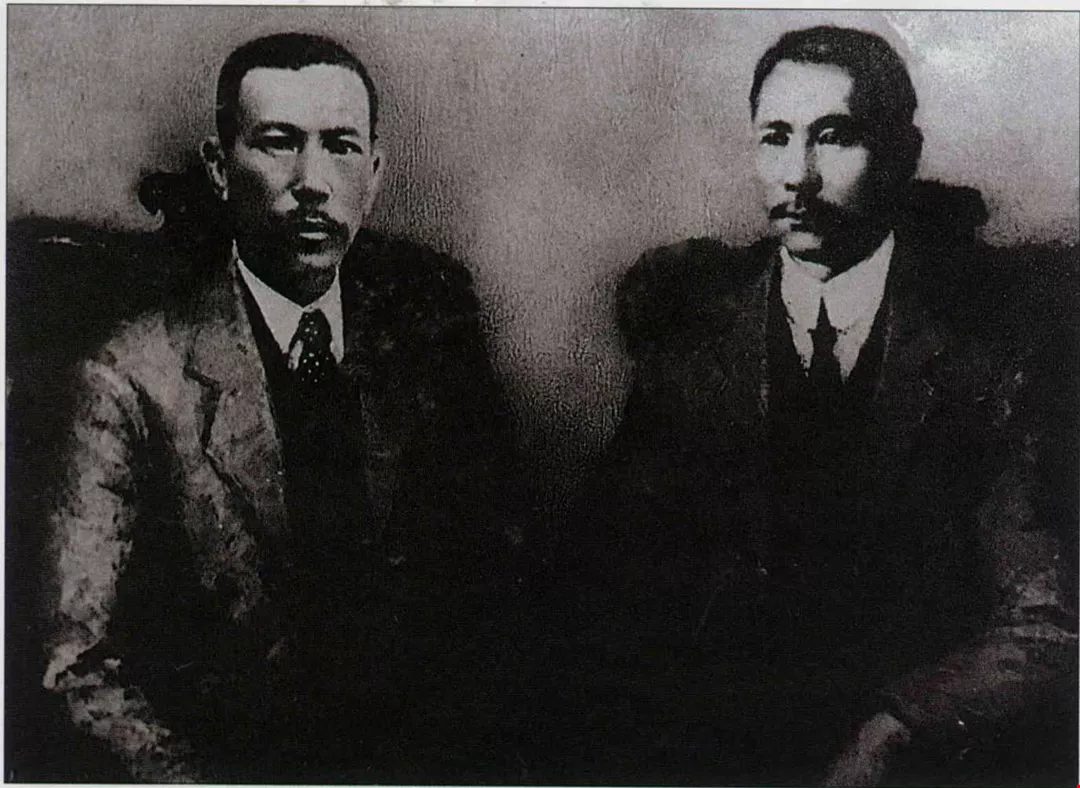
Singapore's Yihohsuen Club, an important meeting point for overseas revolutionaries of Tan's era. Tan Kah Kee, in charge of Yihohsuen, was also a member of the revolutionary society Tung Meng Hui. Shown here is aportrait of Tan Kah Kee and Dr. Sun Yat Sen. (photo courtesy of Committee of Jimei Schools)
At the vanguard of the rubber revolution
Xiamen's Jimei district, the birthplace of Tan Kah Kee, was originally nothing but a forlorn and remote little fishing village. Many of its inhabitants made their living by traveling off to Southeast Asia to labor and start up businesses. Tan's father was one of these, making his own sojourn to Singapore and running a rice store there.
With his father making a living abroad, Tan Kah Kee got his first opportunity to travel overseas at the age of 17. Prior to the age of 30, he preoccupied himself with the two tasks of helping out at his father's business and returning home to visit his mother, constantly running back and forth. He was unexpectedly called back to China to attend to his mother's burial, and found himself ground to a halt in Jimei for two years, not a particularly easy base for launching foreign ventures. Then surprisingly his father's enterprise went bankrupt, squandered into a penniless state by his father's second wife. Tan had no choice but to start from scratch, running a rice store and a pineapple factory.
In 1906, when the rubber industry had just begun in Southeast Asia, Tan grasped his opportunity and was drawn back to Singapore. In the next ten years,the rubber industry quickly prospered, and Tan Kah Kee's personal wealth also increased a hundredfold. At his zenith, he not only owned more than ten thousand acres of rubber tree plantation, but also used his rubber to manufacture such goods as raincoats, galoshes and tires. He also opened a chain of more than 80 retail stores spread throughout all the major cities of Southeast Asia. He could be considered the first Chinese to unify the cultivation, manufacture and sales of rubber products in Southeast Asia.
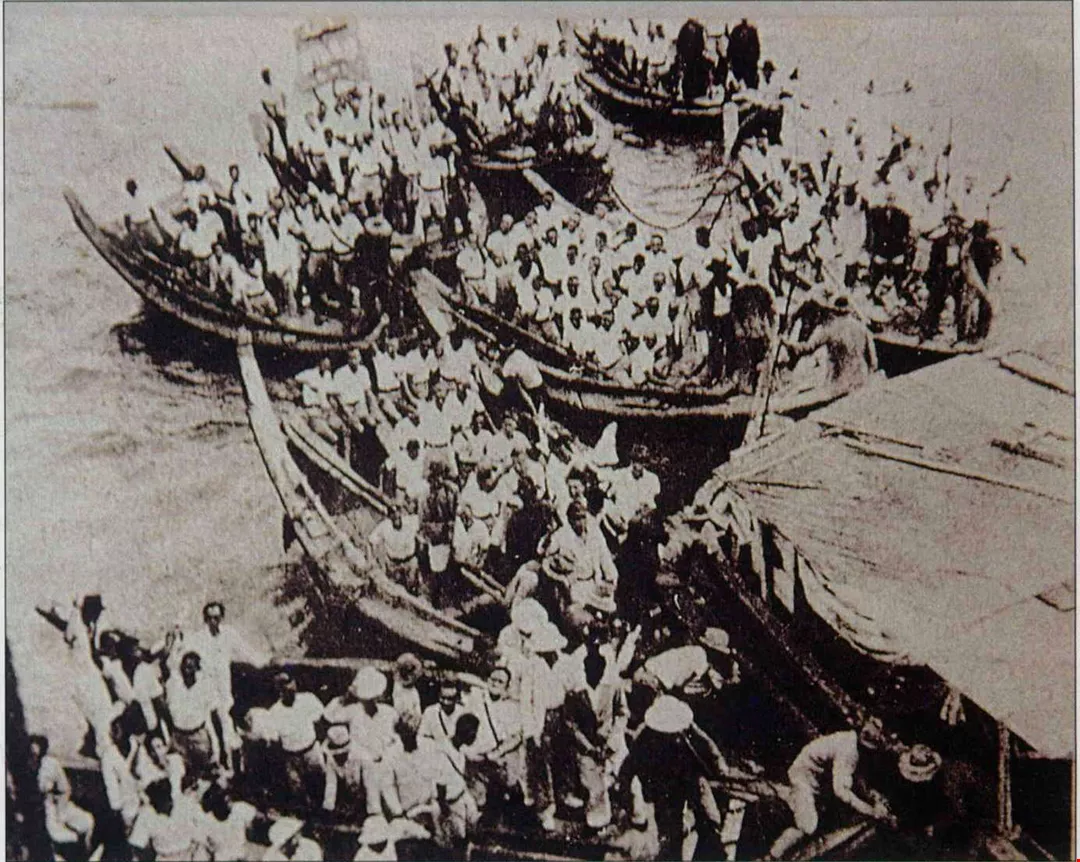
In 1939 Tan Kah Kee was asked by the government to summon up overseas mechanics to return to China and join in the transport ranks along the Burma Road. More than 3000 people signed up from all over Southeast Asia. The photo shows them gathering in Singapore. (photo courtesy of Committee of Jimei Schools)
Education to rescue the nation
Tan's activities in promoting education did not in fact begin after his business began to flourish. Early on when he was merely the obscure manager of a rice store, he returned home to organize a private school, the Tizhai Academy. That year, at the age of 20, he still kept a long pigtail in the fashion of the Ching Dynasty. When the Republican Period began, Tan developed close relations with the Nationalist government, relying on his membership in the early revolutionary society Tung Meng Hui.With the additional factor of his considerable wealth, he indulged himself without reservation in various altruistic educational endeavors. He also commissioned his younger brother Tan Keng Hean to return to their home town and take charge of the business of founding and upgrading schools.
Although promoting education is a good thing, in fact in the whole process a lot of frustrations cropped up. What it essentially involved was a reconstruction of the entire society and culture. An example concerning Tan's home town of Jimei is mentioned in his memoirs Nan-Chiao Reminiscences. The townsfolk were all of the same origin and even shared the same ancestry, yet although the residents numbered no more than 2000, they had seen several large-scale feuds in which dozens of people were wounded or killed, with people holding bitter grudges against each other. Therefore, the boys of every household studied privately at home and didn't associate with each other. In 1912, in order to start up the Jimei Elementary School, Tan expended a lot of energy persuading the heads of every household and eventually gathered the kids of the whole village to attend class in the shrine hall.
During the transition period between the Ching Dynasty and the Republican era, the whole of society was a pit of corruption, and misery prevailed in every walk of life. Truly ridiculous affairs held sway in education circles. For example, Jimei was under the jurisdiction of Fujian Province's Tongan County. The county elementary school was completely controlled by the county magistrate. This county magistrate assigned the principal, who in turn personally recruited teachers and students. But every few years, the magistrate would be replaced, and the school would have to begin anew from principal on down to students. As a result, for more than ten years there was not even one class of graduating students from the Jimei school.
When starting up schools, finding good teachers was the biggest headache for Tan Kah Kee. Back then the whole of Fujian Province had only one legitimate teacher's college, in Fuzhou, but unfortunately the school did not test its applicants under a fair and open system; quotas were all filled by the sons of rich families. Those rich dandies were singularly interested in their diplomas. But after graduation, they looked askance at the thin income provided by teaching positions. This created a dire shortage of teachers throughout the whole province. In order to recruit renowned teachers for all the different levels of schools in Jimei, Tan went all the way to Beijing, Jiangsu, and Zhejiang. He even once thought of inviting Wang Jingwei to be the principal of Xiamen University.
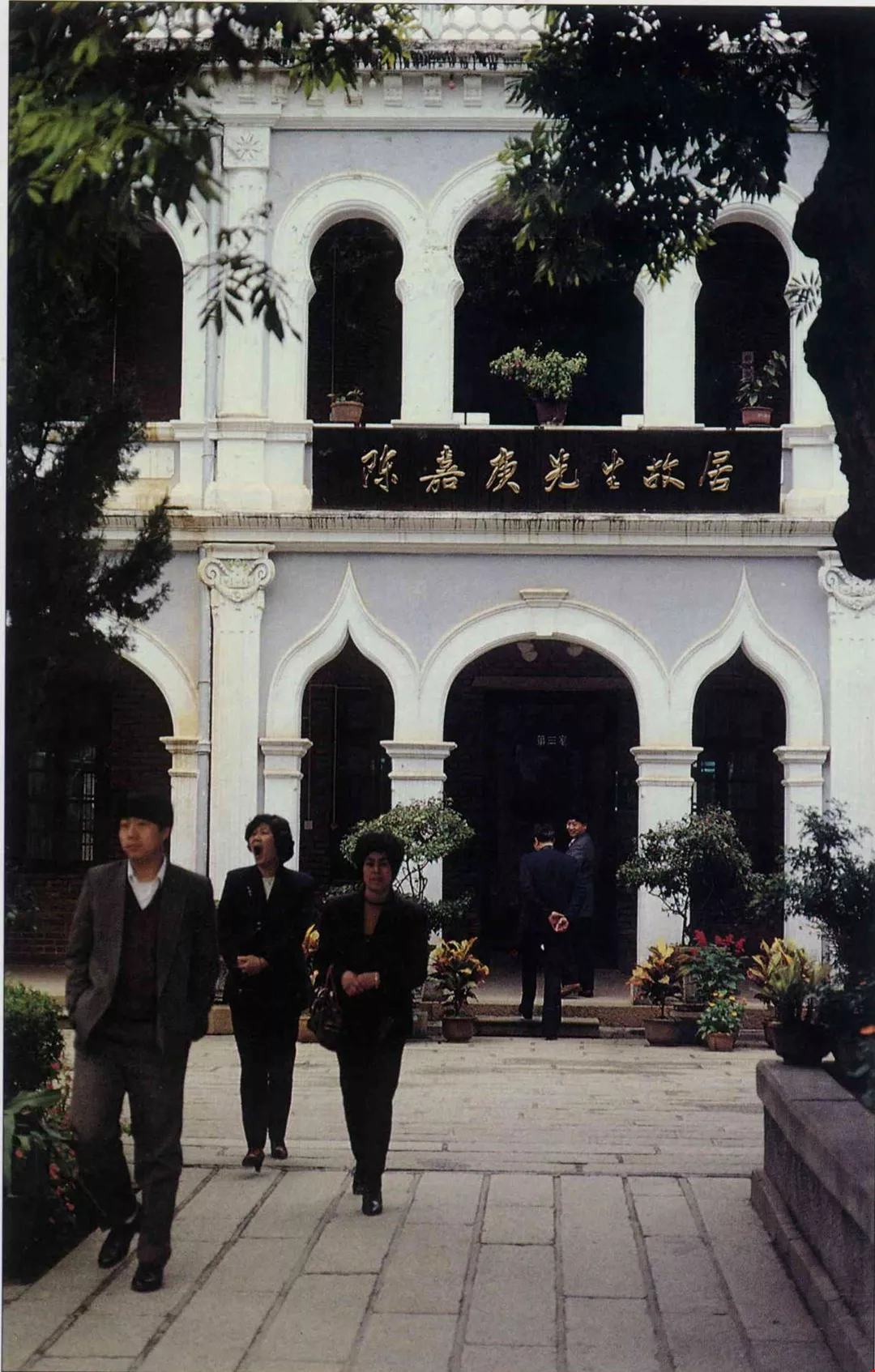
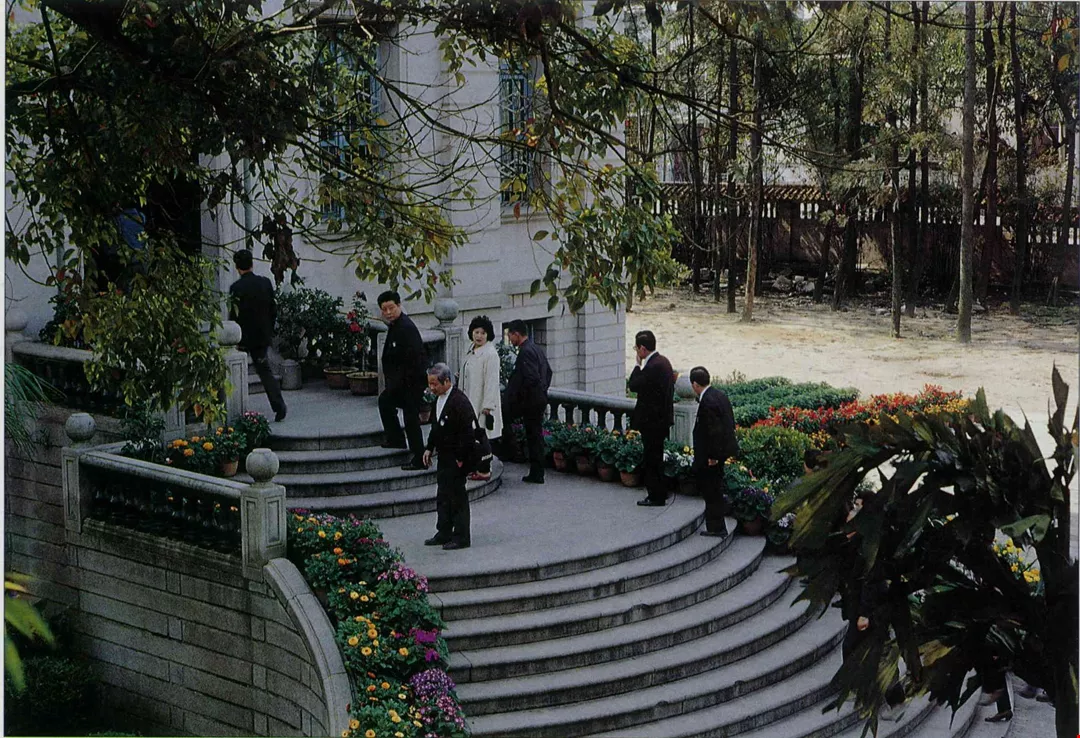
Tan Kah Kee spent his later years in his hometown Jimei. His residence is a must stop for tourists.
Trading plantations for schools
Tan Kah Kee's enthusiasm for education actually arose from his deep social concern. While overseas he saw many Chinese people in a state of ignorance and superstition, with a low level of cultural cultivation. In his hometown he saw old private schools in a state of decay, and the new Western-style schools corrupt. Many children in the village already over the age of ten were still naked and played in the streets: "It almost returned to a prehistoric state of barbarity. I was aghast by what I saw. I was beyond myself," he wrote in his memoirs.
Without being overly concerned about the costs, Tan was able to maintain his academia-building endeavors while his business was at its peak. But what is regrettable is that when his profits began to flag, the burden of school expenses correspondingly became far heavier. Astonishingly taxing was the monthly expenditure of Xiamen University, which at more than S$25,000 (Singapore dollars)--equal to 35,000 Yang, the Chinese currency of that era--was twice as expensive as all the schools in Jimei.
Yet this should not have been too surprising. "To manage what was at that time the only university in Fujian, Tan Kah Kee spent a large amount of money to invite famous teachers from many different locales. Lu Hsun, Lin Yutang and Gu Jiegang were once guest professors at Xiamen University," stated Associate Professor Hong Yonghong, whose knowledge of that era runs deep. Hong also notes that in those days 25 Yang could support a family for a month, while the professors of Xiamen University received as much as 400 Yang a month, twice as much as at the private Fudan University in Shang-hai. This salary was only a little less than the best school in the nation, Beijing University. A large portion of those finances came from either donations or loans from Tan's relatives, or from selling off rubber tree plantations or properties of Xiamen University, even villas owned under the names of his sons.
Tan never anticipated his financial burdens. Originally he thought that it should not have been hard to raise the funds, judging from the wealth of Fujian's overseas businessmen. But Tan soon met an unending line of equivocations, and he was forced to bear the whole burden himself. In 1937, sixteen years after the university was founded, Tan could no longer muster the necessary funds. He donated the university to the nation, and it was changed to a state university, even though in the early 1950s, he asked his son-in-law Lee Kong Chian, who inherited his business, to donate a large sum of money, putting up altogether 17 buildings at Xiamen University.
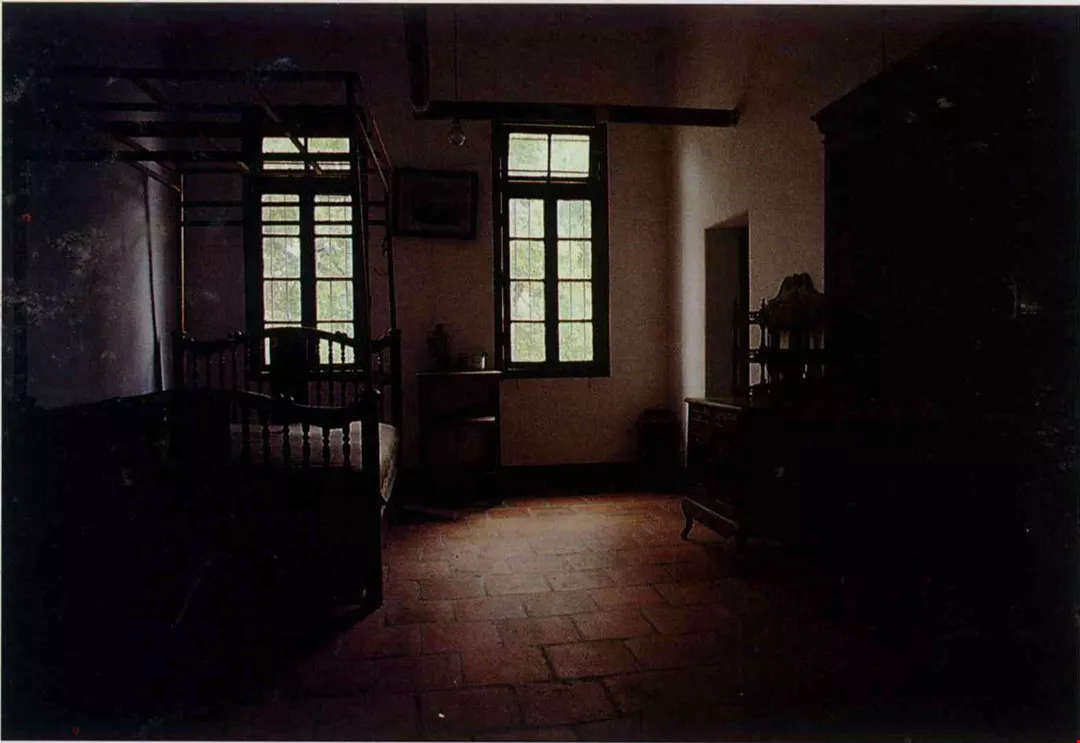
The modest arrangements of his room bear witness to Tan Kah Kee's simple life. The oyster pancake was Tan Kah Kee's favorite dish. It is called the "Kah Kee Special" by locals.
Business in ashes, fame soars
According to Tan Kah Kee's own words, his business had begun to decline early on. One reason was that after the rubber industry began to flourish, a great number of people joined in the first large wave of investment. The price of a bushel dropped from S$200 in 1925 to S$7-8 in 1935. Furthermore, rubber-manufactured products felt the brunt of Japanese cut-throat competition. After 1929 the world-wide economic recession broke out, and many Chinese-run businesses were shut down or bankrupt. Tan also closed down most of his enterprises in 1935, formally ending his business career. He reached the age of 60 that year.
With his business in ashes, his "political legend" was only beginning. Back then Sino-Japanese relations were volatile, only requiring a minor incident to erupt into war. Tan altered his focus to the affairs of the nation. Because his willingness to "empty out all he has to start up schools" had become the model of public service, he enjoyed an incomparable position of leadership in the Southeast Asian Chinese communities. In the following years, the name Tan Kah Kee became the synonym of the Southeast Asian Chinese community's support for the motherland's struggle against the Japanese.
In 1936 Chiang Kai Shek was celebrating his 50th birthday, and a fund-raising campaign was initiated to purchase combat aircraft to celebrate his birthday. Originally the donation quota for the then state of Malaya was only 100,000 Yang, the cost of a single airplane. But after Tan called for support, they raised more than l.3 million Yang, enough to buy aircraft for an entire squadron.
With the Marco Polo Bridge Incident of the following year, the Sino-Japanese War broke out. The people of Southeast Asia could not overtly speak out against the Japanese, because the colonial governments remained neutral. They nevertheless established the Southeast Asian Chinese Relief Society for Refugees from the Motherland. Tan Kah Kee was selected to be the chairman, and he made fund-raising efforts for the Nationalist government the first priority on his list.
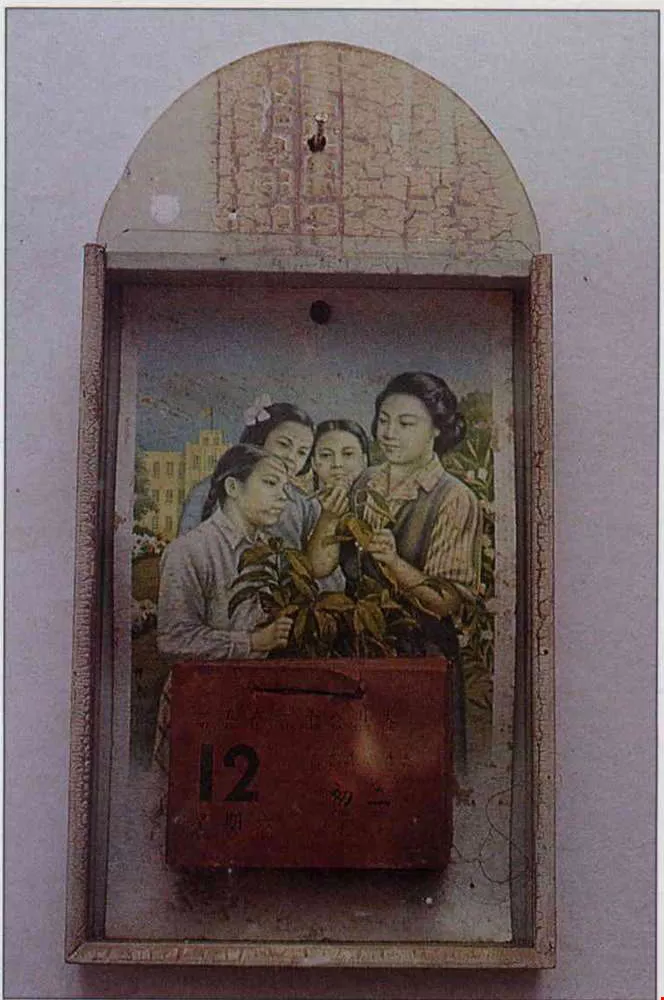
Tan Kah Kee died on August 12, 1961 . The wall calendar in his residence has been left unchanged since that day.
Wartime fund raiser
In raising funds for the Nationalist government, he showed his powerful leadership. Because they feared that the overseas Chinese would be parsimonious with their donations, the relief society had various methods of raising contributions, including levying an import/export tariff. Every company branch and every salesman was given the option of making a regular monthly donation. On every memorial holiday, such as March 29 (Youth Day) or August 13 (Japanese Resistance Day), they held fund-raising activities. In addition, entertainment events and sporting competitions, temple festivals, and the vending of flowers and medallions were all used to raise funds. In this way the relief society went into total mobilization. The results for the first year came to more than 60 million Yang, from 8 million ethnic Chinese in Southeast Asia.
Raising funds in the midst of an economic depression among the Southeast Asian Chinese businessmen could never be welcomed. But Tan's modus operandi left no one feeling a grudge. For example, the overseas Chinese community in Southeast Asia is very complex and has always distinguished between Fujian, Guangdong, Chaoshan, Hainan and Hakka groups. Being the leader of the Fujian clique, Tan kept pushing his fellow Fujianese to donate more. His reason was simple: Fujian Was not a big military province. The soldiers it sent out to fight against the Japanese wouldn't be as numerous as those from Guangdong Province, which boasted the Huangpu Military Academy. Sticking to the principle of fairness, those who contribute less manpower should naturally contribute more cash. However, the Southeast Asian Chinese community not only contributed money; they contributed people as well.
The Overseas Chinese Museum, which has a wide assortment of overseas Chinese historical material, was founded by Tan Kah Kee in 1956. Quite a few overseas Chinese have come to see it.
Fortifying the Burma Road
At the beginning of the war, the power of the Japanese force appeared to be very fierce. The coastal provinces of China (including Tan's home Xiamen and Jimei) were occupied one after another. Harbors were blockaded by the Japanese navy, too. Thereafter, the Burma Road through Yunnan became the only accessible international path to China. Unfortunately, there was a shortage of domestic bus drivers and mechanics. The government sent a telegraph to ask for assistance. Tan Kah Kee, who heeded every call, initiated the campaign to round up mechanics from among the Chinese of Southeast Asia to go back and join the resistance. Altogether, the young mechanics who returned amounted to about 3000. They came in entire shiploads to get trained and join in the support ranks of the resistance.
Those mechanics, faced with the onslaught of the Japanese maelstrom, delivered goods and materials across the steep and perilous Burma Road. The amount of injuries and death was hard to calculate. This was a grievous yet proud page in the history of the Chinese resistance to Japanese invasion. However, due to the insufficient emphasis that the Nationalists put on those mechanics and the deficiency of the cargo trucks purchased with the donations from Southeast Asia, Tan Kah Kee, who had always resented evil and prized integrity and efficiency, became deeply disappointed. Here the seeds were sown of his growing sentiment of aloofness and dissatisfaction toward the Nationalist government.
In 1940 Tan organized a tour of mainland China by a large group of Southeast Asian Chinese to build morale among the resistance forces. Within half a year they traveled throughout every part of the Chinese hinterland. Influenced by the impression he received from Chungking, with its hedonist and decadent environment, and the communists in Yenan who were diligent and spartan, Tan turned from being "wholeheartedly in support of the Nationalists"and "the patron of Chiang Kai Shek" to a fellow traveler of the Communist Party.
Shortly afterward, Japan expanded its front to Southeast Asia. Tan organized a militia of ethnic Chinese in Singapore to fight against the Japanese army. After Singapore was lost to Japan, the Japanese undertook large-scale interrogations, using the criteria "Did you ever donate money to China?" or "Do you know Tan Kah Kee?" as the basis for arrest. Under the circumstances, Tan could only hastily flee. Under the protection of several old Jimei students, he fled to Indonesia.
In Indonesia, he went into hiding using an assumed name, carrying poison with him, prepared to become a martyr for his country. This kind of life went on for three years. After Japan surrendered, the Chinese civil war broke out. At the time, Tan took sides with the Communists. He even sent telegrams to then American President Truman and the US Senate and House of Representatives, expressing his opposition to the American support of the Nationalist government engaged in the civil war. Tan Kah Kee's "betrayal and realignment with the Communists" was an inexorable source of pain in Chiang Kai Shek's Nationalist government.
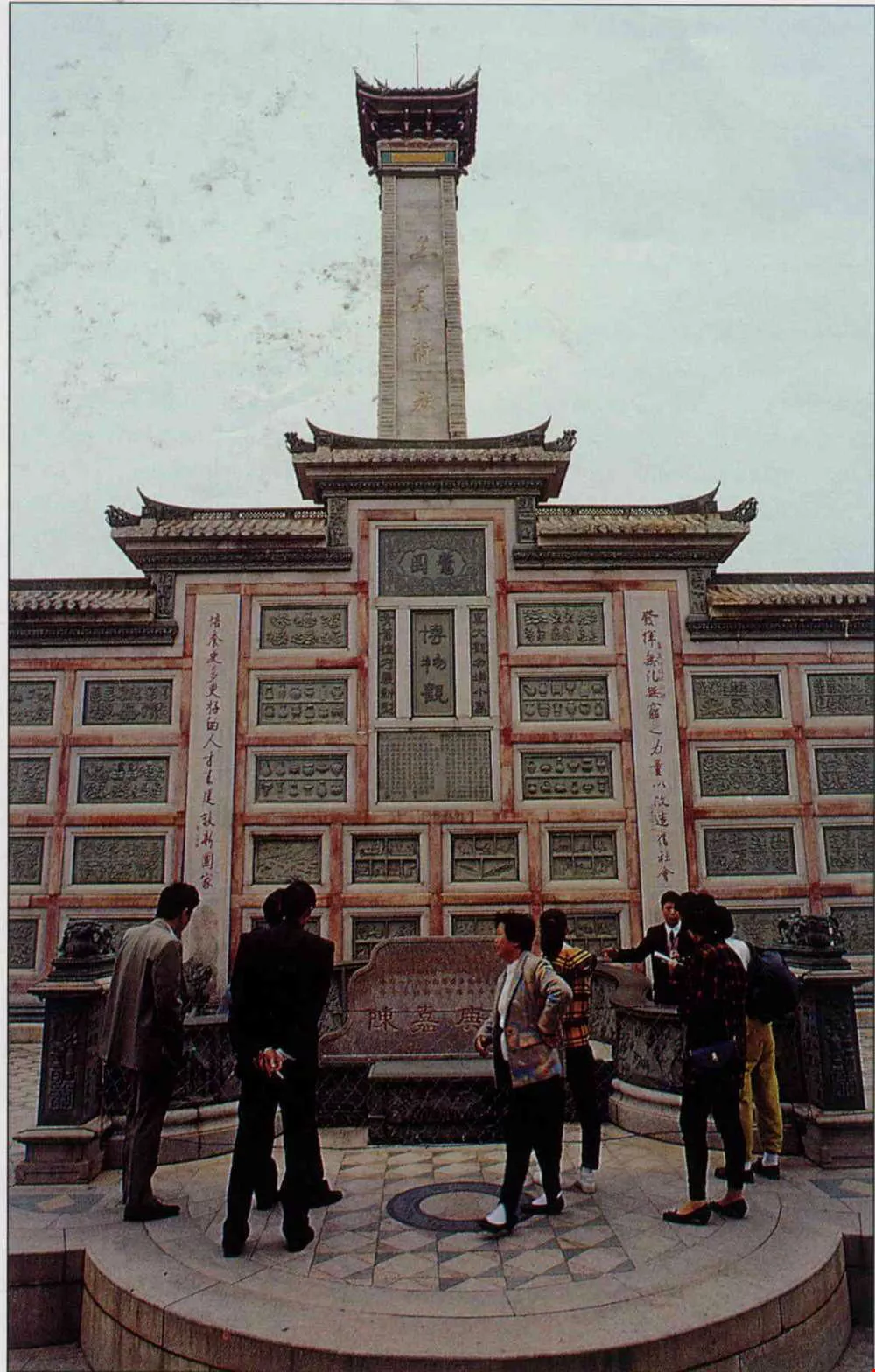
Tan Kah Kee's graveyard, the Sea Turtle Garden, was his personal design. The whole garden is composed in two concentric circles, forming the Chinese character for "return," to demonstrate his sentiments toward home. The monumental tombstone is the focus of visitors' interest.
A sad denouement
In 1949 the communists took over mainland China. Tan Kah Kee, then 76 years old, took part in organizing celebrations to commemorate "founding the new nation." Afterwards, he decided to leave the enterprises in Singapore behind and return alone to his home town Jimei from which he had been separated for nine years. He spent the last 12 years of his life there.
In those 12 years, Tan devoted himself to rebuilding Jimei's scholastic village and establishing the Overseas Chinese Museum. During the war Jimei's scholastic village had been assailed by Japanese bombs, and half of the buildings were destroyed. Tan placed the money he had gained from selling off his businesses into reconstruction. Every brick and tile and every detail went through his personal scrutiny. It was also due to the particular taste of this overseas leader that a majestic and expansive scholastic village could have been carved out under such arduous conditions.
However, the gargantuan turmoil throughout China had made a strong impact on the old gentleman. Unfortunately, the historical documents from this period are incomplete. Some emphasize that Tan Kah Kee remained faithful to the Communists until his death, but there are also people who revealed that the old man was restricted in every avenue of life, and he remained in a state of melancholy until his death.
In fact, "the Old School Master's pet phrase while he was alive was, 'l'm a layman to politics.'" Hong Yonghong, who wrote Tan Kah Kee' s biography History of a Homecoming, indicates that throughout his life Tan had frequently petitioned and corresponded with various political figures, including Chiang Kai Shek and Chou Enlai, but besides taking part in the Tung Meng Hui, he never joined any party.
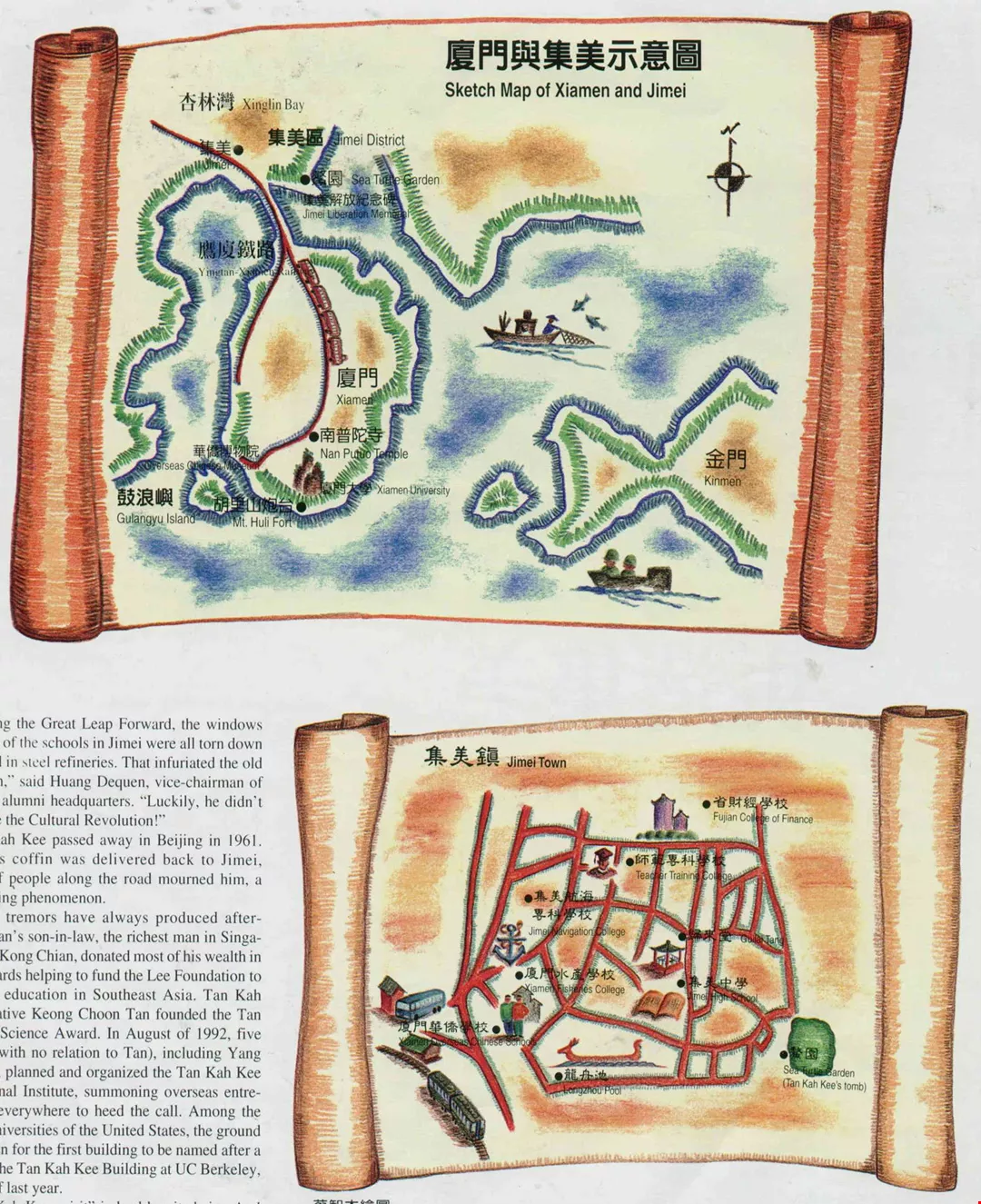
(Map by Tsai Chih-pen)
Heirs to the 'Kah Kee spirit'
After Tan returned to China, the country was reborn in the new guise of Red China. A string of political campaigns was initiated. Chen Yongshui, vice director at the Committee of Jimei Schools and a distant relative of Tan Kah Kee, said in the beginning the Communists would specially send a messenger to explain the motives of the campaign to the old gentleman and solicit his agreement. Nevertheless, after the political environment got more and more dire, there were some things even Tan Kah Kee was powerless to change. To "emulate the Soviet Union, reorganize departments and faculties" became the educational policy of the mid-50s. As a result, the Jimei navigation school was moved to distant Dalian in the northeast, and Jimei Teacher's College was moved to Fuzhou. The whole scholastic village was taken apart. In the "anti-rightist struggle" of 1957 and the Great Leap Forward of 1958, Tan openly expressed his opposition, but in the communist society, schools were all nationalized. Tan retained the title of "school master" in name only, with no practical power.
"During the Great Leap Forward, the windows and doors of the schools in Jimei were all torn down to be used in steel refineries. That infuriated the old gentleman," said Huang Dequen, vice-chairman of the Jimei alumni headquarters. "Luckily, he didn't live to see the Cultural Revolution!"
Tan Kah Kee passed away in Beijing in 1961. While his coffin was delivered back to Jimei, crowds of people along the road mourned him, a very striking phenomenon.
Major tremors have always produced aftershocks. Tan's son-in-law, the richest man in Singapore, Lee Kong Chian, donated most of his wealth in l980 towards helping to fund the Lee Foundation to subsidize education in Southeast Asia. Tan Kah Kee's relative Keong Choon Tan founded the Tan Kah Kee Science Award. In August of 1992, five Chinese (with no relation to Tan), including Yang Zhenning, planned and organized the Tan Kah Kee International Institute, summoning overseas entrepreneurs everywhere to heed the call. Among the famous universities of the United States, the ground was broken for the first building to be named after a Chinese, the Tan Kah Kee Building at UC Berkeley, in April of last year.
"The Kah Kee spirit" indeed has its heirs. And this legend, luckily, has a hopeful ending.
[Picture Caption]
P.44
All his lifetime he started schools for the cities where he lived and managed affairs for the nation. Tan Kah Kee's loving sentiments for his country and home town served as a good spiritual model for the older generation of overseas Chinese. (photo courtesy of the Committee of Jimei Schools)
P.44
(right) Although having been left unrenovated for years, from a bird's eye view Jimei still appears majestic, its stately and symmetrical design still apparent. Glazed tile roofs and flying eaves were the typical architectural choices of Tan Kah Kee.
P.46
Singapore's Yihohsuen Club, an important meeting point for overseas revolutionaries of Tan's era. Tan Kah Kee, in charge of Yihohsuen, was also a member of the revolutionary society Tung Meng Hui. Shown here is aportrait of Tan Kah Kee and Dr. Sun Yat Sen. (photo courtesy of Committee of Jimei Schools)
P.47
In 1939 Tan Kah Kee was asked by the government to summon up overseas mechanics to return to China and join in the transport ranks along the Burma Road. More than 3000 people signed up from all over Southeast Asia. The photo shows them gathering in Singapore. (photo courtesy of Committee of Jimei Schools)
P.48
Tan Kah Kee spent his later years in his hometown Jimei. His residence is a must stop for tourists.
P.49
The modest arrangements of his room bear witness to Tan Kah Kee's simple life. The oyster pancake was Tan Kah Kee's favorite dish. It is called the "Kah Kee Special" by locals.
P.49
Tan Kah Kee died on August 12, 1961 . The wall calendar in his residence has been left unchanged since that day.
P.50
The Overseas Chinese Museum, which has a wide assortment of overseas Chinese historical material, was founded by Tan Kah Kee in 1956. Quite a few overseas Chinese have come to see it.
P.52
Tan Kah Kee's graveyard, the Sea Turtle Garden, was his personal design. The whole garden is composed in two concentric circles, forming the Chinese character for "return," to demonstrate his sentiments toward home. The monumental tombstone is the focus of visitors' interest.
P.53
(Map by Tsai Chih-pen)


