New Hope for Rare Disorder Sufferers
Chang Chiung-fang / photos Hsueh Chi-kuang / tr. by Robert Taylor
March 2000


In mid-January, the Legislative Yuan enacted the Rare Disorders Control and Orphan Drugs Act, thus bringing victims of rare disorders under the umbrella of the National Health Insurance system.
Just what is meant by rare disorders? Why do people get them? Can they be prevented or treated? What difficulties do sufferers face? And how will the new law help them?
Recently, media reports drew attention to the plight of a baby girl surnamed Yang at Taipei's Veterans General Hospital, for whom no suitable milk powder was available. She suffers from both the rare disorder phenylketonuria (PKU) and from sucrose intolerance, so that she cannot be fed any of the infant formula preparations normally available. With the assistance of a powdered milk manufacturer and the Department of Health (DOH), a special formula of milk powder and enzymes was supplied, finally giving Baby Yang a chance to live. This little girl was neither the first nor the only such example-many victims of rare disorders need special drugs or foods in order to survive. But not every case receives as much attention as Baby Yang's, and not every child is helped in time.
Rare and little understood
What is meant by "rare disorders"? Taiwan's Rare Disorders Control and Orphan Drugs Act defines them as "disorders determined by the [Rare Disorders and Orphan Drugs Appraisal] Committee to be of an incidence below a level defined and announced by the competent central authority."
To put it simply, rare disorders are diseases with a low rate of occurrence. In the US, the Orphan Drug Act defines rare disorders as those affecting less than 200,000 people throughout the country. The more widely known include osteopetrosis (marble bone disease), galactosemia and hypokalemia.
In Taiwan, as yet there is no clear legal definition of what is a rare disorder, but in the past over 100 rare conditions have been reported here. Because there is no clear definition, there are also no official statistics on just how many people in Taiwan have rare disorders. In January 2000 the Taiwan Foundation for Rare Disorders published the results of a voluntary survey which identified about 400 sufferers islandwide. The largest number among them-over 100-have thalassemia. Next come osteogenesis imperfecta (brittle bone disease), multiple sclerosis, glycogen storage disease and achondroplasia, with ten to 20 sufferers each. Others include hereditary epidermolysis bullosa, progeria, moyamoya disease and osteopetrosis, totaling something over 50 sufferers.
Many rare disorders are genetic in origin. Hu Wu-liang, a pediatrician at Nationa Taiwan University Hospital (NTUH) and president of the Taiwan Human Genetics Society, notes that unlike viral or bacterial infections, genetic abnormalities occur very infrequently; this is why many rare disorders are genetic in nature.
Many genetic diseases are metabolic disorders. Pediatric geneticist Dr. Lin Hsuen-pei of Taipei's Mackay Memorial Hospital observes: "Congenital metabolic disorders are diseases caused by specific genetic defects, and they occur at a rate of three to four per 10,000. Calculating on this basis, there must be around 6,000 people in Taiwan with metabolic disorders."
All the fault of the genes!
Many sufferers and their families are haunted by the notion that such diseases are "retribution" or "the curse of heaven." However, if people understand the common reason behind these various diseases, they should not look askance at victims but should sympathize with their suffering, for a similar fate might have befallen any of us.
Most people know little about rare disorders, and generally suppose that such diseases have nothing to do with them. But although rare disorders have low rates of occurrence, they can affect anyone, and will always be around. Genetic disorders are an inevitable consequence of the transmission of human life, and which family they turn up in has nothing to do with the curse of heaven or retribution, but is simply the result of random chance.
Dr. Ko Tsang-ming, director of the Department of Medical Genetics at NTUH, explains that the human genome contains some 100,000 genes, and every person has some five to ten abnormal ones. If both the man and the woman in a couple happen to have a defect in the same gene, this may lead to a genetic disorder in their offspring.
For example, it is estimated that more than 2 million people in Taiwan carry the gene defect which causes thalassemia. If both the mother and the father are carriers, at each pregnancy there is one chance in four that the child will be completely normal, two chances that it will also be a carrier (usually symptom-free), and one that it will have full-blown thalassemia.
Fighting for the right to live
Can rare disorders be treated? For some conditions, such as ichthyosis or multiple sclerosis, no effective treatment is yet available. Fortunately, others such as Gaucher disease or PKU can be treated very effectively. But due to the difficulty of detecting such conditions, and a lack of adequate medical support, patients and their families face tremendous problems.
People with rare disorders really can be called the disadvantaged among the disadvantaged, because being so few in number, they have a very small voice and receive very little attention. No wonder they are described as medical "orphans." Also, discovering and correctly diagnosing rare disorders still presents great difficulties.
Twenty-eight-year-old Lin Yu-chih, who is only 67.5 centimeters tall, did not know he had "congenital osteogenesis imperfecta" until just a few years ago, when he attended an event for Little People and met others like himself. He says that ever since he was a young child he was in constant pain, but did not know it was because of bone fractures, and still less did he know why his bones were always breaking. He was examined by many doctors, but to no avail. When he was about three-and-a-half, his mother took him to a famous doctor in Tainan. The doctor told Mrs. Lin: "This child can't be cured-we can't help him!" From then on, Lin Yu-chih's mother didn't take him to any more doctors. But she didn't give up on him, and raised him herself.
Yet despite having lived more than 20 years in "ignorance," Lin Yu-chih is still one of the luckier ones. Many babies with rare disorders die within a few days of being born, before they can be diagnosed. Some who could have been saved die because their families cannot afford expensive treatment; others survive, but because they are not diagnosed and treated in time, suffer mental retardation or other disabilities.
Hu Wu-liang says that generally speaking Taiwan's medical system provides little in the way of care for people with rare disorders. Out of economic considerations, most hospitals neither pay much attention to such conditions, nor are they willing to devote human or material resources to them.
At present, Taiwan has around 15 doctors specializing in genetics, mostly concentrated in teaching hospitals. Hu Wu-liang is one of them. He says that 15 specialists is actually not an inadequate number. The problem is that most grass-roots physicians lack awareness of genetic disorders, so that they do not provide an effective first line of defense. Furthermore, as the few specialists spend most of their time seeing ordinary patients, and cannot concentrate on patients with rare disorders, it is difficult for them to use their skills to the best effect.
Moreover, to carry out screening tests, facilities such as high-resolution fluorescence microscopes, used for examining chromosomes, gas chromatograph mass spectrometers, used to analyze organic acids, amino acid analyzers, used for blood and urine tests, molecular biology equipment and so on are all indispensable. But most hospitals are not willing to invest huge sums in such items just to serve a small number of patients with rare disorders. Dr. Hu says that the amino acid analyzer at NTUH is nearing the end of its useful life, but when he applied to buy a replacement, he had to submit a cost analysis to demonstrate that the expense was worthwhile in economic terms.
Tragic orphan drugs
Even when patients have been lucky enough to be correctly diagnosed, they may not be able to afford the drugs they require, or such drugs may not even be available in Taiwan.
Hospitals do not hold stocks of drugs to treat rare disorders, so when they come across a patient and apply to import such medicines, it is often impossible to obtain them quickly enough. Thus it is by no means unusual for hospitals to borrow medicines from other patients to meet such emergencies.
One father of a child with hyperammonemia, whose son died waiting for the drug to reduce his blood ammonia concentration to be imported, asked in desperation: "They keep stocks of medicines in case of war, so why can't they keep the drugs which would save children with rare disorders?"
"If no drugs existed to save these children, we would just have to accept it. But the drugs do exist-we just can't get hold of them!" This situation causes great anguish to the families of rare disorder sufferers.
Apart from the difficulty of obtaining drugs at all, their high cost is also more than patients and their families can manage. For instance, a child with the metabolic disorder Gaucher disease must initially be injected with a special enzyme every two weeks. The price of a single dose: NT$320,000.
The channels by which special drugs and foodstuffs are imported into Taiwan have never been very open. Not only are prices high and goods slow to arrive, but with the small size of the market, low profit margins, and the amount of work involved, importers have shown little interest in importing orphan drugs. Chen Li-yin, one of the founders of the Taiwan Foundation for Rare Disorders (TFRD), laments: "The availability of drugs to treat a disease depends on whether there are profits to be made. People smuggle in Viagra, but no one smuggles orphan drugs."
With importers unwilling to import the drugs, patients' families have no choice but to help themselves by applying directly to the DOH for authorization to import drugs on a case-by-case basis. But making such an application is a complicated matter: an applicant has to submit a certificate of diagnosis and a prescription, both from a physician; a private-use drug application form; the manufacturer's description of the drug; and a photocopy of the applicant's identity card. "In a country with such high income levels, it really is a disgrace that the families of rare disorder sufferers have to go to so much trouble to get the drugs they need," says TFRD executive director Tseng Min-chieh.
If you could live your life again
At a seminar, Kaohsiung Thalassemia Association general secretary Wu Pi-pei once described a conversation she had with a 20-year-old thalassemia patient. Wu asked: "If you'd had a choice before you were born, would you have wanted to come into this world?" The young woman replied: "Who would choose to suffer like this?"
Cheng Ju-sui also has thalassemia. Although aged 24, she is only 137 centimeters tall. She says that because she did not receive proper treatment in good time, her prognosis is not very favorable. "I used to be even darker-skinned and smaller, and my belly stuck out. People always gave me funny looks." But today, she says, with daily injections of iron chelating agent she can lead a fairly normal life.
If life is difficult for rare disorder sufferers, it is also hard for their families.
"At night I often get up and rock my son in my arms, because I'm scared that one day he might be gone without me even noticing it," says Tseng Min-chieh heartrendingly. His son, Tseng Tzu-fan, is currently the only person in Taiwan with 3-hydroxy-3-methylglutaryl-CoA lyase deficiency, an inborn error of leucine metabolism. The protein in his diet has to be strictly controlled, or he will have seizures and go into a coma. "I daren't have another child, because even if it was healthy I just couldn't cope," says Tseng Min-chieh, who explains that the slightest carelessness could cause his son to die. Once, after an argument, he and his wife failed to give Tzu-fan his midnight feed; the next morning, the child went into severe spasms and his life was only saved by being rushed to hospital and put on an intravenous drip.
Chen Li-chin, president of the Ichthyosis Concern Association, has seen her son through 20 difficult years as an ichthyosis sufferer. Because Western medicine currently offers no drug treatment for ichthyosis, Chen has spent over NT$12 million sending her son to mainland China for treatment over the last six years, but to no effect. She says that apart from the physical pain ichthyosis sufferers have to endure, their appearance and the odor caused by their condition cause other people to react with disdain and avoid contact with them, and this causes psychological trauma too.
Early diagnosis, early treatment
Unfortunately, lives cannot be lived again, and still less predicted.
Dr. Ko Tsang-ming of NTUH says that to date around 10,000 genes associated with hereditary diseases have been detected, but less than 100 are well understood, and because carriers often have no symptoms, such diseases cannot be prevented.
Although they cannot be avoided, it is possible to pursue early diagnosis and treatment. In fact, screening of newborn babies has been practiced in Taiwan for nearly 20 years, and the island's screening rate of 98% is the highest in Asia.
Yu Po-tsun of the DOH's Bureau of Health Promotion and Protection says that the DOH currently provides screening for five of the more commonly occurring rare disorders for which both tests and treatments are available: congenital hypothyroidism (CHT), PKU, galactosemia, glucose-6-phosphate dehydrogenase deficiency (G-6-PD deficiency) and homocystinuria (HCU). When the screening program identifies cases, the DOH provides the children with the special-formula milk powder, drugs and foodstuffs they need, and continues to follow them up.
Professor Wang Tso-ren, director of NTUH's Division of Clinical Genetics, was involved in the planning of the screening program in its early years. He says the incidence of CHT in Taiwan is now known to be one in 3,000 live births, that of PKU one in 40,000, and that of galactosemia one in 200,000.
To enable other conditions to be caught and treated early, in future the DOH may consider expanding the screening program. Hu Wu-liang states that from 1 March 2000, NTUH will introduce screening for congenital adrenal hyperplasia.
Removing barriers to treatment
"I hope we can do away with the barriers to the diagnosis and treatment of genetic disorders. If a family want their child to be treated, then it is only right that they should have unfettered access to treatment, so that they can get diagnosis and drugs by a reasonable process." These words, spoken at a seminar by Yu Yung-sheng, director of pediatrics at Taipei's Tri-Service General Hospital, express the heartfelt wishes of all families of rare disorder sufferers.
By the combined efforts of patients, families and Legislative Yuan members, in mid-January this year the Rare Disorders Control and Orphan Drugs Act made it onto the statute books. The law explicitly requires the health authorities to assist rare disorder sufferers in obtaining suitable medication, and any special nutritional products they need in order to survive. Any expenses not covered by the National Health Insurance program have to be supplemented from the DOH's budget.
This law was enacted a full 18 years later than the United States' Orphan Drugs Act. But legislator Chiang Chi-wen, who promoted the bill, says the new statute will benefit not only patients and their families, but also the government. "Patients with rare disorders will no longer be the orphans of the medical system, families will no longer be left to struggle alone, and the government will have the legal basis on which take action."
Lin Yu-chih, founder of the Osteogenesis Imperfecta Association, says that the law should not only reduce the financial burden on patients' families, but also give the parents of children with rare disorders more confidence to care for their children. "Passing this law is just the beginning of the work that has to be done," says Tseng Min-chieh. As well as monitoring the government's provision of medical care for people with rare disorders, much remains to be done in terms of their education, employment, long-term care and other needs.
Respect every life
Although Taiwan's law has come very late, in some respects it is more advanced than other countries' legislation. Tseng Min-chieh says the ROC is the first country to legislate for the "control" of rare disorders.
Can rare disorders be controlled? And how?
In fact, prevention of rare disorders is difficult, especially in the case of genetic disorders involving a recessive gene. Only when a child is born with such a disorder is it revealed that both parents are symptomless carriers of the defective gene in question.
However, Tseng Min-chieh believes that although the first such birth is a random occurrence and therefore cannot be prevented, follow-up and prevention is possible for subsequent children, other family members, and the children of rare disorder sufferers themselves.
Prevention is better than cure, whether from a humanitarian standpoint or an economic one. Yu Po-tsun of the DOH's Bureau of Health Promotion and Protection says that in the 18 months to the end of last year the DOH spent a total of NT$10 million on assistance with medication and foodstuffs for over 100 rare disorder sufferers.
Tseng Min-chieh also quotes the example of thalassemia major, the fully expressed form of thalassemia: it costs NT$40 million to raise a child with thalassemia to the age of 20, but the machine required to perform prenatal screening tests for the disorder costs only NT$10 million, so in terms of cost naturally prevention is worthwhile.
However, physicians have reservations about prevention. "Actually, the word 'prevention' is not appropriate to genetic disorders," says Hu Wu-liang, for some inherited disorders cannot be prevented-one can only do one's best to avoid reoccurrence, and in any event, one cannot reject a life just because it imperfect. "We should respect every life, no matter whether it is perfect or not," says Hu.
Surely this is the attitude which a mature and civilized society ought to have towards people with rare disorders.
p.119
If rare disorders are inevitable "accidents" in the transmission of the genetic code of life, society should stretch out a hand to help bear the burden. The little girl with hereditary epidermolysis bullosa pictured here plays the piano daily to prevent her fingers sticking together.
p.120
For rare disorder sufferers and their families, the enactment early this year of the Rare Disorders Control and Orphan Drugs Act was the best possible New Year present. From now on, they should no longer be the "orphans" of medicine.
p.121
Many people with rare disorders need special milk powder formulae, drugs and foodstuffs to survive. Under the new law, the health authorities have a duty to assist patients in obtaining medication and nutritional products, and in meeting their cost.
p.122
Li Chun-wei, aged 20, has ichthyosis. As yet there is no effective treatment for this condition, which makes his skin painful and itchy. But he still has the courage to come out and help fellow sufferers.
p.122
Twenty-four-year-old Cheng Ju-sui has thalassemia, and needs daily injections of iron chelating agent. Seven members of the Kaohsiung Thalassemia Association died last year because they could not afford this treatment.
p.123
Lin Yu-chih is the founder of Taiwan's Osteogenesis Imperfecta Association. Just 67.5 centimeters tall, he jokes that he is "Taiwan's shortest man."
p.125
Tseng Min-chieh, executive director of the Taiwan Foundation for Rare Disorders, with his son Tzu-fan. Seven-year-old Tzu-fan is the only person in Taiwan with the rare metabolic disorder HMG-CoA lyase deficiency. Aware of the difficulties facing families with children who suffer from rare disorders, Tseng Min-chieh fights for the rights of all such patients.
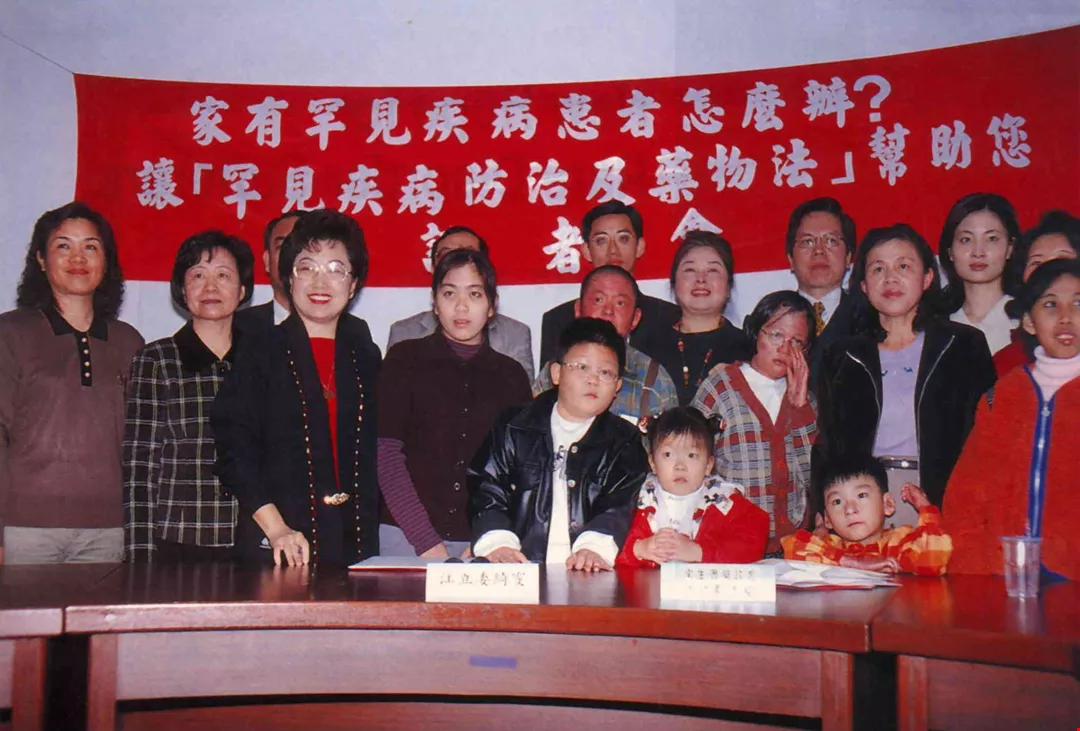
For rare disorder sufferers and their families, the enactment early this year of the Rare Disorders Control and Orphan Drugs Act was the best possible New Year present. From now on, they should no longer be the "orphans" of medicine.
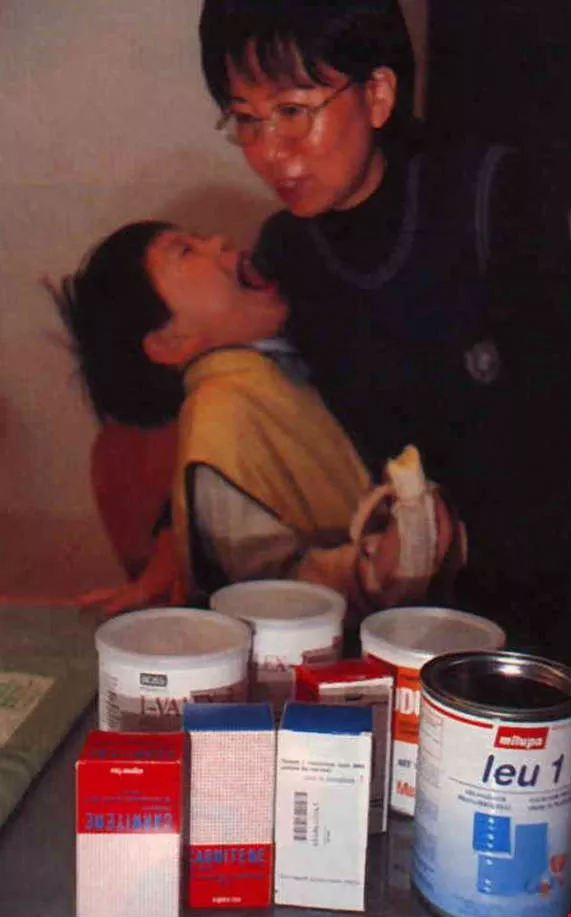
Many people with rare disorders need special milk powder formulae, drugs and foodstuffs to survive. Under the new law, the health authorities have a duty to assist patients in obtaining medication and nutritional products, and in meeting their cost.
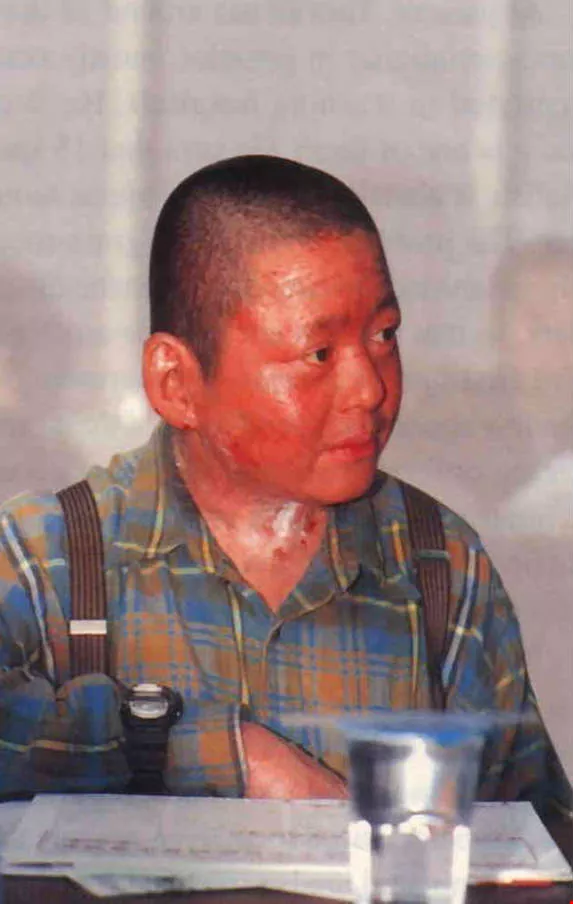
Li Chun-wei, aged 20, has ichthyosis. As yet there is no effective treatment for this condition, which makes his skin painful and itchy. But he still has the courage to come out and help fellow sufferers.
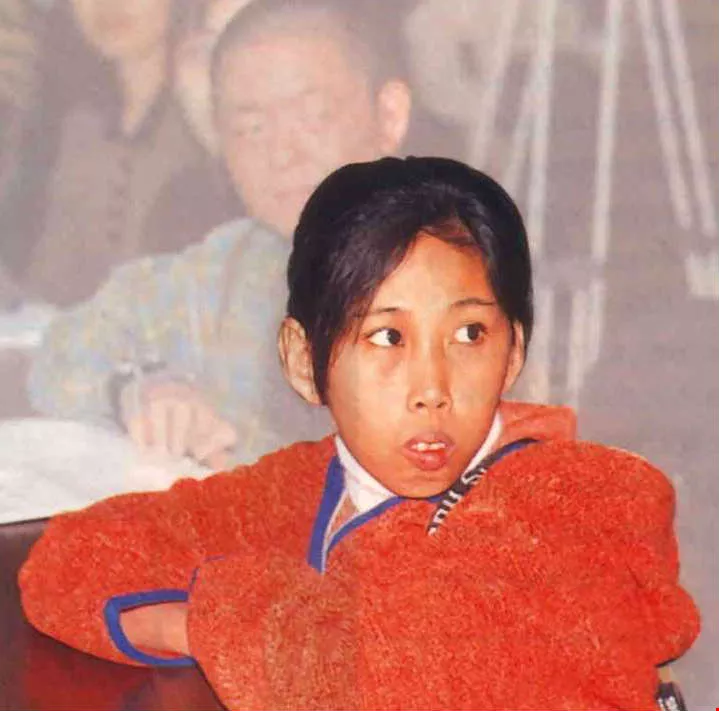
Twenty-four-year-old Cheng Ju-sui has thalassemia, and needs daily injections of iron chelating agent. Seven members of the Kaohsiung Thalassemia Association died last year because they could not afford this treatment.
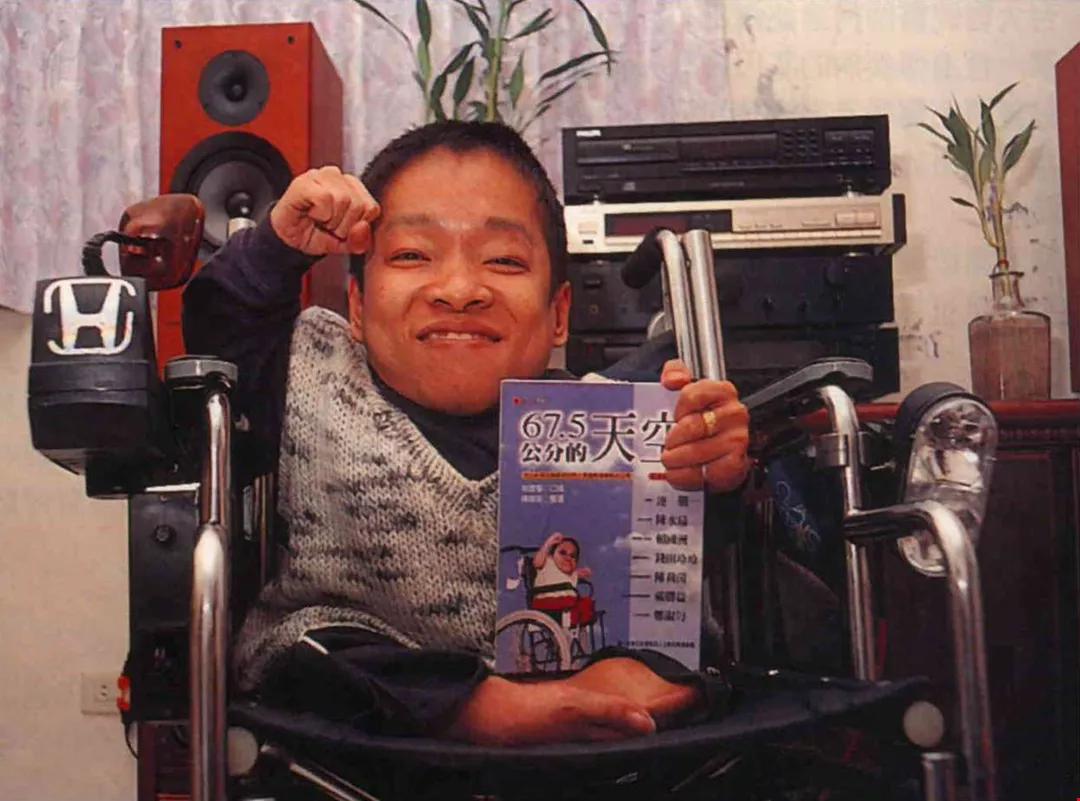
Lin Yu-chih is the founder of Taiwan's Osteogenesis Imperfecta Association. Just 67.5 centimeters tall, he jokes that he is "Taiwan's shortest man.".
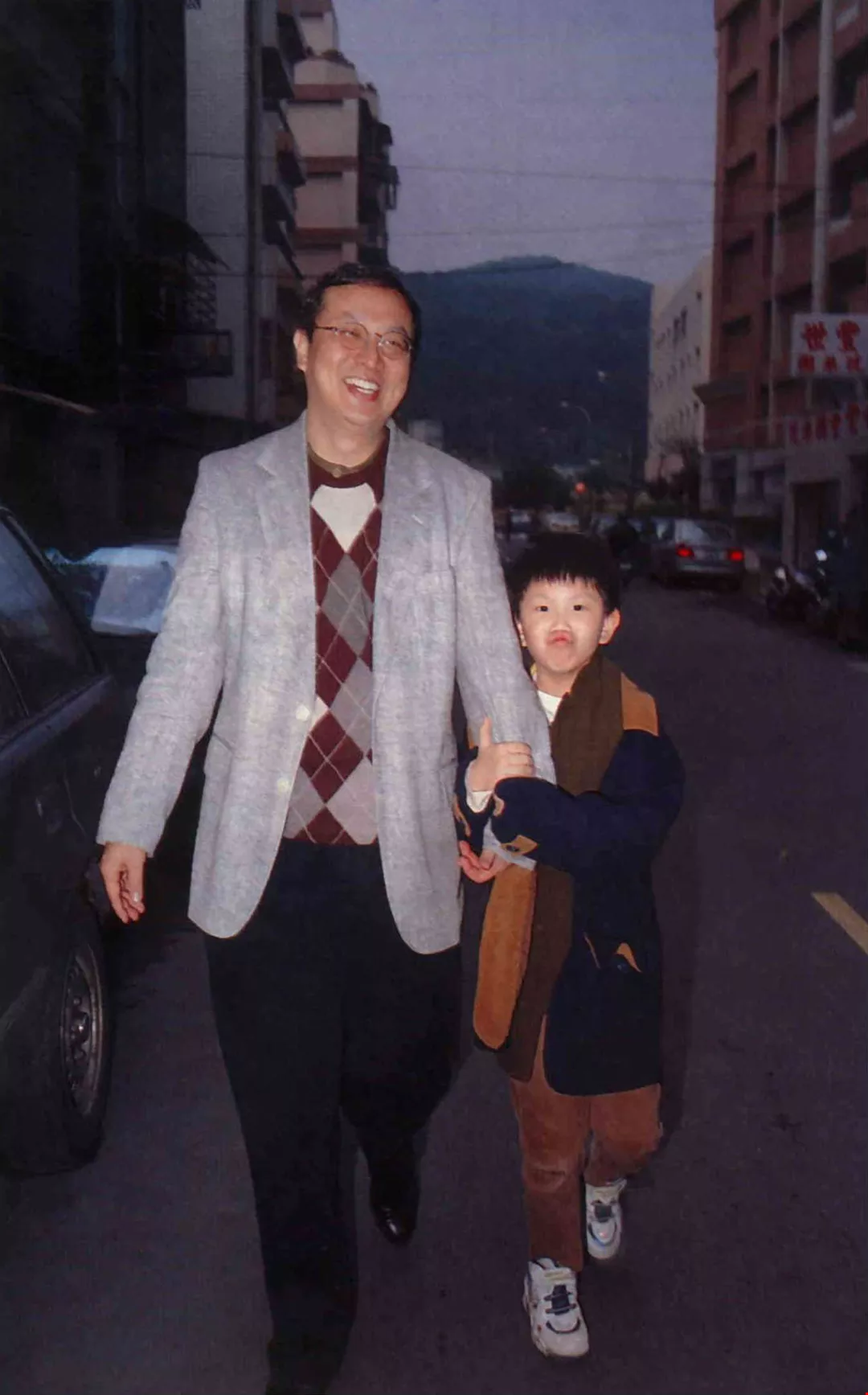
Tseng Min-chieh, executive director of the Taiwan Foundation for Rare Disorders, with his son Tzu-fan. Seven-year-old Tzu-fan is the only person in Taiwan with the rare metabolic disorder HMG-CoA lyase deficiency. Aware of the difficulties facing families with children who suffer from rare disorders, Tseng Min-chieh fights for the rights of all such patients.


@List.jpg?w=522&h=410&mode=crop&format=webp&quality=80)


