Taiwan is a multiethnic society. Fig-ures released by the Ministry of the Interior in mid-February show that the total Aboriginal population at the end of 2007 came to 484,174, up by 1.95% from 2006, a faster growth rate than the overall population at 0.36%. Aborigines made up 2.1% of the total population, and this figure is on the rise.
Hualien and Taitung Counties still boast the highest proportions of Aborigines. Fully 18.45%, nearly 90,000, of the total number of Taiwan's Aborigines live in Hualien County, making up 26% of the county's population. Another 16.31%, or 78,956 people, reside in Taitung County, accounting for 33.8% of the populace there. In the west, Pingtung County has the highest concentration of Aborigines, with 6.27% of the county's population. (Table 1)
As for tribes, the Amis, who live chiefly in the plains between Hualien and Taitung, are most populous, with over 170,000 people, over a third of the entire Aboriginal population. Next are the Paiwan of the mountains of Pingtung and Taitung, at 84,000, and close behind are the Atayal, who live mainly in Taoyuan, Hsinchu, and Nantou Counties, numbering over 81,000.
Besides these three major tribes, there are the Bunun, at nearly 50,000 people; the Truku, who were officially recognized as a tribe in 2004, with nearly 24,000; and the Rukai and Puyuma with approximately 10,000 people each. The remaining tribes are quite sparsely populated: for example, the Kavalan, who once lived in the Ilan area before losing their land and moving southward to live close to the Amis, now number less than 1,100; and the Thao of Sun Moon Lake total only 626. The recently recognized 13th tribe, the Sakizaya, has just 65 members! (Table 2)
Looking at ages, the average age of Aborigines is 31.69, far lower than that for the overall population at 36.69. The aging index (the population of those 65 and over divided by the population of those 14 and under) for Aborigines is 25.19%; in other words, there are four children for each senior citizen. This index is less than half that of the general population at 58.13%. On the one hand this shows that the birth rate among Aborigines is quite high, but on the other it indicates that Aborigines have lower life expectancies, which is a concern.
According to the Ministry of the Interior, the average life expectancy at birth of Aborigines in 2006 was 68.49 years, compared to 77.90 for the overall population. Of these, male highland Aborigines had the shortest life expectancy at just 61.18 years, 13.68 years less than males in the general population. In recent years when the government began to issue the Old-Age Citizens' Welfare Allowance, the Aborigines requested that their eligibility age be 55, ten years younger than that for Han Chinese, based on these figures. (Table 3)
Though this line of thinking is somewhat unfair (Aborigines who survive to age 60 have a life expectancy of only 2.5 years less than Han Chinese), no matter what, for Aborigines to prosper, beyond running campaigns discouraging smoking, drinking and betel nut chewing, the government needs to focus on education, culture and social welfare.
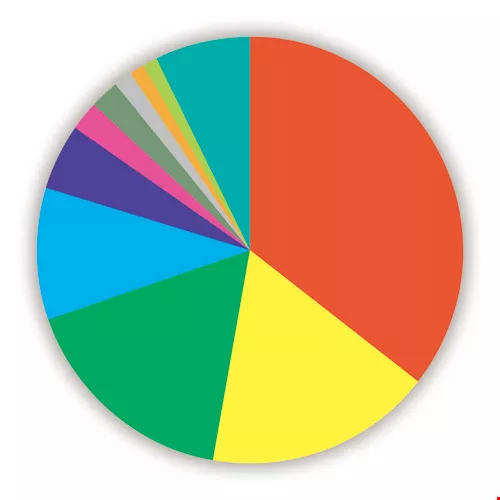
Which tribes are most populous?
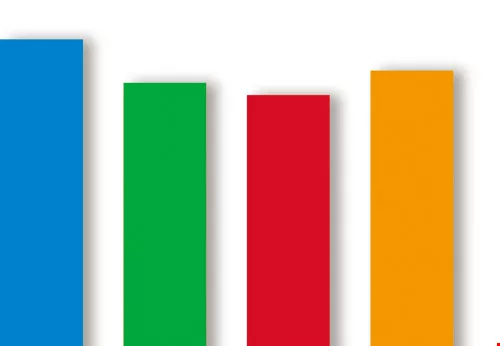
Comparitive life expectancy at birth, 2006: Aborigines vs. total population
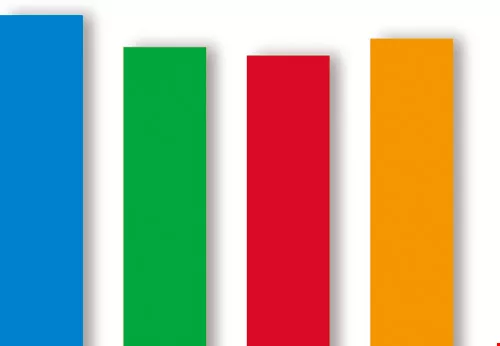
Comparitive life expectancy at birth, 2006: Aborigines vs. total population
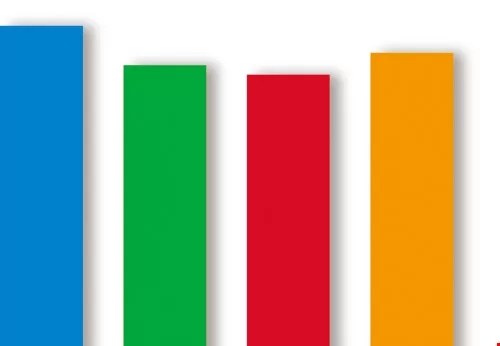
Comparitive life expectancy at birth, 2006: Aborigines vs. total population




@List.jpg?w=522&h=410&mode=crop&format=webp&quality=80)