

The National Sun Yat-sen University came into being when the founding father of the Republic of China, Dr. Sun Yat-sen, consolidated the National Higher Normal School, Canton Public Law College, and Agriculture College into the National Canton University on February 4, 1924. To commemorate Dr. Sun's achievements and contributions to the nation, the university was given its present name in July 1926.
During the Sino-Japanese war the university was relocated several times. It moved back to Shih-p'ai, Canton in 1945 at the conclusion of the war, where it remained until the communists took over Mainland China in 1949.
Since 1949, a number of new universities have been established in Taiwan; all of them, however, are located in the northern part of the island. To have a geographically balanced development of higher education and to answer the appeal of communities in the Kaohsiung-Pingtung area, the Ministry of Education decided to reestablish National Sun Yat-sen University in Kaohsiung. The university was officially reopened in July 1,1980 with Dr. Lee Huan as the first president.
The university campus stretches along the seacoast beyond the northern entrance to Kaohsiung Harbor. It includes the entire scenic area of Hsitzuwan with its beautiful beach. The university is shielded from the bustle of the city by a low mountain range.
Kaohsiung, with a population of one and a half million, is the largest industrial city in Taiwan. Therefore, the site of the university is perfect for the Engineering and Business departments. The city is also the world's fifth biggest container transportation harbor and the center of heavy industries on the island. Near the harbor and in the sprawling suburbs of the city one finds the industrial installations and factories of China Steel Corporation, China Shipbuilding Co., Taiwan Aluminum Co., and so on. Being so close to the sea makes this an ideal location for the Institute of Marine Biology.
Founded only three years ago, the university now has five graduate institutes: the Sun Yat-sen Institute for Interdisciplinary Studies, the Institute of Materials Science and Engineering, the Institute of Business Management, the Institute of Marine Biology, and the Department of Mechanical Engineering; and seven departments: the Department of Chinese Literature, the Department of Foreign Languages and Literature, the Department of Electrical Engineering, the Department of Business Management, the Department of Chemistry, the Department of Mechanical Engineering, and the Department of Marine Biology.
Occupying 54 acres of land, and with a student body of 900, the university concentrates on graduate studies. Dr. Lee Huan explains, "With the rapid development of science, at the reestablishment of this university it was decided that research institutes should be the focal point. We hope that these institutes can benefit the country by coordinating research with governmental policy and be of use to southern Taiwan at the same time."
The Institute of Materials Science and Engineering is the first of its kind in Taiwan. Just what is materials science? In order to answer this question, the more fundamental question "what are materials?" must first be answered. Whatever we use is made from materials. Materials research is the study of the nature, the form and the use of materials.
Materials science and engineering is a field whose importance is becoming increasingly apparent in Taiwan. The institute, responding to the rapid development of industries in surrounding areas, has signed agreements with China Steel Co., Taiwan Aluminum Co., and Taiwan Machine Co., for students to receive practical experience working in local factories and, in return, to contribute their theoretical knowledge to industry-related projects.
The Institute of Marine Biology, which fills domestic economic needs, keeps up with the latest developments in marine sciences. The program at the institute emphasizes both theoretical knowledge and practical training. Students not only receive a thorough training in marine biology, statistical methods and computer data processing, but also learn the techniques of underwater surveying and photography.
At lunch hour the student cafeteria is filled with people. Students enjoy dinning in the new and clean cafeteria. One even sees university President Lee Huan eating with a group of students, and inquiring about their classes and their activities. This is one of his favorite times to keep in touch with the problems of the student body. Many deans and professors also prefer to eat with the students. In this way, professors and students become friends.
President Lee Huan gets along so well with the students that one is not surprised to learn that he used to be in charge of youth activities for the China Youth Corps.
Since there are not that many students at National Sun Yat-sen University, any student with a problem will find sympathetic ears from the university community, including the president. Some people think that this kind of attention may be overdone. But Lee Huan believes, "The more attention you show to students, the more respect they will feel for themselves and for others."
From the dormitories to the classrooms there is a steep road. Most of the girls walk to classes, whereas the boys usually ride motorcycles.
There are also special golf classes for students and staff. These are held on the abundant spans of sandy beaches. It is so popular that almost everyone at the university can play.
Thus, National Sun Yat-sen University is like a big family. At the same time it serves the needs of the country. It is truly a university that Dr. Sun Yat-sen would be proud to have bear is name.
[Picture Caption]
1. The quiet large room in Sun Yat-sen National University's Activity Center. 2. A corner of Liberal Arts Hall. 3. The Education Building. 4. A covered walkway.
1. An electronic welder. 2. A scanning electron microscope. 3. Green plants add a lively air. 4. Most of the faculty are young scholars returned from overseas study, with new concepts. 5. A foreign scholar gives a guest lecture. 6. The library. 7. Flowers on the campus.
1.5. Archery and golf practice. 2. Cheerleading practice. 3. A contest during the school's anniversary celebration. 4. The scenery at Sun Yat-sen University is very beautiful, and attracts people from outside the campus. 6. On any campus, pretty co-eds attract the attention of their male classmates.
1. In the "mountain village" there are four male dormitories, and two for female students. 2. Faculty dormitory. 3. A pair of students playing guitar and singing in the Activity Center. 4. A covered walkway in the mountain village. 5. Students doing homework. 6. The co-ed here decorated her desks.
1. The new greenery speaks of the University's limitless future development. 2. The China Youth Corps holds activities on the campus. 3. Night scene at Sun Yat-sen University. 4. University President Lee thinks talented people are the most important resource for building a university. 5. Wu Chien-kuo, chief of the Graduate Institute of Materials Science, thinks the nation must strengthen graduate training. 6. The chairman of the Department of Management promotes contacts between teachers and the business community.
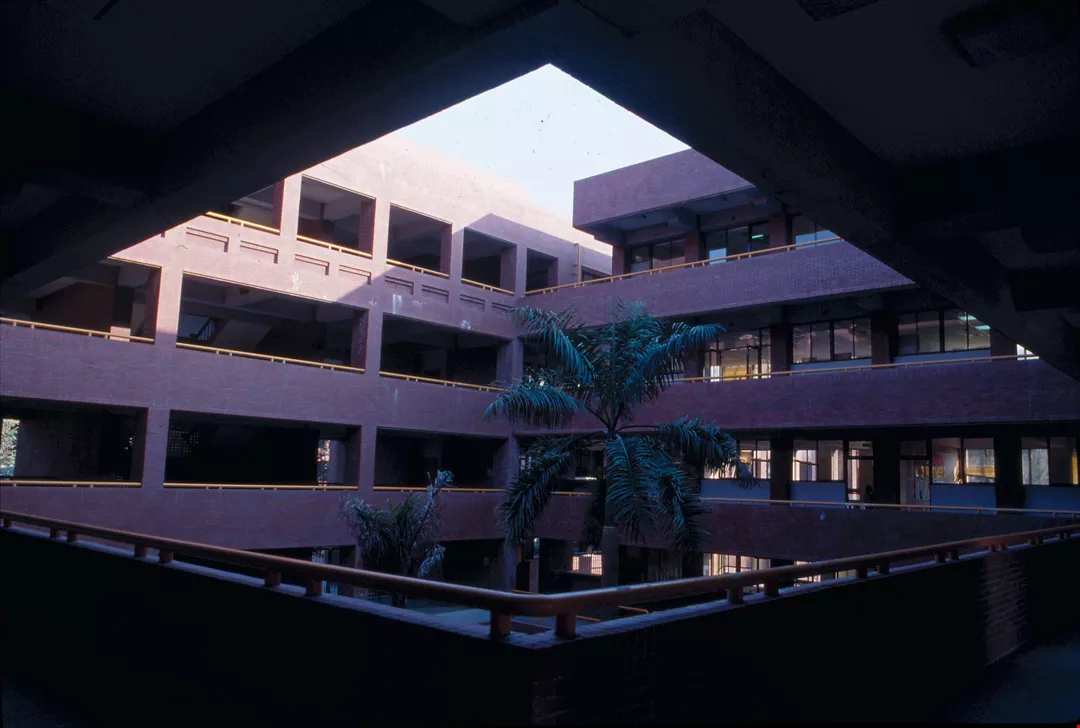
2. A corner of Liberal Arts Hall.
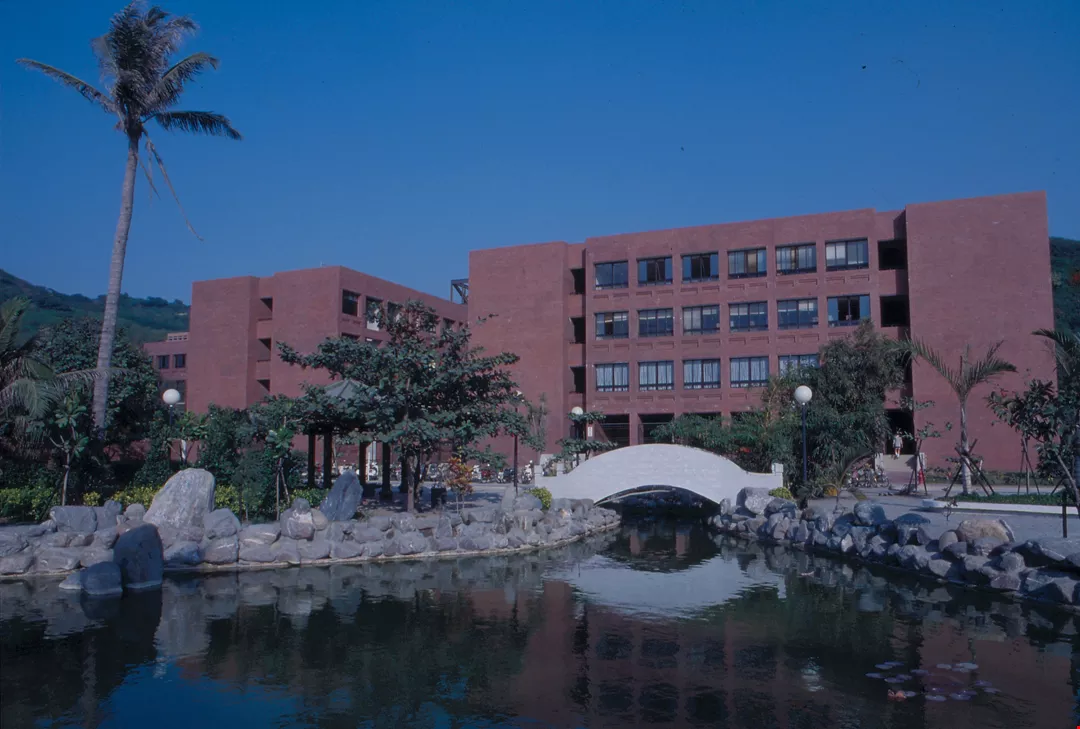
3. The Education Building.
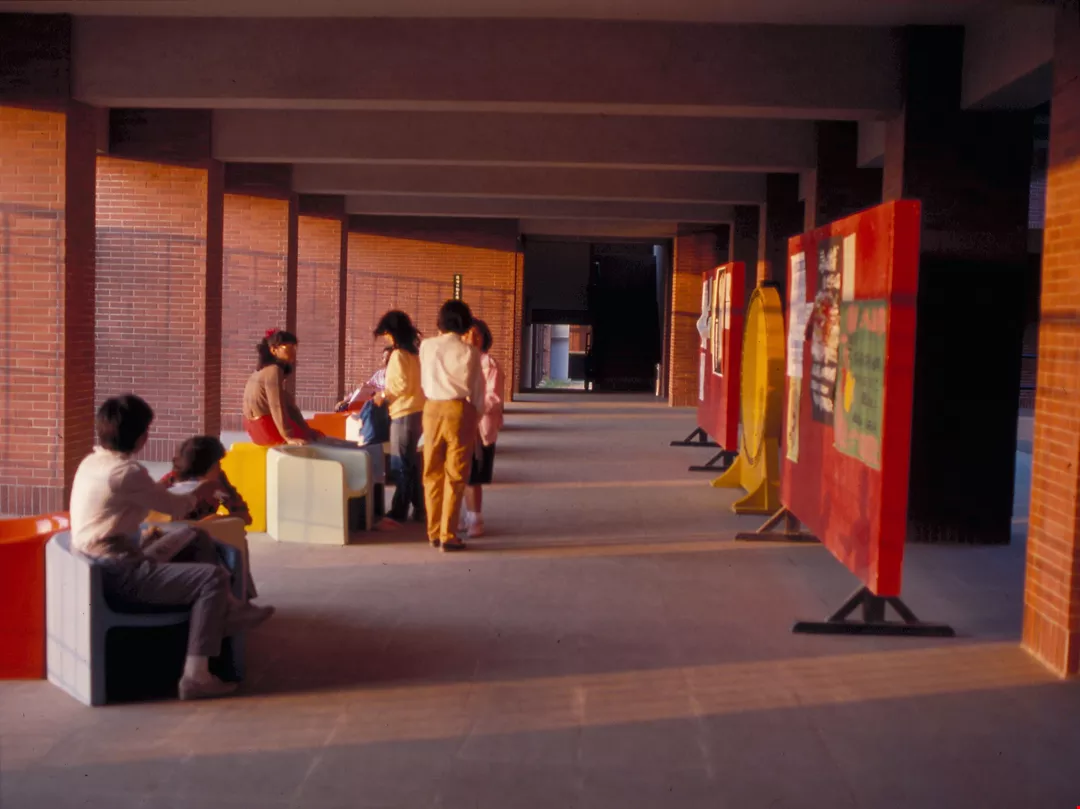
4. A covered walkway.
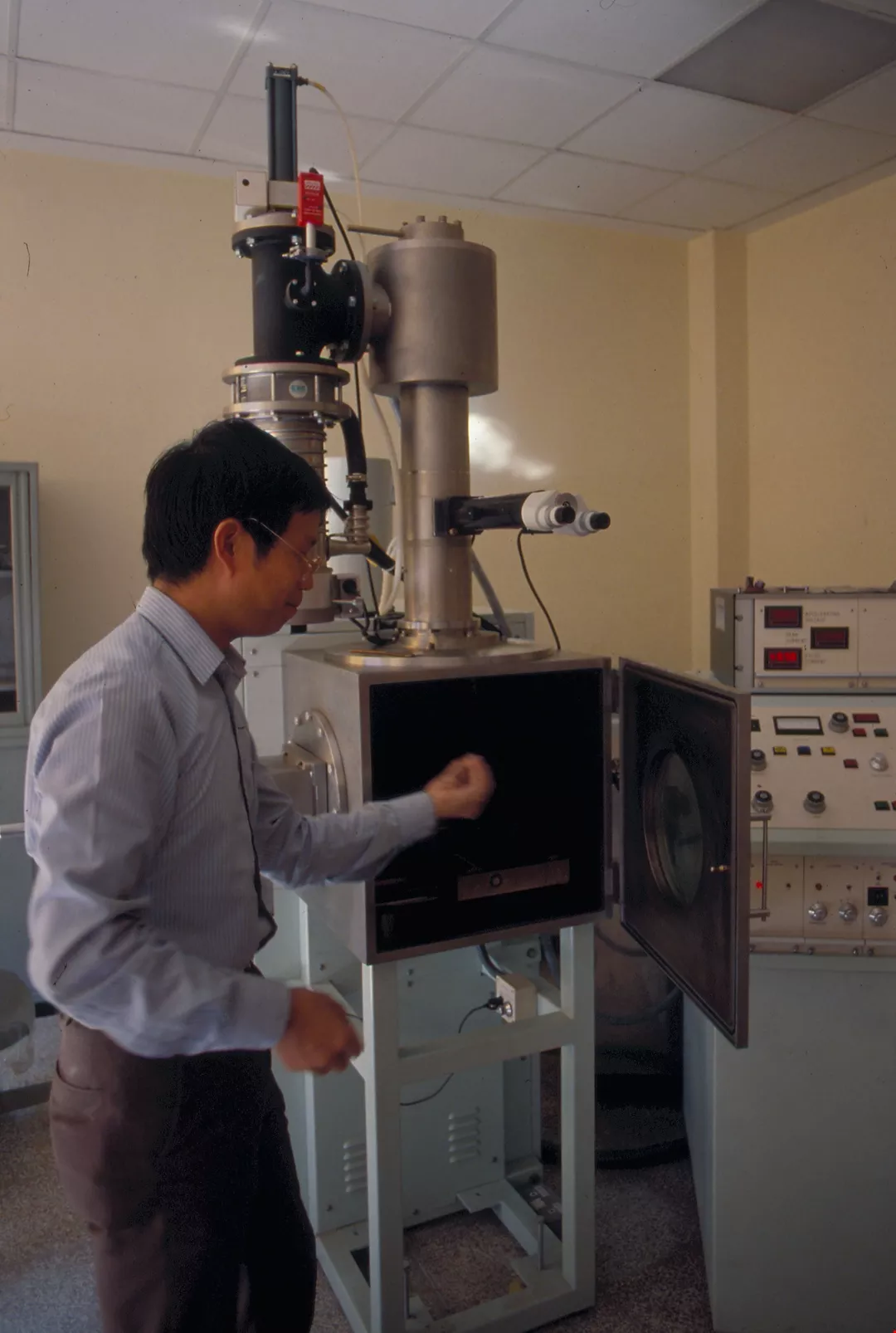
1. An electronic welder.
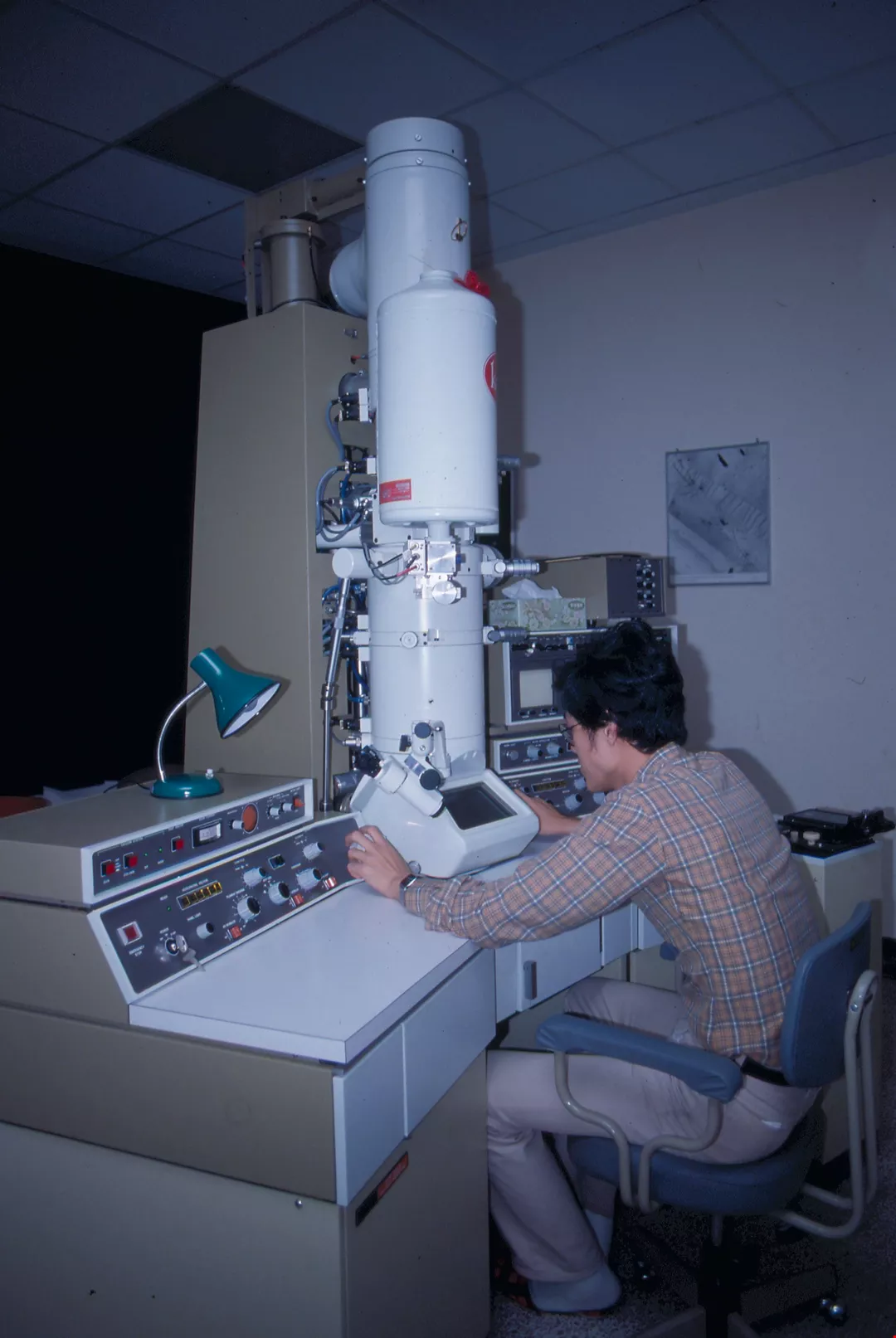
2. A scanning electron microscope.
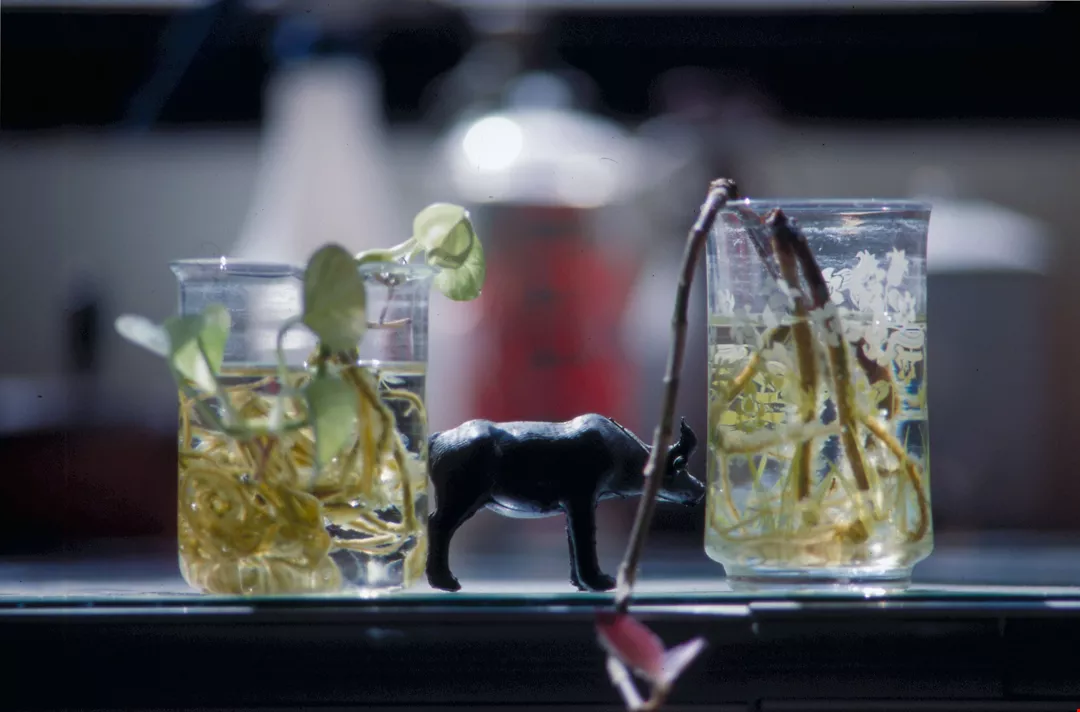
3. Green plants add a lively air.
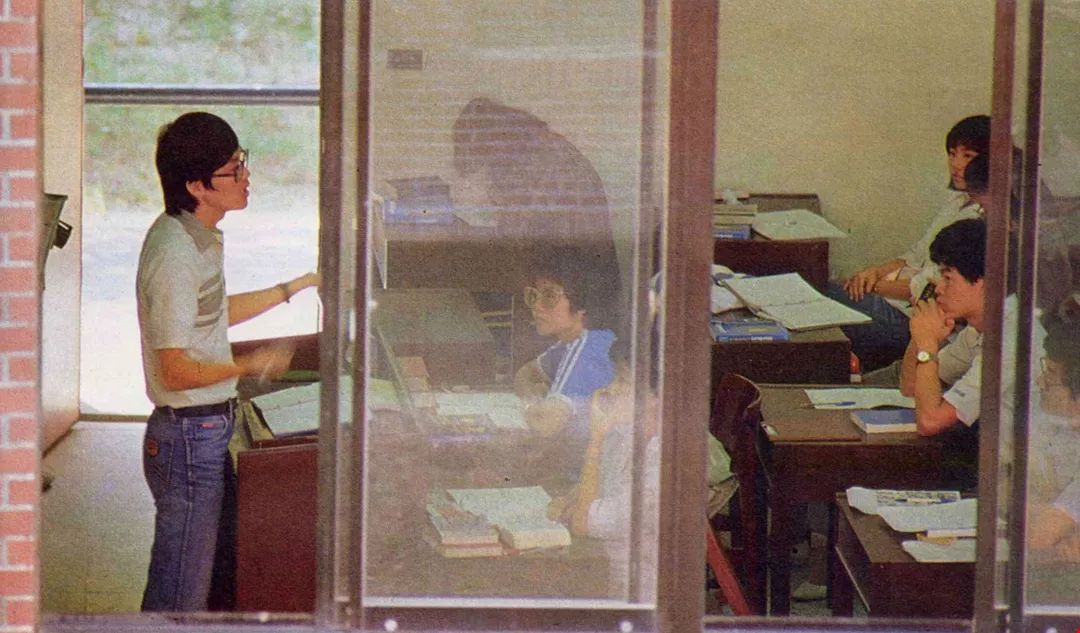
4. Most of the faculty are young scholars returned from overseas study, with new concepts.
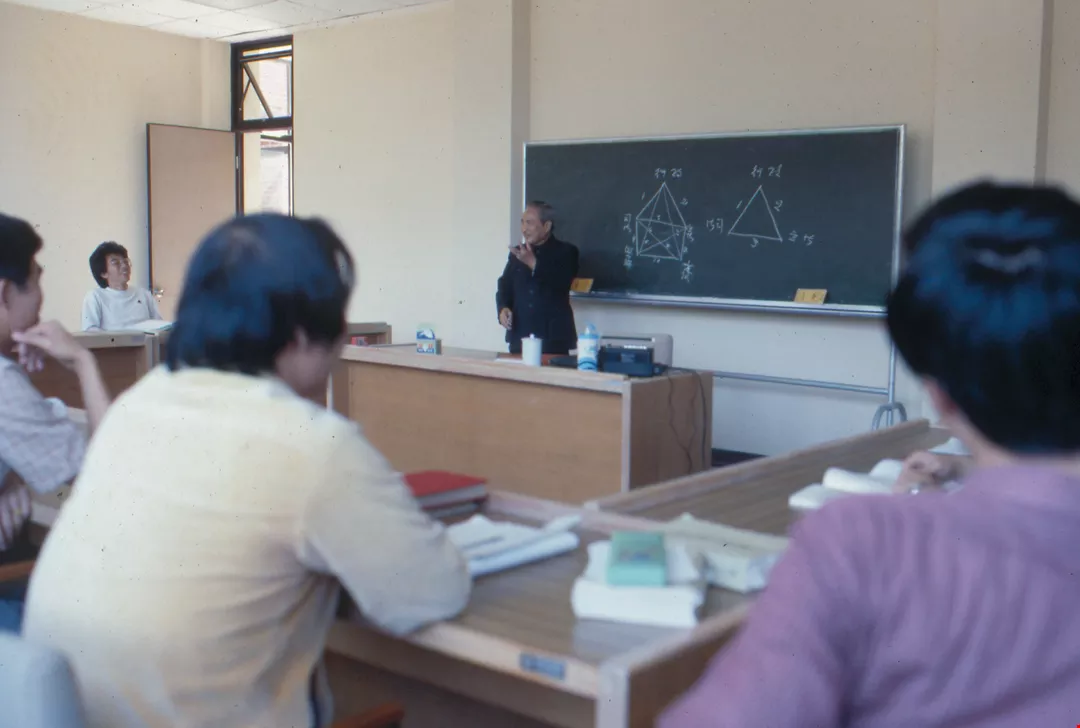
5. A foreign scholar gives a guest lecture.
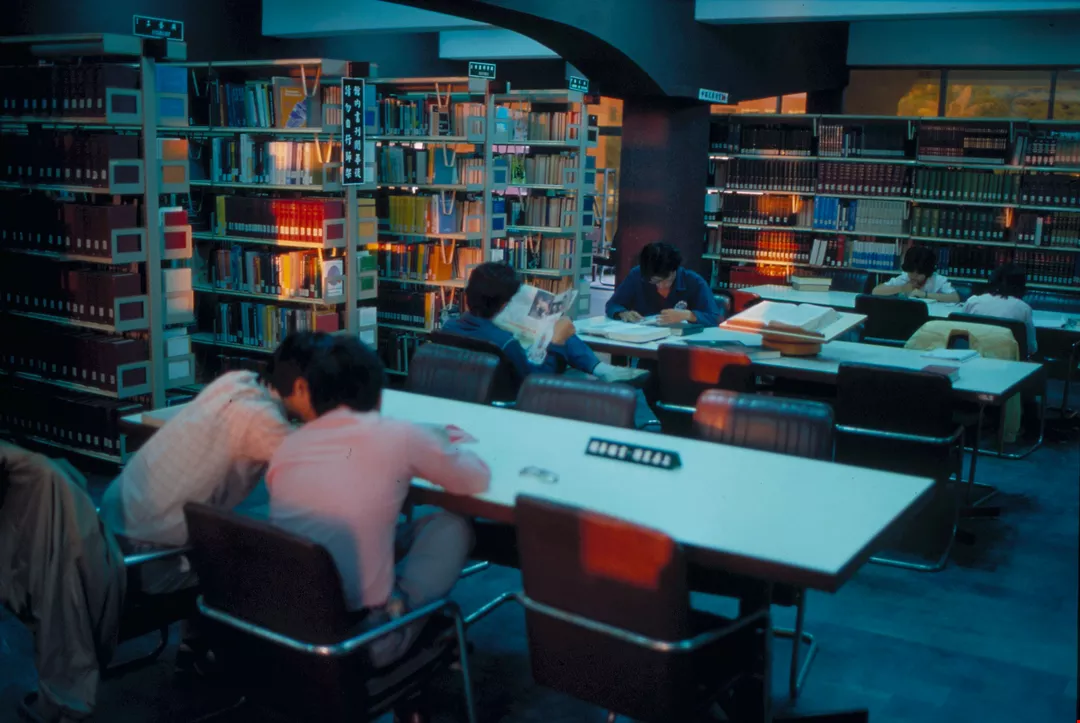
6. The library.

7. Flowers on the campus.
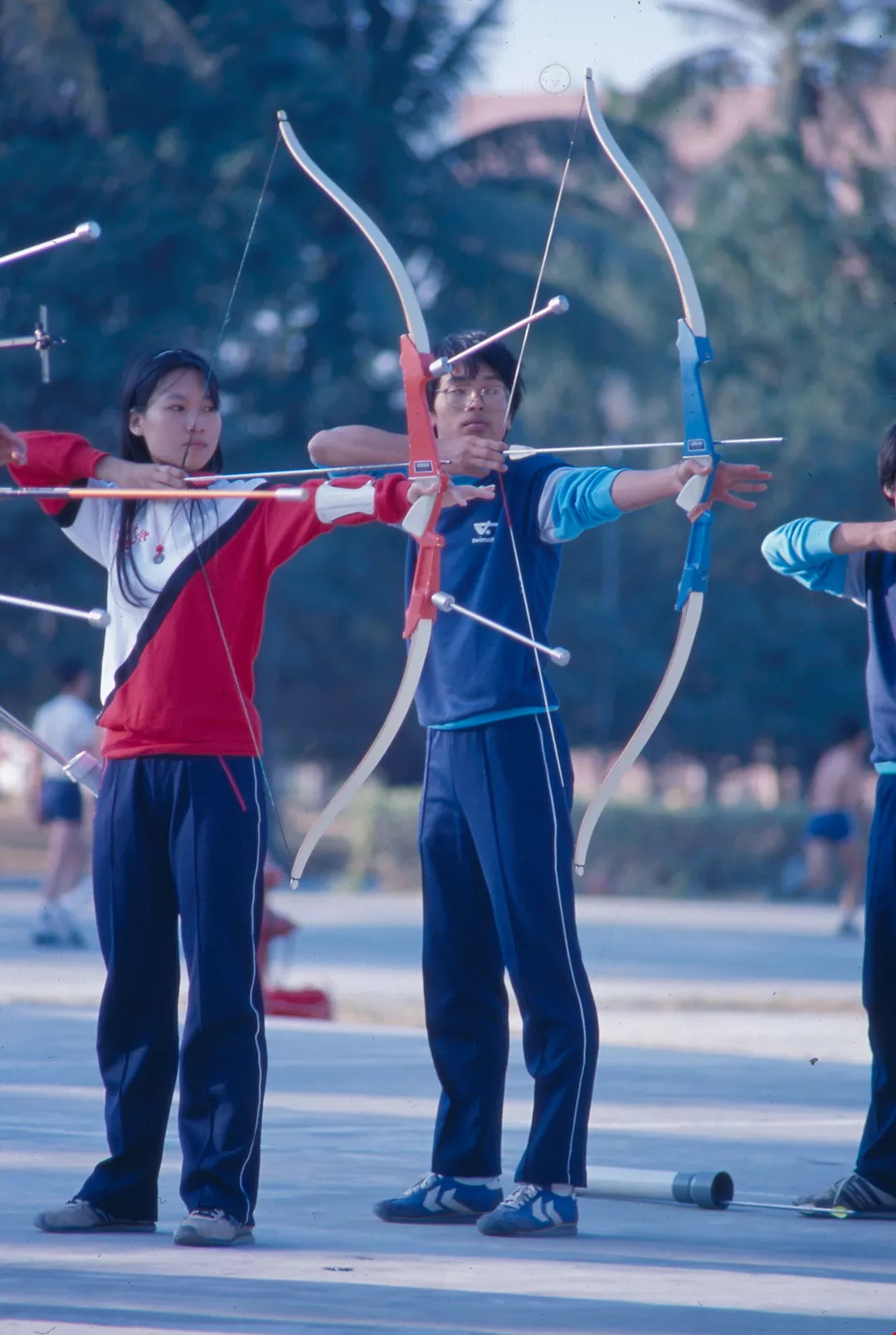
1.5. Archery and golf practice.
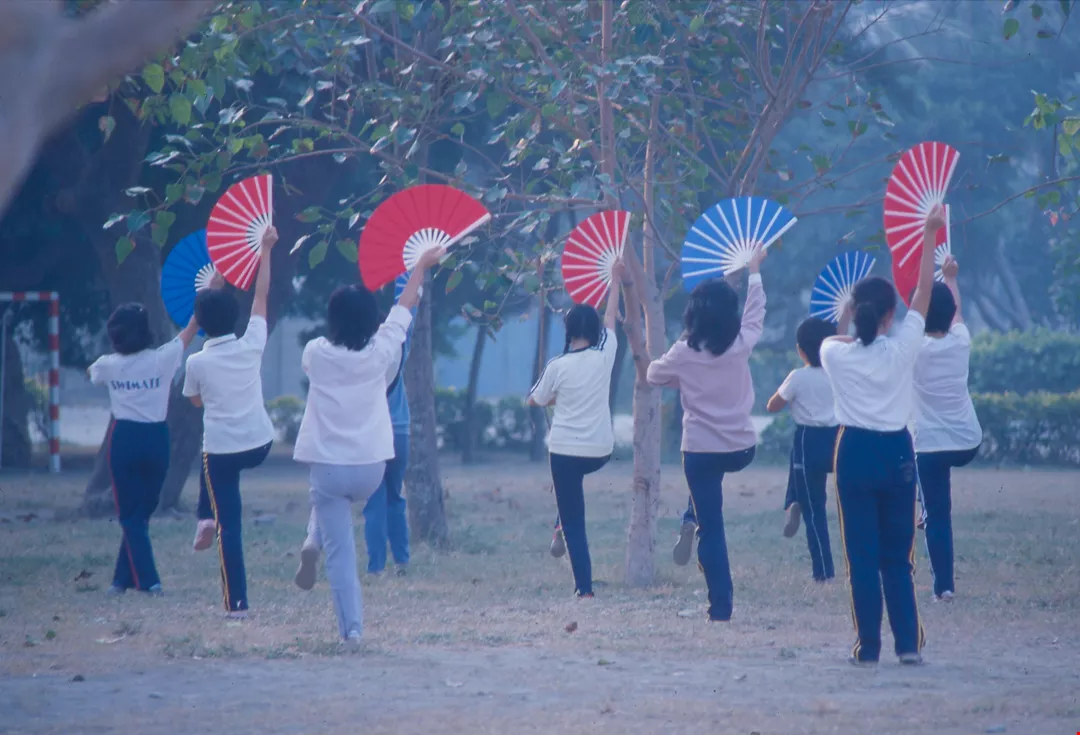
2. Cheerleading practice.
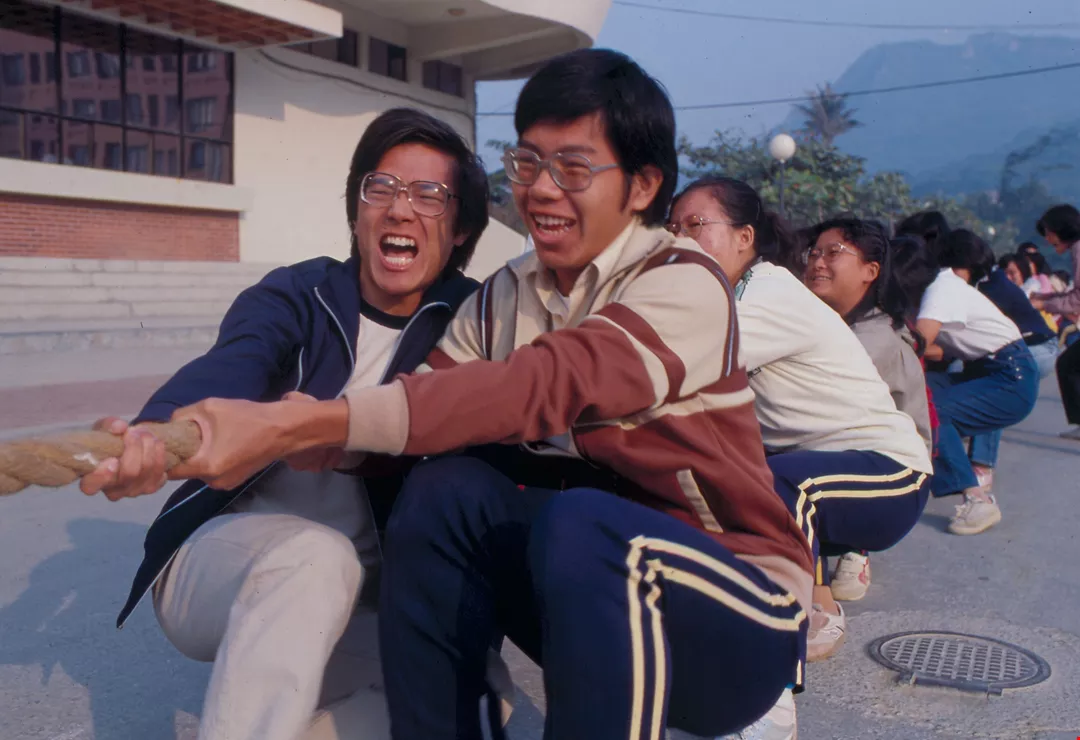
3. A contest during the school's anniversary celebration.

4. The scenery at Sun Yat-sen University is very beautiful, and attracts people from outside the campus.
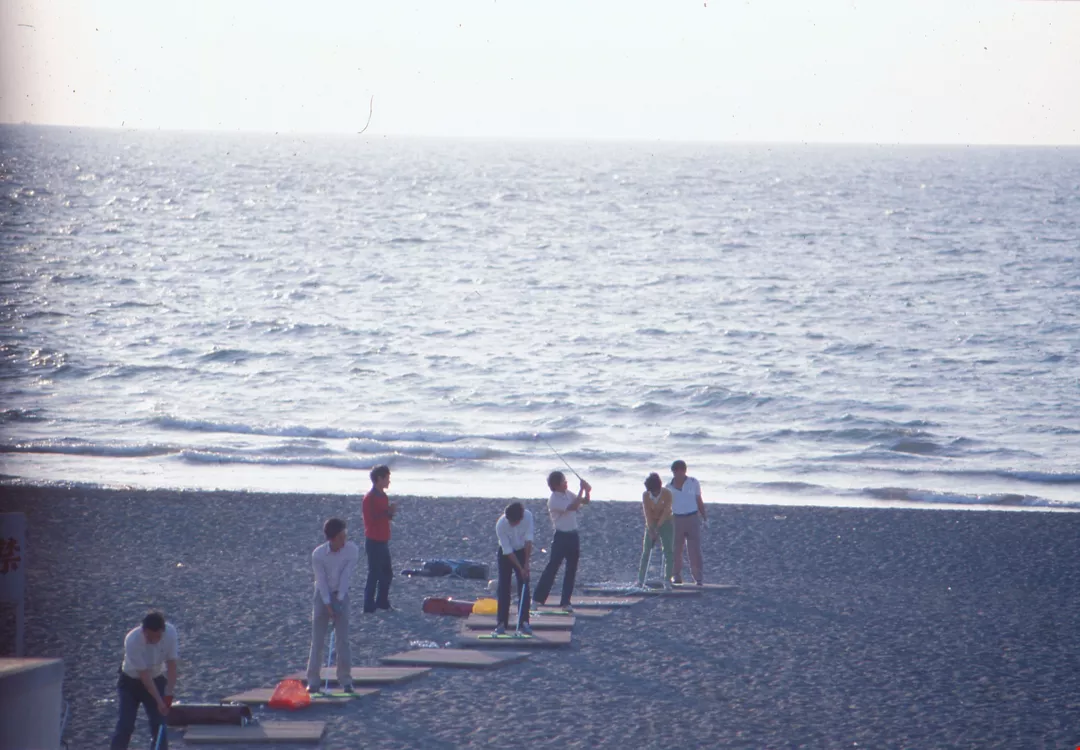
1.5. Archery and golf practice.
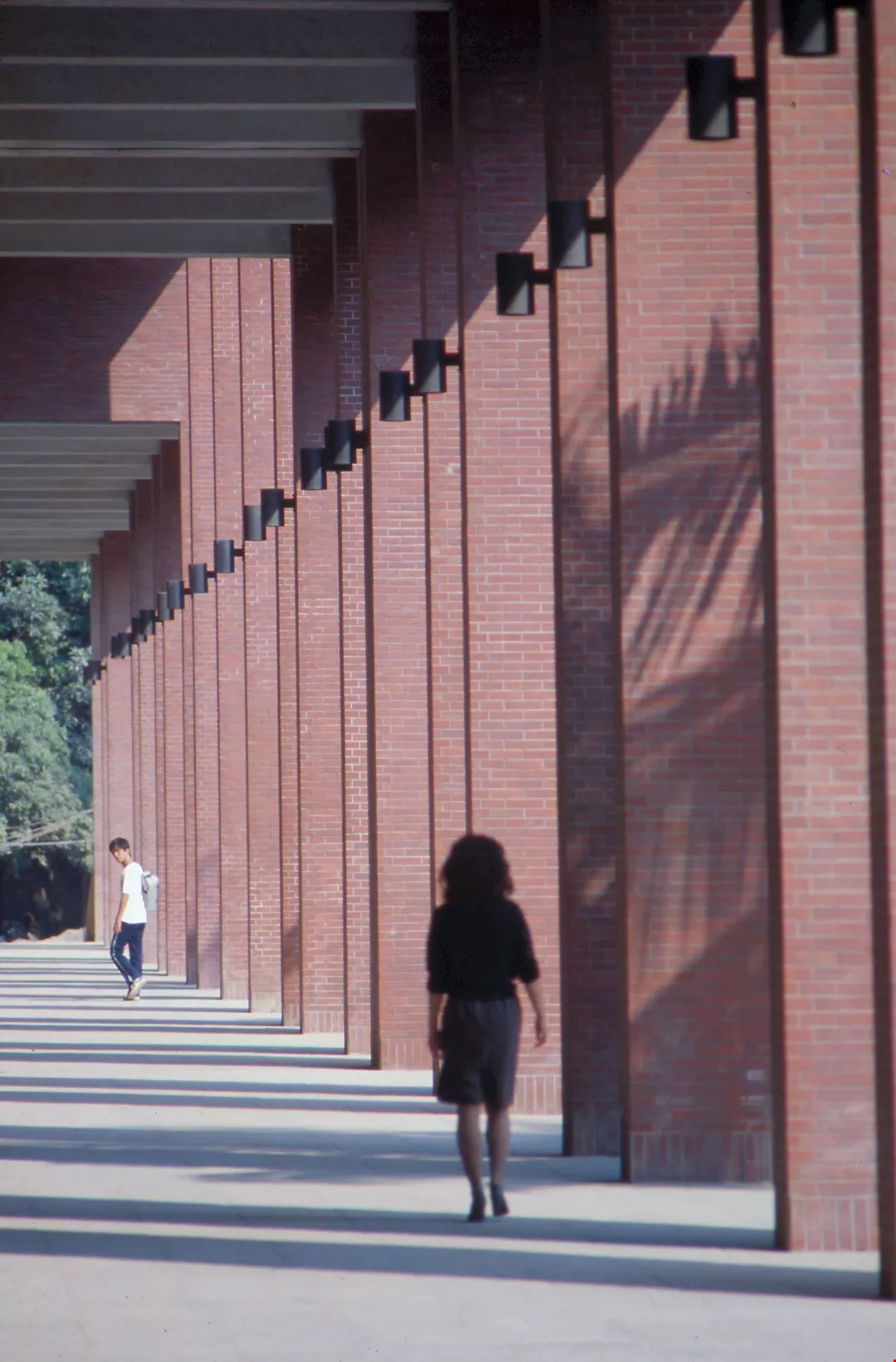
6. On any campus, pretty co-eds attract the attention of their male classmates.
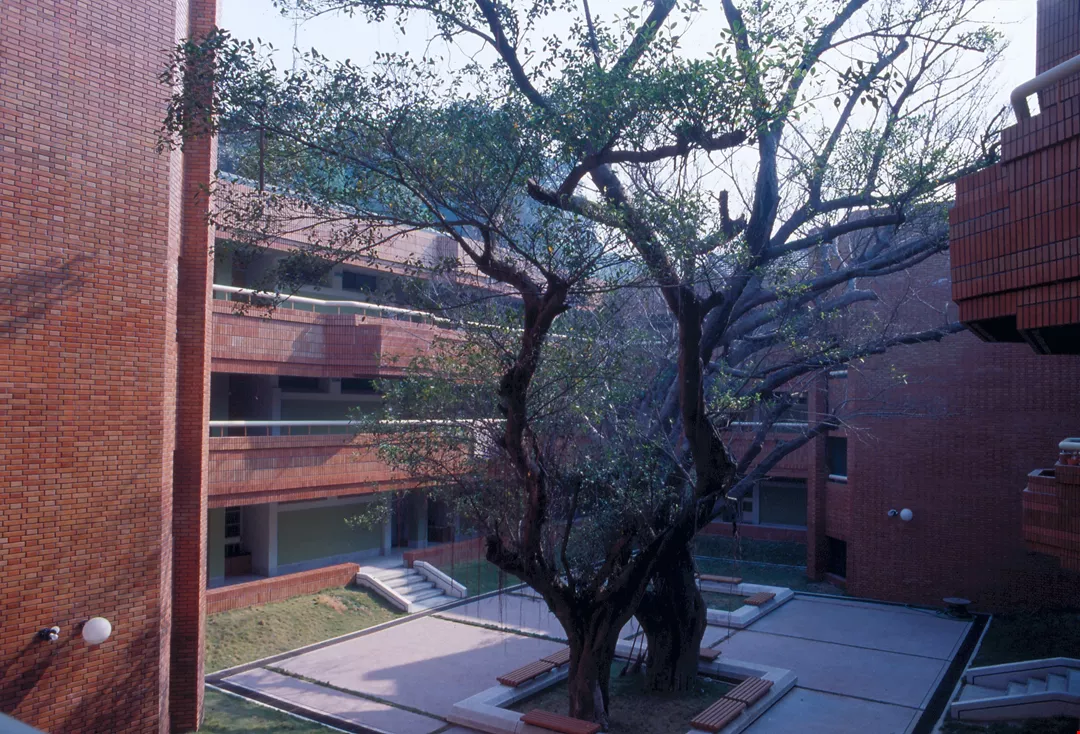
1. In the "mountain village" there are four male dormitories, and two for female students.
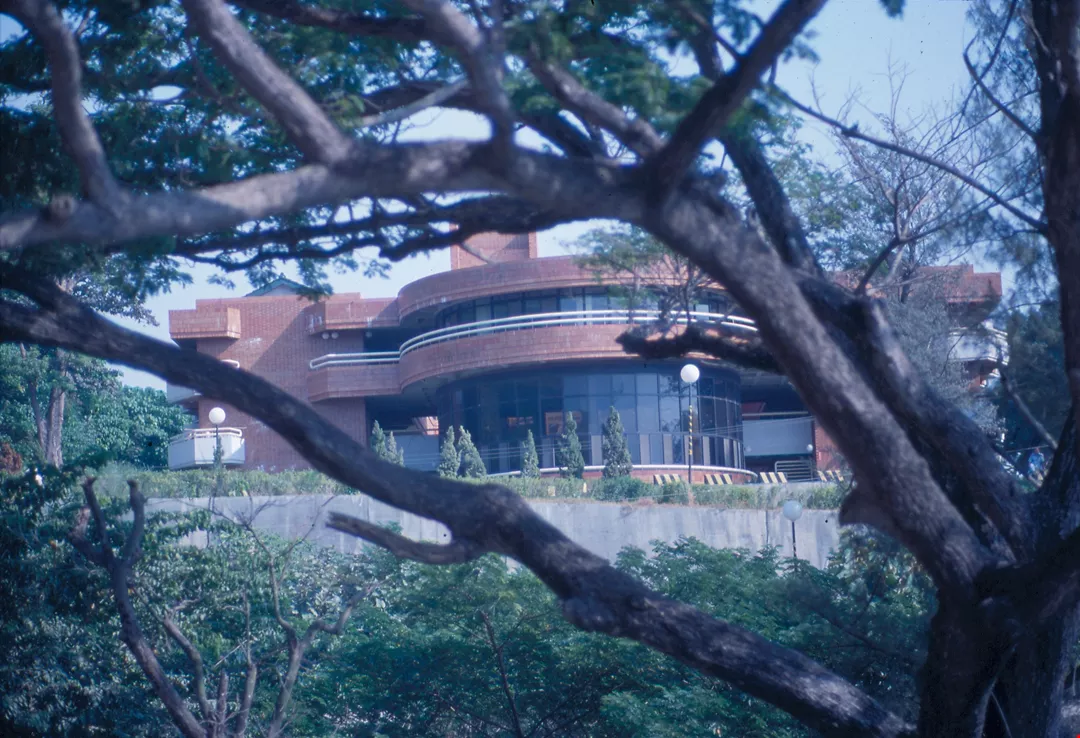
2. Faculty dormitory.
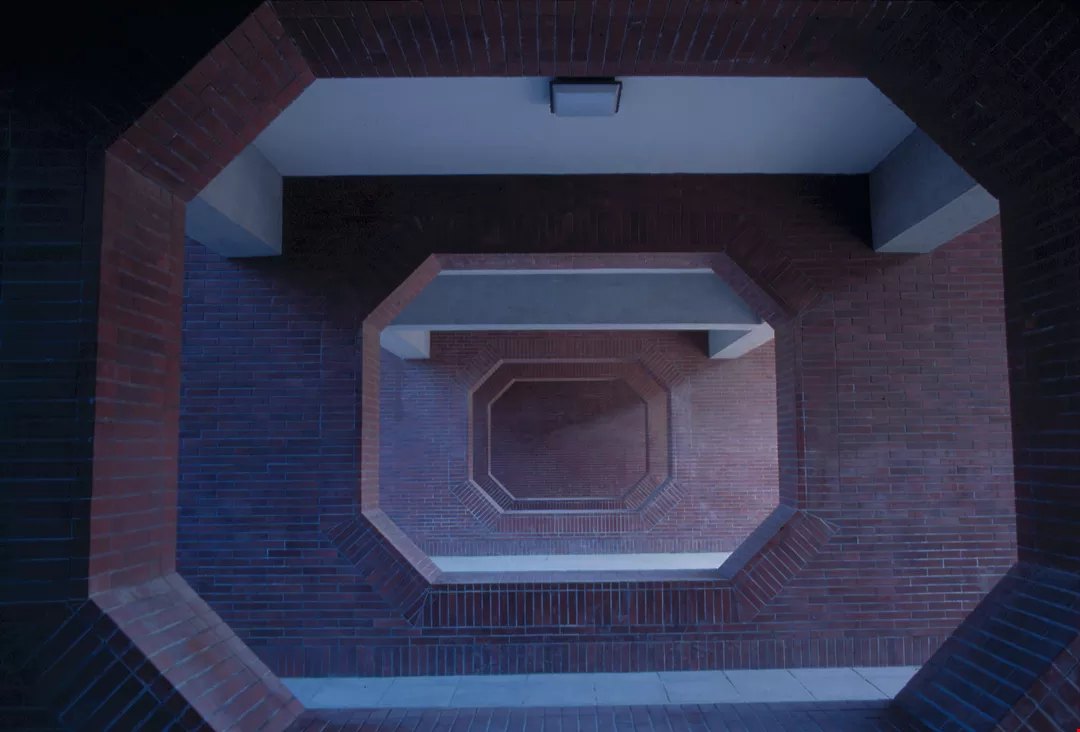
4. A covered walkway in the mountain village.
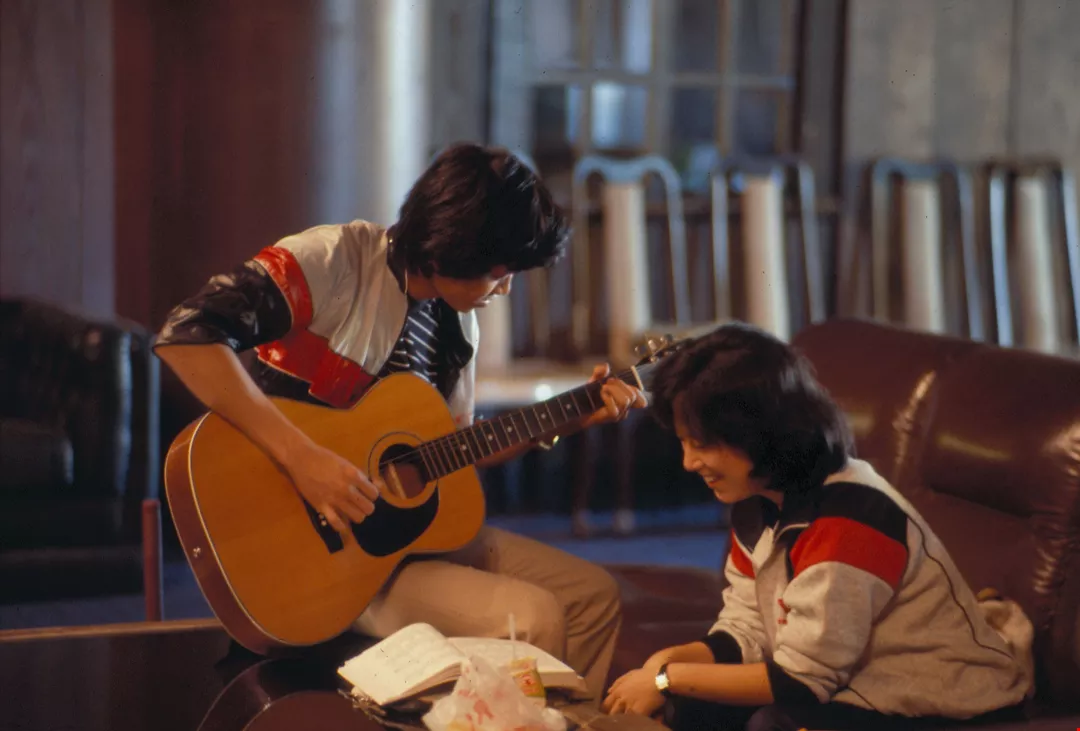
3. A pair of students playing guitar and singing in the Activity Center.
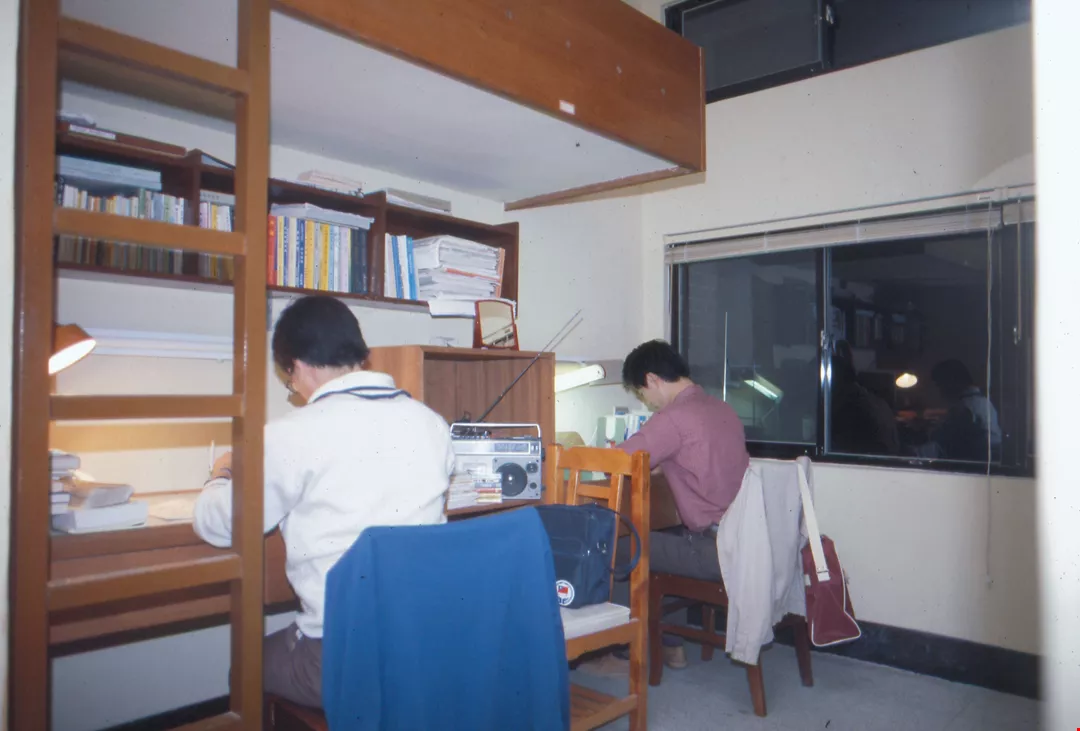
5. Students doing homework.
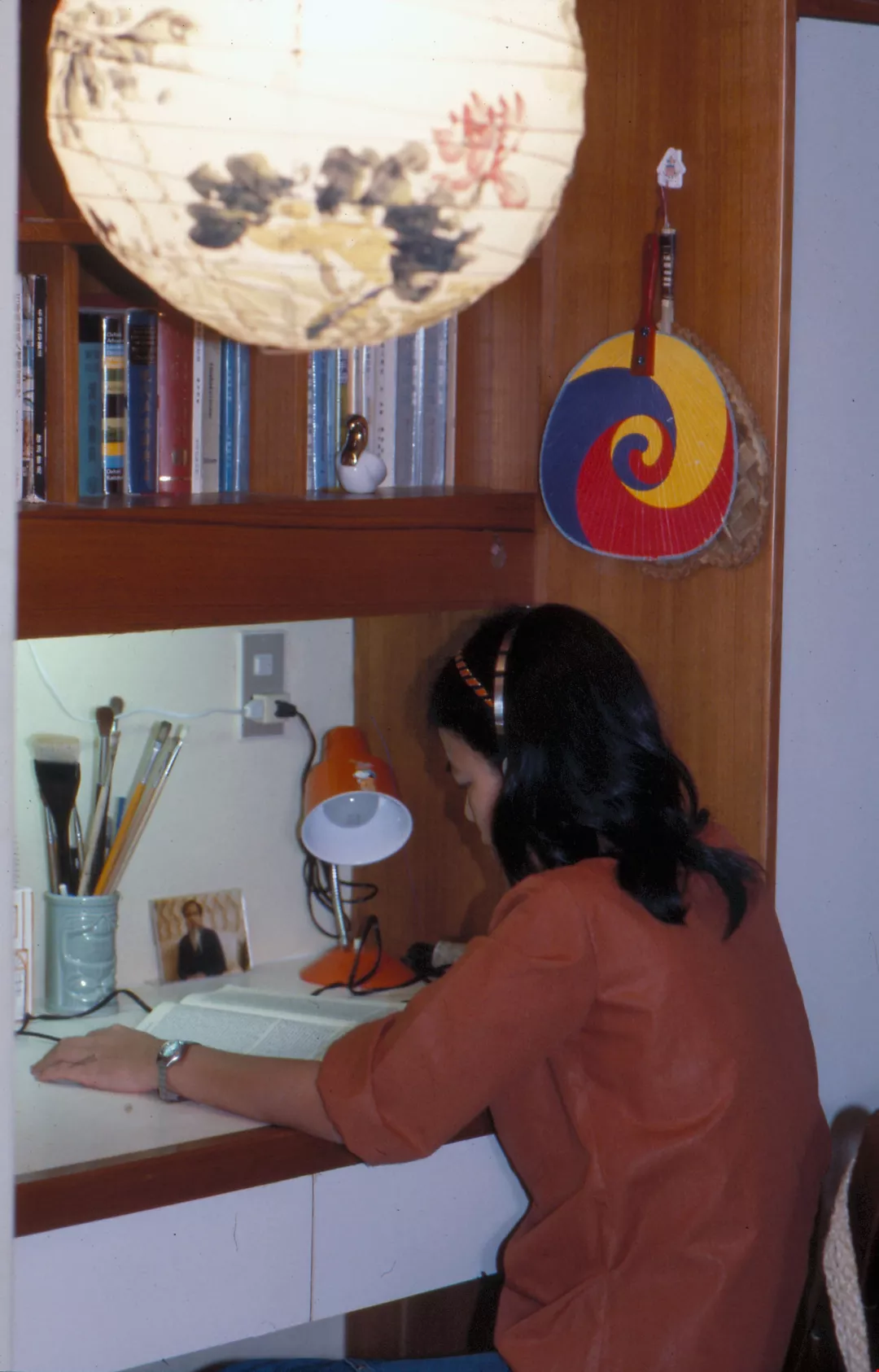
6. The co-ed here decorated her desks.

1. The new greenery speaks of the University's limitless future developmen.
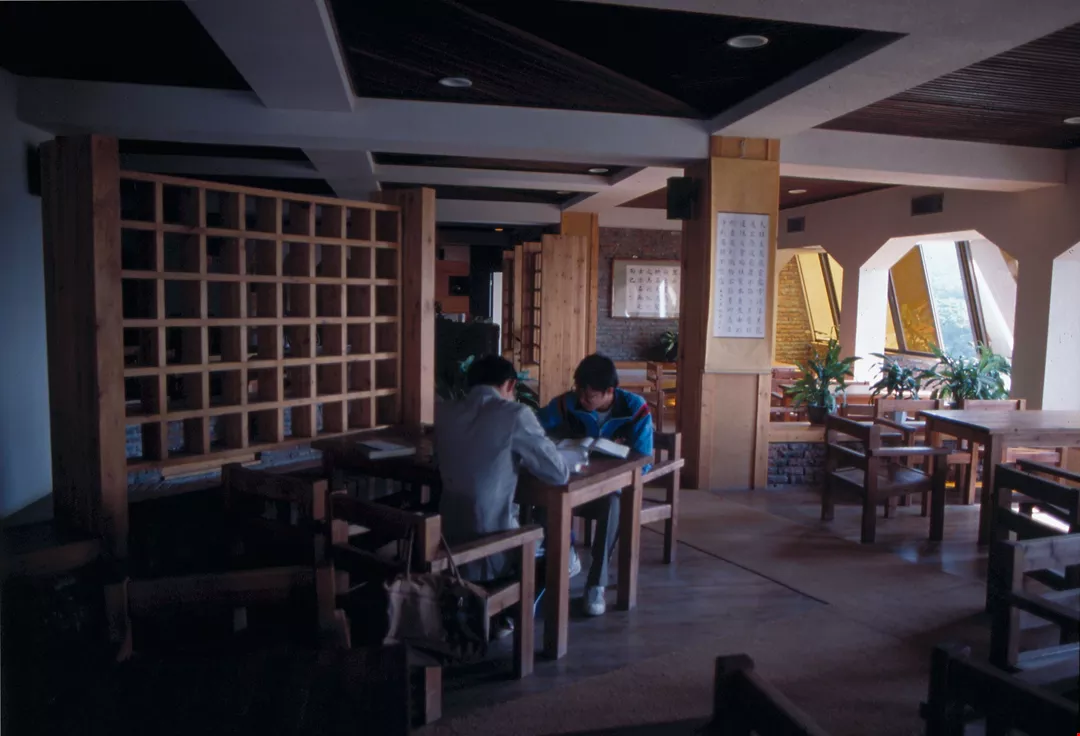
2. The China Youth Corps holds activities on the campus.
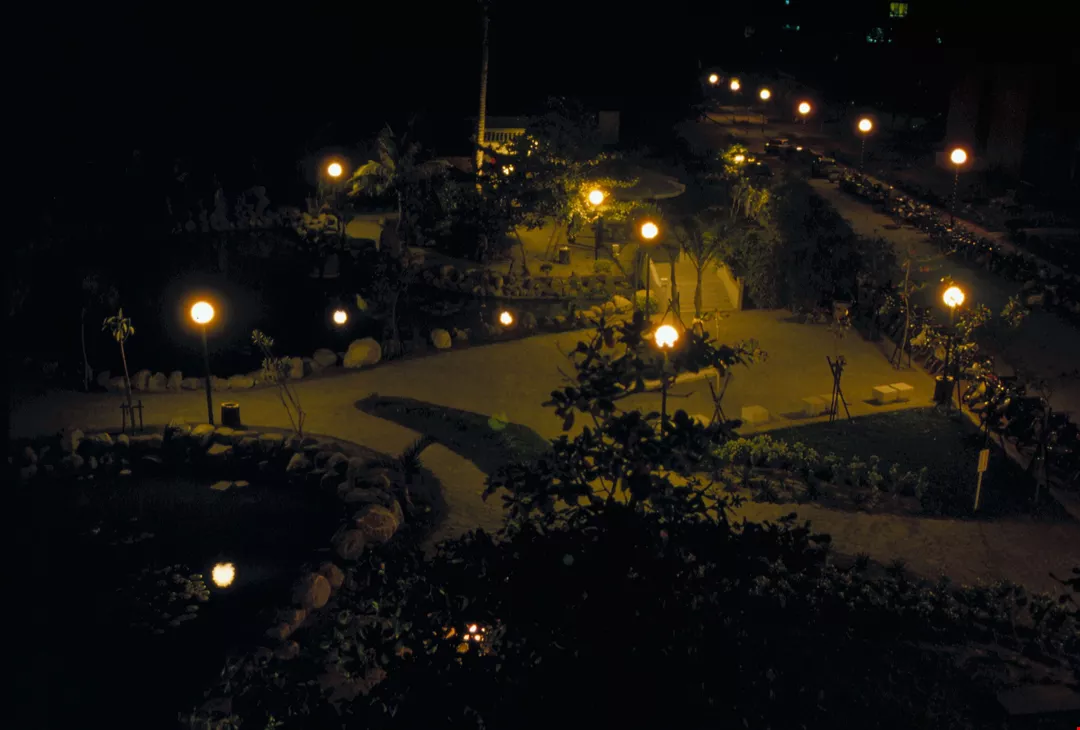
3. Night scene at Sun Yat-sen University.
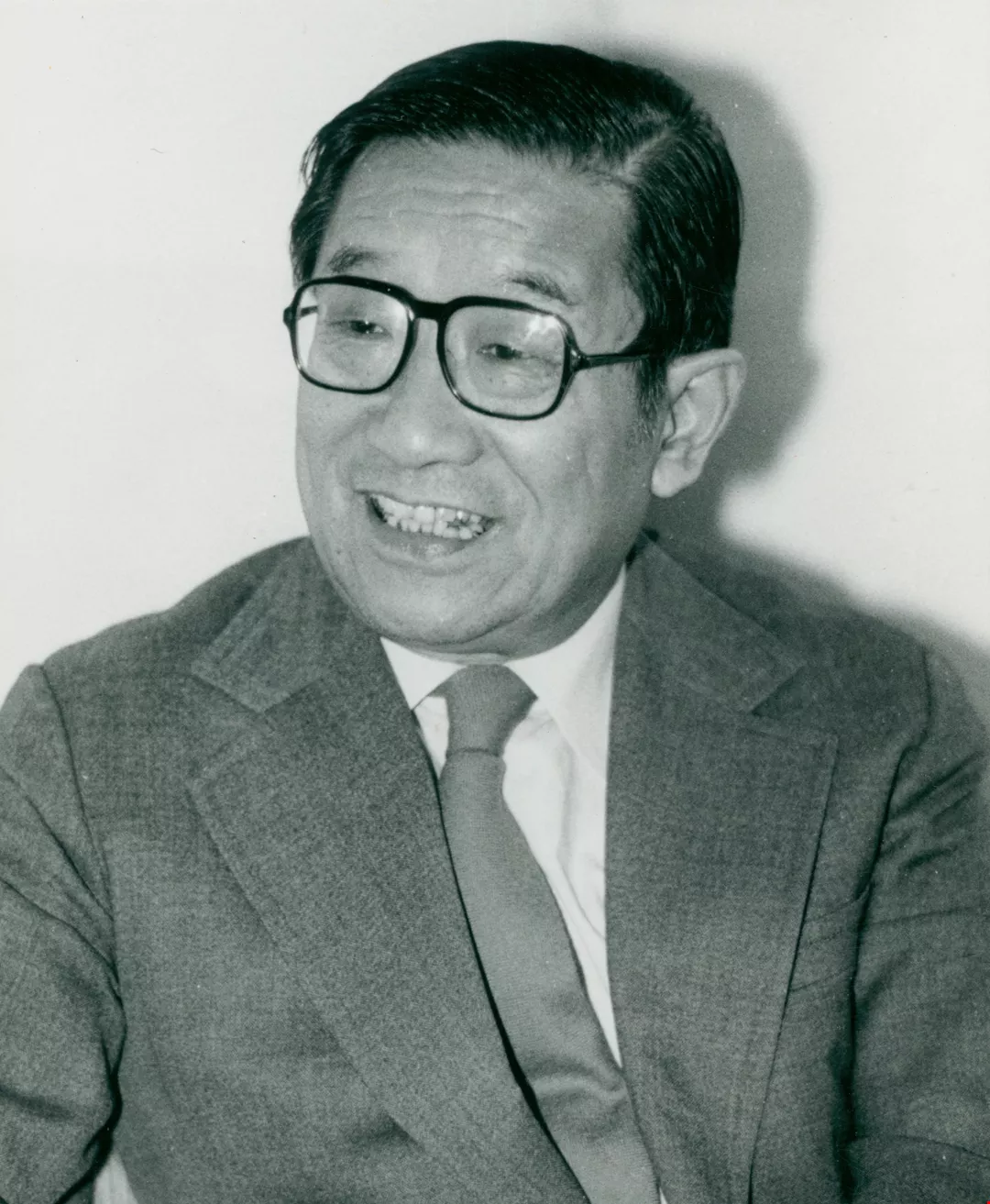
4. University President Lee thinks talented people are the most important resource for building a university.
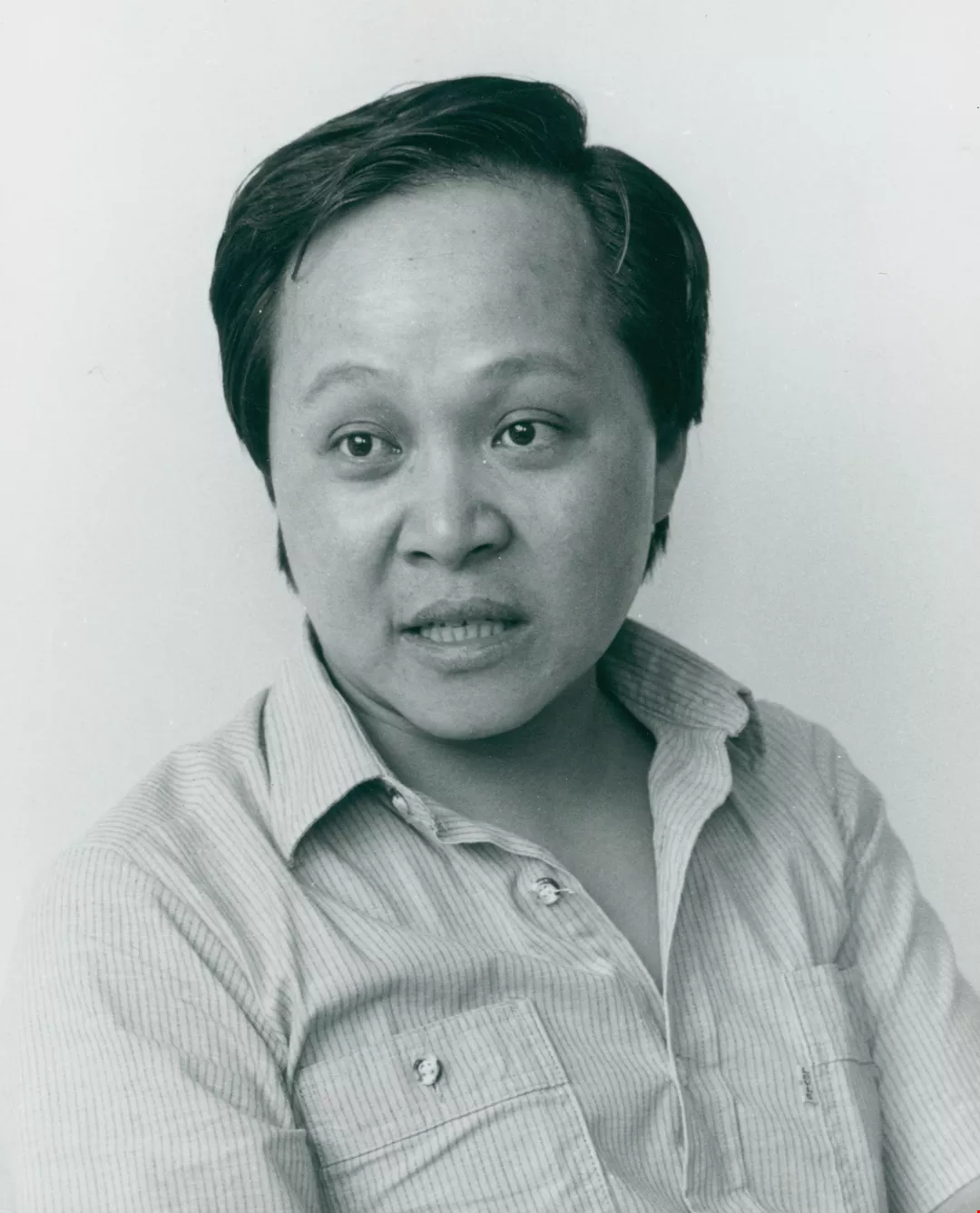
5. Wu Chien-kuo, chief of the Graduate Institute of Materials Science, thinks the nation must strengthen graduate training.
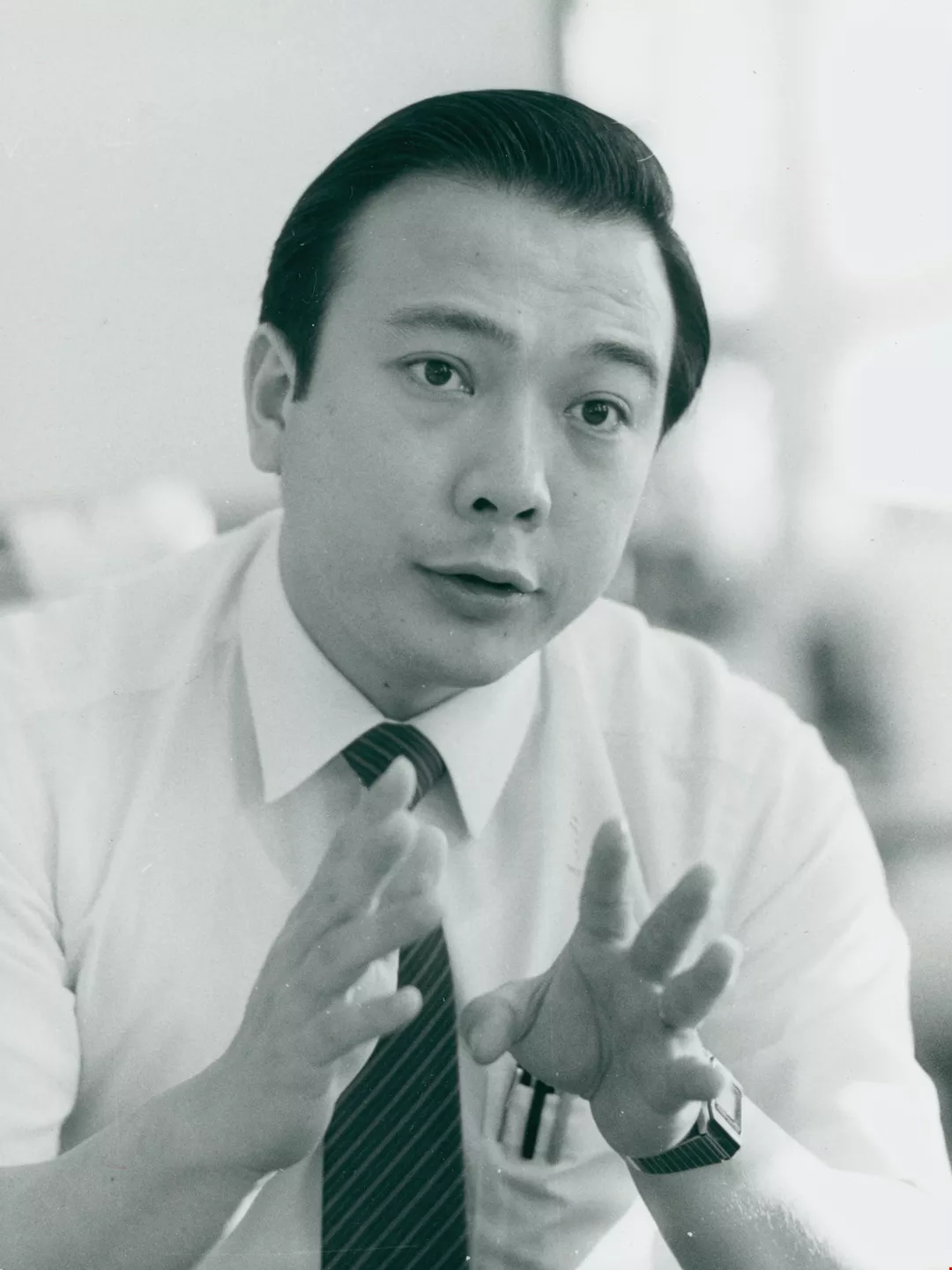
6. The chairman of the Department of Management promotes contacts between teachers and the business community.


@List.jpg?w=522&h=410&mode=crop&format=webp&quality=80)


@List.jpg?w=522&h=410&mode=crop&format=webp&quality=80)
