Fengshui--The Chinese Art of Geomancy
Theresa Wang / photos Chien Yun-ping / tr. by Peter Eberly
May 1986


When a teacher and a student on a field trip were stung to death by wasps last year, the PTA of Jen-Ai Elementary School in Chiali Township was deeply concerned. Two other students had died earlier that year, and the parents blamed the string of misfortunes on bad fengshui--the school's main gate, they suspected, was inauspiciously located. In fact, a fengshui specialist had relocated the gate just three years before, after the death of an earlier teacher. But the move had not, quite obviously, achieved the desired effect.
In a certain township in southern Taiwan, the front door of the municipal building is sealed shut, and the uncomplaining citizenry must enter and exit from the side. The reason: a series of deaths and illnesses among the employees inside had been attributed to the front door's bad fengshui, until all the mayor could do was to shut the door off for good.
Then there's the curious fellow of Luku Village who, to maximize the wealth and honor that would accrue to him and his descendants, divided his parents' remains into bits and pieces and reburied them in dozens of auspicious burial plots, much to the indignation of his fellow townsmen.
When educated young people come across such stories in the newspaper, they usually just pass them off with a smirk as the out-dated superstitions of foolish people. But are people who believe in fengshui, the ancient Chinese art of geomancy, really all fools?
Besides possessing a "broad popular base," fengshui is half believed in by many thoughtful intellectuals. Han Pao-te, director of the Office of Development at the National Museum of Natural Science, recalls an early experience. Just after returning from overseas, he designed a house for someone, only to have his older colleagues tell him the fengshui was bad and the house couldn't be lived in.
"I was perplexed," Han Pao-te says. "An architect is an educated specialist. My colleagues were all outstanding intellectuals and should have been able to respect my expertise. Yet in their eyes my say-so-wasn't worth that of a not-so-educated looking fengshui man. What's more, some of the textbooks I had studied they had written. Hadn't they always taught me that superstition stands in the way of progress?"
Nor is interest in fengshui confined to our borders. Famous fengshui experts fly to places all over the world, advising clients for fees in excess of US$100 per 500 sq. ft. (three times more for offices).
An article on fengshui in last October's Reader's Digest told about a New York banker in Hong Kong who refused to believe the fengshui man his employees had called in until experience taught him differently. "Look," he was quoted as saying, "I was born in the United States. I went to the UCLA Graduate School of Management. I know all the logical explanations. But this has opened up a new window."
Just what is it about fengshui that causes intellectuals to wave the white flag and give in?
"It's always been the scholars and not the ordinary people who have been interested in the supernatural," Han Pao-te, who has made a thorough study of the subject, explains. He points out that in ancient times geomancy was really an embryonic form of astronomy and geology. Fengshui (which literally means "wind and water") dealt with the critical relationship of Man and the environment and was believed to involve the fate of the country. But after the fall of the Han dynasty in 220 A.D., as it gradually became mixed up with fortune-telling, the eight diagrams, the theory of the five elements, and the like, fengshui began to take on a heavy popular coloring, and it eventually came to be used merely as a tool to help individuals to get a promotion or to make it rich.
The attitude of the intellectuals to all this, Han Pao-te asserts, was "very ambiguous." Most, he says, were "fence-sitters and compromists." The viewpoint of Chi K'ang (223--262), one of the Seven Worthies of the Bamboo Grove, was typical: "I'm hesitant to make a hard and fast judgment. I wouldn't want to say that divination can tell you your fortune, but I wouldn't want to say there are no unlucky houses either."
So we see that, intellectuals or fools, people have been interested in fengshui for a long time. Why is it still so popular today?
Architects and interior decorators constantly fight battles like this: having carefully worked out a design of great expertise, they run into their client's fengshui man and end up having to work out the whole thing all over again. To satisfy their customers, some construction companies have simply hired their own "fengshui consultants."
Fengshui and fortune-telling books have their own separate areas in bookstores. One publisher has printed over 400 titles in this line over the past 10 years. Another offers an accompanying videotape. And fengshui classes draw swarms of the curious to night schools. A professor at National Taiwan University calls it "the gods-and-ghosts renaissance."
"The interest in fengshui is not necessarily a negative," maintains Chen Yi-k'ui, director of Taiwan's I Ching Research Society. He believes it shows that prosperity has enabled people to accumulate enough wealth now that "they hope to keep what they've got and have a better tomorrow. At the same time, they're paying more attention to the quality of the environment and the quality of their lives."
From another standpoint, social development has brought with it heavy pressures, and people are turning to fortune-telling and fengshui for comfort. One fengshui center says that in addition to the age-old goals of wealth and status, a new problem--extramarital affairs--has become a concern that many clients are asking them to solve.
"This phenomenon shows that no matter how modernized our lives may become materially, people still need some kind of supernatural support spiritually," Han Pao-te concludes.
While the newspapers still carry stories about gullible people being cheated by unscrupulous charlatans, today's better educated public demands better educated fengshui specialists. Most of the new generation of specialists have indeed received higher educations, and many are conversant in physics, biology, psychology, and other sciences.
Chen Yi-k'ui believes that fengshui has a basis in scientific principles. Wind and water, he maintains, represent gravitational and electromagnetic forces which act on the body in such a way as to affect our powers of judgment and behavior. But the proper fengshui won't necessarily ensure wealth and status, Chen stresses. "The key to success or failure lies within you; fengshui can only provide a favorable condition."
In the spirit of "if you can't beat 'em, join 'em," many architects have taken up studying fengshui. "Actually, from the 14th century on, the role played by the fengshui man was very similar to that of today's architect," Han Pao-te points out. Like architects, fengshui men were responsible for "environmental planning." The relations they worked out between Man, space, and time were a kind of ecosystem theory.
What's more, an understanding of fengshui is a prerequisite for understanding traditional Chinese architecture, Han Pao-te believes. "When I studied traditional architecture, I was constantly running up against questions of fengshui. Not understanding fengshui is as serious an obstacle to the student of traditional architecture as not knowing English would be to a student of English literature."
This March the Taipei Architects Association conducted a series of seminars called "In Defense of Fengshui," which attempted to rationalize many of fengshui's taboos. The prohibitions against bedrooms facing kitchens and beds being underneath roof beams, for example, can be explained in terms of ventilation, building structure, and psychological factors.
More interestingly, just as the participants were rationally explaining away, one member motioned to bring up the issue of the director's desk. He stated that the director's repositioning of his desk had produced disharmony within the association. The director defended himself by explaining that a fengshui man had been called in to look at the new positioning and had found no problem with it.
Disputes over fengshui are hardly uncommon. In fact, with such a long history behind them and so many theories and schools, fengshui experts often disagree among themselves. In that case, to save their reputations, their masters may debate before the public, laying down wagers to go to the winner. If the case winds up in court, the evidence and testimony may fly back and forth for months.
Left holding the bag is the poor client. Should he move in, after all, or not? Bury there, or not? A similar situation, perhaps, gave rise to the following folk rhyme:
Fengshui mister, talking trash, Pointing north, south, east, and west; If the land's so lucky like you say, Why didn't you bury your old man there?
Yet the ancient art of fengshui seems to have a hold on us still. Han Pao-te likens it to acupuncture. While we haven't yet discovered acupuncture's scientific underpinnings, its clinical effectiveness is indisputable. Perhaps science has just not yet developed to the stage of understanding it. "What we don't ask of acupuncture, we shouldn't demand of fengshui," Han maintains.
Maybe with regard to fengshui, it's best to take the same approach the ancient scholars did--sit on the fence!
[Picture Caption]
The ancestors' altar is the most important part of the house. Its height and position must be carefully determined.
In such a big city, where's the luckiest place to live?
Sunlight is a form of energy. Properly directing the angle of the sun's rays is an important technique in fengshui.
A symbol of the eight diagrams is hung over the door to ward off evil.
A businessmen installed this contraption in his factory. The reflective aluminum strips and the infrared lights are supposed to make his firm prosper.
Some businesses hang up mirrors to reflect off bad luck. (courtesy China Publishing)
Modern fengshui specialists have adapted their methods to satisfy the public's craving for "professional expertise." These charts are for positioning a house.
A pool of running water can sometimes bring good fortune.
A flourishing tree indicates the site is auspicious.
Worrying too much about fengshui can become a psychological burden. (courtesy China TV Publishing)
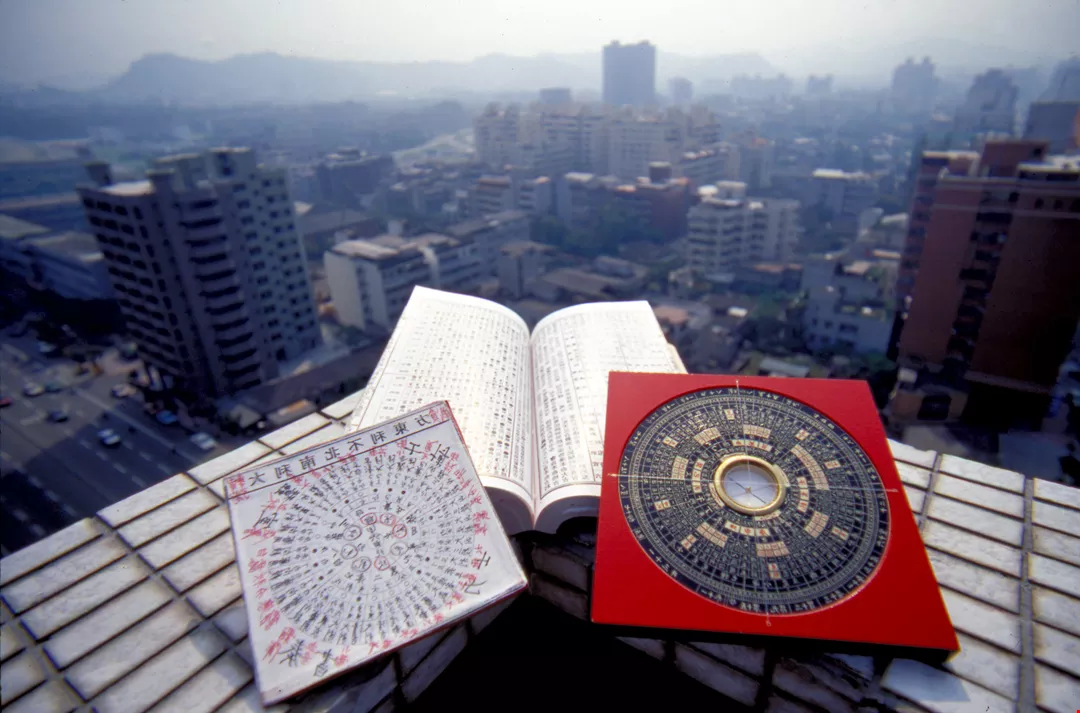
In such a big city, where's the luckiest place to live?
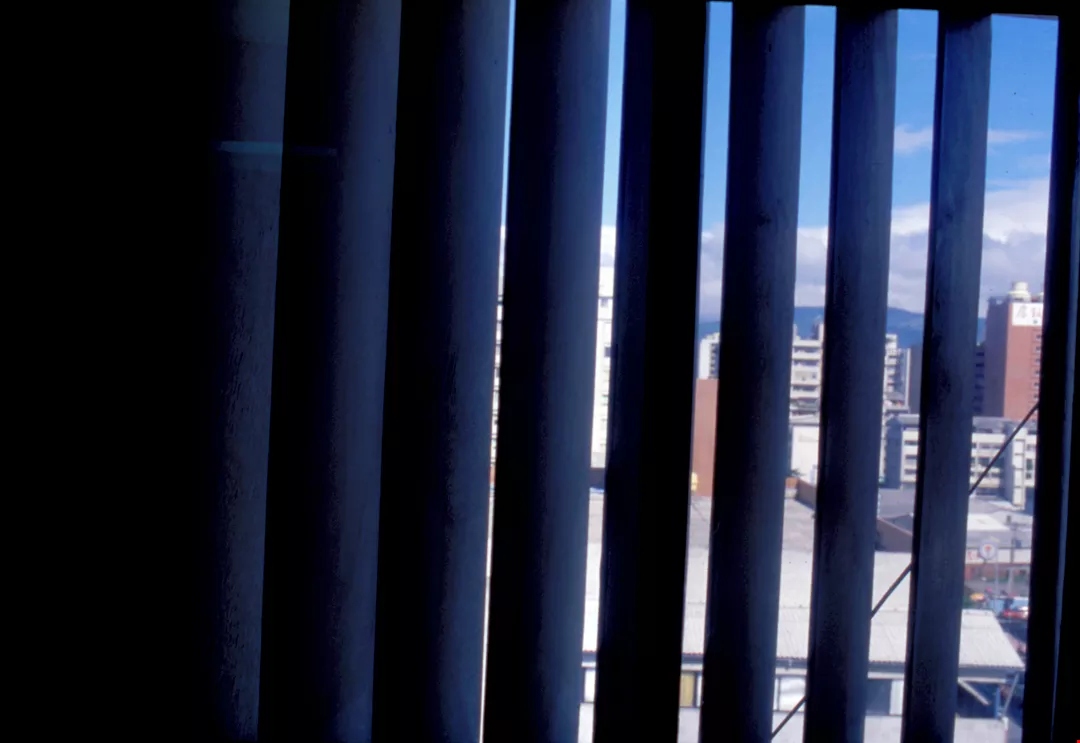
Sunlight is a form of energy. Properly directing the angle of the sun's rays is an important technique in fengshui.
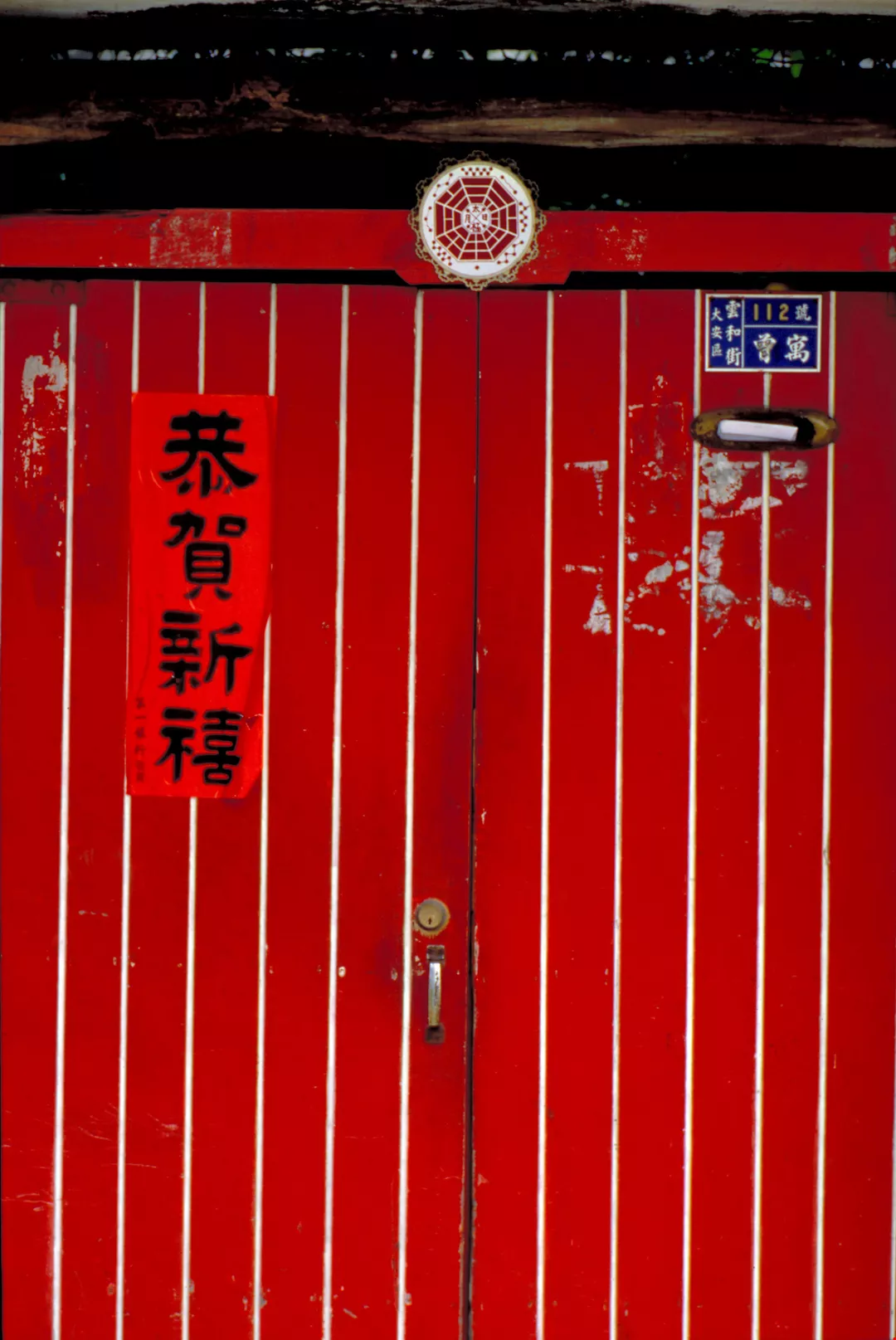
A symbol of the eight diagrams is hung over the door to ward off evil.
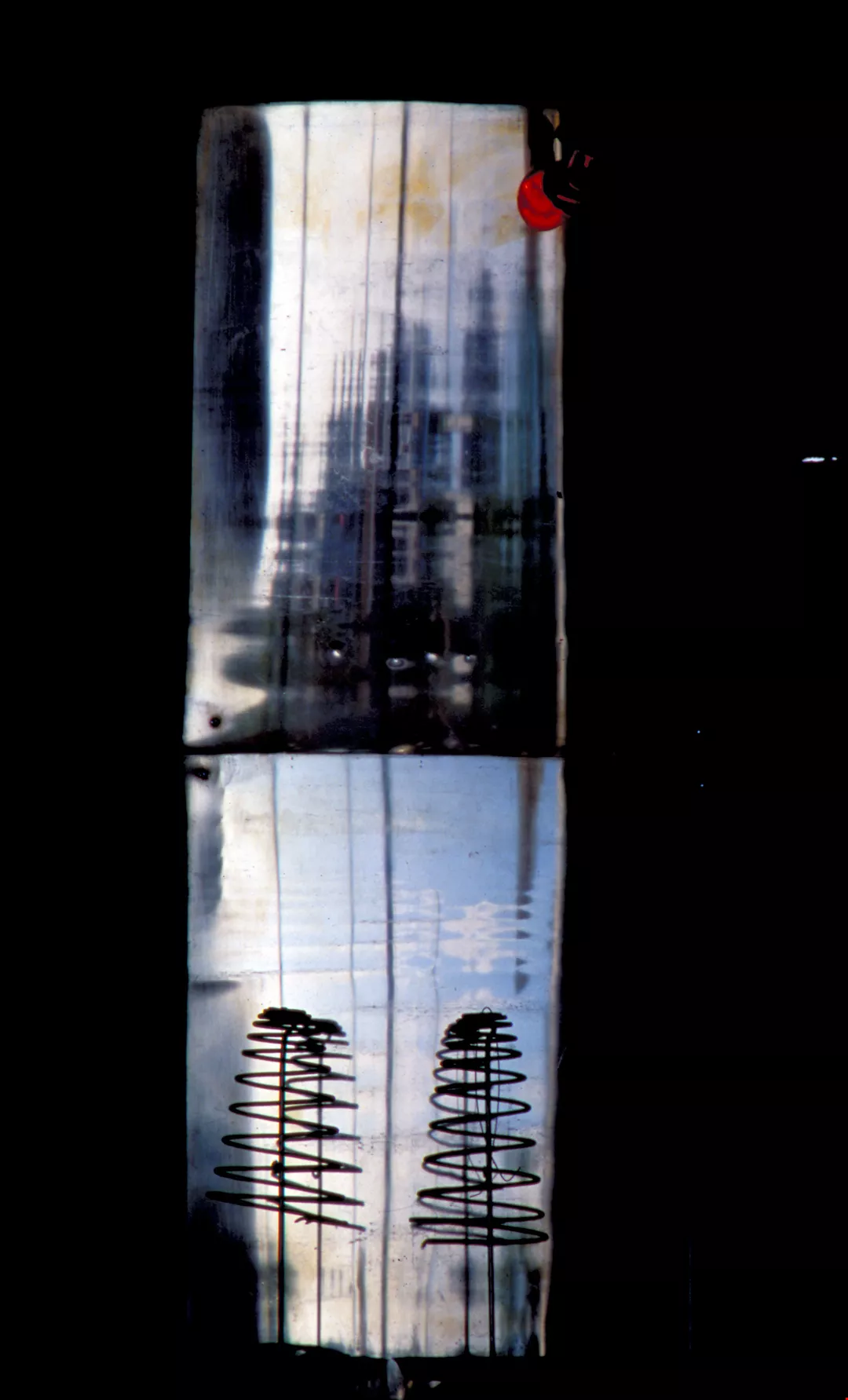
A businessmen installed this contraption in his factory. The reflective aluminum strips and the infrared lights are supposed to make his firm prosper.
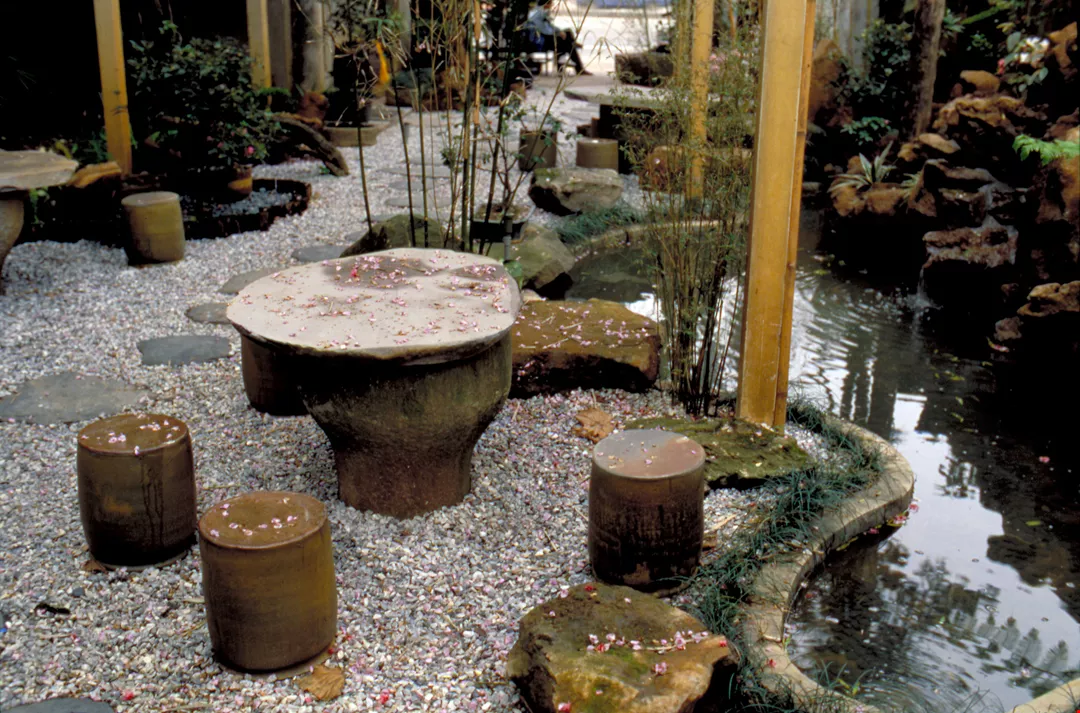
A pool of running water can sometimes bring good fortune.
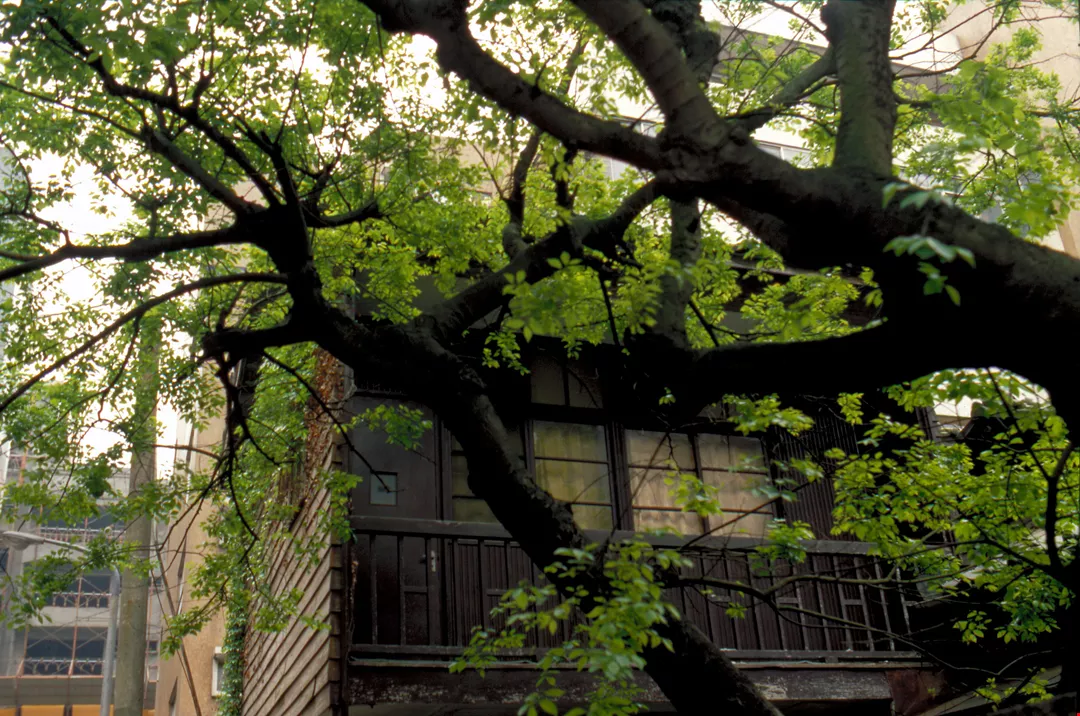
A flourishing tree indicates the site is auspicious.


@List.jpg?w=522&h=410&mode=crop&format=webp&quality=80)
