

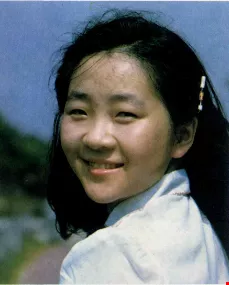
Ku Wei-wei, a freedom seeker who fled from Mainland China with her parents and two younger sisters three years ago to Hong Kong, has achieved fame at the early age of 19 for two books on her experiences entitled "Sixteen Years Old in Peiping" and "My Home at Tienanmen". The two books describing the first 16 years of her life in her native Peiping have established her as a promising young writer since they were published in Hong Kong and Taipei. After an earlier visit in January, Miss Ku returned to Taipei with her two sisters in June, and they all decided to stay on to continue their studies in Taiwan. Recalling her life on the mainland, she said that poverty is everywhere. This might be bearable, she said, if it were not for the constant pressure. The frequent struggles, and self-criticism and self-examination sessions make people afraid to speak out for fear of punishment if their words are construed as criticism of the government. "The people have become political animals, because every aspect of their daily life is related to politics. Human feelings are sup pressed," she said. Miss Ku is concerned that some young people think that her account of life on the mainland is merely a fairy tale. She thinks this is perhaps because for people living in freedom, it is difficult to imagine the miserable life on the Chinese mainland under the communist yoke. She was surprised to hear that many girls in Taiwan avoid starchy food so as to keep their figures trim. "If they refused to eat starchy food on the mainland, they would starve to death," she pointed out. People on the mainland must have ration tickets to buy food. The individual rice ration is only enough to fill the stomach, and protein is not always available. The egg ration, for instance, is only about a dozen a month. When her friends in Taiwan noticed that her complexion was not clear, they introduced her to another wonder of the free world-cosmetics.
Except for party cadres' wives and daughters, no one on the mainland has access to cosmetics. Once when she managed to acquire a little face cream, she was afraid to use it in case she was reported to the school authorities and punished. Miss Ku was penalized in her education on the mainland because her parents belonged to the teacher and intellectual class, and therefore came under a "black" category. The fact that her grandparents were overseas Chinese living in Thailand made things even worse. She was not allowed to go to university even though her reading and writing ability and other academic achievements were superior to her classmates, and was forced to go and work on the farm instead. Because of these and other hardships, Miss Ku's family had long planned to escape. When their departure was finally approved by the Communist authorities, they felt as if they were to be born again.
On their arrival in the Free World, they discovered the real truth-that not only is life possible without Mao Tse-tung, but that it is immeasurably better. Although Miss Ku and her family are now enjoying freedom and happiness every day, they still miss their home in Peiping. They are hoping they will return there one day-when the Government of the Republic of China recovers the mainland, and the people are delivered from slavery.
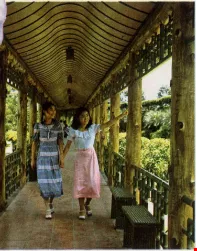
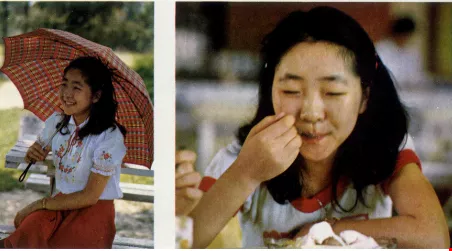
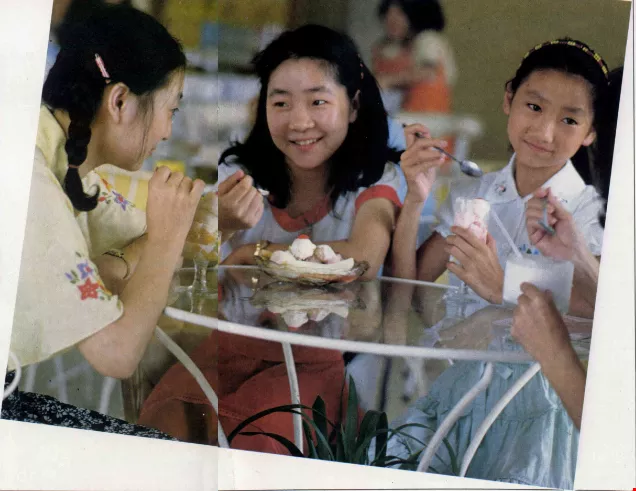
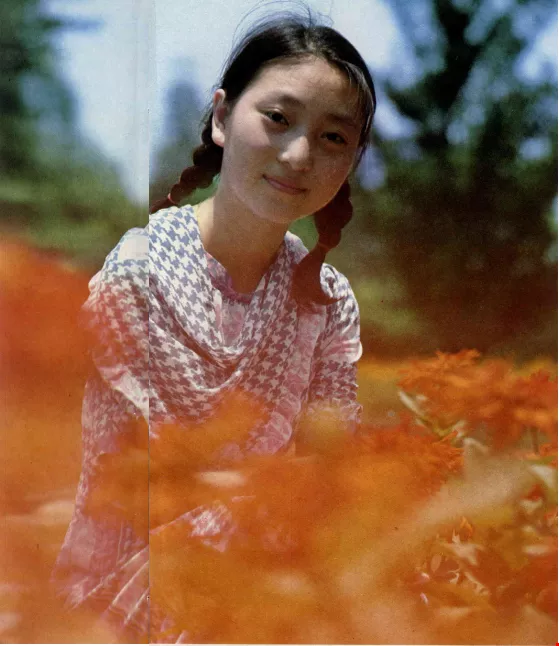
Miss Ku's younger sister
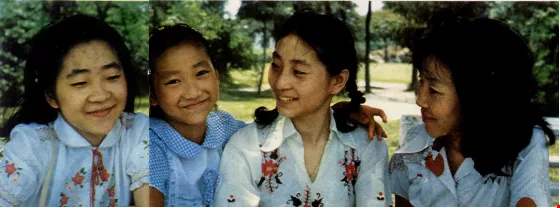
Miss Ku's family


@List.jpg?w=522&h=410&mode=crop&format=webp&quality=80)


