Half a Century of Reporting on Southeast Asia
Chen Liang-chun / photos Kent Chuang / tr. by Phil Newell
December 2025
A Taiwan Panorama article represents the up-close observations of contemporaneous social phenomena by a reporter. If the same subject can be pursued in depth continually for several decades, we may gain some understanding of the overall developments and trends in society.

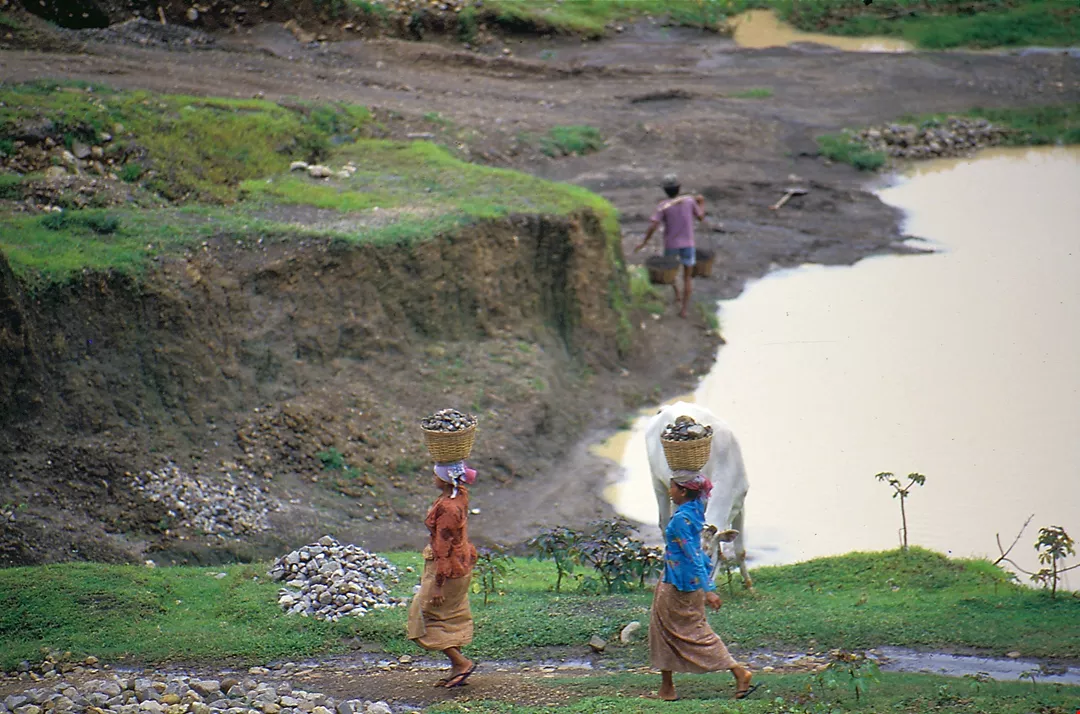
Indonesia, a nation with a tropical character and wondrous natural scenery, is not only a great place for tourists, it is also a market for which businesses from various countries are intensely competing. —“A Passage to Indonesia” (April 1987)
(MOFA file photo)

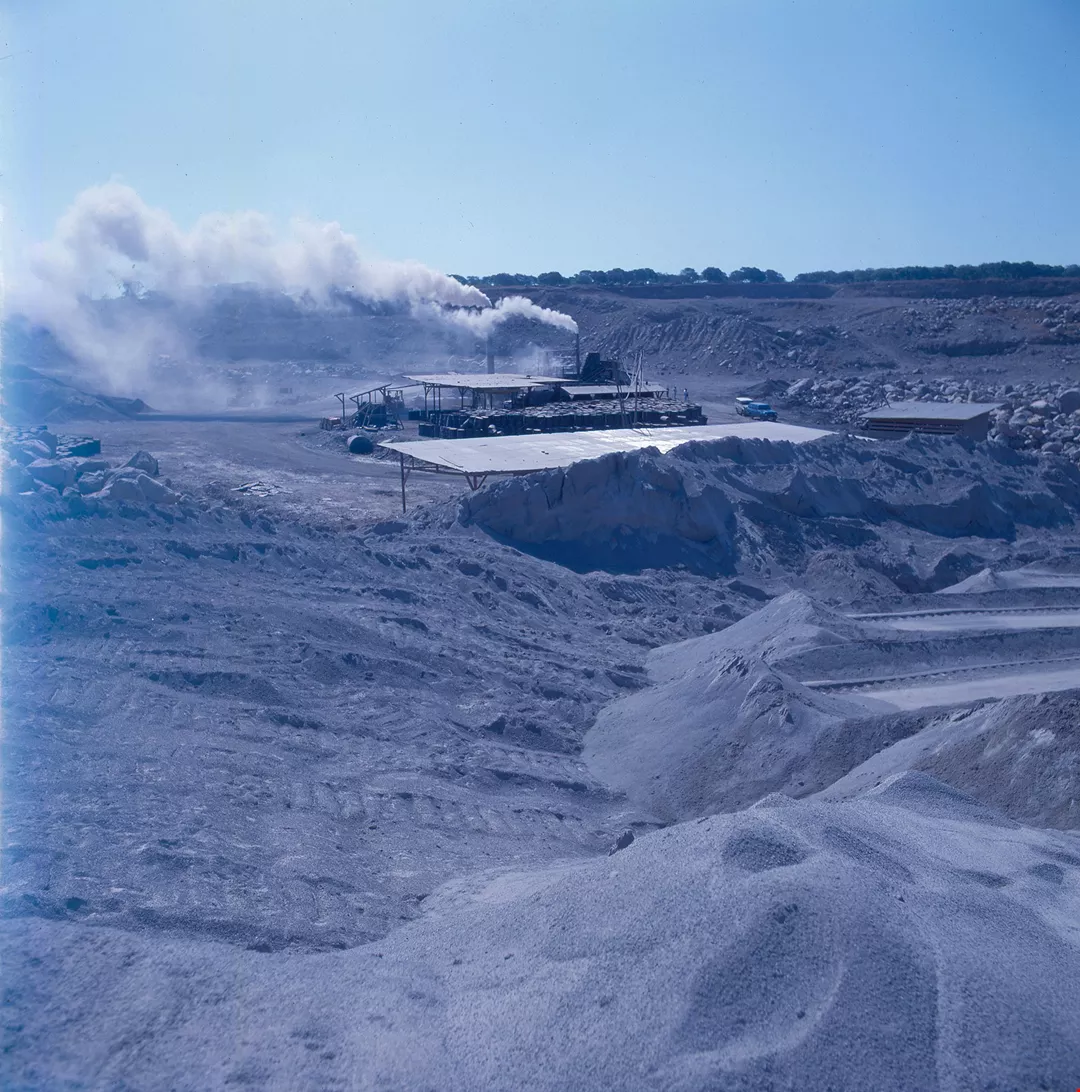
Overseas projects of the Retired Servicemen’s Engineering Agency usually included large-scale materials processing areas. The photo shows a highway construction site in Surabaya, Indonesia. —“A Passage to Indonesia” (April 1987)(MOFA file photo)
Reporting Southeast Asia over 50 years
The earliest story about Southeast Asia to appear in Taiwan Panorama, “A Passage to Indonesia,” was in the April 1987 issue. It was about the construction of Indonesia’s first cold-rolled steel mill by China Steel Corporation and the Retired Servicemen’s Engineering Agency. At the time this was one of the most advanced technologies to be exported from Taiwan.
The 1970s and 1980s were a period of rapid economic development in Taiwan. Citizens paid close attention to the quality of technology exported overseas, and took great pride in it. Economics became one of the main themes of our articles about Southeast Asia in that era.
Another report from the 1980s related to Southeast Asia was focused on Chinese-language literature. At that time, Chinese literature from Southeast Asia was impacted by two big factors: One was the vernacular writing movement of the May 4th Movement, and the other was inspiration from Taiwanese literature in the mid-1980s. This wave of creativity in Taiwan could be traced back to the 1950s and 1960s, with the rise of modernism and the later founding of publications such as Modern Literature, Theater Quarterly, and Renjian, as well as the Fifth Moon Group, which together energized all fields of the arts on the island.
In the 1990s, the subject matter of articles related to Southeast Asia grew more diverse. They included “Malaysian Husbands, Taiwan Wives” (March 1990), “Singapore’s Promoting Chinese Campaign Shifts into High Gear” (December 1991), and “Taiwan’s Business People in Southeast Asia Talk about the Crisis” (March 1998). Topics shifted from economics and literature to transnational marriage and education. But Taiwan Panorama’s perspective at that time was still that of looking outward to see how different countries and cultures dealt with the issues that they faced.
In the 21st century, the magazine began exploring the lives of “new immigrants” from the region to Taiwan. In this period reports have included “Brides Forever? Taiwan’s Southeast-Asian Daughters-in-Law,” “From Adversity to Excellence: Yen Yung-chuan’s Story” (about the son of a separated Taiwanese‡Filipina couple who won a Presidential Education Award at age 12 in 2005), “Chinese New Year for Immigrant Brides in Taiwan,” and “Exotic Hometown Flavors Thrive in Taiwan” (about Southeast-Asian cuisine on the island). The reports became more in-depth and diverse during this period when Taiwan society was experiencing the mutual accommodation and understanding of different ethnic groups.

The Talent Child Education Center was the starting point for Hsu Hsiu-hua to go into business in Malaysia. —“Malaysian Husbands, Taiwan Wives” (March 1990)(photo by Huang Li-li)

In the 1990s, the cultural heritage of calligraphy was becoming increasingly remote from the lives of most Singaporeans. —“Singapore’s Promoting Chinese Campaign Shifts into High Gear” (December 1991)(photo by Diago Chiu)
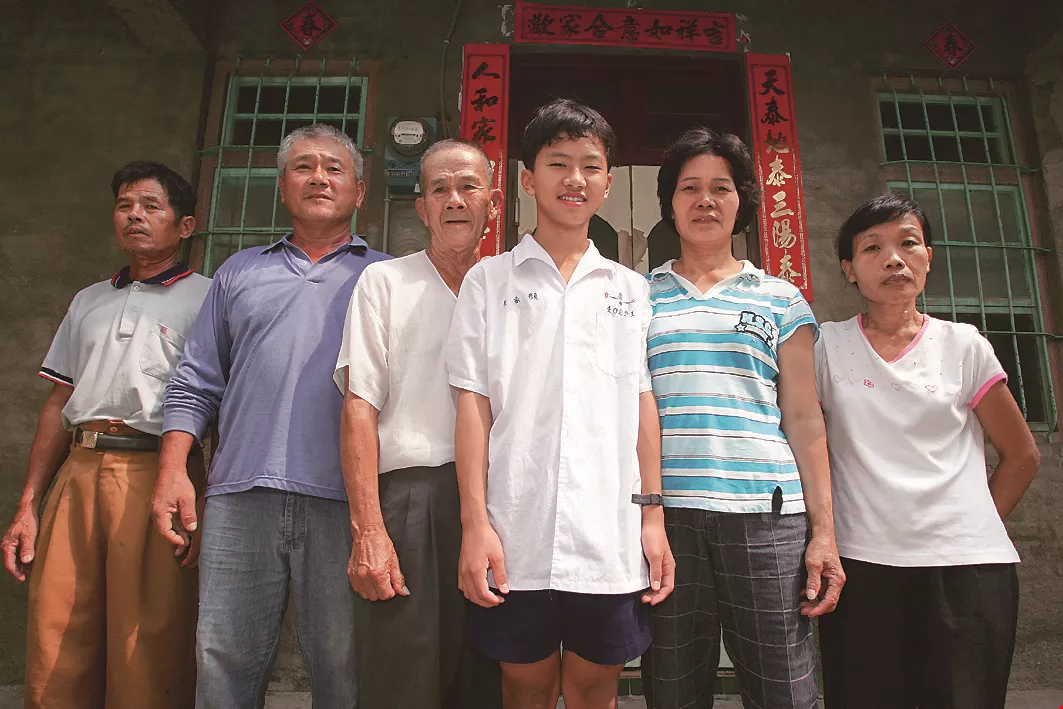
The child of a separated Taiwanese–Filipina couple, Yen Yung-chuan grew up optimistic and confident thanks to the love of his extended family. —“From Adversity to Excellence: Yen Yung-chuan’s Story” (December 2005) (photo by Jimmy Lin)
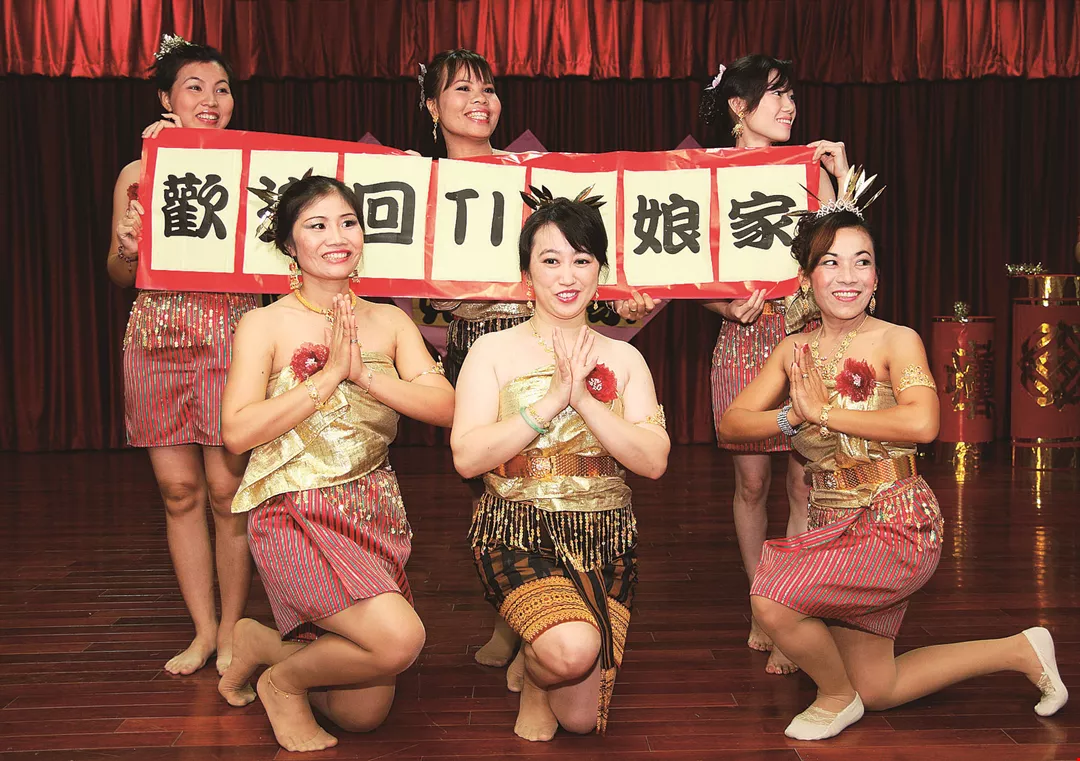
To enable immigrant brides from Southeast Asia to enjoy the warmth of the Lunar New Year custom of wives returning to their parents’ homes, the Taiwan International Family Association held a special series of performance activities to help them share their feelings about being separated from their birth families. —“Chinese New Year for Immigrant Brides in Taiwan” (February 2011)(photo by Lan Chun-hsiao)
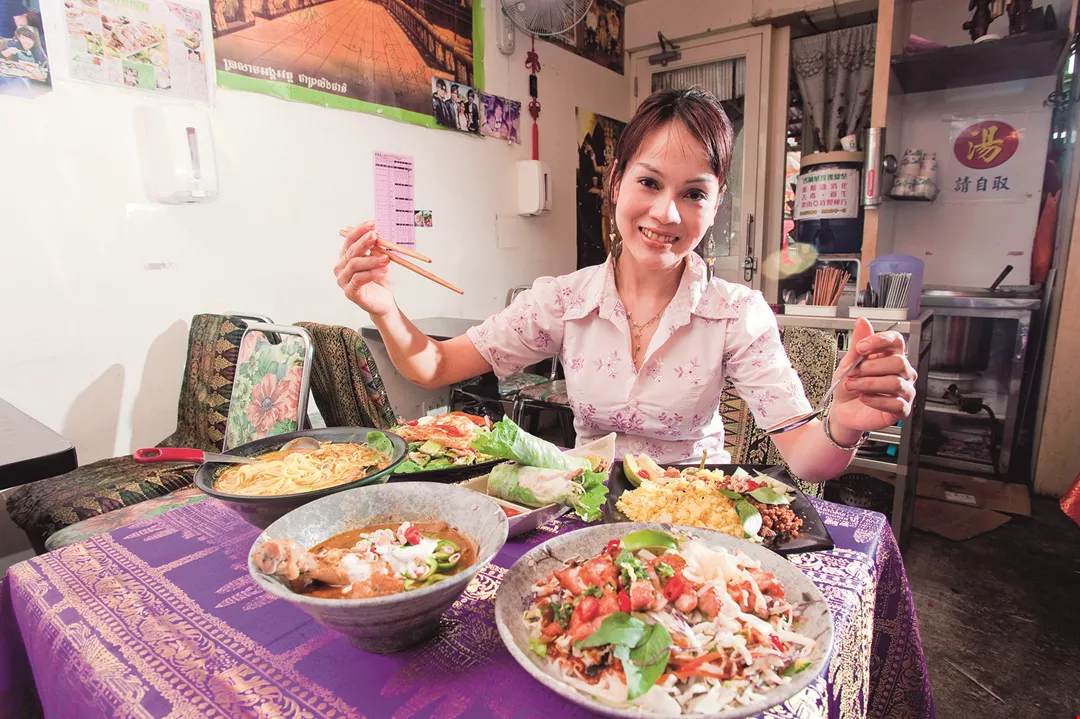
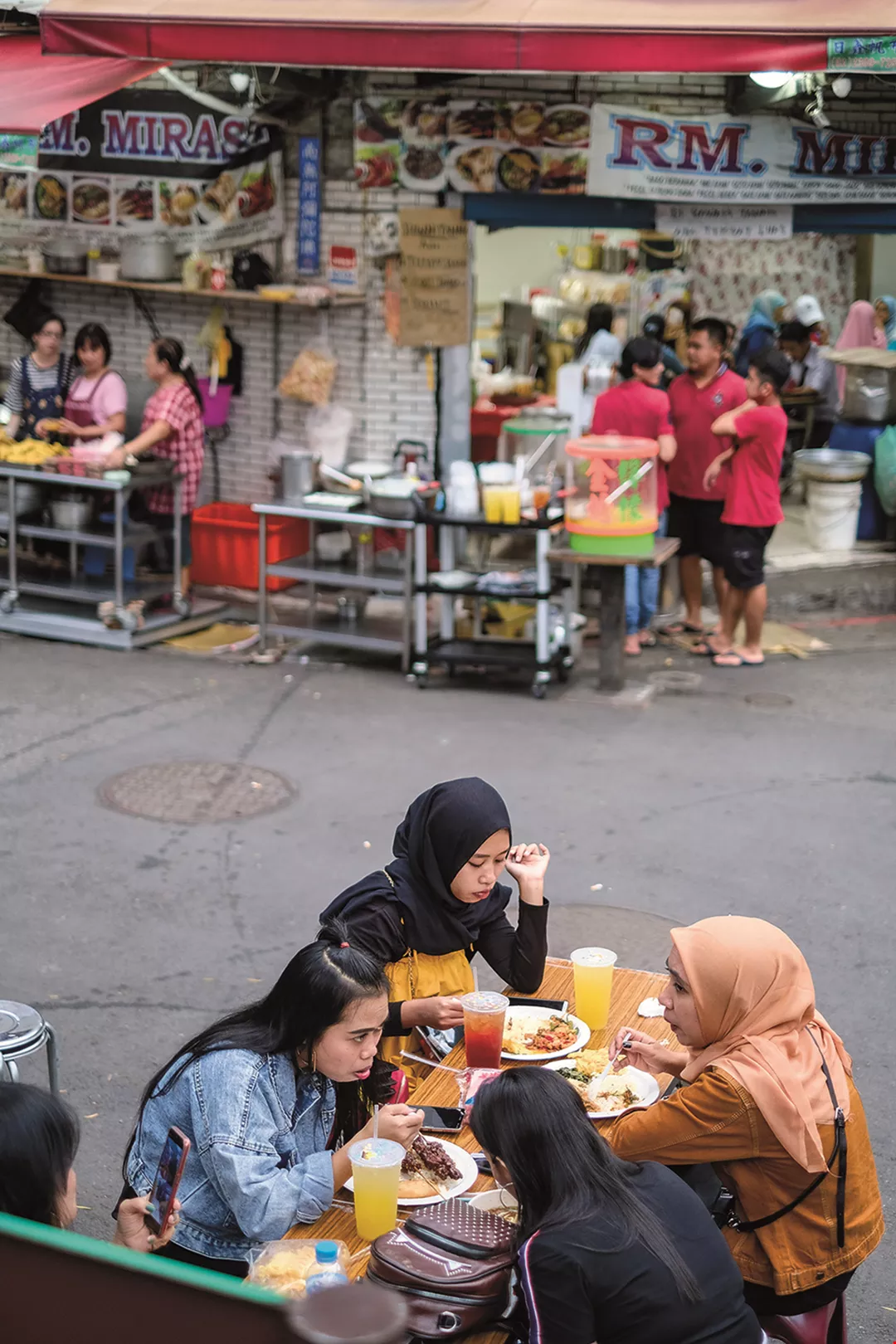
Southeast-Asian cuisine includes sweet, sour, spicy and aromatic flavors and uses lots of fresh vegetables, stimulating the appetite and keeping diners healthy. —“Exotic Hometown Flavors Thrive in Taiwan” (May 2012)

Southeast-Asian language editions
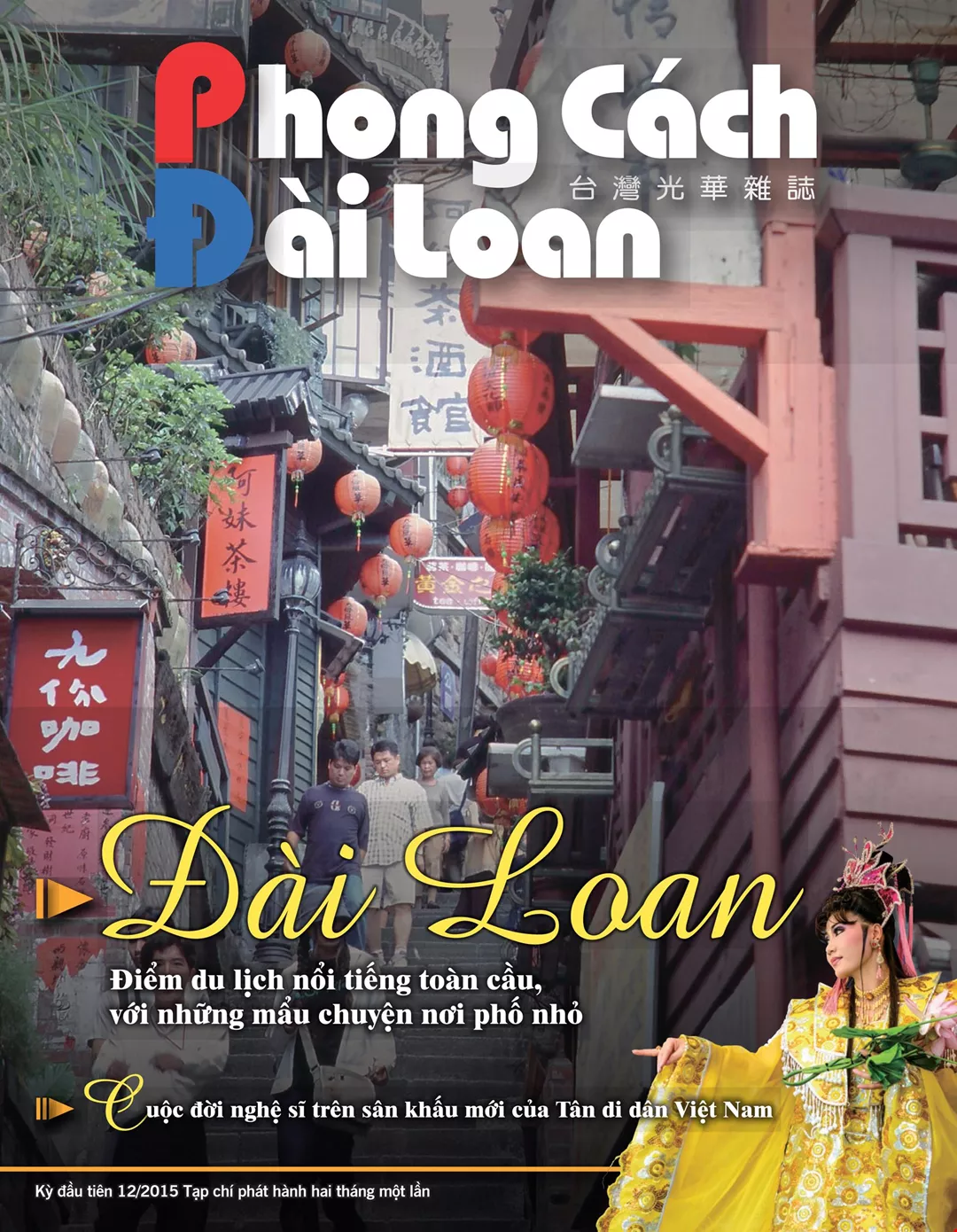
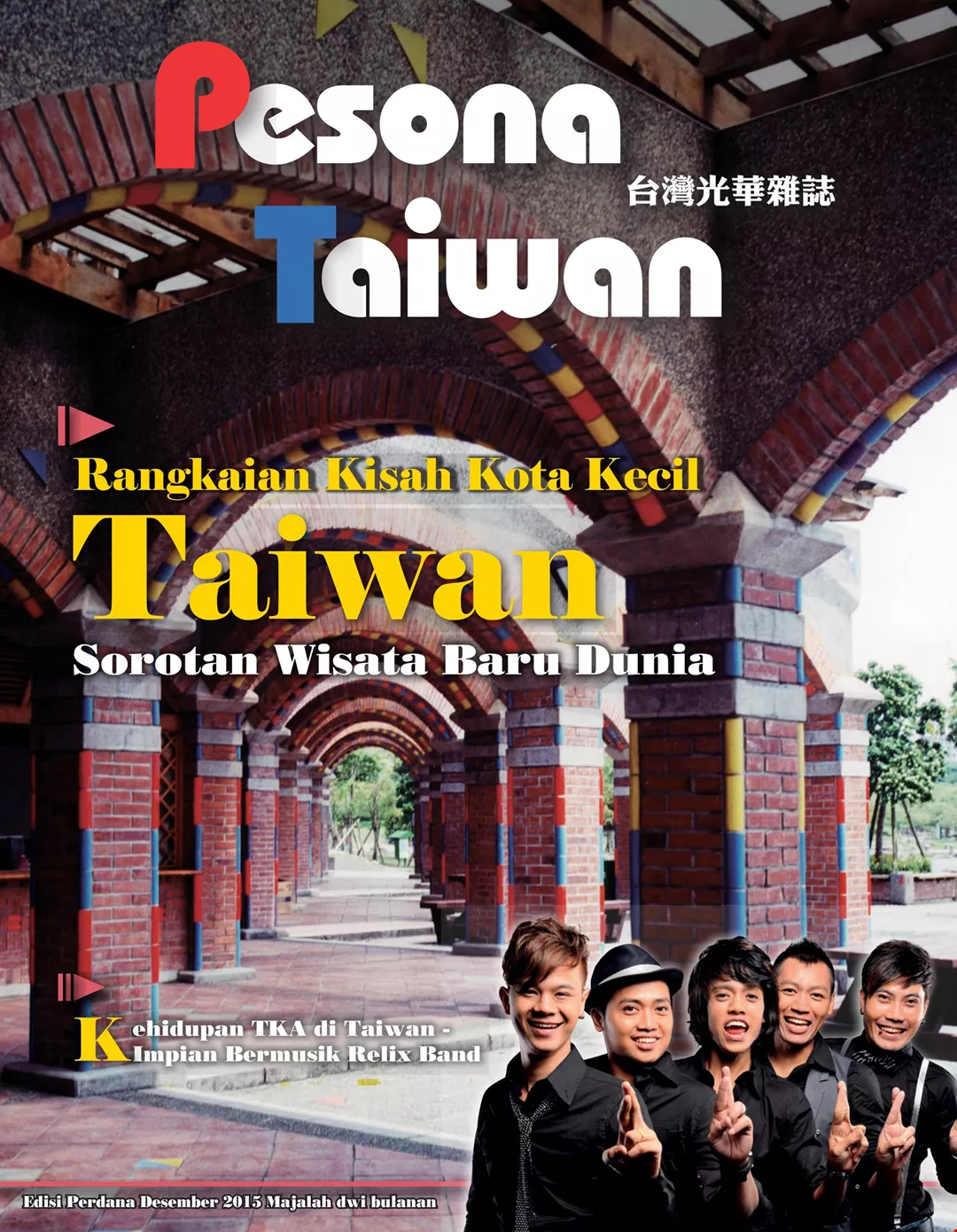
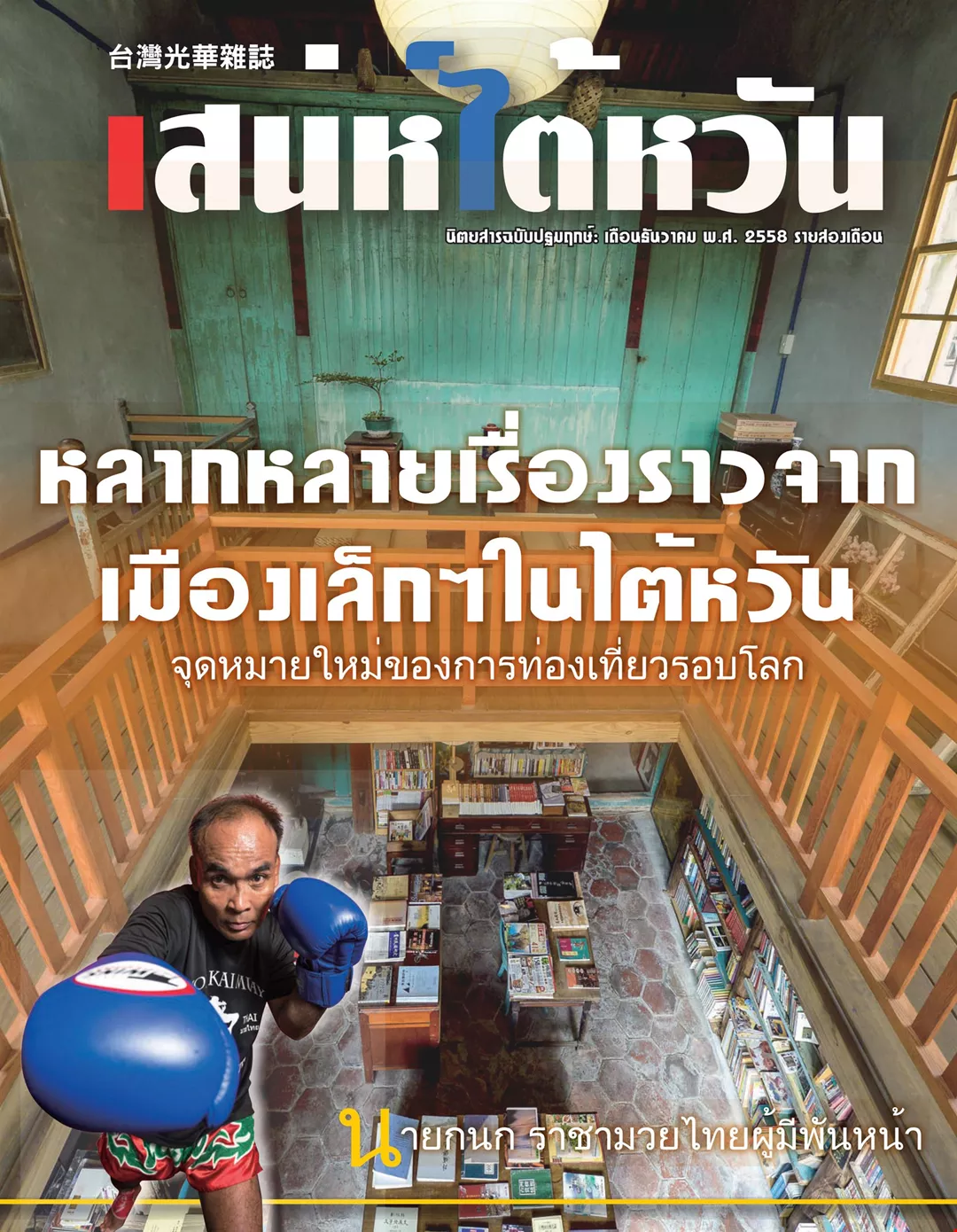
In December of 2015, in response to Taiwan’s New Southbound Policy, Taiwan Panorama launched new bimonthly editions in three Southeast-Asian languages: Vietnamese, Thai, and Indonesian. Besides reporting on Southeast-Asian success stories of Taiwanese enterprises, they also look at the lives of Southeast-Asian migrant workers and long-term immigrants in Taiwan. Examples include “Rainbow Land Writers—Indonesia’s Forum Lingkar Pena Shines in Taiwan” and “Basking in Sunshine after Rain—Videographer Nguyen Kim Hong.”
Interestingly, in this period the perspective of our reporting began to shift from “Taiwan looking at Southeast Asia” to “this is a Taiwanese story” and then to “these communities are components of Taiwan’s ethnic diversity.” These transitions are closely connected to Southeast-Asian immigrants sense of identity, including their sense of their own value, and their recognition and acceptance by Taiwanese society.

In December 2015, Taiwan Panorama inaugurated Southeast-Asian language editions. The Cover Story of their first issue was “The Irrepressible Charm of Taiwan’s Small Towns.” The photos show, from left to right, the Thai, Vietnamese and Indonesian editions.


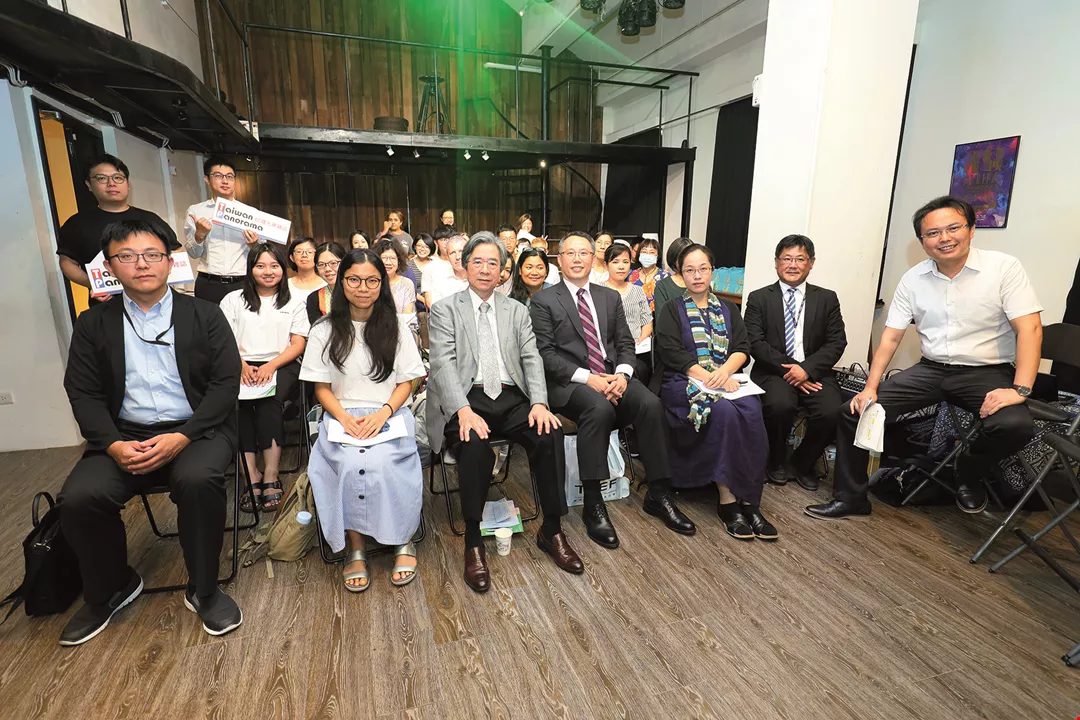
The Taiwan Panorama Forum: New Southbound Cultural Salon showcased how Southeast-Asian immigrants have enriched Taiwan’s cultural diversity and vitality. —“Taiwan Panorama Forum: New Southbound Cultural Salon” (October 2020) (photo by Jimmy Lin)
A heartfelt cultural mission
In Taiwan, different ethnic groups are working together to build a better future. One example is Indonesian-born Overseas Chinese Antonius Sunarto, who as host of a show on Radio Taiwan International dealt with problems at work and in life for Indonesian migrant workers. In terms of food, there is a whole cultural background to every recipe, and Taiwanese cooking embraces indigenous, immigrant, and colonial influences, forming a distinctively Taiwanese cuisine.
Amid the annual crowds that flood the metro system each New Year’s Eve, you will see many Southeast-Asian migrant workers acting as volunteers. No matter where they come from, people are steadily building attachment to Taiwan and social cohesion. We believe that through the power of the written word differences can gradually be bridged. This is the profound motivation and core principle that Taiwan Panorama has embraced in its many years of reporting on Southeast-Asian issues.

On “Indonesia Street” behind the Cosmos Hotel Taipei, one can find many shops open on Sunday, selling authentic Indonesian sweets and food. —“Station to Station—Encounters with Southeast-Asian Cultures” (November 2019)
.jpg?w=1080&mode=crop&format=webp&quality=80)
Southeast-Asian food vendors help relieve immigrants’ homesickness. —“Tropical Bounty—Exploring Southeast-Asian Food at ASEAN Square” (November 2019) (photo by Lin Min-hsuan)
.jpg?w=1080&mode=crop&format=webp&quality=80)
To help deal with the waves of passengers who take public transport on New Year’s Eve, foreign volunteers enthusiastically guide their compatriots. —“Serving Their Home Away from Home: Southeast-Asian Volunteers in Taiwan” (May 2020)
(photo by Lin Min-hsuan)

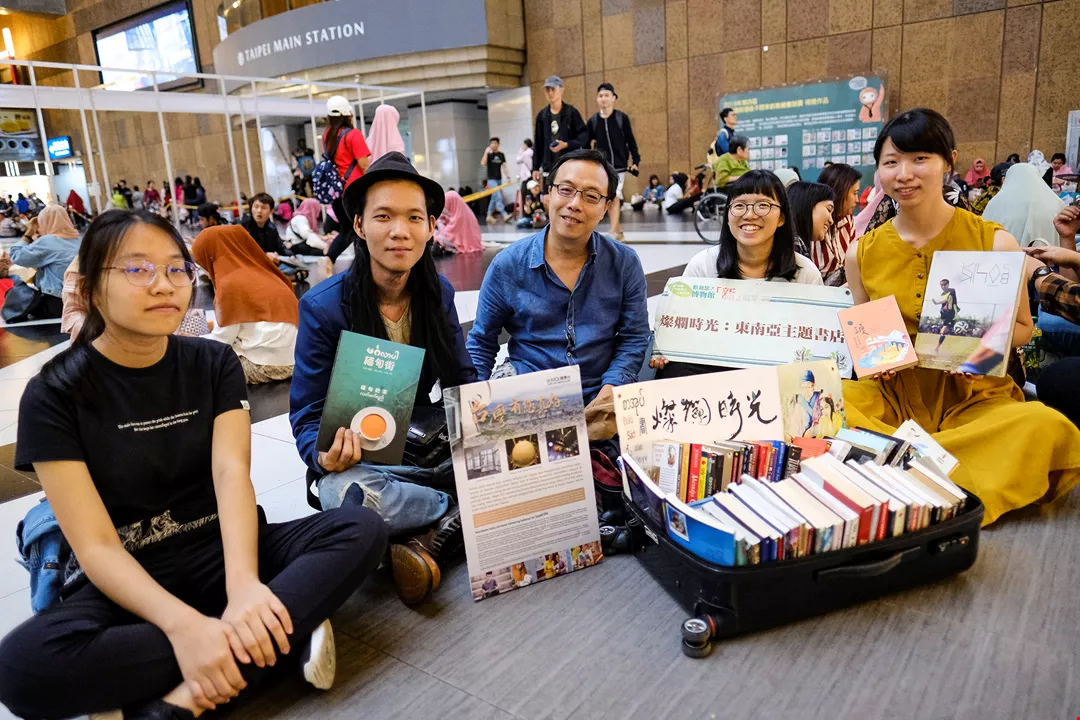
The “floor library” of the Brilliant Time Bookstore opens promptly at 1 p.m. on Sundays. Only lending but not selling books, it aims to give migrant workers and long-term immigrants far from home a sense of freedom through reading. —“Station to Station—Encounters with Southeast-Asian Cultures” (November 2019)