

Tunghai University's campus is located in central Taiwan on a hill overlooking Taichung. Its campus covers 340 acres of beautiful land covered with trees and wide open lawns. Since the university was established in 1955 it has gained the reputation of having the most beautiful campus in the Republic of China and all those who have visited there would have to agree.
The main road leading into the campus is lined with phoenix trees and is like a forest road. Soon the woods open up to reveal classically elegant Chinese style classrooms which are on either side.
Besides the campus, the principles on which the school was founded and traditions it has established over the years are highly regarded. Through the support of its students, alumni, and friends, Tunghai has been able to continue to progress. The school has gone through changes since its establishment, but its unique qualities have remained the same.
Tunghai was the first private university in Taiwan, and it was also the first Christian university. Before the Communists overran the mainland there were thirteen Christian institutions of higher learning in China. But after 1949 their funds were confiscated and they were all forced to shut down. Christian leaders in the ROC asked the United Board for Christian Higher Education in Asia for help in establishing a new school in Taiwan to continue the work of Christian education in China.
In 1953 Dr. Han Li-wu was asked to begin planning for the school after the Board agreed to allocate funds for Tunghai's development. According to the plans drawn up by the Board, Tunghai was not to be a school transferred from the mainland, but rather an entirely new school. Originally it was hoped to create a small school of 500 - 600 students where faculty and students lived together on campus. Tunghai was established with the intention of educating young adults to think for themselves and to be able to function within society. It was not to be an ivory tower but a school where students were very much aware of the culture they were living in. Tunghai was not only to teach professional skills but also to give students a broad perspective.
One of the first steps then, was the building of the campus. Anyone who has visited it will agree the campus lends itself well to the school's stated goals. The university has one of the few planned campus on the island as it was thought that the new concepts on which the school was founded should be matched by the school's facilities, thus creating the proper educational setting.
The man chosen for the job was the world famous architect, I. M. Pei. Working closely with Pei on the project was C. K. Chen. Their concept was to build a school which reflected both Chinese culture and the school's aims. Therefore they chose Tang Dynasty architectural styles as their model for buildings while centering the campus around Pei's beautiful Luce Chapel rather than the library as in most schools. Dorms, faculty housing, and classrooms were spread out around the site so as to give the school a feeling of home and community.
Tunghai was originally conceived as a small school, dependent on church and community support. However, when church funding was cut the school was forced for financial reasons to expand its size. Currently there are a total of over 8,000 students enrolled in the university's six colleges and 26 departments. Despite this change, the fundamentals upon which the school was founded, general education, student labor, and spiritual development, have never changed.
General education and the student labor program are the twin foundations of the education system at Tunghai University. These concepts make the university unique in the ROC. Students study the relationship between the sciences and the whole person. The Tunghai philosophy is that science is based on a cultural background. Also in the study of the humanities and social sciences it is important to avoid confining oneself in an ivory tower. Therefore the emphasis is on general education. This concept is also one of the tenets of Confucianism as Confucius said, "The gentleman is not a tool." Students are taught not just how to make a living but how to live, and all students are required to study philosophy, religion, literature, art, and other liberal arts courses. The result is that all Tunghai students leave with a well rounded, humanities oriented education.
The student labor program is required of all students. Any who do not take part in the program cannot graduate. The program is unique in Taiwan, campus clean up work is done by students as well as minor maintenance. Maintenance men are kept only for major repairs. The program was instituted 28 years ago by the school's first president, Tseng Yue-nung and has since become one of the school's excellent traditions.
The purpose of the program is to teach students the seriousness of work and the hardship of farming, thus instilling in them a respect for labor. It also teaches students the virtues of responsibility, promptness, industriousness, cooperation, sincerity, and service. All of these are values which the Tunghai students will carry with them the rest of their lives.
Every freshman student (including missionary students) must do four periods of work a week (a period is 50 minutes). Work details are broken down into classroom, dormitory, grounds, cafeteria, and rest divisions. Students rotate so that they will have done everything from polishing windows to cleaning gutters and bathrooms.
Tunghai also has a work-study program allied to the labor program. Most work at the school is done by students, from the guards at the gates, to the administrative personnel, to the librarians. Although the student work program is without financial remuneration, work-study students are paid by the hour, NT$30 (US$0.75), enough to help students solve financial problems.
The man who runs the student work program, Chang Kuang-fu, pointed out, "Besides work-study's educational meaning, it has economic value as well. Also, because students work in the administration, unconsciously they become emotionally attached to each other and the school. This strengthens Tunghai's unique feeling of community."
Another unique feature of the school is its open library stacks policy. All students can go into the library stacks to select the books they want. What is more, there is no limit to the number of books they may take out or the time they may borrow for. All new students are given a five hour library orientation to familiarize them with the library's workings.
Since its establishment in 1955, Tunghai University has seen many physical changes. Enrollment has increased from 500 to 8,000, new buildings have been constructed, and the old incandescent light bulbs have been replaced with new fluorescent fixtures. But still, the spirit on which the school was founded, a commitment to the development of the student's whole person, has never wavered. Truly, Tunghai University is unique among educational institutions in Taiwan.
[Picture Caption]
1. The Luce Chapel, designed by world famous architect, I. M. Pei, combines the beauties of Western and Chinese architecture while serving as a symbol of the spirit of Tunghai University. 2. The chapel's interior during a service. 3. The beautiful tree-covered campus is so large that it has its own bus service.
1. The university library is a popular place for study. 2. Another view of the library. 3. The Tunghai Lake is regarded by some as enhancing the beauty of the campus, while others say it adds nothing to the natural appearance of the grounds. 4. A newly graduated student strolls through the campus in her graduation gown. 5. Students majoring in livestock enjoy being with cattle. 6. Proof that "Spring is the season to read." 7. The campus on a misty morning.
1. Wood and brick construction; classical elegance. 2. The Tunghai reception center is in Chinese style. 3. In the past, all Tunghai's buildings were designed as spaciously as this one, but with the increase in enrollment, accommodation is more cramped. 4. Many of the school's lanes are tree lined. 5. An architecture student hard at work. 6. Tunghai is the first university in the nation to have a conference center equipped with a restaurant and rooms for returning alumni. 7. A room in the conference center.
1. Students refer to this part of campus as "the runway." 2,3. A contrast in styles; an old dormitory (left) and a new one (right). 4,6. As the seasons change so does the look of the campus. At different times of year, different flowers come into bloom, and trees shed their leaves for the winter. 5. Students clean up the campus in their spare time. 7. Posters hung on brick walls give a picture of campus activities.
1. The Chinese Opera Club in action. 2. Basketball at dawn, a great way to start the day. 3. Listening to music and reading in bed is a part of college life.
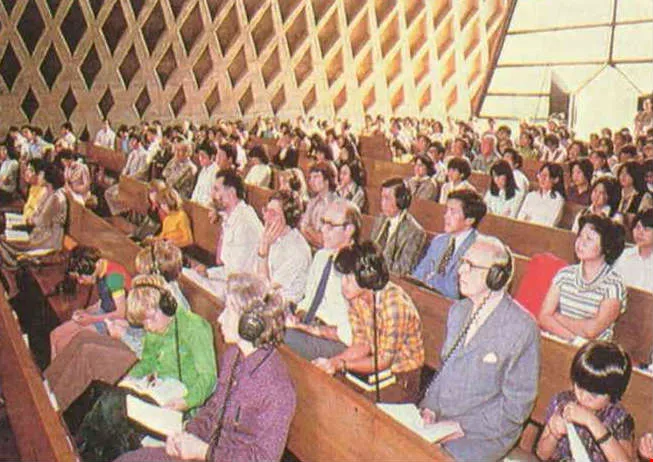
2. The chapel's interior during a service.
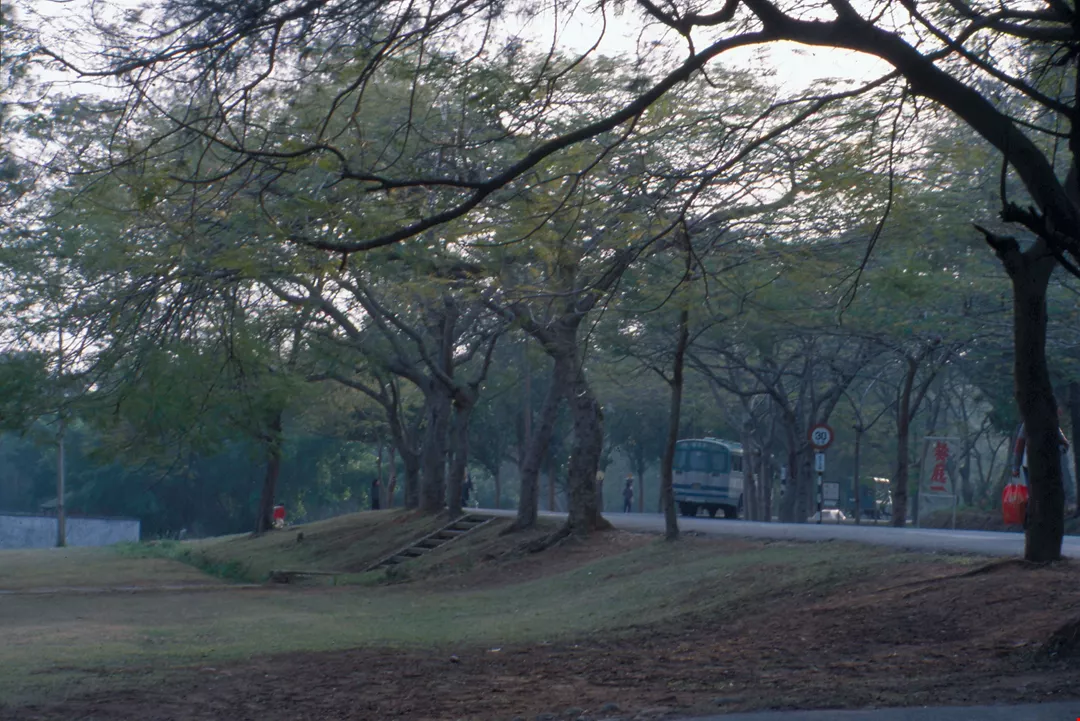
3. The beautiful tree-covered campus is so large that it has its own bus service.
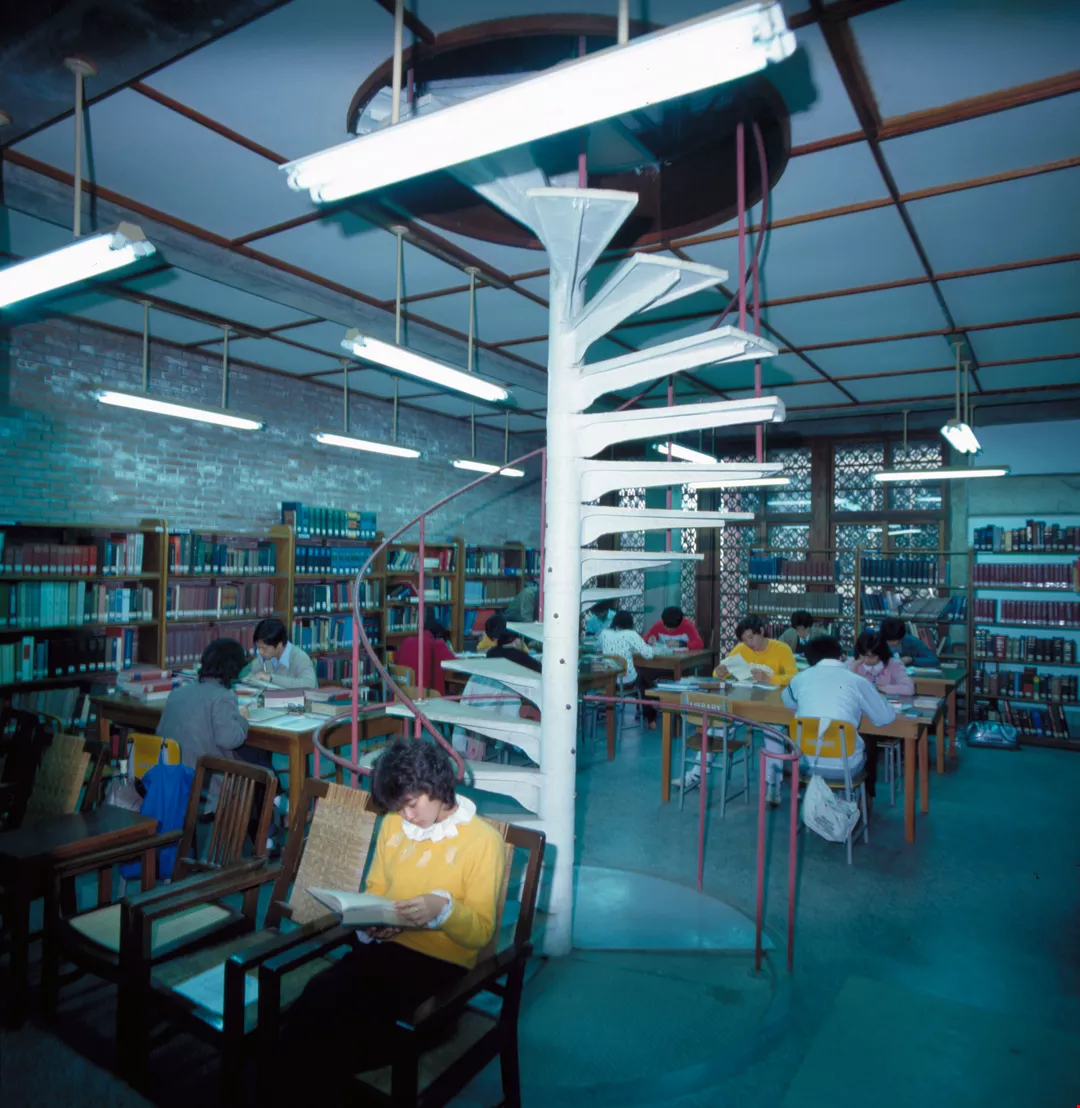
1. The university library is a popular place for study.
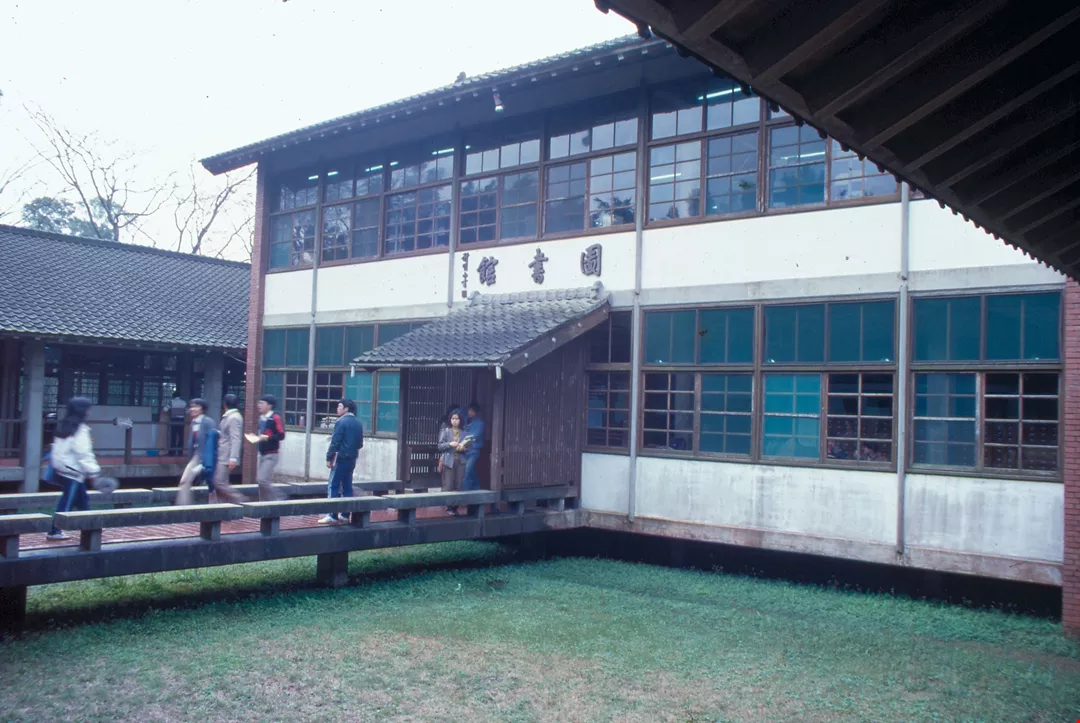
2. Another view of the library.
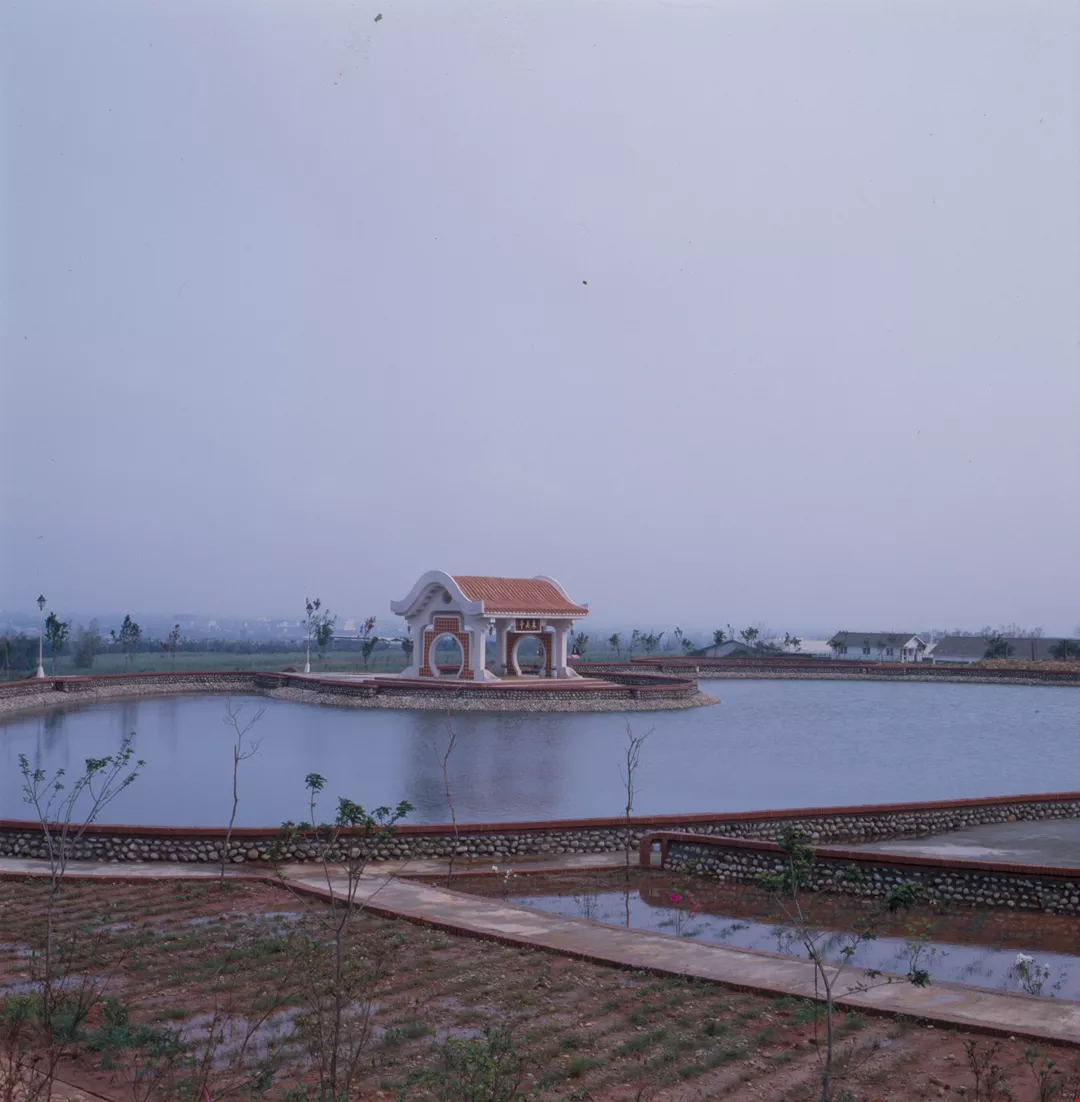
3. The Tunghai Lake is regarded by some as enhancing the beauty of the campus, while others say it adds nothing to the natural appearance of the grounds.
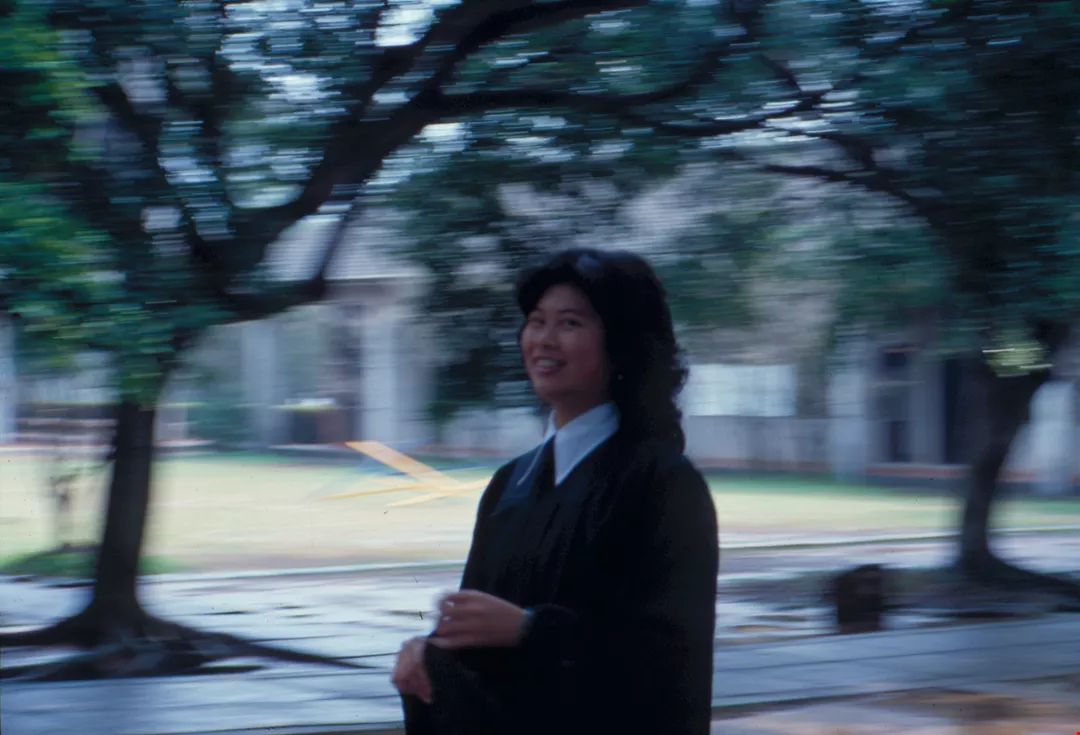
4. A newly graduated student strolls through the campus in her graduation gown.
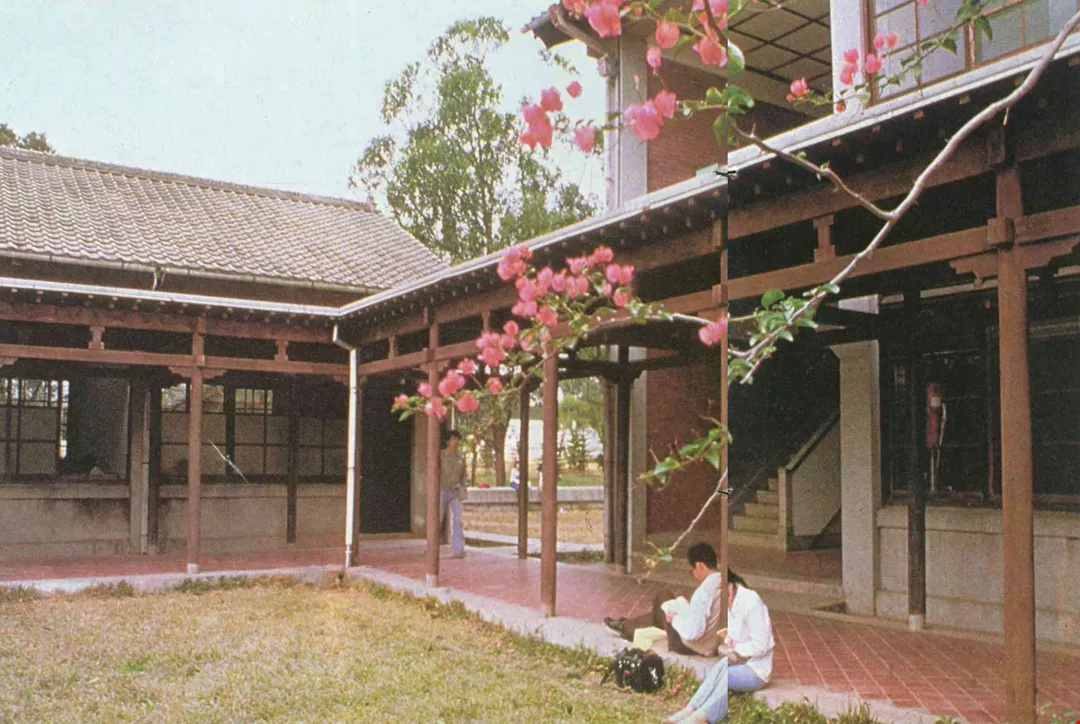
6. Proof that "Spring is the season to read.
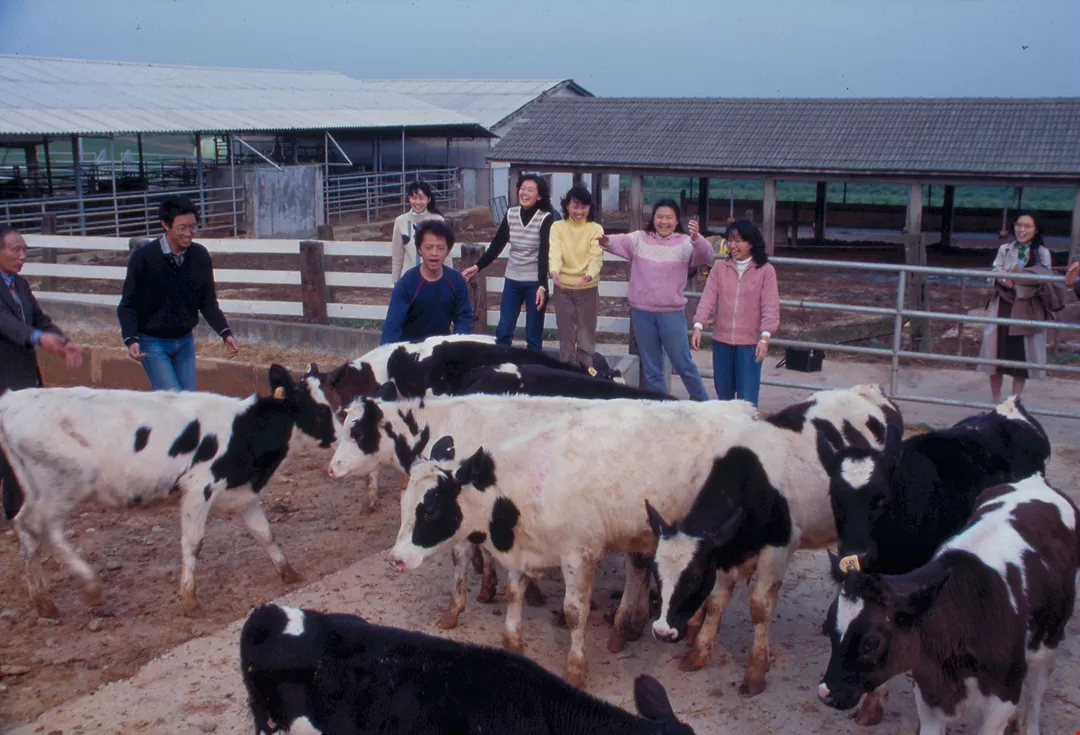
5. Students majoring in livestock enjoy being with cattle.
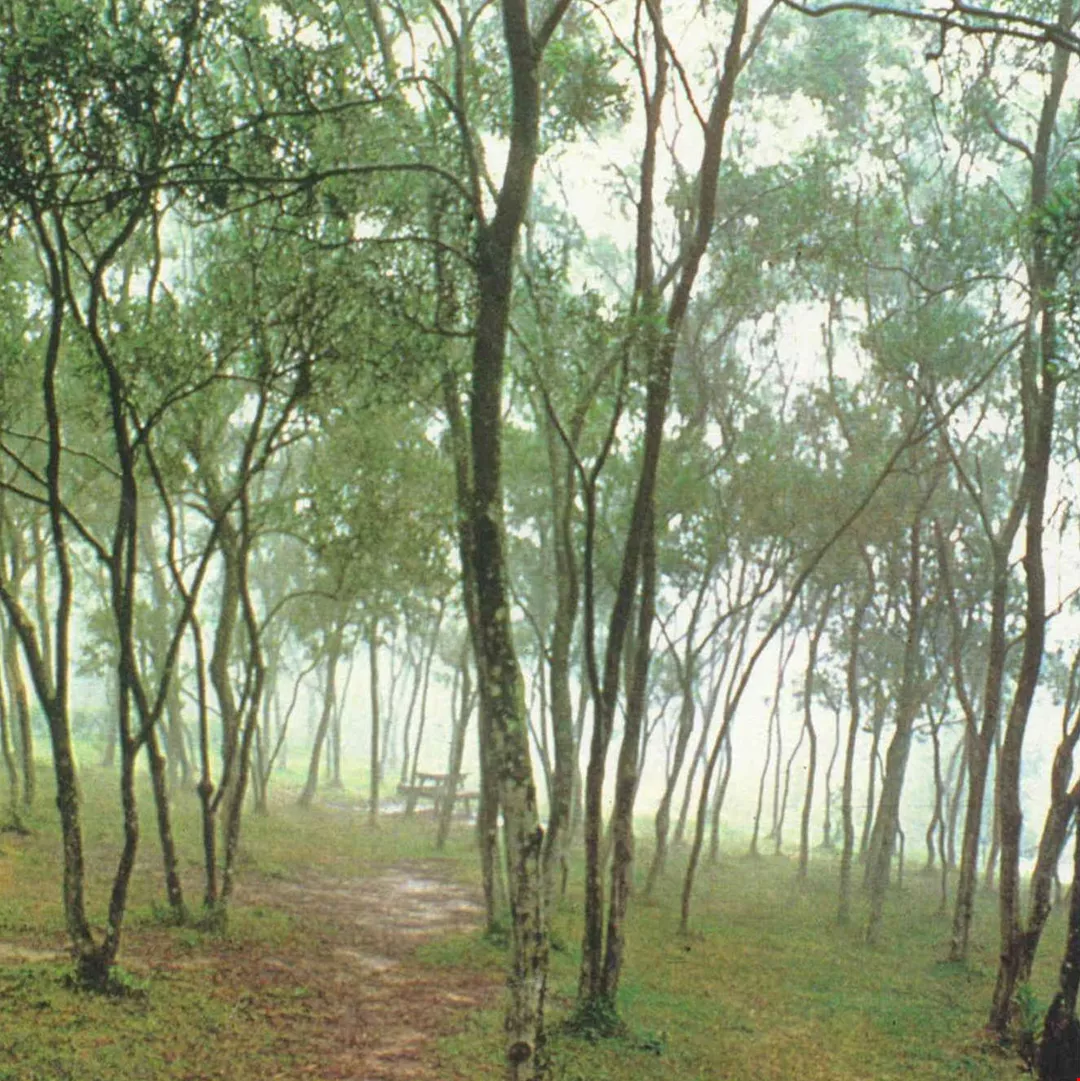
" 7. The campus on a misty morning.
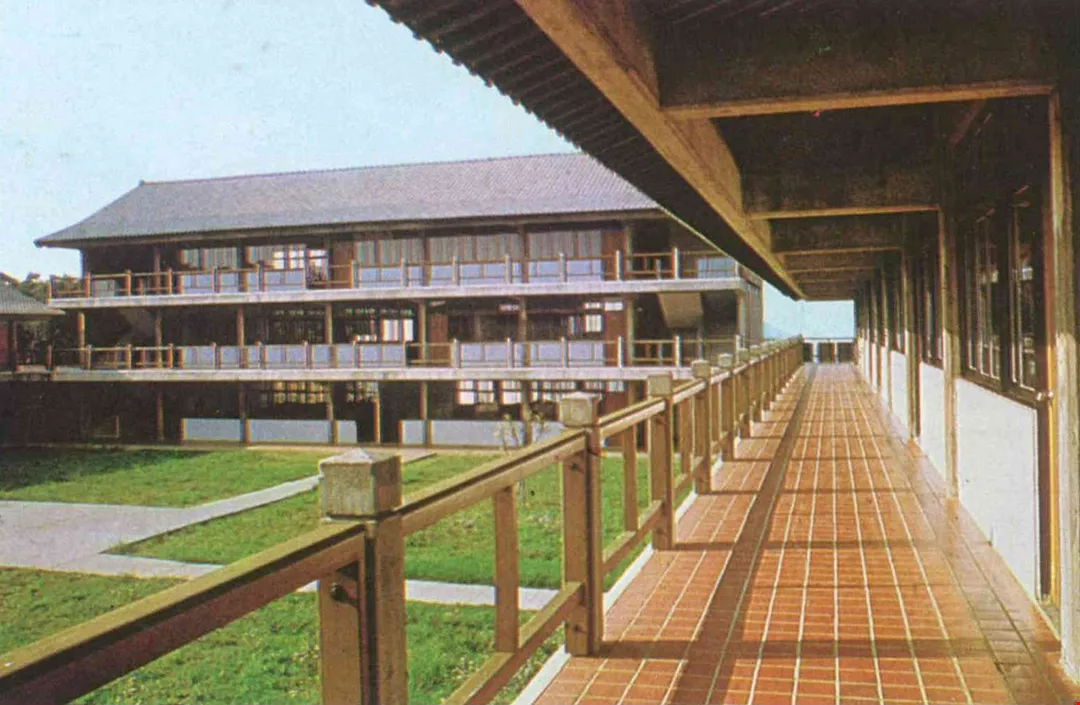
1. Wood and brick construction; classical elegance.
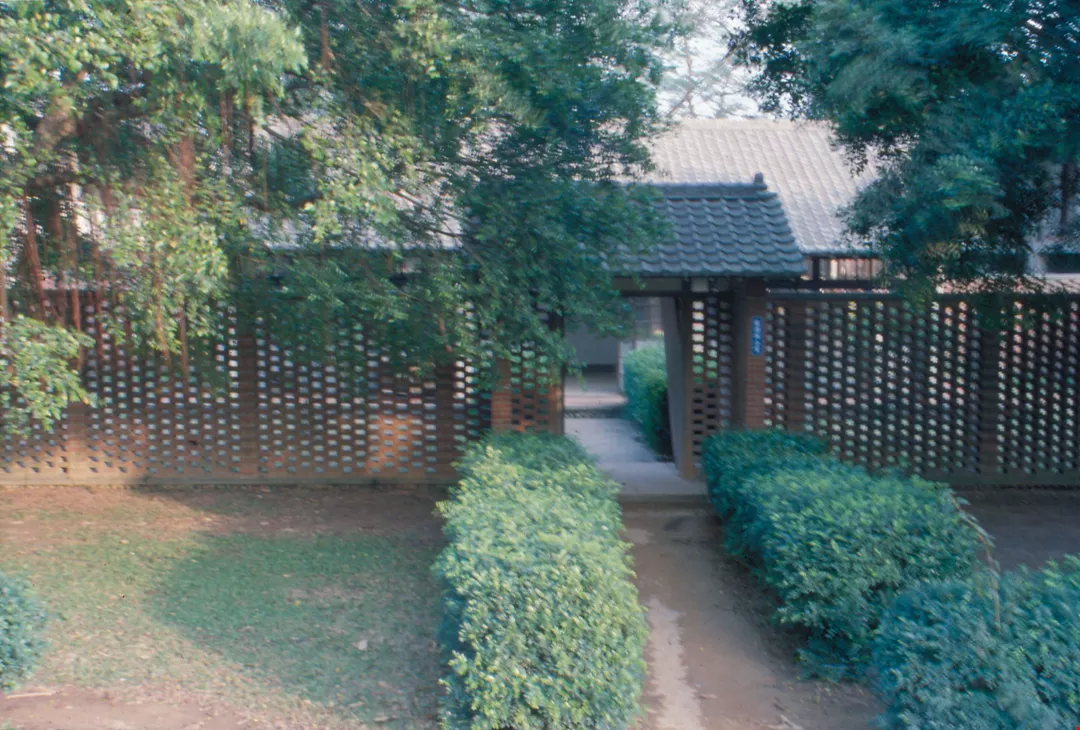
2. The Tunghai reception center is in Chinese style.
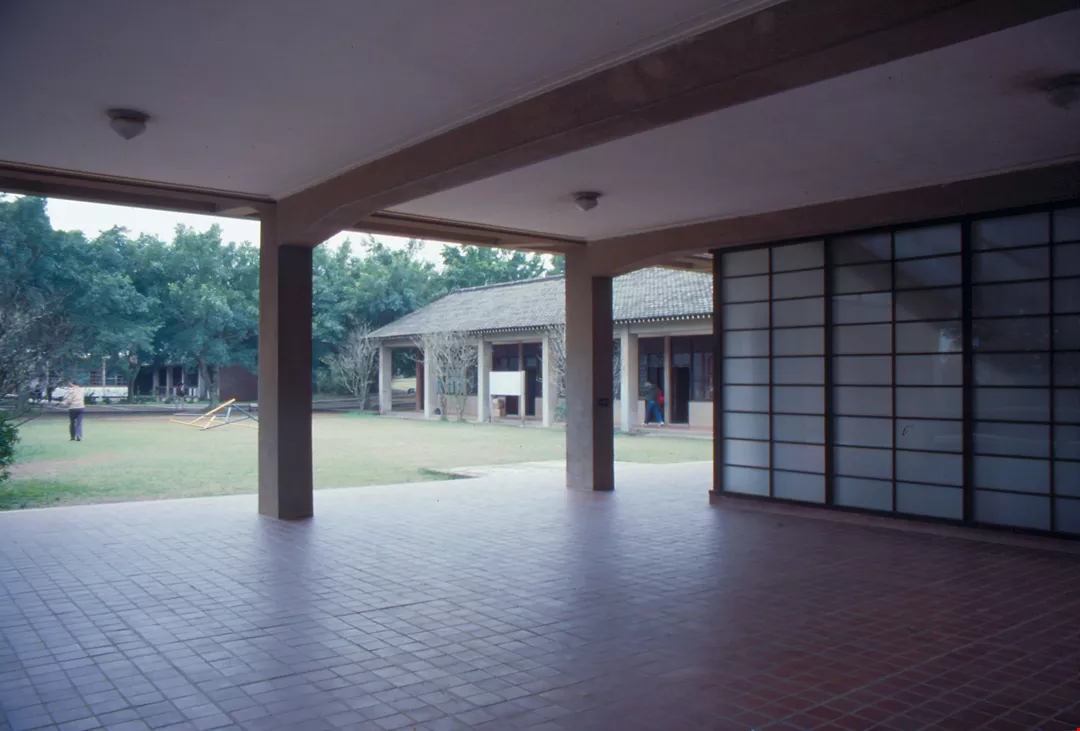
3. In the past, all Tunghai's buildings were designed as spaciously as this one, but with the increase in enrollment, accommodation is more cramped.
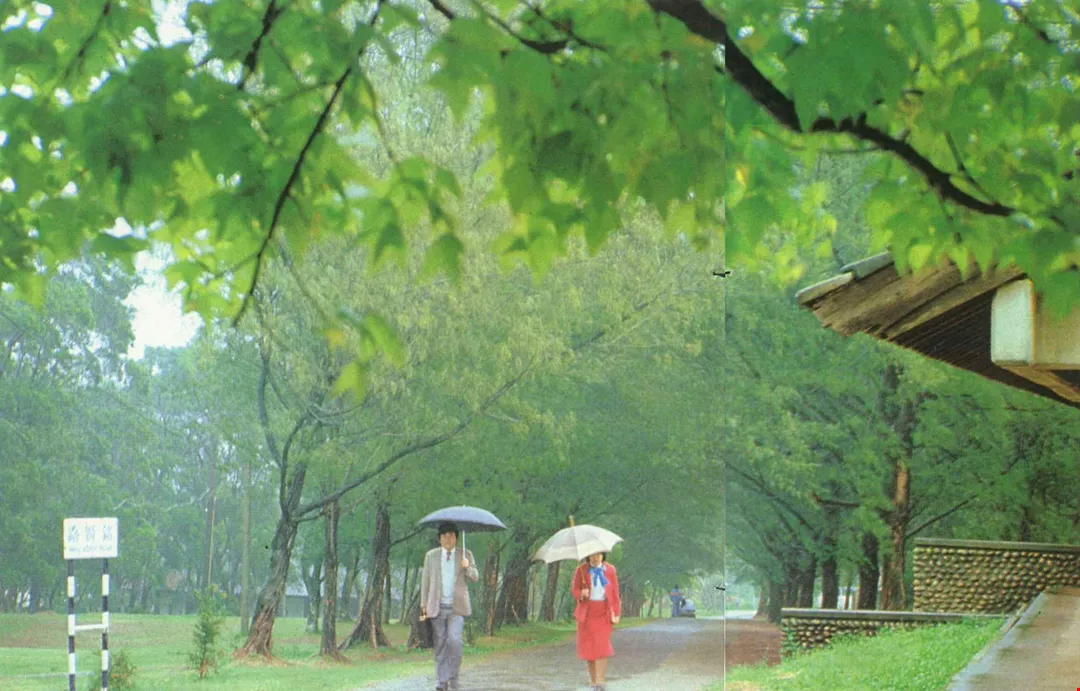
4. Many of the school's lanes are tree lined.
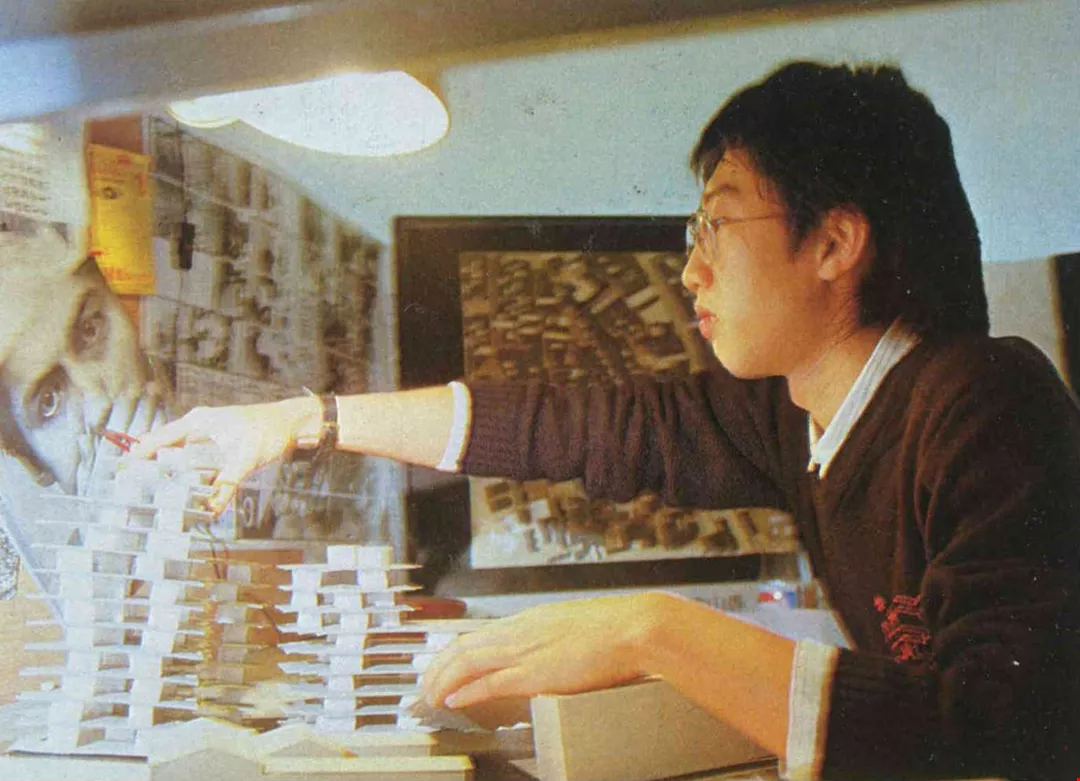
5. An architecture student hard at work.
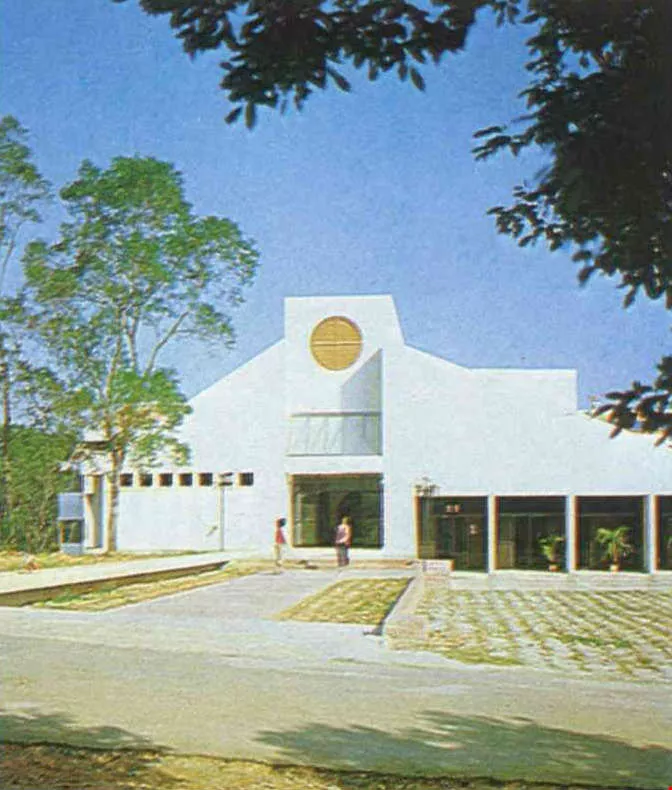
6. Tunghai is the first university in the nation to have a conference center equipped with a restaurant and rooms for returning alumni.
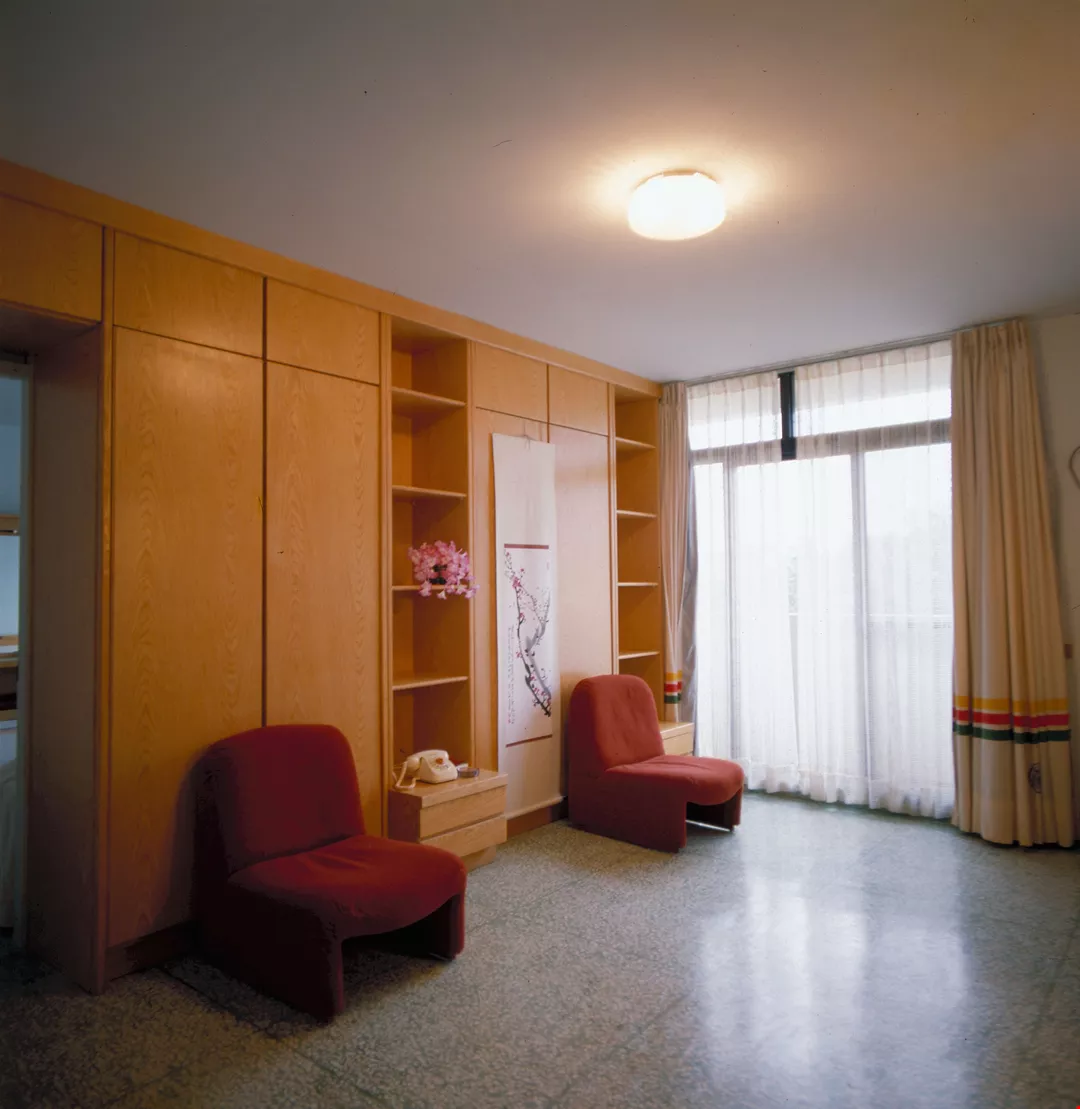
7. A room in the conference center.
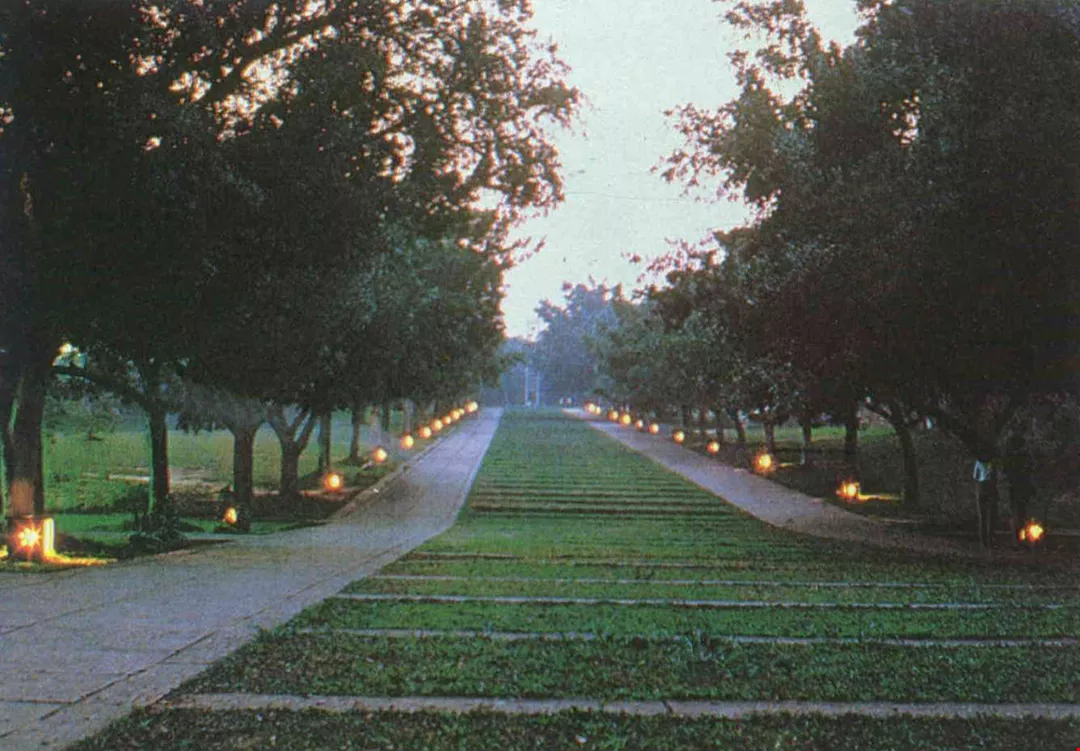
1. Students refer to this part of campus as "the runway.
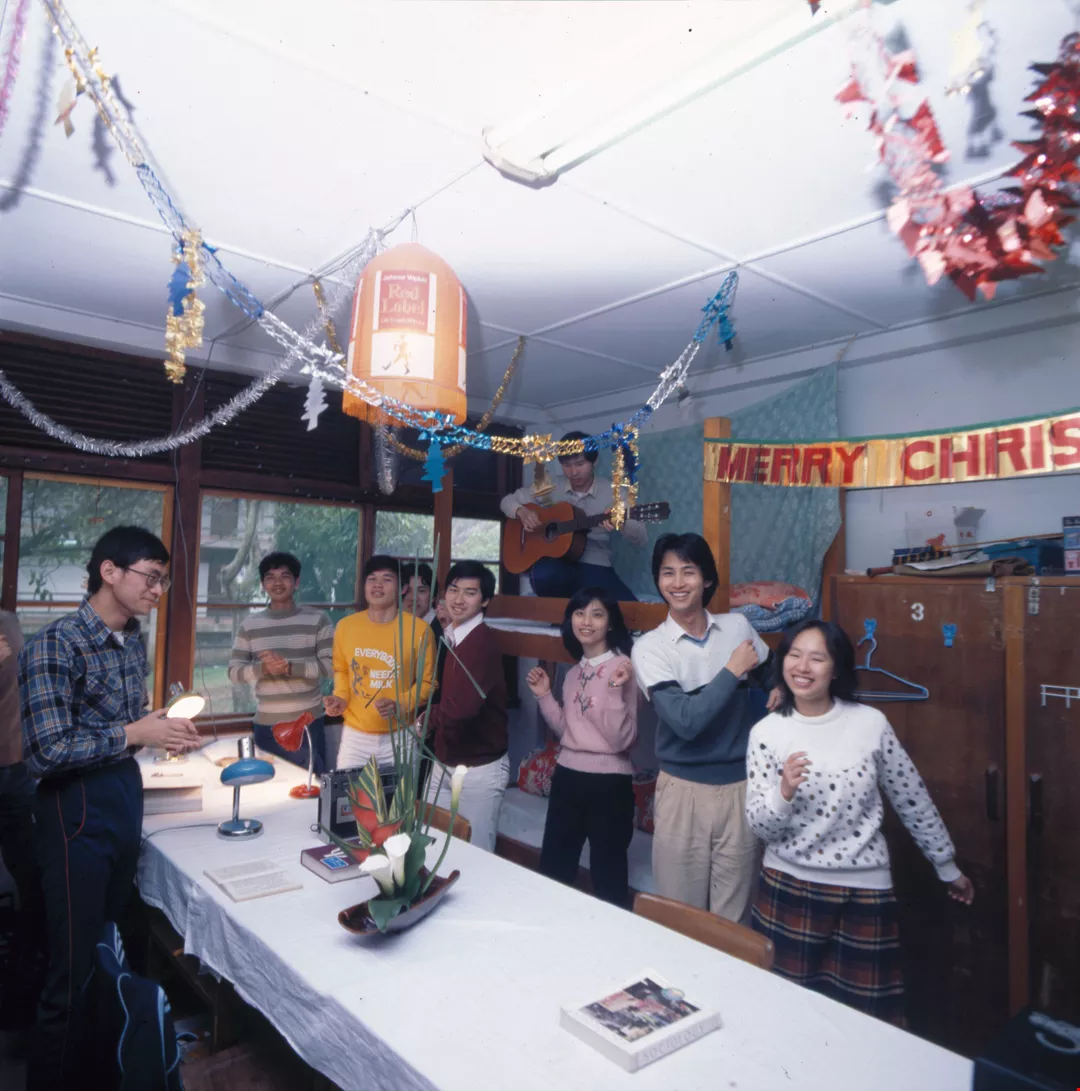
2,3. A contrast in styles; an old dormitory (left) and a new one (right)
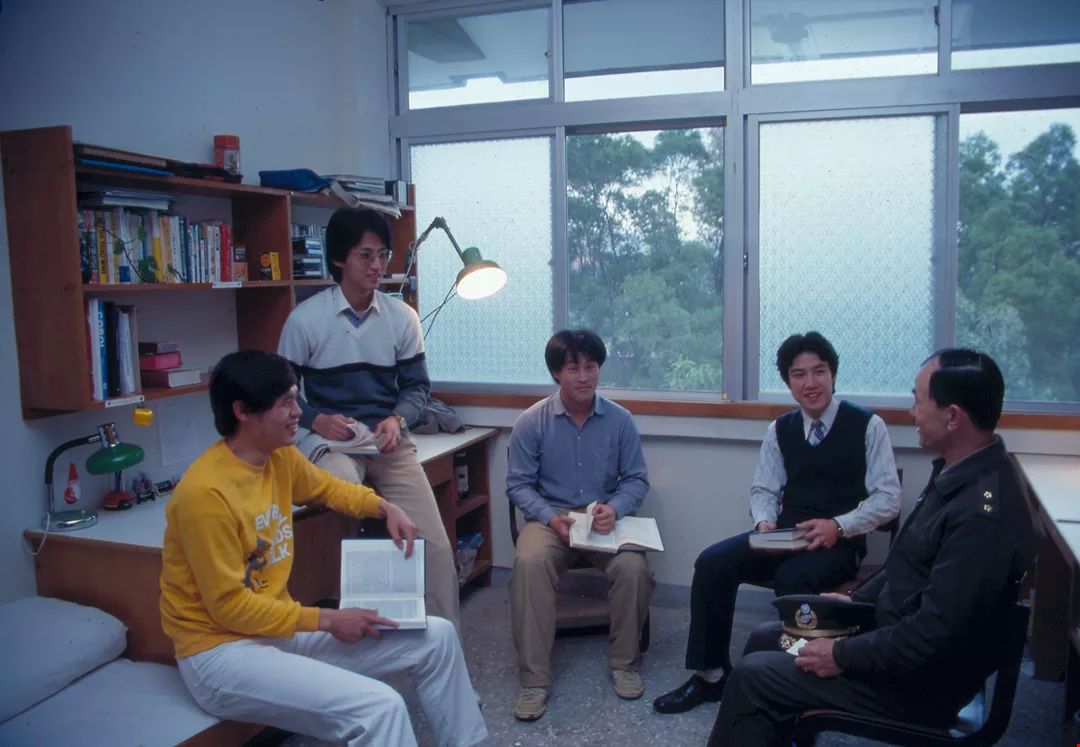
2,3. A contrast in styles; an old dormitory (left) and a new one (right)
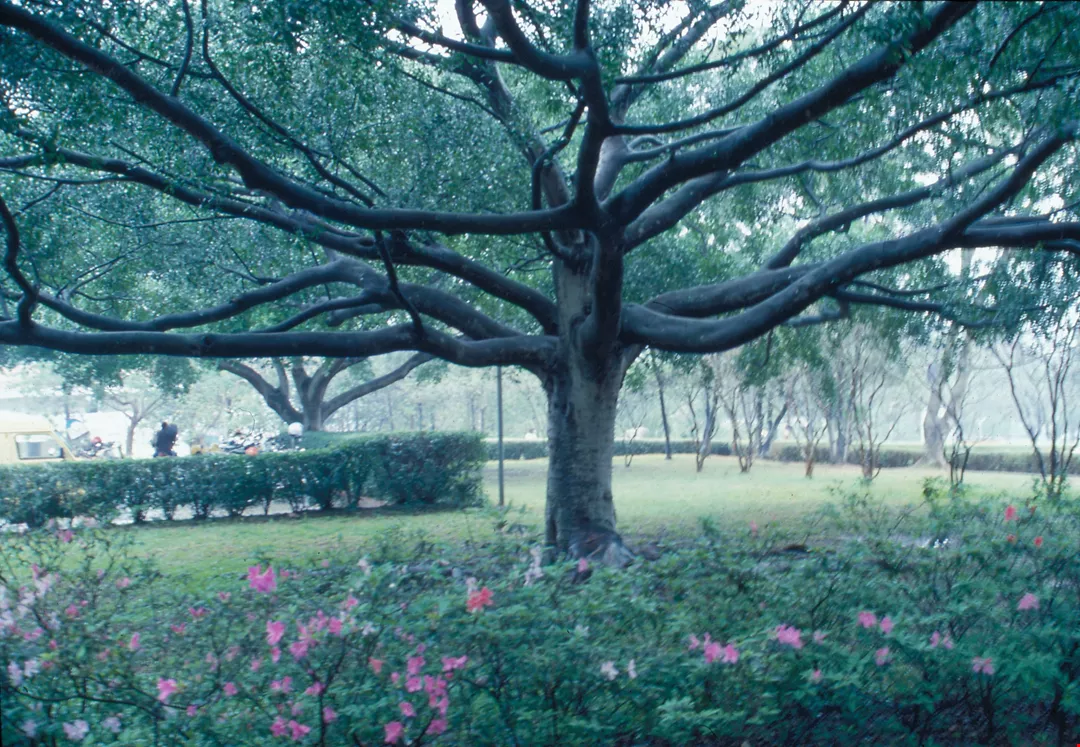
4,6. As the seasons change so does the look of the campus. At different times of year, different flowers come into bloom, and trees shed their leaves for the winter.
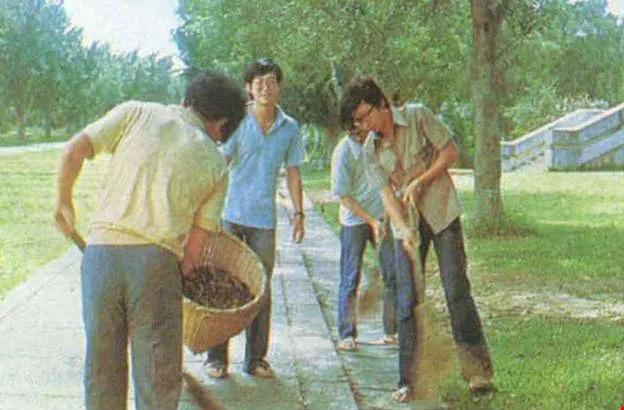
5. Students clean up the campus in their spare time.
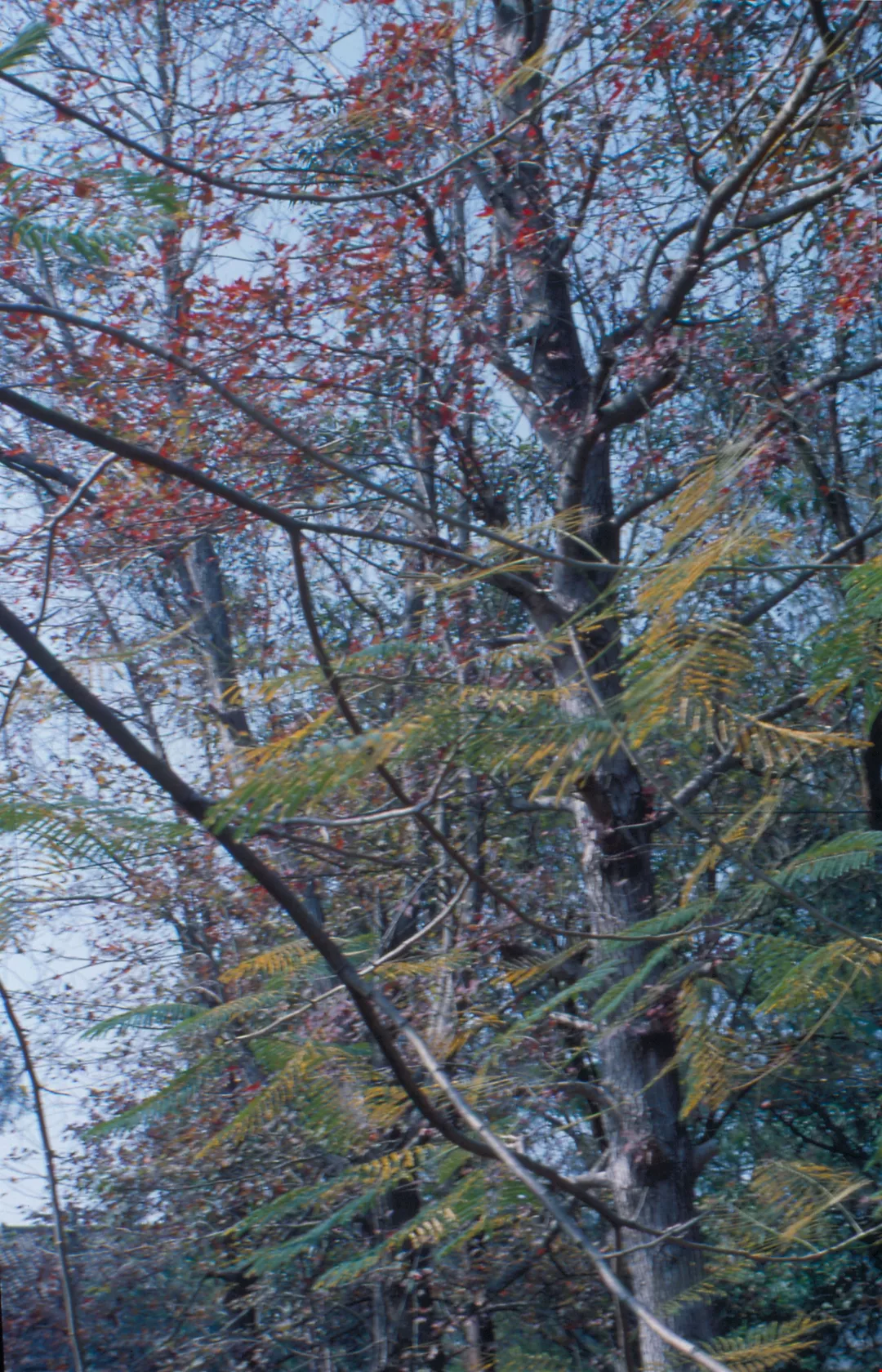
4,6. As the seasons change so does the look of the campus. At different times of year, different flowers come into bloom, and trees shed their leaves for the winter.
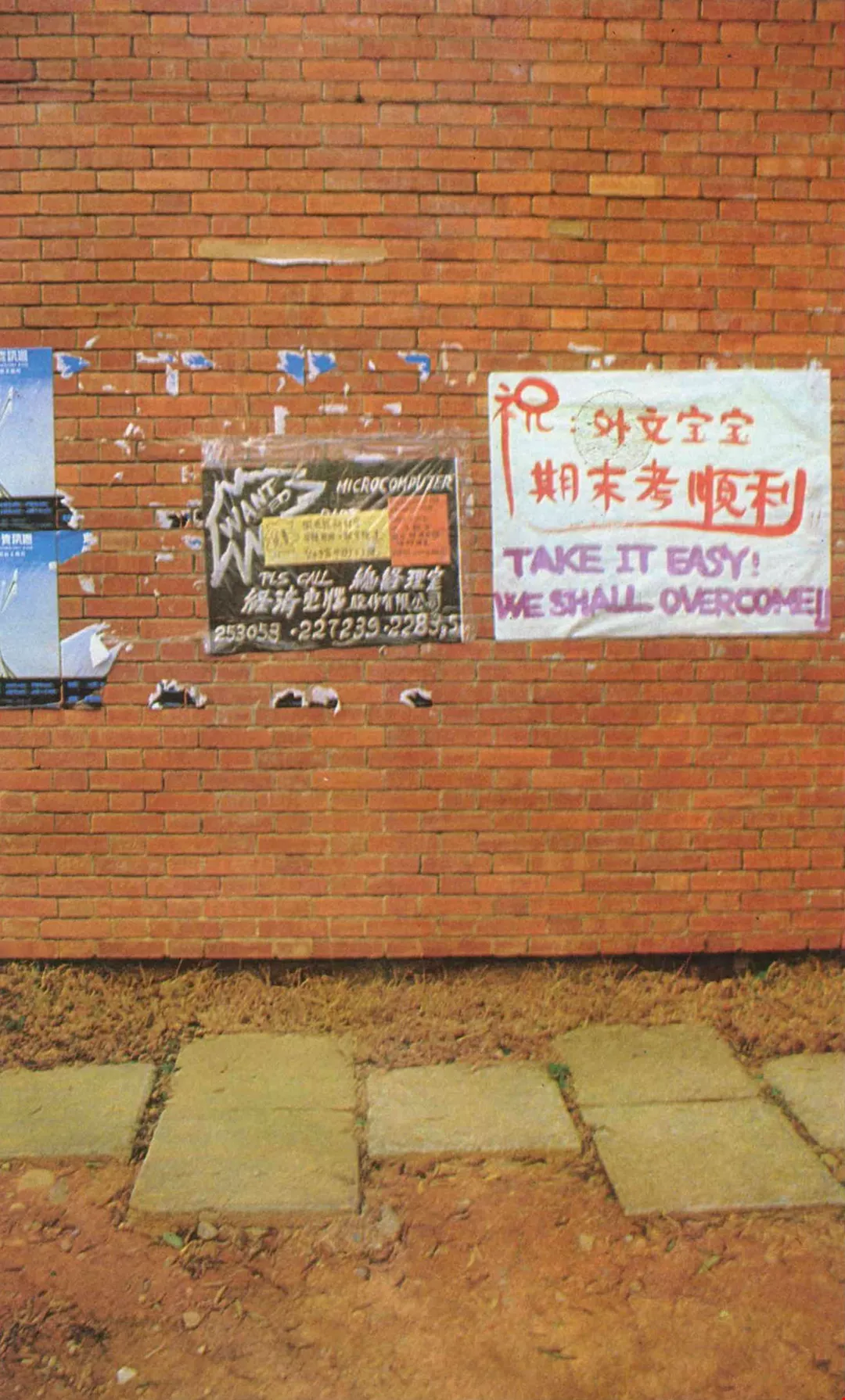
7. Posters hung on brick walls give a picture of campus activities.
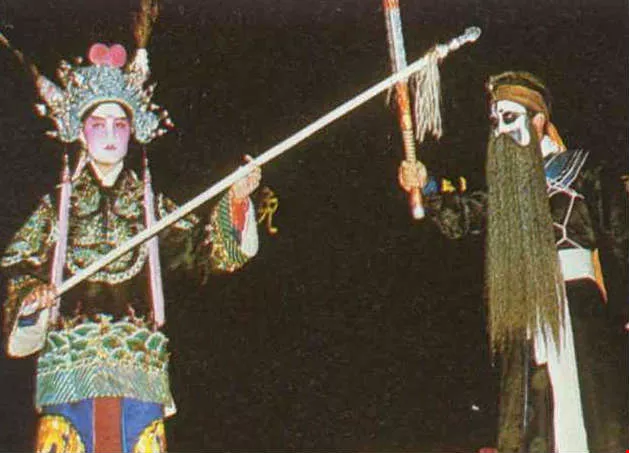
1. The Chinese Opera Club in action.
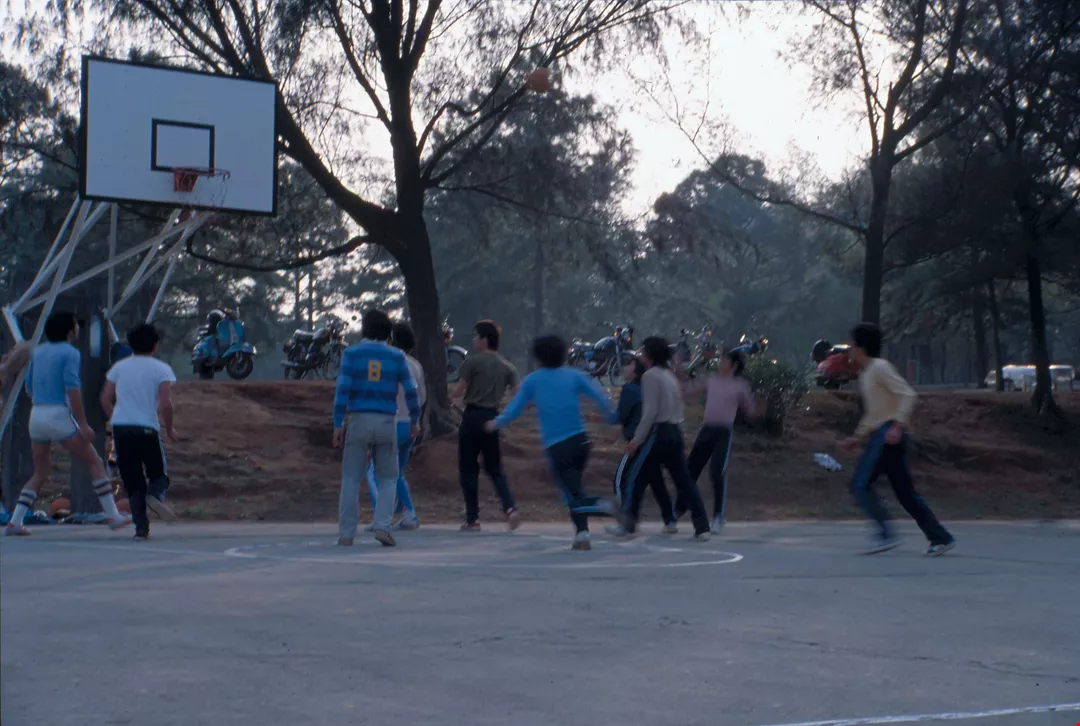
2. Basketball at dawn, a great way to start the day.
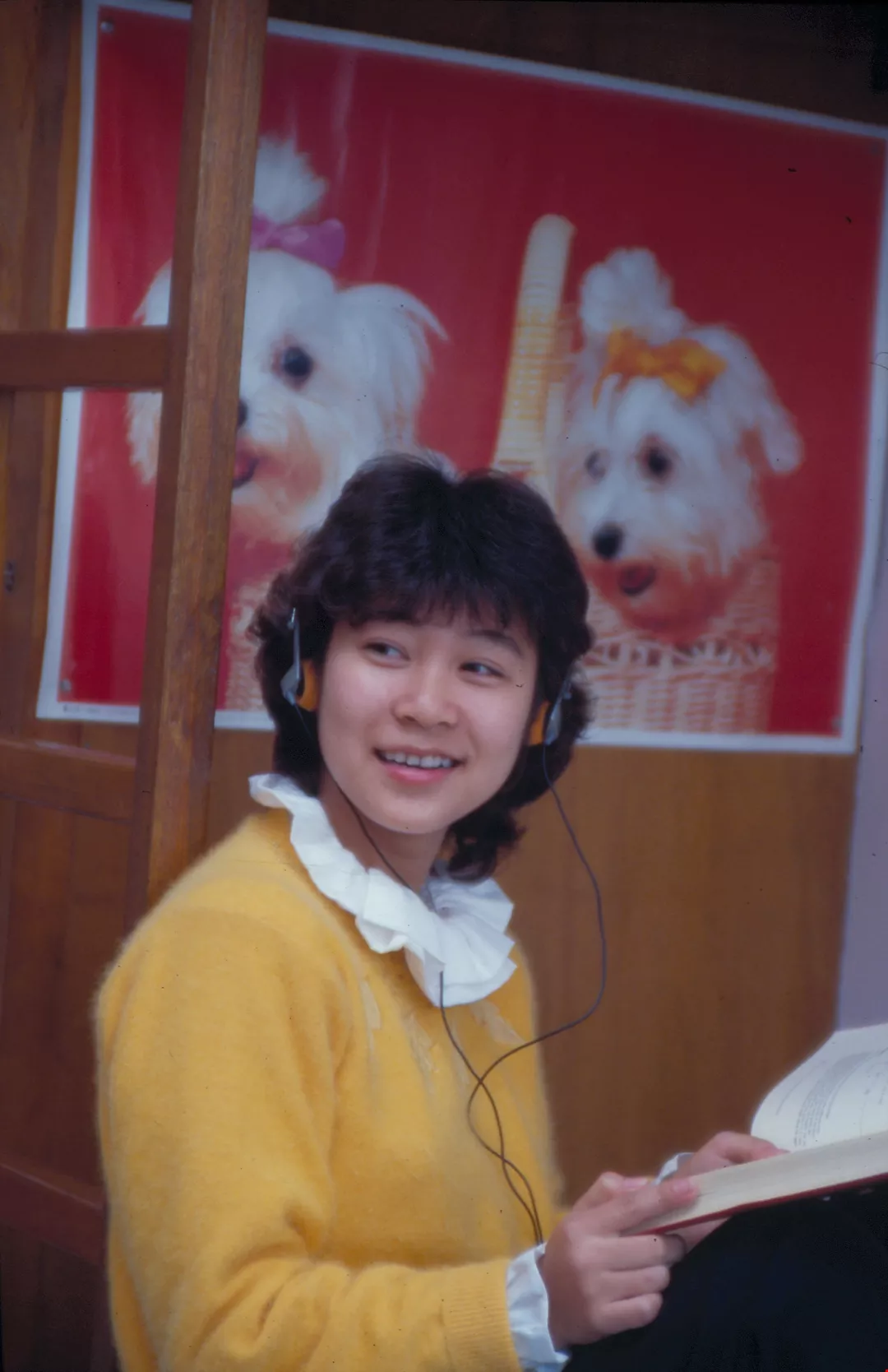
3. Listening to music and reading in bed is a part of college life.


@List.jpg?w=522&h=410&mode=crop&format=webp&quality=80)
