Living with the Ocean:
Fishing Communities of the Northeast Coast
Chen Chun-fang / photos Jimmy Lin / tr. by Phil Newell
March 2026
The various fishing communities located along Taiwan’s Northeast Coast have each developed their own distinct character based on differences in climate, topography, and ecology. Their residents have preserved the skills of living in a marine environment, and these communities are like a string of pearls waiting to be discovered.

Boats equipped for various kinds of fishing can be seen in Gengfang Fishing Port. Moreover, there is no disagreeable fishy odor at the harbor, just pleasant sea breezes.

The dolphinfish (mahi-mahi) is generally caught by longline fishing. This is an environmentally friendly method in which “only the willing are hooked.” This fish mainly appears on dining tables in the form of fish steaks, fish floss, and fish balls.
Exploring a port with an expert
At Gengfang Fishing Port in Yilan County’s Toucheng Township, we join a guided tour led by Lin Shuzhen, owner of the Fishing Village Kitchen restaurant. We stroll past one of the few gas stations in Taiwan used for both land and marine vehicles, the place where boats offload their catch, the old ice-making facility that still serves the local area, and docked fishing boats. Lin tells us how to differentiate the fishing methods used by various boats: The boats covered with lights are pole-and-line fishing vessels, teams of two boats with one bamboo raft engage in pair trawling, and so on. She really gives us a feel for fishing village life.
Caressed by sea breezes, Gangfang Fishing Port has no rank fishy smell. Lin says with pride that most of the catch here comes from eco-friendly fishing methods, with moderate catch sizes that don’t cause crushing, so naturally there is no foul odor. A staunch advocate of marine conservation, she founded her restaurant in an old building next to the harbor, and she guides visitors in recognizing and distinguishing different sea creatures and fishing methods. She prepares seasonal seafood in such a way that when people try her handmade dishes, they will feel her community’s desire for sustainable coexistence with the sea.

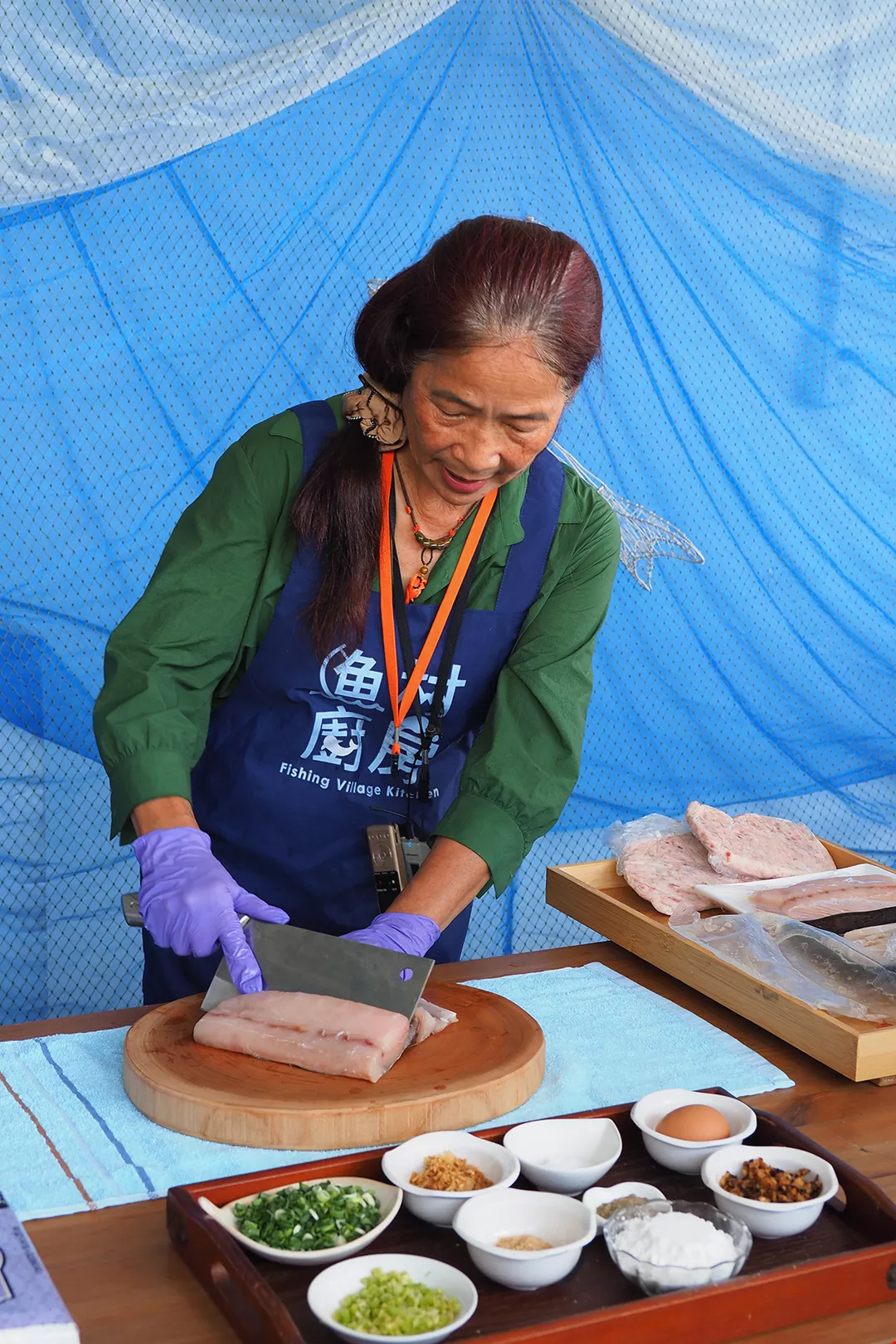
Lin Shuzhen, owner of the Fishing Village Kitchen restaurant, actively promotes “food and fisheries education.” She is shown here demonstrating how to make dolphinfish balls.

Fresh-made dolphinfish balls have a delicious flavor and chewy texture. (photo by Chen Chun-fang)
An old man of the sea
Wang Ruiji, a veteran freediver from Bitou in New Taipei City’s Ruifang District, has a mental map of the local seafloor based on his long years of diving at different coral reefs. He knows where to find the most carrageenan or gelidium (agar) seaweed.
Wang says with a laugh that he opened his shop Haicai de Jia (“Home of Seaweed”) because he himself loves to eat seaweed jelly, and here he can share the delicious flavors of the sea with others. When he was small his family was poor, and he began working at sea when aged only ten. He has been swept into the sea by waves and drifted far from shore, and he knows well the risks of earning a living from the ocean. When asked why he doesn’t retire, Wang replies with a sheepish grin: “The ocean is my backyard, and if I don’t stay active there, something feels wrong.”

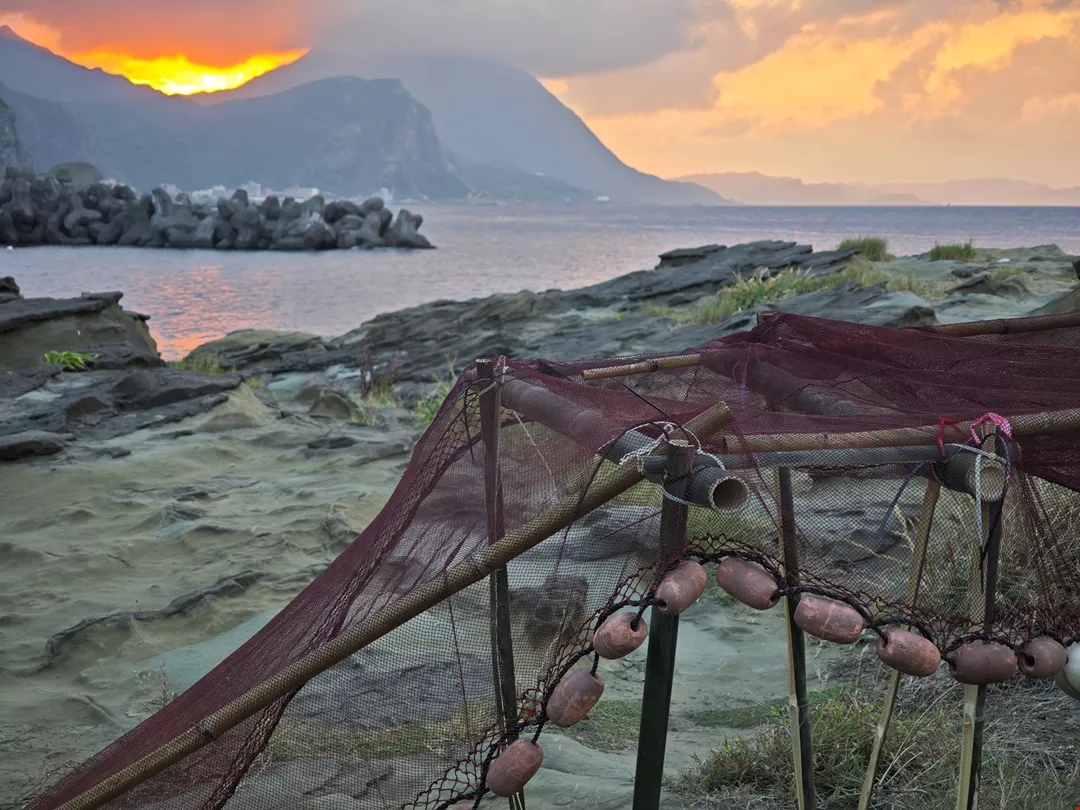
Veteran freediver Wang Ruiji introduces his diving gear and shares decades of experience living with the sea. The photo below shows a scene of traditional net drying presented by him.

Shell ginger rope: Skills and memories
In earlier times, fishing communities used a lot of natural materials to make gear. For example, in the days before nylon cordage was widely available, everyone in Ruifang’s Nanya Community would be mobilized during the fishing off-season to make shell ginger rope, which was used to strengthen boats. Sadly, this traditional skill was lost for a time.
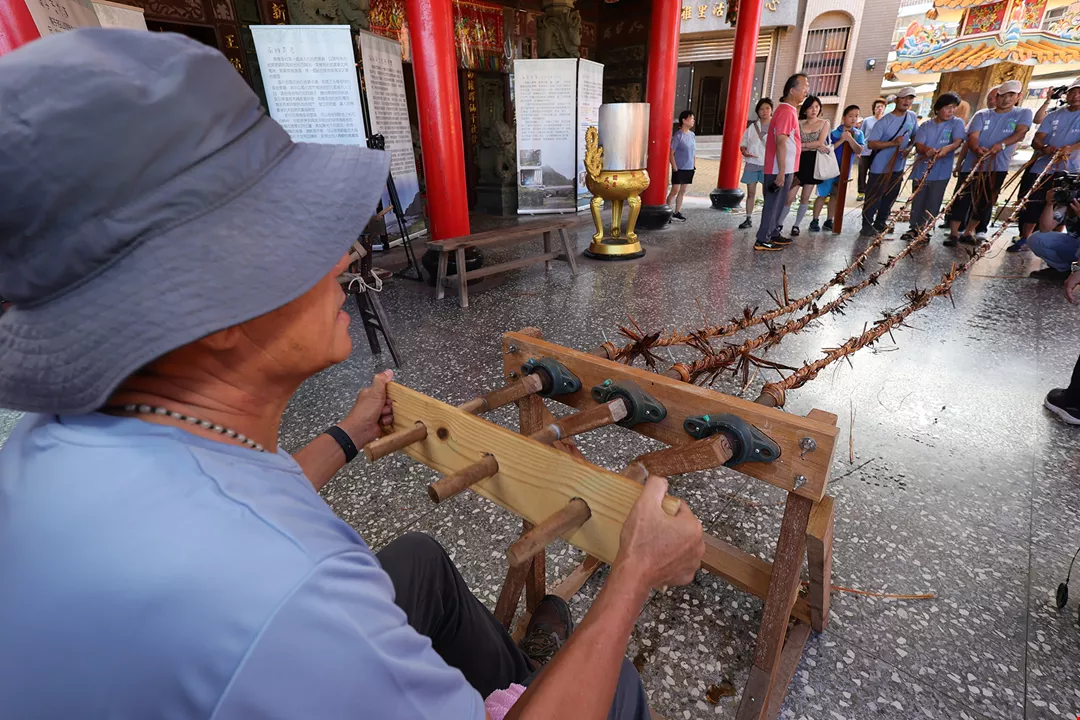
Fortunately, the Nanya Community Development Association, drawing on the memories of local elders, has restored shell ginger rope braiding equipment and brought back this craft. The image of residents gathered on the plaza of Nanxin Temple to make rope is symbolic of the social coherence of their fishing village.

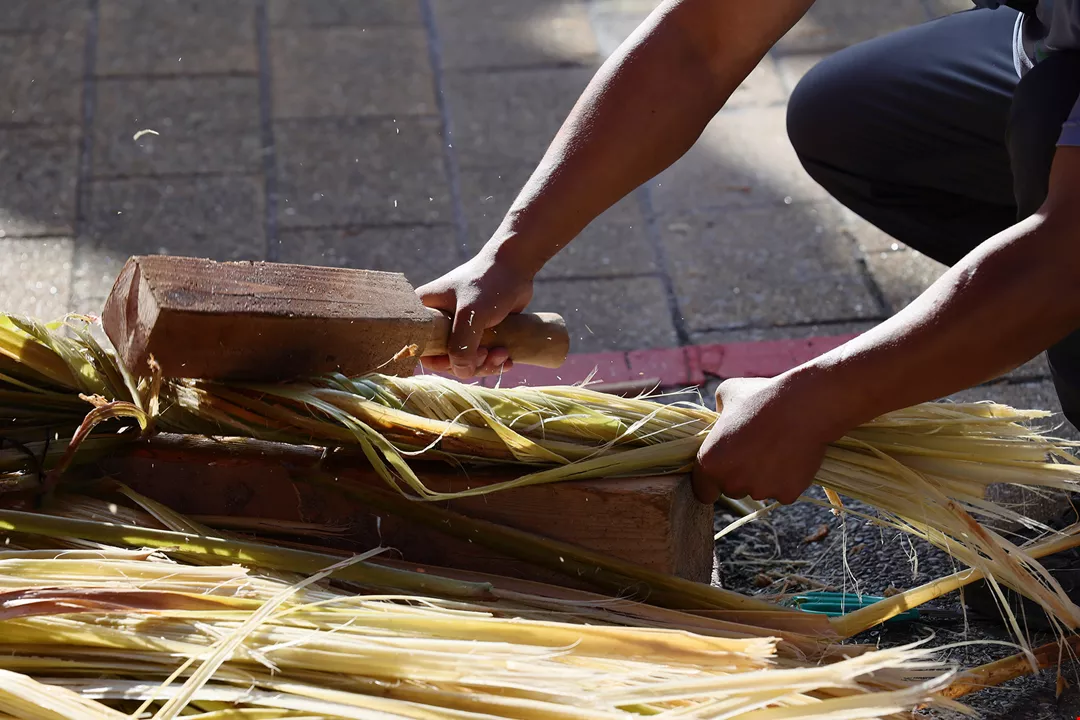
The fibers taken from the stems and leaves of shell ginger must be repeatedly pounded and dried in the sun before they can be used to make rope.

Nanya Community residents have dedicated themselves to reviving the craft of making shell ginger rope. The sight of them working together on the plaza of Nanxin Temple is symbolic of their fishing village’s social cohesion.


In Nanya Community you can take a hands-on class in shell ginger rope braiding and craft your own chic home protection talisman.
Restoring an old stone house
While residents of Nanya Community strive to preserve their traditions, Dali, located in Toucheng at the southern entrance to the Caoling Historic Trail, has attracted young people from elsewhere to settle there. Known as the gateway to Yilan, it was once a vital resupply point for travelers, giving rise to the vibrant Dali Old Street (a section of Dali Road).
Some years ago Hsiao Jui-min, an associate professor at National Ilan University, stumbled across an abandoned old stone house on the Old Street and found that it may have used by the missionary George Leslie Mackay as a rest stop when entering Yilan in the 19th century. Hsiao brought a number of students to Dali to restore this old house. Two of them, Liu Wenting and Yang Wenzhen, found the pure and simple atmosphere of this fishing community so appealing that they turned the house into “Dali 63,” which provides local guide services and unique pastries. They are carrying on the historic tradition of the Old Street and injecting new vitality into the village.
Come and visit the fishing communities of Taiwan’s Northeast Coast, where you will not only see fine scenery but also learn how people have struggled on its rocky shore to write a story of coexistence with the sea.
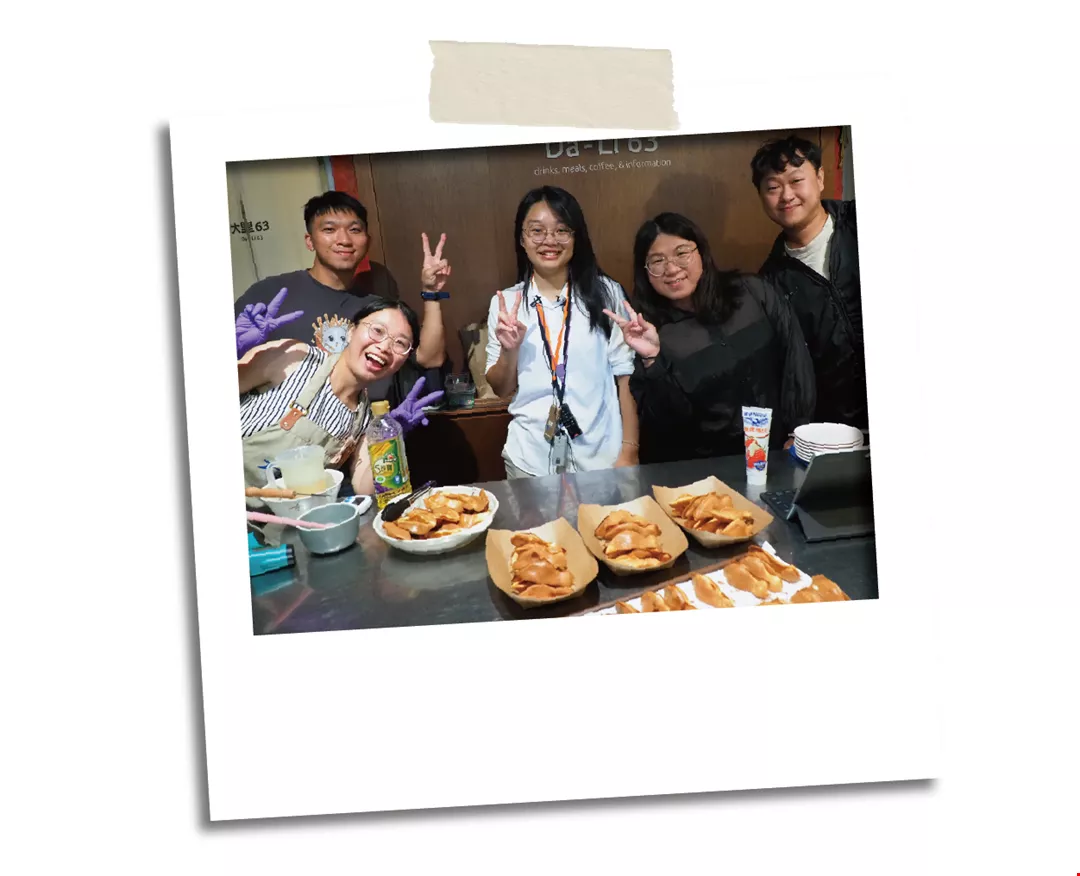
Liu Wenting (left, front) and Yang Wenzhen (center) came to Yilan as students. They found the unspoiled atmosphere of Dali fishing village very appealing, and founded Dali 63, a business that offers local tours and delicious foods like guidaoshao (Taiwanese egg cakes). They have injected new vitality into the community.
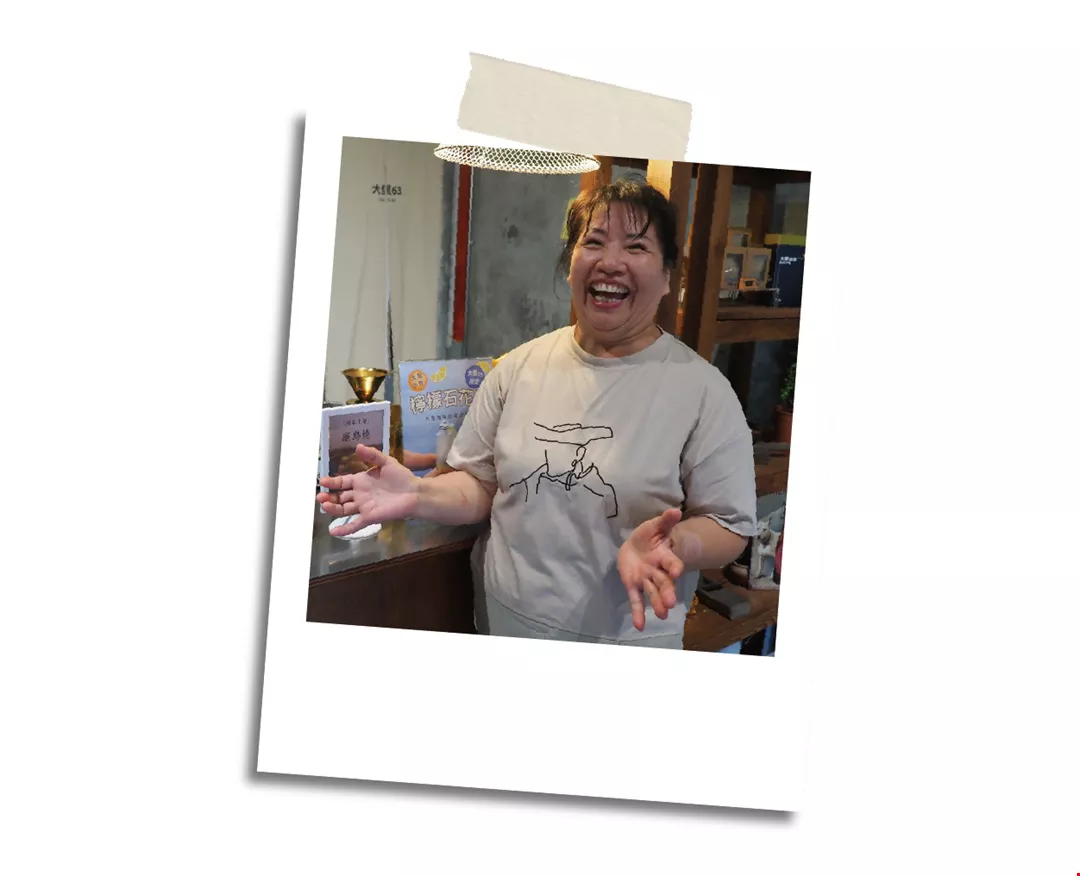
Dali residents have been delighted by the new energy brought into their community by the young people of Dali 63, and when they visit they often bring the local specialty seaweed, “sea noodles” (Phyllymenia huangiae).
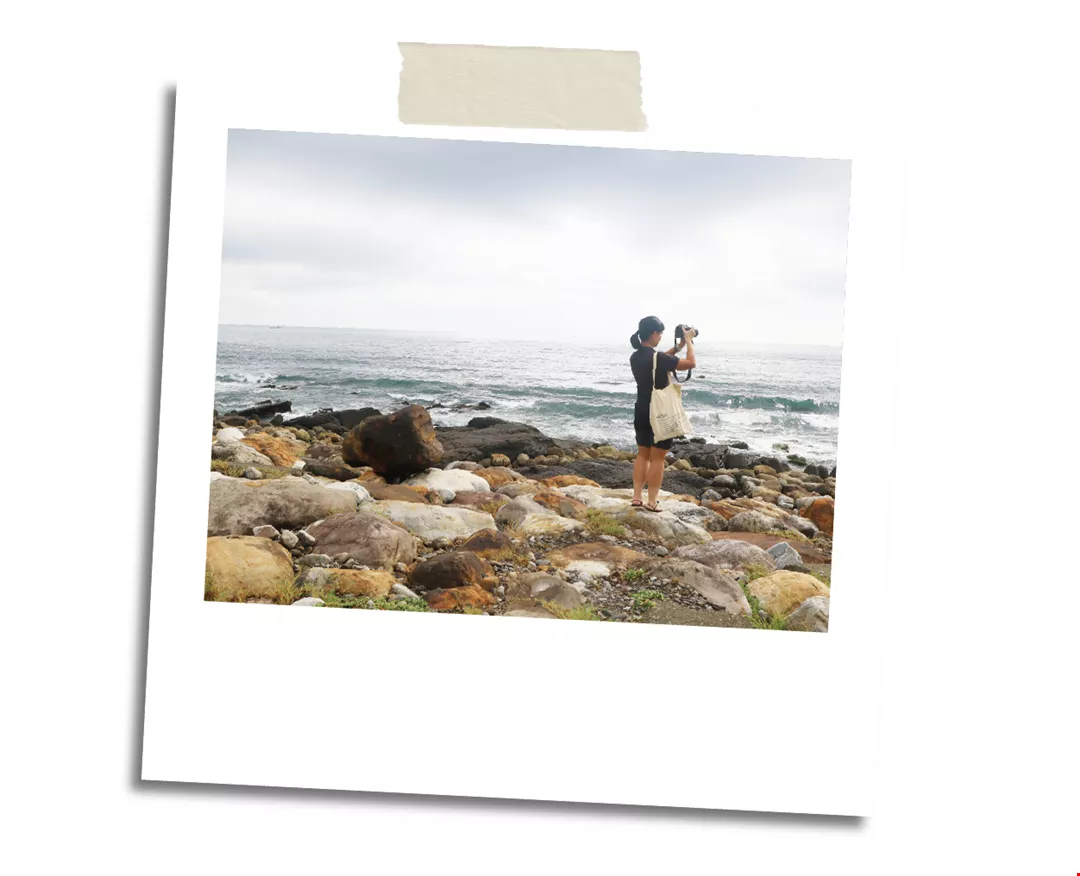
Dali offers spectacular views of the Pacific Ocean and Guishan Island.
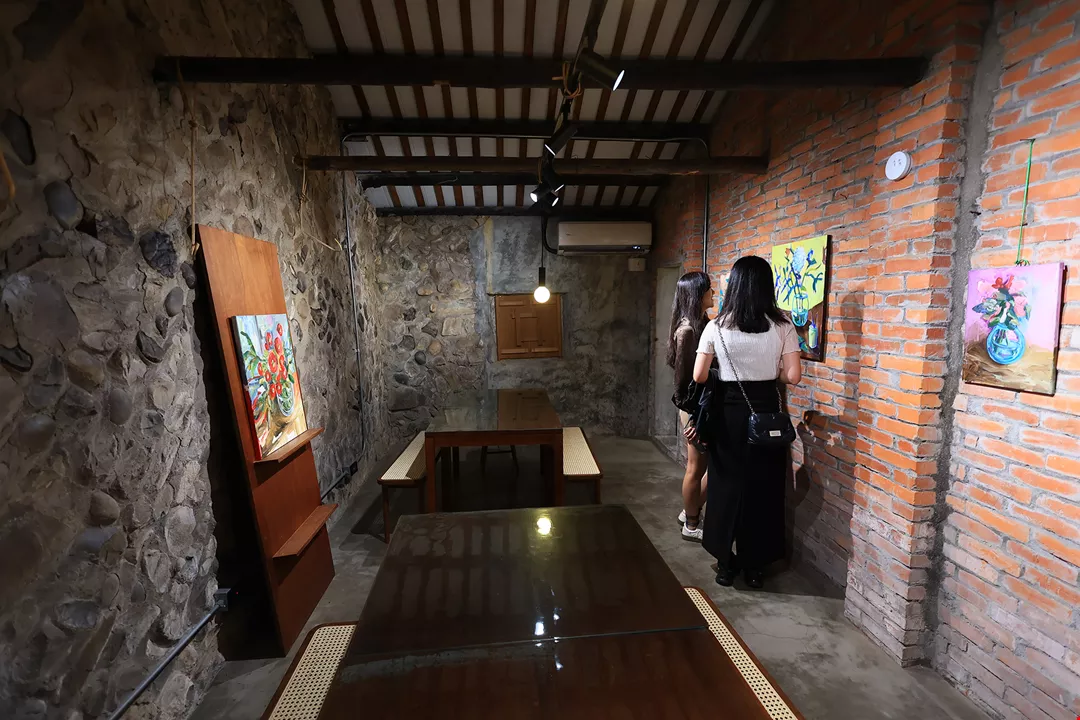
Dali 63 is located in a restored stone house. Here one can learn about the 19th-century missionary George Leslie Mackay’s connections with the local area while admiring the traces of history in the structure.