New Life in Old Vats— A Century of Vinegar Making
Lee Hsiang-ting / photos Lin Min-hsuan / tr. by Geof Aberhart
November 2016
In the world of cooking, vinegar is used only sparingly, yet it puts the finishing touch to the meal.
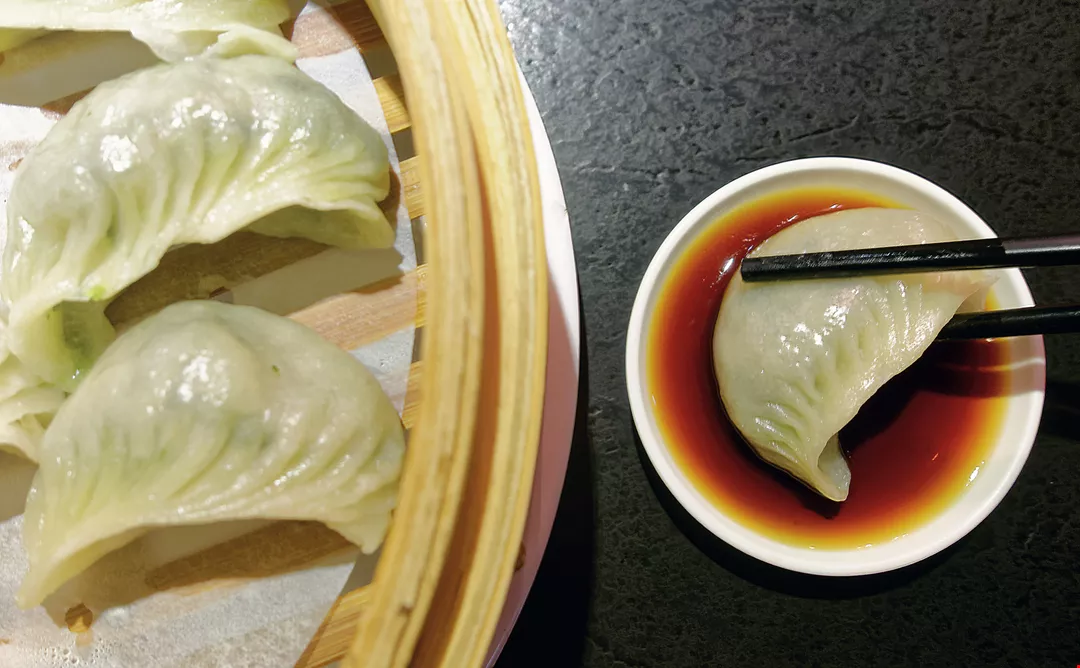
Whether it’s a spoonful of black vinegar with pork stew and noodles, ginger mixed with rice vinegar drizzled over xiaolongbao, or a few drips of white vinegar mixed in with sesame paste noodles, vinegar is a crucial touch that can give a dish its soul. What you might not know, though, is that the real challenge in making vinegar lies in sticking to ancient fermenting methods.
The story of Chinese vinegar begins with a man by the name of Du Kang, who discovered how to ferment wine. He passed on his technique to his son Hei Ta, who was quite enamored with the discovery. Once, while fermenting a batch, he embarked on a three-day drinking spree, and in his sozzled state he accidentally left the vat sitting too long, finally checking up on it after 21 days. When he lifted the lid, he was met with an unexpectedly pungent scent. He tasted the brew, finding it to be at once tart, sweet and fragrant, and stimulating to the appetite. Thus he became the founder of the craft of vinegar making.

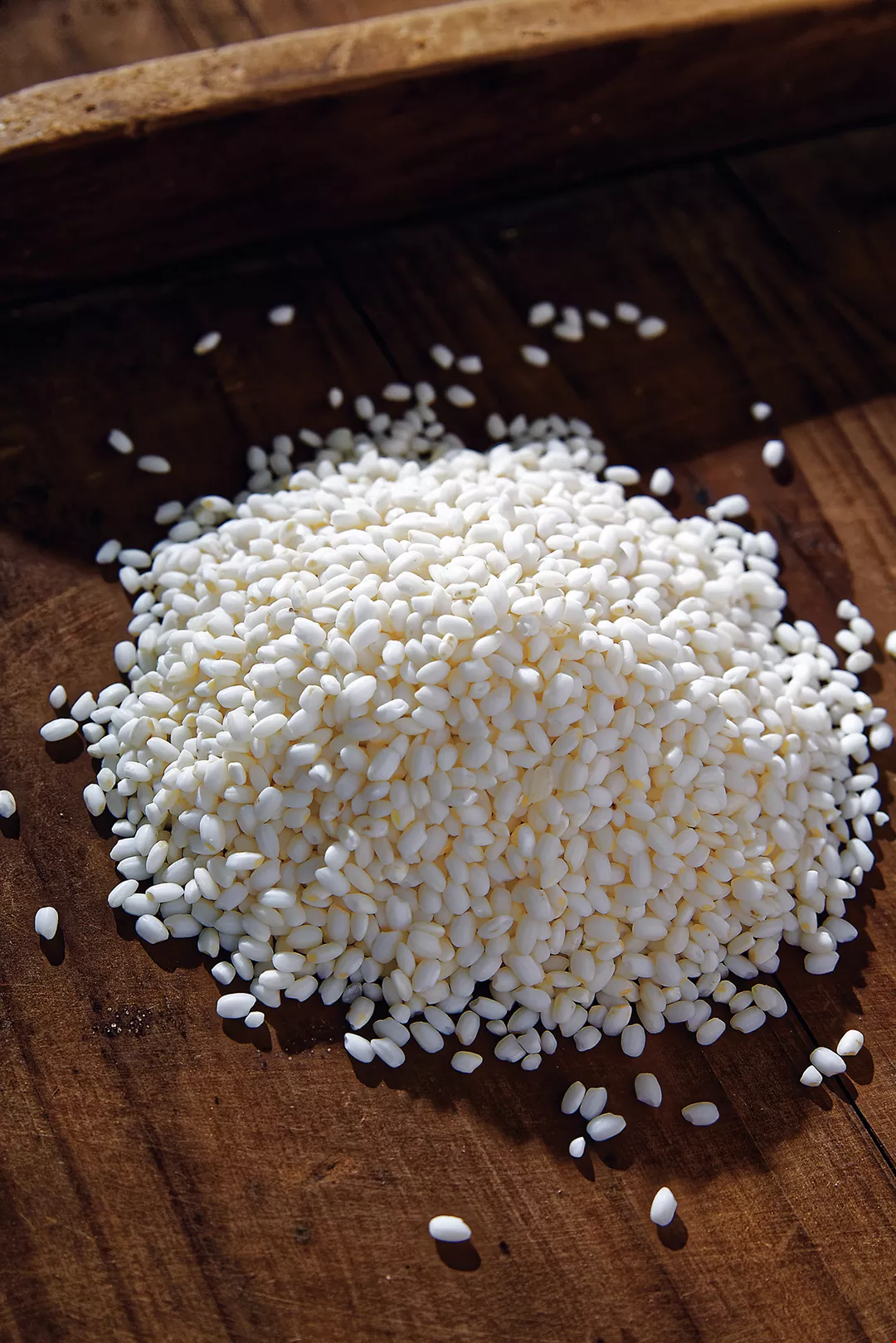
The Gao family’s vinegars are made following traditional methods and only using glutinous rice grown in Yunlin, Chiayi, and Tainan.
Birds of a feather
Regardless of the veracity of this tale, from a chemical perspective rice wine and vinegar are very much related—brothers, even. Anything that contains sugars can be fermented into alcohol, and alcohol left to ferment longer will ultimately become vinegar.
In the West, vinegar was discoved as long ago as 3000 BCE in Ancient Egypt, where much of the alcohol was created from fruit, grapes in particular. For the Chinese, it dates back at least to the Shang Dynasty of the second millennium BCE and alcohols usually made from grains.
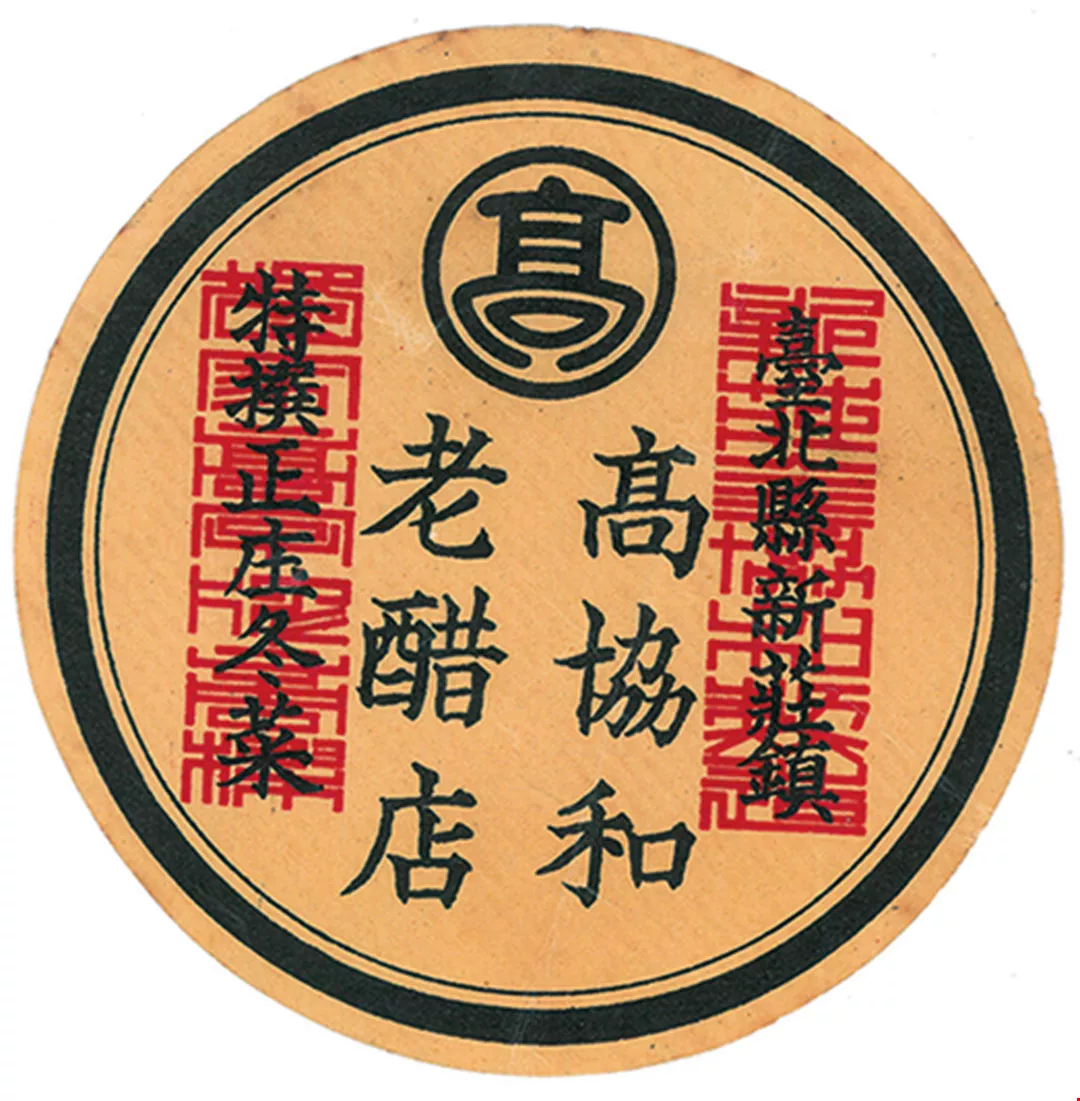
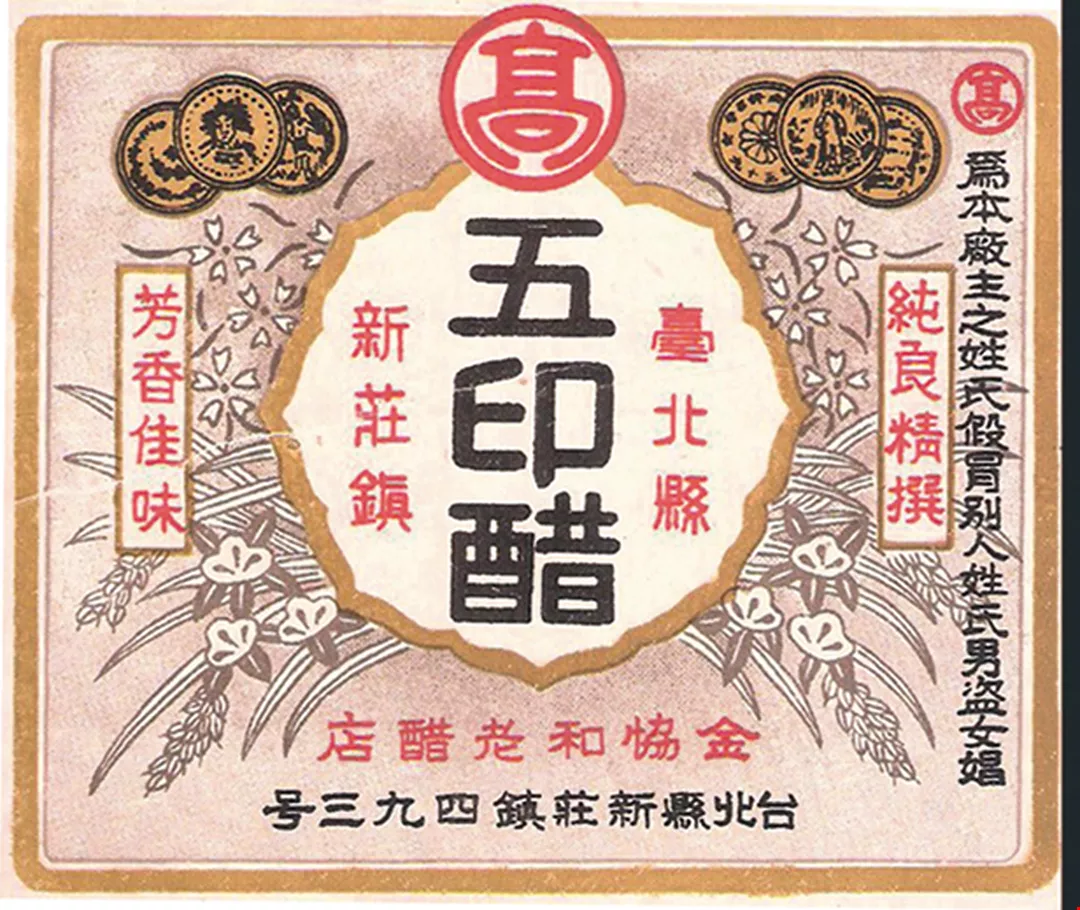
In terms of production, modern vinegars can be divided into naturally fermented, chemically synthesized, and “flavored” (naturally fermented vinegars with added fruit juice). Cost considerations are making traditionally fermented vinegars increasingly rare, but in Taiwan, one brand in particular is an icon of traditional fermentation: Wu Yin vinegar from the century-old firm Gao Ji.
Stepping into Gao Ji’s plant in Shulin, New Taipei City, we are ushered over to the rice steaming area by fifth-generation company head Gao Qiping. The air is saturated with steam and the scent of the Taiwan-grown glutinous rice that is the primary ingredient in the company’s vinegars. Gao emphasizes that since its establishment in 1903 after his family made the trip across the Taiwan Strait, they have insisted on only using rice grown in Yunlin, Chiayi, and Tainan.

The Gao family’s vinegars are made following traditional methods and only using glutinous rice grown in Yunlin, Chiayi, and Tainan.
The perfect pairing
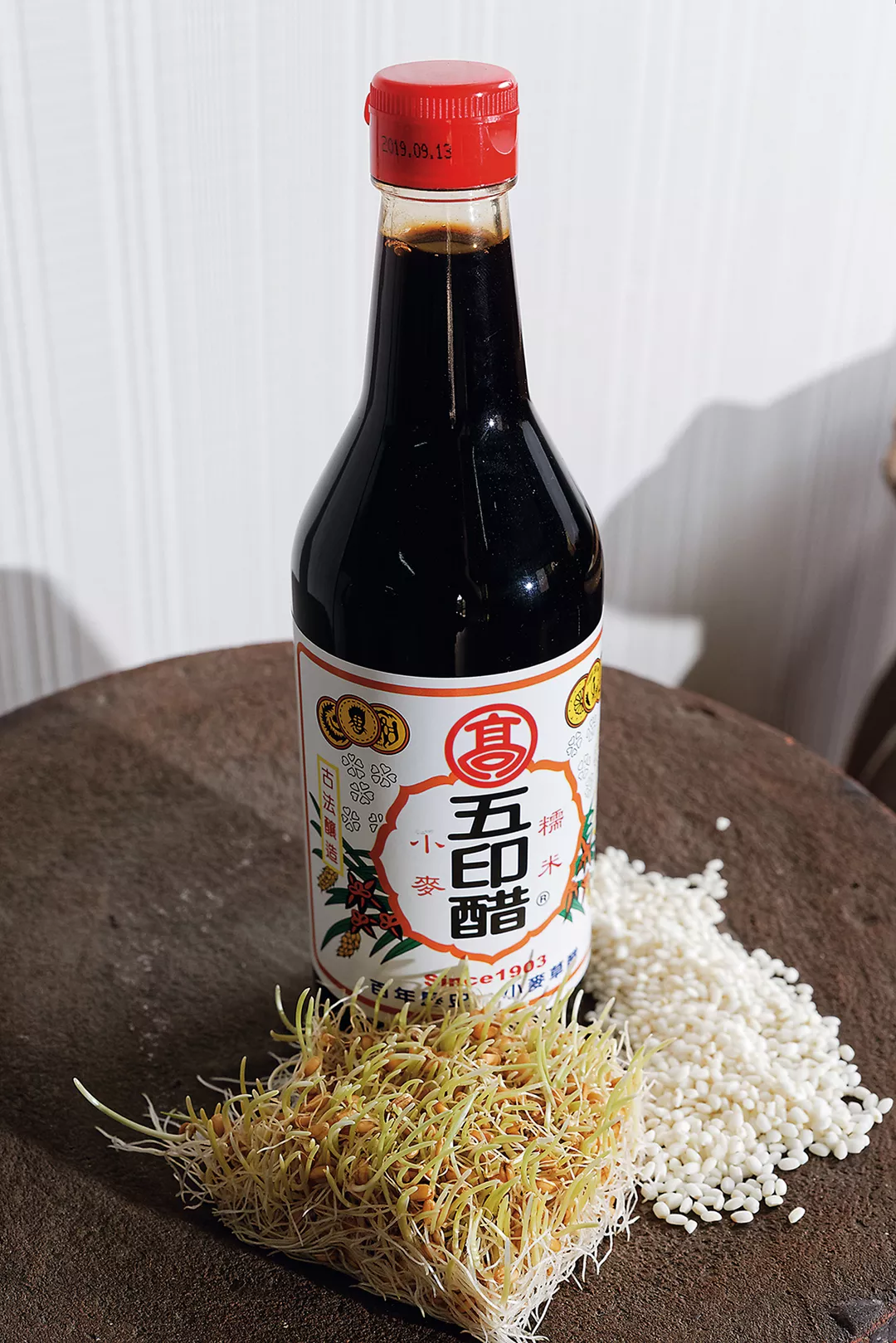
Next to the rice steaming area is a temperature-controlled cool room that is open year-round for the cultivation of wheatgrass, the “secret weapon” that makes Wu Yin vinegar what it is.
“We use wheatgrass to promote the natural acidifying enzymes. It might not be as quick as adding chemical ingredients, but the flavor and nutritional value are well beyond any synthetic vinegar,” says Gao.
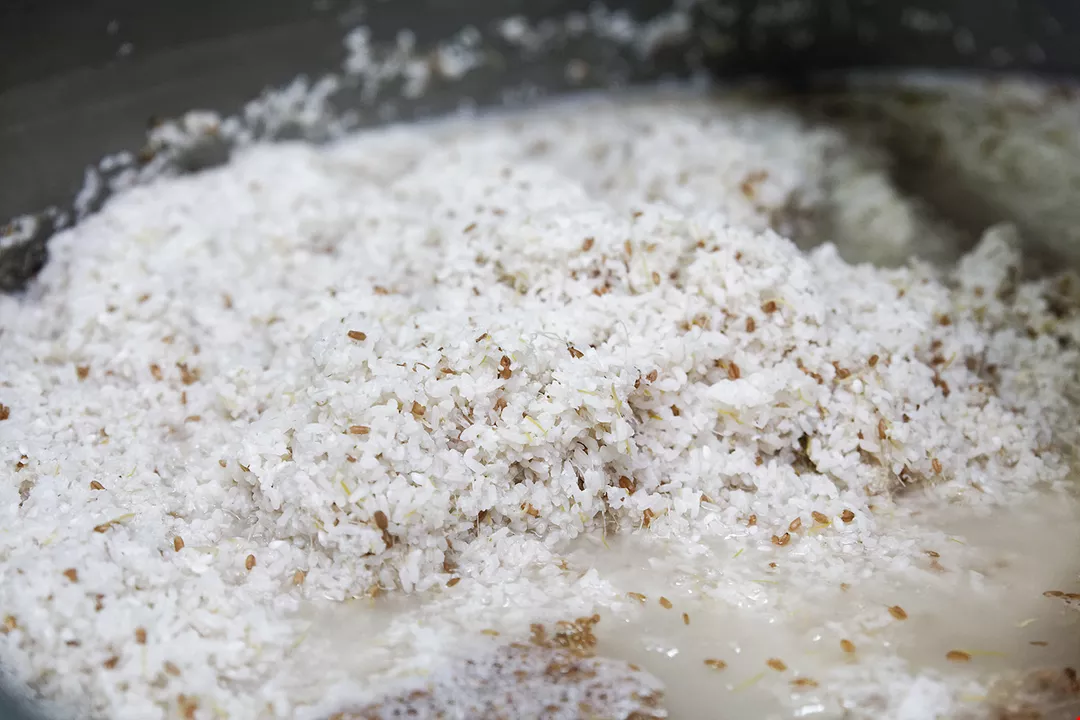
Once the wheatgrass has grown to the necessary size—usually after about two weeks—the Gao family recipe calls for the grass to be placed in a tank, where warm water is added at a controlled temperature and stirred to allow enzymes to develop. Then the steamed rice is added in and the mixture is churned regularly to ensure full saccharification of the rice and wheatgrass.
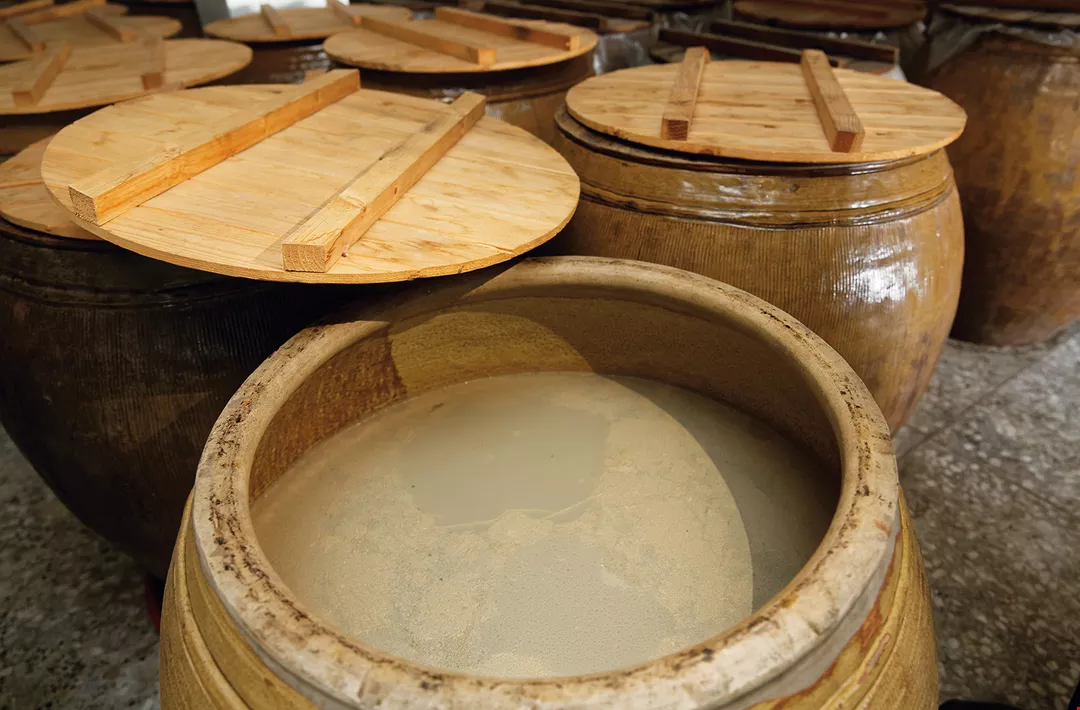
Once the concoction has sat for two weeks, the fermented liquid is drained off the lees formed by the rice and wheatgrass, and is filtered. The liquid is then put into earthenware vats and left to continue its fermentation for another eight to ten months until it becomes vinegar. If one is making aged vinegar, then that period extends to 18 months or longer, with some varieties needing to be aged for eight years or more.

Only naturally fermented vinegars contain live microorganisms. However, the layer of microbes that floats atop the brew in the vat is easily disturbed by earthquakes.
New life in old vats
Fermenting good vinegar needs both space and time, and so sticking to the traditional methods can make it a challenging way to make a living. Gao Qiping points over to the rows of vats: “Our vinegar needs at least eight months to ferment and there are only so many vats we can fit in, so even if we wanted to make more vinegar more quickly, there’s no way we could.”
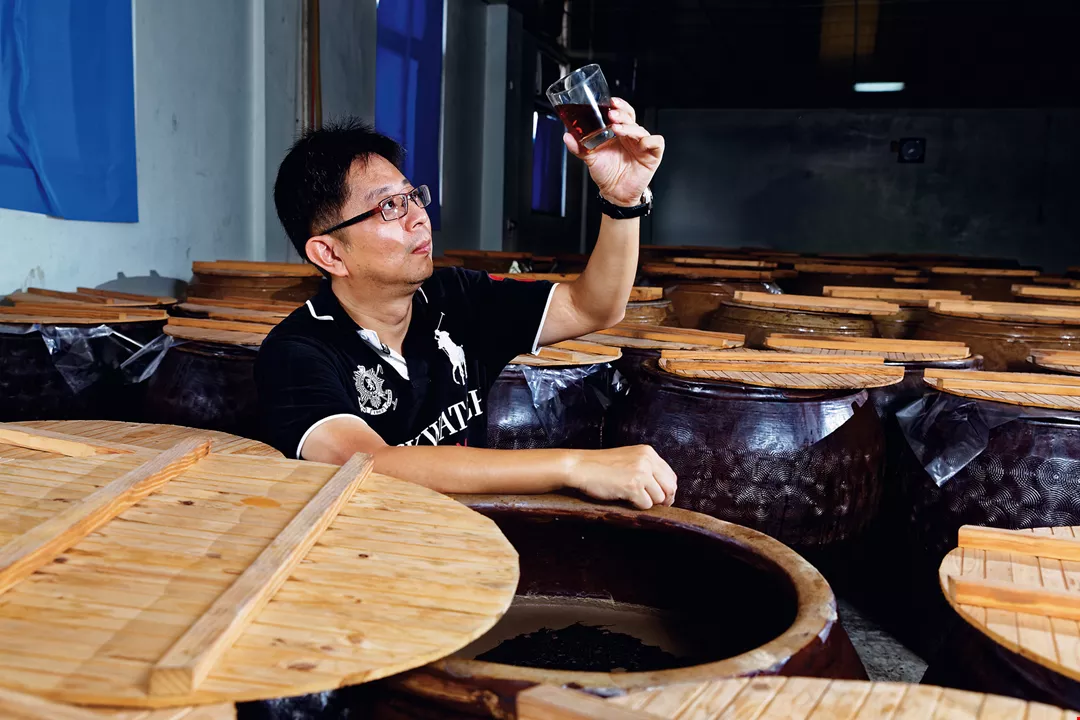
Each of those vats has its own history. “Over time, the ceramic vats accumulate various microorganisms in their pores,” says Gao. “Each of them plays a different role at a different point in the fermentation process—some speed things up, some slow them down, and knowing which to employ when requires experience.”
Gesturing toward a few deeply colored vats, Gao explains that they go back to when the family first crossed the Taiwan Strait during the late Qing Dynasty. The vinegar in them is more than 30 years old, and what they produce has a layered, rich flavor that fills the mouth.
When the company first made the move from Xinzhuang to Shulin, they also added a few new vats, but the vinegar made in them was clearly different in flavor, Gao says. To address that, he spent over two years “maturing” them, the way a tea lover may do with a teapot, to ensure that the Wu Yin vinegar produced in them was as complex and rich as ever.
Making vinegar might sound like an easy task, but when following the traditional methods one has to not only worry about changes in temperature and humidity, but also the threat of earthquakes. Just one little shake can break up the layer of microorganisms on the surface of the vinegar, sending it sinking and impacting the fermentation of the whole batch.
When the Jiji Earthquake struck Taiwan in September 1999, many of Gao Ji’s vats were smashed, while others developed hairline cracks in their bottoms. The vinegar that seeped from these vats began to eat away at the floor, so since then the older vats have been placed on saucers to prevent potential damage.
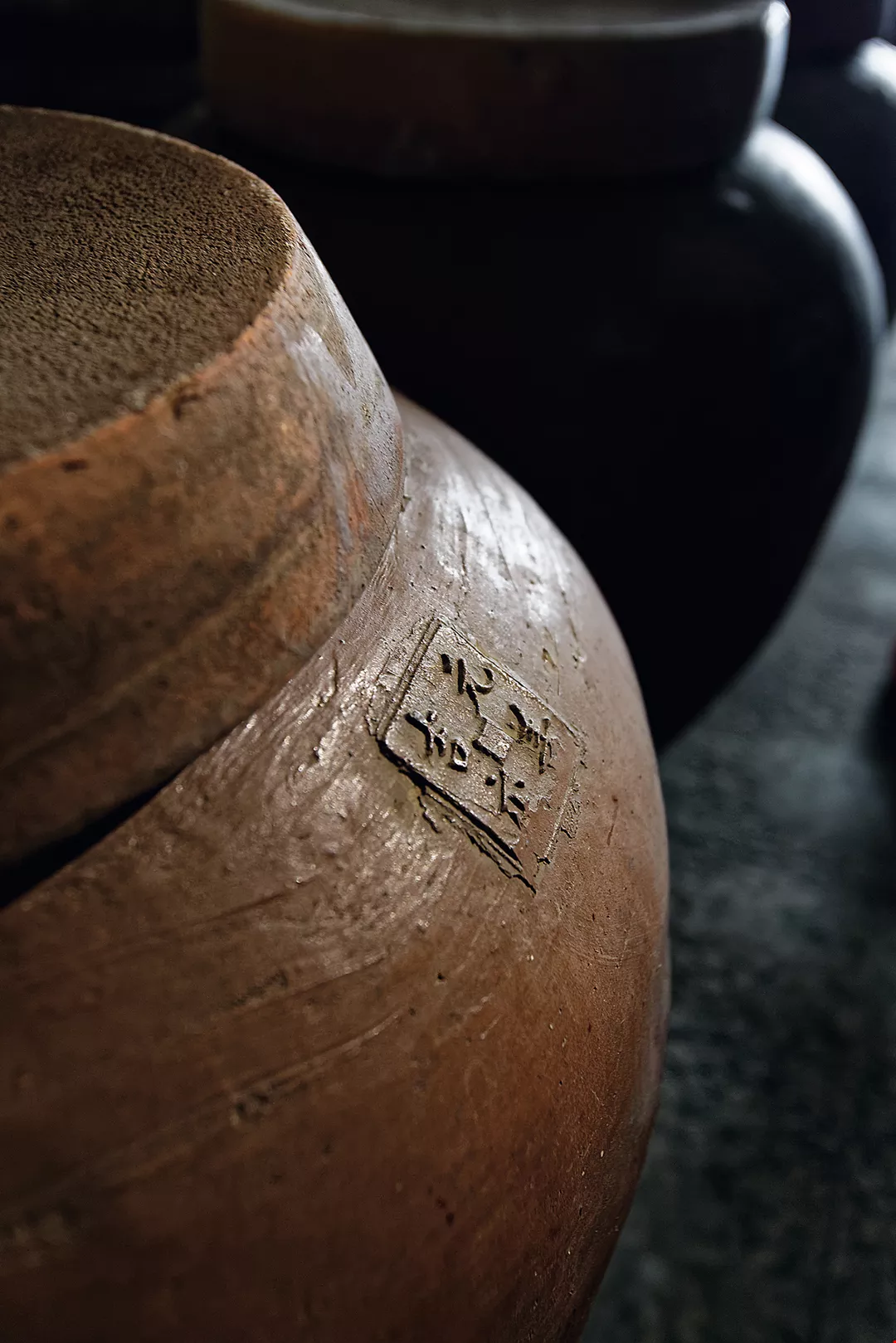
These venerable vats, dating back to when the Gao family first crossed the Taiwan Strait in the late Qing Dynasty, are still in use today. The vinegar in them is more than 30 years old.

An addictive flavor
The quality and reputation of Wu Yin vinegar have made it a longstanding partner of many well-known Taiwanese restaurants over the past century. From the danzi noodles of Tainan’s Du Xiao Yue, the vermicelli in thick soup of Lukang’s Wang Gang and the duck stew of Fengtian Temple in Xingang, to Kao Chi on Taipei’s Yongkang Street, numerous renowned eateries insist on using Wu Yin vinegar in their signature dishes. “Everyone has their own memories around the taste of vinegar, and those memories tend to create a certain attachment,” says Gao Qiping. Quite a few restaurant owners have told him that if they ever tried to change vinegar brands, their diners would be on to them immediately.
But how can the ordinary consumer distinguish between naturally fermented vinegar and its synthetic counterpart? It can be difficult, Gao says, but one way is to smear some vinegar around the lip of a glass—if it’s natural, bugs and fruit flies will be attracted to it, unlike synthetic vinegar. “Bugs don’t lie,” laughs Gao.
Vinegar also occupies another place in Chinese culture—as a symbol of jealousy. The tale goes that the Tang emperor Taizong once gifted two beautiful concubines to his minister Fang Xuanling. Fang’s wife, however, would not let the two concubines into their home. Upon learning of this rebuff, Taizong was quite angry, and ordered Madam Fang to the court. There he gave her two choices—either accept the concubines and live a peaceful life, or drink a glass of “poisoned wine” he had one of his eunuchs prepare and never be jealous again. Madam Fang turned out to be more stubborn than expected, grabbing the glass and downing it in one go, only to discover that it was simply vinegar. Since then, in Mandarin the phrase “consuming vinegar” has been a euphemism for being jealous.

courtesy of Gao Qiping
A sour taste, a sweet life
Gao Qiping himself literally consumes vinegar every day, and it is to this that he attributes his continuing youthfulness even as he approaches 50. Naturally fermented vinegar, he says, contains a number of microorganisms and active enzymes that are beneficial for health. However, he also consumes a little figurative vinegar, offering this as food for thought: “I don’t understand why vinegar is so much cheaper than wine. You can make wine in a few weeks, but good vinegar takes months, right?” he laughs.
In this age of concerns over food safety and increased emphasis on where our food and its ingredients come from, the traditional methods of making vinegar are again coming into the spotlight. Taiwan is home to no small number of people in different places producing their own natural vinegars with their own flavors and by their own methods. These sour vinegars look to be providing many with a sweeter life.

courtesy of Gao Qiping

It takes 2,400 kilos of rice to produce 3,000 liters of vinegar. Along with the rice, Wu Yin vinegar also includes water, salt, and wheatgrass.

Fermenting vinegar requires both space and time. Gao Qiping insists on using aged vats and letting the concoctions ferment for at least eight months.

The quality and reputation of Wu Yin vinegar have made it a longstanding favorite of many well-known Taiwanese restaurants over the past century. Tainan’s Du Xiao Yue, Kao Chi on Taipei’s Yongkang Street, and several other renowned restaurants use Wu Yin vinegar specifically.