Made in Taiwan for City Life:
Functional Fashion Brand oqLiq
Cathy Teng / photos oqLiq / tr. by Phil Newell
February 2026

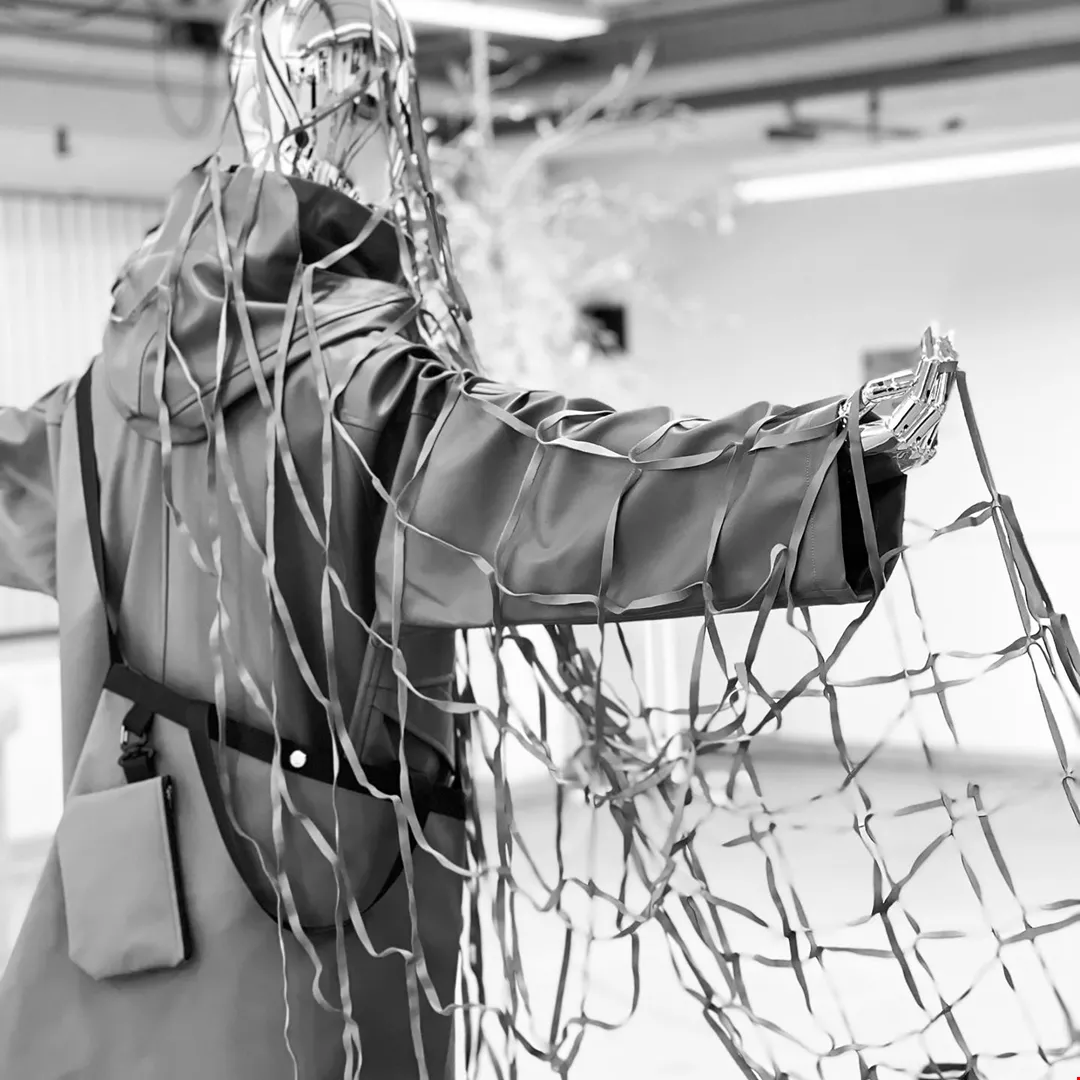
At the 2021 New York Fashion Week, the Taiwanese brand oqLiq based its show on a 16th-century novel of myths, legends and fantasy called Creation of the Gods. This was combined with multimedia and virtual technology to stun the world with a fashion vocabulary derived from Taiwanese culture.

The fashion brand oqLiq, originating in Taiwan’s Tainan City, has shown its creations on the catwalk at New York Fashion Week.
Clothing needs no translation
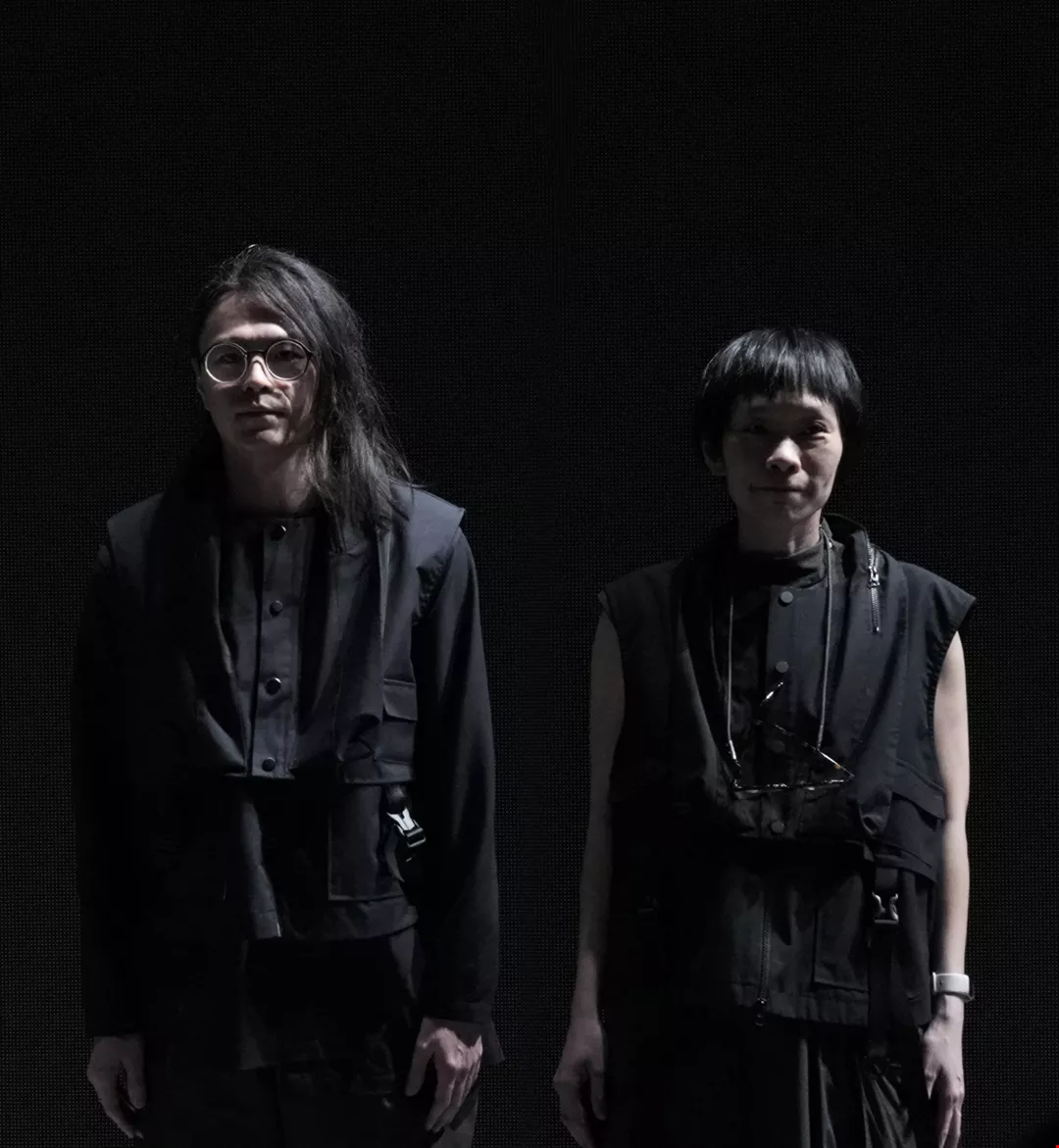
Kay Hung is one of the owners of the brand oqLiq, which has made its presence felt at fashion weeks in New York, London, and Paris. She recalls that in the early days there was a UK buyer who had simply seen their stuff online and immediately placed an order. This caused her and her co-owner, Orbit Lin, to realize that “fashion is a language that needs no text.” While foreign buyers may not necessarily understand a brand’s background, they can interpret its cultural positioning from materials, structures, and patterns alone.
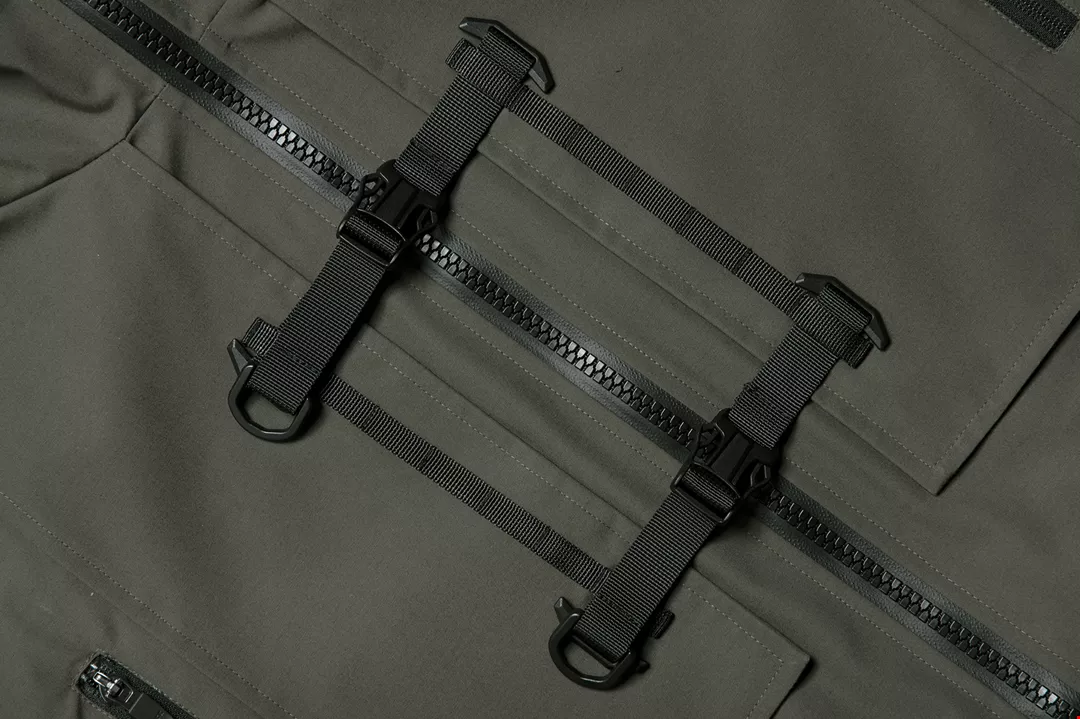
Just as aficionados can identify Vibram rubber soles by the octagonal yellow logo on shoe soles and know that they are slip-resistant and durable, the brand labels on oqLiq’s attire—including world-famous yarn brands Coolmax and Supplex and the German fastener brand Fidlock—are like words in a universal language that enable people familiar with these materials to immediately understand the nature of oqLiq’s clothing.
.jpg?w=1080&mode=crop&format=webp&quality=80)

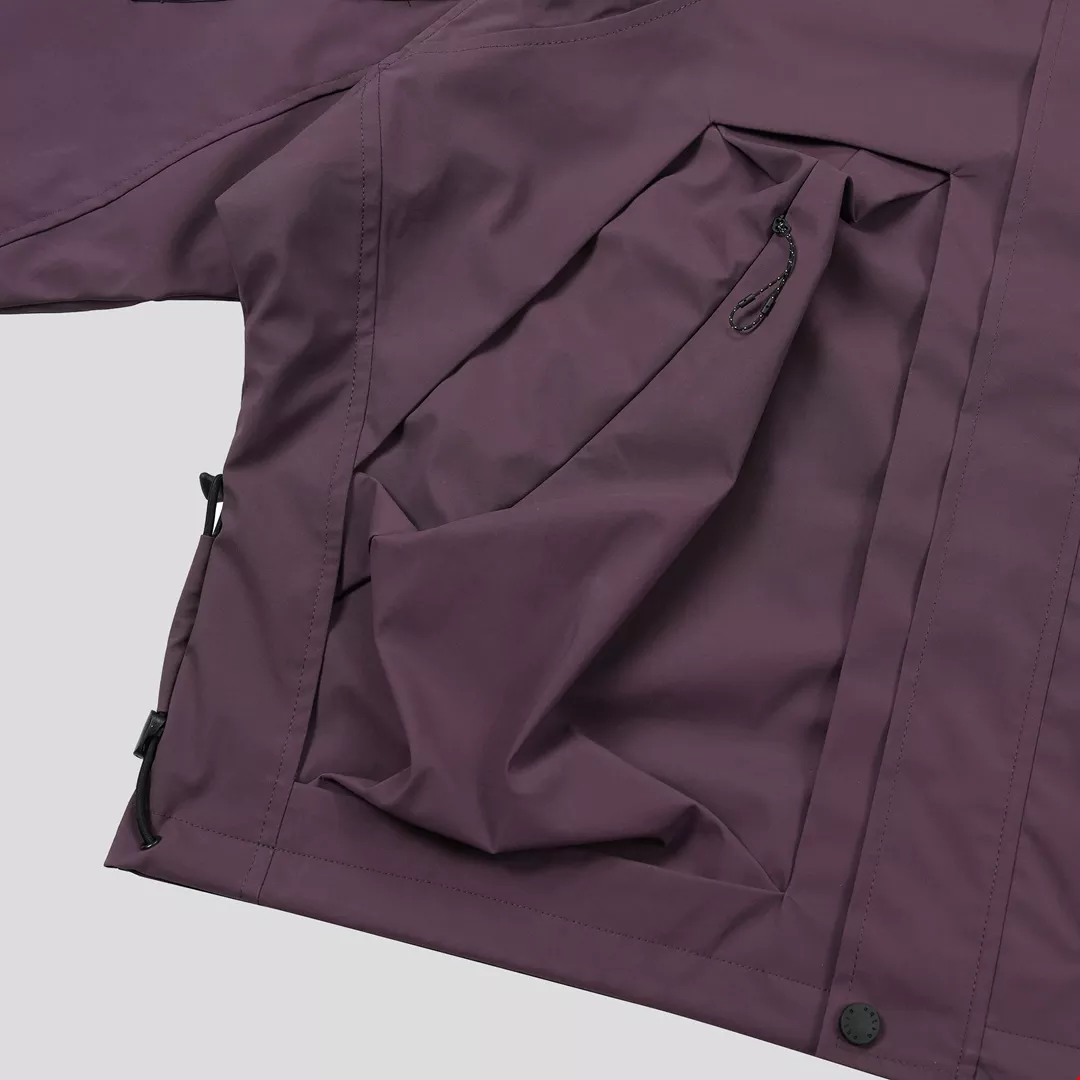
oqLiq uses functional fabrics and features such as special tailoring, pockets, and zippers to meet wearers’ practical needs. For this brand, clothing is more than just a surface form or image—it should offer a way of life in which movement is easy and comfortable.

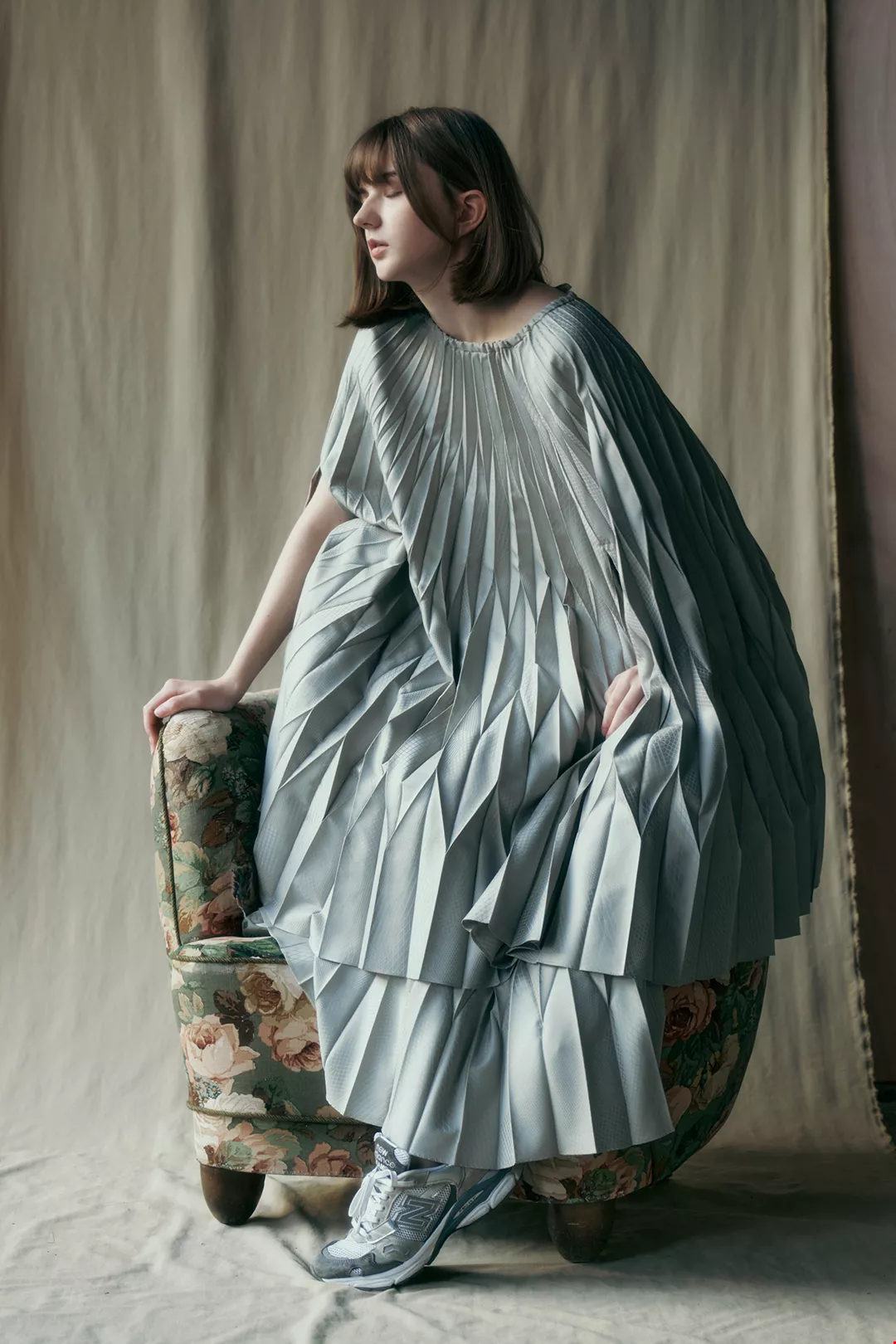
Fashion needs no translation. By combining Asian simplicity and street fashion into their designs, oqLiq apparel has become popular with the younger generation.
From urban memories to functional attire
“When people think of Taiwan, most think of the warmth and hospitality of its people, and of semiconductors and OEM manufacturing. Few think of Taiwan as a place with a rich culture where people dress very well.” Both Hung and Lin were born in Tainan, and have long been absorbing creative sustenance from the environment and daily life there. They have transformed their confidence in their hometown and its beauty into a fashion vocabulary.
Many of their designs are inspired by architecture and details of daily life. Examples include the bird perching areas next the walls of temples which provide small avians with shade, the sharp and flowing lines of classical “swallowtail” Hokkien roof architecture, and the crossed collars and yin–yang symbols of traditional Chinese apparel. Such elements have been abstracted to become the structures and lines of oqLiq’s garments.
“Clothing can in fact be considered mobile architecture,” they say. These intriguing details drawn from the everyday in Taiwan are cultural elements that are not readily reproducible overseas.
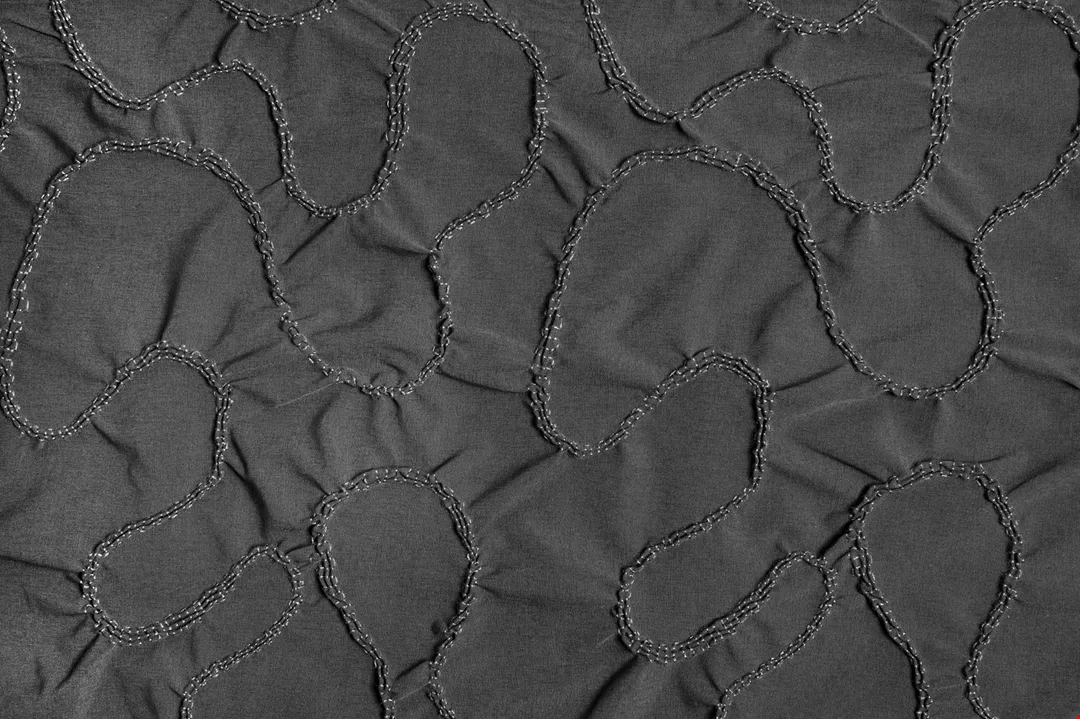
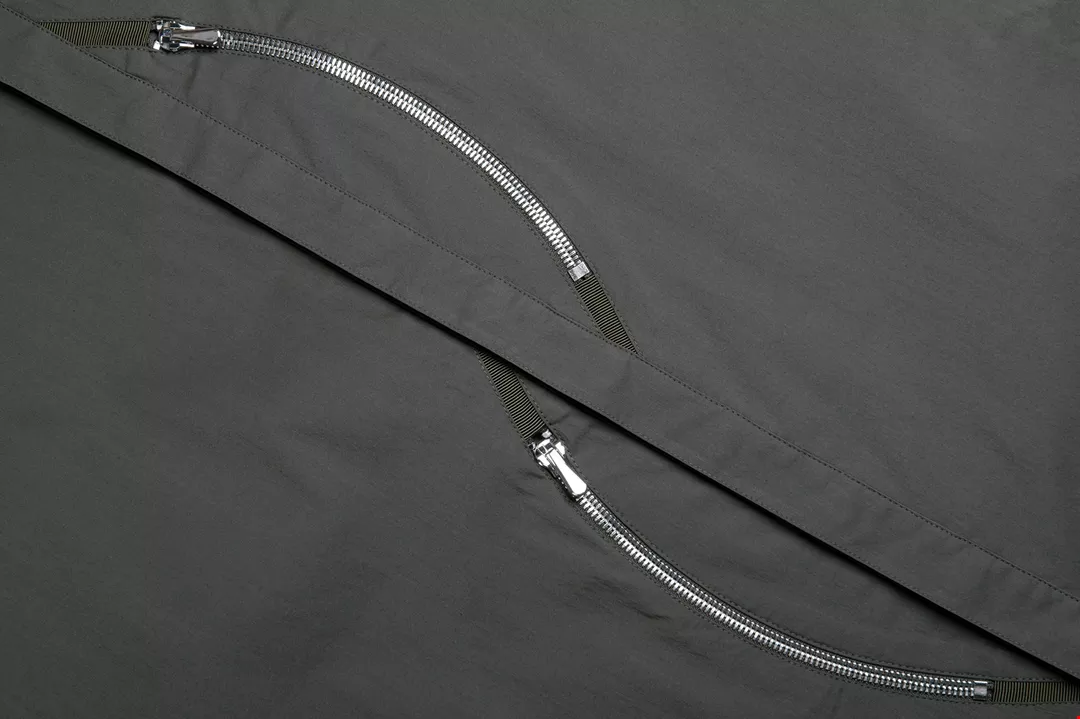
.jpg?w=1080&mode=crop&format=webp&quality=80)
.jpg?w=1080&mode=crop&format=webp&quality=80)

Local Asian elements such as temple bird perches, stairs, yin–yang symbols, and the crossed collars of traditional Chinese attire have been abstracted to inform the structures and lines of oqLiq’s garments. (photo by Jimmy Lin)
Clothing for comfort
The job of a clothing designer is not just to draw design sketches. As Hung describes it, the designer is like an engineer, who must stay abreast of advances in materials and technology and figure out how to integrate new advances into their works and meet the wearer’s practical needs.
Take functional fabrics for example. Today, the waterproof rating of such textiles has reached 30,000 mm, and many of oqLiq’s garments and bags are designed to be splashproof. Kay Hung even shows us a product that has not yet launched which uses high-tech material to hide sweat stains, eliminating those embarrassing moments from daily life. “Clothing can function like invisible armor.” It is in such inconspicuous details that design can play its most important role.
oqLiq’s designs are based on the principle of “convenient living.” Their attire has many pockets with zippers, making it easy to carry things. Even women’s dresses are no exception.
For oqLiq, clothing is more than just a surface language of form or image—it should offer a way of life in which movement is easy and comfortable.
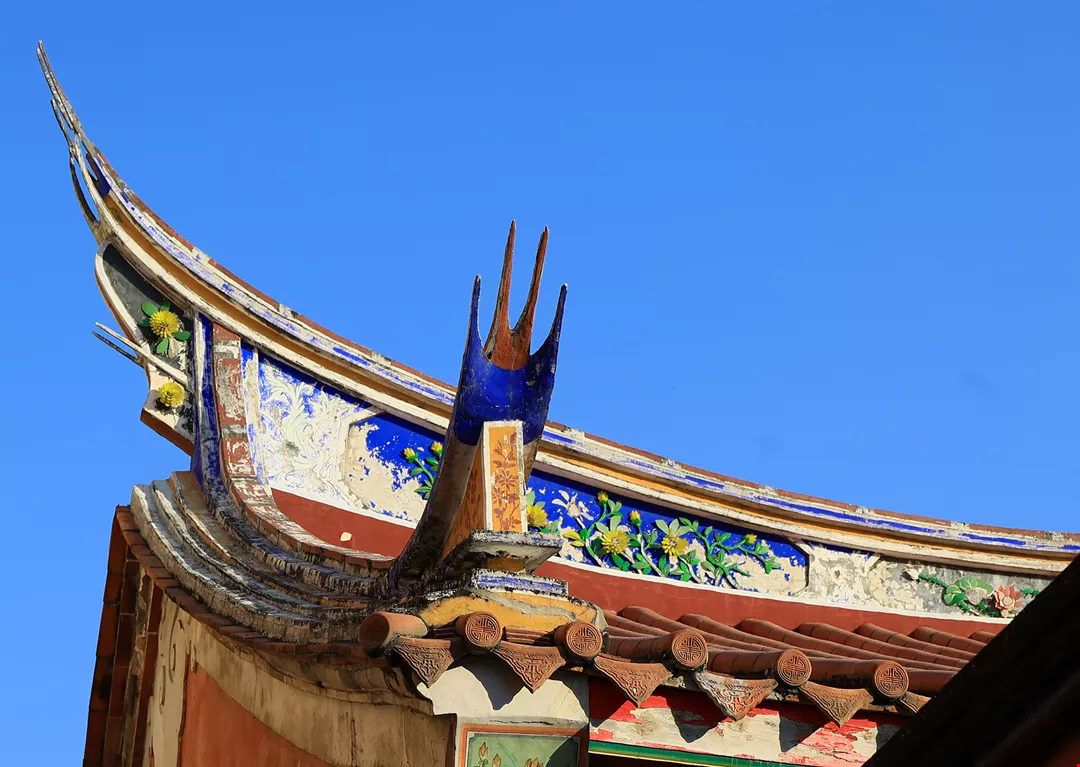


Urban scenery and Taiwan’s multicultural values have provided inspiration for oqLiq designs. Intriguing details drawn from the everyday in Taiwan are cultural elements that are not readily reproducible overseas. (photo by Jimmy Lin)
Made in Taiwan
“As for sustainability, I think it is an attitude about life, just like in Taiwan everyone recycles plastic bottles after finishing a drink.” Indeed, sustainability has been a part of oqLiq’s DNA almost right from the start. Working with the Lotos brand, they use faux leather manufactured from reservoir sludge to make “leather” clothing, bags, and accessories. Hung says with a laugh that this is “washing one’s pants while fishing for clams” (i.e., killing two birds with one stone). They also transform environmentally friendly fabric made from recycled oyster shells into numerous items boasting both functionality and style. And it just so happens that these high-tech functional fabrics are a strong point of Taiwan’s textile industry.
Though oqLiq’s clothing is very high-tech, Hung says with a smile that they are like “boomerang kids” living off their parents, as the brand relies on local master craftspeople with decades of experience. Their apparel, from raw materials to manufacturing, has strong ties to the Tainan area, and perhaps it is for this reason that though it may look understated, it carries the cumulative weight of time, skills, technology, and this land.
oqLiq has long made sustainability part of its brand DNA. One example is the use of newly invented faux soft leather made with reservoir sludge.oqLiq has long made sustainability part of its brand DNA. One example is the use of newly invented faux soft leather made with reservoir sludge.
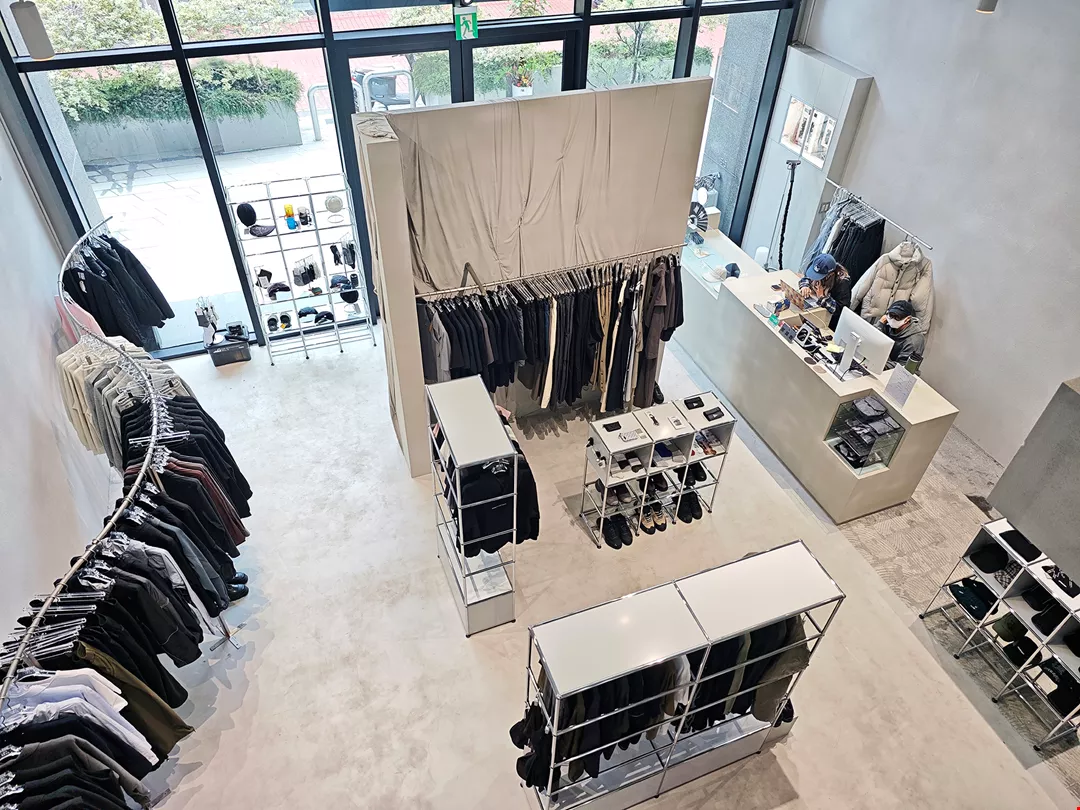
oqLiq’s store displays are made with sustainable materials like the oyster shell ash produced by Lotos. (photo by Jimmy Lin)
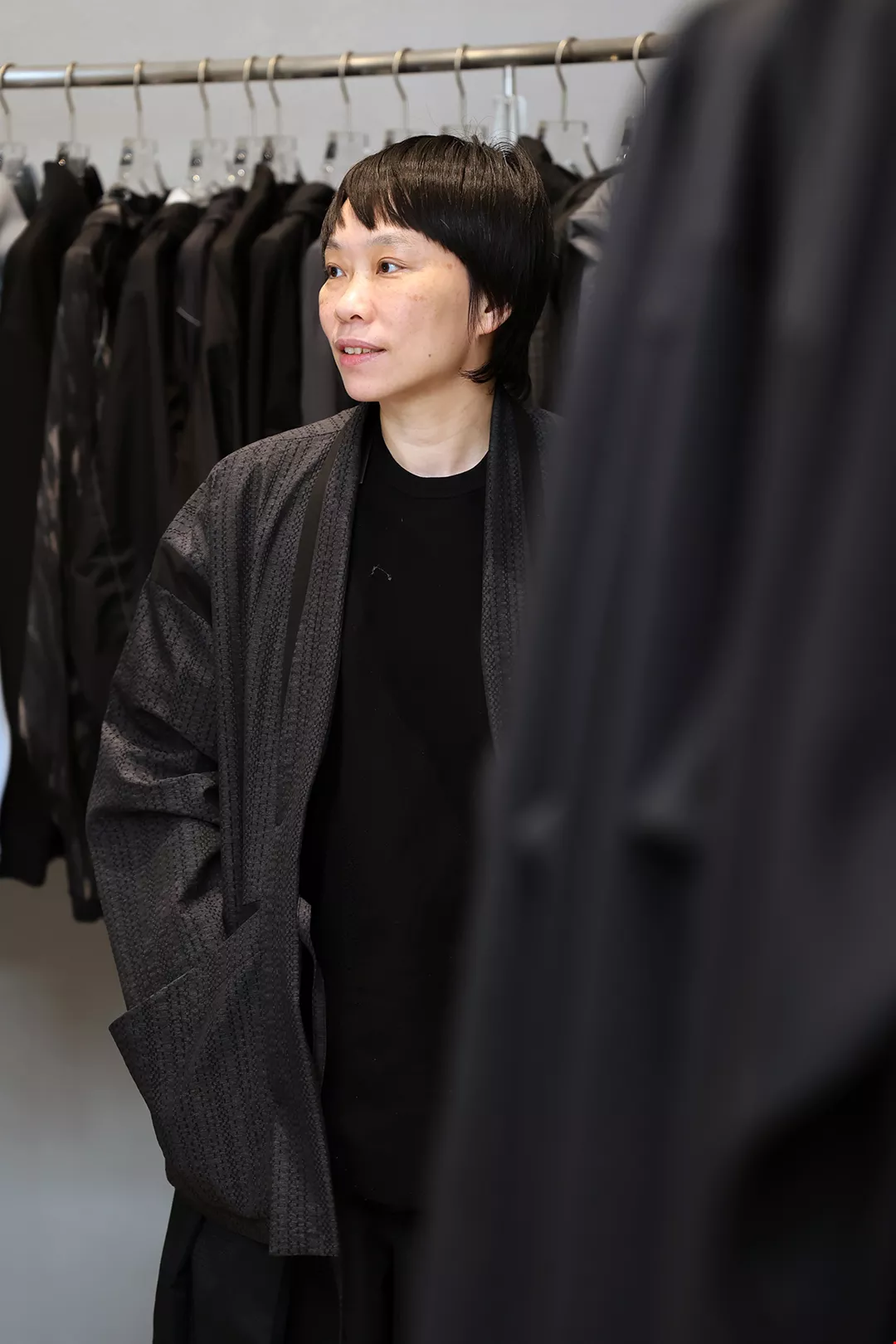
The idea that Kay Hung wants to convey through her brand is that attire should make daily life more comfortable. (photo by Jimmy Lin)
@List.jpg?w=522&h=410&mode=crop&format=webp&quality=80)

@List.jpg?w=522&h=410&mode=crop&format=webp&quality=80)
@List.jpg?w=522&h=410&mode=crop&format=webp&quality=80)


