Luku--Land of Purple Mountains and Green Tea
Sunny Hsiao / photos Chung Yung-ho / tr. by Peter Hill
December 1986


There's a song that goes: "If you're going to San Francisco, be sure to wear a flower in your hair." Well, if you're going to Nantou County's Luku Village, you can add the same romance to your trip by trying a cup and buying a can of the area's delicious tea.
Luku is often called "Tea Country." As you enter the town, a dazzling variety of advertisements for tea meets your eye. The town's residents must reach for a cup of tea whenever thirst hits. Guests at any home are served tea, as are customers at any of the town's numerous tea stores, where "Try a little!" are the first words you'll hear from the boss.
Luku residents don't seem to worry that drinking all that tea will keep them up at night. "Not if you're used to it," says Ch'iu Piao-tzung, secretary of the Luku Village Administration Office. "In fact, I have trouble getting to sleep if I don't have my evening cup."
Many doctor's have established that tea is beneficial to our health, something to which Luku residents will readily prove witness. An example is a 55-year-old tea farmer who, though already a grandfather, looks young enough to still have a grandfather.
Tungting Oolong tea is the flagship of Luku's tea flotilla. Says Lin Po-hui, the owner of a tea store, "Anywhere you go, farmers don't feel safe unless they're growing some Tunting Oolong." There are sixty families growing this tea on Tungting mountain, part of the same mountain ridge as Phoenix mountain, the location of Luku. The area is perfect for growing Oolong tea: the summers are cool, the winters are mild, and the weather is usually cloudy or foggy.
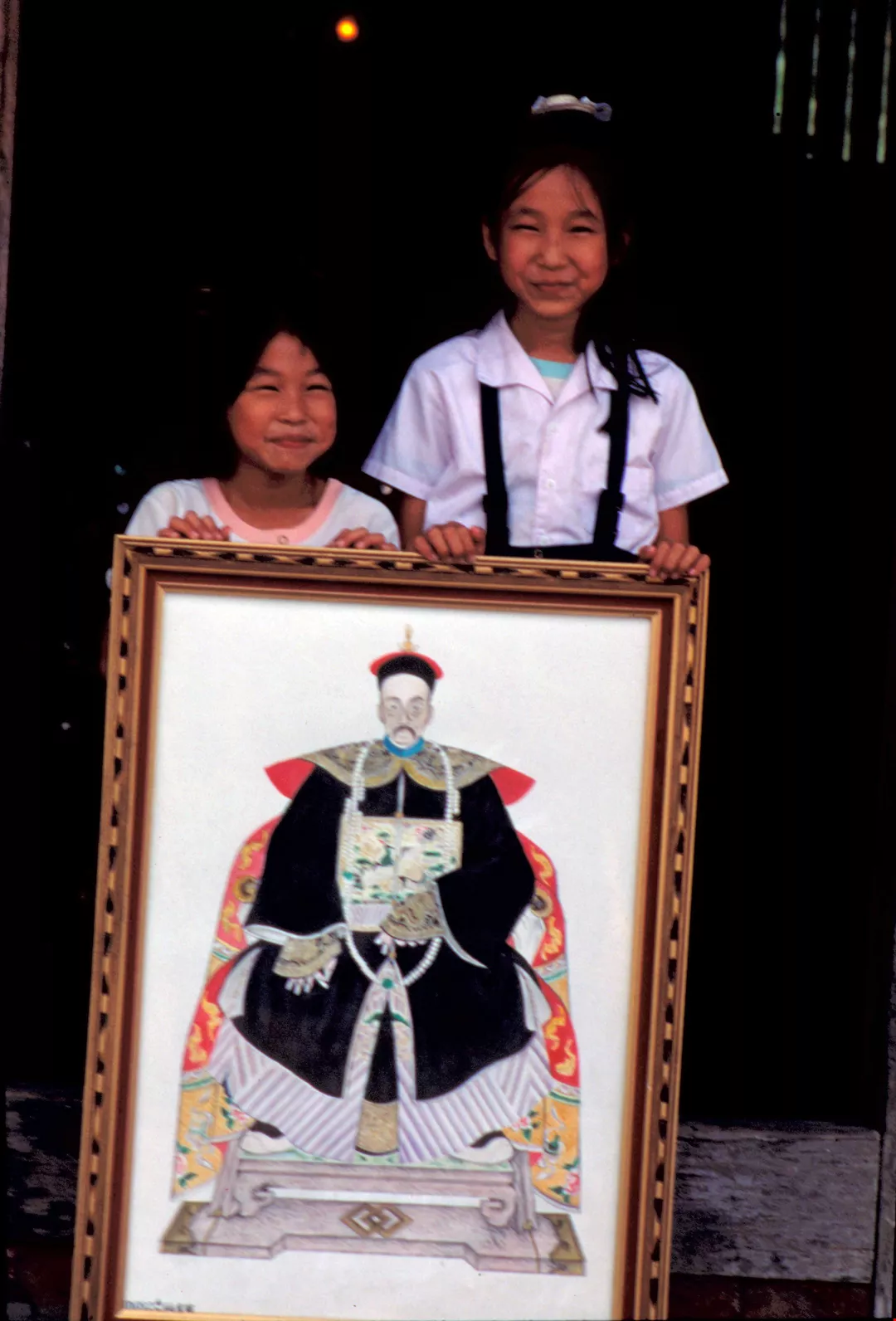
In the mid-1800's a Luku resident named Lin Feng-chih decided to travel to Fukien Province to participate in the civil service examinations. He returned home wearing the proud robes of an official and bearing 36 Oolong tea plants. Many of them died, but those planted on Tungting mountain thrived, and soon the number of plants had grown to several hundred. Later, he went to Peking, where he presented the tea to the Emperor Tao Kuang. The emperor, smitten with the tea's fragrance and flavor, bestowed on it the name "Tungting tea."
Luku Township is located in the middle of the Central Mountain Range. It has a population of 23,000, most of whom support themselves by growing the area's two major crops, tea and bamboo. In the beginning, due to poor roads and a scanty population, only a small area of tea was planted. By 1945 the area had grown to 900 acres, and by 1957 to over 3,000 acres. In economically hard times, however, planting tea was not a top priority. As one older farmer says, "Luku is pretty flat. You can plant a lot of rice here--and feeding yourself is important."
Before the 1960's, tea growing here was rather backward. Insecticides and fertilizer were not used by the farmers, to say nothing of such techniques as grafting. The Taiwan Tea Experimentation Station established a tea plantation for the demonstration of new growing techniques; but the farmers were not influenced by it, and tea production increased only gradually.
In the 1970's, Luku began specializing in the growing of Tungting Oolong, and after winning a series of tea competitions began attracting tens of thousands of customers.
Before Luku hit it big with tea, it was a poor, backwards area. When told they were to marry a man from Luku, many young women tried to run away from home. These days, however, Luku's women residents are happy whether they're plant ing, selling, or making tea. "You know," laughs Yungfeng Village Head Ch'iu Chinhsien, "nowadys everyone around here is a country gentleman." Of the 300 families living in the village, around 200 have their own cars, to which they have given the nickname "Oolong Specials." Since 1969, Yungfeng Village has won so many tea competitions that the village's growers were asked to stop competing.
Everyone in Luku is a tea specialist. Visit a few families there, and you'll learn enough to be an expert yourself. The first rule for buying tea is try before you buy. Looking at the leaves or smelling them is not an accurate test of their quality. Some teas smell good but don't taste good, while others have no smell but are fine-tasting. A high price tag is also no guarantee of quality. As long as the tea tastes good to you, it's a good buy.
Making a good pot of tea is another skill. You must leave plenty of room in the pot for the tea leaves to expand, so that their flavor can come out. Otherwise, the tea leaves will "suffocate."
The best way to drink tea is in the traditional manner. First, place the cup of tea under your nose and deeply breathe in the aroma. Never swirl the cup around-- that ruins the atmosphere. After taking a sip, swish the tea around in your mouth, savoring its taste, then slowly swallow it down.
Those outside the circle of tea drinking initiates may find this to be a lot of trouble for one sip of tea. But, says Lin Tzu-p'ei of the Chien Ch'eng Tea Shop, "tea is a work of art, not an industrial product. It's like life--you need to have a way of doing things, and you have to taste the bitter before you can enjoy the sweet."
The profits on selling tea are high, but a lot of work goes into its production. Aside from fertilization and irrigation, there are sun-shrinking, mixing, and cutting the leaves, then drying and curing them. Planting and picking the tea are both arduous work. Machines have lightened the task, but they also lower the quality of the tea by tearing the tea leaves, which then lose their moisture. Most tea pickers are women. Because tea plants are very short, the pickers must stoop low to pick the leaves, so that by the end of the day they can hardly stand up straight. In addition, the tea pickers tape knives to their hands to speed up the picking, which leads to injuries when inexperienced pickers unthinkingly try to wipe the sweat off their faces or slap mosquitoes.
Luku's tea growers work all year around. When they aren't picking tea, they're busy fertilizing the fields or pulling weeds. No wonder some people say: "The favorite leisure-time activity of the people there is making money."
The development of Luku township has been as successful as that of its tea industry. Under the guidance of the Township Office, the promotion of the District Council, and with the cooperation of residents, asphalt roads have been constructed, an activity center has been established, and a nursery has been opened. Now 95 percent of the area's homes have telephones. "You can't complain now!" exclaims one satisfied older resident, remembering how troublesome running a tea business was without a telephone.
Village Head Ch'iu Cheng-yi feels a bit embarrassed by the residents' contentment. "In all honesty," he says, "our funds are very limited, so most of the money for development has come from the residents themselves." He points out that since there is no tax on the tea, only on the land, and since public investment has not kept pace with the tea planations' growing profits, fully supporting public projects is very difficult for the local government.
The development of the area has had its negative side effects. One of them is environmental destruction. The rapid expansion of tea plantations, which now cover 22,500 acres, has encroached on rice paddies, fruit plantations, and forest land. The over-use of the land is causing erosion on the mountain slopes, and the tea growers' use of stream water to irrigate their fields is depleting water sources. Furthermore, fertilizer and garbage are polluting the streams. These problems are posing a hidden threat to Luku's development. Some people point out that since the people of Luku live off the land, they will protect it. If Luku is to remain "Tea Country," that's just what they'll have to do.
[Picture Caption]
Lin Feng-chih, the man who brought Oolong tea to Luku, and thereby honor to his family. The photo is of two of his sixth generation descendants posing with a painting of their venerable ancestor.
A truckful of Luku tea growers driving off through a verdant field to pick their daily tea.
According to the experts, water boiled in a tin kettle over a charcoal fire makes the best tea.
Passing the day with an old friend over a cup of tea. Who could ask for more?
With a temple to offer blessings and protection, this vast tea plantation should have a good harvest.
(Above) Winter bamboo shoots.
(Below) Time for work! The master and his loyal dog, tail wagging, go into the fields.
UP and running with the sun, a group of students heads for school. It's hard to find a lazybones in Luku.
Waitankung is a popular from of exercise in Luku. Even before dawn there are people "working out."
Fishing in the Clear Channel Stream protected area.
(Left) Folk sculptor Lin Yuan's "Stone Monkey" adds some color to Riverside Park.
(Right) Doves, long one of the biggest attractions in Hsitou. In such a peaceful environment they feel right at home.
(Above) An African Imperial Crown crane looking as proud as a peacock.
(Below) This toucan from South America has a liking for papayas and toast.
A truckful of Luku tea growers driving off through a verdant field to pick their daily tea.
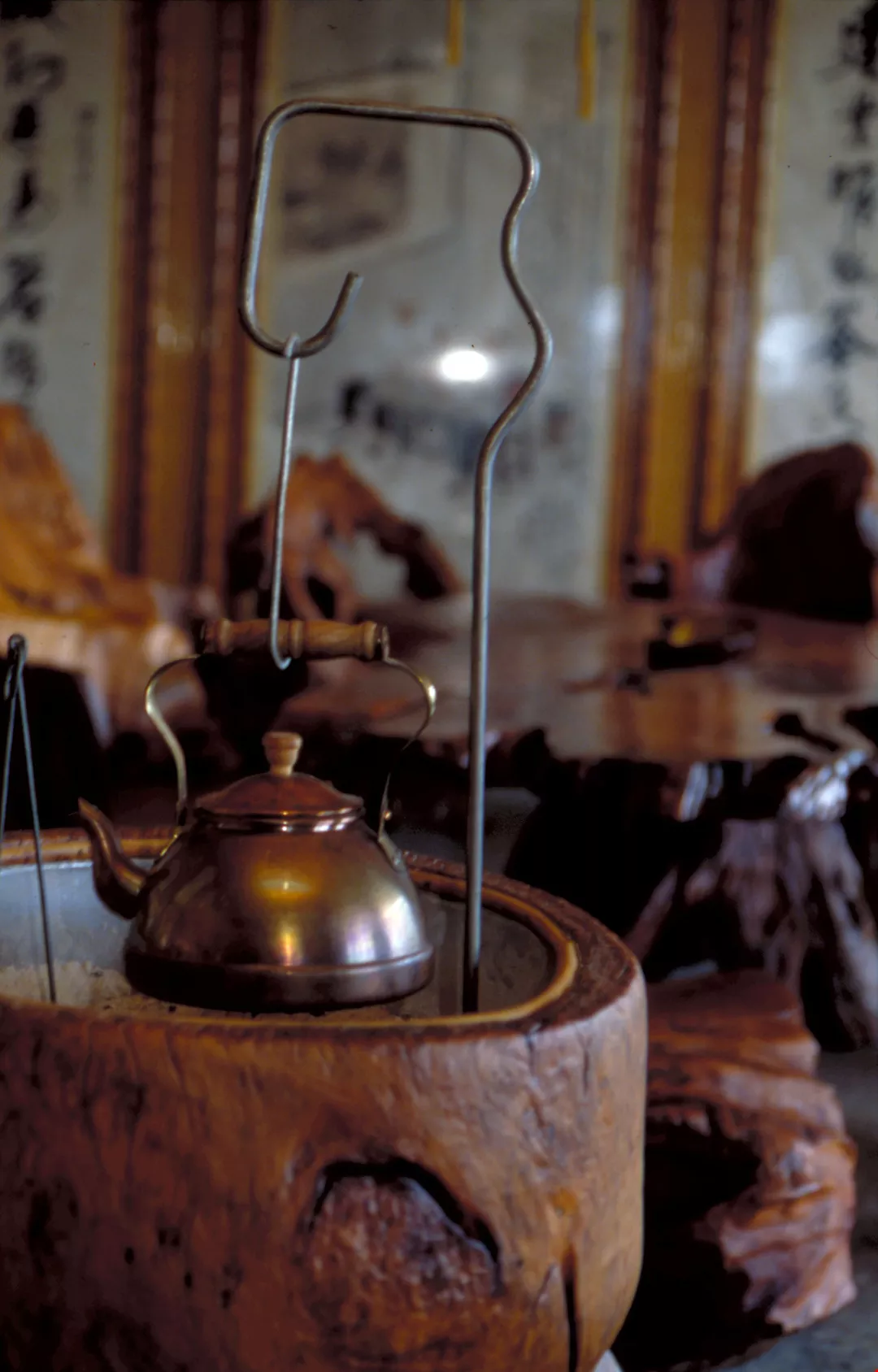
According to the experts, water boiled in a tin kettle over a charcoal fire makes the best tea.
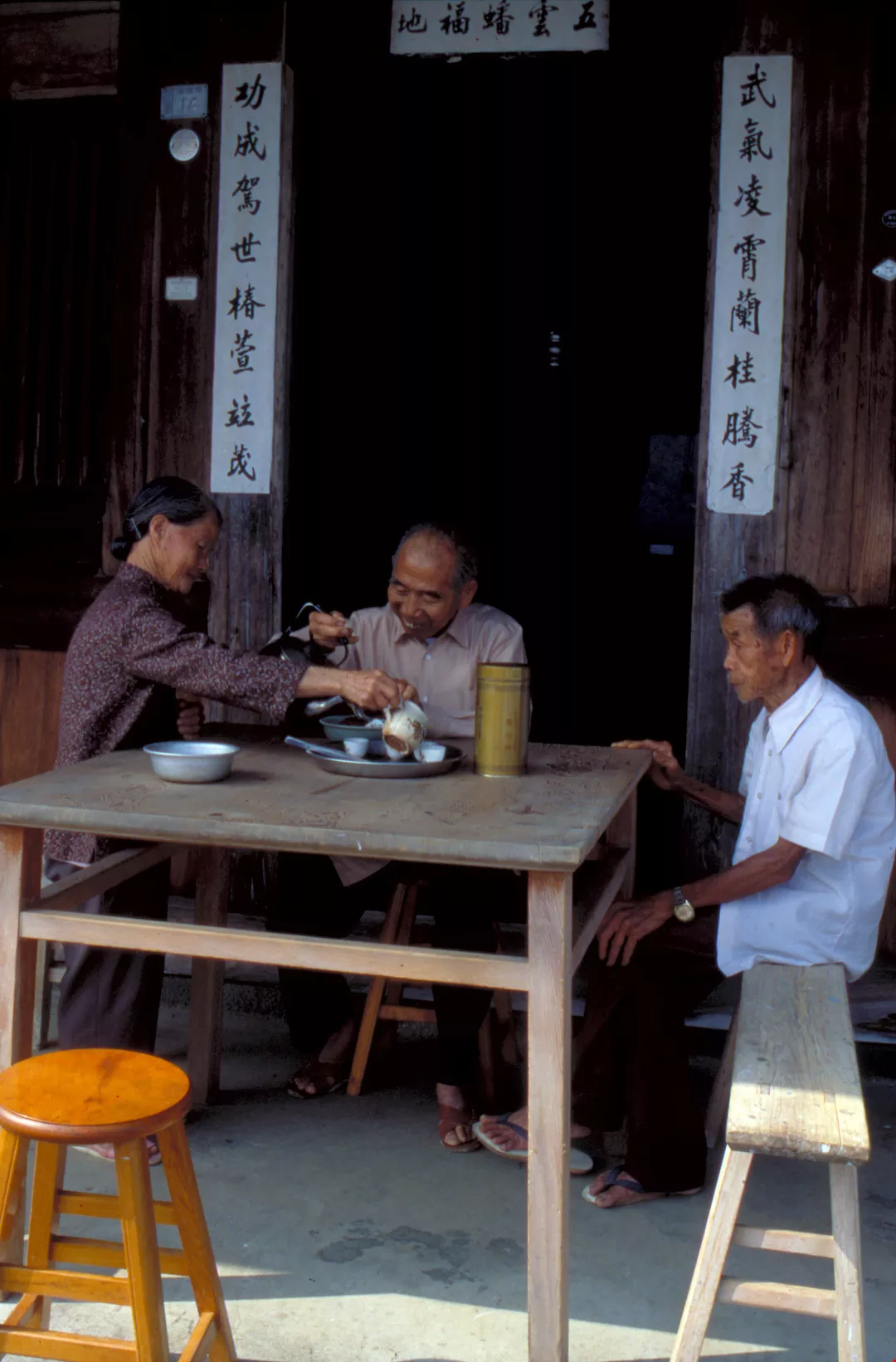
Passing the day with an old friend over a cup of tea. Who could ask for more?
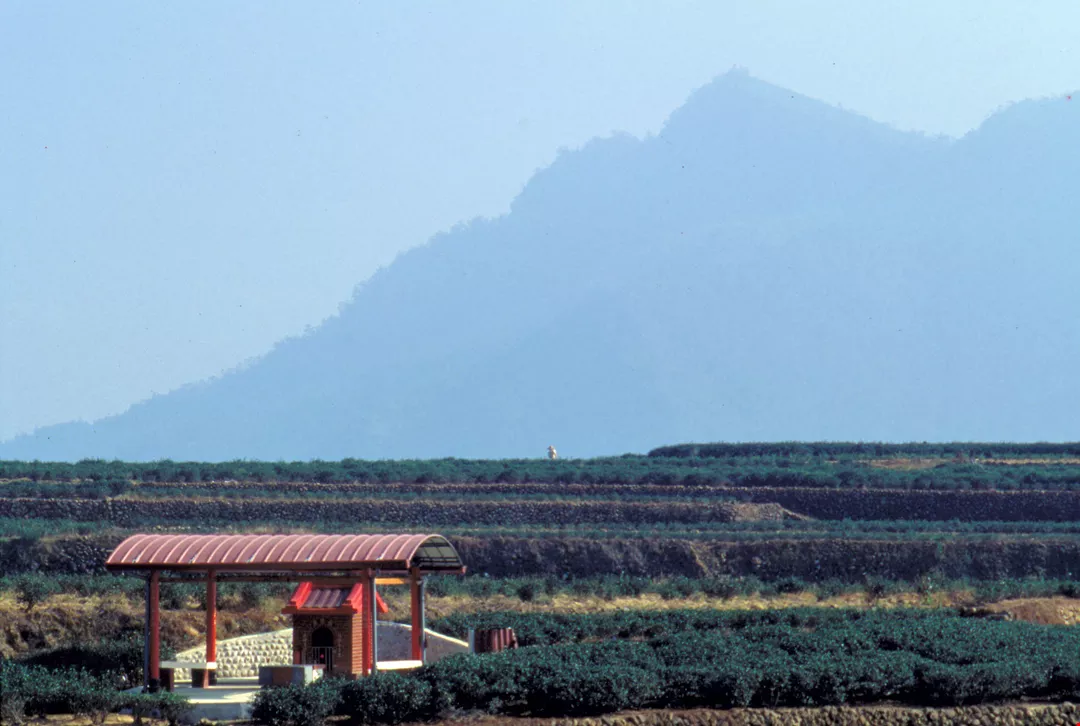
With a temple to offer blessings and protection, this vast tea plantation should have a good harvest.
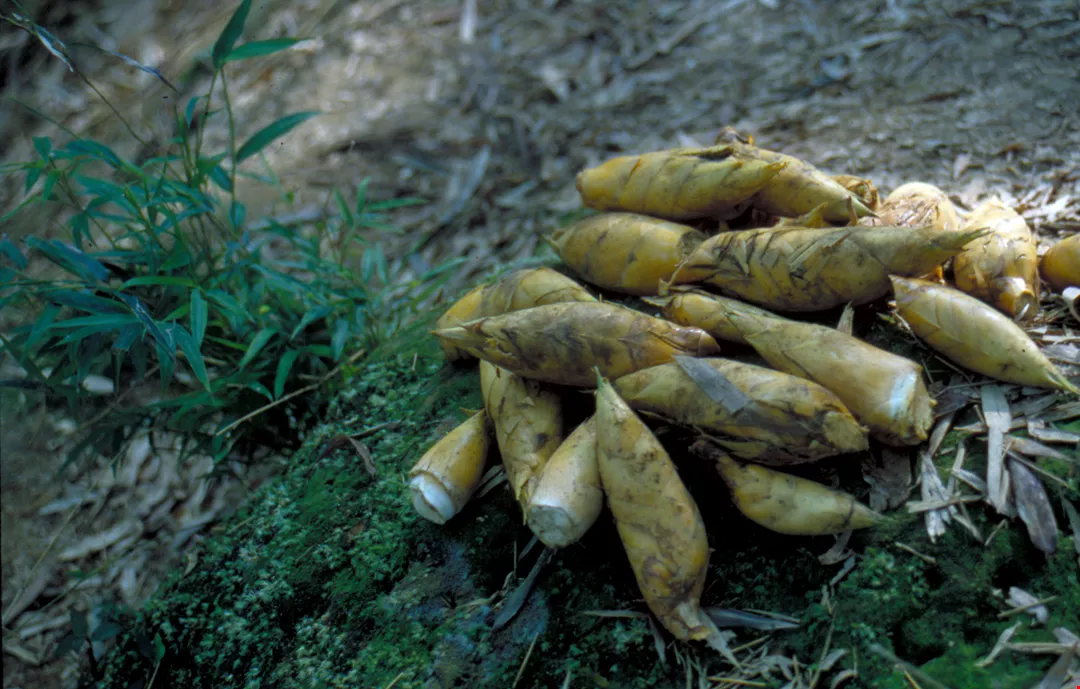
(Above) Winter bamboo shoots.
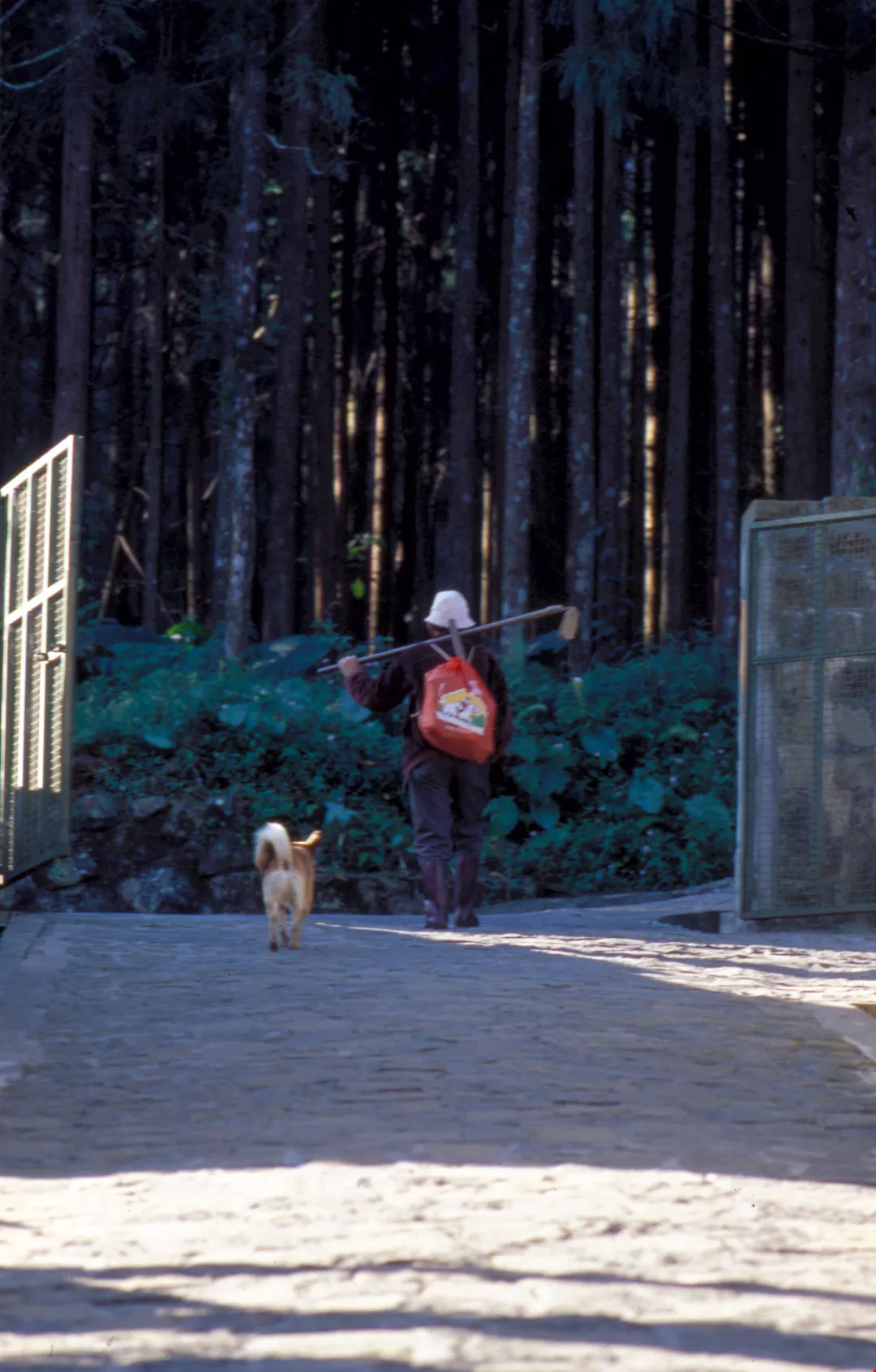
(Below) Time for work! The master and his loyal dog, tail wagging, go into the fields.
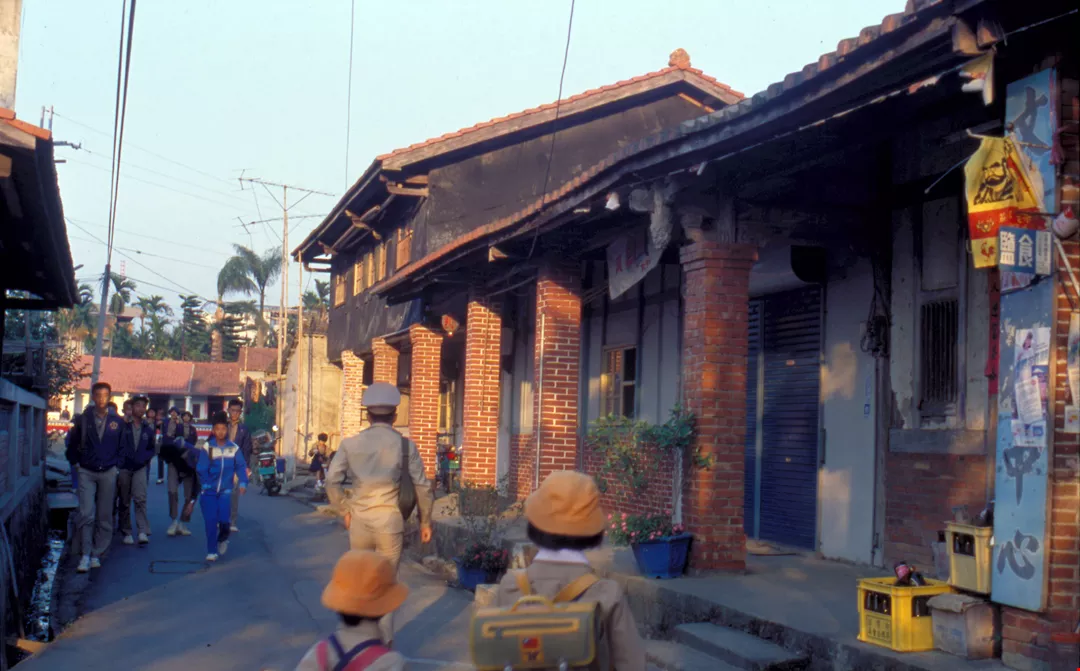
UP and running with the sun, a group of students heads for school. It's hard to find a lazybones in Luku.
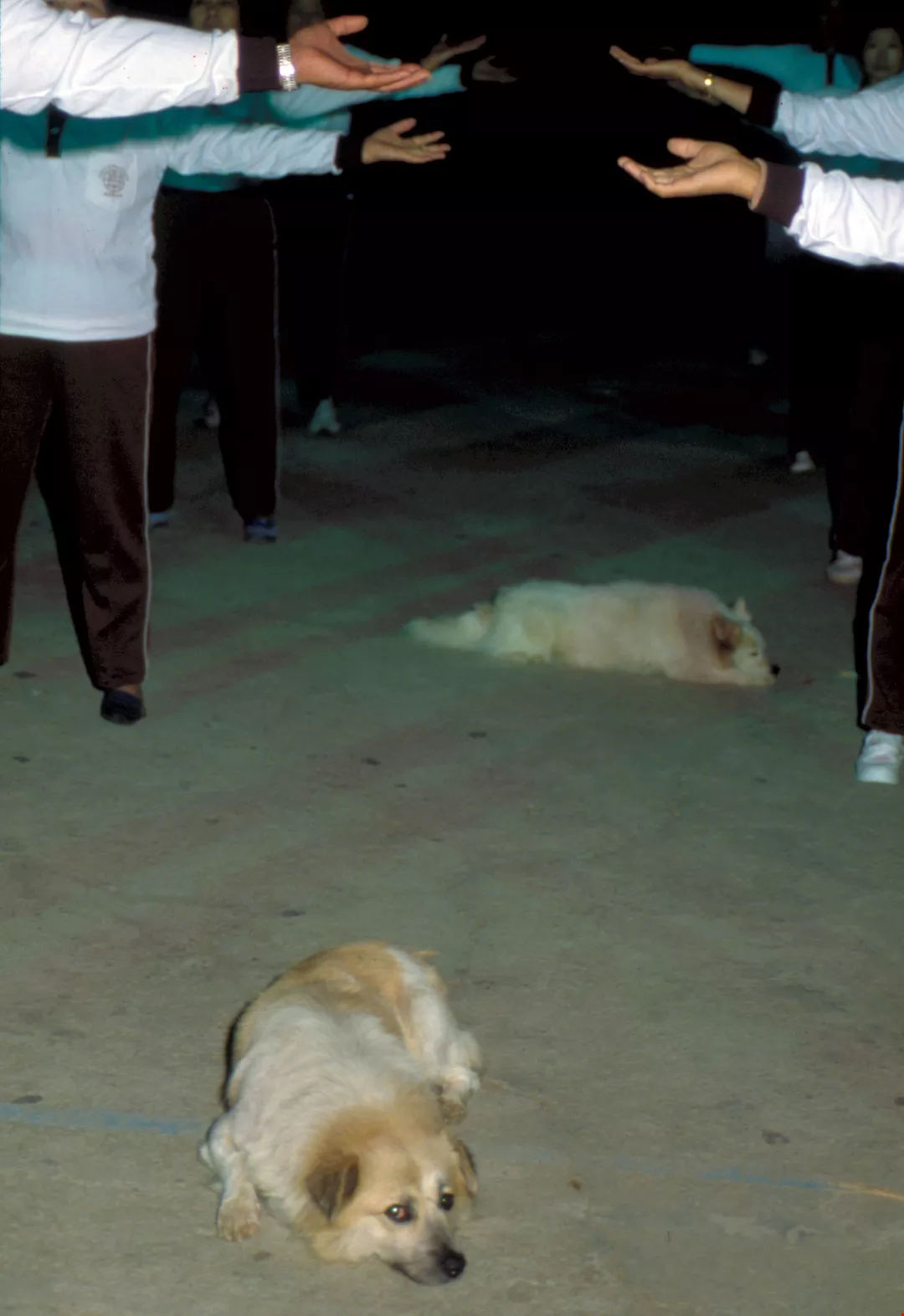
Waitankung is a popular from of exercise in Luku. Even before dawn there are people "working out.".

Fishing in the Clear Channel Stream protected area.
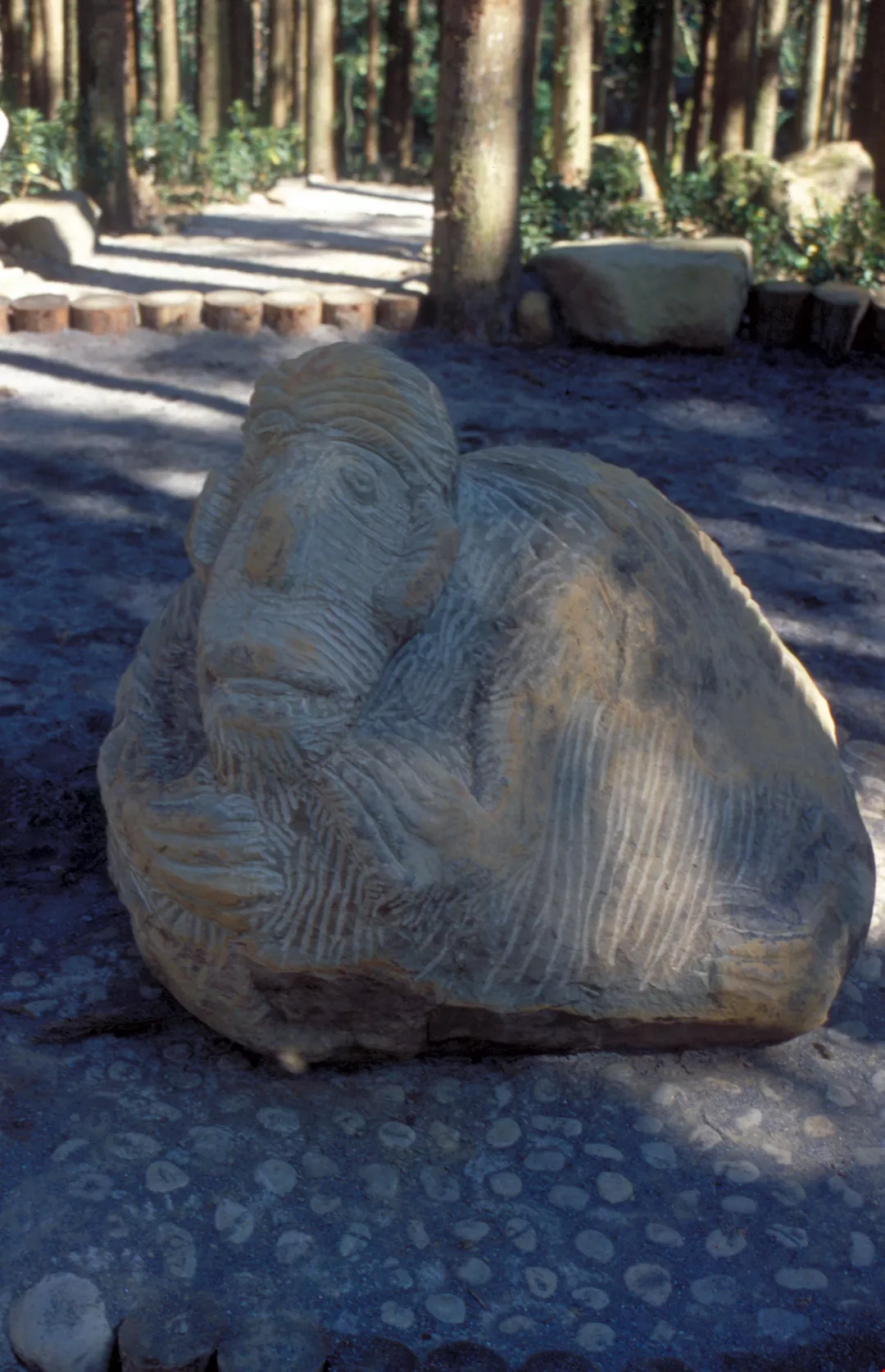
(Left) Folk sculptor Lin Yuan's "Stone Monkey" adds some color to Riverside Park.

(Right) Doves, long one of the biggest attractions in Hsitou. In such a peaceful environment they feel right at home.
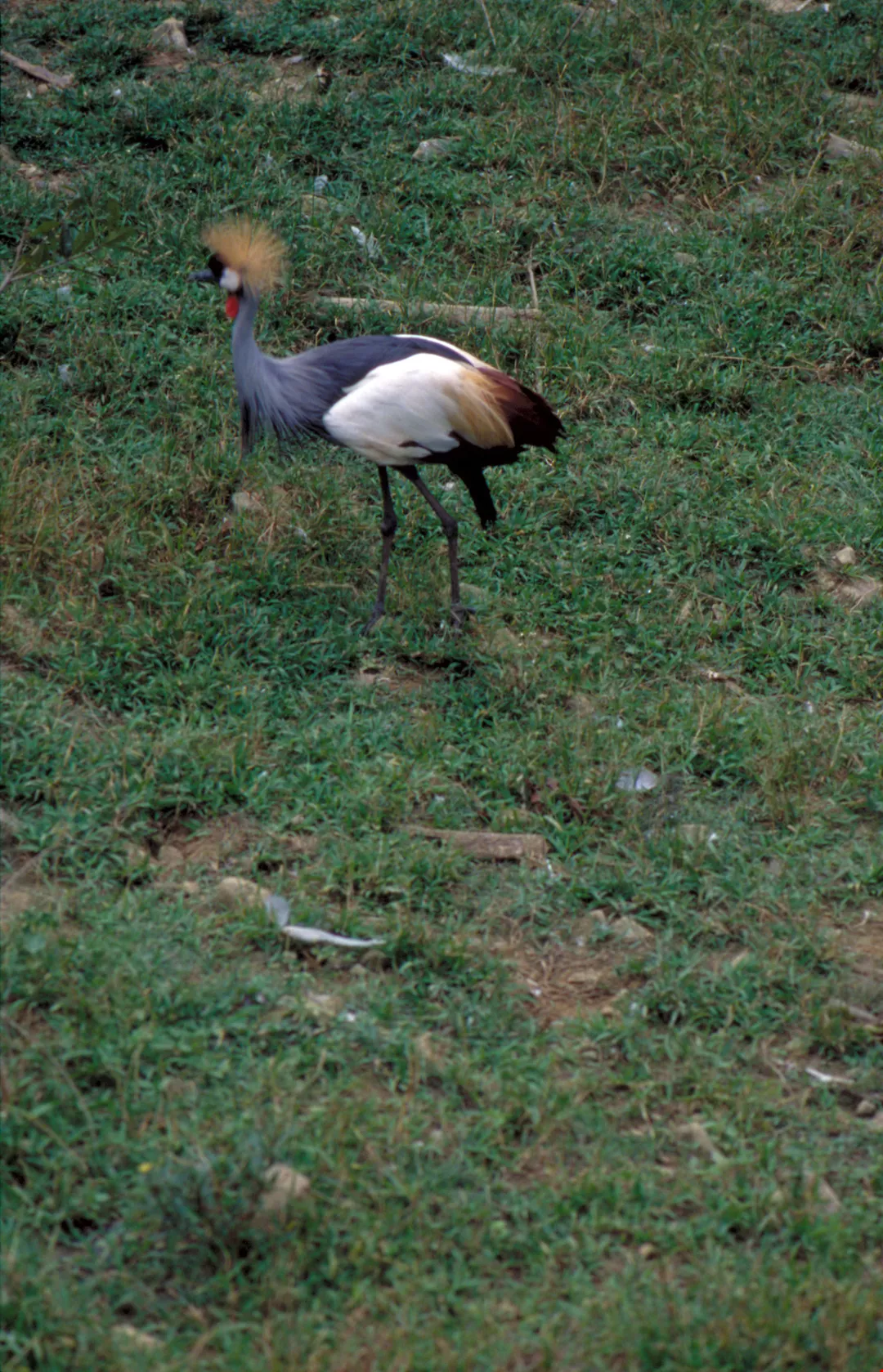
(Above) An African Imperial Crown crane looking as proud as a peacock.
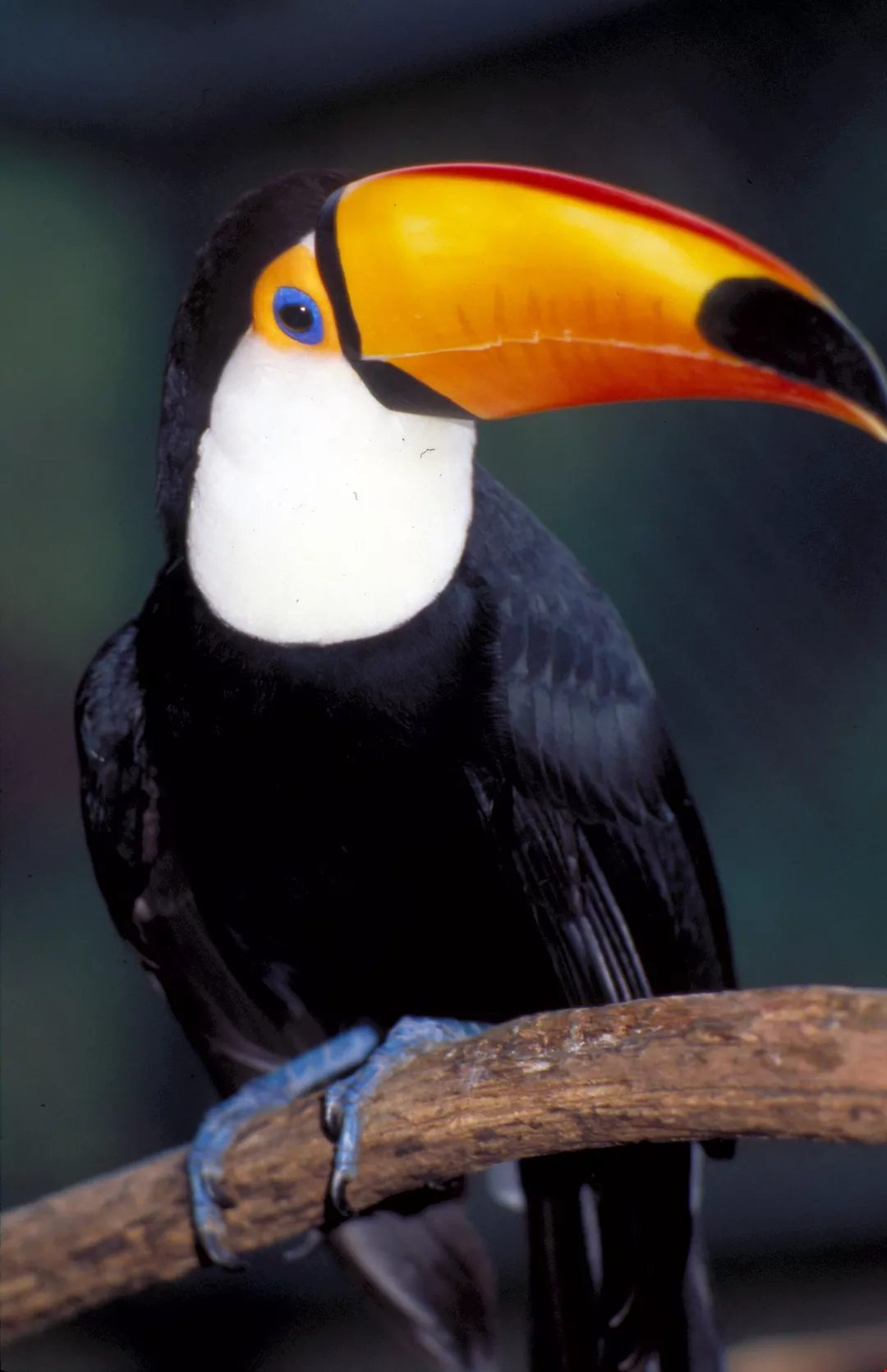
(Below) This toucan from South America has a liking for papayas and toast.

_DSC2938@List.jpg?w=522&h=410&mode=crop&format=webp&quality=80)

@List.jpg?w=522&h=410&mode=crop&format=webp&quality=80)


定稿-1@List.jpg?w=522&h=410&mode=crop&format=webp&quality=80)
