Taiwan’s Last Wilderness:
Intermediate Mountains
Cathy Teng / photos by Kent Chuang / tr. by Phil Newell
August 2025
An introduction to Taiwan’s medium-elevation mountains can be found in Tsui Tsu-hsi’s book Remote Places on the Island.
So you’ve visited Taipei 101, strolled through historic streets, and consumed a lot of great food. But would you like to experience a different side of Taiwan?
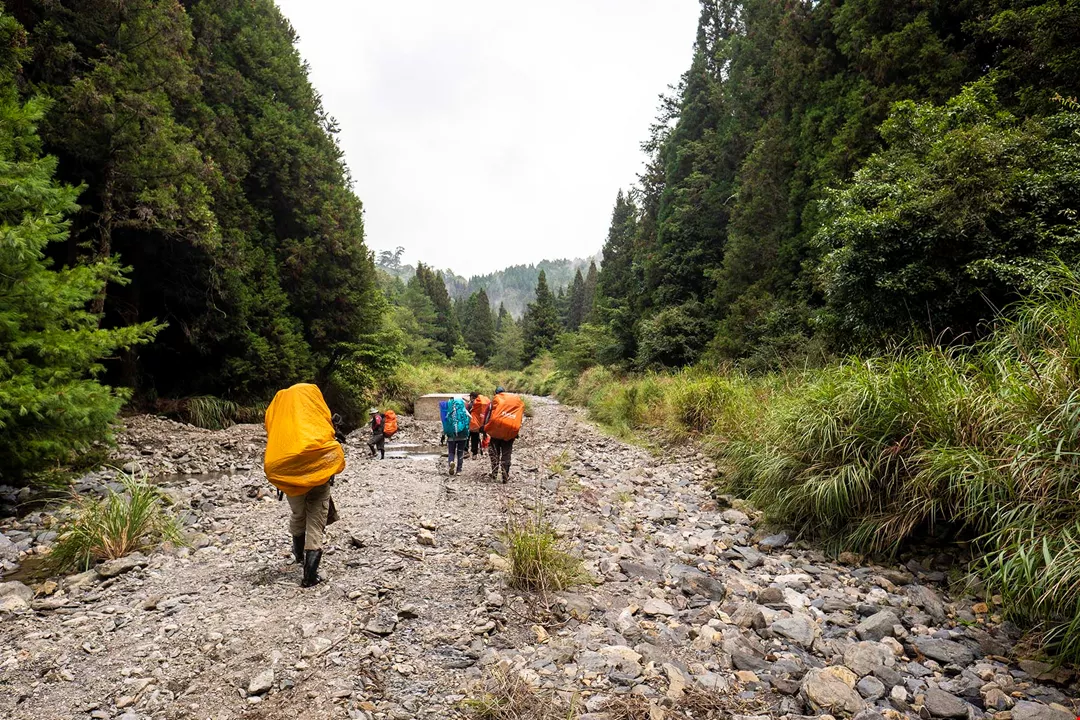
Then why not try out an alternative travel plan? Enter mist-shrouded forests, climb rock faces, and go down into river valleys. Search for paths through lush vegetation and feel the suspense of pushing ahead, sweating and wheezing, into places that are wild and adventurous. This type of journey can be found in locations still not widely known around the world: Taiwan’s medium-sized mountains.
“Taiwan’s most representative scenery, its most magnificent peaks and valleys, its most vibrant ecologies, and many stunning cultural and natural history sites, are found in mid-sized mountains.” So says Tsui Tsu-hsi, a.k.a. “Icey,” who has over three decades of mountaineering experience and last year published the first book dedicated to the exploration of Taiwan’s intermediate mountains, whose title translates as Remote Places on the Island. His description is alluring, but before you start to train yourself physically and mentally for such an adventure, why not come with us on a textual exploration of these mountains?

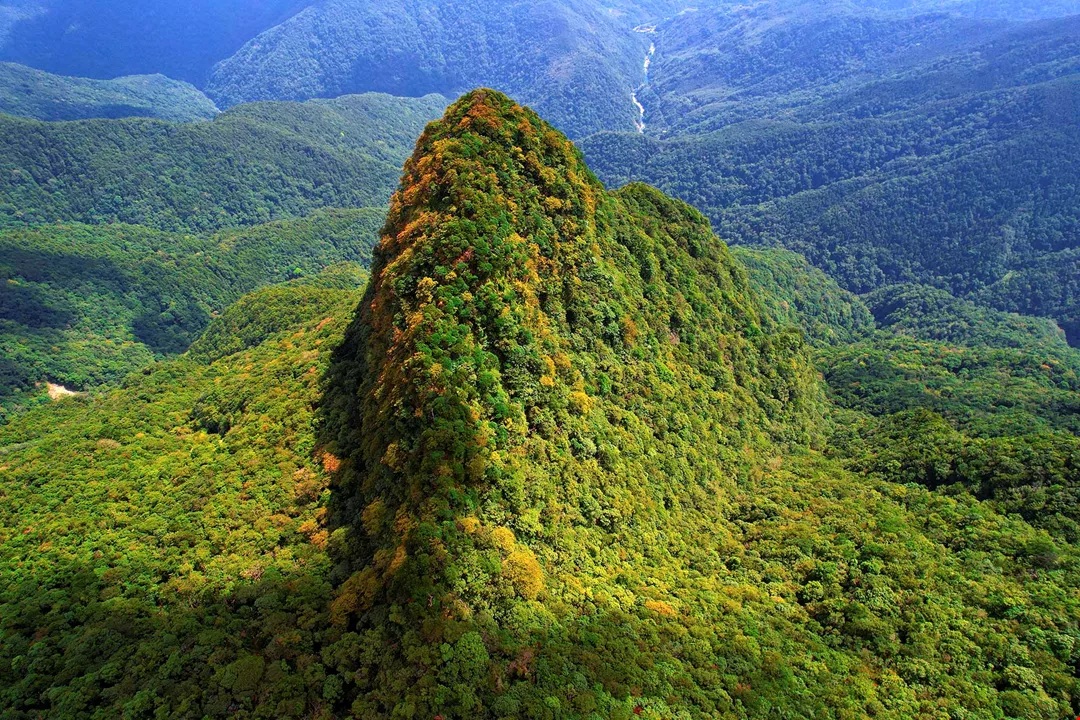
Medium-elevation mountains are often bulky in shape and separated from each other. The photo shows the isolated crag of Mt. Wu in New Taipei City’s Wulai District. (courtesy of Tsui Tsu-hsi)
Intermediate mountains
Tsui tells us that the terms “medium-sized” or “intermediate” mountains refer to mountains of middling elevation, with peaks rising 1,000–3,000 meters above sea level. They have temperate microclimates and relatively few visitors, but have been important sites of activity for mountain-dwelling ethnic groups.
About 70% of Taiwan’s land area is mountainous, including 268 peaks exceeding 3,000 meters in height, which account for about 1.7% of all highland zones. In the 1970s, the mountaineering community made a list of Taiwan’s “Top 100 Peaks”—the high mountains considered most worth climbing—which spread the idea in Taiwan’s society that mountain hiking is primarily about these peaks. Foreign visitors, meanwhile, often come to Taiwan aiming to ascend Yushan (Mt. Jade), the island’s highest crag.
Meanwhile, bluffs less than 1,000 meters tall, many located in city suburbs, account for about 52% of Taiwan’s mountainous terrain. They are convenient to population centers and have a robust network of trails, such as the Taipei Grand Trail and the Tamsui‡Kavalan Trails. Tsui declares that these trails among Taiwan’s “suburban peaks” offer easily accessible world-class hiking.
However, relatively few people visit the intermediate mountains, which account for nearly 45% of Taiwan’s mountainous terrain. These mountains are mainly seen as “training grounds” for mountaineering aficionados. “Because they are hard to reach, mostly lack stunning views, and lack the fame of the Top 100 Peaks, they are ignored. Yet,” Tsui avers, “there are a huge number of world-class sights to see in these mid-level mountains.”
Tsui confesses that he had already ascended more than 80 of Taiwan’s Top 100 Peaks while still in university, and that he began to feel, “I was so familiar with the high mountains that I knew what scenery I would find at any spot I visited, until climbing them became simply routine.” Seeking a different kind of stimulation and challenge, he began even then to visit mid-sized mountains—the most remote wilderness areas in Taiwan.
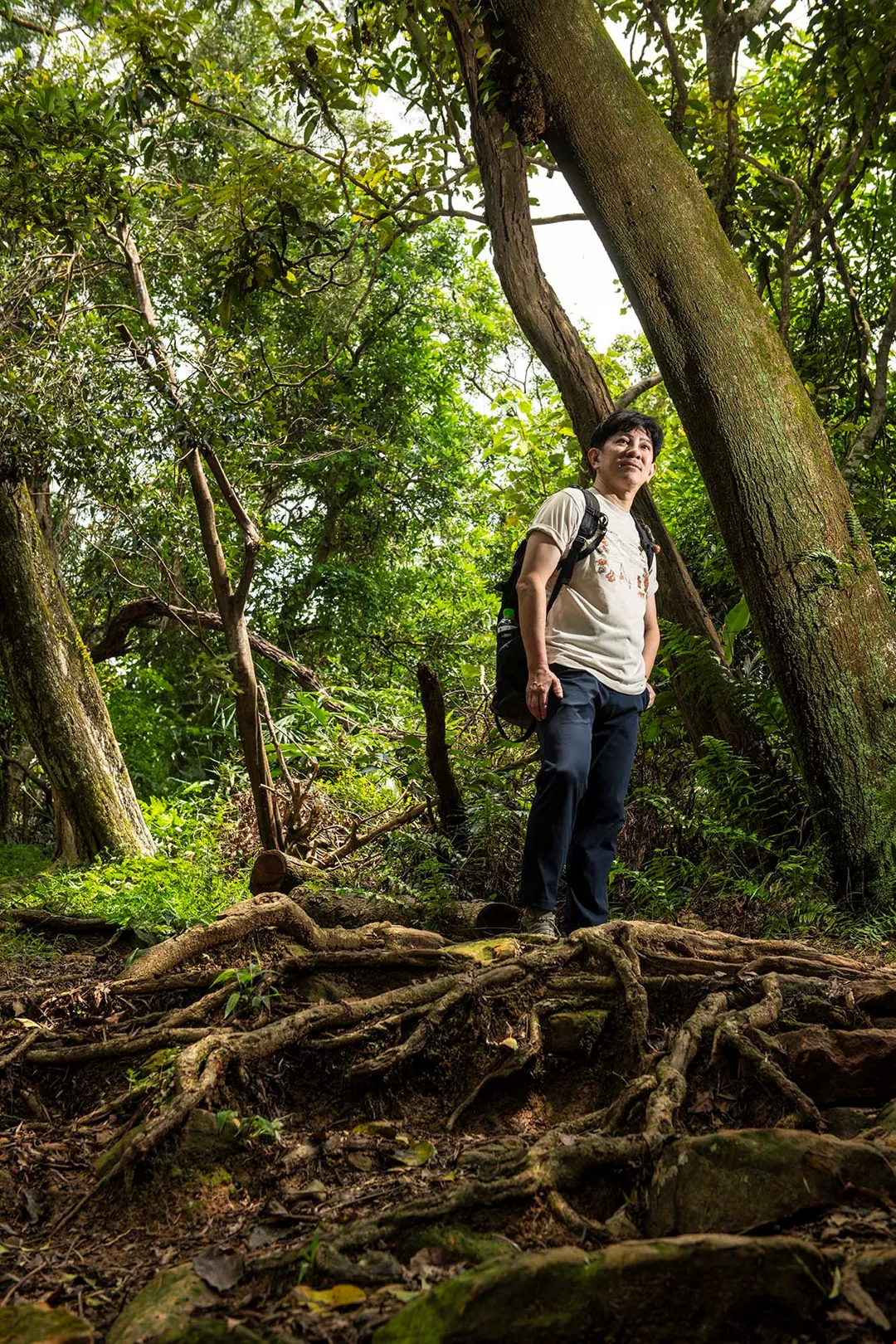
Tsui Tsu-hsi says that Taiwan’s most representative scenery, most magnificent mountains and valleys, and most ecologically vibrant places, as well as many important cultural and historic sites, are to be found in the island’s intermediate mountains.
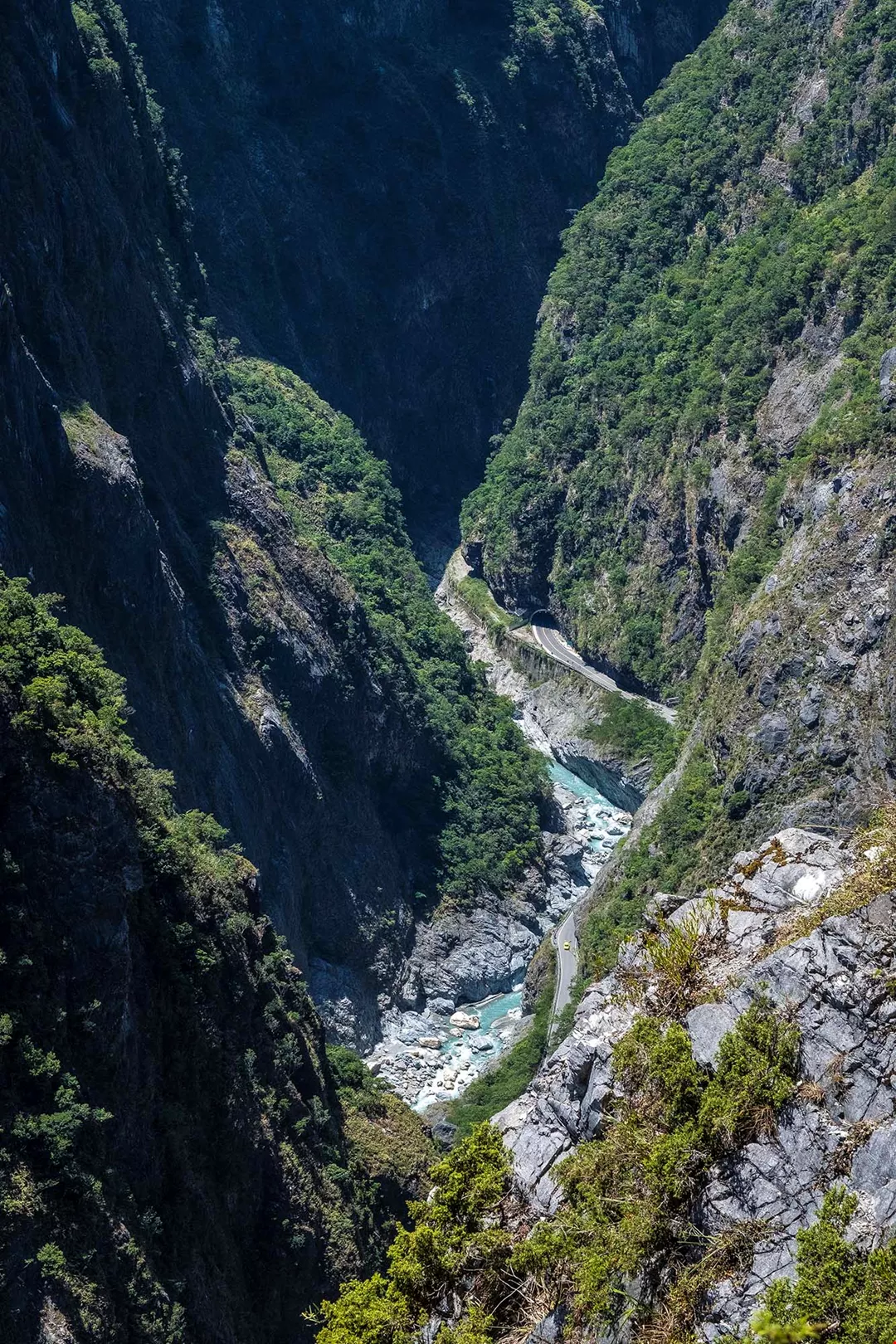
One of the distinguishing features of Taiwan’s mid-sized mountains is the combination of high peaks with deep valleys. The photo, taken from the Zhuilu Old Trail, shows a view into the narrow marble canyon of the Taroko Gorge.

Dramatic topography
What do Taiwan’s most remote wilderness areas look like?
First let’s talk about topography. Tsui says: “Taiwan’s mid-sized mountains are characterized by high peaks and deep valleys on a grand scale.” Taiwan is an island pushed up out of the ocean by the interaction of the Eurasian and the Philippine Sea tectonic plates, accounting for the great height and concentration of its mountains.
High mountains account for only a tiny portion of the mountainous areas in Taiwan. One of their defining features is that they offer close sequences of peaks, so that climbing high mountains involves a great deal of ridge walking. They also have a comprehensive network of access roads and trails, with vehicle access to trailheads even above 2,000 meters, making them convenient for the public. The highest such trailhead, for Mt. Hehuan, is at 3,220 meters above sea level.
But the situation is very different when it comes to mid-sized mountains. Intermediate mountains are often bulky in shape and separated from each other, with routes to the summit requiring at least six to seven hours. In some places, it may take many days to reach the heart of a mountainous area. One must also take account of the erosion effects of the many waterways in these areas. “Taiwan’s mountains are all sculpted by water, creating dramatically varied topography with great height differences.” This makes hiking in mid-sized mountains even more difficult.
Tsui points to the Qingshui Cliffs on the coast of Hualien County as an example. “Uplifted by tectonic forces, some of them rise more than 2,000 meters above the ocean, which is very rare.” Areas with intermediate mountains also have lots of river valley terrain, making them ideal for river tracing and canyoning.

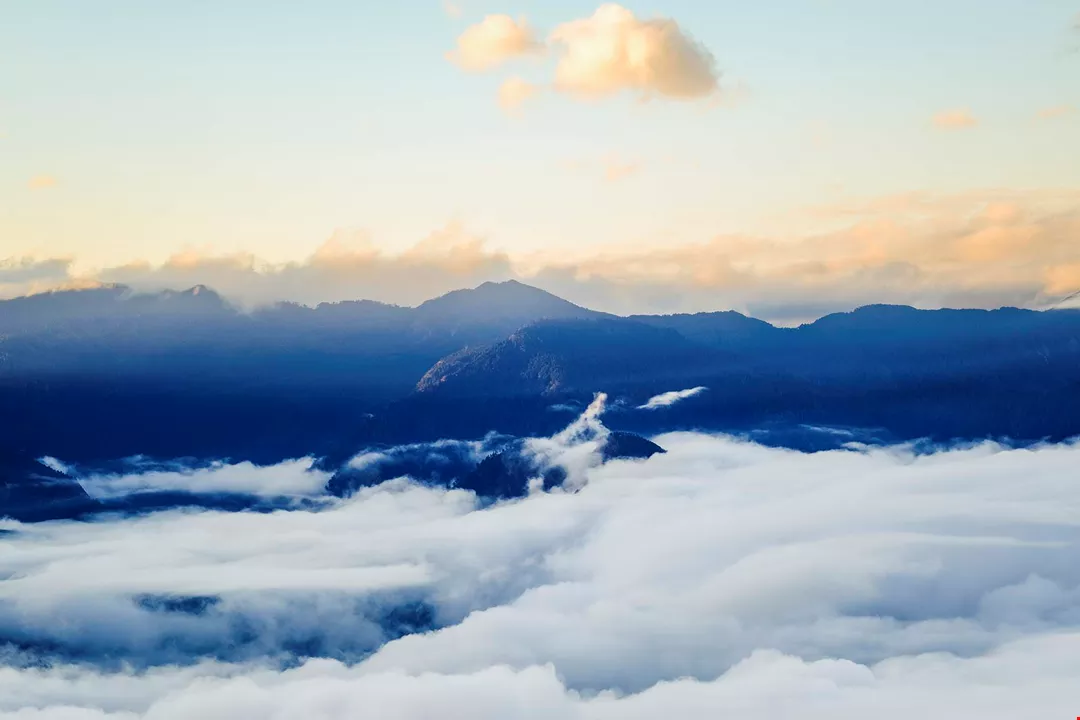
Moisture accumulates at elevations of 1,700–2,500 meters to form dense mist or a sea of clouds. This zone is known as the cloud forest belt. The image shows the sea of clouds at Mt. Taiping in Yilan County.

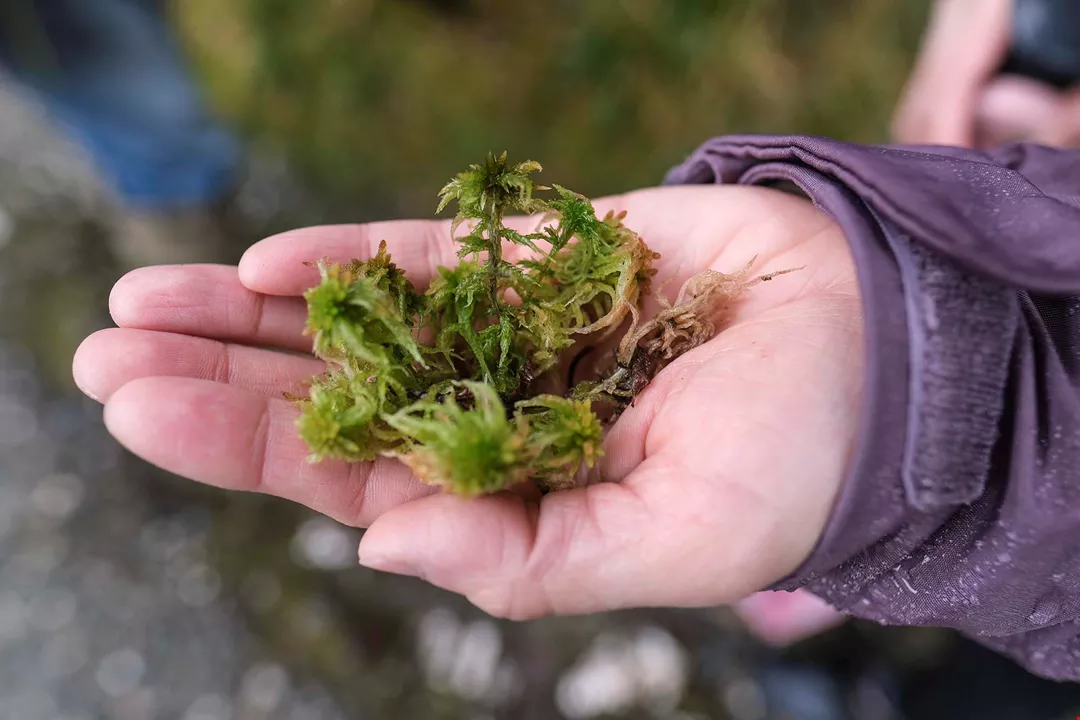
There is great biodiversity to be found in Taiwan’s mid-sized mountains. The photo shows peat moss at Cuifeng Lake in Taipingshan National Forest Recreation Area.
Diverse and dynamic plant life
Dense vegetation is another defining—and deterrent—feature of intermediate mountains. When walking the long routes to their peaks, one must advance through humid canopies of greenery, often for days, without the attraction of great views from the summit.
“The climate in Taiwan’s mid-sized mountains is mainly temperate, but Taiwan’s temperate-zone forests are humid. Only 1% of all temperate forest in the world is wet.” This fact has given rise to the vigorous growth of vegetation in intermediate mountain areas, which are home to some of our island’s most precious natural resources.
At elevations between 1,700 and 2,500 meters, a zone known as the “cloud forest belt,” moisture readily forms shrouds of mist or a “sea of clouds.” The sea of clouds is part of the memories held by mountaineers who have ascended Taiwan’s peaks, while the cloud forest belt constitutes a unique environment that is home to rare and precious species such the Taiwan red cypress (Chamaecyparis formosensis), Taiwan yellow cypress (Chamaecyparis obtusa var. formosana), and Taiwania (Taiwania cryptomerioides).
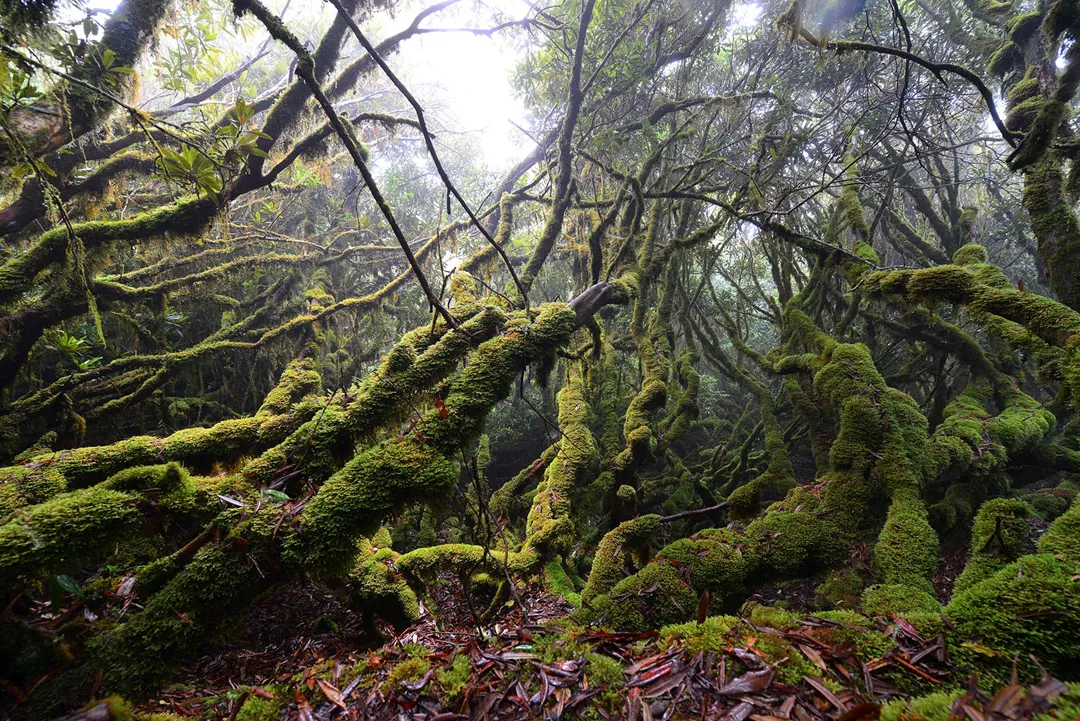
Hikers love to visit Yakushima Island in Kyushu, Japan to photograph the magical forest scenery reminiscent of settings featured in Hayao Miyazaki’s anime Princess Mononoke. Taiwan also has a great deal of such scenery, but with even greater ecological diversity. For example, in the area around Mt. Yuli in Eastern Taiwan, rhododendrons overgrown with mosses create a fairy-tale atmosphere. However, while enchanting, they also make the going tougher.

There are magical sights to be seen in Taiwan’s intermediate mountains. The photo shows Taiwan rhododendrons overgrown with moss in a forest on Mt. Yuli. (courtesy of Tsui Tsu-hsi)

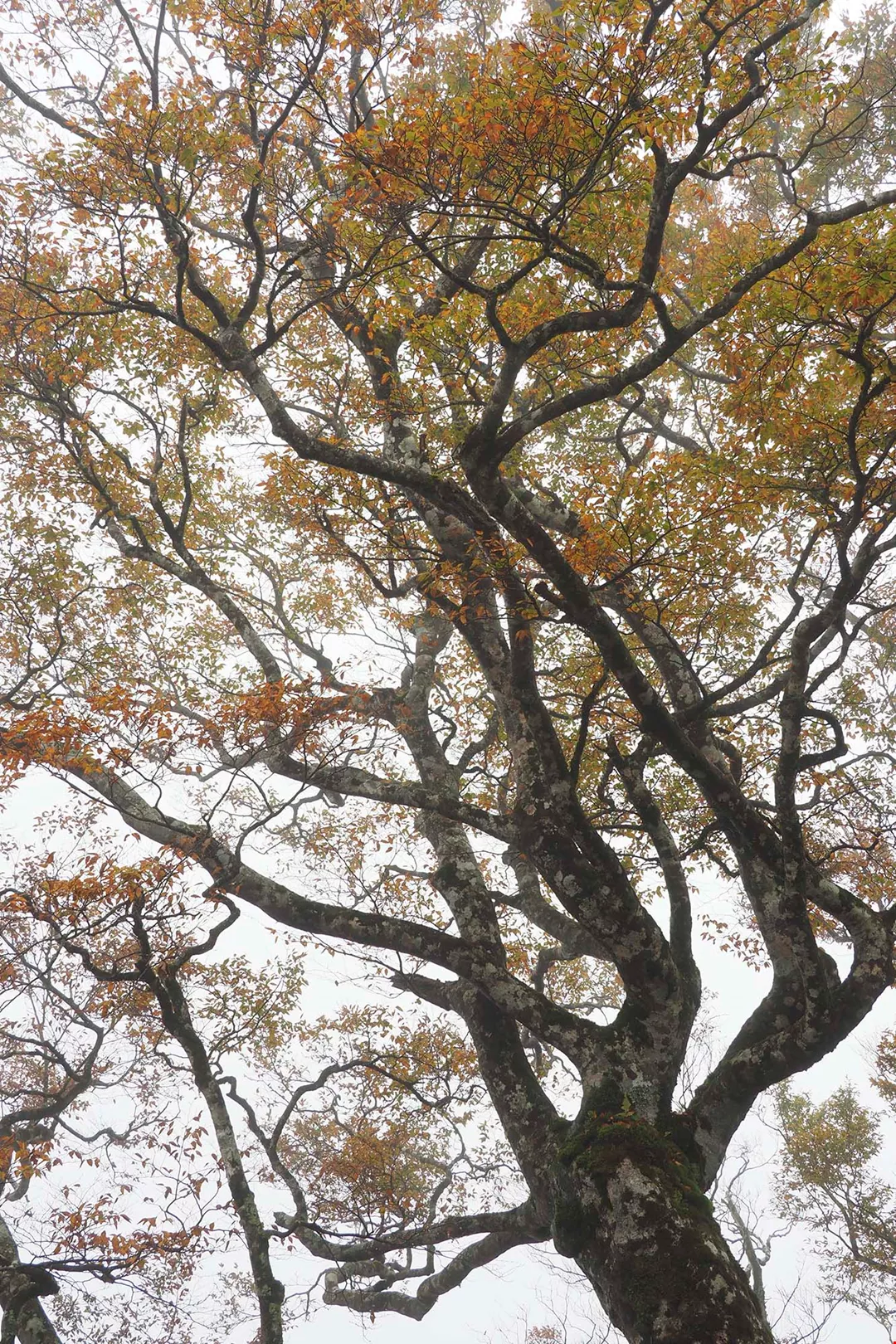
Beech trees are a common sight in the temperate forests of Taiwan’s medium-elevation mountains. This photo was taken on the Taiwan Beech Trail on Mt. Taiping. (photo by Jimmy Lin)

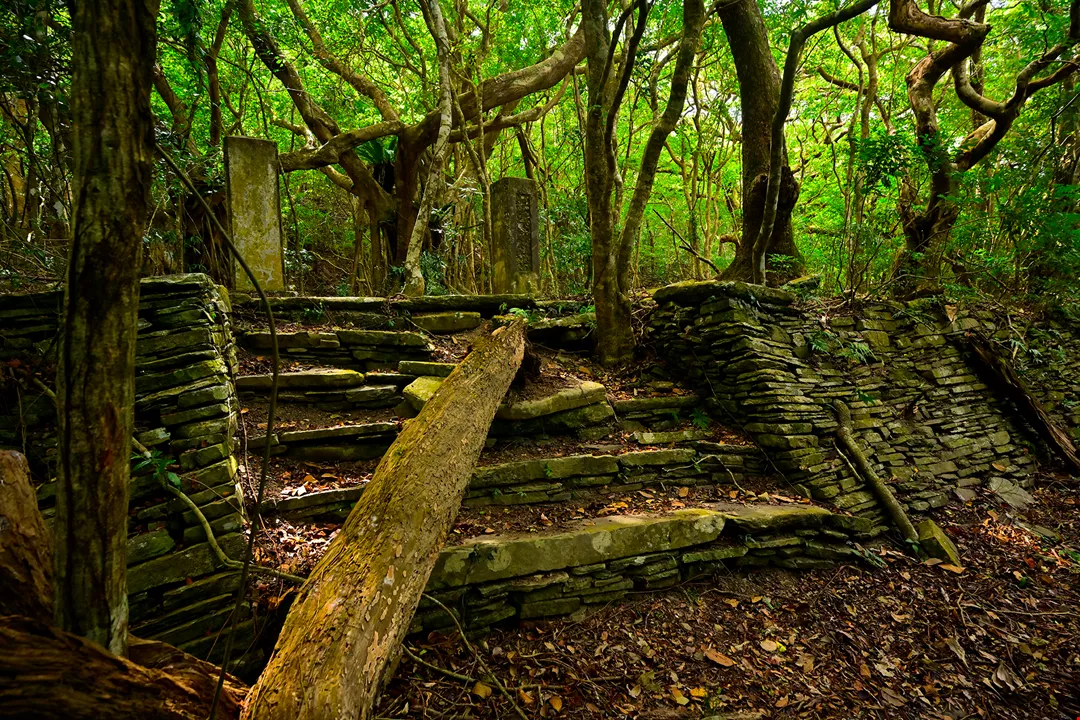
Taiwan’s medium-elevation mountains were once centers of activity for mountain-dwelling ethnic groups. The photo shows remains from the Tjuaquvuquvulj indigenous community to the south of Mt. Beinan in the Central Mountain Range. (courtesy of Tsui Tsu-hsi)

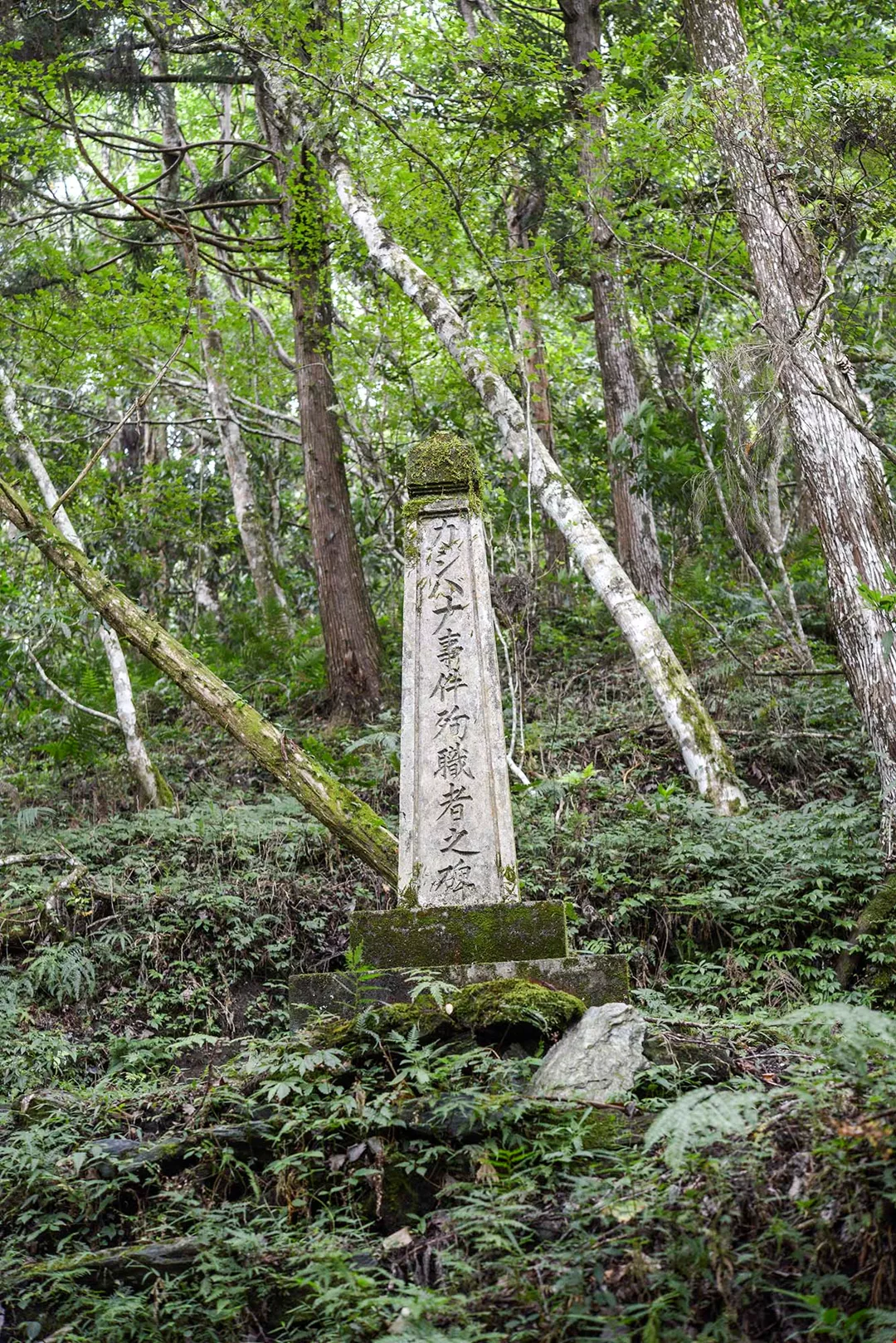
There are many historic sites in Taiwan’s intermediate mountains. The photo shows the Kasibanan Monument on the Walami Trail in Yushan National Park.
Historic sites
Taiwan’s mid-sized mountains once were the homelands and hunting grounds of mountain-dwelling peoples. Tsui relates that their cultures were inseparable from their surroundings.
However, these areas became battlegrounds in the struggle of indigenous peoples against the expansion of control by modern states. In the era of Qing-Dynasty rule in Taiwan (1683–1895), there were countless conflicts in mountain areas over the opening up of land for farming by Han Chinese and officially sanctioned exploitation of camphor resources. During the 50 years of Japanese rule (1895–1945), the Japanese developed a network of police posts and roads to control the local residents and steadily took over the living spaces of indigenous peoples, also leading to numerous armed conflicts. Memories of these confrontations live on in these lands today.
After World War II the logging industry introduced more modern machinery and drove roads further into mountain areas to increase efficiency. It was only after a complete ban on logging of old-growth forests was imposed in the late 1980s that mid-sized mountains began to return to their former wilderness conditions.

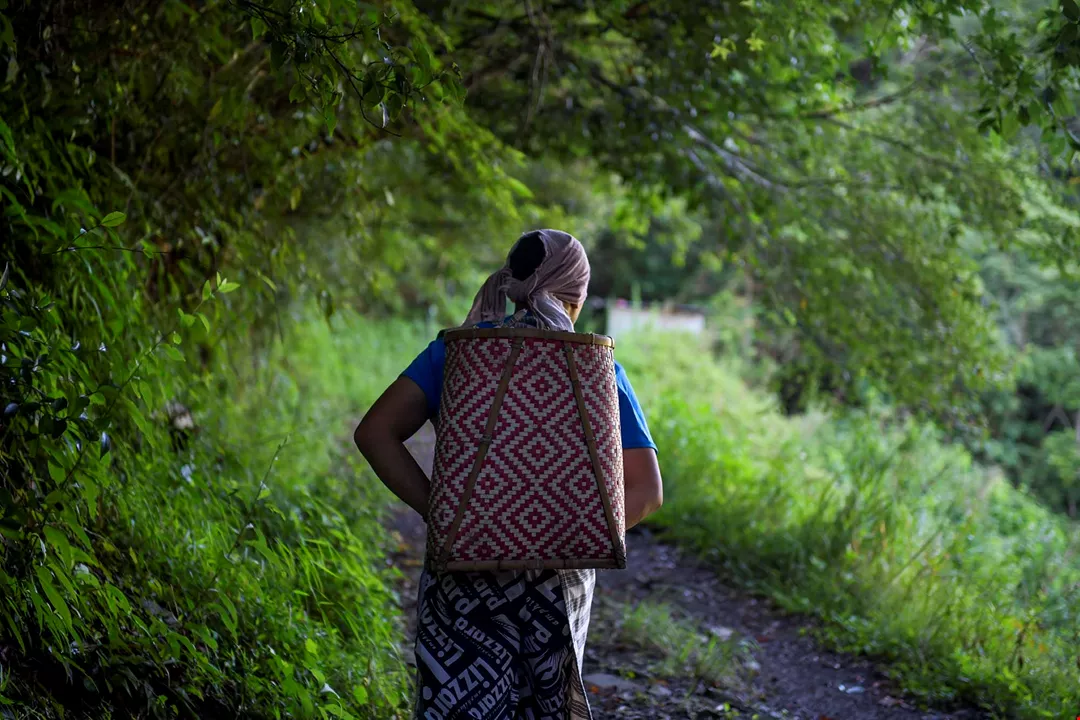
People have different motives for hiking in mid-sized mountains. For example, some young indigenous people are following the tracks of past relocations of their communities in order to rediscover their ancestral homelands.

The paths through intermediate mountains are often primitive, and to hike them you may need mountaineering skills including trail finding, river tracing, rope work, and rock climbing.
True wilderness
Today there are few traces of human activity in most intermediate mountain areas except for indigenous communities in the Taoyuan‡Hsinchu‡Miaoli region. Tsui explains that during the Japanese era, many mountain-dwelling indigenous peoples were forcibly relocated away from the highlands, leaving large stretches of mountainous areas with no permanent inhabitants.
Tsui notes that with few people walking the old trails today, they are in poor condition, so hikers follow hunting paths, animal tracks, or waterways. However, these lack directional signs. Therefore, when hiking in mid-sized mountains, one needs not only the necessary physical stamina but also skills in judging terrain and reading maps as well as a good sense of direction. One must also be able to find trails, trace rivers, use ropes, and climb rock faces. Meanwhile, visitors are subject to attacks from creatures including hornets, leeches, biting midges, boars, and ticks. Nonetheless, it is precisely because these highlands are “wild” and “unknown” that they appeal to mountaineers seeking adventure and a return to primeval nature.
If you are a beginner, you can spend a day or two at places like Mt. Beichatian in Taoyuan, Mt. Shuishe in Nantou, Mt. Jiali in Miaoli, Mt. Yuanzui in Taichung, or Mt. Qingshui in Hualien to get a feel for the charm of intermediate mountains. If you are an advanced hiker, there are many more adventurous mid-sized mountains including Mt. Luomen, Mt. Bolu and Mt. Ayu in New Taipei’s Wulai District, Mt. Nandawu in Pingtung, Mt. Nan’erzi in Hualien, Lake Dagui in Kaohsiung, Mt. Pingye in Taitung, and Mt. Sanjiaozhui in Hualien, where you can find astonishing primeval beauty.
Come and climb Taiwan’s mountains! Besides its many awesome high peaks, the island’s intermediate mountains are another reason why Taiwan should be on your can’t-miss list.

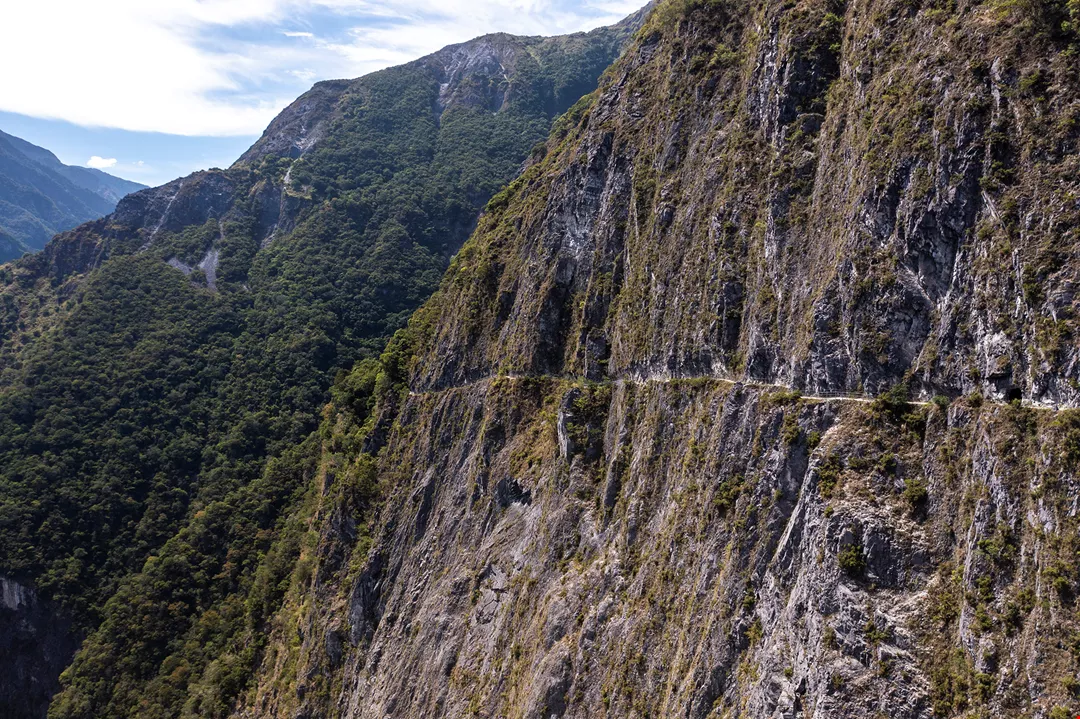
Mid-sized mountains are home to Taiwan’s last real wilderness and are a great reason to visit the island. The photo shows the internationally famous Zhuilu Old Trail.