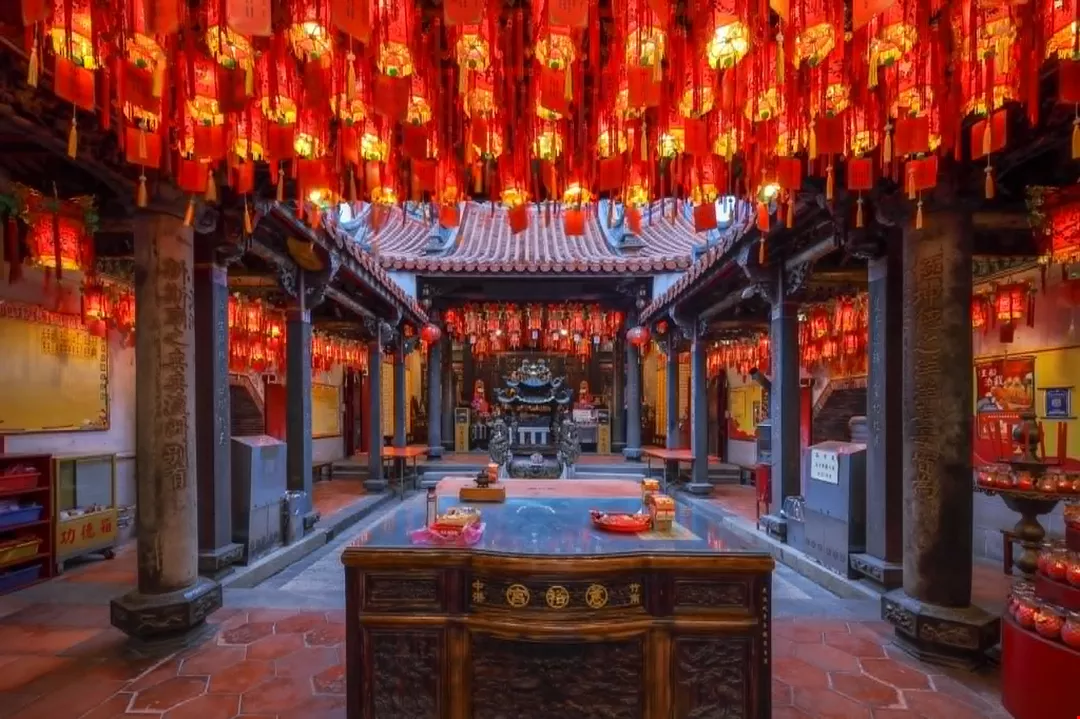
A solemn turn from the sea
Each year, the festival begins on the first day of the fifth lunar month, when the Five Camps—the guardian forces of the five directions—are installed and command flags are raised. On the day of Dragon Boat Festival itself, palanquins bearing various deities from other houses of worship gather at Cihyu Temple to receive Mazu’s decree. During the procession, paper talismans are posted about every 72 steps at intersections and bridgeheads, as if heavenly soldiers and generals are being stationed around the town to protect it. After reaching the seaside altar, the officiant and ritual masters pray toward the sea, make rice offerings, scatter talismans, and recite ritual writs, guiding lonely wandering souls out to sea and toward a place of rest.
The climax comes with the “withdrawal” rite. After the worship of deities’ statues is completed, these icons must be withdrawn toward the shore while facing the sea, symbolically keeping watch as the lonely souls depart. Meanwhile, everyone else must turn their backs to the sea. On the return journey, no one may look back, make a sound, or call another person’s name, lest the departing souls hear and follow the living back into town. This sense of mystery and taboo creates the quietest and most solemn moment of the entire festival.
This long-standing ritual was registered as intangible cultural heritage of Miaoli County in 2009. Although Zhonggang in Zhunan no longer functions as a harbor because of sedimentation, every Dragon Boat Festival, when palanquins once again pass through the streets and paper talismans burn in the sea breeze, the people of Zhunan continue to honor the sea with devotion, carrying forward a centuries-old memory of co-existing with the water.
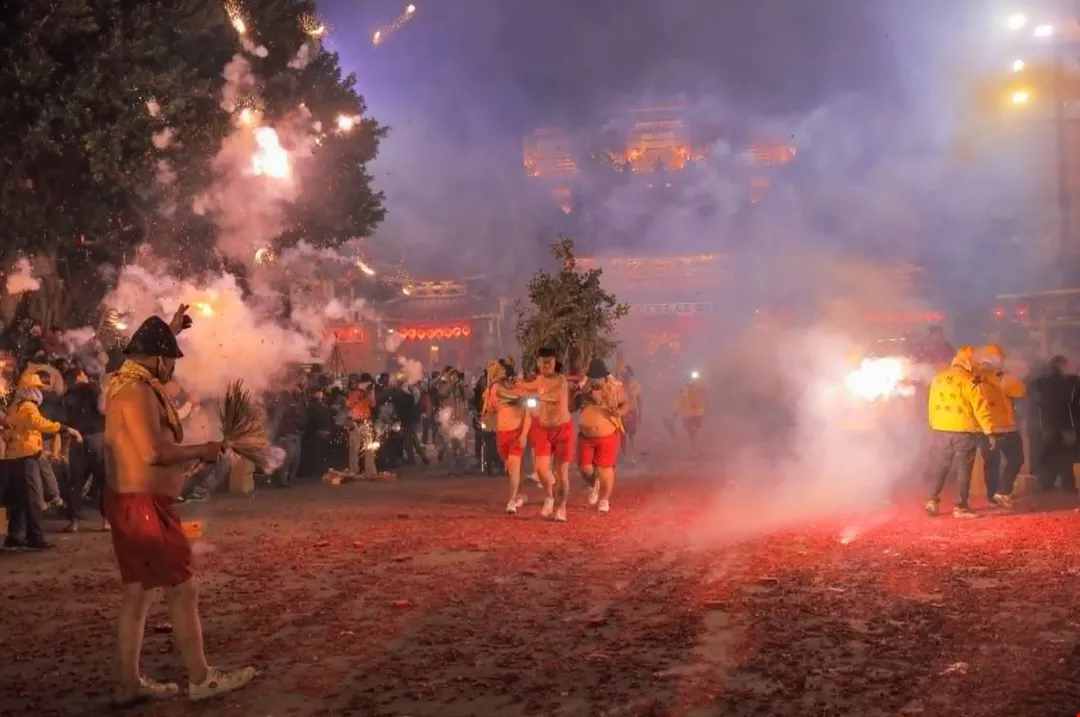
Another century-old folk custom at Cihyu Temple is the Lantern Festival rite known as “Firecracker Bombing of Lord Handan.” According to cultural-historical research, the Lord Handan rite now popular in Taitung is said to have been transmitted there from Zhunan. (photo by Chen Jinchuan)
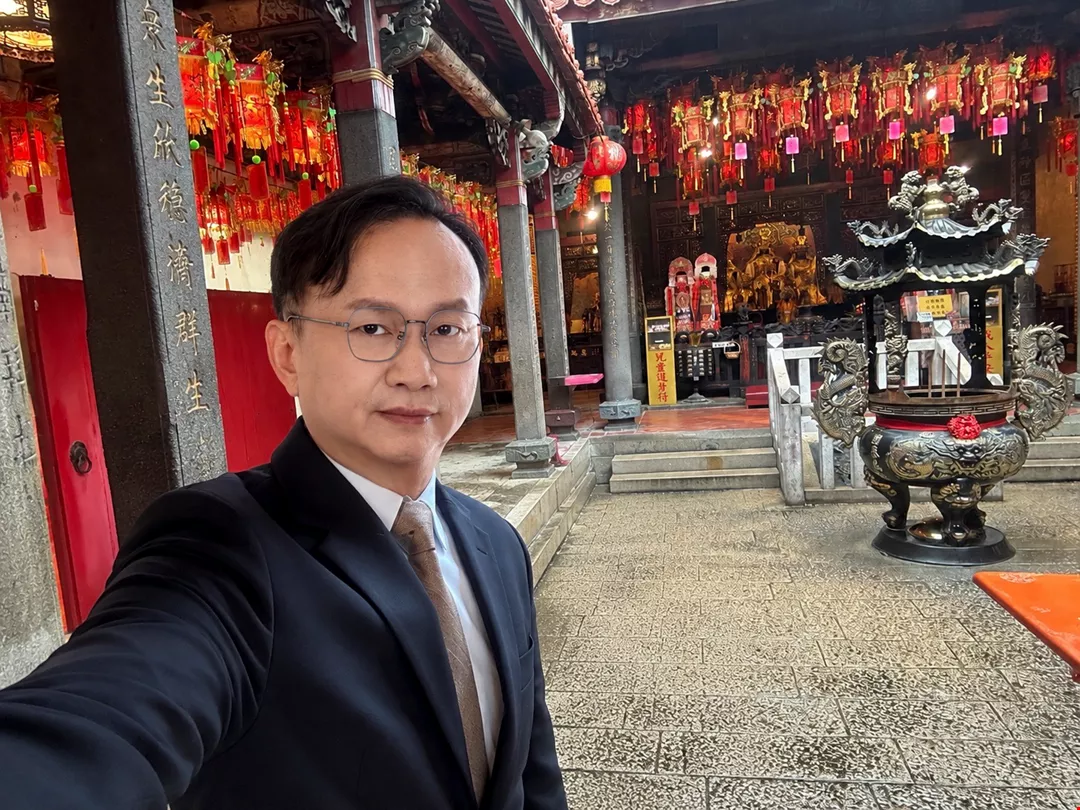
Local cultural and history worker Lien Sen-yue. (courtesy of Lien Sen-yue)


.jpg?w=1080&mode=crop&format=webp&quality=80)
.jpg?w=1080&mode=crop&format=webp&quality=80)