A New Conservation Classroom-- Fushan Botanical Garden
Chang Chung-fang / photos Vincent Chang / tr. by Robert Taylor
February 1994


The biologists say: the forest is home to wild animals and plants.
The ecologists say: the forest is a great and complex ecosystem.
The hydrologists say: the forest is where our water comes from.
Protecting animals, conserving plants, maintaining water resources--all these are inseparable from the forest. Today, let's take with us a happy heart, a sense of humility towards nature and a light pair of shoes, and go and visit the home of wild animals, plants and water.
Fushan Botanical Garden is open to the public!
For most people, another name added to the list of recreational facilities can only be excellent news. But conservationists fear that this opening may herald an ecological disaster. As for the staff of the Taiwan Forestry Research Institute's Fushan Research Station, they are all nervously trying to keep environmental damage by visitors to a minimum.
Fushan Experimental Forest, which ranges over altitudes from 400 meters to 1400 meters above sea level, is one of the few remaining areas of virgin road-leaved forest in Taiwan.
Fushan Botanical Garden straddles the boundary between Wulai Rural Township in Taipei County and Yuanshan Rural Township in Ilan County. The area's inaccessibility and its designation as the Fushan Experimental Forest by the Forestry Research Institute in 1990 have enabled the local ecosystem to be fully preserved.
As well as over 500 species of native plants, the garden is also home to many species of wild animals, including mammals such as the Formosan Reeve's muntjac (Muntiacus reevesi micrurus), the Formosan rock monkey (Macaca cyclopsis), the crab-eating mongoose (Herpestes urva), and the Formosan gem-faced civet (Paguma larvatataivana); birds such as the rusty-cheeked scimitar babbler (Pomatorhinus erythrogenis), the streakbreasted scimitar babbler (Pomatorhinus ruficollis) the Chinese large cuckoo-shrike (Coracina novae-hollandiae rexpineti), the mandarin duck (Aix galericulata) and the varied tit (Parus varius); along with snakes, lizards, amphibians, fish and insects, totalling more than 600 animal species in all. The teeming life of the forest gives it a magic which is hard to imagine.
Fushan Experimental Forest covers a total area of 1097.9 hectares, which can be roughly divided into three parts: a water conservation area, the Hapen Nature Reserve and botanical garden. The area now open for public visiting is only a small cultivated area of around 20 hectares within the botanical garden.
Arriving in the car park outside the entrance to Fushan Botanical Garden one can already sense the impact which tourism has on the ecosystem.
Pointing at the car park, Lin Tse-tung, an assistant research fellow at Fushan Research Station, says that the area used to be covered by grass, but in preparation for the garden's opening to the public, there was no choice but to build a car park. Fortunately, in the interests of water and soil conservation, the area was not covered with concrete, but simply spread over with gravel.
The first place one arrives after passing the barrier to enter the garden is the "aquatic plants pool."
The aquatic plants pool was originally a marshy area, which was dug out and prepared before bringing in water and plants from the Hapen River. The opposite bank of the pool is thick with lush virgin forest, while the pool itself is full of aquatic plants such as the water-starwort species Callitriche verna, Ludwigia ovalis and Nuphar shimadai, a pond lily. One can also see shoals of the fish species Candidia barbata darting this way and that in the water.
The surface of the pool is the domain of the kingfisher (Alcedo atthis), a member of the family Alcedinidae. Its bright, beautiful plumage can often be seen over rivers and streams at low elevations. Just wait quietly by the side of the pool and you will soon catch site of it perched on the bridge or standing on the bank. If you are lucky, you may see the beautiful sight of it swooping across the surface of the water, or hovering in mid-air, as it searches for food.
But sadly the bird is frightened away by a bustling crowd of visitors, who are too busy larking around and taking each other's pictures to even notice what they have missed.
According to one of the staff at Fushan Research Station, in past years flocks of ducks and geese would come to spend the winter here, laying their eggs in bird's nest ferns (Asplenium nidus), epiphytic plants which grow on the branches of the trees. But this year with more people coming to the garden, this sight has disappeared, and even the mandarin ducks which often appeared on the pool are no more to be seen.
In addition to the native plant species, some areas within Fushan Botanical Garden are being thinned out or cleared, and systematically planted with tree species native to Taiwan for experimental, research and display purposes. In addition, many non-native species are also being grown experimentally.
The whole garden is divided into areas according to the types of plants growing in each.
The plants in the area devoted to economically useful plants include ones which can be used for ornamental purposes, as building materials, and to make perfumes and drugs, such as the banana magnolia (Michelia fuscata), Pyrenaria (Pyrenaria shinkoensis) and the Chinese bell-flower (Abutilon striatum). Species in the fruiting plants area include the Taiwan red cypress (Chamaecyparis formosensis), the Taiwan cypress (Chamaecyparis obtusa var. formosana), the Taiwan incense cedar (Calocedrus formosana), the luanta fir (Cunninghamia konoshii) and taiwania (Taiwania cryptomerioides).
The many highly-evolved plants in the gamopetalous plants area include the Fortune paulownia (Paulownia fortunei), the Morris persimmon (Diospyros morrisiana), and the Formosan ash (Fraxinus formosana), while those in the area for polypetalous plants include the Formosan michelia (Michelia compressa), the stout camphor tree (Cinnamomum kanehirai), the Chinese bayberry (Myrica rubra) and the Taiwan acacia (Acacia confusa).
The bamboo area is home to all kinds of different bamboos, such as the makino bamboo (Phyllostachys makinoi), the ma bamboo (Dendrocalamus latiflorus) and the moso bamboo (Phyllostachys pubescens). There is also a rhododendron area specially planted with native rhododendra and a herbaceous plants area in which the ground is being prepared but has not yet been planted.
These trees growing in their separate areas do not seem to hold much attraction for visitors, all the less so since some are only as tall as a man, and nothing much to look at.
Li Ming-yi and Yeh Yun-yin, who work as guides in the garden, mention that many visitors complain "it's no fun here," or ask "how come the trees are so small?" But when they explain that these little trees are actually more than ten years old, some visitors say with surprise: "I never knew trees took so long to grow!"
Footpaths connect the various areas within the garden. Apart from a few stretches of wooden blocks or flagstones, most of the paths are gravel. Because Fushan is damp and rainy throughout the year, wooden blocks or flagstones quickly become overgrown with moss, which is treacherously slippery when wet. But although gravel paths are not slippery and are better in terms of water and soil conservation, they still have their disadvantages. Researchers who survey wild animals say that the noise from walking on gravel paths may easily scare animals away.
Taiwan University postgraduate student Huang Mei-hsu said with disappointment after failing to record a sighting of a single wild animal during her visit: "Mammals like to come out to feed after the rain, but now with visitors here they seem to be hiding."
Although it is not easy to see wild animals in the flesh, one can detect signs of their presence everywhere in the garden. Those little bubbles of clear froth at the edge of the pool contain the spawn of tree frogs, while those hummocks and hollows on the ground are the handiwork of the Formosan wild boar (Sus scrofa taivanus).
Perhaps you think of nature as wonderfully beautiful, as some kind of "beautiful landscape painting," "epic poem," or "immortal symphony," but don't forget that nature has another face too! As Chao Jung-tai, director of the forest conservation department at Taiwan Forestry Research Institute says: "Nature is not as tranquil as it may appear on the surface; it's in constant turmoil. In fact, all the living things in nature are constantly competing in a life-and-death struggle for survival.
Thus when we humans go into the forest, we also become one of the many species in competition, and you may well be stung by a bee, bitten by a snake, have your blood sucked by leeches, or meet with any number of other unexpected occurrences.
But apart from looking out for their own safety, visitors should not harm any living thing within the garden. You shouldn't even go lightly swatting flies or mosquitoes!
For instance, as Chao Jung-tai says, there is a primitive species of moth called Neopseustis meyricki which has been living on this earth for at least l00 million years and is one of the few surviving ancient species in the world today. There are only 18 specimens in the entire world and the Forestry Research Institute has nine of them. Four of these were found in Fushan Botanical Garden.
So when you are at Fushan, show some mercy: even if it is just an unimpressive looking moth, don't just clap your hands together and kill it, for it might be a rare Neopseustis meyricki!
Huang Chiung-piao, director of Fushan Research Station, says that the plants and animals are the real masters of Fushan Botanical Garden, and many measures are taken to keep human disturbance of these "masters" to an absolute minimum.
For example, to avoid disturbing the wild animals during their habitual feeding periods at dawn and at dusk, visitors can only enter the garden between 9.00 a.m. and 3.00 p.m. and must leave by 4.00 p.m..
Also, to prevent wild animals eating garbage by mistake, there are no litter bins anywhere in the garden, and the management requires visitors to take all their litter home with them.
Although in the short period that the garden has been open there have been cases of chicken bones being found stuffed into crevices in trees and disposable nappies being picked up in secluded spots, on the whole things have stayed pretty clean. According to Huang Chiung-piao, the public has cooperated better than had been expected.
In the garden it is forbidden to light fires, cook, camp, create noise, catch animals and uproot or otherwise damage plants, and visitors must not bring in fishing tackle, hunting equipment, pets, audio equipment, sports gear and so on.
It would not be far wrong to say that the Fushan Botanical Garden is a place whose "educational value" is greater than its "recreational value."
Fushan Botanical Garden was opened to the public once before. Three years ago. Fushan Reasearch Station director Huang Chiung-piao still winces at the mention of that "experience." "We had crowds of two or three thousand people arriving, with one big traffic jam all along the road up the mountain, and all the research station staff out directing traffic," Huang recalls. But that was not the worst of it: more seriously, visitors would light fires for barbecues and leave rubbish strewn all over the garden, so that the staff would spend the next three days just clearing up after them.
With this lesson behind them, the research station staff naturally hope that now the garden is open again, history will not repeat itself. To prevent large numbers of people and vehicles causing traffic jams and environmental damage, the Fushan Botanical Garden only allows in 300 people per day and does not admit vehicles seating more than nine people. Huang Chiung-piao says that with the garden's current personnel and the size of the area now open, 300 visitors a day can be kept "under control." But it is hard to say whether under outside pressure it will still be possible to maintain these limits six months from now.
The news of Fushan Botanical Garden's opening has been greeted with approval by some and dismay by others. But whatever your point of view, for the people of the ROC, who often hear the words "environmental protection" but rarely have the chance to see it in action, it is a great opportunity.
Chao Jung-tai says: "If by opening the edges of the conservation area for limited public visiting, we can help people to understand the importance of environmental protection as well as satisfying their recreational demands, surely this is a double advantage!"
In one visit to Fushan Botanical Garden you might not see many species of wild animals or learn to tell Lauraceae from Fagaceae, but if you only realize the meaning of environmental protection and understand how humans can coexist with nature, you will have learned a valuable lesson.
Many people earnestly hope that the "classroom of ecological conservation" which Fushan Botanical Garden provides can stay open forever. As Huang Chiung-piao says: "If Fushan Botanical Garden can't be kept open permanently, it will mean that the public in Taiwan cam only go to man-made amusement parks."
Perhaps the future of Fushan Botanical Garden will be a barometer of the status which environmental protection has acquired in the consciousness of the people of Taiwan.
[Picture Caption]
p.122
What does "nature conservation" mean? Go to Fushan Botanical Garden, listen quietly, look carefully, and you're sure to get some idea.
p.124
Accommodation and meals are not provided in Fushan Botanical Garden. Visitors must bring their own food.
p.125
Staff surveying frog species deliberately choose the night-time to catch frogs and collect their droppings, to avoid setting a "bad example" to daytime visitors.
p.126
The pond lily Nuphar shimidai floats majestically on the water, adding greatly to the beauty of the aquatic plants pool.
p.128
The odor-bark cinnamon(Cinnamomum osmophloeum) is one of Taiwan's native trees. Its trunk, branches, leaves and bark are all useful to man.
p.129
Candidia barbata swim in the crystal-clear waters of the aquatic plants pool.
p.131
Over 50 species of amphibians have been counted within Fushan Botanical Carden. Pictured here is Chirixalus idiootocus, a kind of tree frog.
p.131
As well as conserving local tree species, the botanical garden also contains introduced species which are being grown experimentally. The Chinese bell-flower is an ornamental flowering plant which actually came from Guatemala.
p.131
The forest teems with life. Whether up in the treetops or down among the grasses, everywhere is home to one species or another.
p.131
Epiphytic and parasitic organisms can be found growing on the trunks of many forest trees. The fungus Microporus affinis is one example.
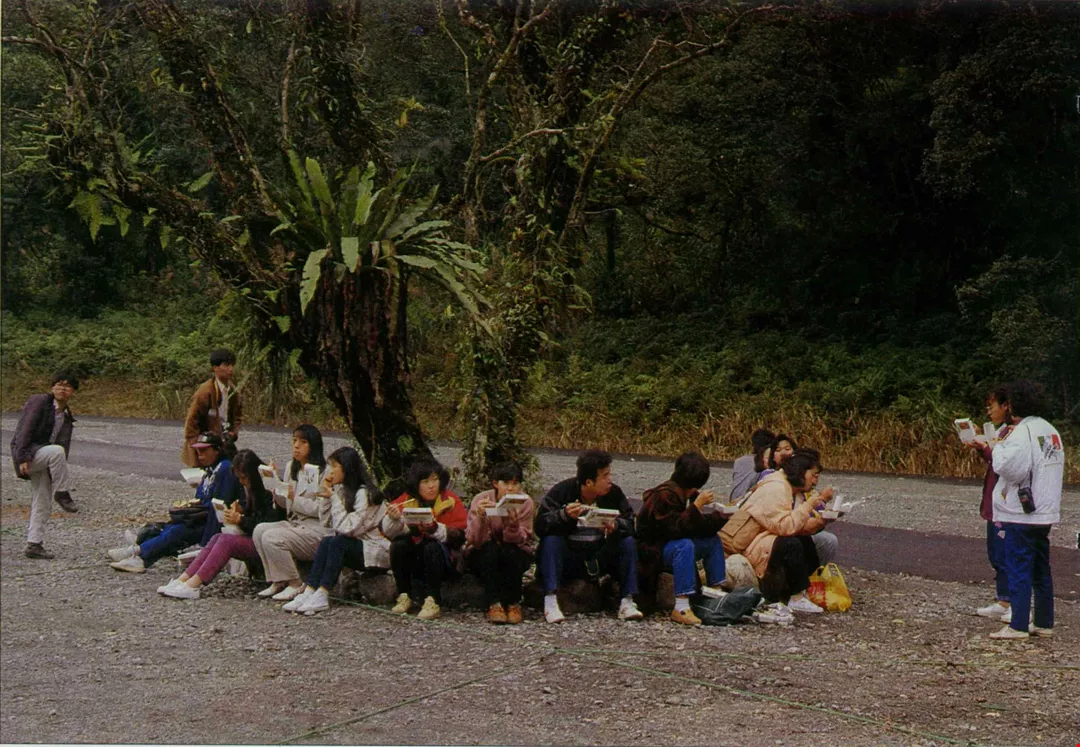
Accommodation and meals are not provided in Fushan Botanical Garden. Visitors must bring their own food.

Staff surveying frog species deliberately choose the night-time to catch frogs and collect their droppings, to avoid setting a "bad example" to daytime Visitors.
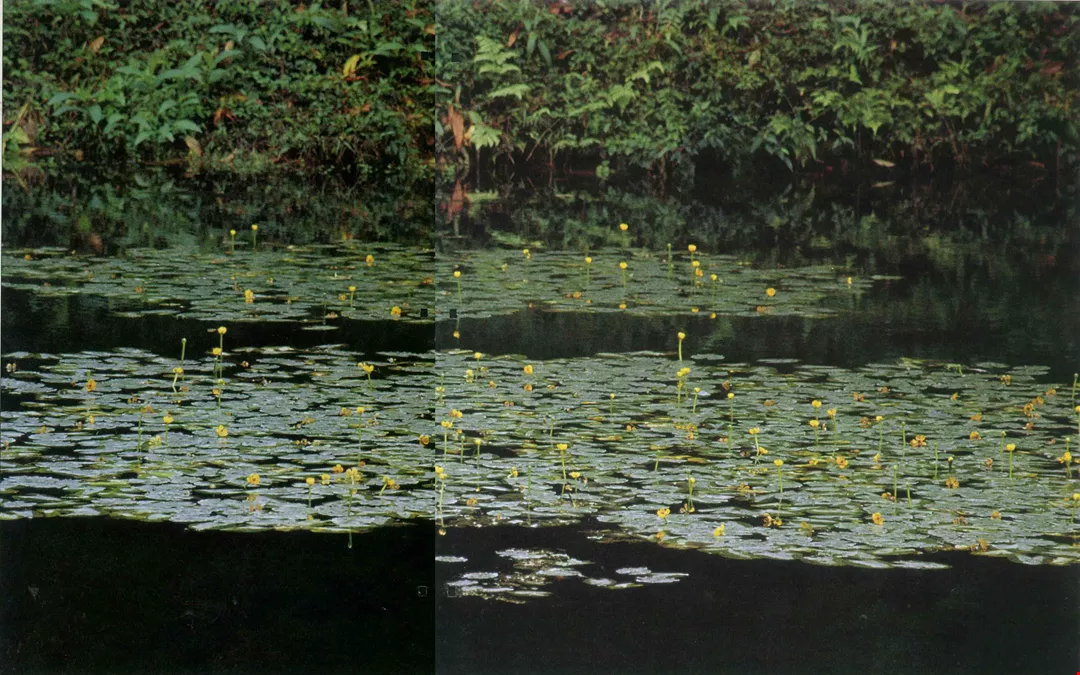
The pond lily Nuphar shimidai floats majestically on the water, adding greatly to the beauty of the aquatic plants pool.
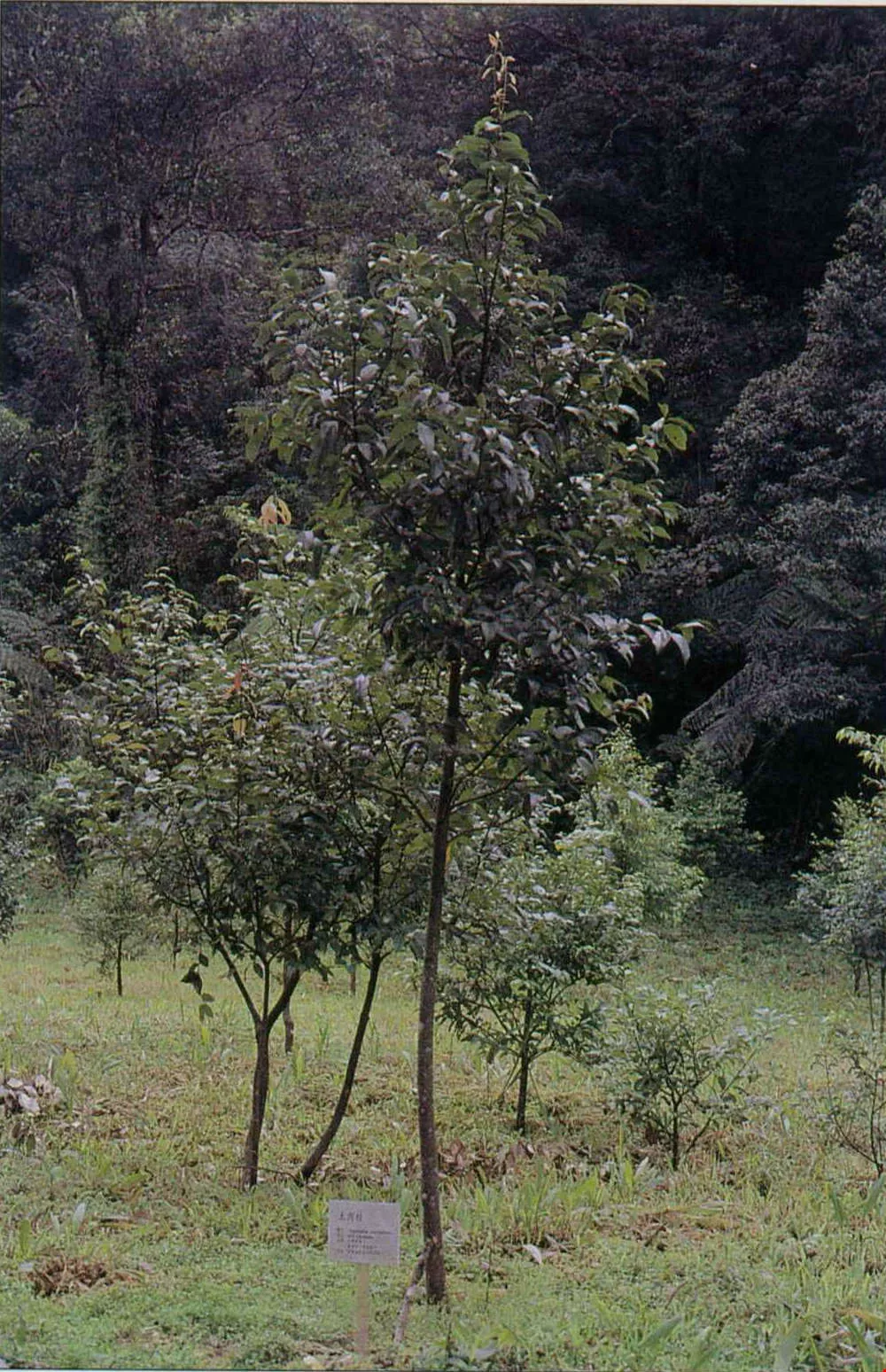
The odor-bark cinnamon(Cinnamomum osmophloeum) is one of Taiwan's native trees. Its trunk, branches, leaves and bark are all useful to man.
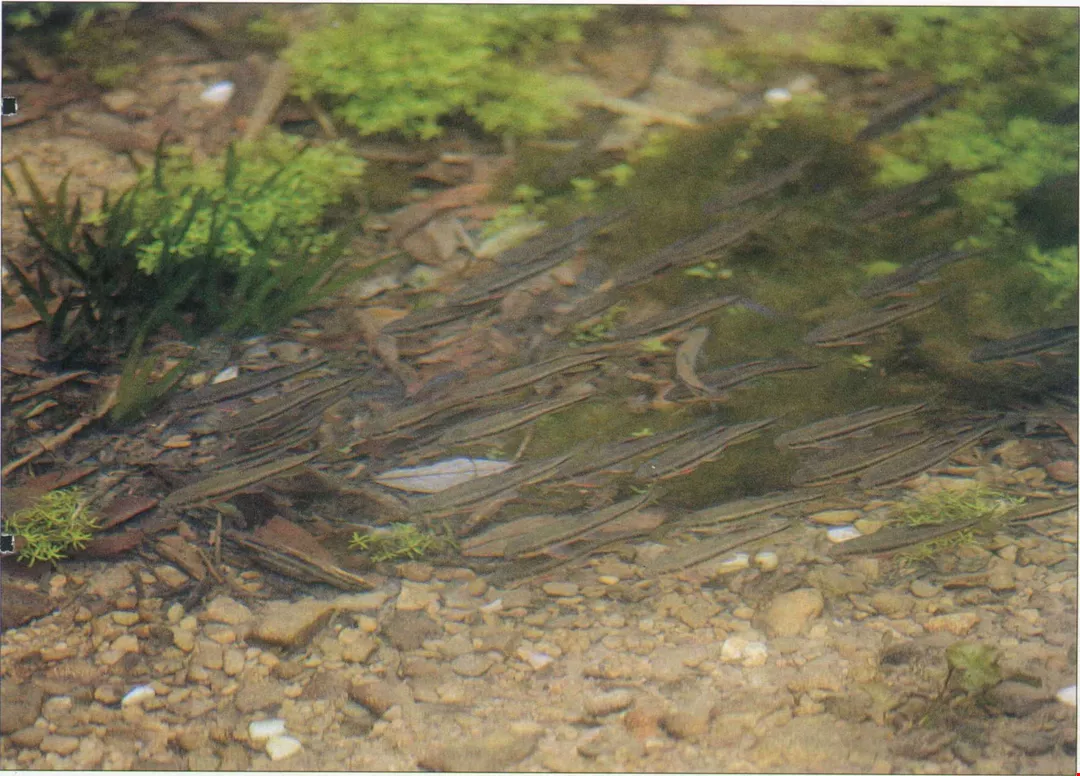
Candidia barbata swim in the crystal-clear waters of the aquatic plants pool.
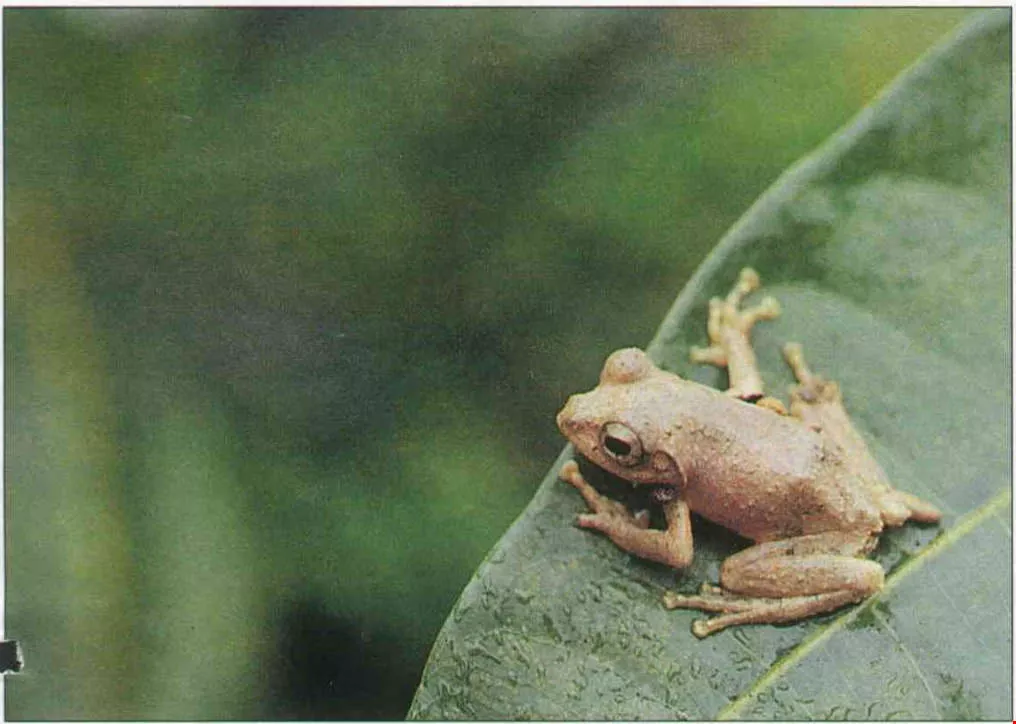
Over 50 species of amphibians have been counted within Fushan Botanical Carden. Pictured here is Chirixalus idiootocus, a kind of tree frog.
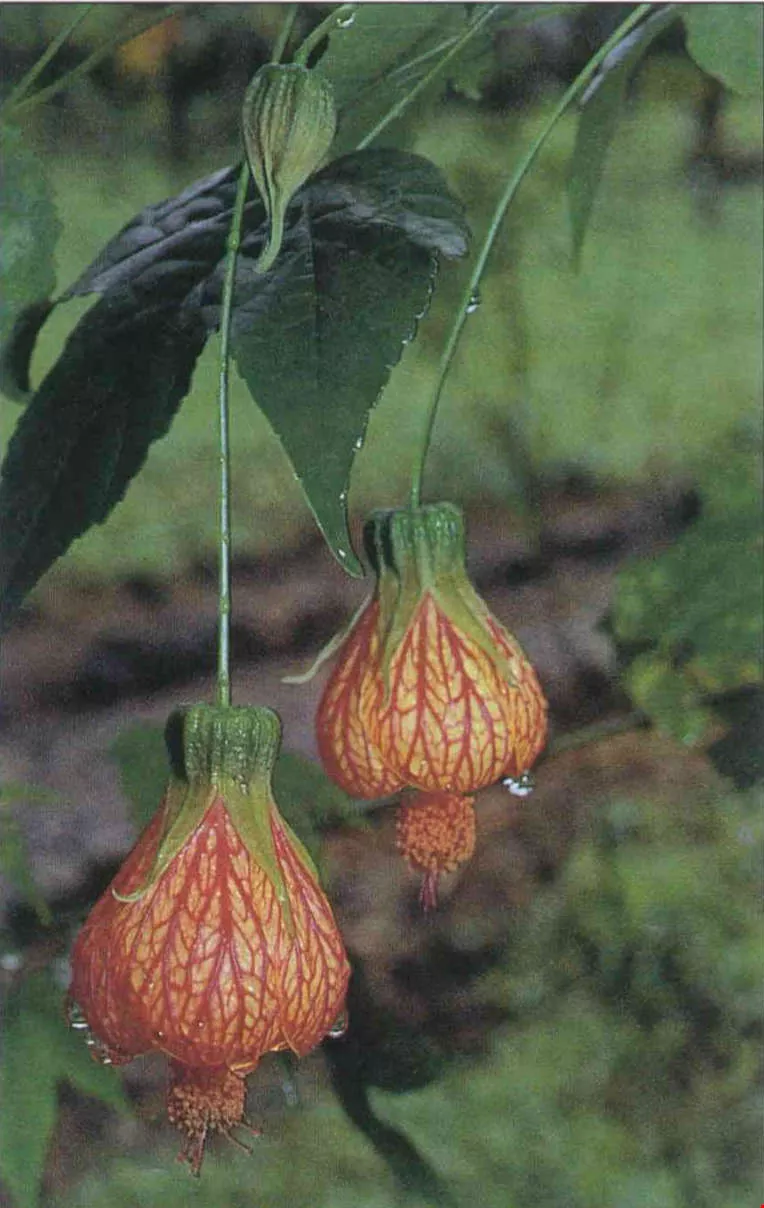
As well as conserving local tree species, the botanical garden also contains introduced species which are being grown experimentally. The Chinese bell-flower is an ornamental flowering plant which actually came from Guatemala.
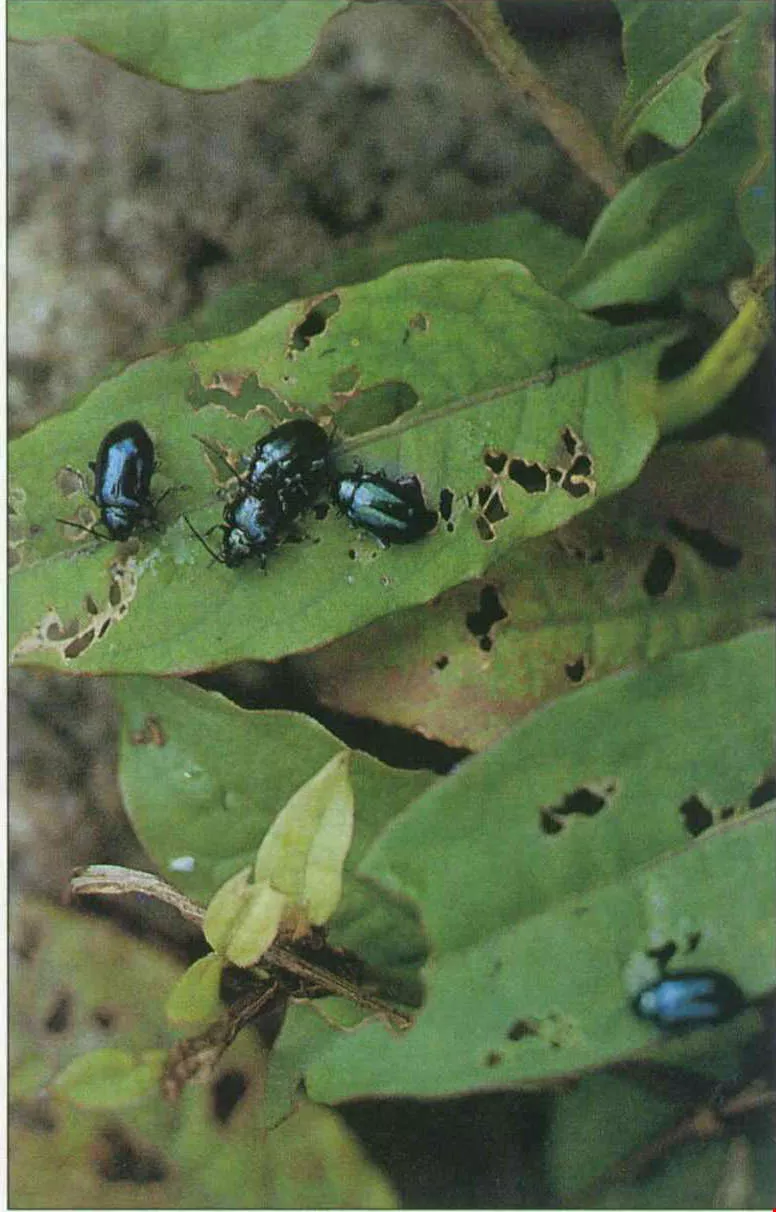
The forest teems with life. Whether up in the treetops or down among the grasses, everywhere is home to one species or another.
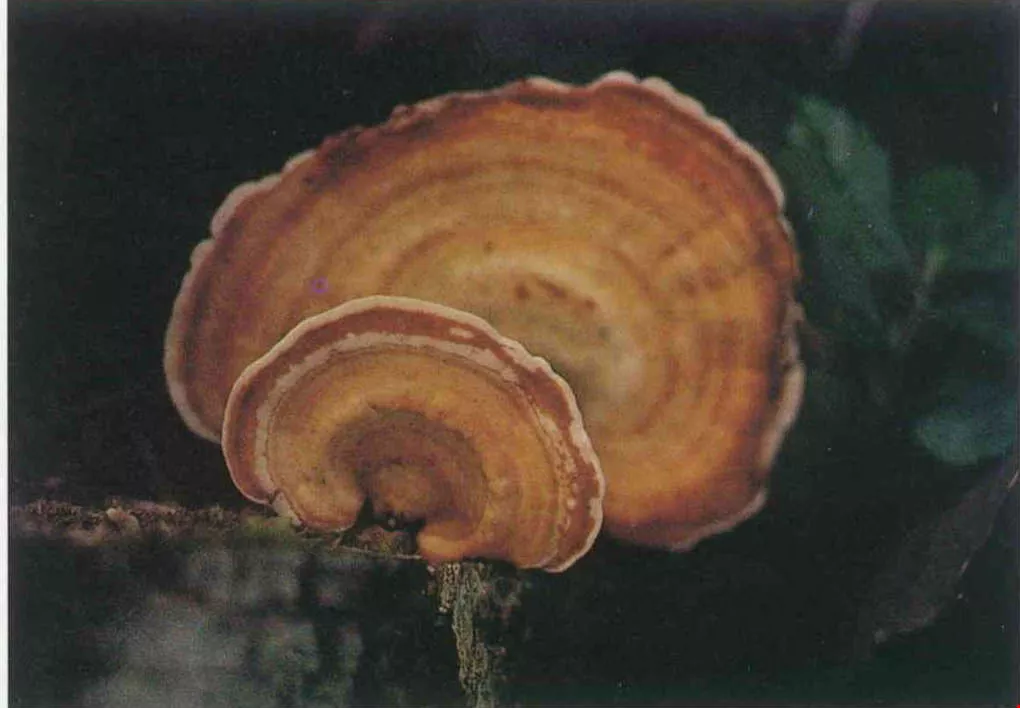
Epiphytic and parasitic organisms can be found growing on the trunks of many forest trees. The fungus Microporus affinis is one example.

@List.jpg?w=522&h=410&mode=crop&format=webp&quality=80)


