Let the Flowers of Freedom Bloom!—Reading Lai Ho in Changhua
Lung Pei-ning / photos Jimmy Lin / tr. by Darryl Sterk
May 2017
The hometowns and houses of the great authors of world literature—Victor Hugo, Johann Wolfgang von Goethe, William Shakespeare, and Lu Xun—are places to cherish their memory.
The same is true of the man who is known as “the Father of Modern Taiwanese Literature” and also as “Taiwan’s Lu Xun”: Lai Ho. Lai grew up in Changhua, and the places you can read about in his stories, from Mt. Bagua to the Confucian Temple, from the Illustrious Guest House to the Changhua Police Headquarters, are waiting for you there, landmarks in a unique literary geography.
Lai Ho (Loā Hô in Taiwanese) was born in 1894 in Changhua. He graduated from the Taiwan Medical School (now the National Taiwan University College of Medicine). He witnessed how unfairly Taiwanese professionals were treated: they were paid half as much as their Japanese counterparts, did not have access to staff accommodation, and received a smaller rent subsidy. After starting to work as a doctor, he depicted the exploitation and oppression of life under colonial rule in words.
Yeh Shih-tao, the great historian of Taiwanese literature and a distinguished writer in his own right, states that Lai Ho’s writing articulates a spirit of protest, resistance, and accusation, and captures the local color that has resulted from Taiwan’s specific historical destiny, affirming Lai Ho’s leading role in modern Taiwanese literature (also known as the “new literature”).

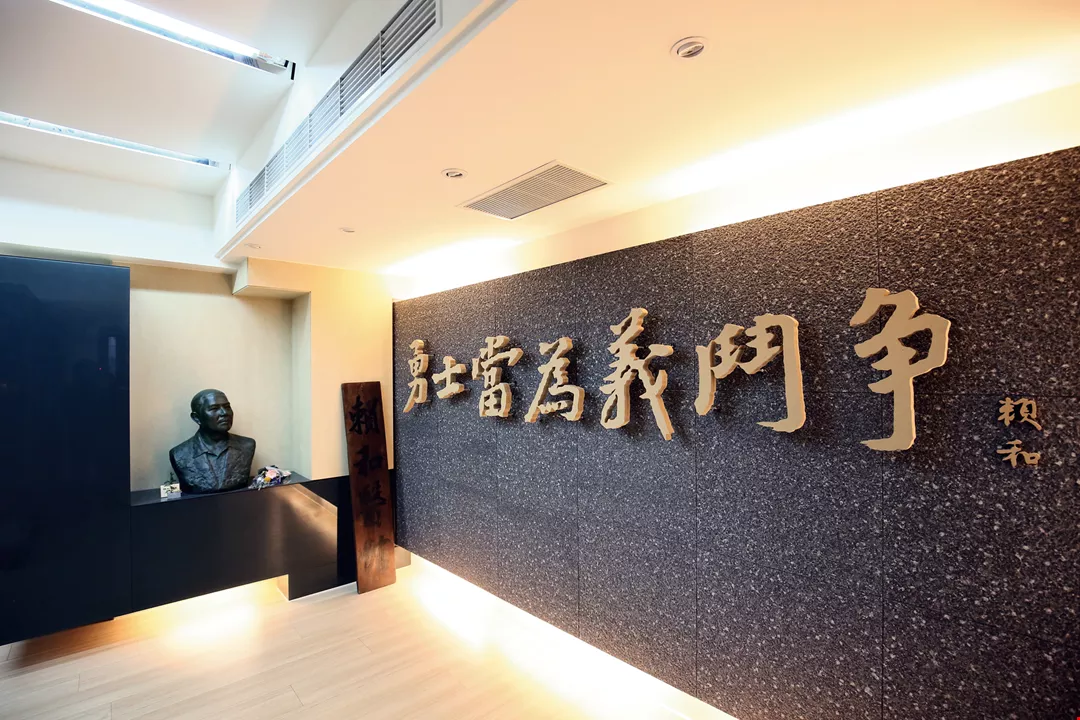
A line from one of Lai Ho’s poems expresses his lifelong creed: to be a warrior who fights for justice.
Changhua’s Mazu has a mustache
It’s been a century since Lai Ho returned to Changhua to establish the Lai Ho Clinic in 1917. The clinic is no more, but Lai Ho’s archives are stored on the fourth floor of the building that now occupies the lot.
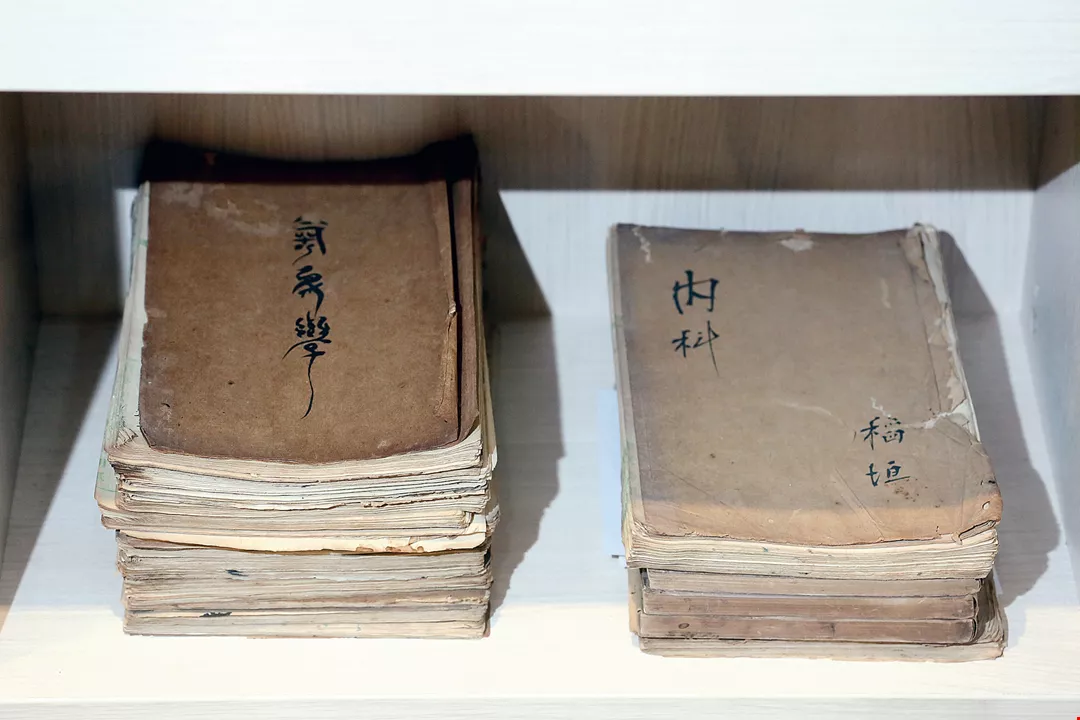
As soon as you enter the Lai Ho Memorial you see the words “A Warrior Fights for Justice” on the wall, telling the visitor what Lai Ho stood for. The memorial contains an introduction to Lai Ho’s life, his chronology, manuscripts, medical instruments, photographs, and books.
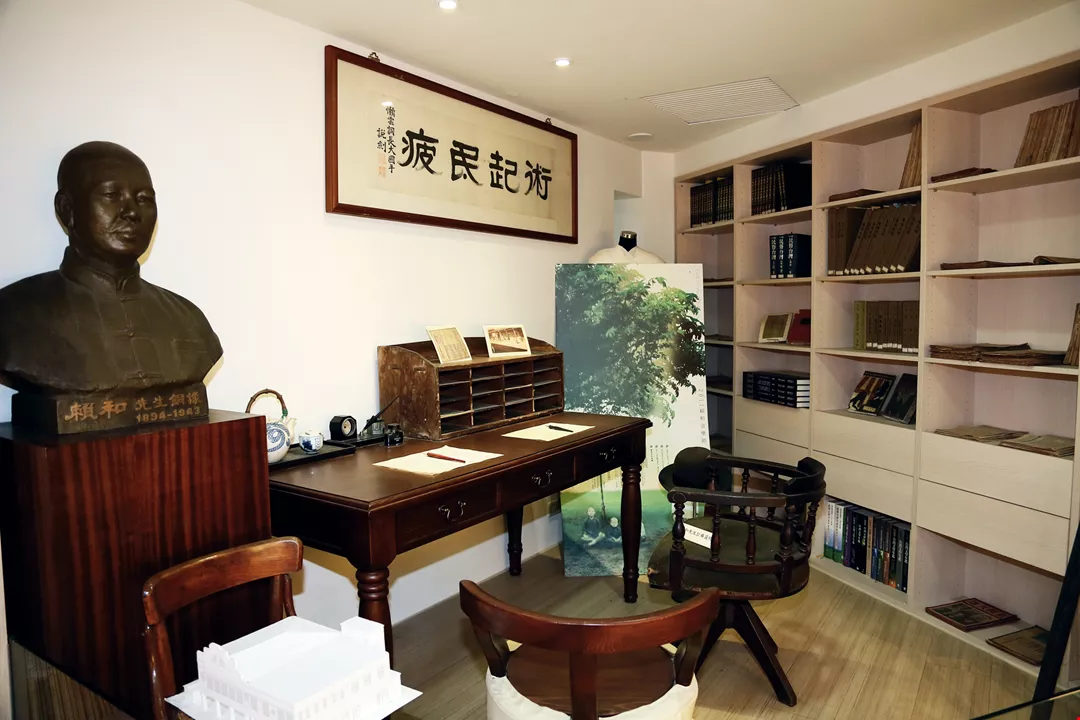
There is also a recreation of Lai Ho’s examination room. On the table by a bronze bust of the good doctor are pens and paper and a mottled rack on which stands an old black-and-white photograph of the clinic back in the day.
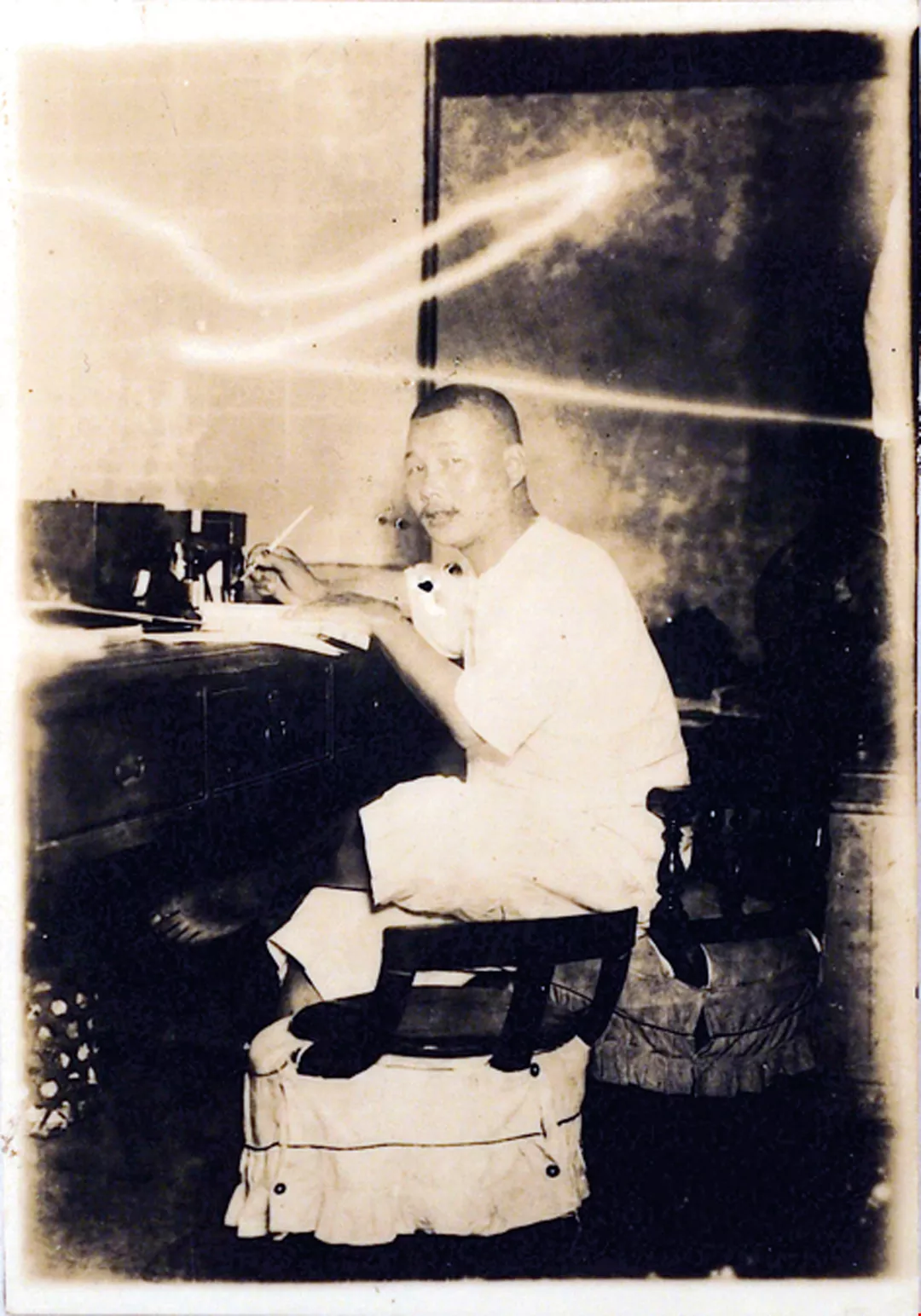
Several photos show how stylish Lai Ho was, with his mustache and Taiwanese-style tunic. But he was every bit a doctor. Admirably, he often treated poor patients for free. On Chinese New Year’s Eve, when everyone else was burning spirit money, Lai Ho would burn a stack of unpaid medical bills. His dedication to healing is the reason why local people call him the Mazu of Changhua.
“[W]omen are playthings for them to fool around with and trample on. What child, no matter how innocent and cute, will they not stoop to abuse, the brutes! … That’s the situation we’re living in. But what good would taking it easy do: … We have to fight for the children!” This quotation from Lai Ho’s “Dirge for the Southern Land” evinces the author’s intent to stand up on behalf of the disadvantaged, who were treated so inhumanely by the colonial regime.
Full of national pride, his poetry and prose gives voice to the disadvantaged. In the afterword to a collection containing his famous short story “A Steelyard,” Lai Ho attributes his literary idealism to the inspiration of Anatole France, who won the Nobel Prize for literature for L’Affaire Crainquebille (1901). Other writers had an influence on other stories, such as Nikolai Gogol on “A Dissatisfying New Year’s Festival.” Further influences were Chekhov, Turgenev, Tolstoy, Goethe, and Schiller, all of whom had a place on his bookshelf.

The recreated examination room at the Lai Ho Memorial.
Let flowers of freedom bloom on Lai Ho Day!
Lai Ho’s birthday, May 28, is celebrated in Changhua City as Lai Ho Day. Each year on this date the Lai Ho Memorial holds a concert, this year for the eighth time. 2017 is the 123rd anniversary of Lai’s birth (1894) and the 30th anniversary of the lifting of martial law (1987). Several activities have been planned around the theme of “The Flowers of Freedom,” a traditional Chinese shi poem that Lai wrote in 1920. The most popular activity is a “literary odyssey,” for which the staff at the Lai Ho Memorial have planned a “pilgrimage” route. By following this route, literary pilgrims can experience (or at least imagine) the city of Changhua as Lai Ho knew it.
After introducing each site, the guides will give everyone a chance to interact with the locals, who will share even more stories about Lai Ho.

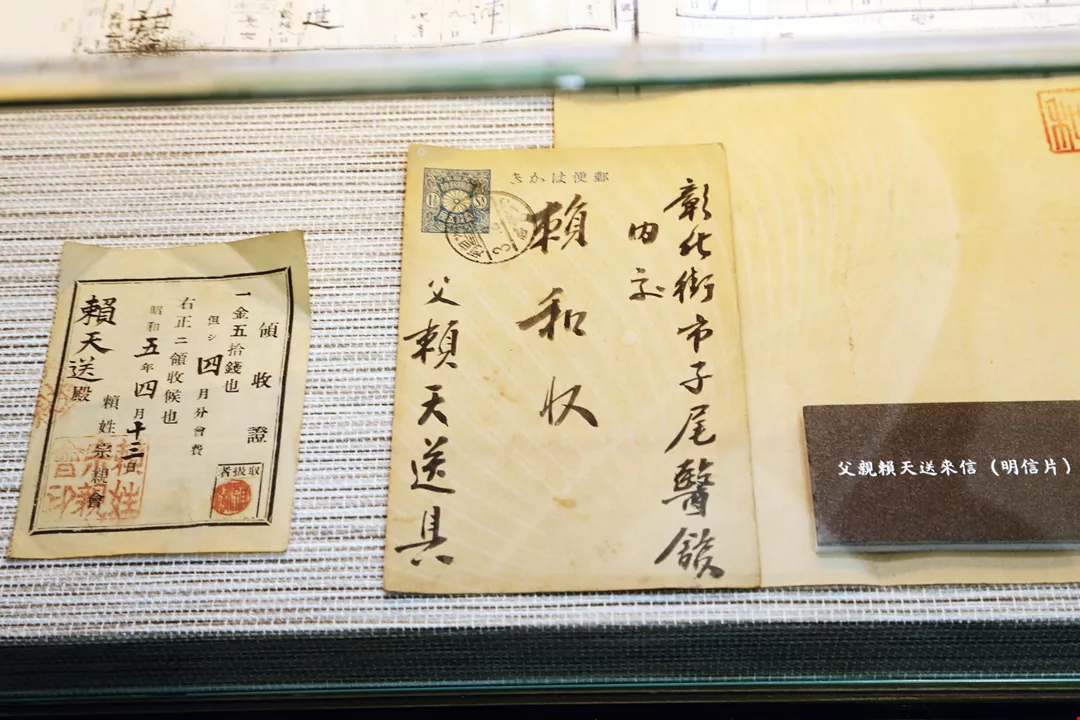
A postcard that Lai Ho’s father Lai Tiansong sent to his son at the clinic in Changhua.
The odyssey: A walking and reading tour
Beside the Lai Ho Clinic was the Neighbor Assistance Hall, also called Beggar’s Hall. It was the earliest social housing project in Taiwan. Established for the poor during the Japanese era, it was a place where Lai Ho collected folk stories and songs as material for his writing.
Five minutes’ walk from the Lai Ho Memorial lies Chung Shan Elementary School. In 1928, after taking his son there for the first time, Lai Ho published “A Tedious Memory,” an essay criticizing colonial education, based on his own experiences at the school 25 years before.
Mt. Bagua is a major Changhua landmark. Today there’s a literature trail for you to take up the slope. On the way you can take in the seventh of Lai Ho’s “Ten Poems About Reading Lian Heng’s A History of Taiwan,” and at the end there is the Lai Ho Poetry Wall, constructed out of a hundred vertical steel plates, like the pages in a traditional book. The poetry is excerpted from Lai Ho’s “Progress.”
At the foot of the mountain are several buildings where a park used to be. Today, you can only imagine the park by reading essays like “Catching the Breeze” and “Sitting in the Park in the Evening.” Thence the guides of this reading and walking tour will take you to the Changhua Confucian Temple, which in Lai Ho’s day was the First Public School, where Lai was a student. When you arrive at Yuanching Temple, which the locals call the Lord of Heaven Altar, you’ll hear all about Lai Ho’s engagement in social movements and his pivotal role in the Taiwan Cultural Association.
The police station at the next intersection was formerly the Japanese colonial police headquarters, where Lai Ho was detained twice. These experiences colored his later literary work, which reflects ordinary people’s way of life and their spirit of resistance.
Today’s Chenling Road was Little West Street, a very lively place in Lai Ho’s day, especially the Illustrious Guest House, a hotel and restaurant where Lai and his medical-school classmates held a reunion in 1941. Now a historic site, the building is being restored.
With its impressive archives of Lai Ho’s writings, the Lai Ho Memorial is a pilgrimage site for local and international scholars, who can return to sites in colonial history by reading his writings. Lai’s works have also been translated. The University of California, Santa Barbara has translated his poetry and prose into English for the Taiwan Literature English Translation Series. And in 2015 the Institute for Chinese Studies at Heidelberg University invited the Lai Ho Foundation to participate in a lecture series. It was a chance for Lai Ho studies to take a place on the stage of world literature.
This literary odyssey is an in-depth guided tour on which you’ll shuttle down the streets and lanes of Old Changhua and read Lai Ho’s works out loud as you walk your way into history, developing a sense of the locale and of the Lai Ho spirit: let the flowers of freedom bloom forever!
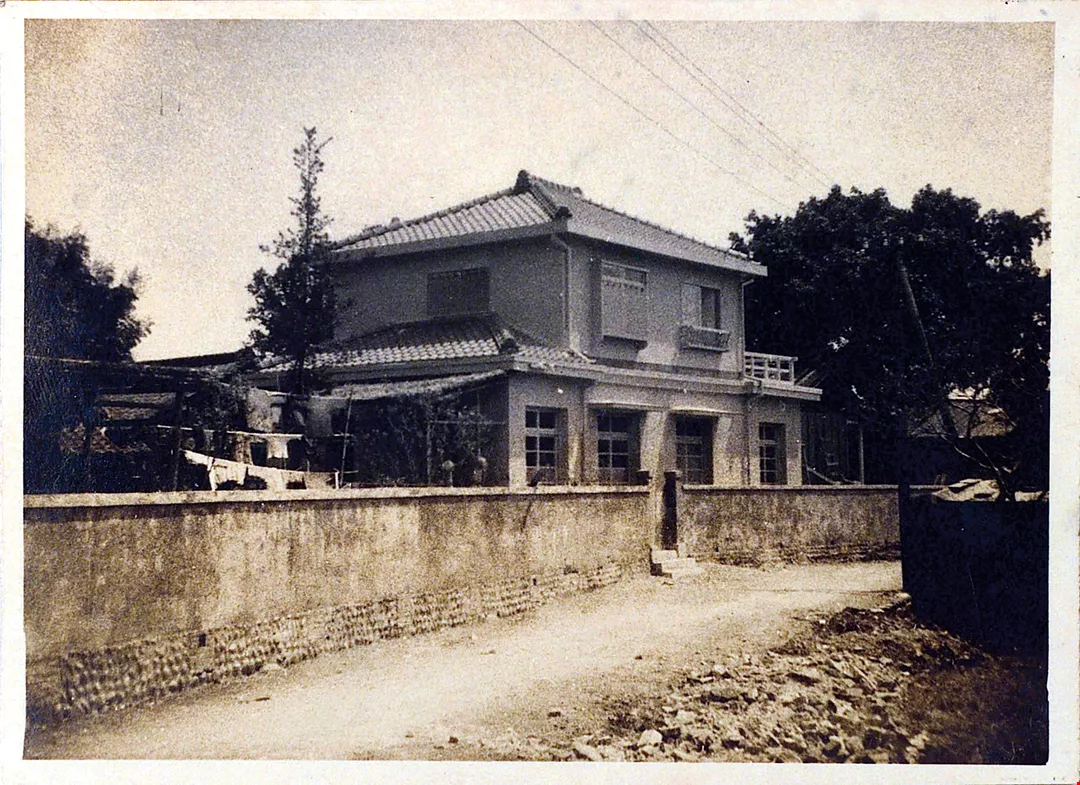
Lai Ho, with his trademark mustache and Taiwanese-style clothes, treated the poor at the Lai Ho Clinic. (courtesy of the Lai Ho Foundation)
Lai Ho

Books and manuscripts at the Lai Ho Memorial.
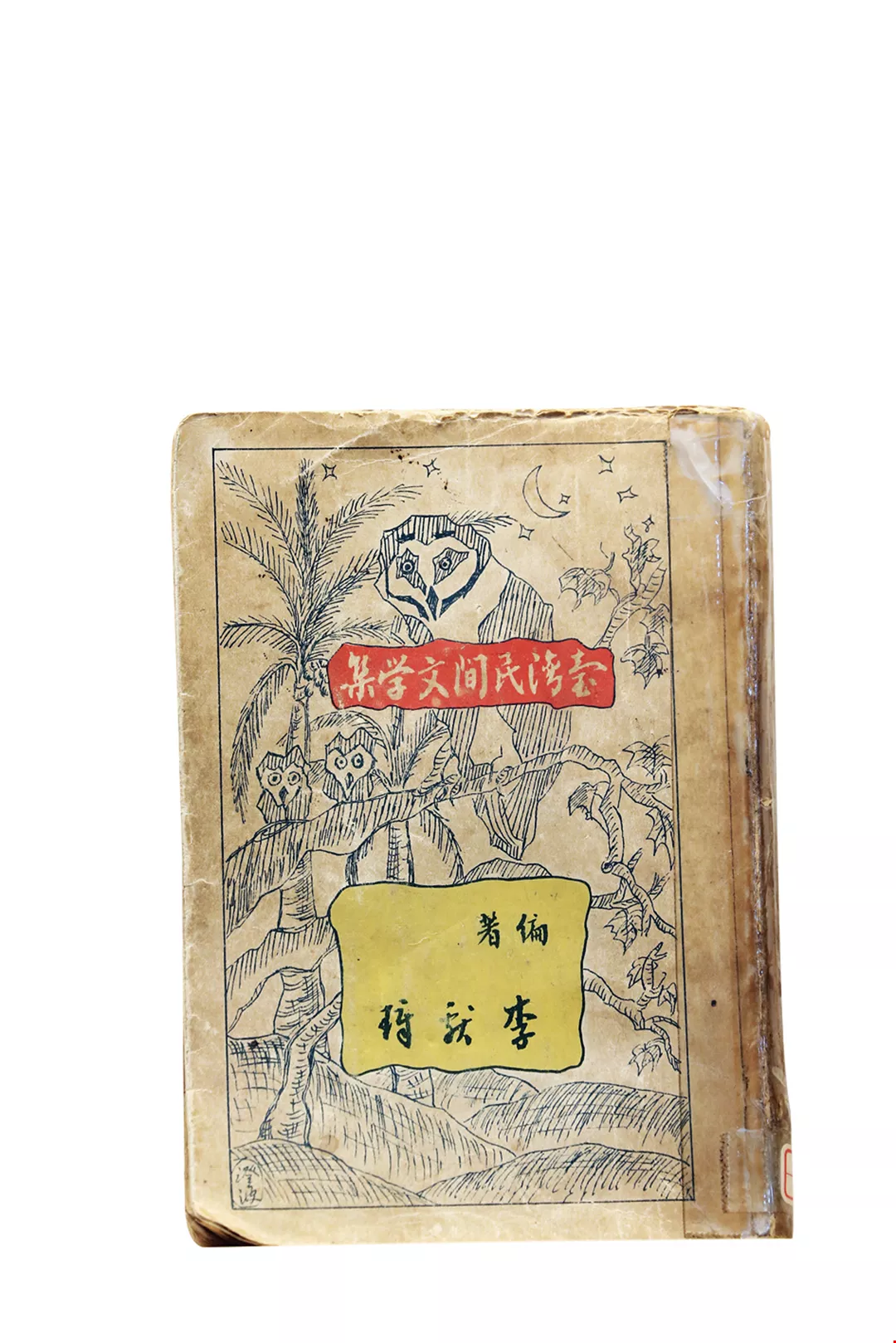
Li Xianzhang’s Taiwan Folk Literature Anthology, with a preface by Lai Ho.
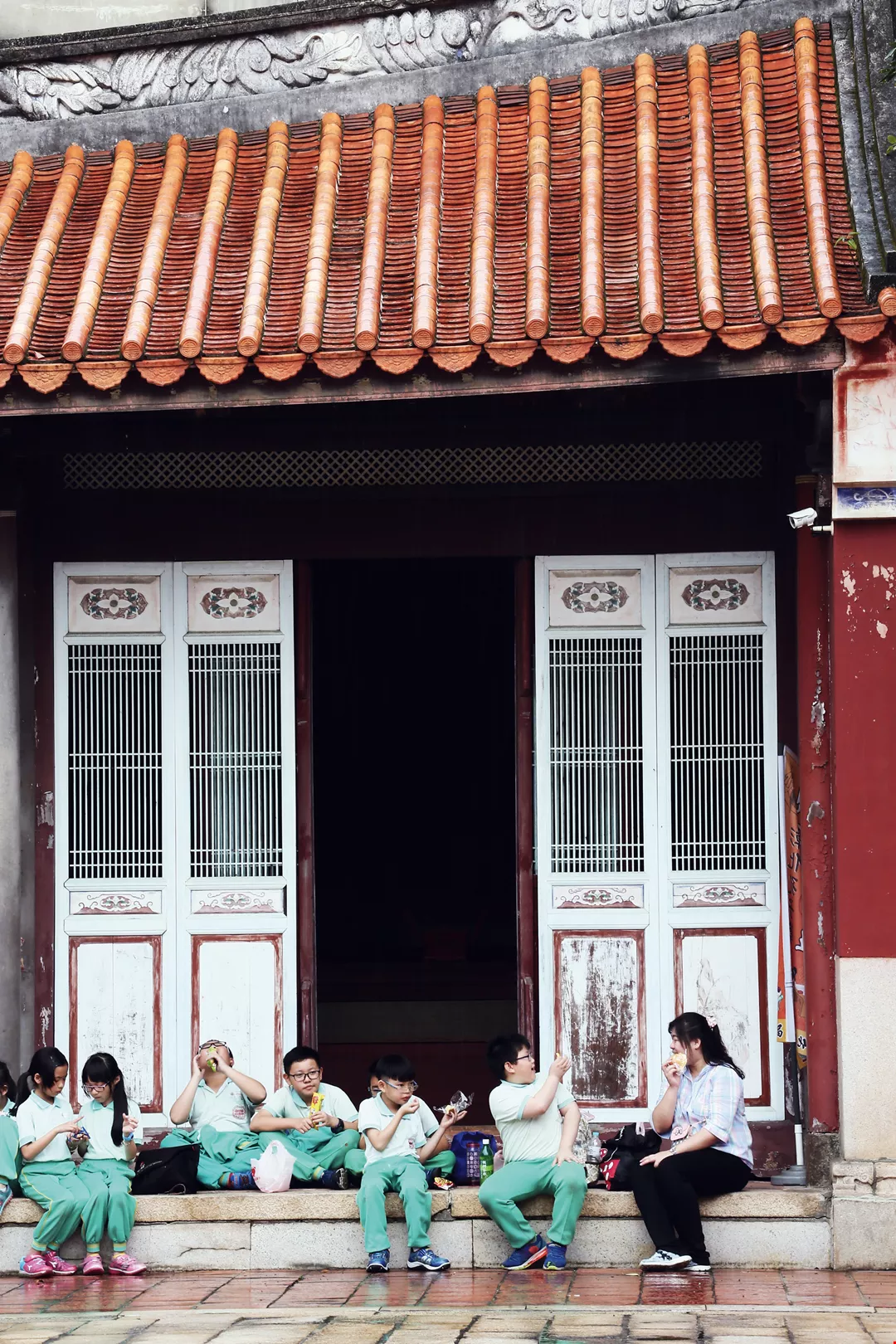
The Confucian Temple in Changhua was once a public school, where Lai Ho got a Japanese education. (photo by Jimmy Lin)
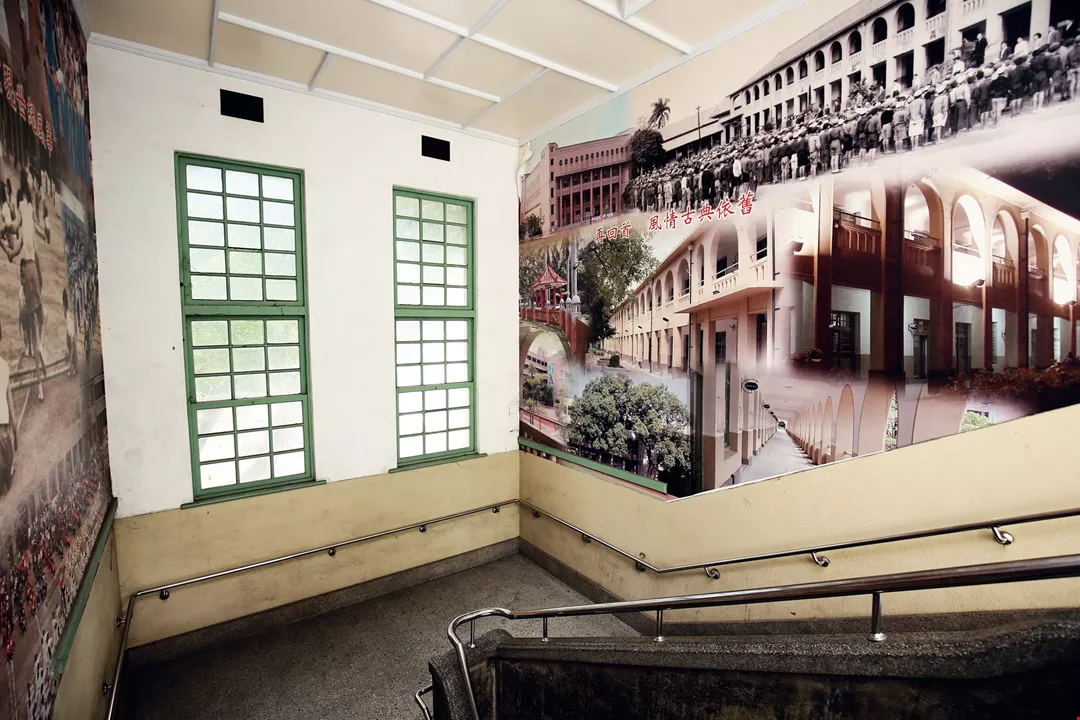
Lai Ho went to Chung Shan Elementary, founded 120 years ago.
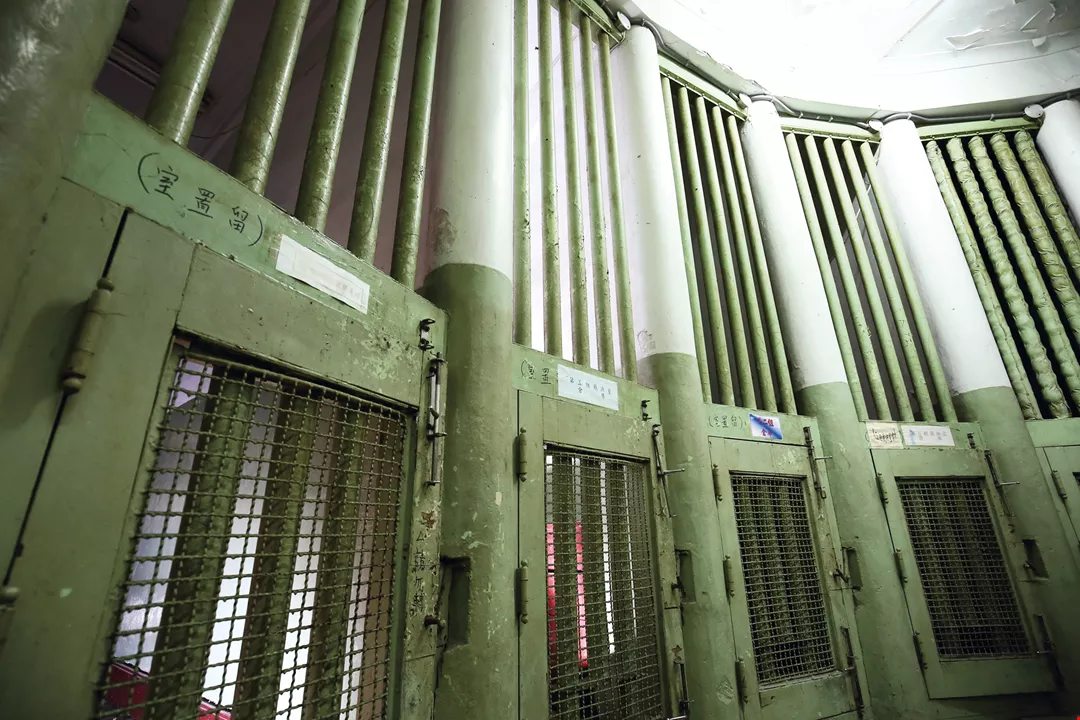
Thrown in prison a second time in 1941, Lai Ho wrote “Jail Diary.”