Shen Hsin-ling: A Gentle Activist
Liu Yingfeng / photos Chuang Kung-ju / tr. by Jonathan Barnard
May 2016


Open up a newspaper or magazine around harvest time, and you’re apt to read about steep price drops that mean farmers may not be able to make ends meet despite growing bumper crops.
More than a decade ago, a 15-year-old girl who sympathized with the farmers’ plight submitted articles to newspapers on their behalf and established a website devoted to “protecting Taiwan’s oranges.” Her efforts attracted a lot of attention and prompted the government to make some policy changes. This advocacy work introduced Shen Hsin-ling to Taiwan’s public for the first time.
Now, 15 years later, her story is still going strong on the Internet. Fine-featured Shen has become a doctoral student in a management program at National Taiwan University. As she scurries between campus and her home in the country, her laughter sparkles and her commitment to public interest work in Taiwan never wavers.
If you click on Shen Hsin-ling’s Wikipedia page, you learn that she has been constantly involved in public interest work since 2001. Just the list of the awards she has received runs to 1000 Chinese characters. Her latest honor is the Presidential Innovation Award. Another title of hers is less well known: e-commerce officer for Futai Co. Ltd.
That simple job title reveals much that is close to Shen’s heart. Futai is the apparel company that her father runs in Yunlin, and to her it represents family and hometown. Meanwhile the “e-commerce” part of the title points to what has ultimately prompted her to devote 15 years of her life to public interest causes, for it describes a tool that she has used to change fate and bring about social change.
Shen’s ancestors were all tenant farmers, and when she was born her family were working as poor roadside and market vendors. She had to work her way through school. So states the simple bio of Shen found on her Taiwan Hope website. But behind these words is a story that isn’t nearly so simple.
A small garment factory that Shen’s father had established early on was battered by hard economic times when partnering firms went under. The family were forced to sell off assets to pay their debts. Shen was oblivious to these issues back then, not understanding them until she got older. When she was a child, she’d travel with her father, setting up roadside stands so the family could make ends meet. She has lived in container houses and in leaky huts made of corrugated metal, and often even spent the night with her parents in their truck.
Those hard times gave Shen, then 11 years old, a deep empathy for the plight of the disadvantaged, as well as a maturity beyond her tender age. Growing up in Yunlin, she saw the hardships that farmers endured in the face of price collapses due to overproduction. Nevertheless, when she was in fifth grade, she taught herself computer skills and set up a promotional website, successfully helping more than 100 fruit farmers to sell more than 6000 kilograms of fruit.
A year later, to help the children of remote rural regions, Shen set up the An An Free Education Website, which aggregates free educational materials for elementary and secondary school students.
These were not the only causes for which Shen brought her online advocacy skills to bear. Though still very young, she set up the “Love Wish Equality” page on her website, which advocates for Southeast-Asian women who have married into Taiwanese families, and she launched another page devoted to the Aboriginal “Hometown Love” movement.

Wielding a pen and a camera while still in her teens, Shen developed the “Taiwanese Grassroots Portrait” plan, aiming to make a record of what was beautiful about Taiwan. (courtesy of Shen Hsin-ling)
Wide-ranging activist vision
After graduating from high school, Shen went on to enter an interdisciplinary humanities and social sciences program at National Tsing Hua University (NTHU) and then the Graduate School of Journalism at National Taiwan University. Now she’s getting her doctorate at NTU’s College of Management. Her explorations in these three different fields of study have brought different perspectives to her public interest work.
Since she was 11, Shen has applied computer technology to every movement she’s been a part of. Consequently, many felt that Shen would pursue her college education in a field related to information technology. But she had other plans: “Taiwan doesn’t lack computer engineers; it lacks people schooled in the social sciences and humanities.”
When she entered graduate school, Shen’s choice once again caused a bit of an uproar. She had long been reporting on and photographing social movements, so in many ways she was already a reporter, and the nature of journalism, as a field in which one learns by doing, deeply attracted her. In deciding to enroll in NTU’s journalism school, she also wanted to show where her original interests had lain all along.
After the public interest work that Shen did was included in national high-school textbooks, doubts about her efforts surfaced: “Does this kind of approach really work?” To demonstrate that she had multidisciplinary skills, she applied to a bunch of programs in addition to journalism at NTU, and was admitted to nine altogether, including management at NTU, sociology at NTHU, and management of technology at National Chiao Tung University.
In September of last year, Shen entered the doctoral program in management at NTU, which has allowed her to look at public interest concerns from the angle of business. Shen explains that business management and public interest work have many points in common. Recently, the notion of “social entrepreneurship” has been introduced as a means of combining business with public interest work.
Apart from continuing to work on educational and rural issues, this year Shen hopes to extend the definition of “public interest” by turning her focus to traditional industries, both the familiar and the unfamiliar.
When Shen was young, her father had a failing clothing business, which then started to turn the corner after Shen helped set up a website for it. In Shen’s eyes, establishing a web presence is just a basic part of marketing. The truly difficult challenge is industrial upgrading: “Through that transition, one can make progress in closing the urban–rural educational gap.” That’s the next step in Shen’s grand plan.
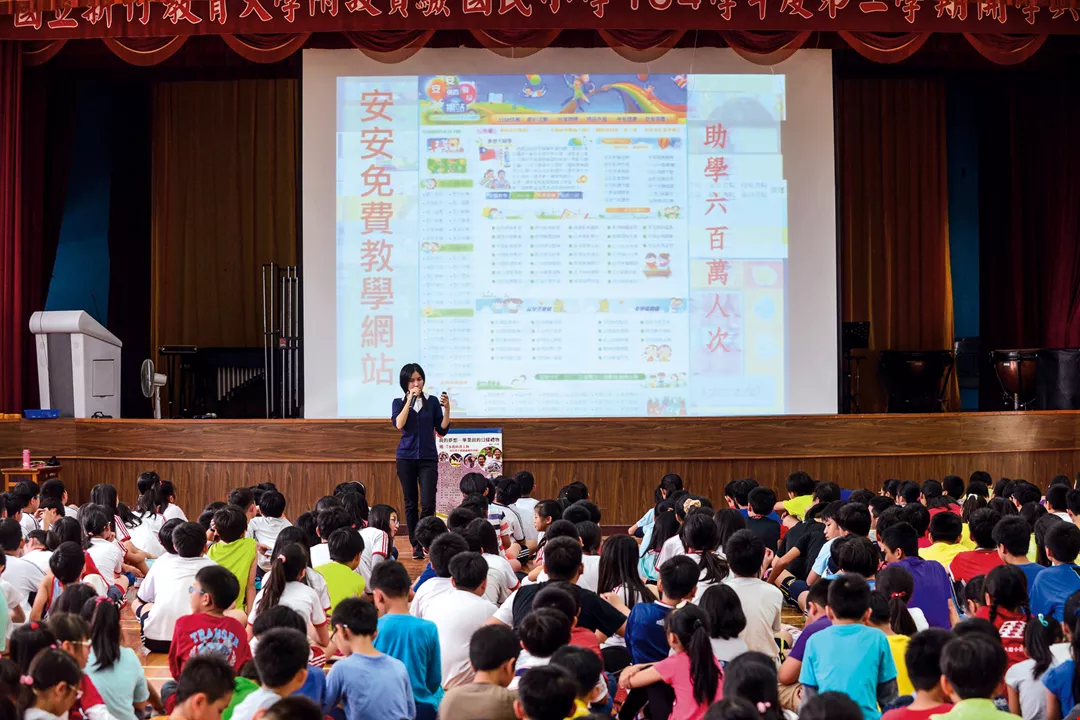
Shen taught herself computer skills in order to set up the An An Free Education Website, which provides disadvantaged children with self-study materials.
Seeds of hope in schools and rural communities
If you open Shen’s appointment book, you’ll find that one day she’s in Taitung and the next she’s in Hsinchu. She is still scurrying around the island. For ten some years, Shen has been going to schools to give speeches. The total number of talks she has given runs into the thousands by this point. “A single speech may not immediately bring about change,” Shen says. “But you can share stories and spread seeds of hope by going to schools, getting children to see for themselves that they can make a difference.”
After throwing herself into public interest work for so many years, she describes her biggest personal reward as gaining “a sense of meaning and purpose.” She reveals that she wasn’t a child with big dreams, but she has been constantly encouraging other people to realize their dreams since getting involved in social movements and speaking in schools. “The work seems to have pushed me to have my own dreams.”
When asked to select one word to represent herself, Shen says it would be “change.” She has come to believe that many social problems arise from a pervasive feeling of powerlessness. “Change is all about challenging conventions and erasing stereotypes.” She once thought herself that many of the goals of public interest work were unrealizable dreams, and that only important people could make a difference in those areas. Yet however insignificant writing letters and setting up websites may seem, they can create ripple effects that can indeed help to change society. “It is in fact very easy to work on behalf of the public interest.”
Beyond her mentions in textbooks, Shen’s life offers a compelling story: A young woman without the glamorous and powerful aura of most public figures is nonetheless able to to take simple steps toward positive change for Taiwan.

From Keelung in the north to the outlying islands of Penghu in the west, Shen has sown seeds of hope in many remote rural schools.
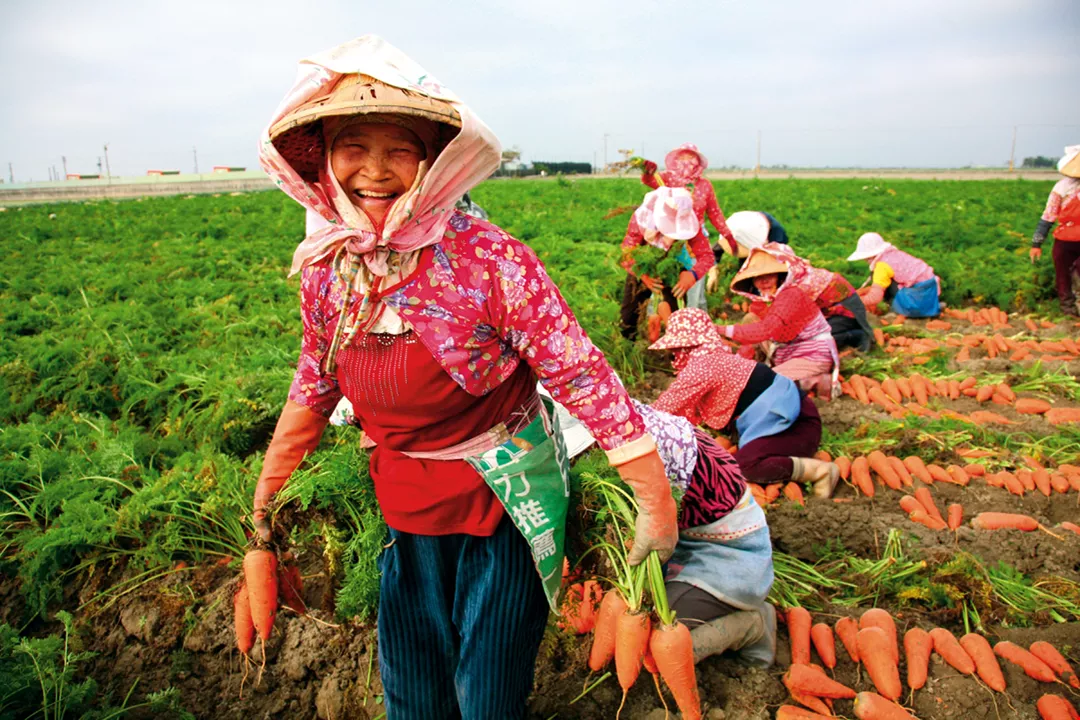
Having visited rural communities throughout Taiwan, Shen has gained a true sense of our nation’s vitality at the local level. (courtesy of Shen Hsin-ling)
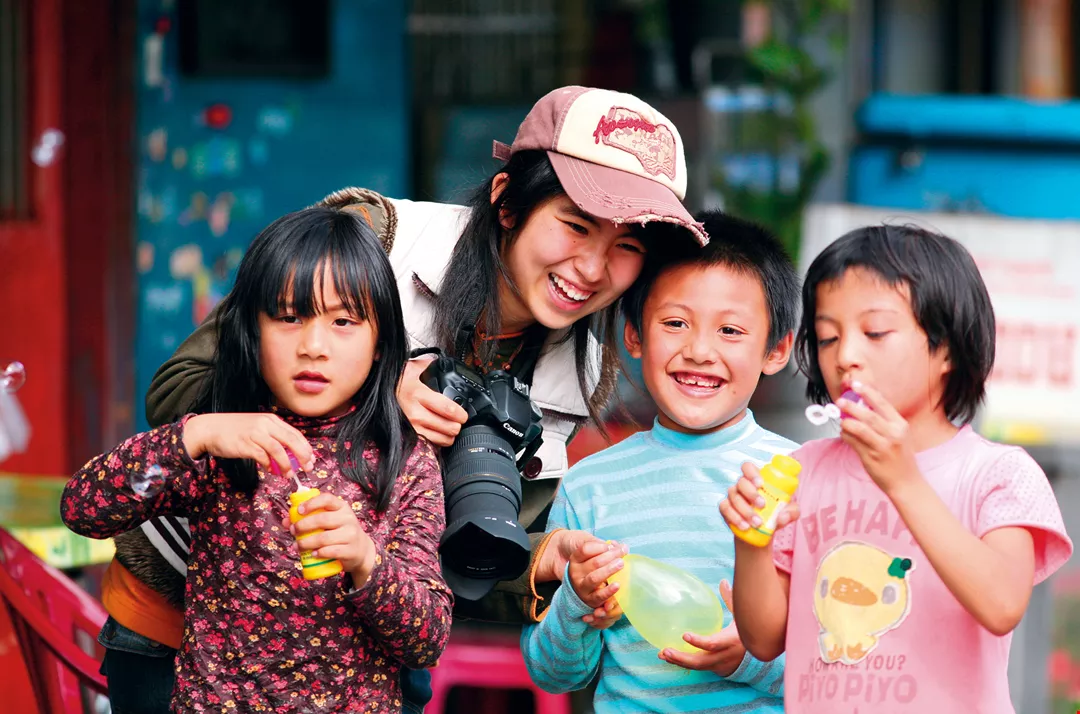
Having visited rural communities throughout Taiwan, Shen has gained a true sense of our nation’s vitality at the local level. (courtesy of Shen Hsin-ling)
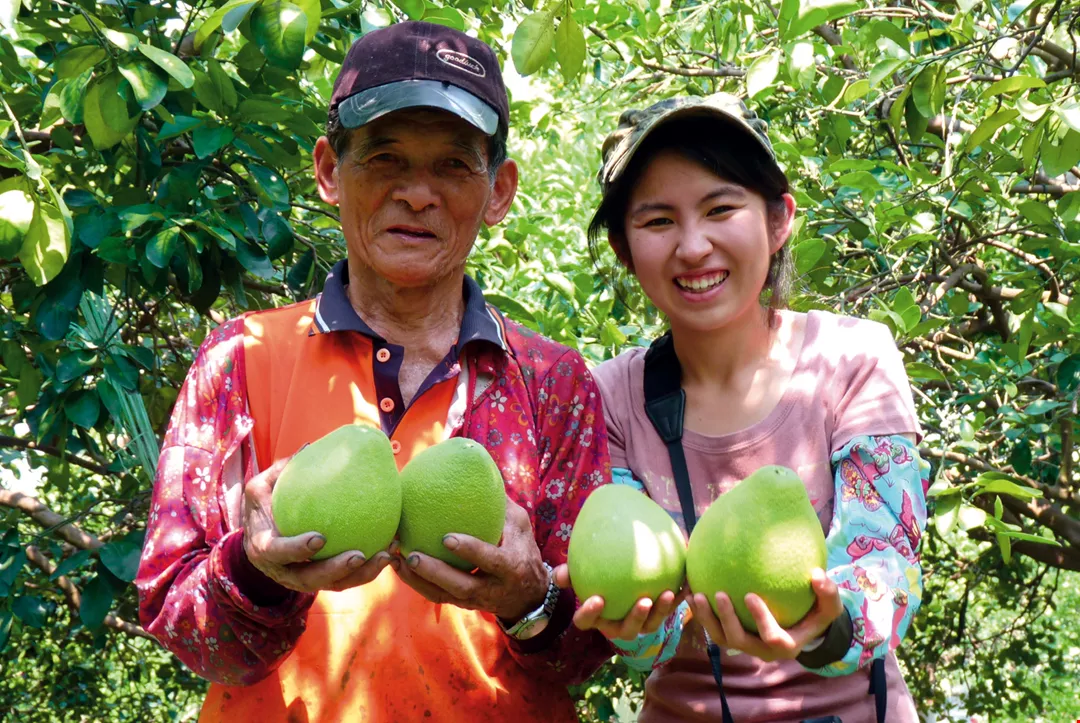
Suffering hardship as a child has made Shen particularly sympathetic to the plight of the disadvantaged. When she was 11, she set up a promotional website for local farmers that helped them sell crate after crate of pomelos. (courtesy of Shen Hsin-ling)
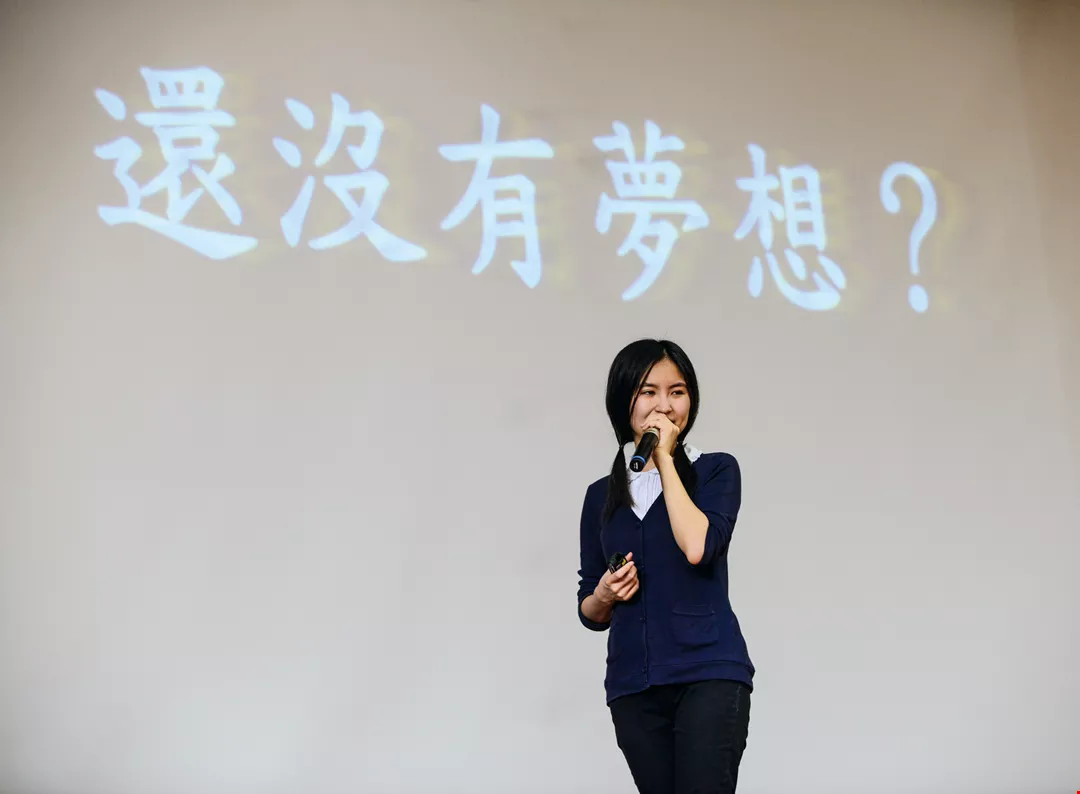
Beyond being mentioned in school textbooks, Shen remains faithful to her aspiration: to change Taiwan for the better.

Beyond being mentioned in school textbooks, Shen remains faithful to her aspiration: to change Taiwan for the better.
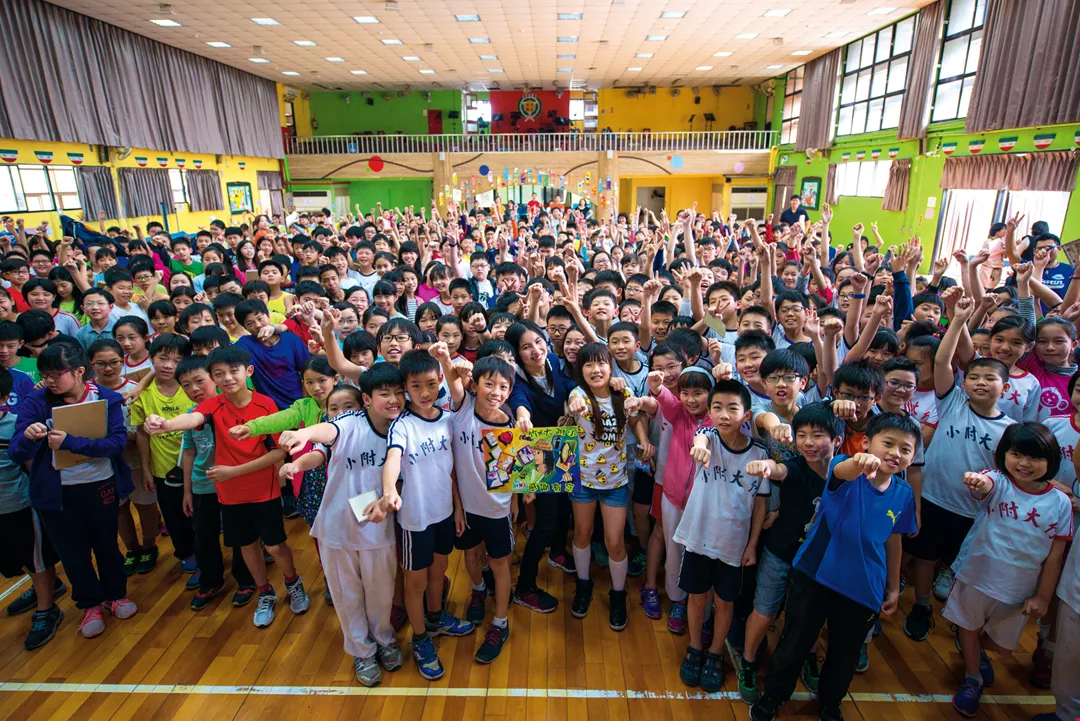
“Public interest work can be quite simple!” Turning into “Big Sister Shen” during her school visits, Shen often draws from her own experiences to encourage the children.


