A Village Aesthetic —Culture and Creativity in Yilan
Tsai Wen-ting / photos Jimmy Lin / tr. by Scott Williams
September 2016
Like bright stars sparkling in the Milky Way, unique cultural spaces range across the length and breadth of Yilan County. Venues such as the Lanyang Museum, the Yilan Museum of Art, Jimmy Square, Luodong Cultural Working House, and Chung Hsing Cultural and Creative Park are sprinkled in a glittering line across Yilan, exhibiting art and drawing together creative and cultural talent.
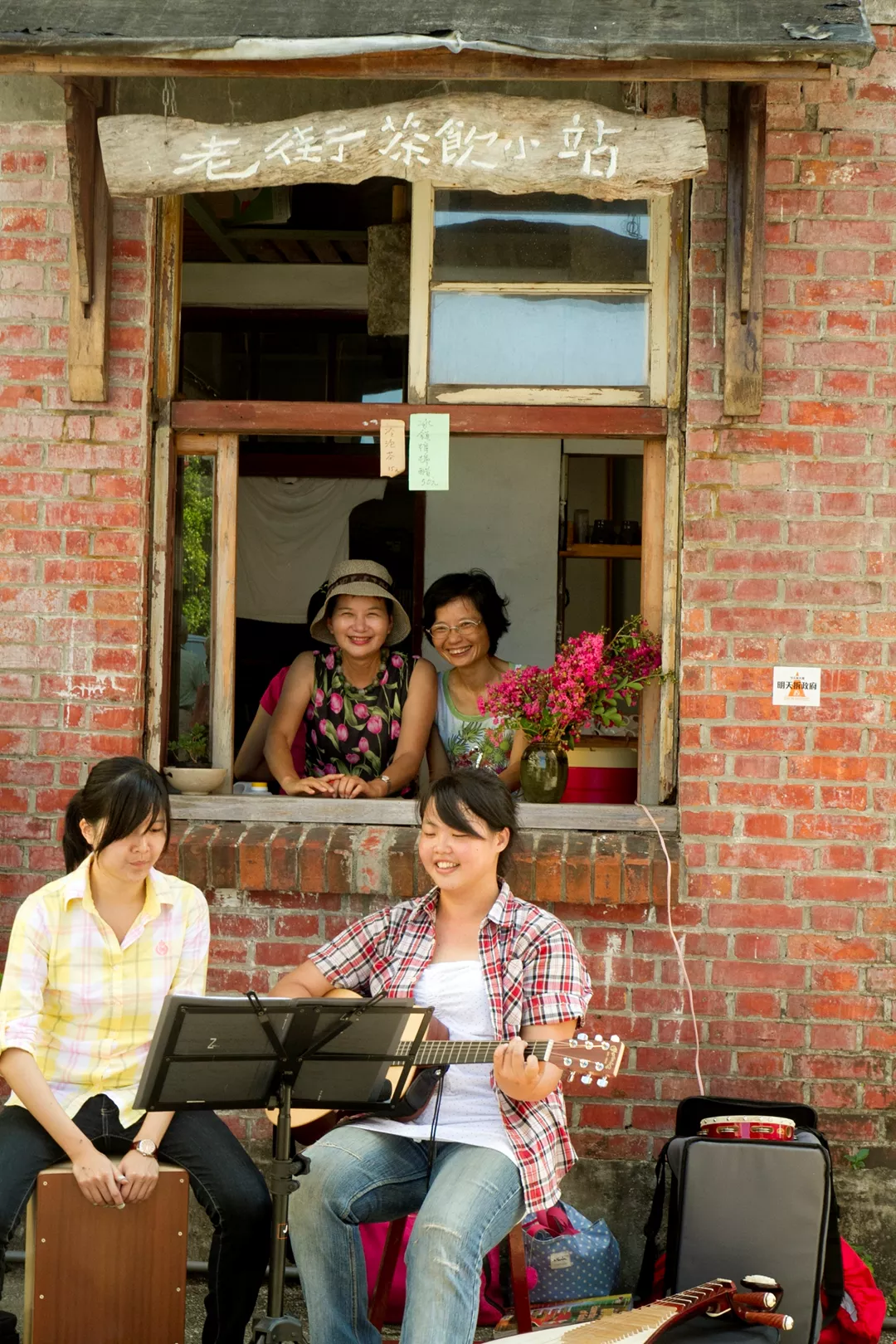
Like dandelion seeds dancing on the breeze, the Lanyang Museum’s Four Seasons Music Festival, the Yilan Paddy Field Concerts, and the Cultural Affairs Bureau’s Art in Village program, now in its third year, are spreading art to rural communities, cultivating countless local curators, and creating a highly cultured atmosphere.
The Yilan County Cultural Affairs Bureau’s 2016 Art in Village program got underway in April. This year’s theme was “Interpreting Historic Buildings,” and its first event was “Spring • Encounter • Old Rice Mill,” held at Grandpa’s Old Mill.
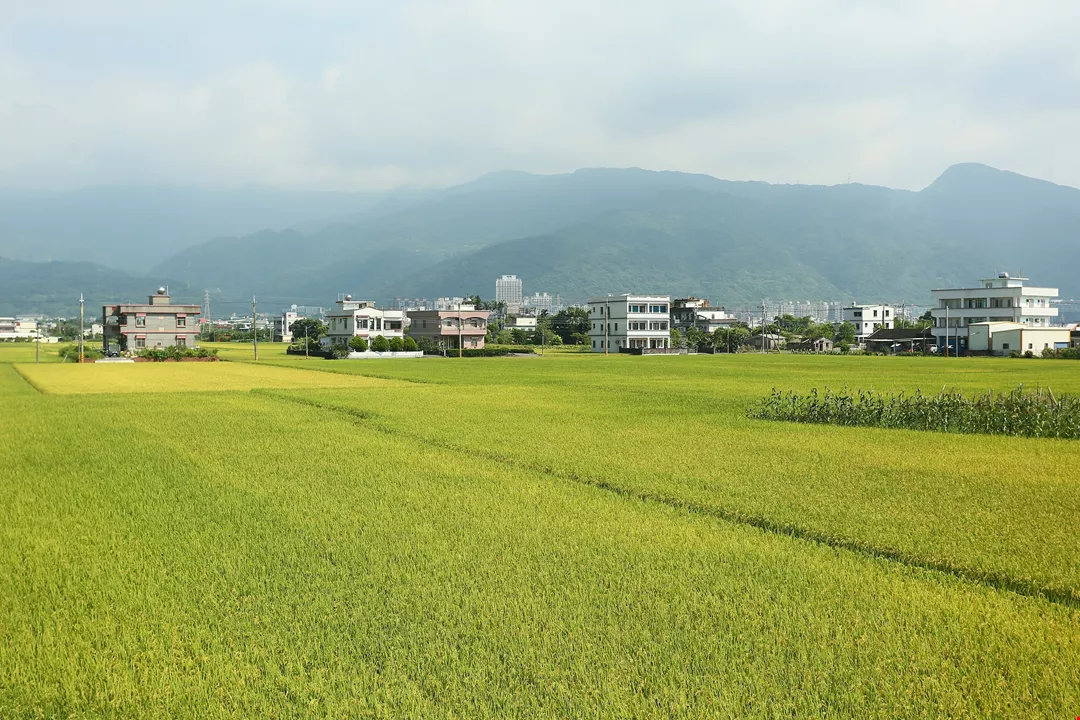
Built in Zhuangwei Township in 1946, Grandpa’s Old Mill still uses milling equipment that dates back to the period of Japanese rule. Xu Chaokui, the mill’s 88-year-old owner, and his son Xu Wenzhong, grow organic rice and manufacture genmaicha—a Japanese-style tea that combines green tea and brown rice—and instant rice noodles. They also mill rice for a number of other growers. For this year’s Art in Village event, they are exhibiting paintings of life in Zhuangwei by Chen Shuzi, a local amateur artist, in the grain drying yard outside the mill building.
By the end of September 2016, some 30 local curators will have put on 40 exhibitions at 22 historic buildings, libraries and traditional courtyard homes around the county.

Drifting dandelion seeds
The Yilan County Cultural Affairs Bureau subsidizes the Art in Village events, encouraging local artists to exhibit and giving rise to “micro-salons” in interesting local spaces. Susan Lin, the former head of the bureau, who currently serves as the curator of the Art in Village program as a whole, explains, “Salons have a relaxed and cozy atmosphere in which friends share with one another.”
“Art in Village aims to make Yilan into a creative and cultural county, to build an outstanding cultural style that cultivates the arts and gives rise to living arts communities,” says Song Long-quan, deputy director of the Cultural Affairs Bureau.
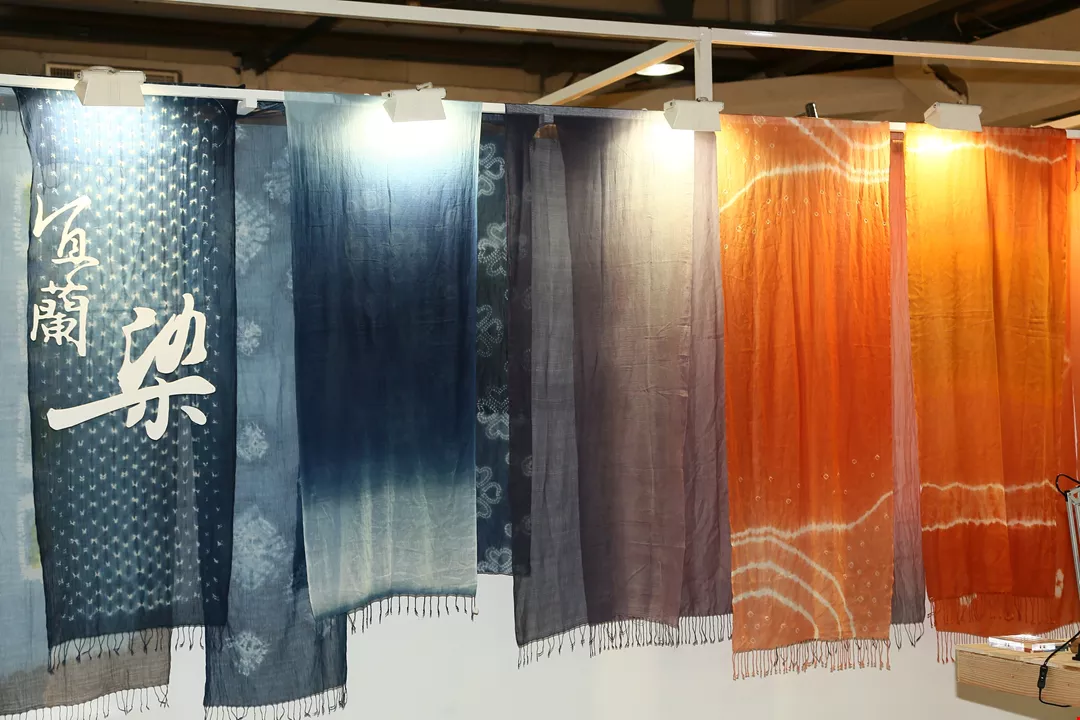
There have been weekly activities throughout Yilan since this year’s Art in Village program got underway. One of the events was held in the Sun Gan Factory Museum in Su’ao’s Nanfang’ao neighborhood. Built in 1962, the factory is the oldest fishing-boat repair shop remaining in Nanfang’ao. Its second-generation owners, brothers Liao Daqing and Liao Dawei, converted the workshop into a museum to preserve it. There they teach people to dye cloth the way that fishermen used to dye their nets, to use net-making techniques to weave environmentally friendly bags, and to craft the large, self-inking calligraphy brushes designed and patented by Liao Daqing for writing on the ground.

Yilan’s Chung Hsing Cultural and Creative Park hosted the 2015 Taiwan Design Expo. Yilan’s dyes, the subject of one of the main exhibitions, have since taken root in a number of community schools.
A symphony of music and field
Among the many other events, Wu Ting-hua, an environmental planner who moved to Yilan more than a decade ago, invited environmentalists from overseas to chat about outdoor survival skills and Native American lives. The Good Eats Cafe in Nan’ao encouraged the public to check out the diverse ecosystem in its garden and enjoy meals prepared from fresh-picked produce while listening to performances by Aboriginal singers. Toufen Village in Yuanshan invited Taiwanese Opera star Yeh Ching to give a talk in her hometown. Dongshan’s Friendly Life Shop asked elderly local women in to teach people how to make gui, a kind of glutinous rice pastry. An art studio called IYouAma on Fan’getian Road in Jiaoxi encouraged visitors to sing and dance outdoors, and also showed them how to preserve radishes. Visitors to the Erjie Community were able to explore a butterfly trail in the spring....
“These local individuals curating events are like dandelions releasing their brilliant star-like seeds into the air. They are spreading ideas and creativity into every corner of the county,” says Yilan County magistrate Lin Tsung-hsien.
Susan Lin explains that inviting Taiwan’s top musicians to play in the rice paddies, using Yilan’s landscape as a stage, and putting local amateur directors to work unearthing and documenting moving local stories “are all aspects of Art in Village. On the one hand, the concerts promote Yilan’s lovely landscapes. On the other, they provide rural communities with the opportunity to enjoy a different kind of art, all while cultivating local talent and self-confidence.”

This year’s Art in Village program focuses on interpreting historic buildings, and includes events at the Erjie Granary and the IYouAma art studio.
An incubator
The large cultural spaces opening up in Yilan form a glittering north‡south axis through the county.
There’s the Lanyang Museum at Toucheng in the north. The winner of numerous international architectural awards, the museum has been designated a work of art by the Ministry of Culture. Then there’s the Yilan Museum of Art, housed in what used to be the Yilan City branch of the Bank of Taiwan. The surrounding old downtown neighborhood has also been revitalized by Jimmy Square and by the Red Brick House (author Huang Chun-ming’s storytelling venue), which offers visitors the opportunity to interact with writers and culture in a different way.
Continuing southward, there’s the Luodong Cultural Working House. Designed by architect Huang Sheng-yuan, it hosted the Golden Horse Film Awards ceremony in 2012. There’s also the Chung Hsing Cultural and Creative Park, which occupies more than 30 hectares of land and retains its industrial look. With its size and easy accessibility, the park has become one of Taiwan’s premier large-scale exhibition spaces.
In addition to having unique and eye-catching designs that make them prime tourist destinations, these cultural venues have also been crucial to Yilan’s development of a network of small-scale museums.
“The preparations to build the Lanyang Museum encouraged the establishment of numerous small private museums and tourism-oriented factories in the county. These have since grown into a museum network and become the basis for Yilan’s development of the creative and cultural industries. Our experience with cultural management is exceptional for Taiwan,” says Magistrate Lin.
Similarly, the county government used a land swap to build the Yilan Museum of Art, which opened last year. By establishing the museum, the county preserved the branch office of the Bank of Taiwan, converting a historic building that had been a repository for wealth into a repository of artistic treasures.

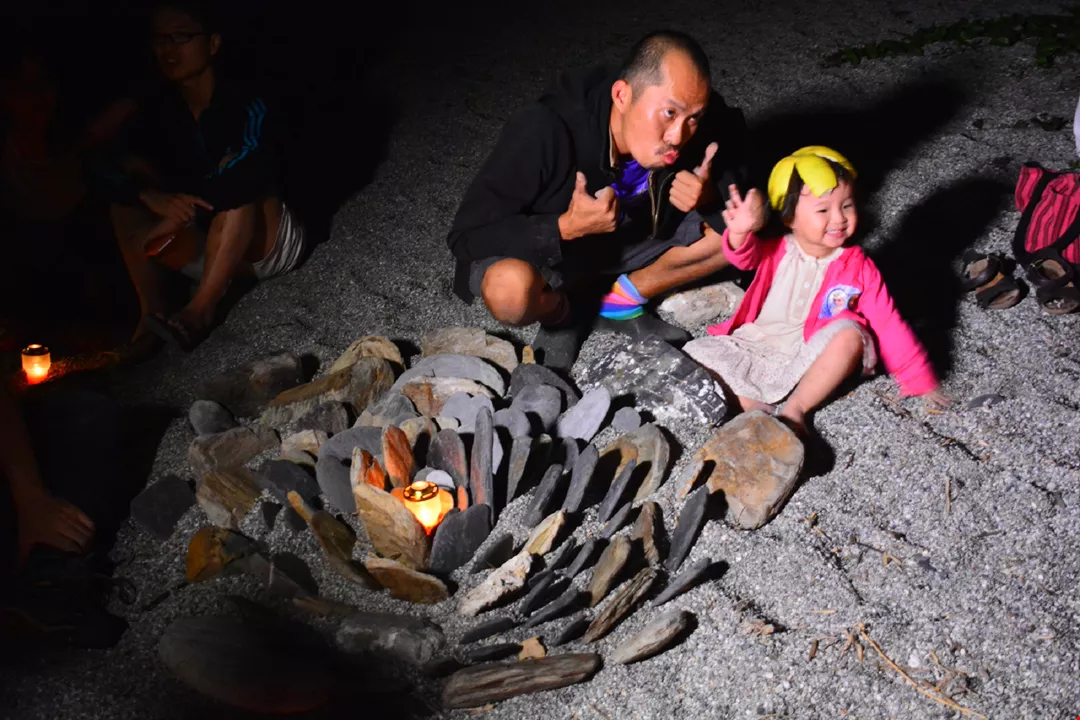
For the 2015 Art in Village program, Liao Daqing invited Southeast-Asian crew members from locally based fishing boats to perform at a moonlight concert on Nanfang’ao Beach. (courtesy of Yilan County Cultural Affairs Bureau)
North and south
Using culture to support economic development has long been an Yilan trademark. As a case in point, tourism is the county’s leading industry, bringing in some 7 million visitors per annum. But Lin believes that Yilan can do more. He is hoping to develop other non-smokestack industries in the county, specifically the biomedical sector in northern Yilan, and the creative and cultural sector in the south.
Nearly 200 Yilan communities have participated in long-term community empowerment projects over the last several years, developing their creativity and a wealth of talented individuals in the process. Seeking to put this new resource to use, the county government persuaded the county council to purchase an idle Chung Hsing paper mill and convert it into the Chung Hsing Cultural and Creative Park. The park has attracted large crowds and positive reactions over the last two years, with events that have included the Taiwan Design Expo and a concert by the band Mayday.
This gathering of creativity has included the Institute of Yilan County History’s long-term survey of local history; competitions such as the Yilan Chair Design Competition that invite international designers to incorporate Yilan-related elements into their work; and the Yilan Festival of Land, Arts and Creativity’s establishment of a platform to foster the development of young people’s creativity and competitiveness.

In 2014, the Peace Street House in the old part of Toucheng hosted an event on land and environmental ethics. At left is Susan Lo hosted the event. (photo by Yang Wen-ching).in, who originated the Art in Village concept. At right is Kang Bao-yu, wh
Coming back home
The opening of the Xueshan Tunnel has brought large numbers of tourists to the Lanyang Plain. Song Long-quan of the Cultural Affairs Bureau thinks that the county’s future cultural development should focus on “returning to Yilan’s cultural roots, reestablishing Yilan’s slower pace of life, and giving Yilan the confidence to internationalize by localizing.”
In recent years, the development of non-smokestack industries and the deployment of experimental education have attracted numerous “immigrants” to the county and encouraged many young locals to return. A strong sense of identification with the land has encouraged many people to grow and sell organic produce, to open independent bookshops or handicrafts studios, to get involved with the planning of Art in Village events, or to offer activities that introduce visitors to fishing-village life. The interaction between the county’s educational system, its culture, and its ecosystems has given rise to an organic, virtuous cycle.
Renowned publisher Winston Chen is a case in point. Chen, who has devoted his later years to publishing works on short journeys and food-and-farming culture, moved his entire publishing operation back to his hometown of Luodong three years ago.
The Come Home Studio, which stands next to the green expanse of the Luodong Sports Park, is another example. Its first floor sells cultural publications and environmentally friendly agricultural produce, while its second has been converted into a lovely, vibrant restaurant space that occasionally exhibits the work of local artists. Here, small farmers, chefs, and readers meet face to face in an open kitchen to whip up and sample new recipes made from organic ingredients.
Small Location Book Cuisine is yet another example. Owned by a rice grower, the former rice mill tucked away in Shengou Village, Yuanshan Township, provides patrons with a place where they can either buy environmentally friendly vegetables outright, or exchange second-hand books for them. And then there’s the Song Garden House, an old warehouse on Yilan City’s Jinshi Road that provides a venue for produce trading and occasional lectures on environmental topics. Stay Traveler Bookstore on Bixia Street in Yilan’s old downtown, on the other hand, is an independent shop that retails books and designer items, and also provides patrons with a space in which to exchange thoughts.
These cultural spaces sparkle like stars while simultaneously providing an earthly foundation for creative and cultural incubation. Yilan’s embrace of attitudes and practices ranging from “downshifting” to organic agriculture is helping create a better, friendlier way of life and encouraging natives to move back. “Happy Yilan, Creative Countryside” is more than a slogan; it’s the county’s past, present and future.
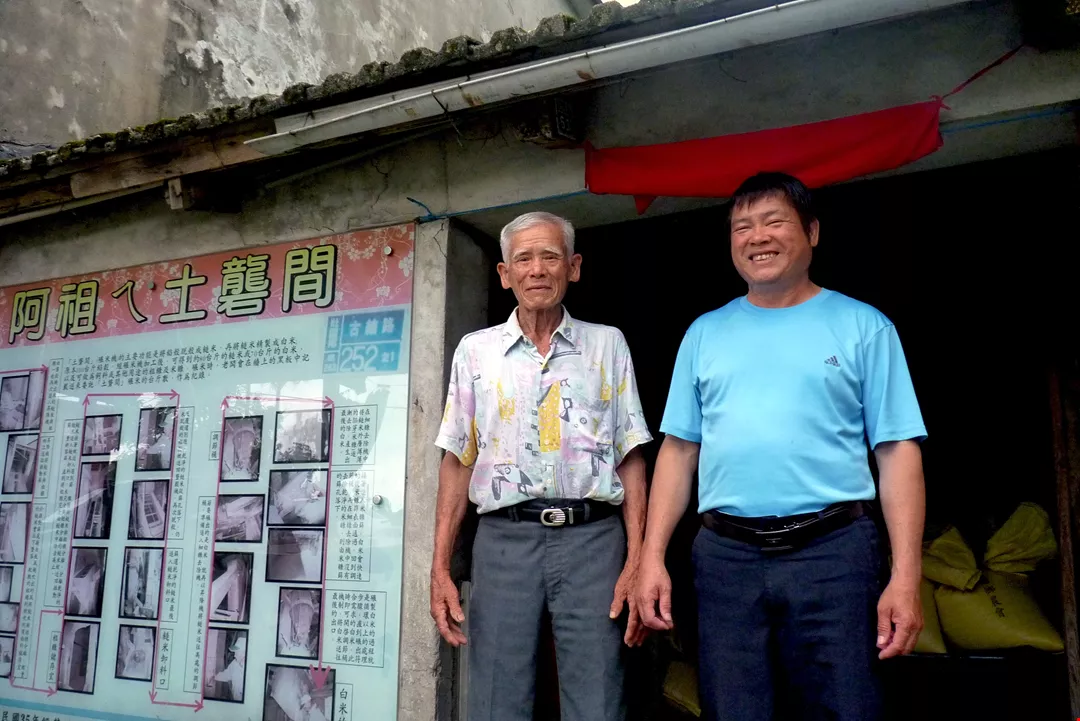
This year’s Art in Village program kicked off with an event at Grandpa’s Old Mill. The photo shows the mill’s owners, father and son Xu Chaokui and Xu Wenzhong. (photo by Tsai Wen-ting)
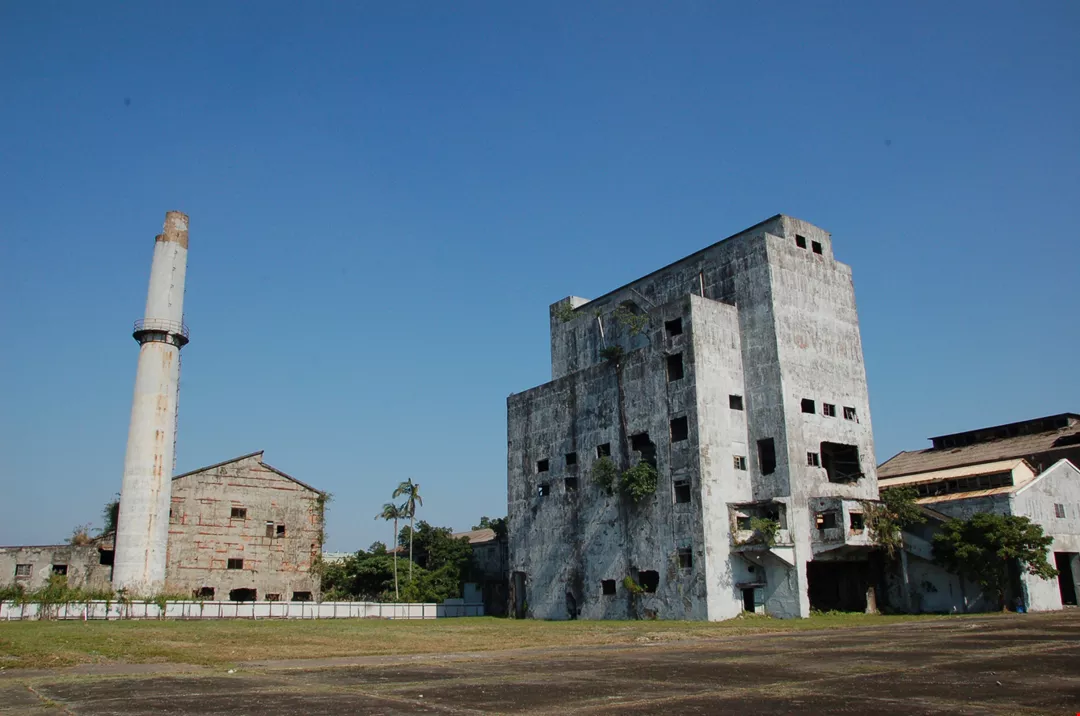
The Yilan County Government’s preservation and restoration efforts turned a former paper factory into a cultural incubator, the Chung Hsing Cultural and Creative Park. (courtesy of Yilan County Cultural Affairs Bureau)
The Lanyang Museum is itself a work of art that also happens to exhibit Yilan. The museum’s Four Seasons Music Festival is a must-attend for music fans. (photo by Yang Wen-ching)
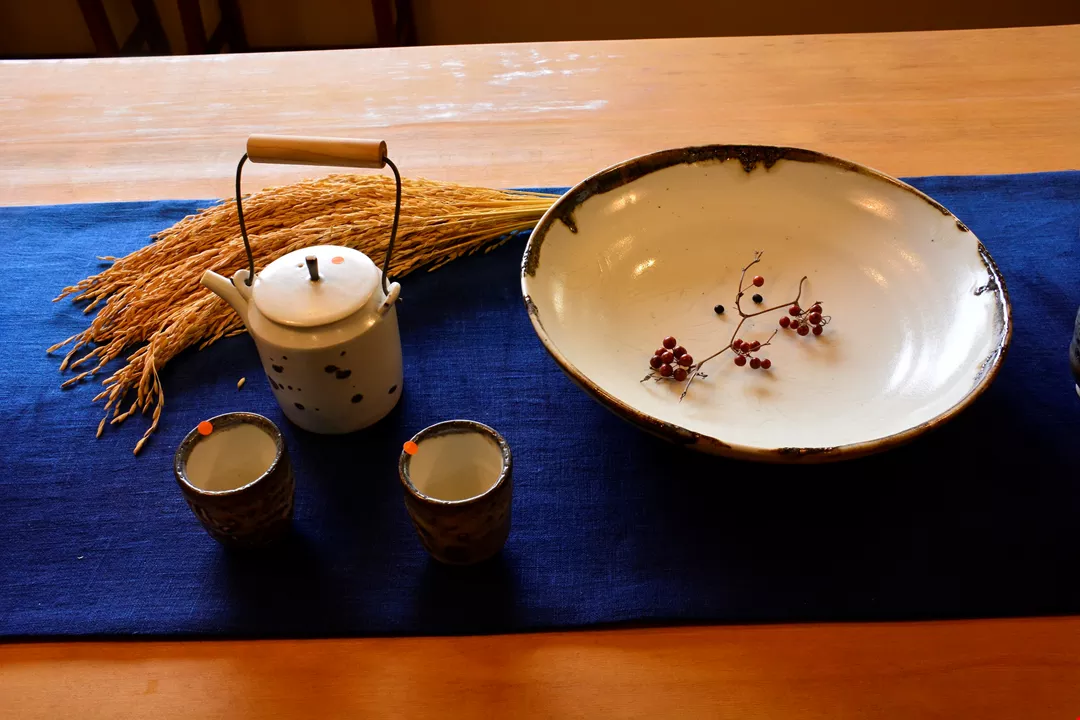
Yilan natives returning to the county are opening unique bookstores, growing organic produce, or, like Come Home Studio, housing a restaurant and environmentally friendly produce sales in a single location. The photo shows Come Home Studio’s exhibition of pottery by Li Zongru. (courtesy of Yilan County Cultural Affairs Bureau)
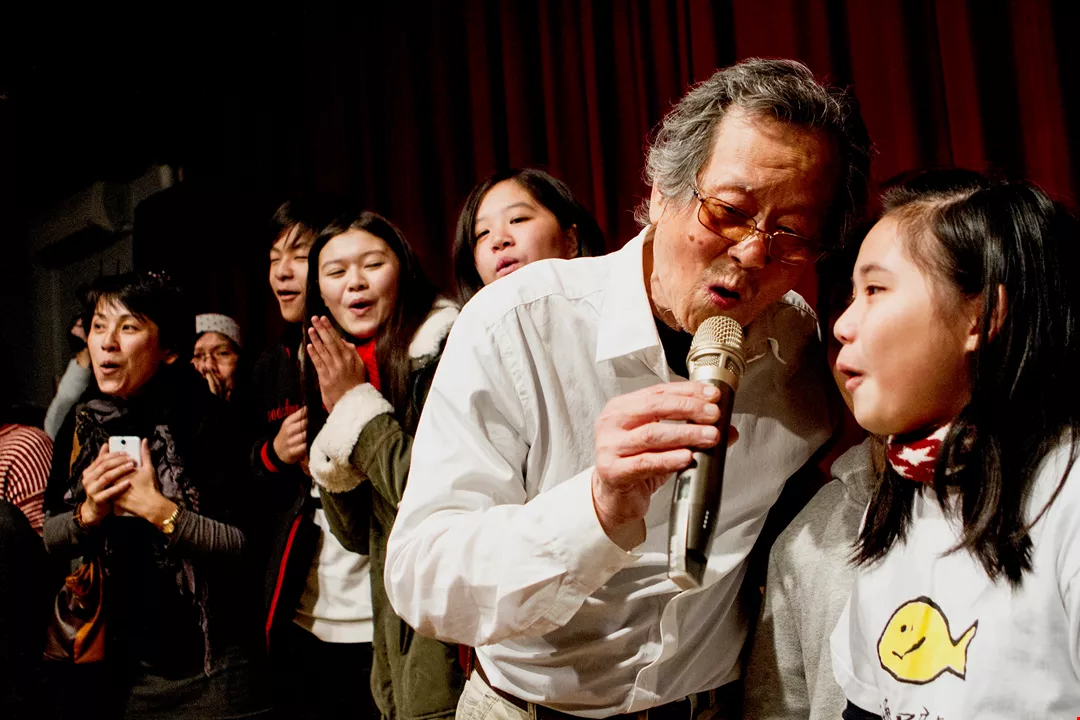
Jimmy Square and author Huang Chun-ming’s Red Brick House offer a different way to engage with authors and literature. The two venues have helped revitalize Yilan City’s old downtown. (photo by Yang Wen-ching)
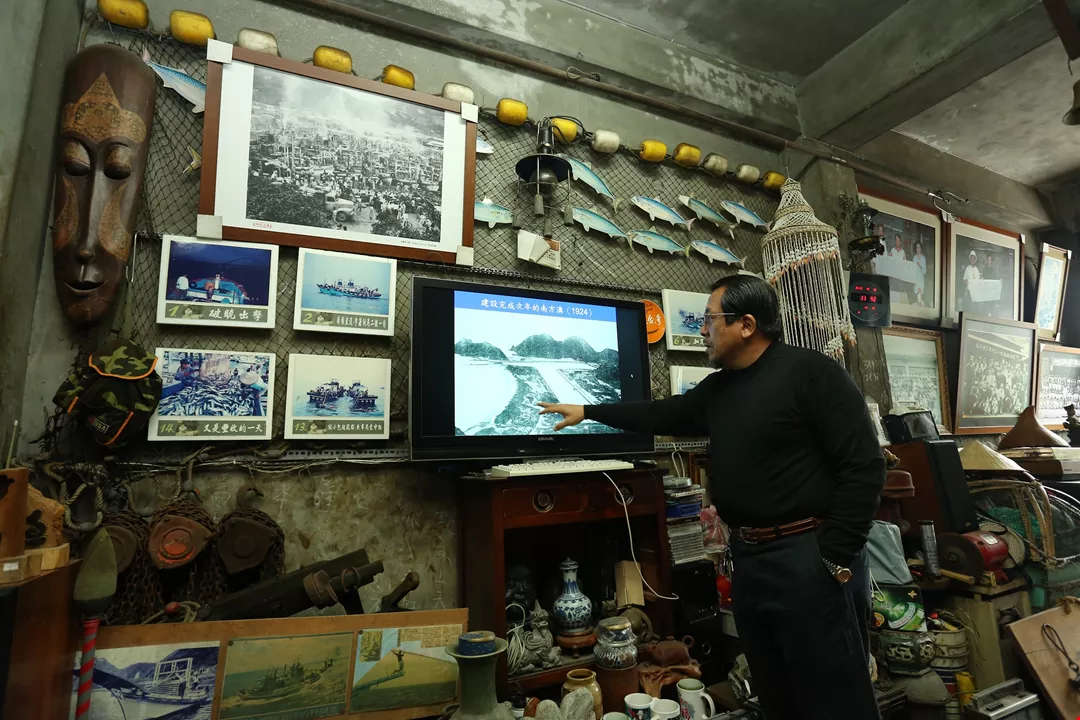
Liao Daqing, a cultural worker in Nanfang’ao, has turned his father’s old boat repair shop into the Sun Gan Factory Museum and made it a regular participant in the Art in Village program.

Wushi Harbor is quiet and tranquil as the sun goes down. Yilan’s beautiful scenery has drawn many sojourning natives home again.