

Some authors are describing Taiwan through drawings as well as through words. Lei Hsiang, an art school graduate, and Yu Fu, a cartoonist, are two well known cases in point.
Writer, illustrator, and director Lei Hsiang doodles everywhere he goes, capturing his subject matter in quick sketches. His work is unconsciously retrospective, and documents the changes in Taiwanese society.
Yu Fu has been drawing and writing about Tainan since leaving his job as a television executive and moving there eight years ago. Dismayed by the rapid disappearance of historic structures, he resolved to spend ten years drawing the lovely buildings of yore.
Illustrated depictions of Taiwan have a beauty all their own.
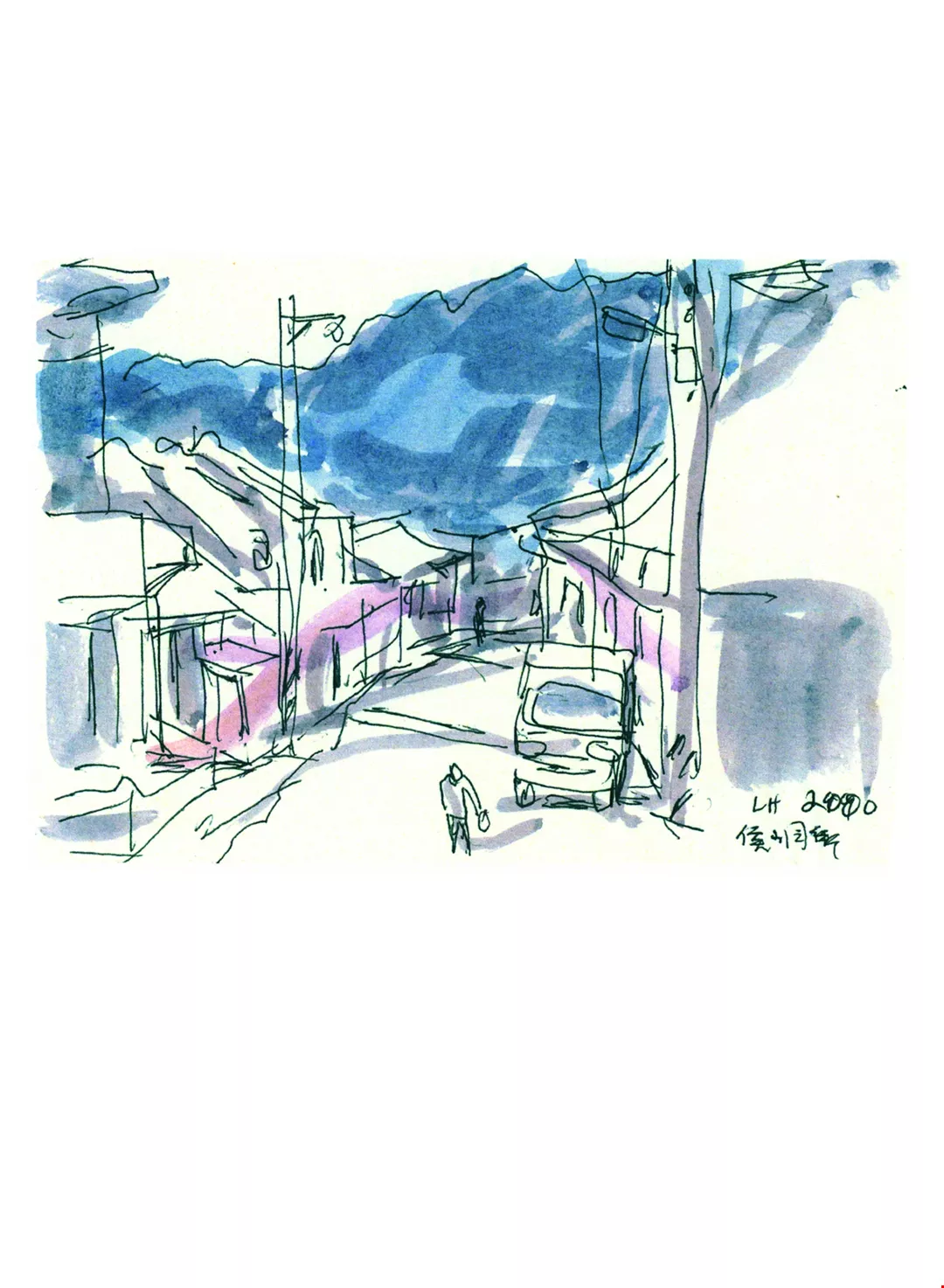
Lei Hsiang documents what he sees and hears by sketching it, and in so doing has captured many of the changes in Taiwanese society. The drawing shows a street in Houdong some 15 years ago. (courtesy of Lei Hsiang)
Lei Hsiang’s “Little Histories”
The 77-year-old Lei Hsiang is a true polymath who has earned accolades for his work in television, illustration, and publishing. Still an inveterate writer, he has published some 35 books and produced innumerable drawings.
In March of this year, SoYet Books released a three-volume collection of Lei’s work entitled At Peace in the World, one volume of which, The Eyes of the Artist, includes some of his sketches. Dihua Street, Bitan’s suspension bridge, the streets of Houdong, train stations, subway stations, department stores... Lei draws everything he sees, and in so doing has documented Taiwan’s many faces and many metamorphoses.
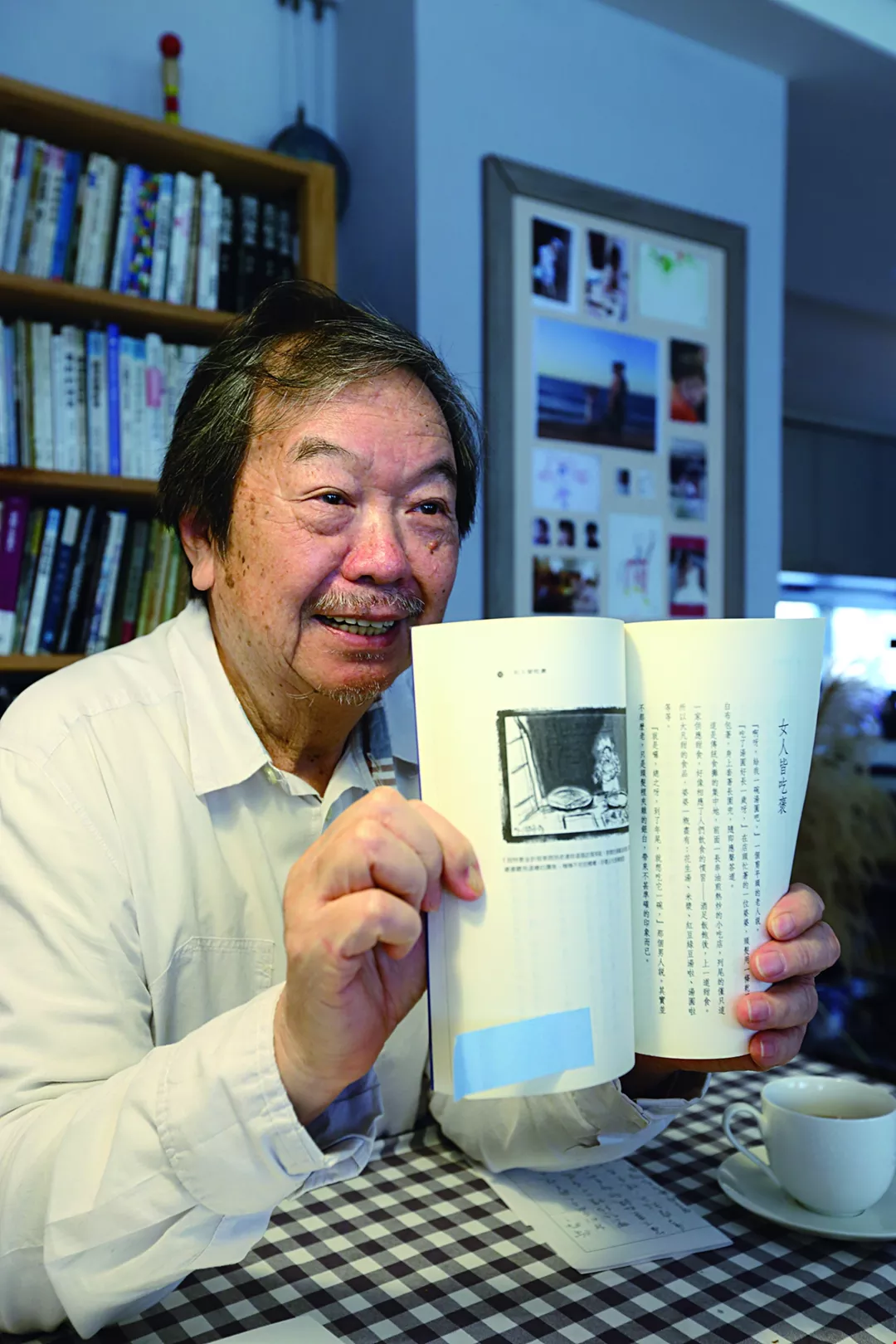
When Lei Hsiang dug up his 20-year-old sketch and short description of the A-Cai Ma sweet shop, memories of the delicious snacks he used to enjoy along Huaxi Street came rushing back.
Sketching lives
“In their earliest incarnations, drawing and writing were the same thing,” says Lei, who finds drawing to be the most direct and immediate way of capturing a scene.
“When viewed repeatedly, images begin to call out to you, urging you to seek out the elements in them that move you.” Lei cites The Alley Facing the Suspension Bridge, a 2002 painting recalling his childhood, as a case in point. “I often used to help out at a teashop next to Bitan that belonged to a classmate’s family. One day, I wanted to go home early and my friend thought I was angry. He chased after me and followed me onto the Wanhua–Xindian train. After we had talked, just as the train began to move he took off his wooden clogs, threw them on the track, and jumped off the train. I jumped off, too.”
“I don’t draw grand historic buildings, just ‘little histories’ of things I’ve encountered or have feelings for. I take something heartfelt and expand on it, showing events in their time and place, and validating them.” Warming to his subject, Lei offers the A-Cai Ma dessert shop as an example.
He had taken his family to the Huaxi Street night market in Wanhua for snacks a few days before our conversation. “I used to love the food there—beef offal soup, pigs’ trotters, tongzai sticky rice—and there was also a dessert shop at the end of the street.”
When they revisited his old stomping grounds and found the old shop still there, he was carried 20 years back in time. The current owner turned out to be the daughter of the old woman he remembered selling sweet soups. Lei then remembered that he had once drawn a picture of the old woman while he was enjoying a dessert. He searched for the drawing when he got back home, and found the picture and the accompanying description he’d written for his 1998 book A Moving Feast.
He then wrote to the current owner of the shop, sharing his memories of enjoying sweet soup there 20 years ago, and including a copy of the book that contained his depiction of her mother.
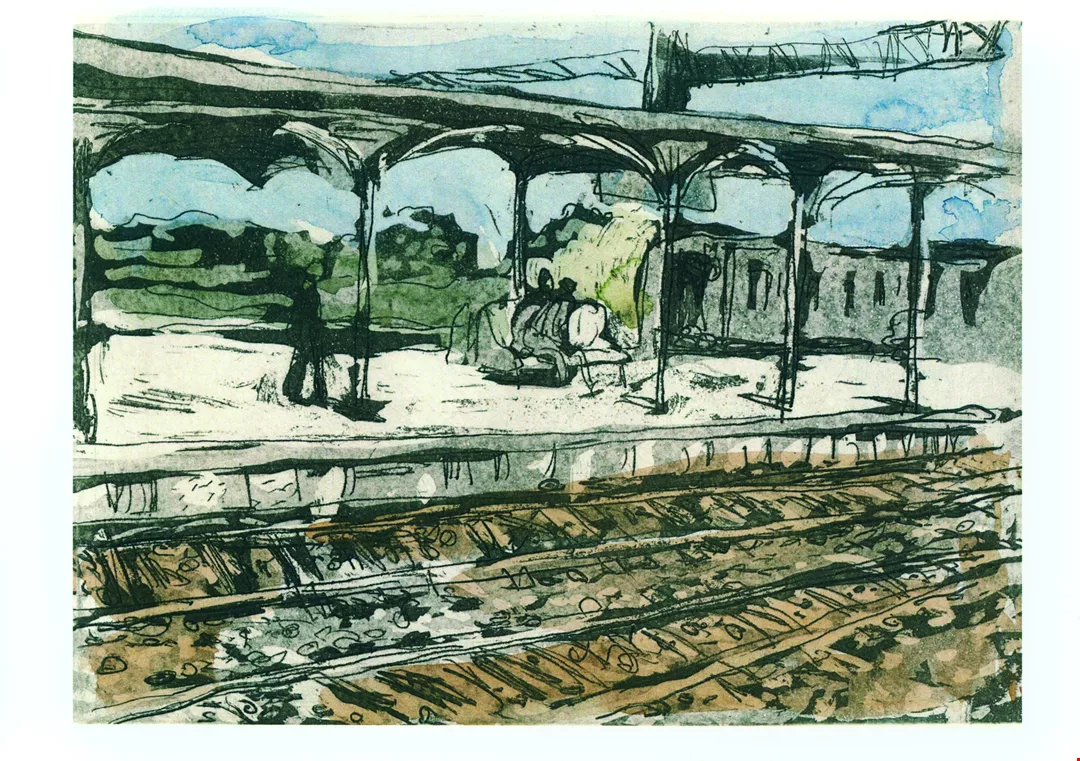
Lei Hsiang’s drawings typically show scenes from everyday urban life: train stations, platforms, and people bustling to and fro. (courtesy of Lei Hsiang)
Urban life and human feelings
Lei chooses to depict urban life rather than sweeping vistas. “What I mean by ‘urban life’ is the human terrain, not the objective scenery.”
Lei always carries a pocket-sized notebook to ensure he has something to sketch on. But some people wonder why he draws, and what he’s feeling when he does.
Pointing to a sketch of weeds running wild, Lei says the drawing depicts the area next to the Taipei Fine Arts Museum where the Flora Expo was held a few years ago. He explains that the site used to house the American Military Assistance Advisory Group, but became run down and overrun with stray dogs after the MAAG left. When he passed by it in March 1998 and saw the weeds flourishing in a seeming wasteland, he sketched the scene and wrote a short essay about it.
“It’s a big piece of land that, back in the 60s and 70s, was home to the wooden bungalows housing American military personnel. It also included the club next to the Yuanshan Zoo. There was a wall around it with an electric fence on top, and sentries patrolling the perimeter day and night. To civilian eyes, it seemed heavily fortified. Nowadays, the soldiers are gone and Nature has returned. The tops of the black walls are overrun with plants that have blown in from all over....”
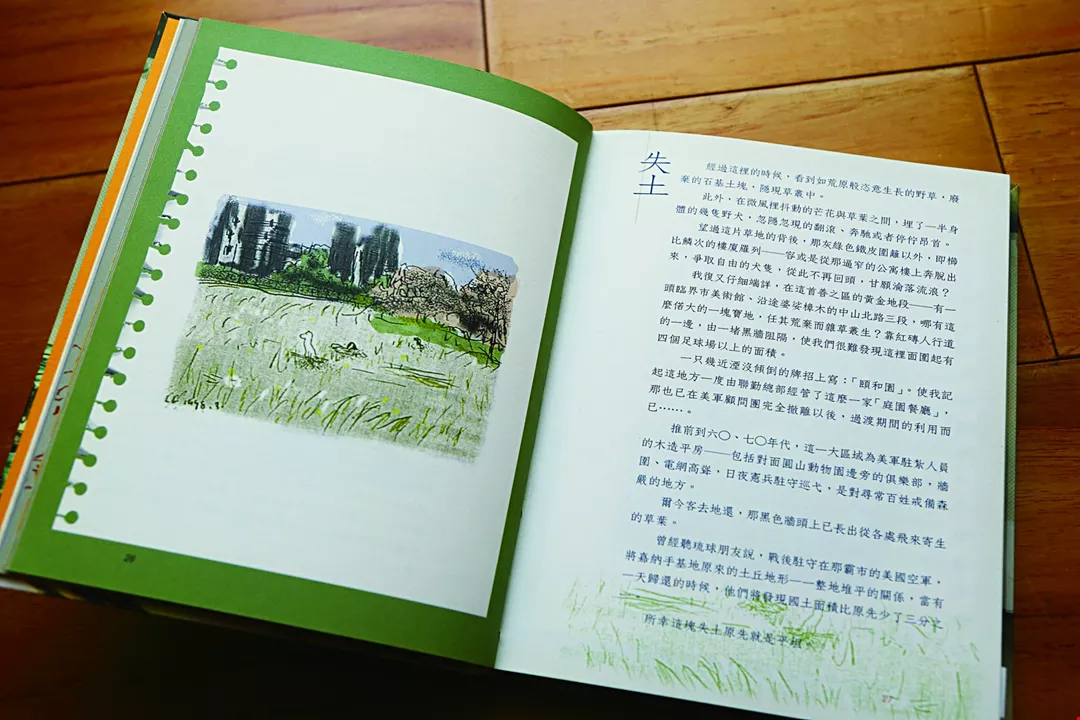
When the American Military Assistance Advisory Group left Taiwan, its former housing was abandoned and slowly deteriorated. Lei Hsiang depicted the site in sketches and text in 1998.
A bit of history
A sketch entitled The Barbering Business offers a glimpse into the history of Taiwan’s hair-salon industry. Lei says that at his age, he’s seen many stages of that history, from the early Japanese-style shops to the later split between barbershops that cut hair and gaudy salons that offer sexual massages. Lei says he cut his hair himself for a long time before going finally back to barbershops for his grooming needs.
He begins reading from a passage he wrote many years ago: “I’m in a shop that looks like it’s been converted into a hair salon for women. The overwrought greeting area unsettles me a little. You sit for a moment in the sofa area, then a young man helps you loosen your shirt and put on a short blue kimono. He invites you inside to wet your hair and then takes you to a separate cutting station to towel your hair dry. After he brings you a cup of coffee, another young man pushes in a cart loaded with all the tools of the barber’s trade, and hands you a gossip magazine to help you while away some time. You wait a little while, then the stylist finally appears....”
“Drawing and shaping things takes time, which gives you a chance to soak up the scents, temperature, and sounds all around you,” says Lei. “It enables you to feel much more than you do with the quick snap of a camera’s shutter.”
Still going strong at the age of 77, Lei finds writing and drawing as natural as breathing. “You can’t live without breathing!” Lei shoulders an elementary-school messenger bag, a gift from a student, and heads out on yet another drawing expedition.
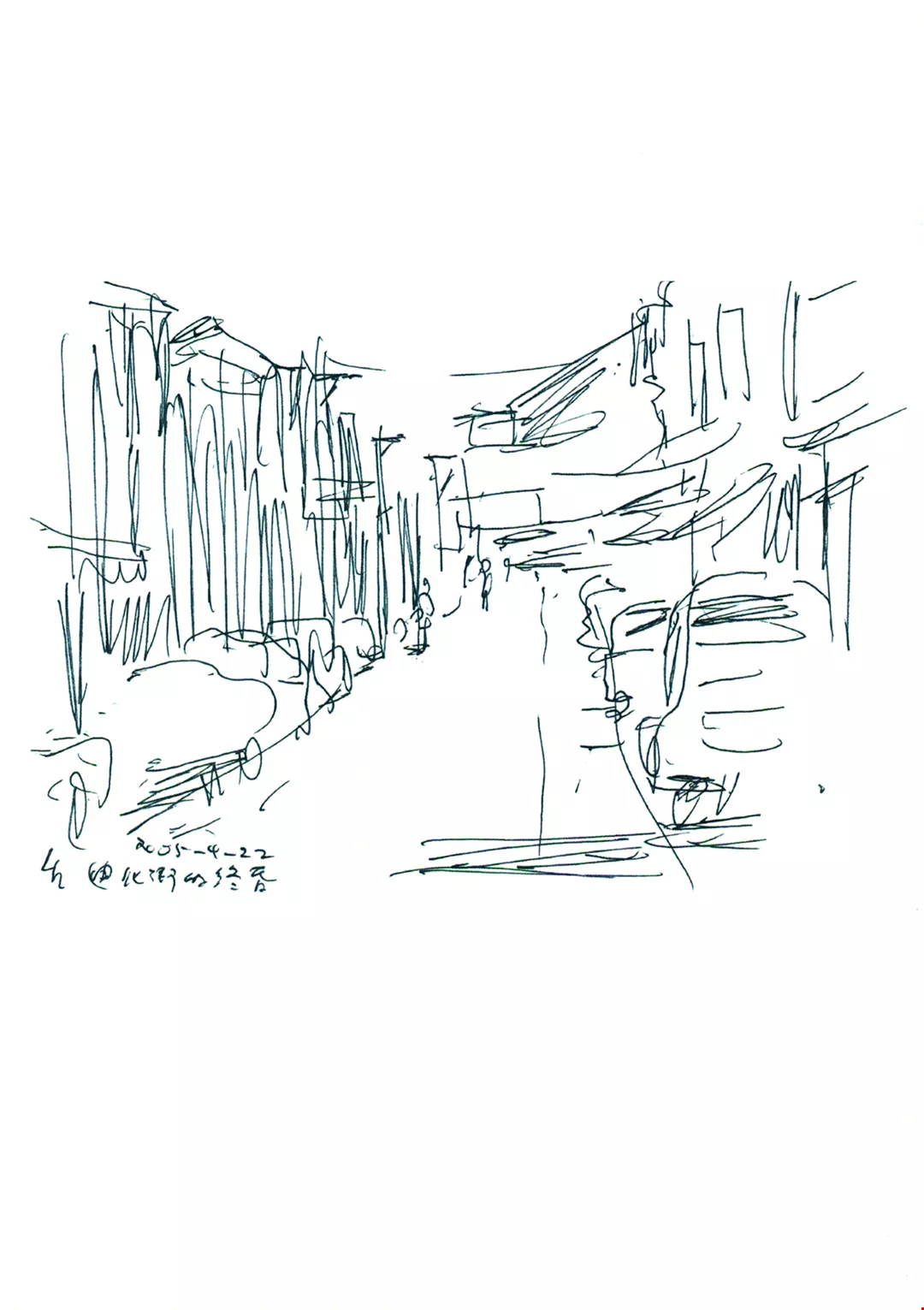
Dihua Street, Lei Hsiang draws everywhere he goes. (courtesy of Lei Hsiang)
Yu Fu’s Idyllic Taiwan
Cartoonist Yu Fu is even better at drawing Taiwan than writing it.
“Drawing is better than any other art form at letting you directly express your true feelings,” says Yu Fu. “Every penstroke represents the heartblood of the artist.”
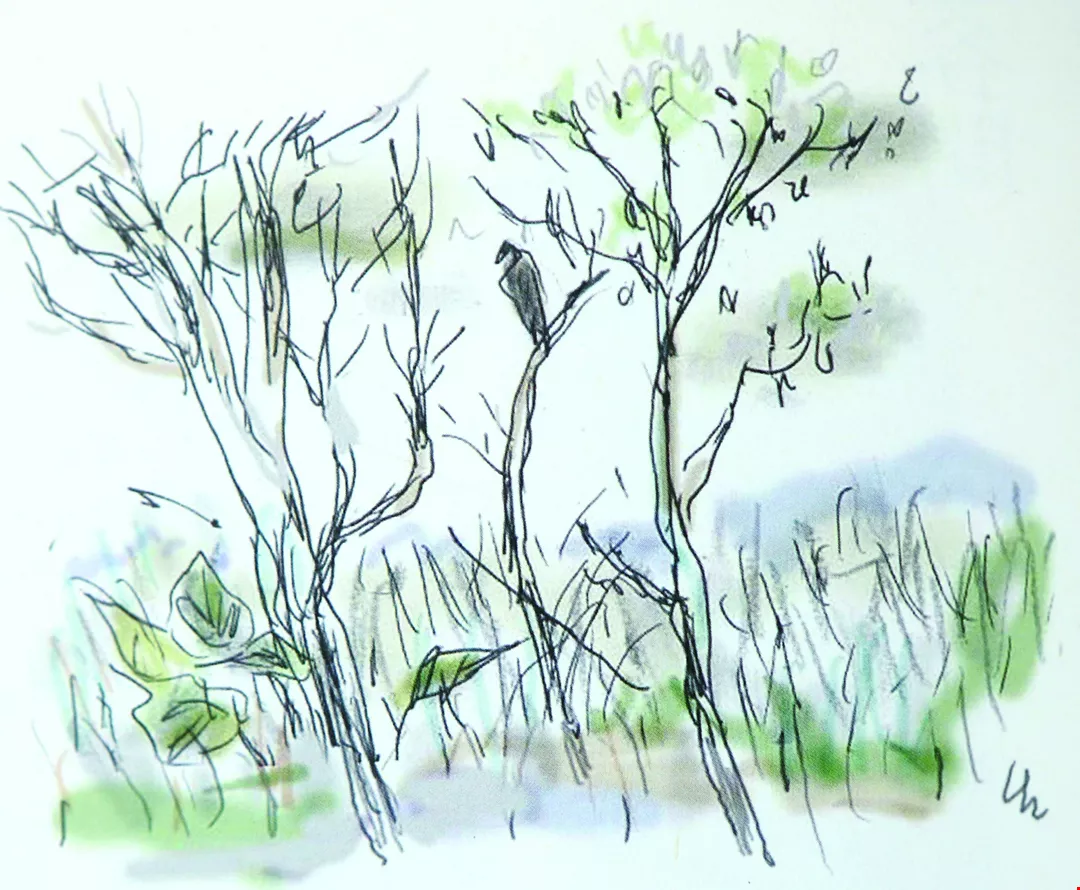
Crested Serpent Eagle, Lei Hsiang draws everywhere he goes. (courtesy of Lei Hsiang)
Immigrating to Tainan
“I didn’t move, I immigrated!” says Yu Fu, explaining that he gave up his position as a television executive and immigrated to Tainan to live a simpler life.
He may have given up the rat race, but he remains just as sharp as ever. He began keeping an illustrated journal of his meals in 2013, then shared his experience of Tainan’s local specialties in the book Immigrating to Tainan.
“Tainan’s breakfasts are wonderful. They got me into the habit of getting up early in the morning without any real effort or planning on my part.” Yu Fu’s drawings of Tainan’s breakfasts are unique, and feature his “five treasures”: beef soup, fish ball soup, savory congee, sticky rice dumplings with peanuts, and fish soup.
Immigrating to Tainan sold very well, and boosted business at the snack shops it described. Yu Fu now rarely eats at the beef soup shop he mentioned in the book because of its frequent long lines.
His drawing and writing about beef soup also included research into its origins. “The usual explanation is that Tainan’s people, unlike most farmers, eat and enjoy beef.” He adds that while studying mainland Chinese cuisine, he learned that only in Chaozhou in eastern Guangdong do people eat beef in a similar fashion.
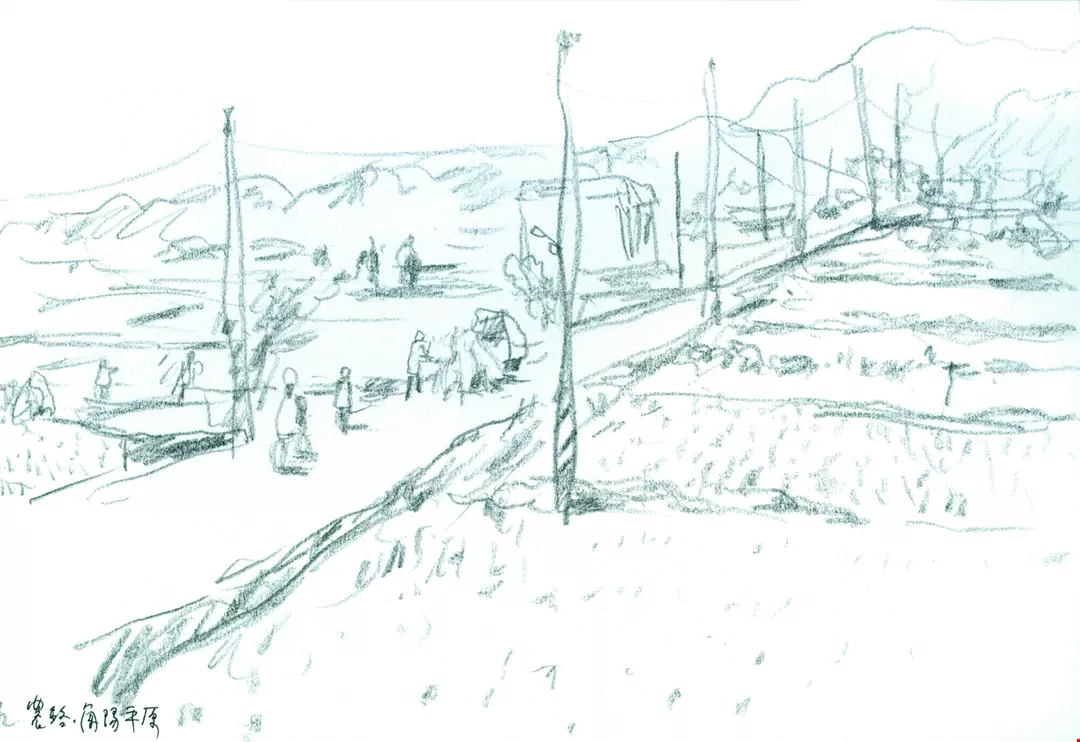
Rural Road, Lei Hsiang draws everywhere he goes. (courtesy of Lei Hsiang)
Happily ensconced in Tainan
Seeking to give readers a more comprehensive and realistic picture of Tainan, Yu Fu created six large maps, drew 16 old buildings, and sketched more than 50 restaurants for his second illustrated volume on the city, Happily Ensconced in Tainan.
Yu Fu strives to keep his drawings true to life, even when the subject is just food. “When I started drawing crabs, none of them looked right. Then I splashed out on another crab dinner, and noticed that they have pores,” laughs Yu Fu.
He learned something surprising when he began drawing Taiwan’s food and architecture: our historic buildings were rapidly disappearing. He resolved to focus on painting them, but the more he drew them, the more concerned and angry he became about their plight.
Yu Fu has drawn more than 100 historic buildings over the last few years. “I’m drawing buildings all over Taiwan, not just in Tainan,” he says. “I’m particularly interested in those that have already disappeared. I want to bring them back through art.”
Why does he feel so strongly about architecture?
“Buildings aren’t just structures, they’re also culture and history, and the lives of ordinary city dwellers. For example, an old railway hotel can show us what the standard of accommodation was in those days.”
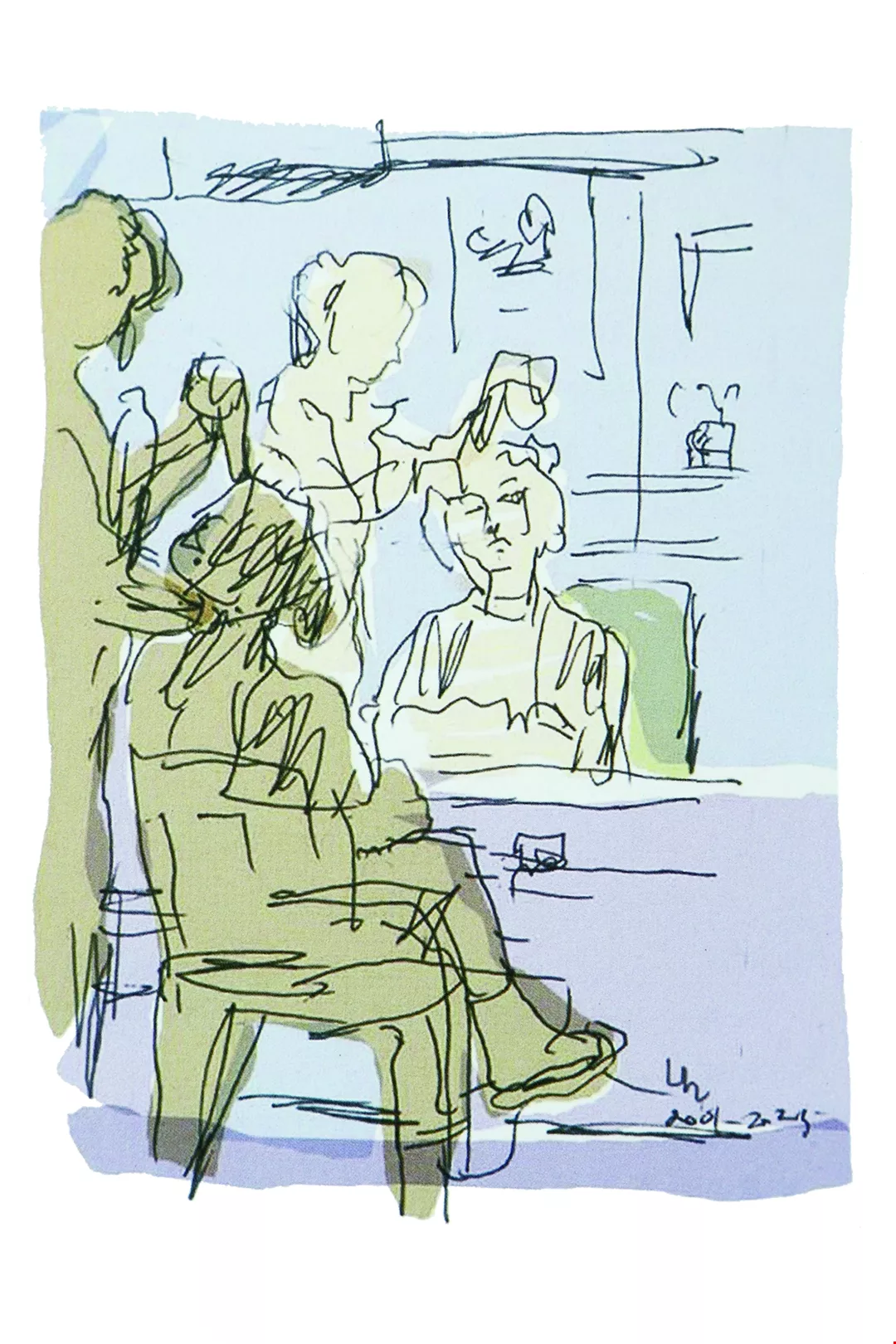
Lei Hsiang sketched this scene while waiting to have his hair cut. (courtesy of Lei Hsiang)
The Peach City
When Yu Fu served as a writer in residence in Chiayi City in 2015, he not only gave lectures and wrote articles, but also brought 13 lost public buildings back to life through his drawings. He also published Flavors of the Peach City, a book about the city.
“Chiayi natives add mayonnaise to cold noodles and soy milk to douhua, and insist on using a particular brand of hot sauce,” says Yu Fu, joking that Chiayi residents have “unique” eating habits. But when the subject turns to the loss of historic buildings in Chiayi, his tone becomes serious.
“It’s really a shame,” he says with regret. “Chiayi has torn down so many of its historic buildings. If those 13 were still standing, tourism would be out of sight.”
Drawing buildings is tough. It requires a keen eye and careful study of the subject.
The amount of time it takes varies from one building to the next, with the main difficulty being collecting the relevant information. Yu Fu sketches structures from a variety of angles to develop a sense of their overall appearance.
He finds it easier to draw those that are still standing, but must research them nonetheless to compensate for the changes wrought by time and depict them as they used to be. For example, the old Magistrate’s Residence in Tainan no longer has the gables it was built with. Yu Fu had to find out what the original gables looked like in order to recreate them.
When buildings have already been lost, Yu Fu tirelessly scours the Academia Sinica and National Taiwan University libraries for old photographs. Since most of these are in black and white, he also studies architects’ renderings to work out their original color and appearance.
“Why document buildings? Why document the past? How does that help us in the future? How does it help us build a Taiwanese consciousness, a shared understanding of Taiwan?” Yu Fu says that while he can’t rebuild lost structures, he wants people to understand that there were beautiful things in the past, and help them think about their direction in the future.
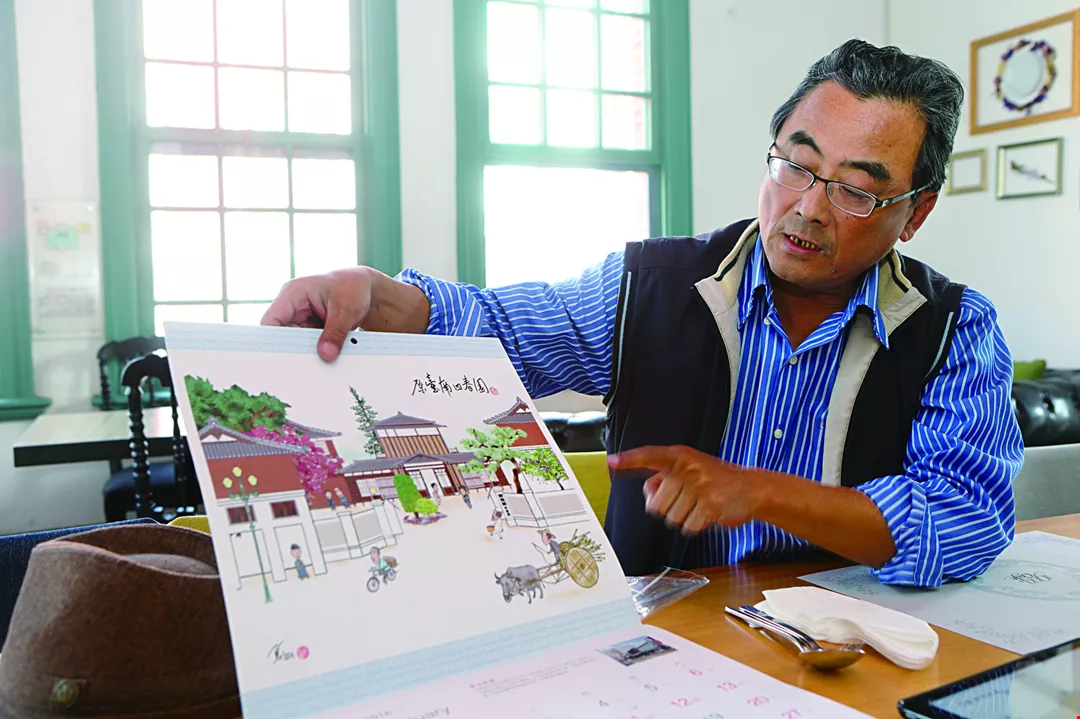
Yu Fu plans to spend a decade “recovering” Taiwan’s disappearing historic buildings through art.
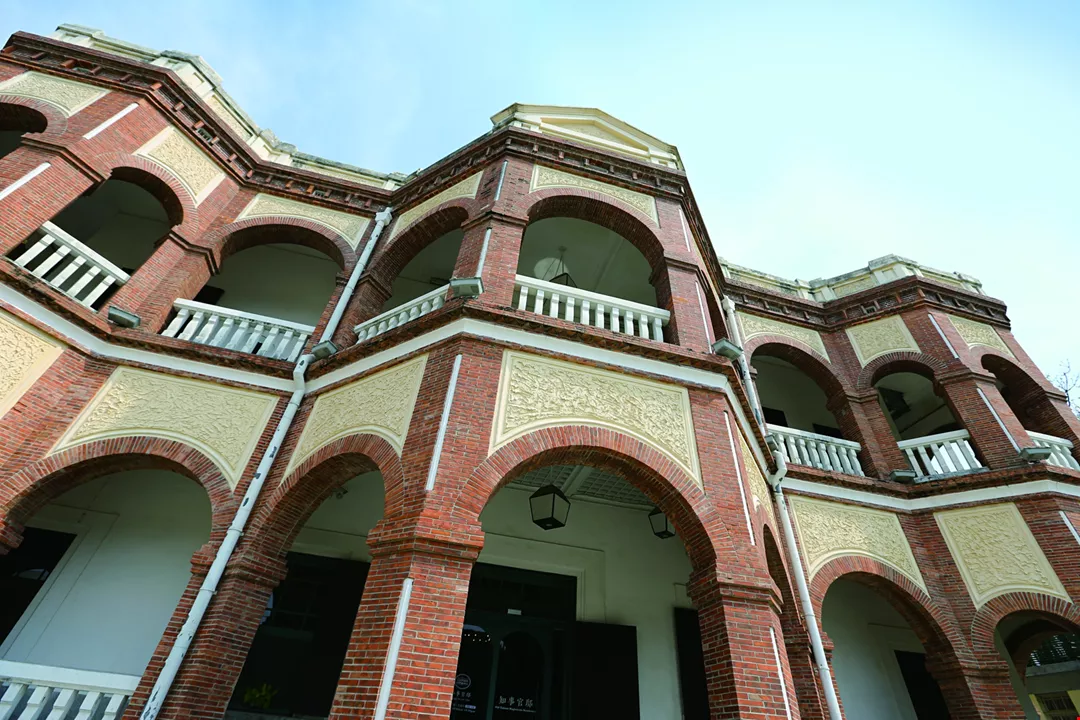
Tainan’s old Magistrate’s Residence, a baroque structure erected in 1899, now houses a tasteful cafe.
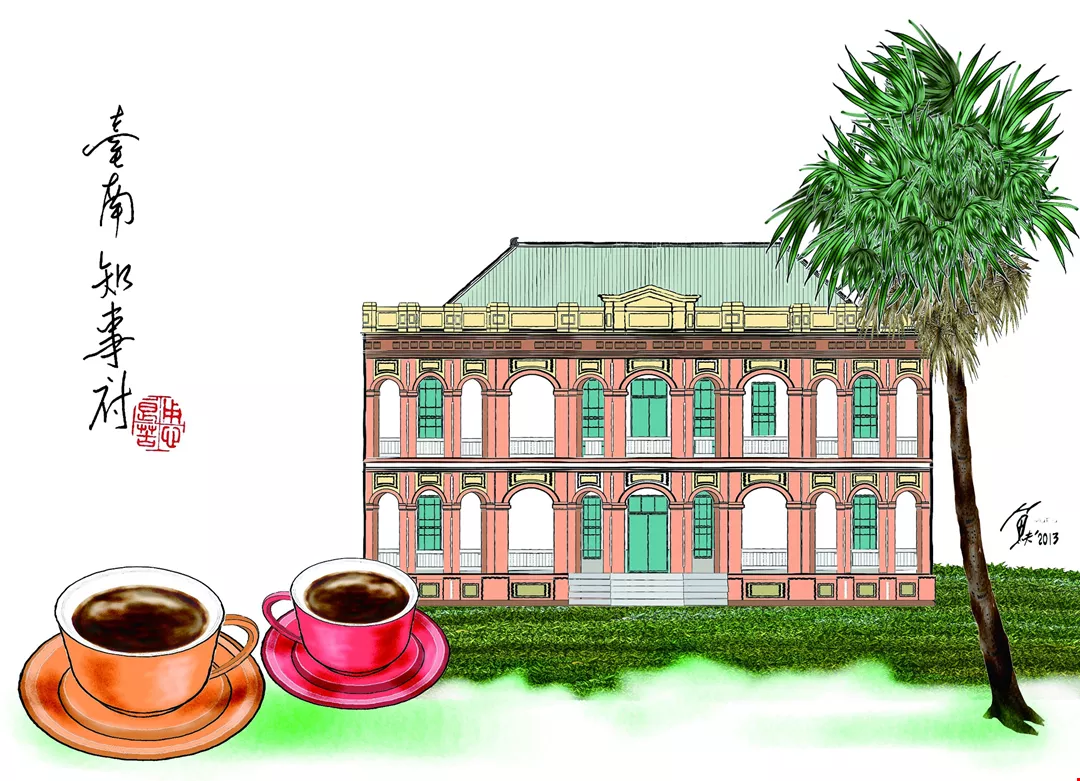
Tainan’s old Magistrate’s Residence, a baroque structure erected in 1899, now houses a tasteful cafe. (illustration courtesy of Yu Fu)
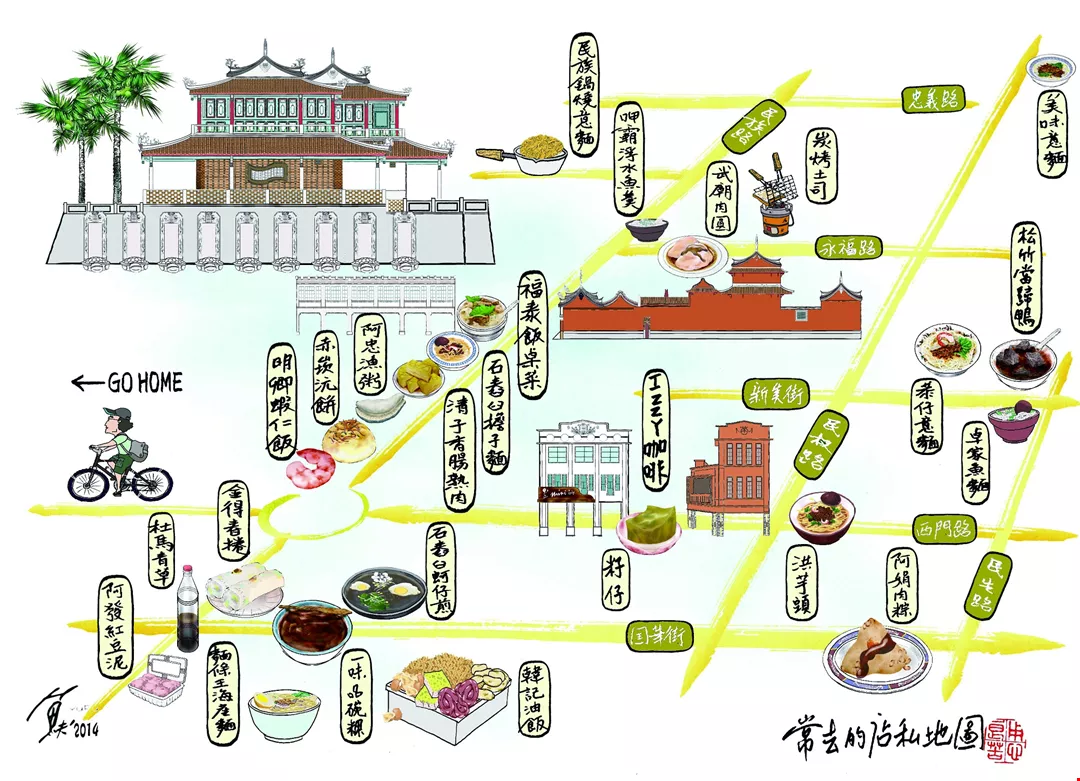
Yu Fu’s “personal cycling map” shows the daily course of his life since “immigrating” to Tainan. (courtesy of Yu Fu)
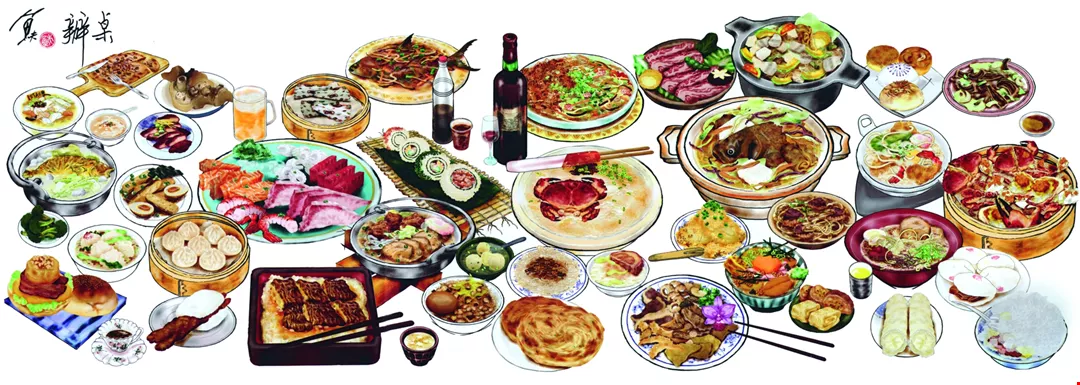
Lavish and meticulously thought out, taste-tested and drawn by the artist in person, Yu Fu lays everything on the table for his banquets. (courtesy of Yu Fu)


@List.jpg?w=522&h=410&mode=crop&format=webp&quality=80)


