

Chichin was once a narrow peninsula stretching out from Kaohsiung harbor. It was cut off from the mainland, however, when a new entrance to the harbor was constructed, and is now connected to Kaohsiung proper by a ferry service.
Chichin was the first district to be developed in the Kaohsiung area. According to historical records, a fisherman named Hsu A-hua took refuge on the peninsula during a typhoon in 1673. When he discovered large shoals of fish in the nearby waters, he assembled a few families to settle in the area. The small temple they built was the beginning of Chichin, and also Kaohsiung city.
Because the peninsula is small and narrow, only 200 meters wide and 11.3 kilometers long, it soon became inadequate for the rapid development which later took place in the area. Today, it is little more than a sleepy fishing village, overshadowed by the modern city of Kaohsiung. In the past 10 years, while high-rises were being built in Kaohsiung, Chichin remained an area of low buildings and narrow alleys. The village retains the easy-going atmosphere of the past, exemplified by the pedicabs, which long since disappeared from other parts of Taiwan.
Visitors to Chichin must first go to the pier at Kushan. In the early morning, the area is congested with food stalls serving the crowds of people embarking on the ferryboats. There are three boats, which carry cargo and motorcycles as well as passengers to and from the 1.46 square kilometer island. The service begins at 6 a.m. and ends at 11:30 p.m. Some passengers are too impatient to wait for the regular ferry service, however, so they hire "taxis of the sea"--a fleet of motor sampans which provide immediate service. The ride can be full of thrills. Each sampan is operated by a married couple, with the husband driving and the wife fixing the gangplank. Their business is concentrated on rush hours, and the boatmen spend their leisure time playing cards. As the sampans cross the harbor entrance, they often have to cut across the paths of ships entering and leaving the harbor. The hoot of the big vessels and the heaving of the sea provide thrills for adventurous passengers, who are, not surprisingly, mostly young people.
The most striking sight on disembarking at Chichin is the rows of pedicabs, reminiscent of the old days in Taiwan. Drivers of modern taxis complain they cannot compete with the pedicabs, because people in the easy-going community give little importance to speed.
The pedicabs serve housewives going shopping in the market and children going to school, while the taxis serve mainly shipyard workers, who must be at their benches on time. There are as many as 100 taxis on the island of 30,000 people. There are also 10 buses, three of which are airconditioned. These are preferred by old people, many of whom are allowed to ride free of charge. In the Republic of China, people aged over 70 are entitled to free rides on buses and ferries.
There is a beautiful beach at Chichin, which in summer is crowded by visitors from all over the Kaohsiung area. In winter, the beach is frequented by fishermen.
About a tenth of the population of Chichin is engaged in fishing. Fishermen usually spend a couple weeks at sea on each voyage, and do not return to the village until they have sold their catch at the market in Kaohsiung. Inshore fishing boats usually leave in the morning and return before 3 p.m. in time to sell their catch at the local market. The season for coastal fishing from the beach is between November and April.
Early in the morning, rows upon rows of sampans are laid out on the beach. Men wearing rubber trousers and coats, and women with their heads and faces covered by conical bamboo hats and kerchiefs can be seen preparing their nets, while children and pets play nearby. The joint efforts of four men and a dozen women are needed to launch a sampan into the sea. The men lift the boat on to the water, while the women heave the 300-kilogram net inside. After the rudder is fixed, the women push the sampan carrying the men and the nets into the sea. If the craft is washed back to the shore, old people and children join the women to push it back again.
This procedure may be repeated several times before the sampan clears the beach. As it moves away, the nets are laid in the water. While the men are at work, the women often huddle on the beach to chat while they wait for the boats to return. Then they must be ready to reverse the morning's procedures by pulling the boats and nets back on to the beach. This may take two or three hours. After the men return, they will join the women in unloading the nets. If they are lucky, they may have a big catch.
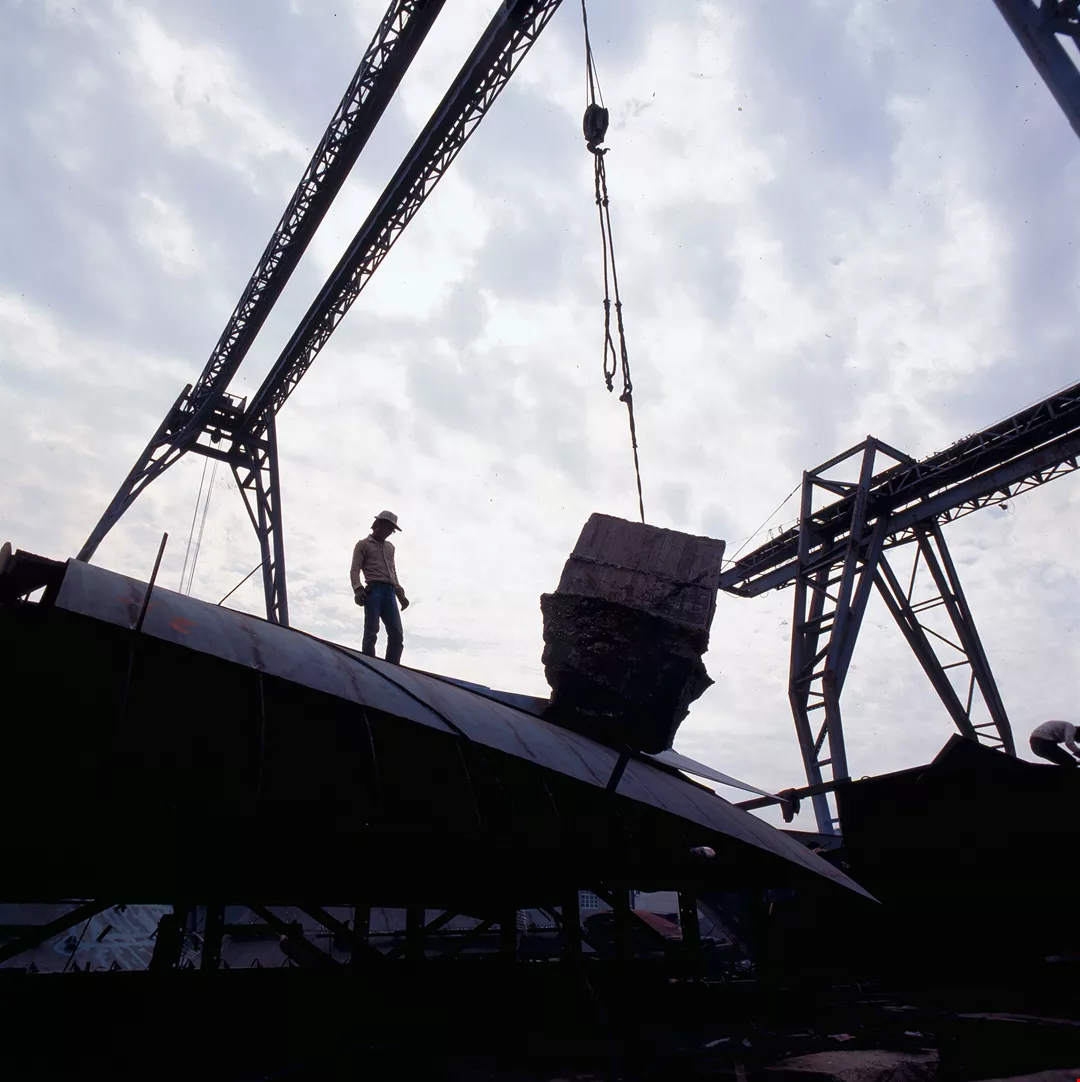
Chichin is a repair center for boats below 4,000 tons, while boats of up to 500 tons can be built there. The more than 30 shipyards on the island provide many jobs for the residents. Because their earnings are relatively high, the boat workers are the main customers for the taxis.
In Chichin, the air is clean and the sea water is ideal for cultivating shrimps. In recent years, 66 ponds have been dug for this lucrative business. The imported shrimps are bought at the Kaohsiung airport at a price of NT$20,000 per consignment, and after 20 days of cultivation in ponds equipped with incubators and oxygen facilities, they can spawn 200,000 young shrimps, which in turn can be sold for NT$1 each. After two spawnings, the female shrimps are artificially inseminated. If everything goes smoothly, an investment of NT$300,000 can produce NT$1.5 million worth of baby shrimps. It costs NT$1 million, however, to build the pond and procure the equipment. Although the business is lucrative, it involves great risks. A little negligence or a drastic change in the weather may kill all the baby shrimps overnight. Despite this, the ideal environment for the business is appreciated by residents and envied by people from other districts, especially those who buy the baby shrimps.
According to tradition, the Chichin peninsula represents a dragon. Although the peninsula was cut off by the opening of the new harbor entrance, the soul and spirit of the dragon live on. The government is currently building an undersea tunnel to link the peninsula with the mainland again, and residents believe the project will heal the "dragon" and bring even greater prosperity in future.
[Picture Caption]
1. Ferryboats and sampans traveling from Kushan to Chichin can often be seen cutting cross the main entrance to Kaohsiung harbor. 2. Early morning view of freighters in Kaohsiung harbor. 3. Chichin beach at sunset. 4. Fishermen lowering their nets from a sampan. 5. Before going out to sea, fishermen inspect their nets. 6. Children in Chichin are healthy and strong.
1. A puppy joins relatives greeting a fisherman on his return from a voyage. 2. Fishermen rest on the beach before going to the shore to struggle with the waves. 3. The fishing harbor at Chichin is crowded with sampans in the morning and evening. 4. & 6. Men carry nets to the sea and lower them while the women haul them back. 5. Big ships leaving and entering the Kaohsiung harbor.
1. Chichin is connected to Kaohsiung by ferryboats and motor sampans. 2. A double-deck ferryboat. 3. Women sampan-operators cover their faces with kerchiefs for protection against the sun. 4. Chichin has a booming shipbuilding industry. 5. Shipyard workers eat snacks at foodstalls near the shore. 6. An undersea tunnel is being constructed to link Chichin with Kaohsiung.
1. Pedicabs are still preferred by residents in the narrow streets of Chichin. 2. Kaohsiung lighthouse is almost as old as the one on Penghu. 3. Goats raised by villagers. 4. A child rests in an empty cab after playing with his friends. 5. Young housewives take their babies with them on shopping expeditions. 6. Old people playing chess in front of the village temple. 7. Villagers worship Matsu, or Goddess of the Sea, enshrined in the local temple.
1. Travelers to Chichin always like to enjoy the seafood. 2. Mullet roe is used in expensive dishes in Taiwan and Japan. 3. Residents cultivate shrimps in ponds. An imported female shrimp sells for as much as NT$20,000 (US$500).
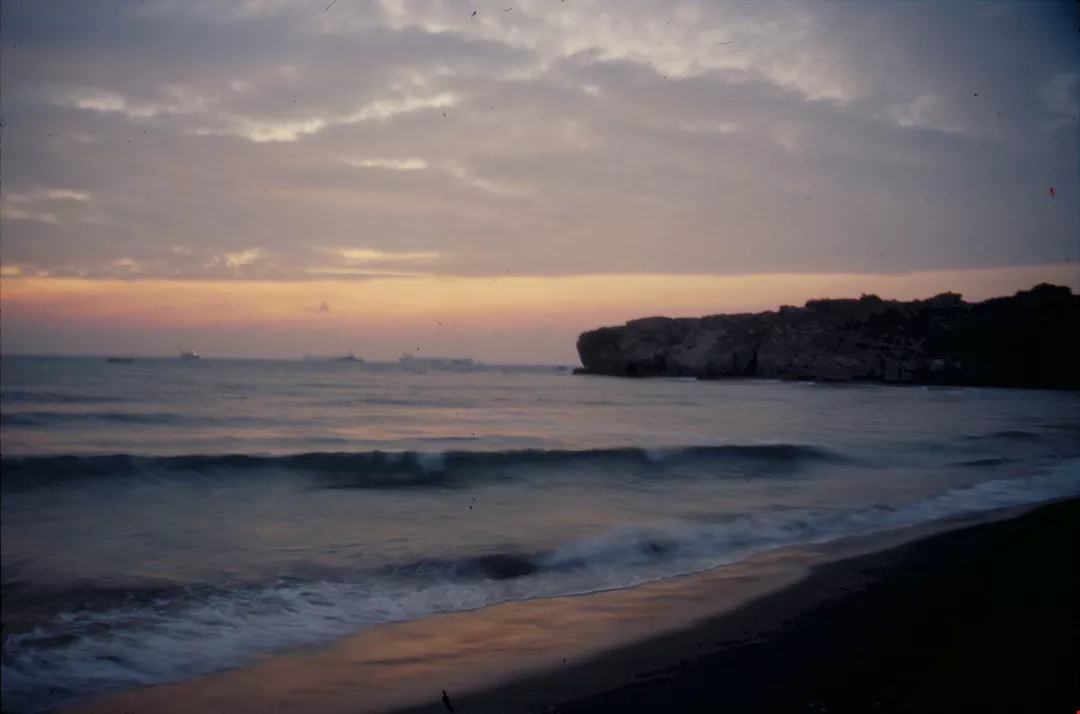
Chichin beach at sunset.
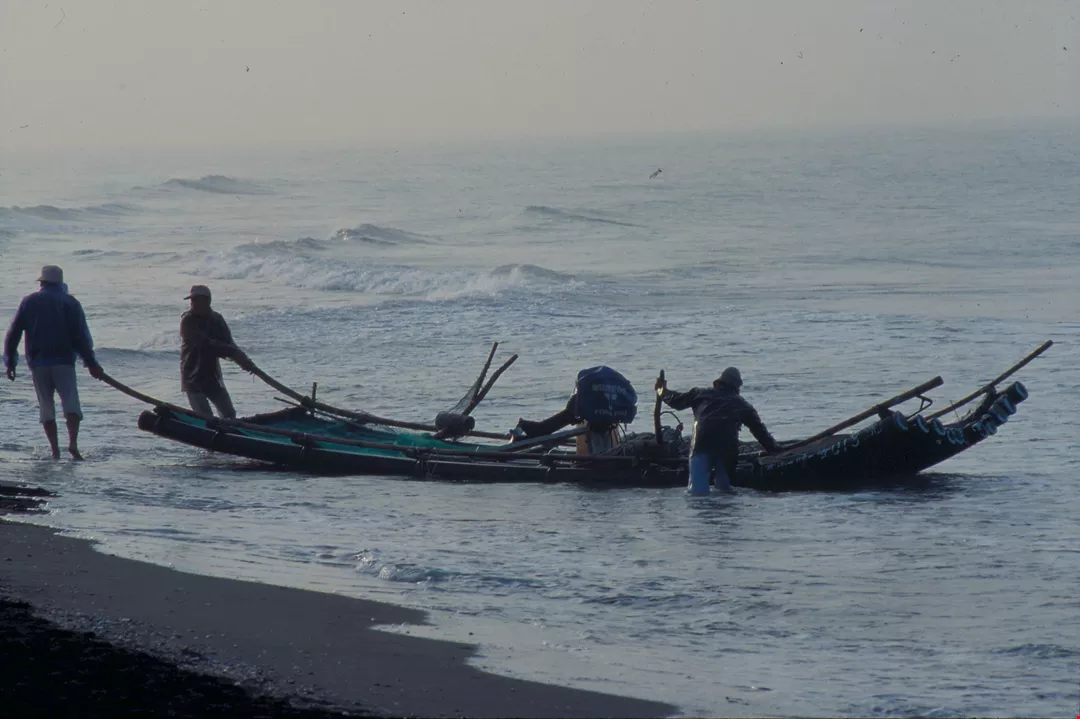
Fishermen lowering their nets from a sampan.
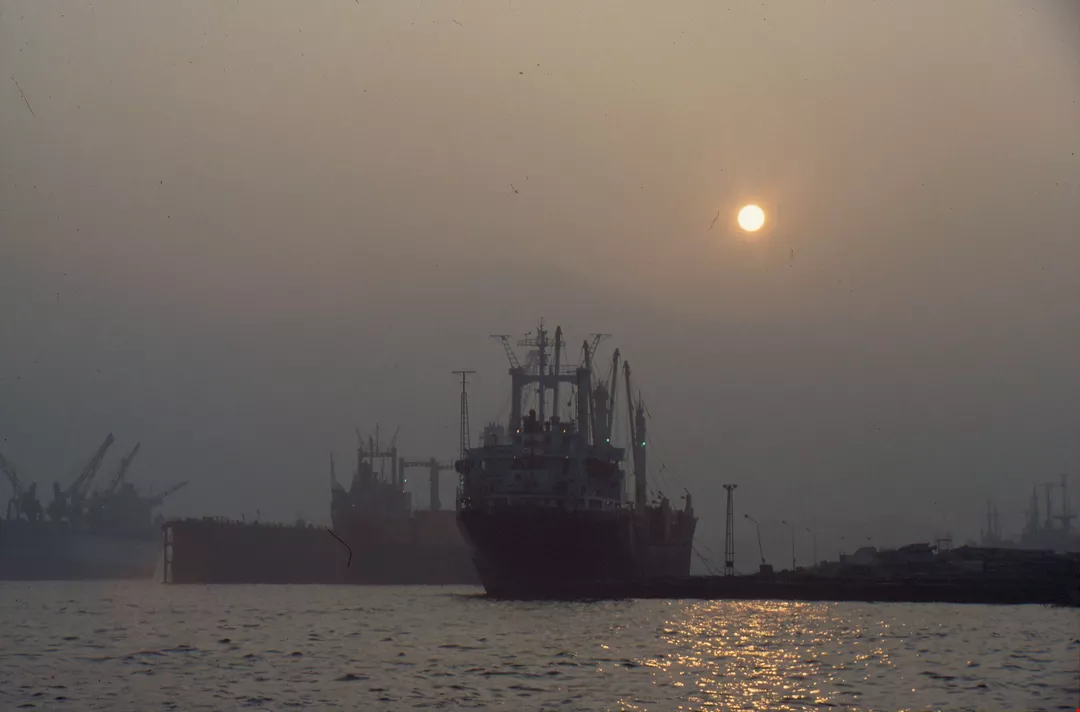
Early morning view of freighters in Kaohsiung harbor.
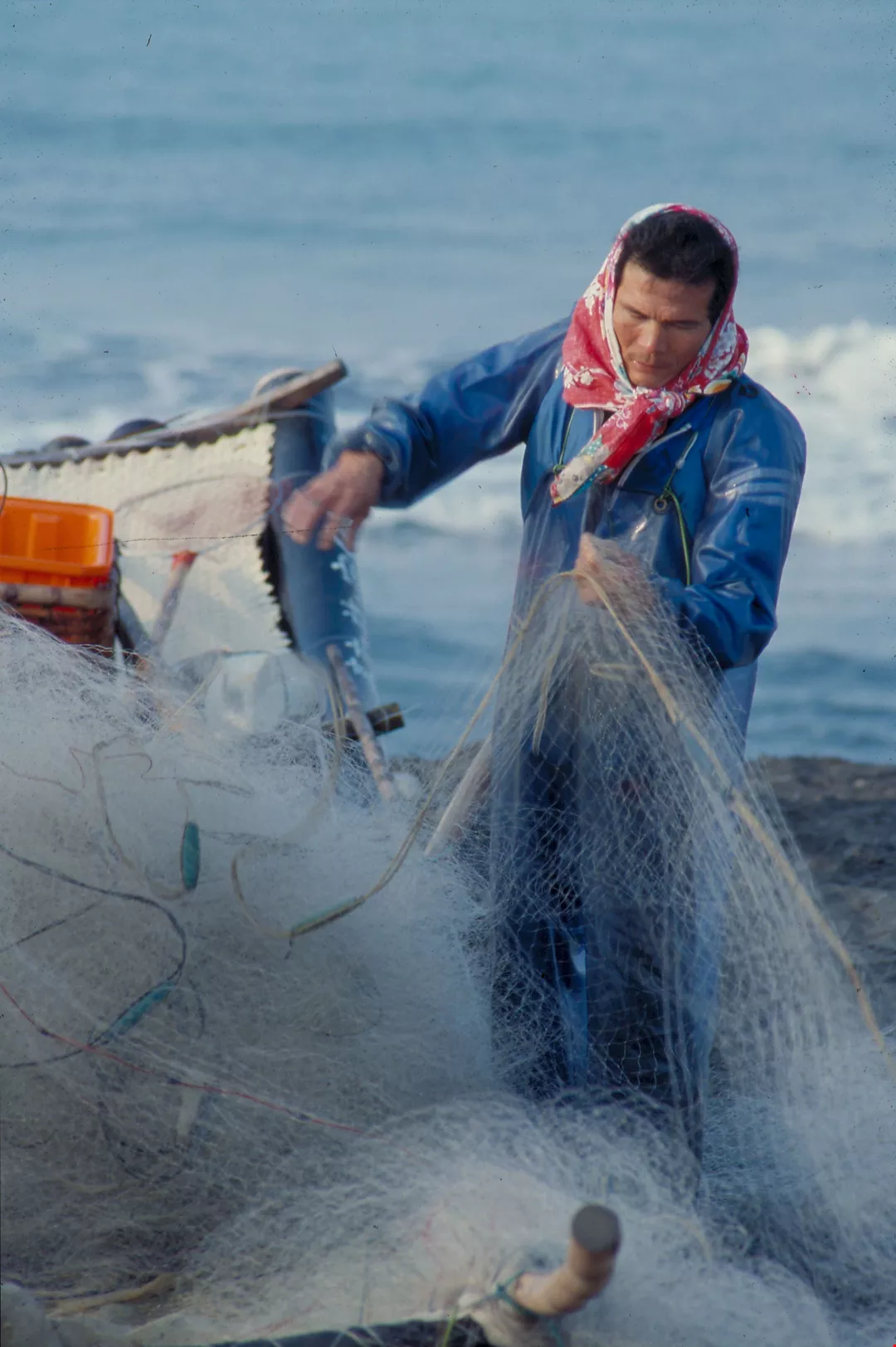
Children in Chichin are healthy and strong.
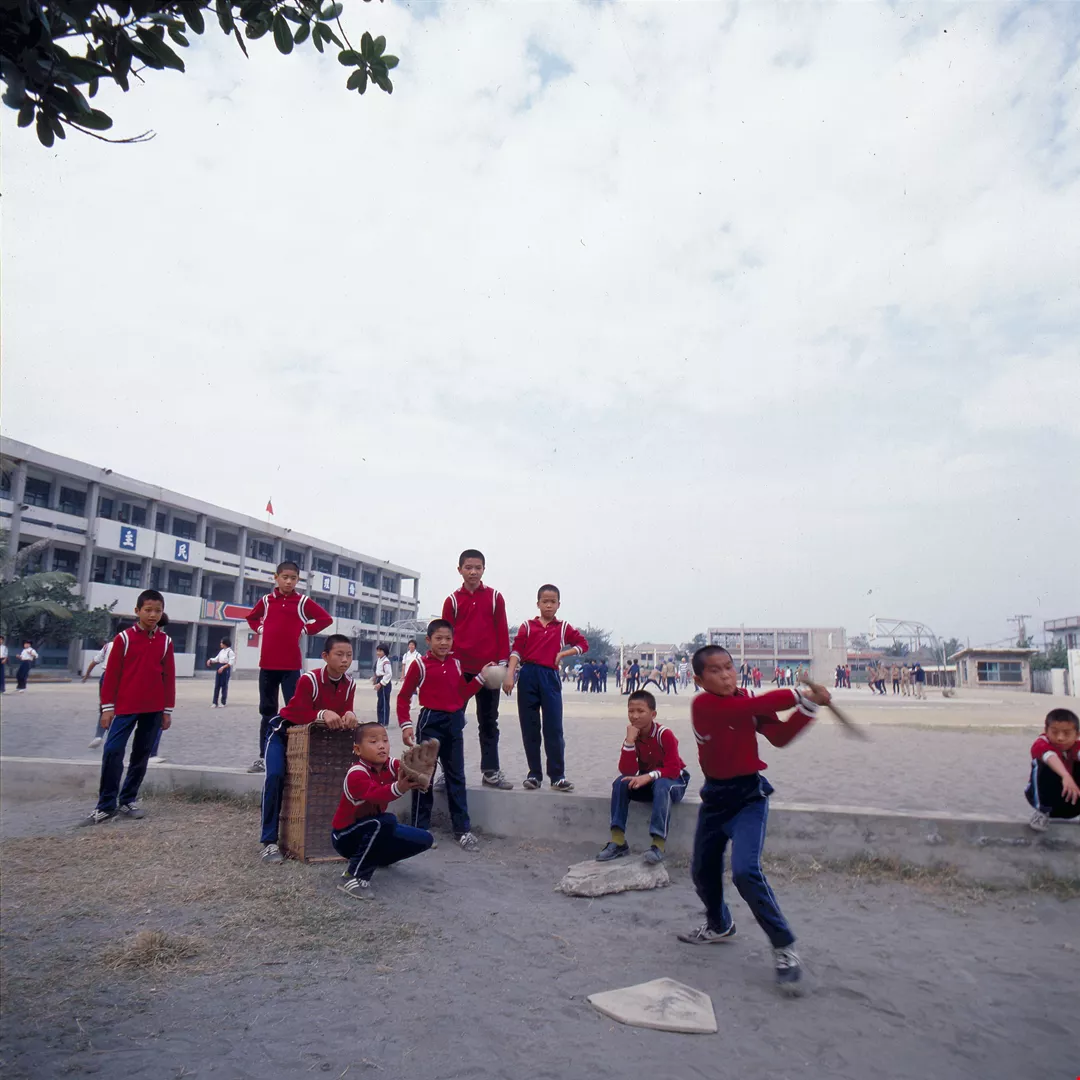
Children in Chichin are healthy and strong.
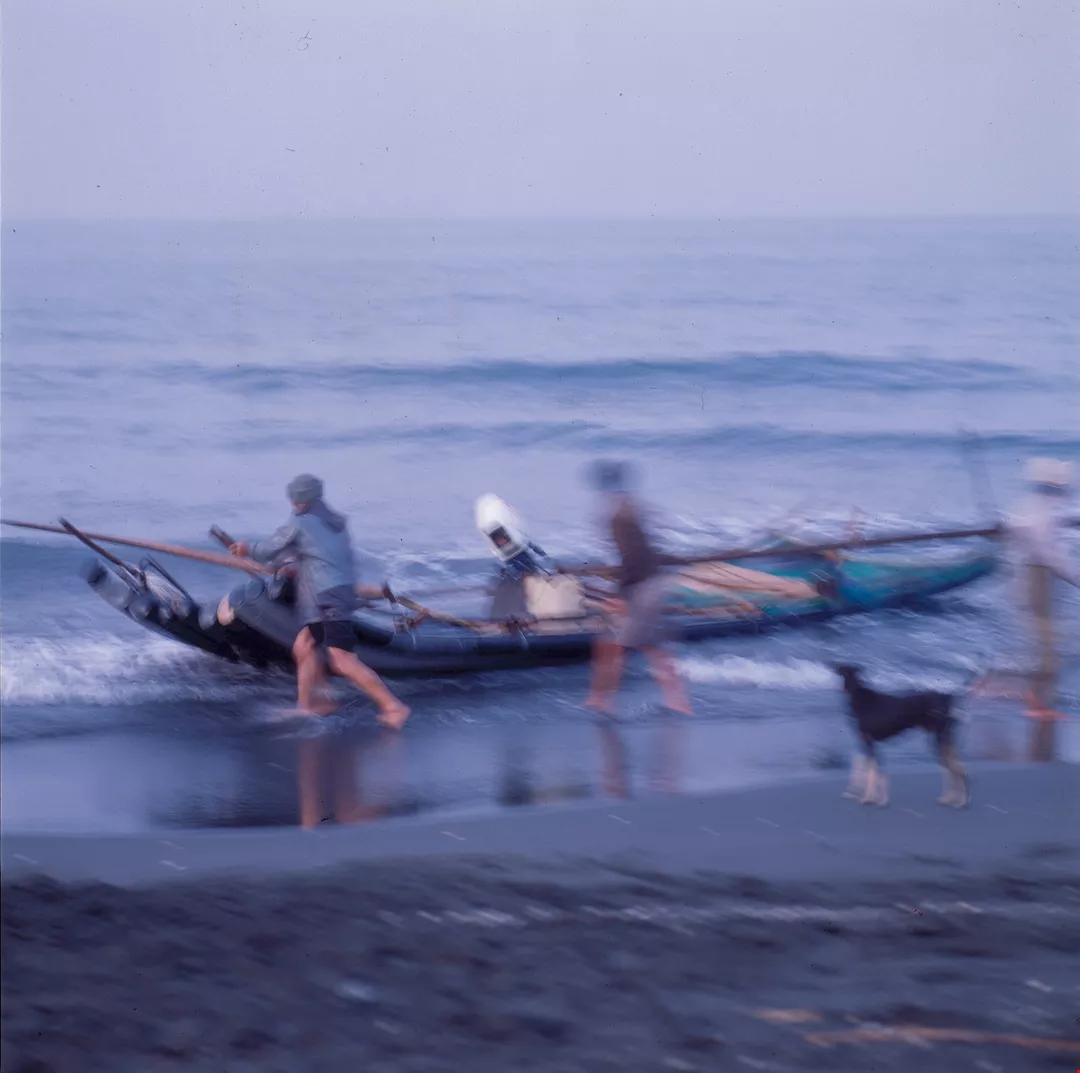
A puppy joins relatives greeting a fisherman on his return from a voyage.
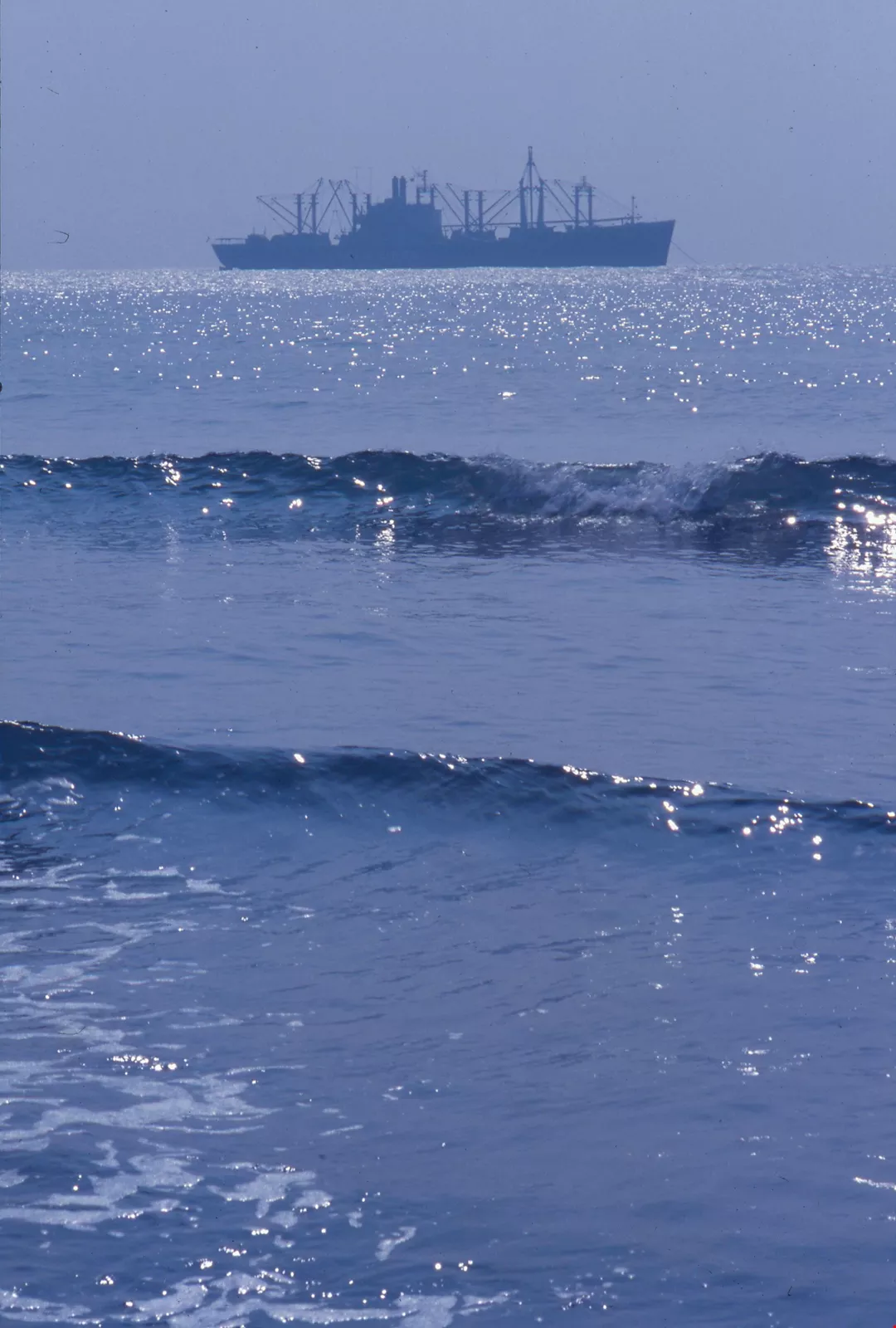
Big ships leaving and entering the Kaohsiung harbor.
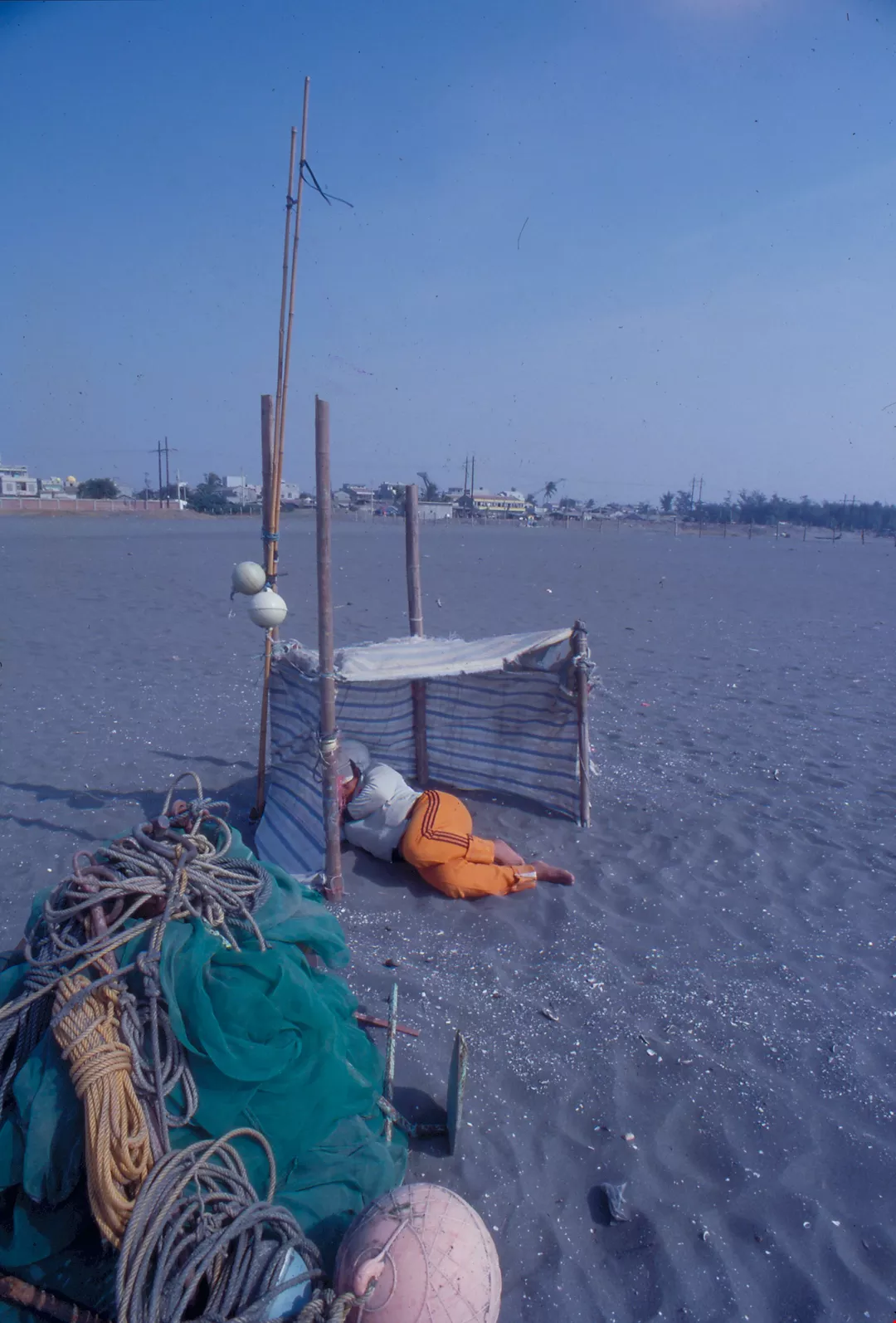
Fishermen rest on the beach before going to the shore to struggle with the waves.
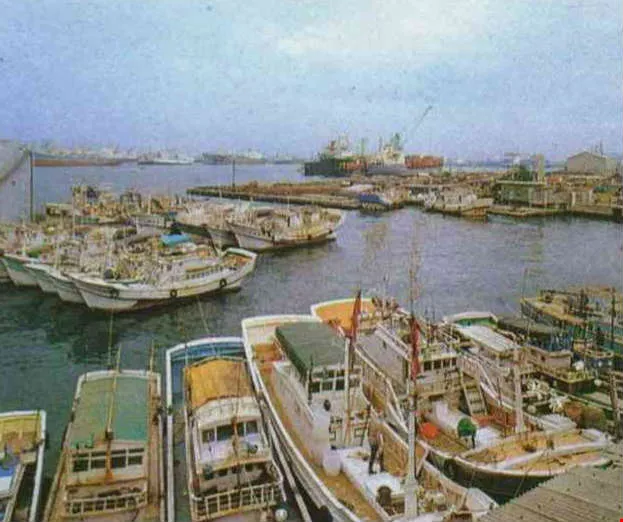
The fishing harbor at Chichin is crowded with sampans in the morning and evening.
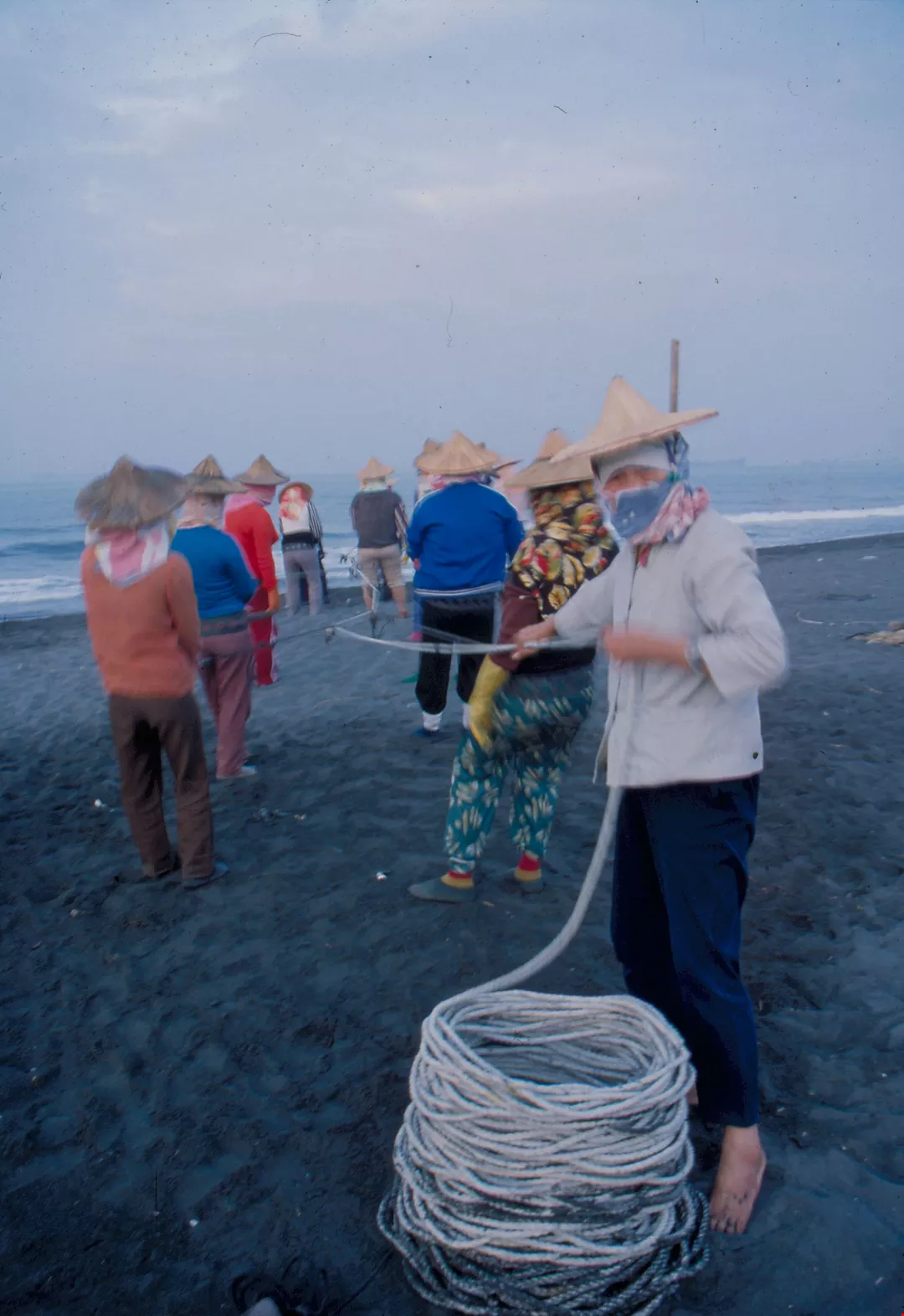
Men carry nets to the sea and lower them while the women haul them back.
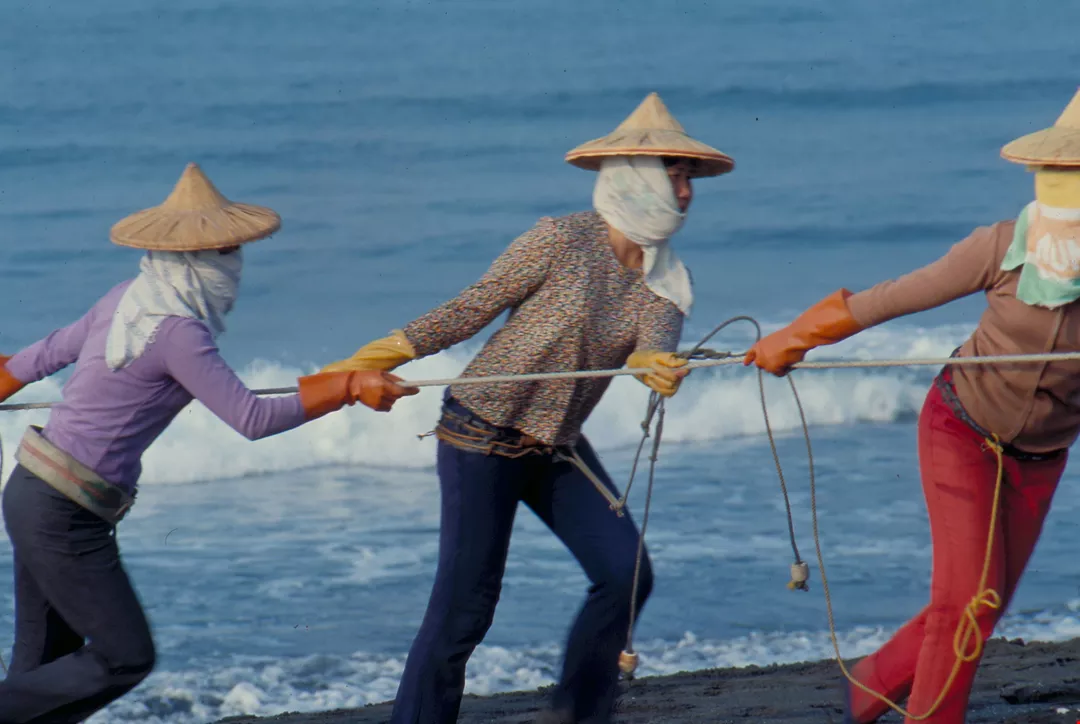
Men carry nets to the sea and lower them while the women haul them back.
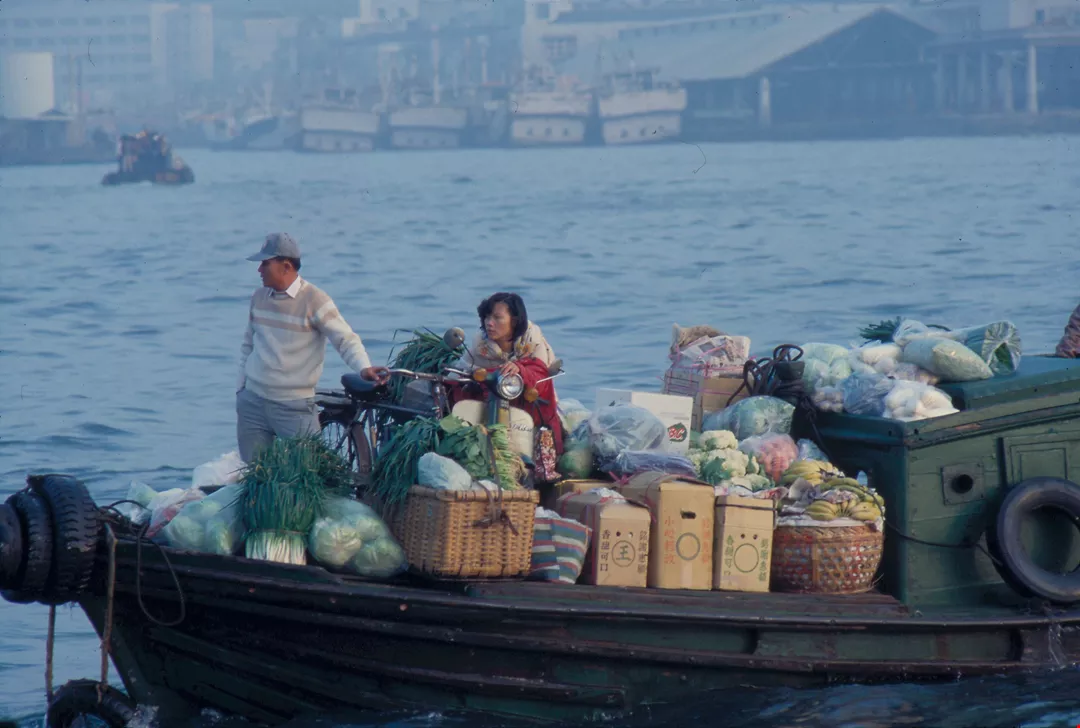
Chichin is connected to Kaohsiung by ferryboats and motor sampans.
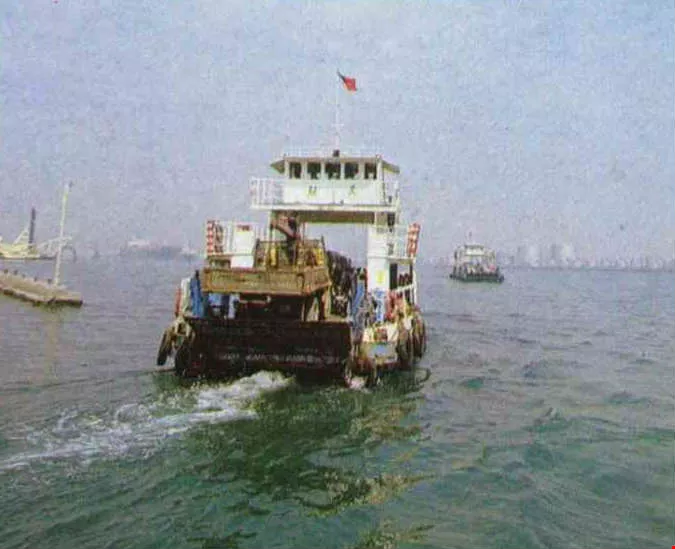
A double-deck ferryboat.
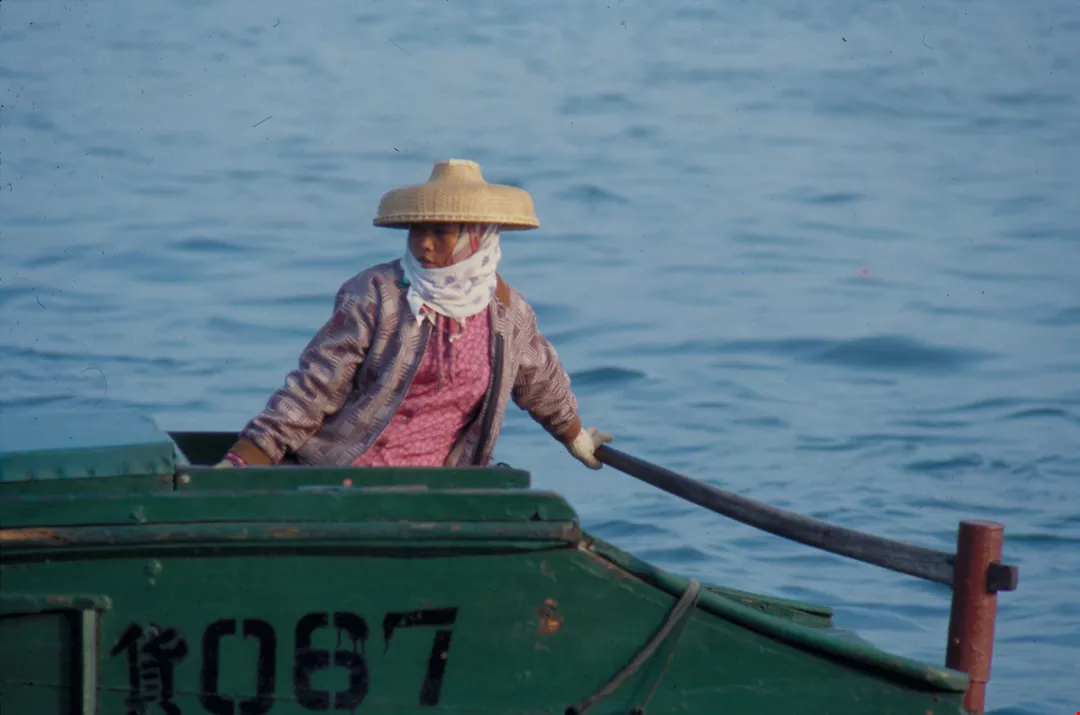
Women sampan-operators cover their faces with kerchiefs for protection against the sun.
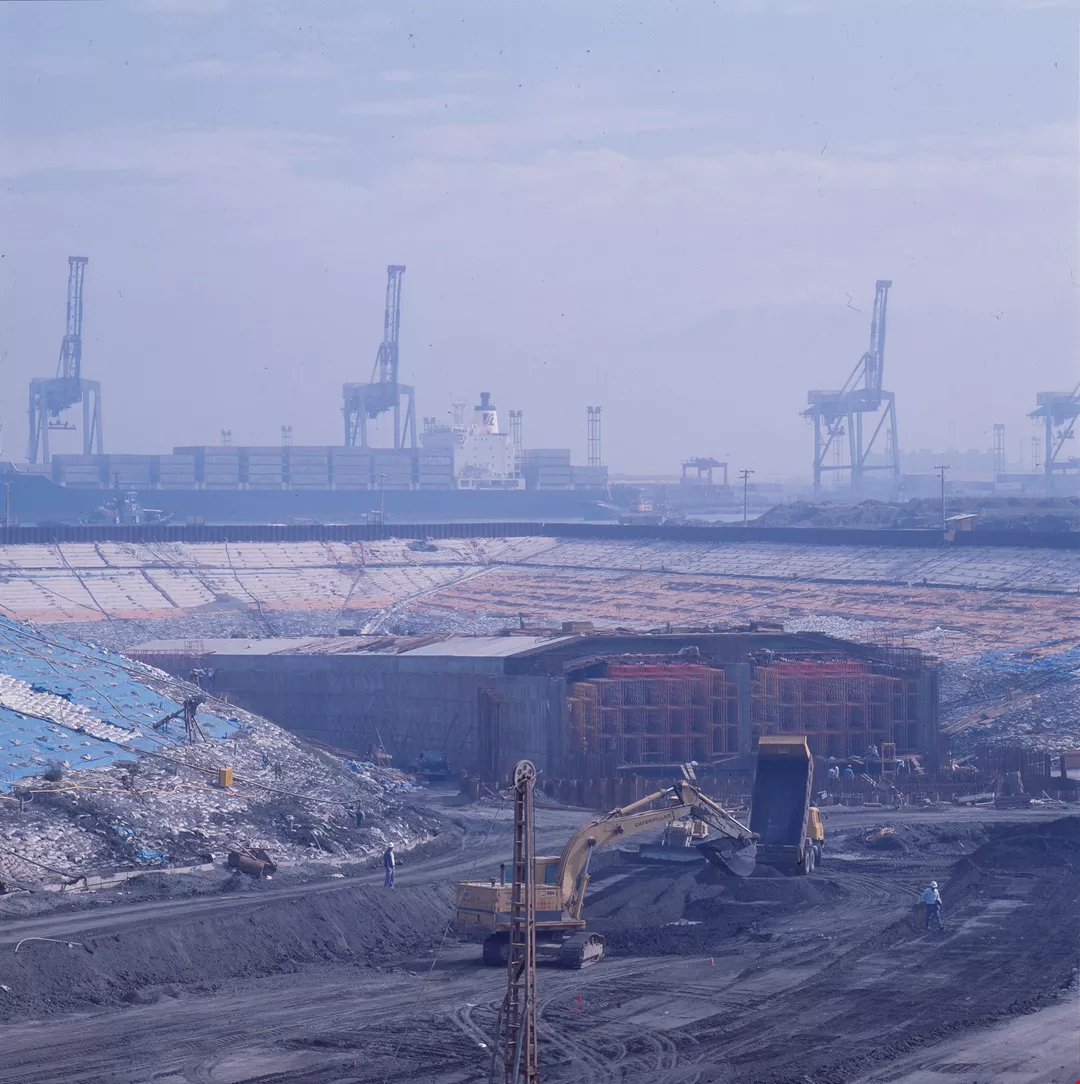
Chichin has a booming shipbuilding industry.
Shipyard workers eat snacks at foodstalls near the shore.
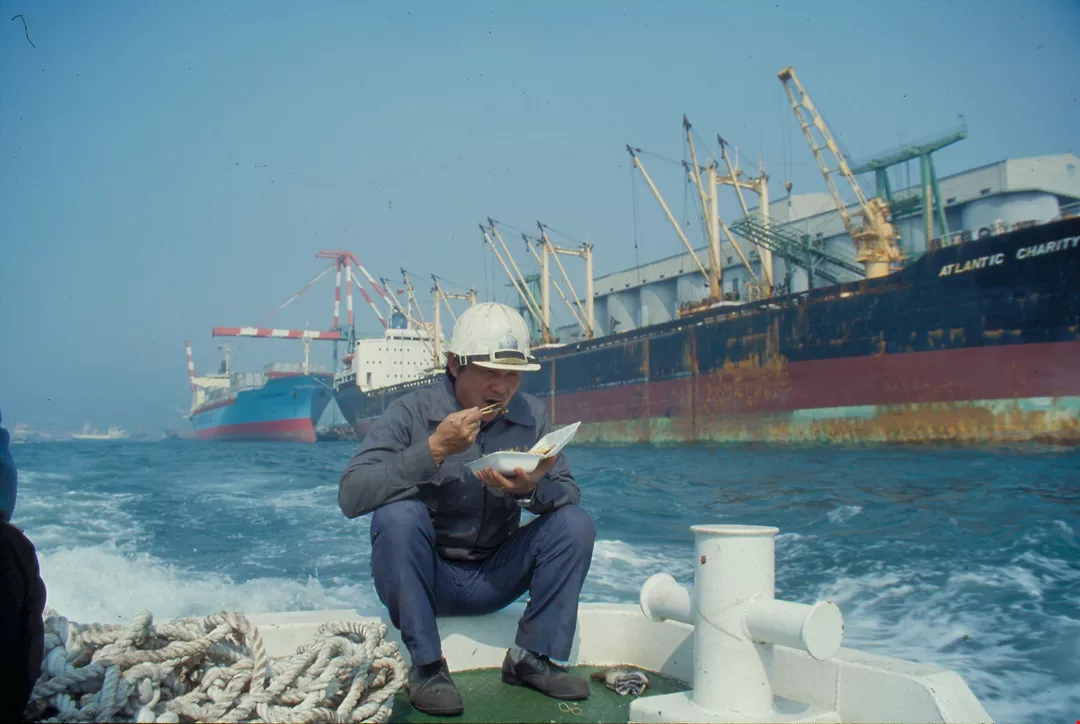
Shipyard workers eat snacks at foodstalls near the shore.
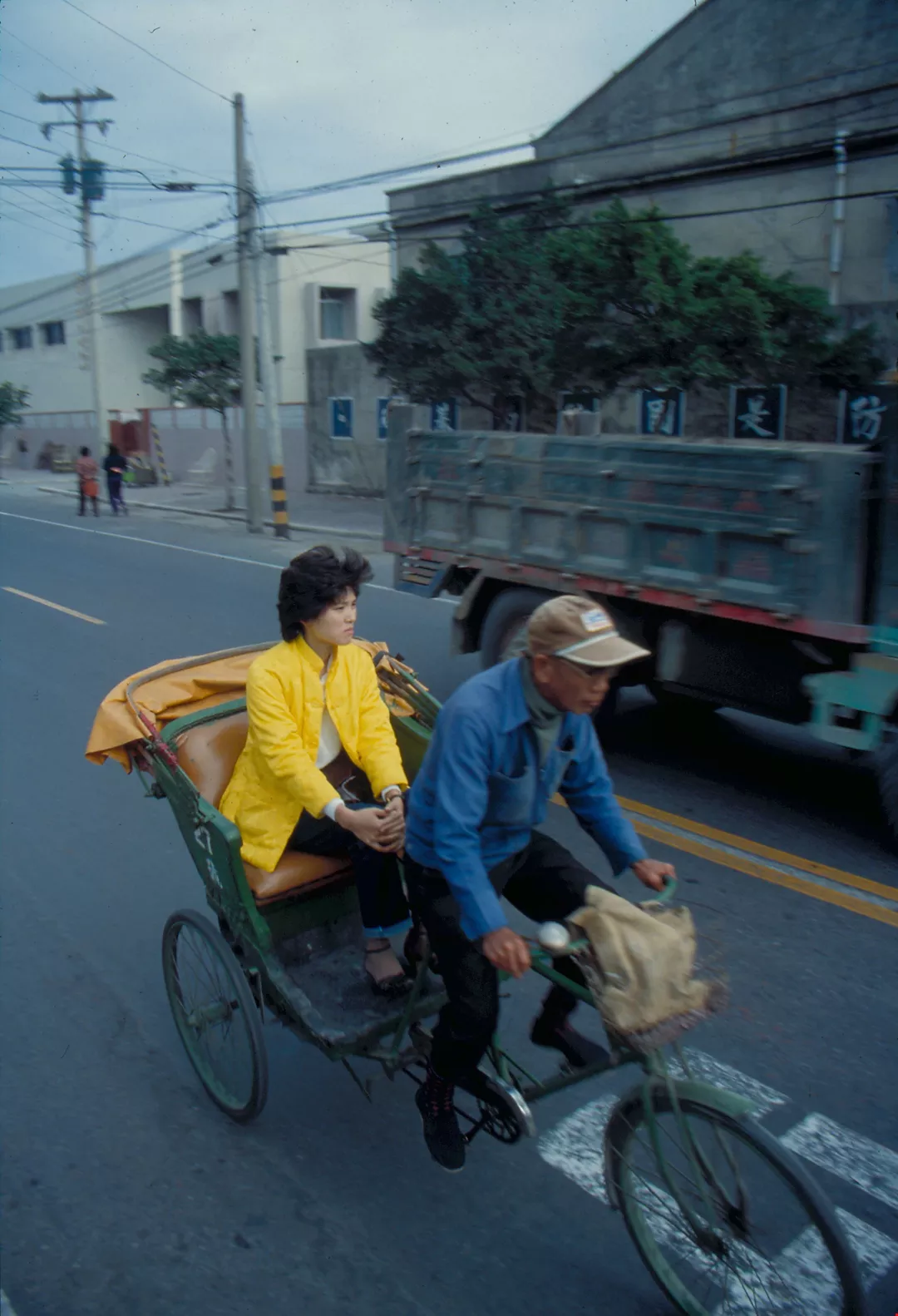
Pedicabs are still preferred by residents in the narrow streets of Chichin.
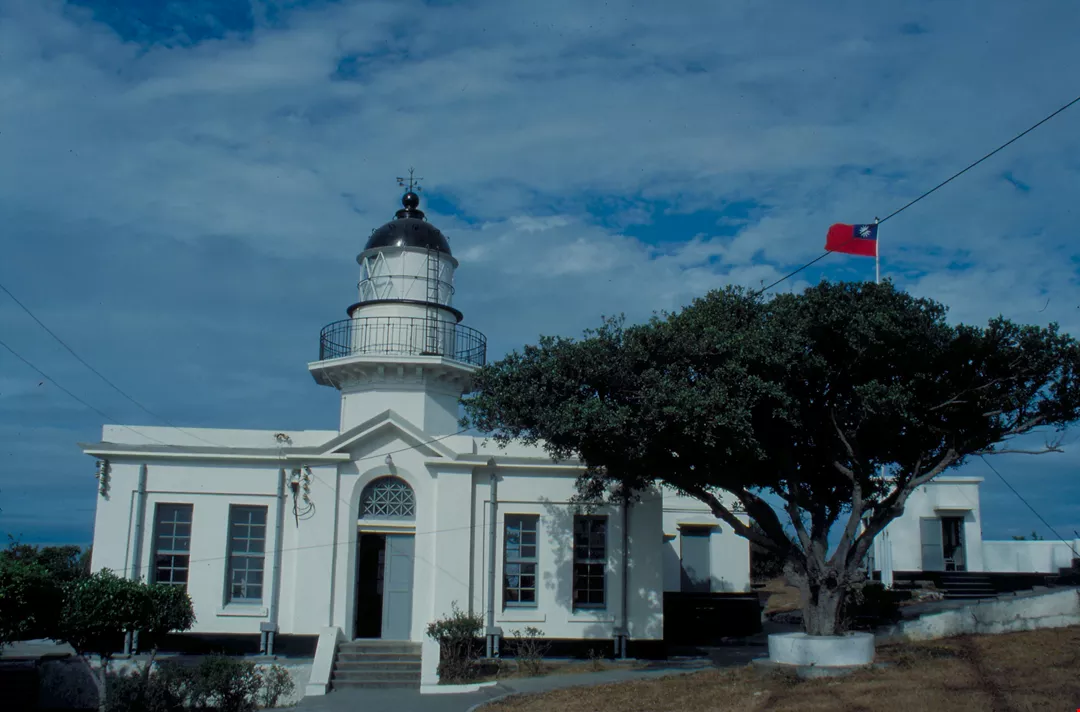
Kaohsiung lighthouse is almost as old as the one on Penghu.
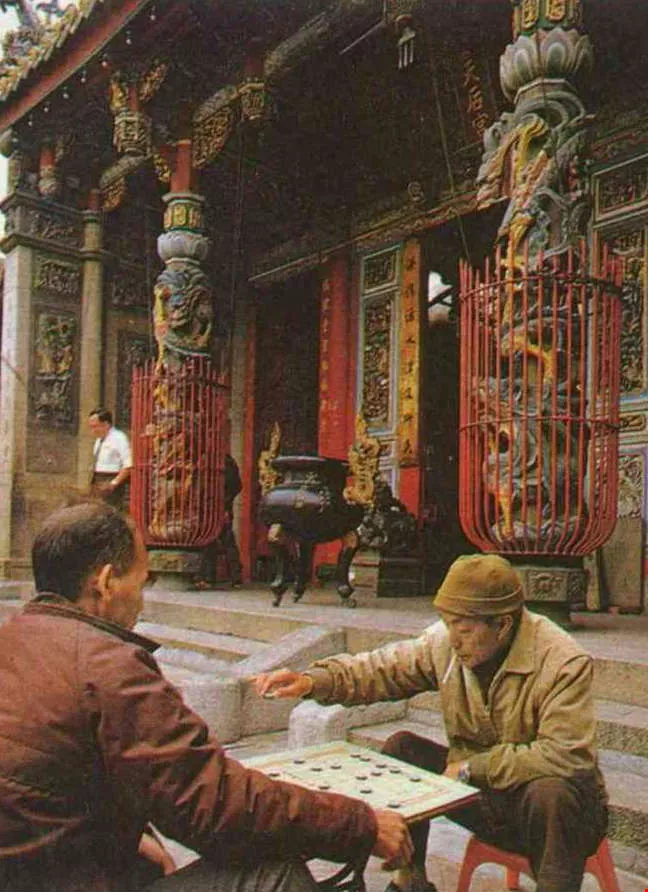
Old people playing chess in front of the village temple.
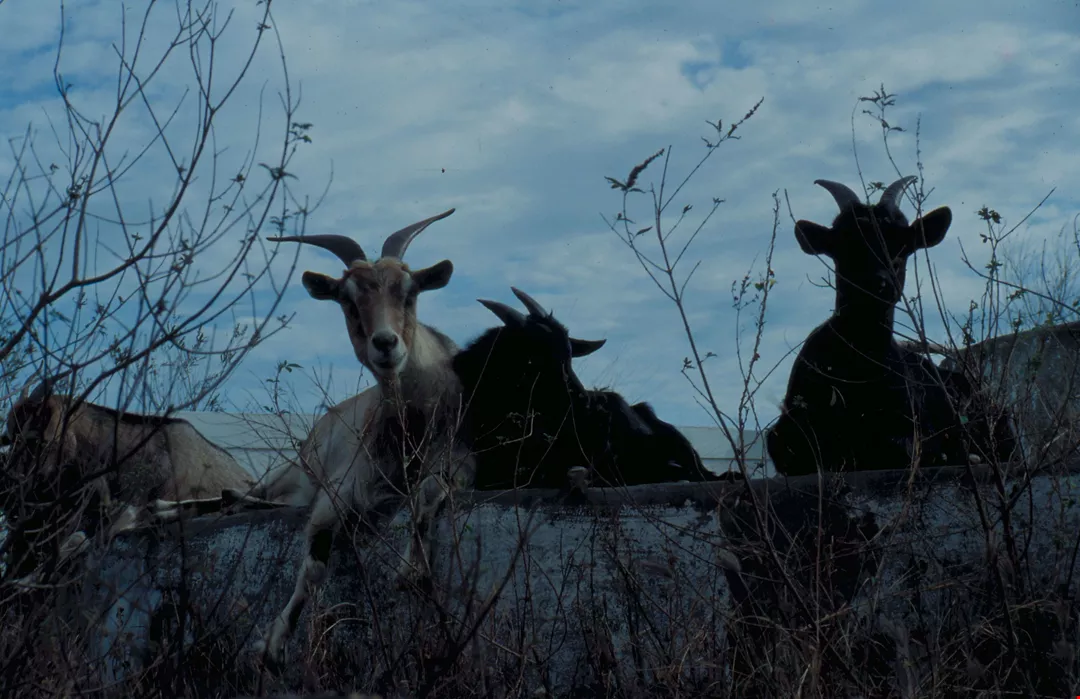
Goats raised by villagers.
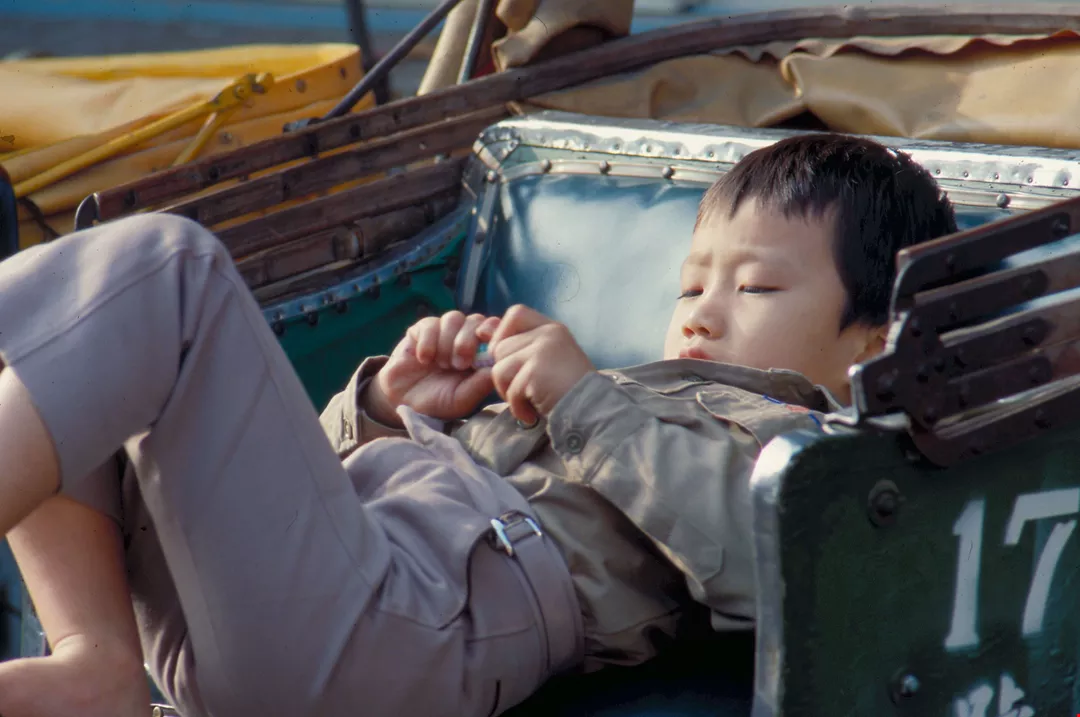
A child rests in an empty cab after playing with his friends.
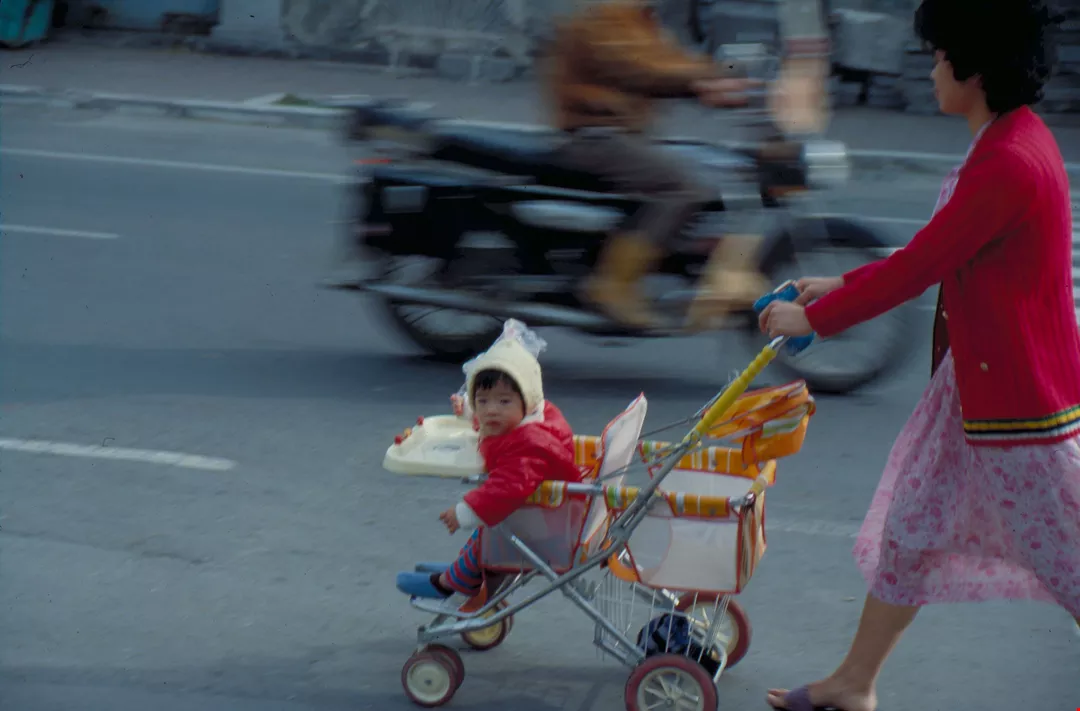
Young housewives take their babies with them on shopping expeditions.
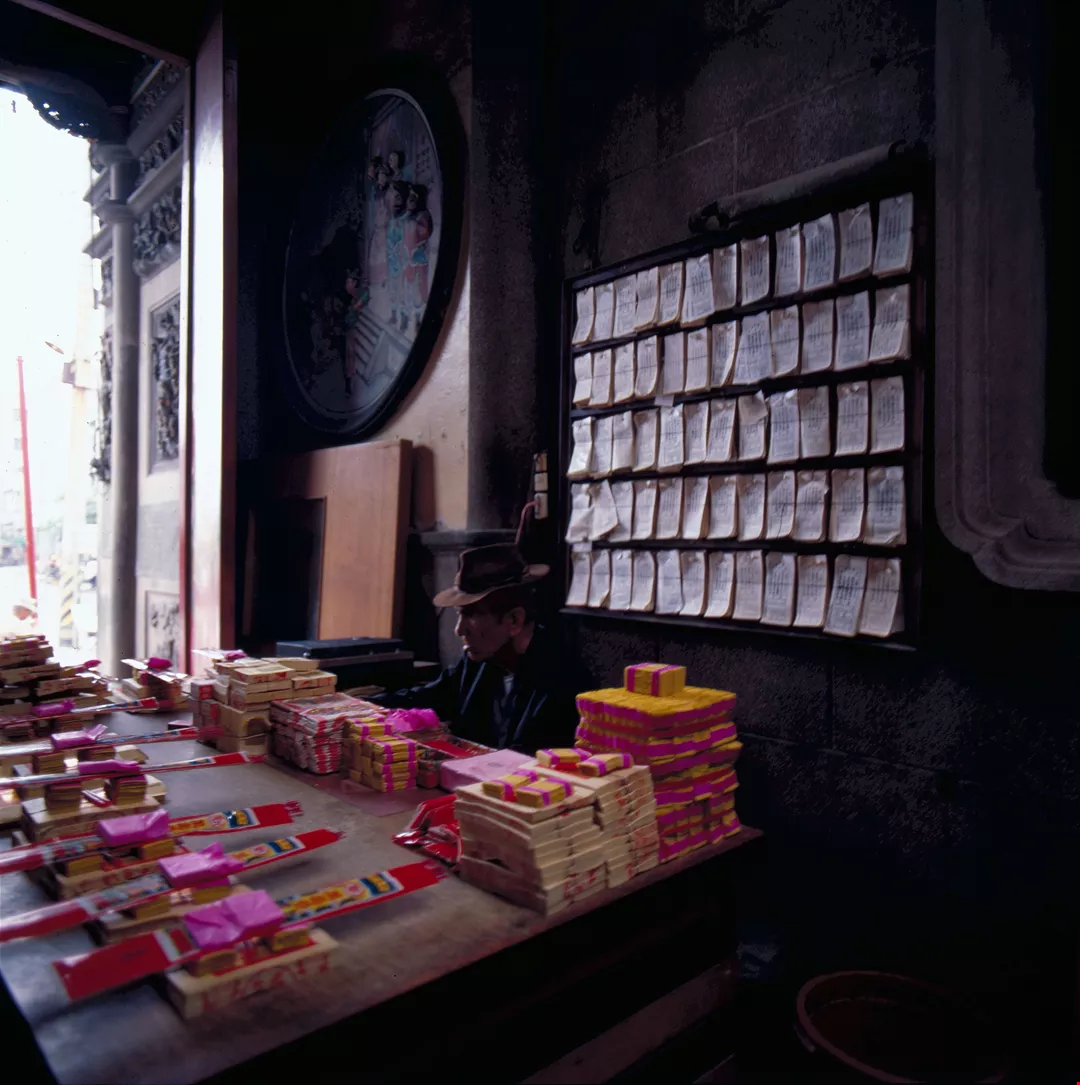
Villagers worship Matsu, or Goddess of the Sea, enshrined in the local temple.
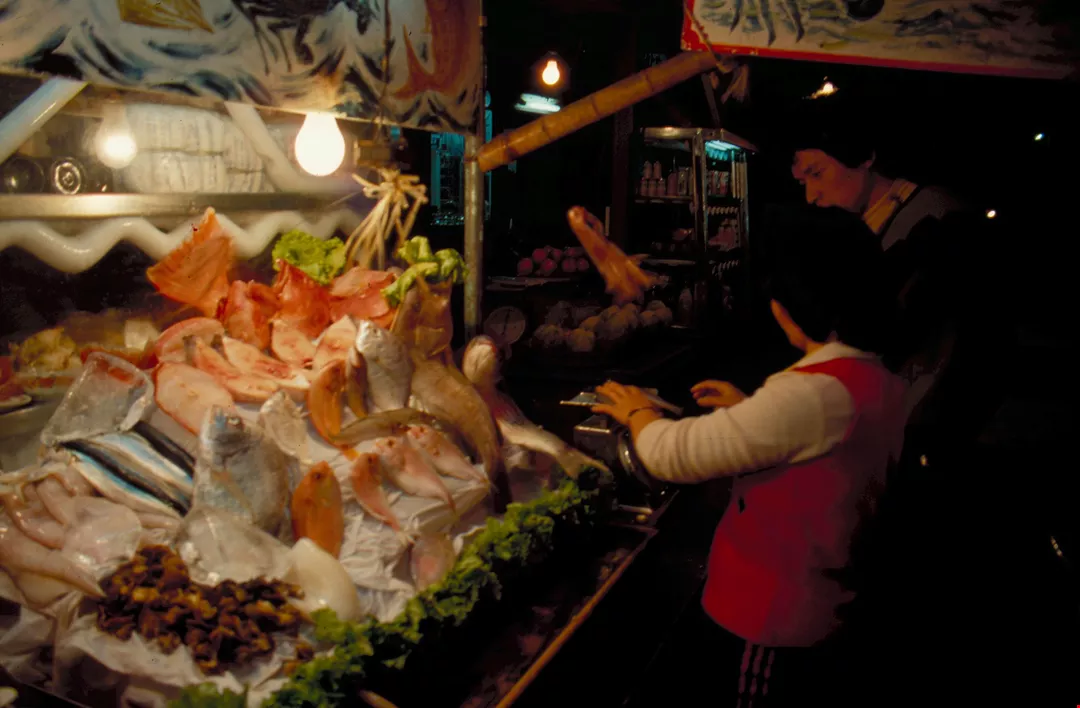
Travelers to Chichin always like to enjoy the seafood.
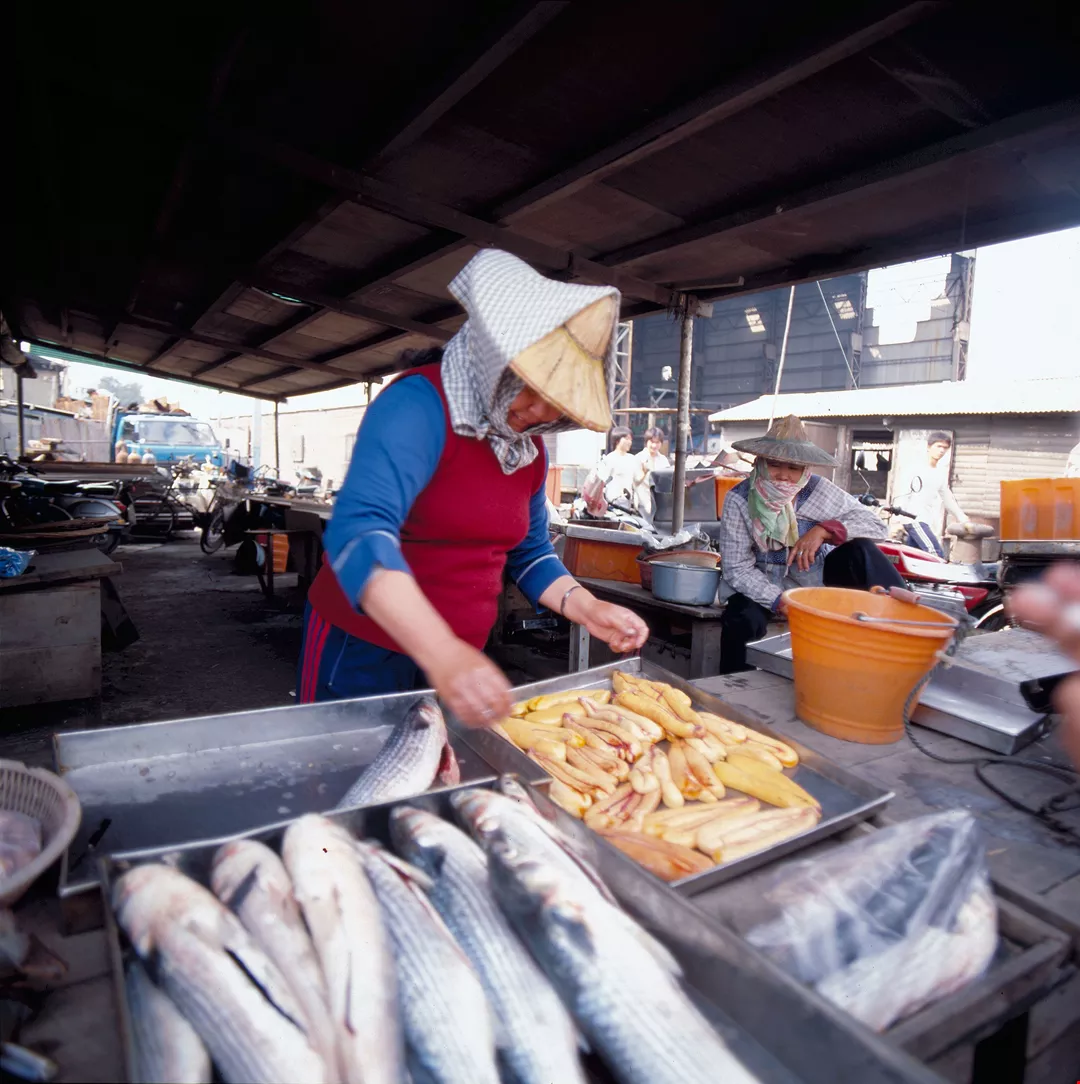
Mullet roe is used in expensive dishes in Taiwan and Japan.
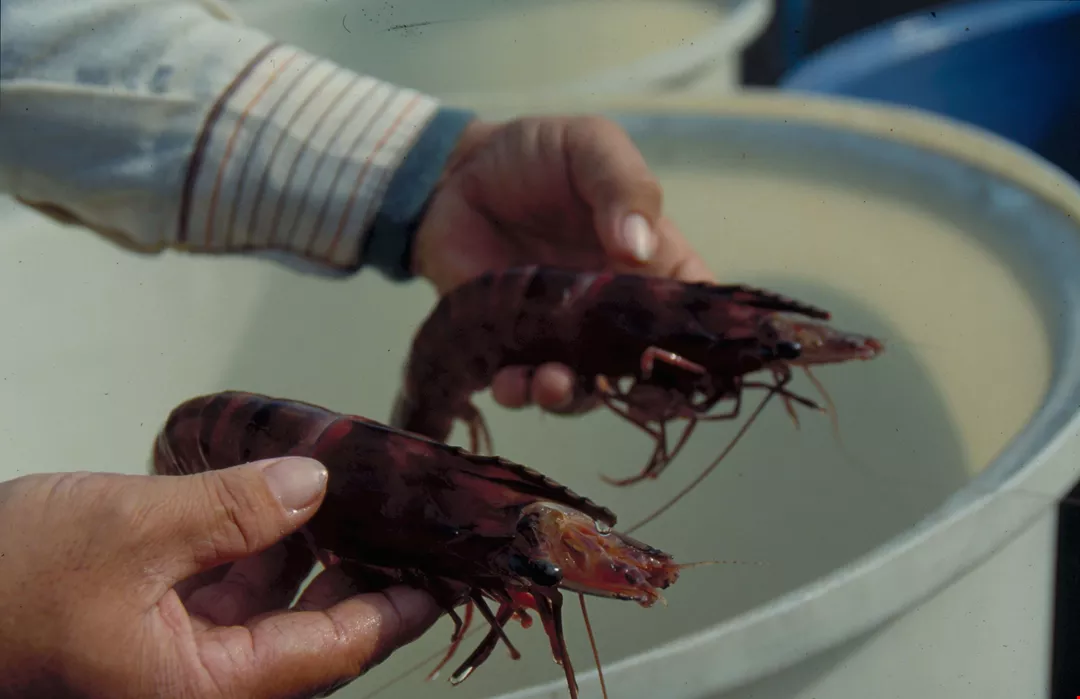
Residents cultivate shrimps in ponds. An imported female shrimp sells for as much as NT$20,000 (US$500).


@List.jpg?w=522&h=410&mode=crop&format=webp&quality=80)


