The science of astronomy has al ways been held in great respect in China, even as far back as the Eastern Han Dynasty (24-220 A.D.). Over the past 400 years, however, active research has fallen behind. To reverse this trend, the head of the Taipei City Observatory, Tsai Jang-hsien, has been devoting his time and efforts to rekindling interest in astronomy. The observatory itself, constructed by the Taipei City Government, has provided a place for people from all sectors of the community to observe the heavens through a large telescope.
Tsai's efforts have also won him international recognition. Recently a new planet discovered by Hartford University in the U.S. was named after him, the first time a Chinese has been so honored. The decision was made by the International Astronomical Union on a recommendation from the Smithsonian Observatory, to honor Tsai's devotion to astronomical science and observation.
Tsai first came to prominence in 1952, when he discovered what appeared to be a new variable star. Further observation showed that this was a whole constellation, and not just a single body.
Tsai become interested in astronomy when he was engaged in nature studies at primary school. In junior high school, he assembled a one-inch telescope, and joined an astronomy club. After the start of the Second World War forced him to curtail his higher education in Japan, he went on to the China mainland. Here he met the young woman who was to be his wife.
Out of work at the end of the war, Tsai was forced to sell vegetables in Shanghai. Then, out of the blue, he received a letter from Tai wan asking him to work at the observatory. The offer fulfilled his wildest dreams. Not only was this a job, but also a chance to pursue his favorite career. The change in for tune came by pure chance. At that time, Taiwan was short of experienced personnel in the astronomy field. Somebody at the observatory remembered Tsai's life long interest in the science, and the invitation for him to fill the vacancy was mailed.
Soon after taking up his new job in 1947, Tsai decided to organize an astronomy club for young people. Later, he opened the observatory to the public on Sundays. He remembers in particular thousands of people who lined up outside for a close look at Mars during one of its closest approaches to earth in 1962.
In 1963, the observatory was moved to its present location at Yuanshan close to the Grand Hotel in Taipei. To stimulate further public interest in astronomy, the Taipei City Government installed a planetarium at the site in 1963. After President Chiang Ching-kuo visited the facility last year, public interest reached a climax.
Every afternoon, a movie pro gram is presented at the planetarium, which attracts large audiences of mainly young people. The film is changed each month according to the constellations which are most visible and brightest at the time. The interest shown by children in these programs is ample evidence that Taiwan will not be short of astronomers in future. In view of the great interest shown in the observatory, Tsai is now working on the establishment of a national observatory.
Tsai has devoted himself to scientific research and stimulating public interest in astronomy for the past 30 years. He regards students, children and in fact anyone who visits the observatory as part of his scientific "family." "My efforts will have been worthwhile if I can encourage more and more people to look at the sky and simply ask 'Why?'" he says.
[Picture Caption]
1. A room on the roof of the observatory over looks the Grand Hotel. 2. The Taipei Municipal Observatory at Yuanshan. 3. The Head of the observarory, Tsai Jang-hsien, explains equipment to a group of visitors.
1. Telescope at the observatory. 2. Pictures of constellations and nebulae. 3. Star nebula seen through a powerful telescope. 4. This star cluster named M-57 is 2,300 light years from earth. 5. This cluster, 3,300 light years from earth, is traveling away from the solar system at a rate of 6 miles per second.
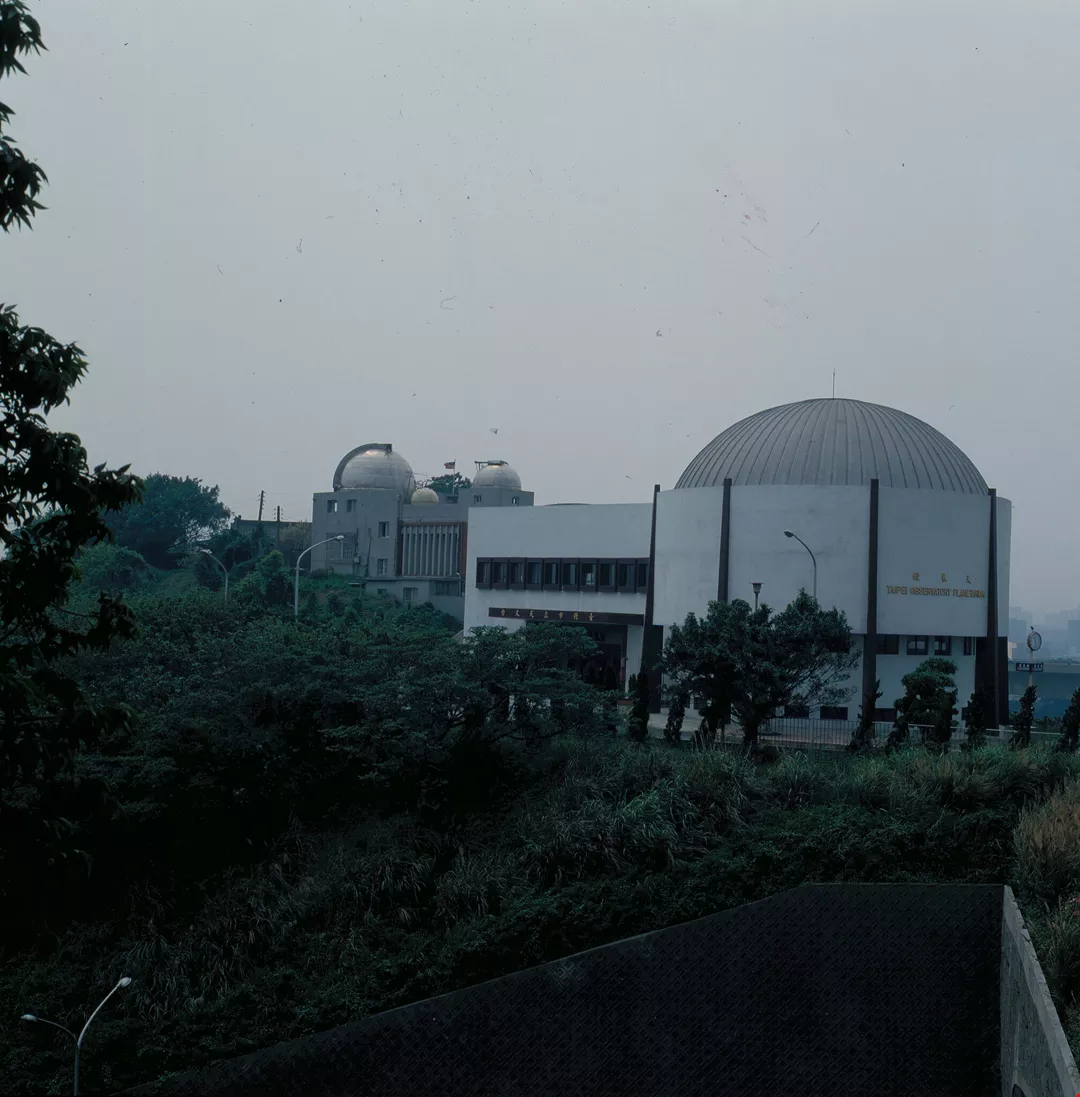
The Taipei Municipal Observatory at Yuanshan.
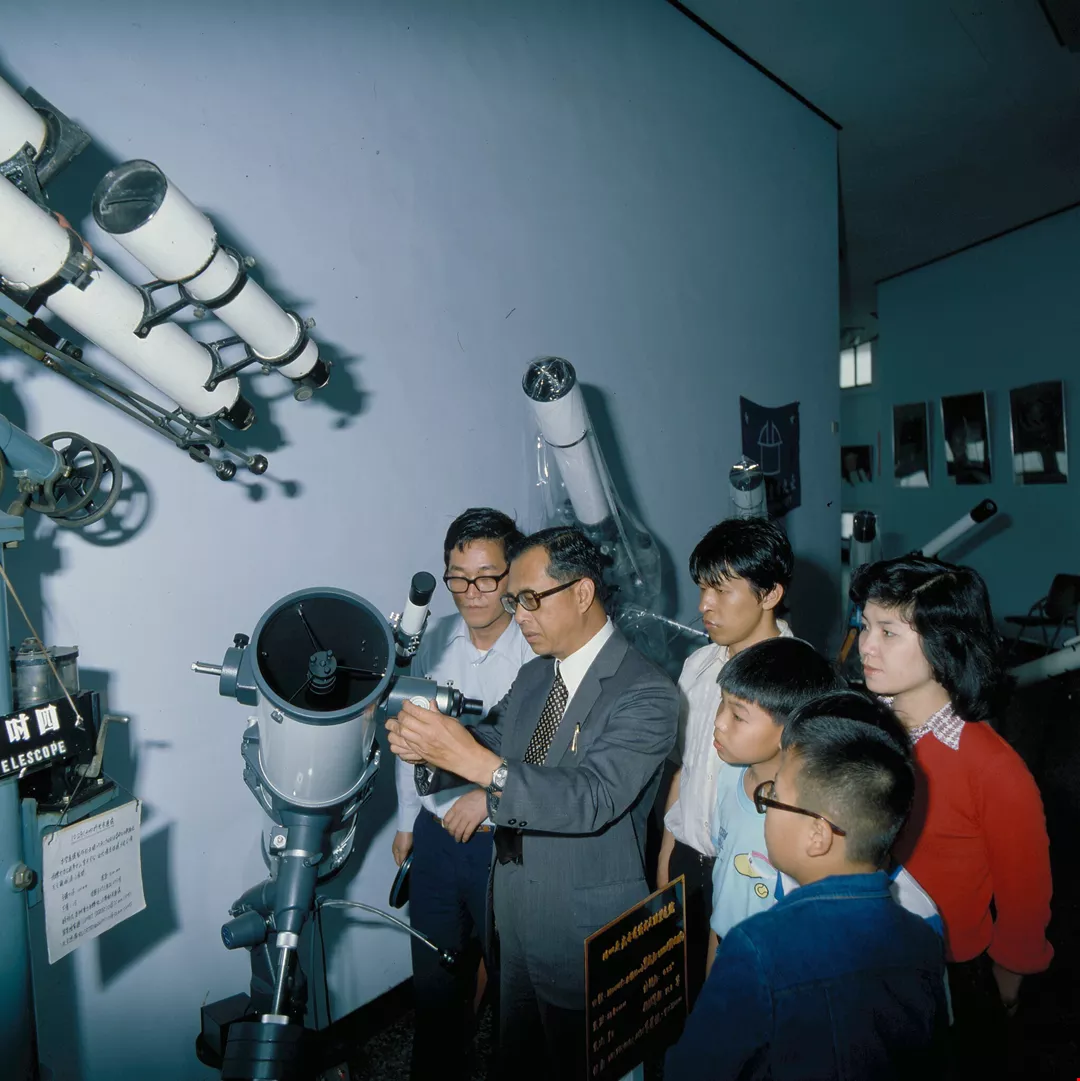
The Head of the observarory, Tsai Jang-hsien, explains equipment to a group of visitors.
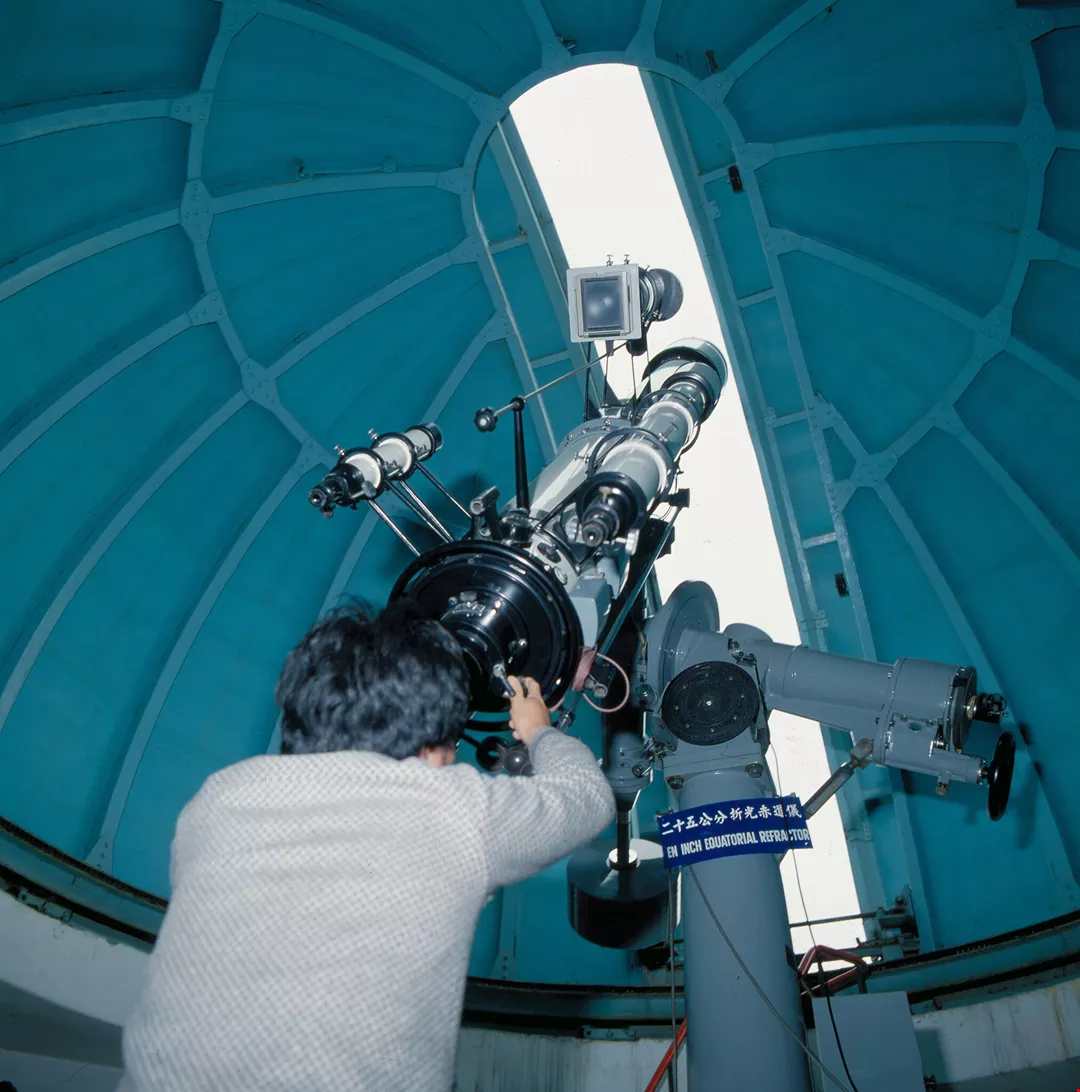
Telescope at the observatory.
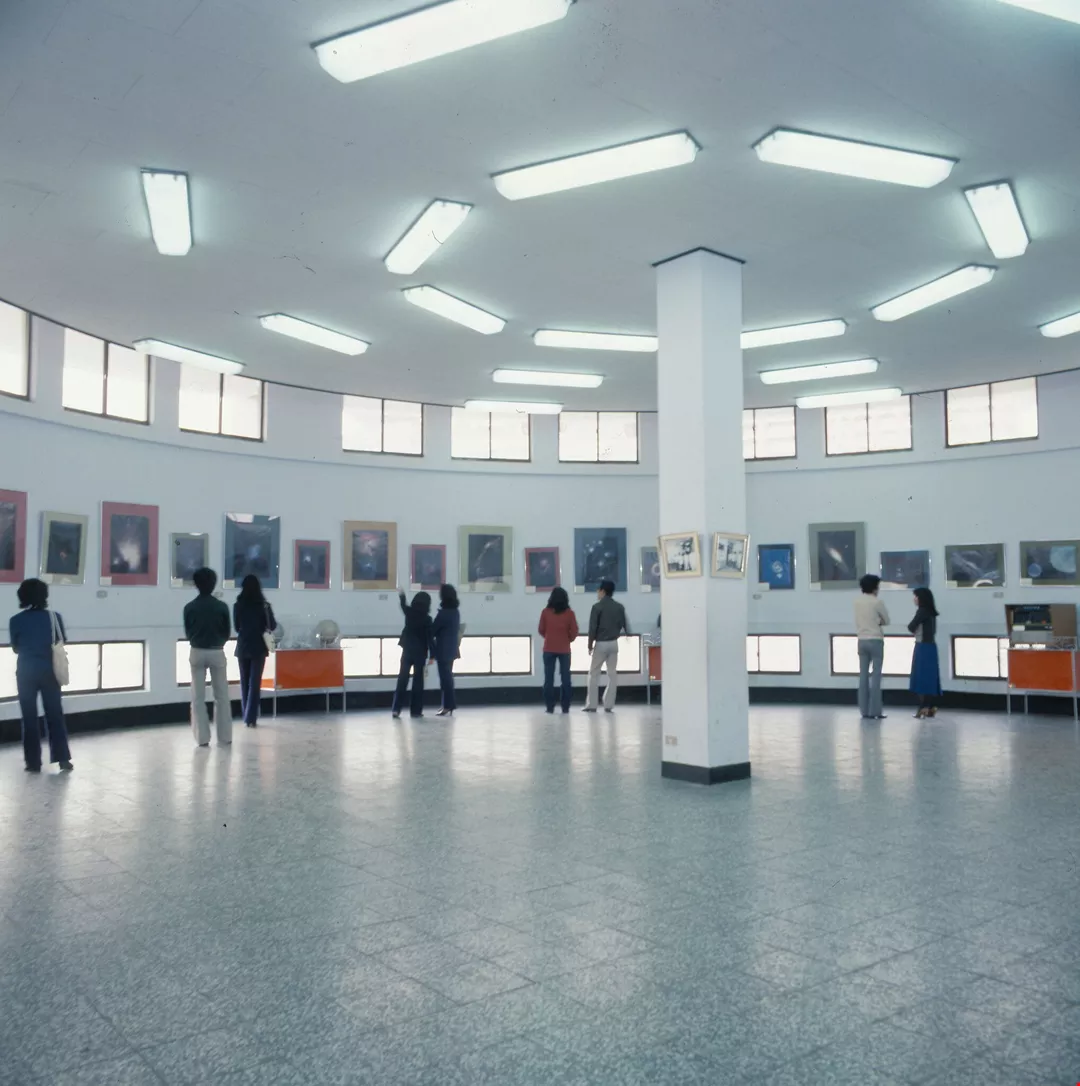
Pictures of constellations and nebulae.
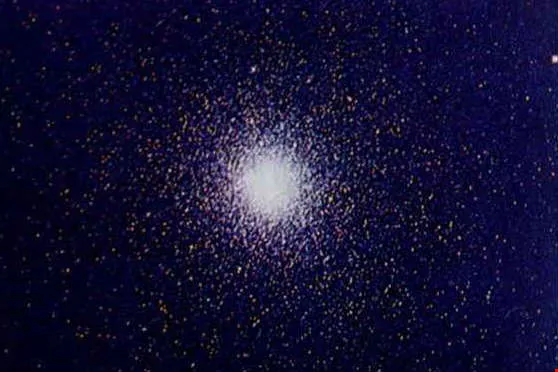
Star nebula seen through a powerful telescope.
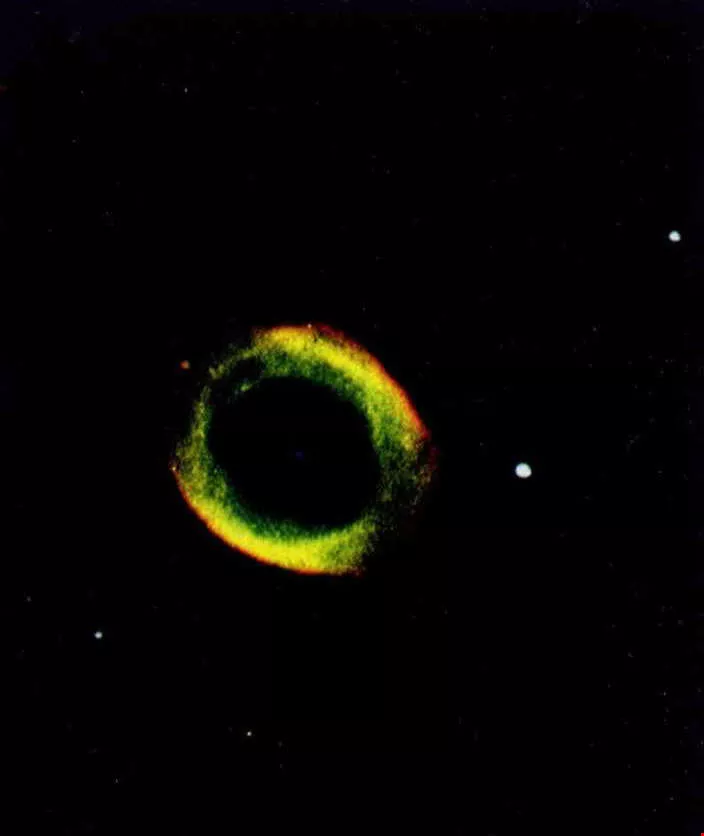
This star cluster named M-57 is 2,300 light years from earth.
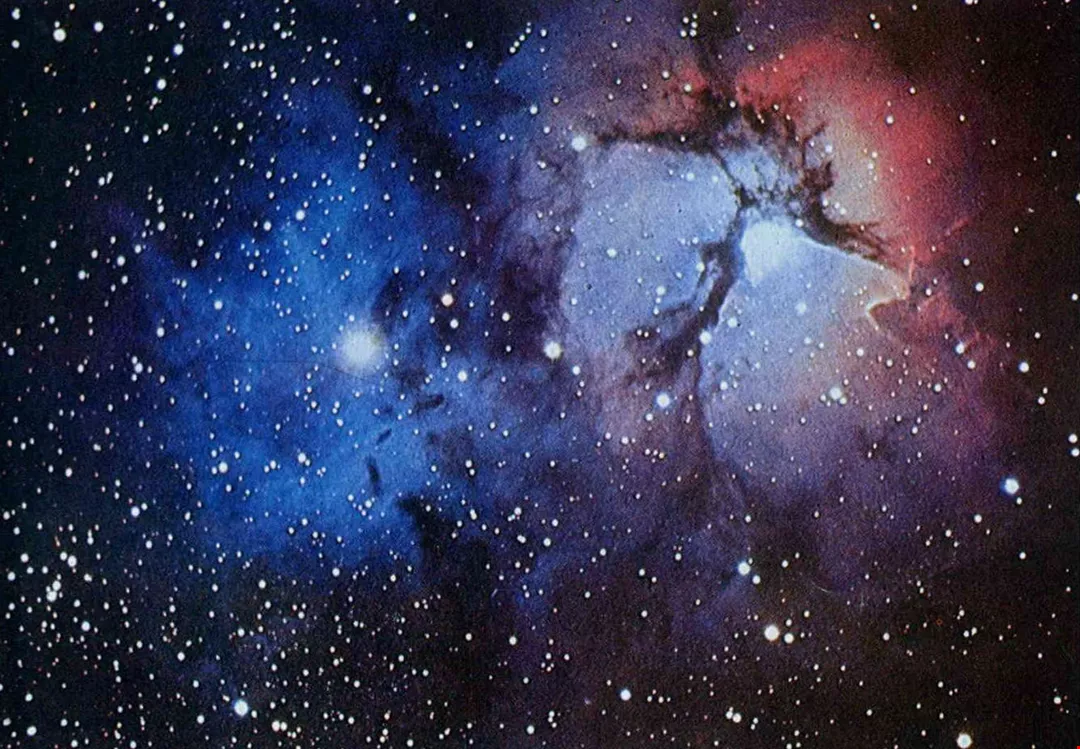
This cluster, 3,300 light years from earth, is traveling away from the solar system at a rate of 6 miles per second.




@List.jpg?w=522&h=410&mode=crop&format=webp&quality=80)


@List.jpg?w=522&h=410&mode=crop&format=webp&quality=80)
@List.jpg?w=522&h=410&mode=crop&format=webp&quality=80)