

Most international travelers know that the Chiang Kai-shek International Airport in northern Taiwan is one of the most modern in the world. Perhaps only a handful, however, know that just two kilometers from the airport's terminal is the largest aviation museum in Asia. Since the Chung Cheng Aviation Museum was opened on Oct. 31, 1981, an estimated 700,000 people have seen its displays. Its large and varied contents have given the museum the reputation of being a center for aviation science.
The triangular-shaped building, covers an area of more than 35,000 square meters, and its three floors contain a main hall and four exhibition rooms for civil aviation, aviation technology, aviation history, and a space tunnel. There is also a 37-meter high control tower mock-up which contains replicas of all the equipment found in a real control tower. Visitors can monitor conversations between pilots and air traffic controllers while at the same time having a bird's eye view of the entire airport.
In front of the museum are three real aircraft, a DC-3, an F-86, and an RF-101. The DC-3 is an inspection plane formerly used by the Civil Aeronautics Administration. Below the cockpit of the F-86 are three red stars, indicating that it shot down three Communist fighters in the air war over the Taiwan Straits; while the RF-101 is a reconnaissance plane which has flown deep into Communist controlled territory to complete many dangerous missions.
In the main hall is a full size replica of the plane flown by the Wright brothers at Kitty Hawk, constructed by the China Youth Aviation Study Club with the help of three advisors. It is only the sixth such model in the world.
To the right of the main hall is the civil aviation display area which introduces visitors to the main developments in civil aviation world-wide. Pictures and models of airplanes are displayed chronologically. There is also a display of the planes used today by major airlines including models of the Boeing 747 Jumbo Jet, the DC-10, the 767, and the still to be introduced 757. A long-bodied, slant-winged model that attracts considerable public attention has moveable wings to reduce noise and drag, enabling it to travel at Mach 12 speeds while transporting 2,000 passengers, five times as many as the 747. This plane is still under study, but it may well be the prototype for passenger planes of the future.
On the left of the ground floor is a display area which demonstrates the theory and technology of flight. On the walls, text and diagrams explain simply the four forces involved in flight - resistance, gravity, thrust, and lift.
To help people understand the thrust force, four types of engines are displayed. Four planes in this section are equipped with controls which give children a real sensation of flying when they sit in them.
Upstairs is the third display room, which traces the history of man's early attempts to fly by such varied means as kites, balloons, and wings attached to the body. The walls are adorned with murals depicting myths concerning flight from all areas and ages. In 1903, with the Wright Brothers' flight, mankind entered a new era. Every important advance since then is illustrated with the help of 400 model airplanes, including fighters and bombers from two world wars, and modern jet aircraft.
The space tunnel, also on the second floor, shows the development of space travel starting with primitive rockets and going through to the space shuttle Columbia. Hanging from the ceiling is a replica of the first man-made space satellite, Sputnik 1, launched in 1957. A simulated scene of the landing of the Apollo 15 spacecraft on the moon incorporates a real space suit. Finally, there is a 1:15 scale model of the Columbia which visitors like to stand by to be photographed.
As well as being a display area for aviation history and technology, the museum is also intended to stimulate interest in aeronautical engineering and science.
Former CAA director, Mao Ying- tsu considers that once a nation's material development reaches a certain level, if cultural development does not keep pace gaps will develop. It was in light of this that planning began on the museum in 1978.
Today, in addition to the China Youth Aviation Study Club, there are many programs carried out directly with schools, including tours of the museum by students from kindergarten through high school. The museum has even cooperated with the Taipei City Department of Education to organize a "High School Students' Weekend and Holiday Science Study Group," and representatives from every high school in the city are chosen to take part in lectures, discussions, tours and other projects.
The Chung Cheng Aviation Museum is helping to cultivate interest among youths in aviation, while at the same time laying a foundation for the Chinese aerospace industry of the future. In the words of Neil Armstrong, the first man to set foot on the moon, "It is a small step for man, but a giant leap for mankind."
[Picture Caption]
1. Children get a close look at a real airplane. This RF-101 has flown deep into Communist controlled airspace on reconnaissance missions. 2. Some children diligently take notes as they tour the museum. 3. In the History of Aviation Display Area there are over 400 small, medium, and large size model planes. 4. Children learn about the construction and special characteristics of different planes from tour guides.
1. Here in the History of Civil Aviation Display Area models of a 747, a DC-10, a 767, a 757, and other passenger aircraft are on exhibit. 2. In the History of Aviation Display Area are models of all types of passenger and military airplanes. 3. The Wright Brothers' plane is of very light construction, it weighs only 85 kilos. 4. A 1:15 scale model of the space shuttle Columbia.
Top: Students being photographed with a Cessna 150. Bottom: The controls in these small planes really work. Children get a good idea of the principles behind flight from them.
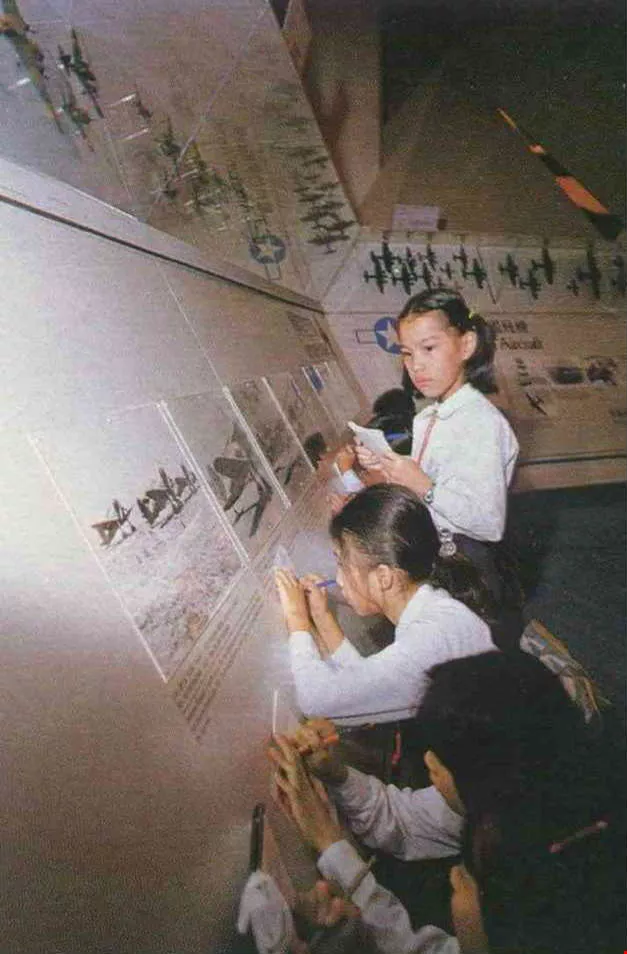
Some children diligently take notes as they tour the museum.
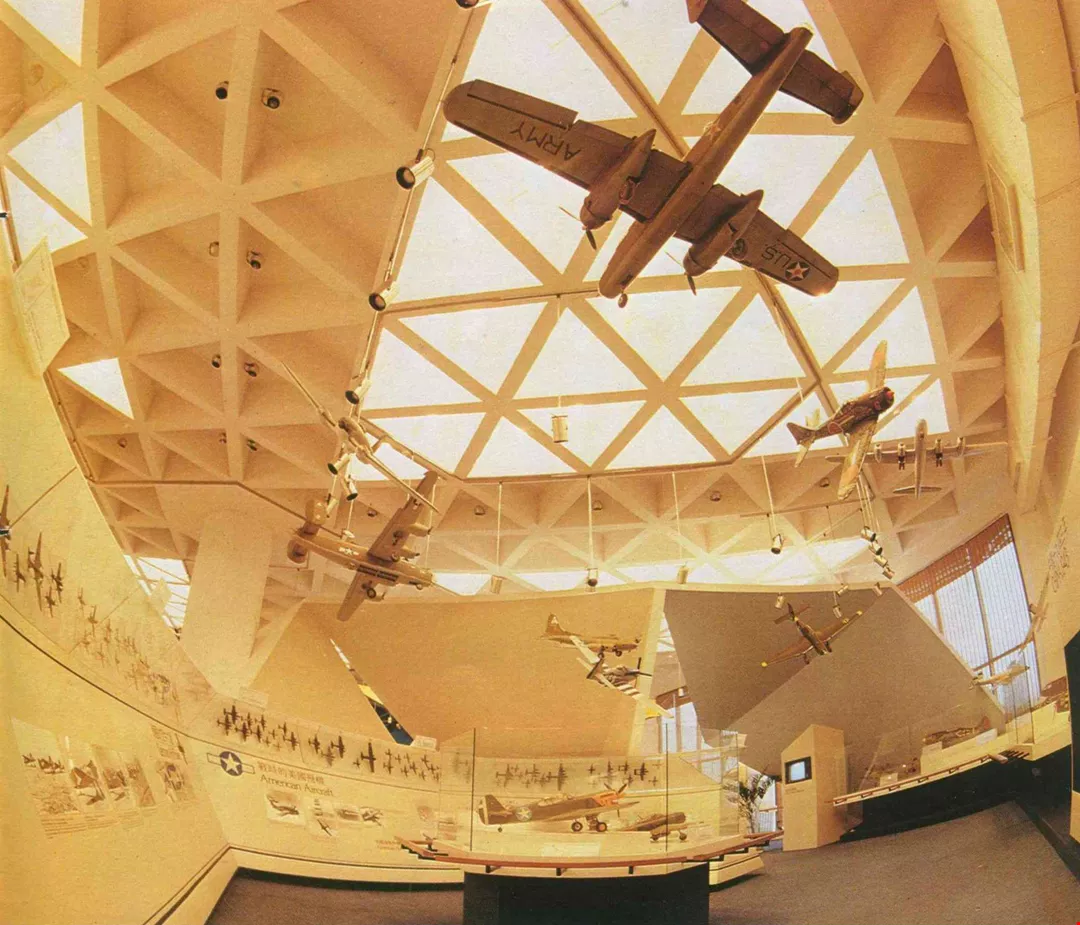
In the History of Aviation Display Area there are over 400 small, medium, and large size model planes.
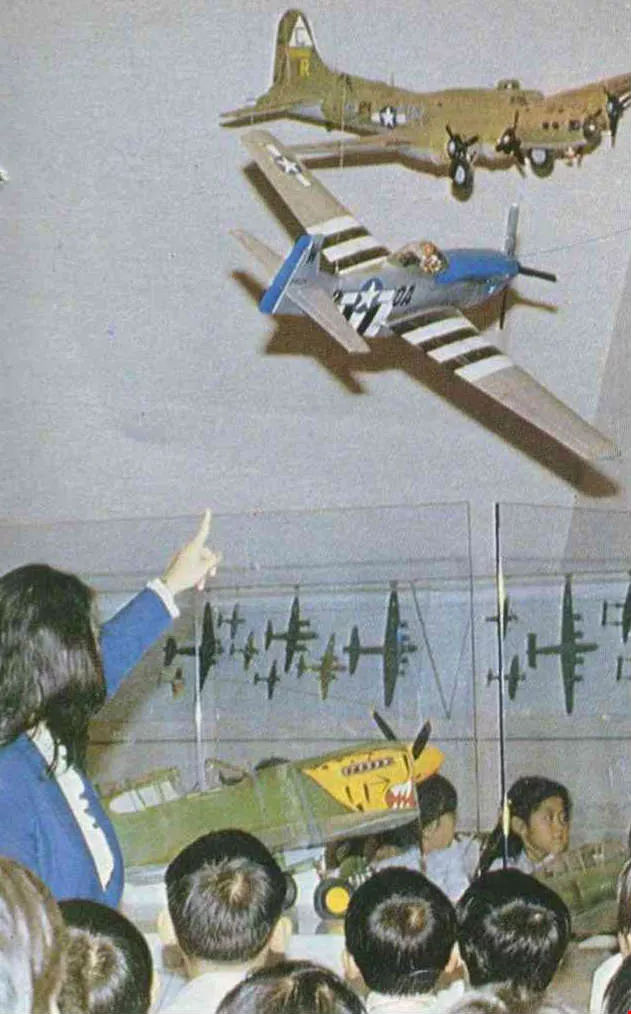
Children learn about the construction and special characteristics of different planes from tour guides.
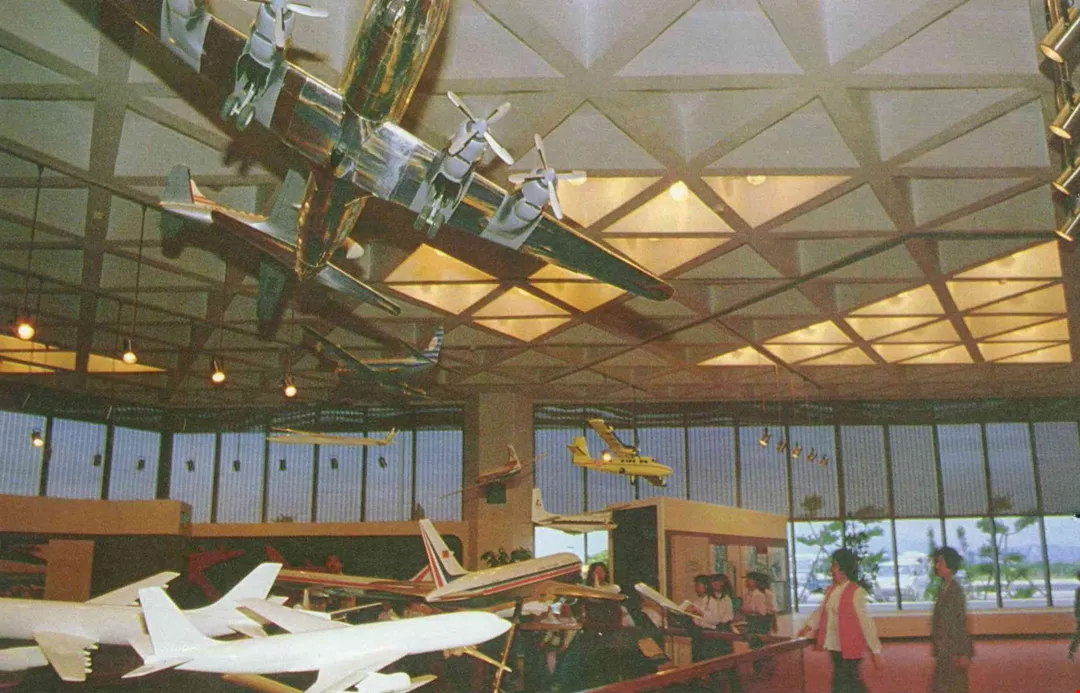
Here in the History of Civil Aviation Display Area models of a 747, a DC-10, a 767, a 757, and other passenger aircraft are on exhibit.
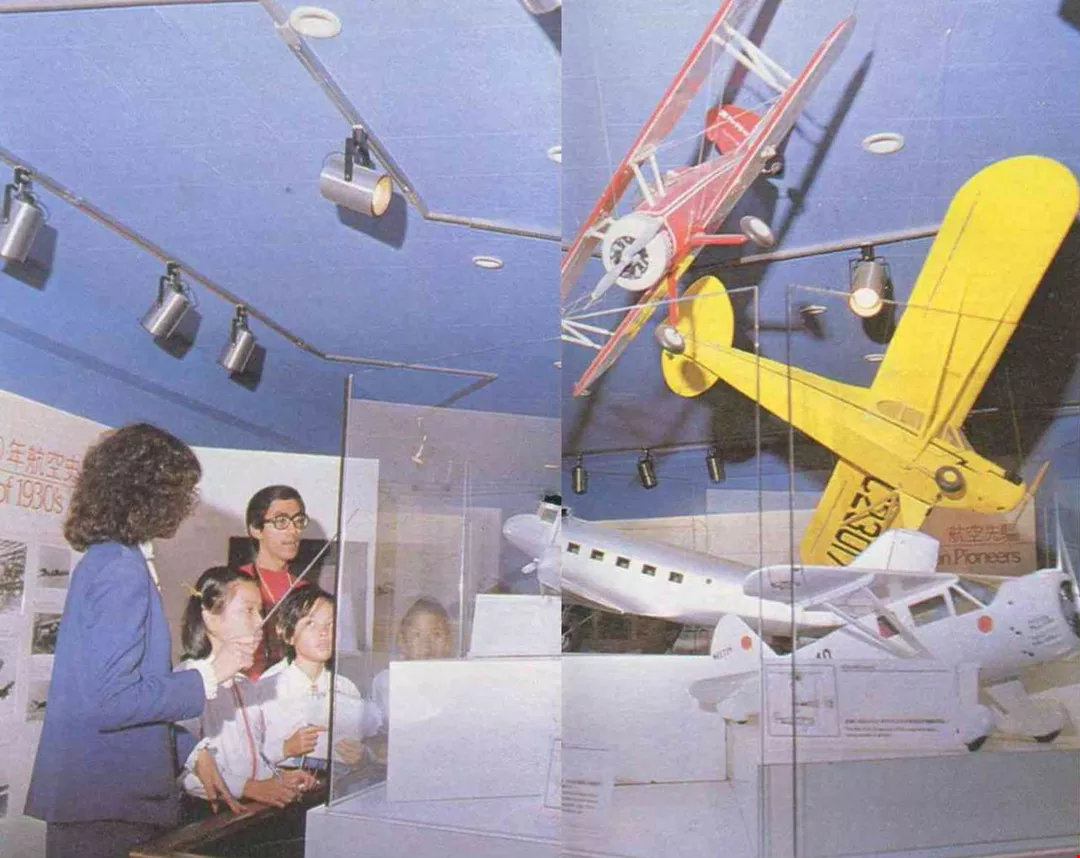
In the History of Aviation Display Area are models of all types of passenger and military airplanes.
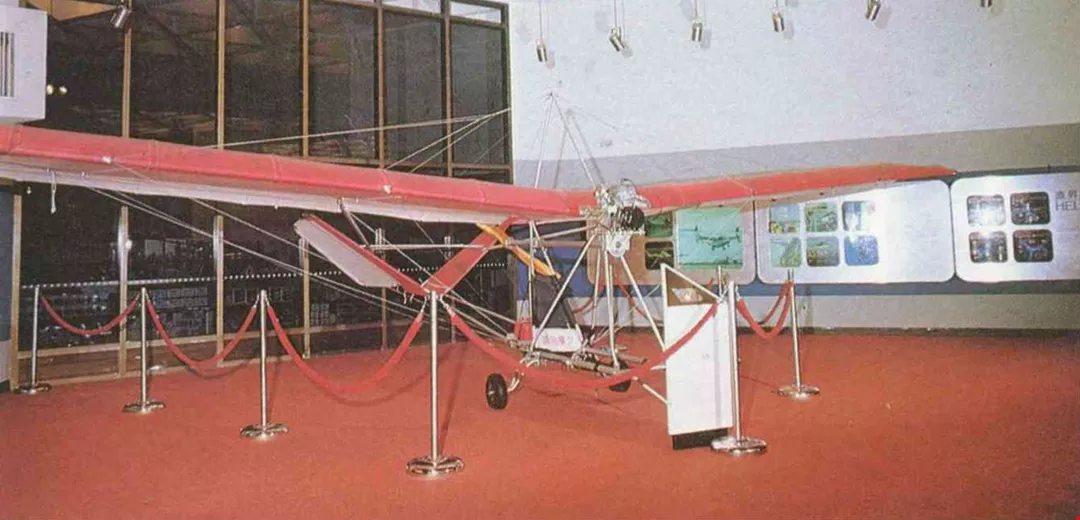
The Wright Brothers' plane is of very light construction, it weighs only 85 kilos.
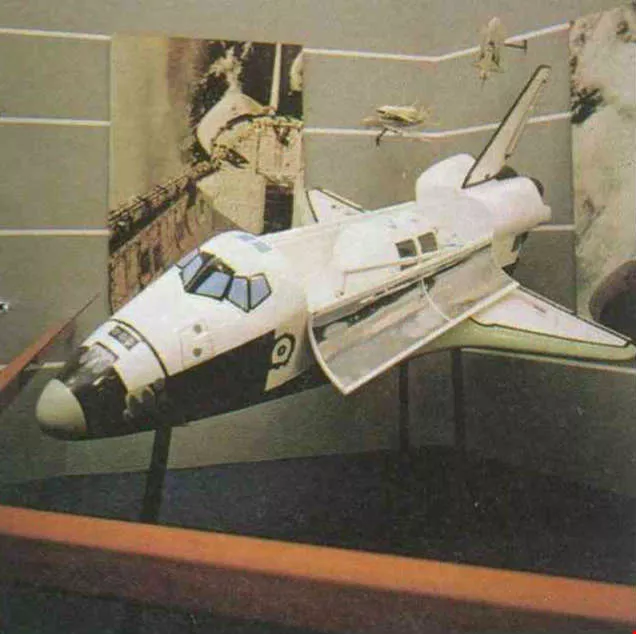
A 1:15 scale model of the space shuttle Columbia.
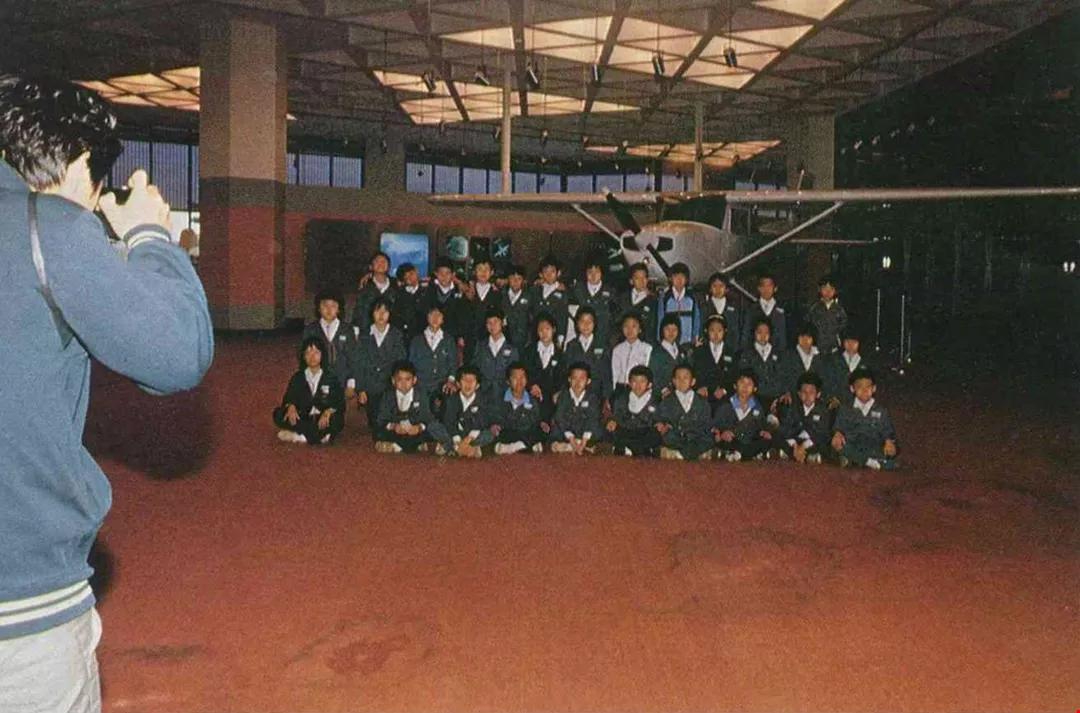
Students being photographed with a Cessna 150.
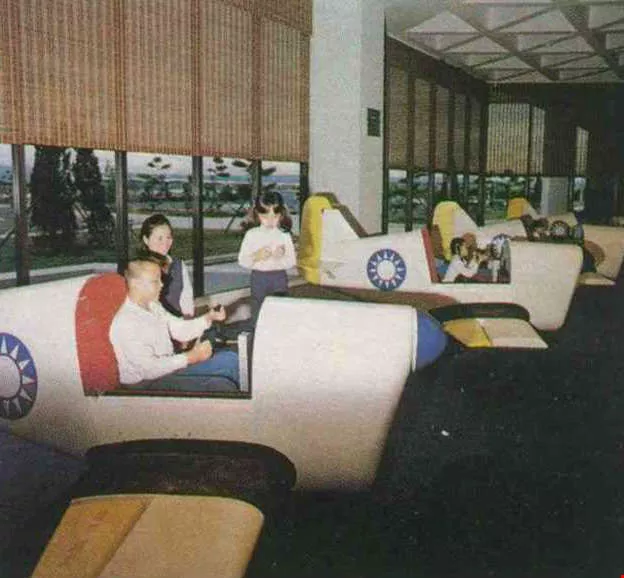
The controls in these small planes really work. Children get a good idea of the principles behind flight from them.


@List.jpg?w=522&h=410&mode=crop&format=webp&quality=80)


